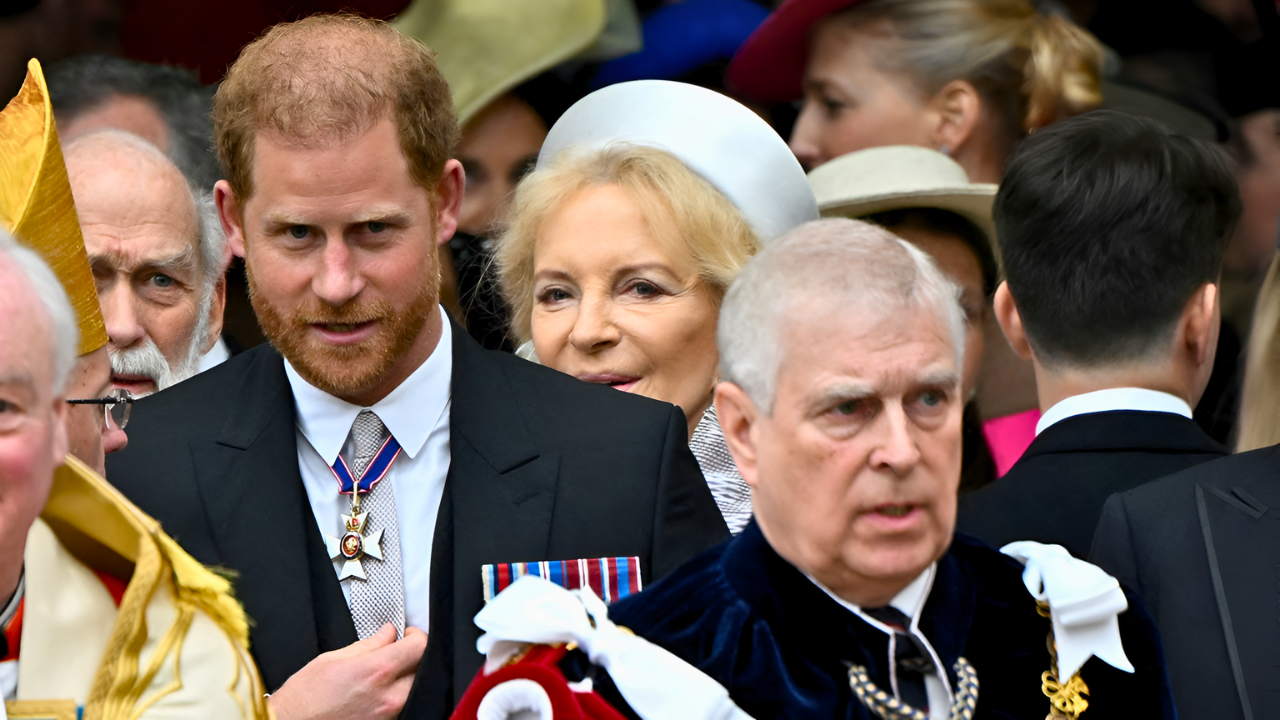
Scroll through the royal family’s official website, and you’ll notice something quietly devastating: a blank space where Prince Andrew once stood. Not a name scrubbed clean with careful HTML edits—but an actual gap, a visual void sitting between the pages for Harry and Meghan and the rest of the working royals.
It’s the digital equivalent of someone being erased from a family photo, while the frame remains, a gaping reminder that someone used to be there. In early November 2025, Buckingham Palace didn’t just remove Andrew Mountbatten-Windsor from its roster. They left the hole visible.
When a Royal Announcement Becomes a Countdown
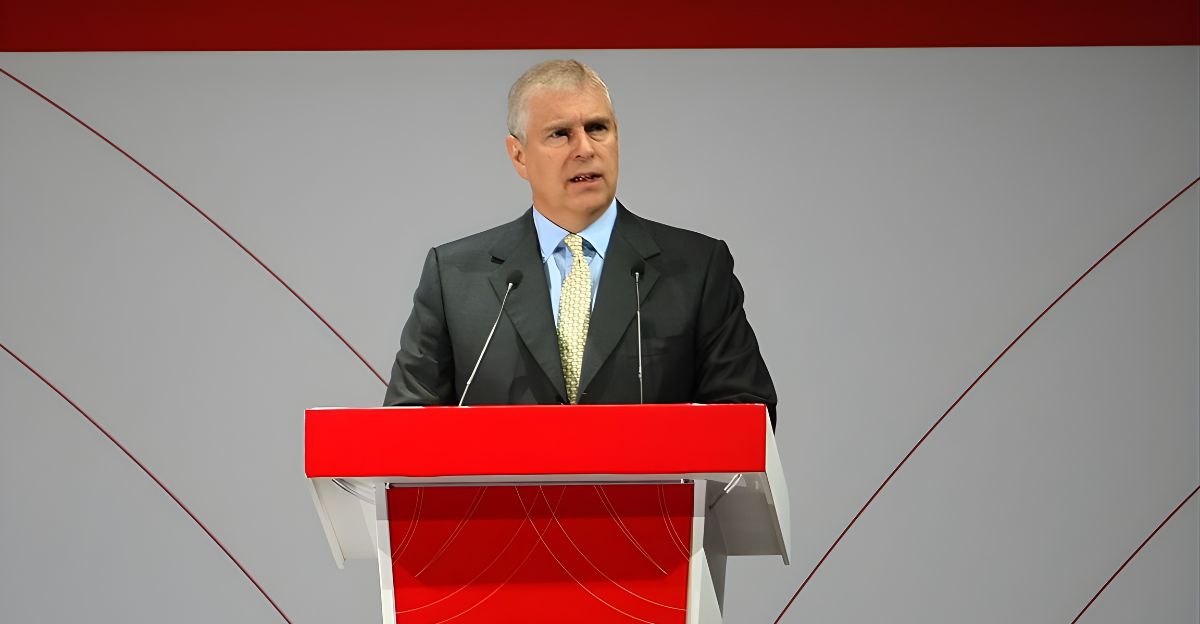
On October 17, Andrew issued a carefully worded statement. He would no longer use his Duke of York title, he said, citing the ongoing scrutiny surrounding his association with Jeffrey Epstein. The statement struck a tone of duty and sacrifice, positioning his relinquishment as a responsible step.
The decision came with significance: renewed attention to his links with the convicted sex trafficker, particularly following the October 21 release of Virginia Giuffre’s posthumous memoir, Nobody’s Girl, which detailed her allegations against him with unflinching specificity.
The Memoir That Changed Everything

Virginia Giuffre died by suicide in April 2025, but her memoir arrived weeks later like a second wave. In Nobody’s Girl: A Memoir of Surviving Abuse and Fighting for Justice, co-written with author Amy Wallace and published by Penguin Random House, Giuffre recounted her experiences with Epstein and his associates, including three alleged encounters with Andrew.
The book didn’t introduce new allegations—those had been documented in civil suits and earlier statements. Instead, it consolidated her narrative, giving her voice permanence that no settlement agreement could erase.
The Palace’s Response: Two Weeks, Total Removal
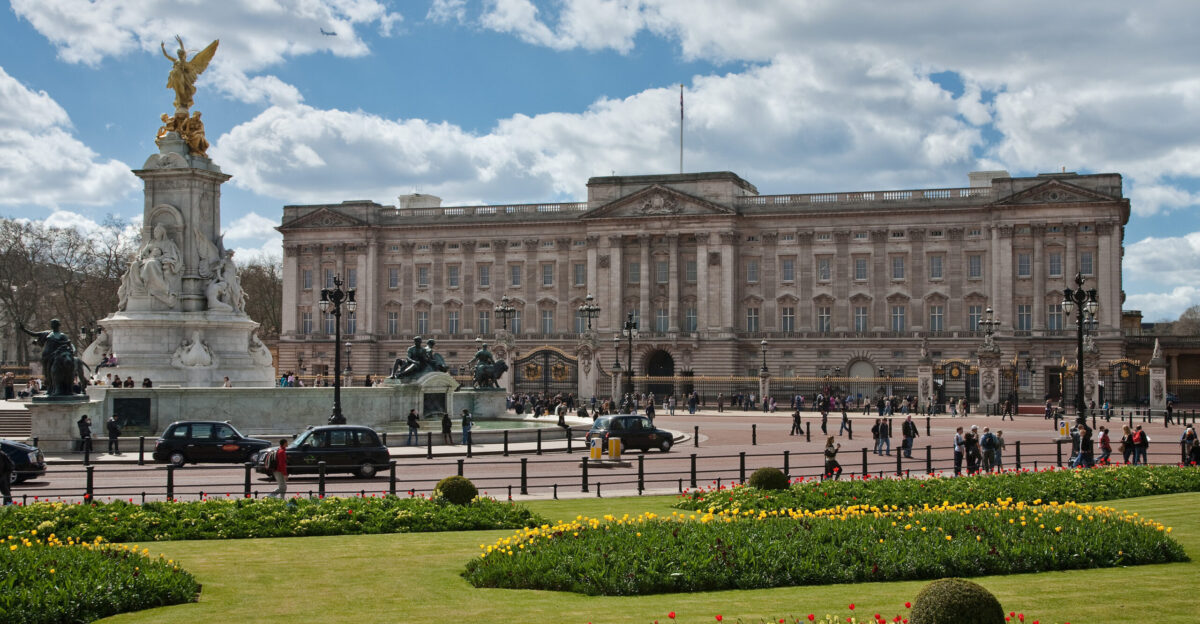
The timeline accelerated sharply. Thirteen days after Andrew’s own announcement, Buckingham Palace dropped its formal statement. King Charles, according to the October 30 announcement, had “initiated a formal process to revoke the Style, Titles and Honours of Prince Andrew.”
This wasn’t a negotiation or a gradual transition. It was decisive, surgical, and public. Andrew would lose not just the Duke of York title, which he had worn for over four decades, but also the prince designation held since birth—a title bestowed simply for being the Queen’s son.
What It Means to Lose a Title You Were Born With
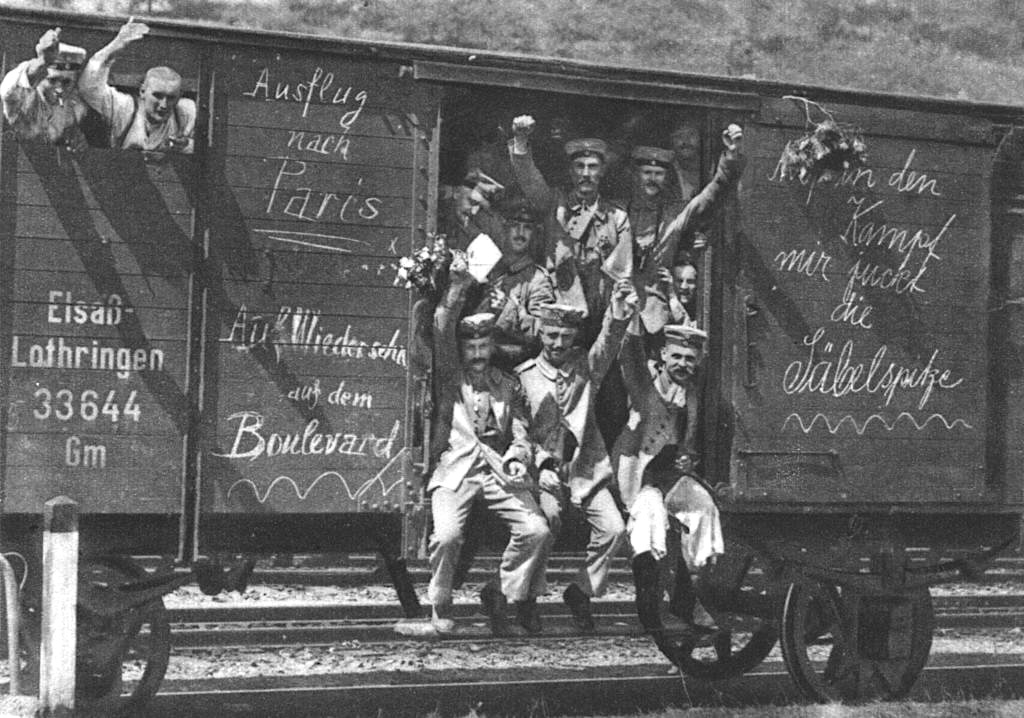
The distinction matters profoundly. Andrew didn’t surrender being a prince; King Charles took it. On November 3, 2025, Letters Patent—formal documents bearing the royal seal—declared that Andrew Mountbatten-Windsor “shall no longer be entitled to hold and enjoy the style, title or attribute of ‘Royal Highness.'” This represented something historically rare.
The last time a British royal lost his title was in 1919, when Prince Ernest Augustus was stripped of his title for supporting Germany during World War I.
The Physical Eviction That Followed

The titles were just the beginning. Royal Lodge, Andrew’s 30-room Windsor mansion where he’d lived since 2003, would be surrendered. According to Buckingham Palace, formal notice was served. Andrew faced relocation to Sandringham Estate, a property on the King’s personal holdings, where accommodation would be arranged but far less grand than the royal residence.
It was a complete dismantling—titles gone, home gone, public standing gone. What remained was Andrew Mountbatten-Windsor, a private citizen in all but his continued line-of-succession status.
The Digital Disappearance
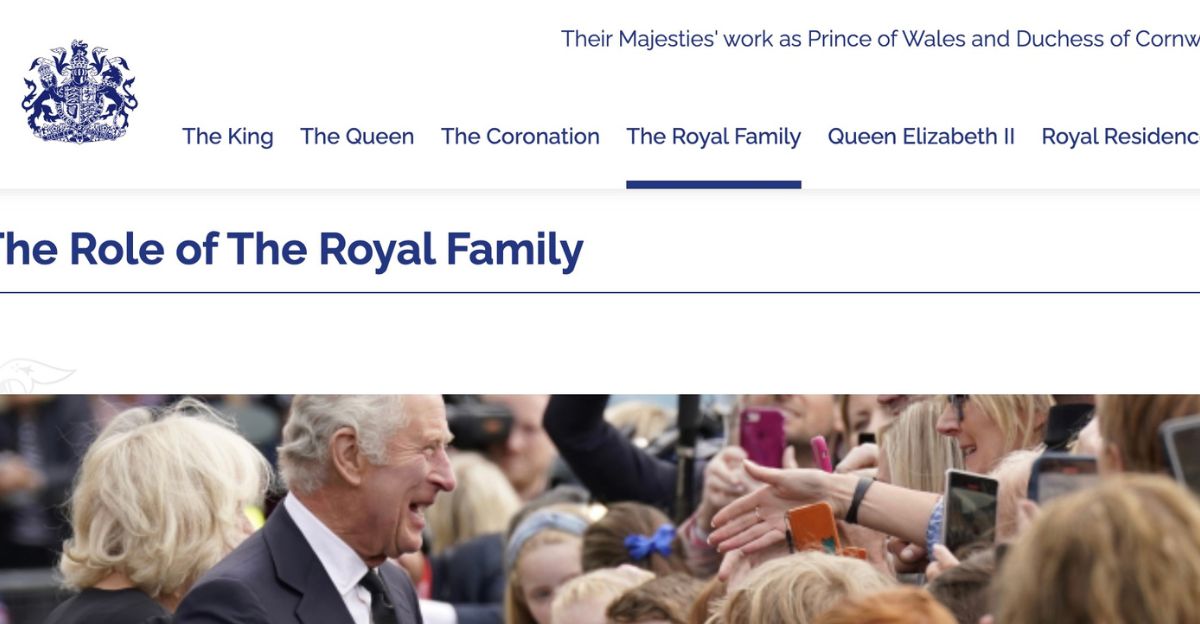
But something else happened that matters profoundly in 2025. Andrew’s biography page vanished from the royal website. According to reports in late November, his individual profile—the digital footprint every working royal maintains was deleted.
When you navigate to the location where Andrew’s section once stood, you encounter a void. It’s not hidden; it’s not reformatted to conceal the gap. The space is visibly empty, as if Buckingham Palace deliberately chose to leave the evidence.
Three Outcasts, One Blank Row
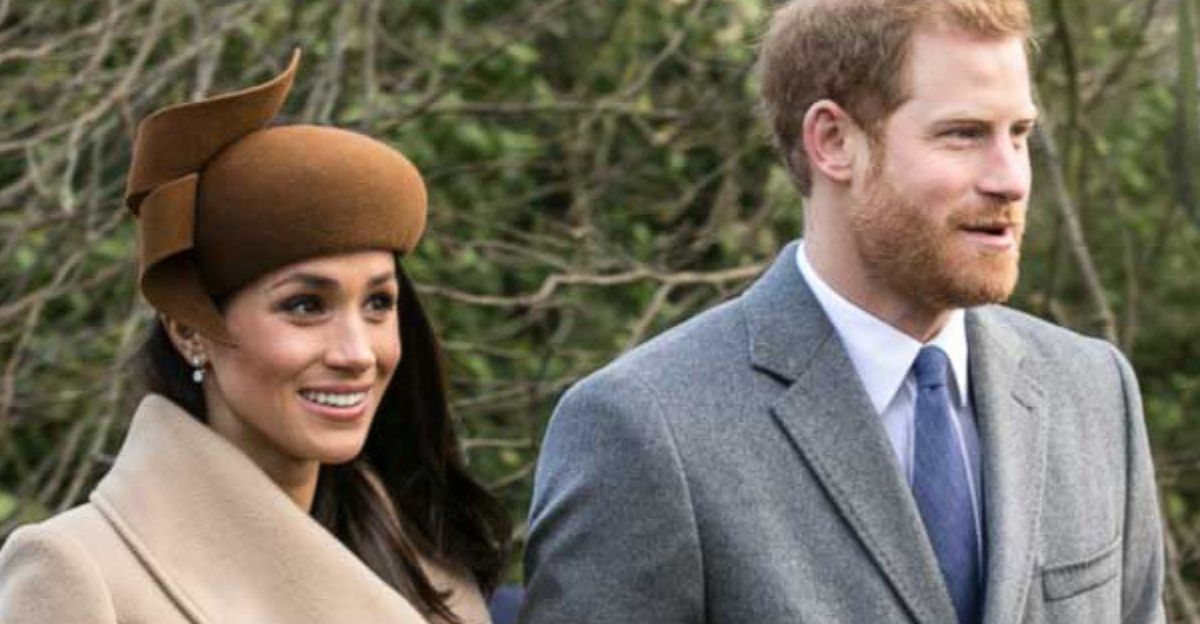
Here’s where the digital narrative intersects with a larger royal story. On that same Royal Family website, Harry and Meghan occupy a space. After they stepped back from public-facing royal duties in 2020, their profile was downgraded.
Now, with Andrew’s removal complete, the three remain in a state of limbo: present in law and succession, yet absent from the institution’s public narrative—a shared space of erasure.
The Empty Space as Intentional Message
Why hasn’t the Palace reformatted the page? Technically, filling the void would take minutes. A few lines of CSS, a page refresh, and the blank space vanishes. Instead, it remains—and that choice carries meaning. Some observers interpret it as shaming, a deliberate visual representation of Andrew’s disgrace.
Others suggest digital incompetence. Either way, the empty slot tells a story more powerfully than any written statement could. It says: he was here, and now he isn’t. We’re showing you exactly where.
The Epstein Shadow That Won’t Fade
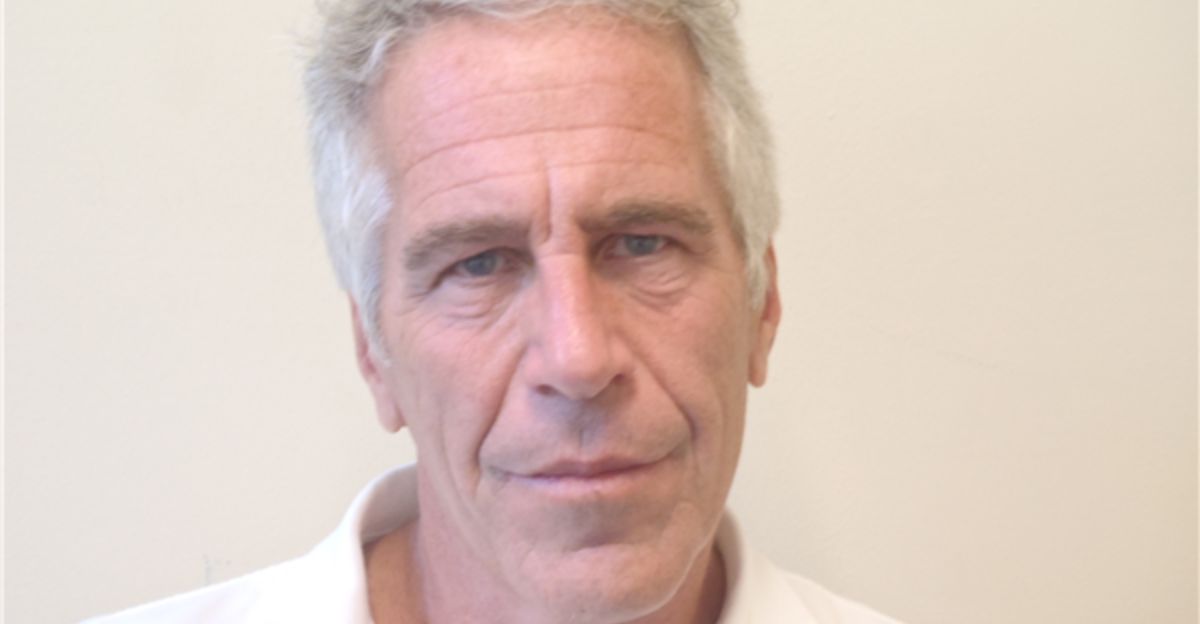
Jeffrey Epstein’s death in jail in 2019 didn’t end his reach. His victims continue to demand accountability, his associates continue to face consequences, and victims’ voices—especially Giuffre’s—continue to reshape how institutions respond.
For Andrew, the association has become radioactive. Even his 2022 settlement with Giuffre, which cost millions and kept him out of a courtroom, hasn’t closed the chapter. It simply bought silence until Giuffre’s memoir reopened it with unrelenting force.
The 2019 Interview That Started the Unraveling
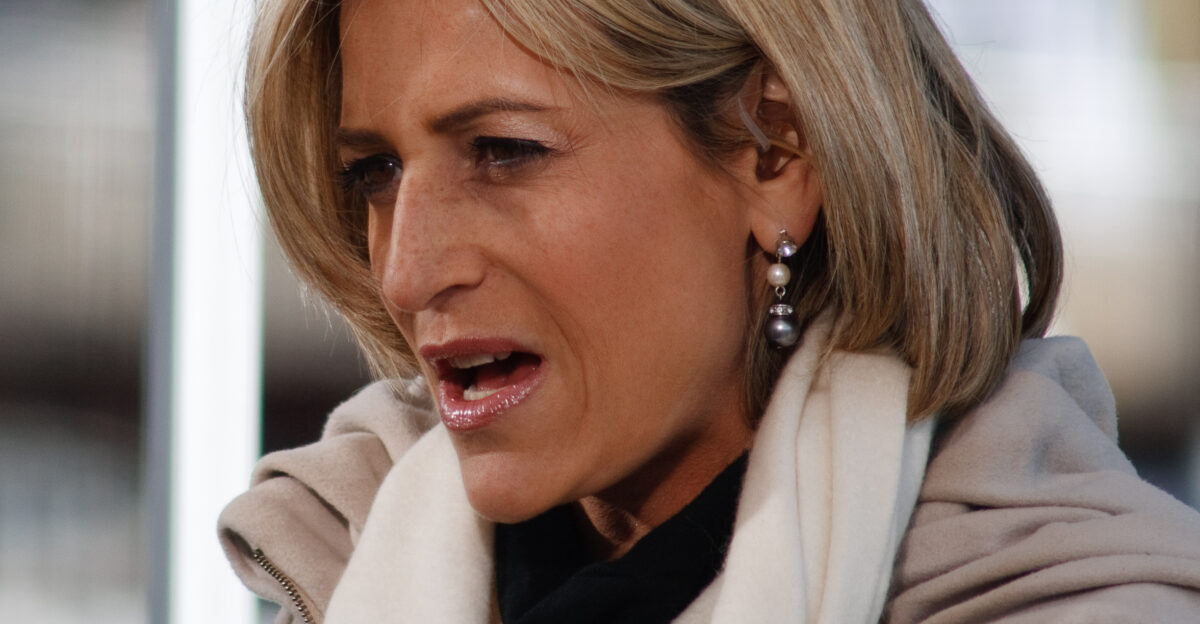
Most Britons and millions worldwide remember Andrew’s November 2019 BBC Newsnight interview with journalist Emily Maitlis. On live television, he attempted to explain his friendship with Epstein, his attendance at Epstein-connected events, and his interactions with Giuffre.
His defense centered on an alibi: on the date of one alleged encounter, he claimed he was at Pizza Express in Woking. The performance backfired spectacularly.
King Charles’s Royal Modernization Agenda
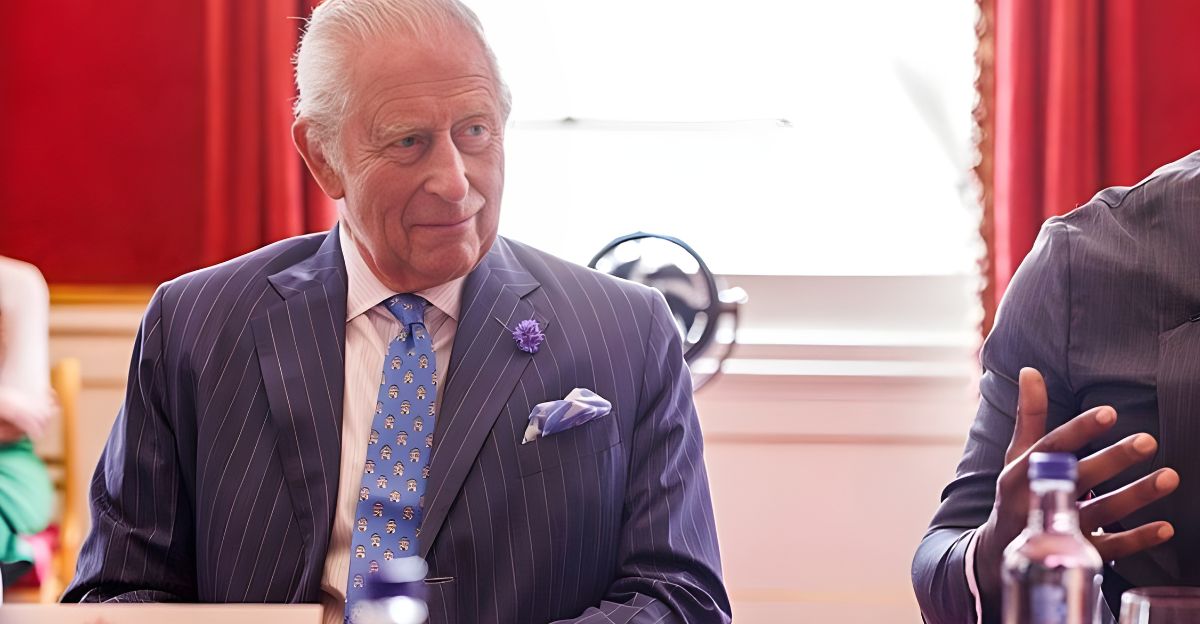
Charles has signaled throughout his reign that the monarchy must streamline and distance itself from scandal. By aggressively removing Andrew, he sends multiple messages: the Crown will not protect its own from accountability; modern royalty requires moral credibility; blood ties won’t shield you from consequences.
It’s a recalibration of what being royal means—less about birthright, more about institutional reputation. The message is calculated and clear: survival depends on separation from scandal.
The Daughters Left Behind
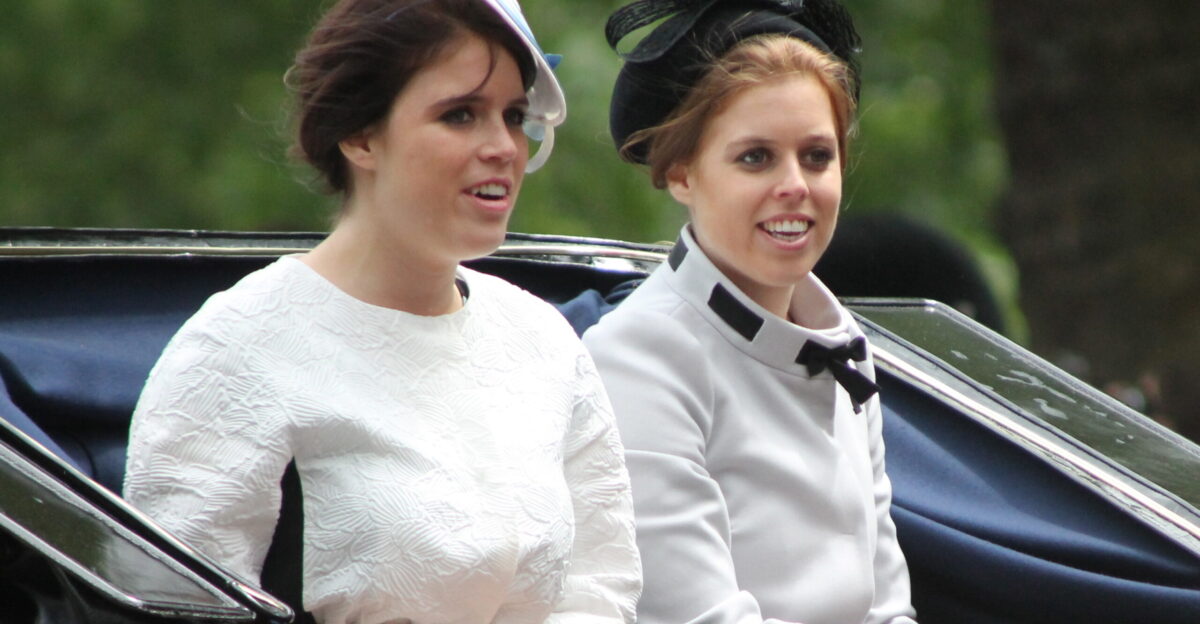
Andrew is the father of Princess Beatrice and Princess Eugenie, who remain fully integrated into royal life. They retain their titles, their place in succession, and their working roles within the institution. The palace’s treatment of Andrew doesn’t extend to them—a deliberate protection of the next generation and a signal that blood relatives aren’t automatically tarred by proximity to scandal.
Beatrice and Eugenie have maintained professional distance from their father’s travails, and the palace has honored that boundary carefully.
Harry and Meghan’s Softer Edge
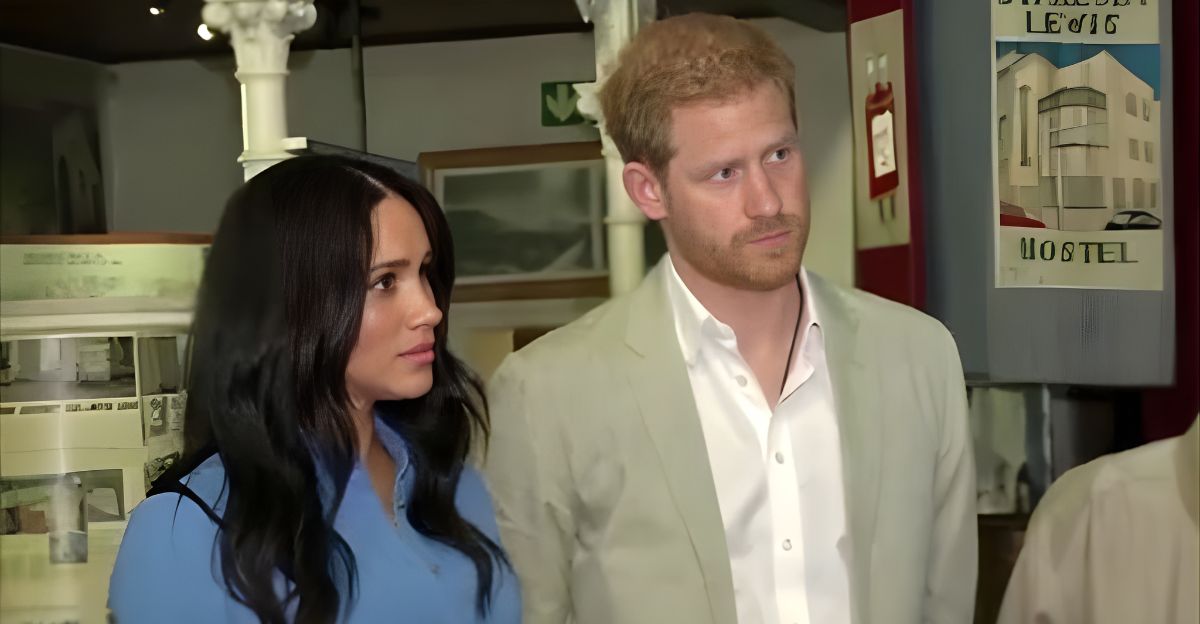
When Harry and Meghan stepped back from royal duties in early 2020, they retained their titles. They left voluntarily, choosing a different life. That choice, while controversial within the institution, came with dignity. Andrew’s removal, by contrast, was imposed—a forced exile, albeit one dressed in formal language.
His profile didn’t disappear because he chose a life outside; it disappeared because the institution rejected him.
What Comes Next for Andrew
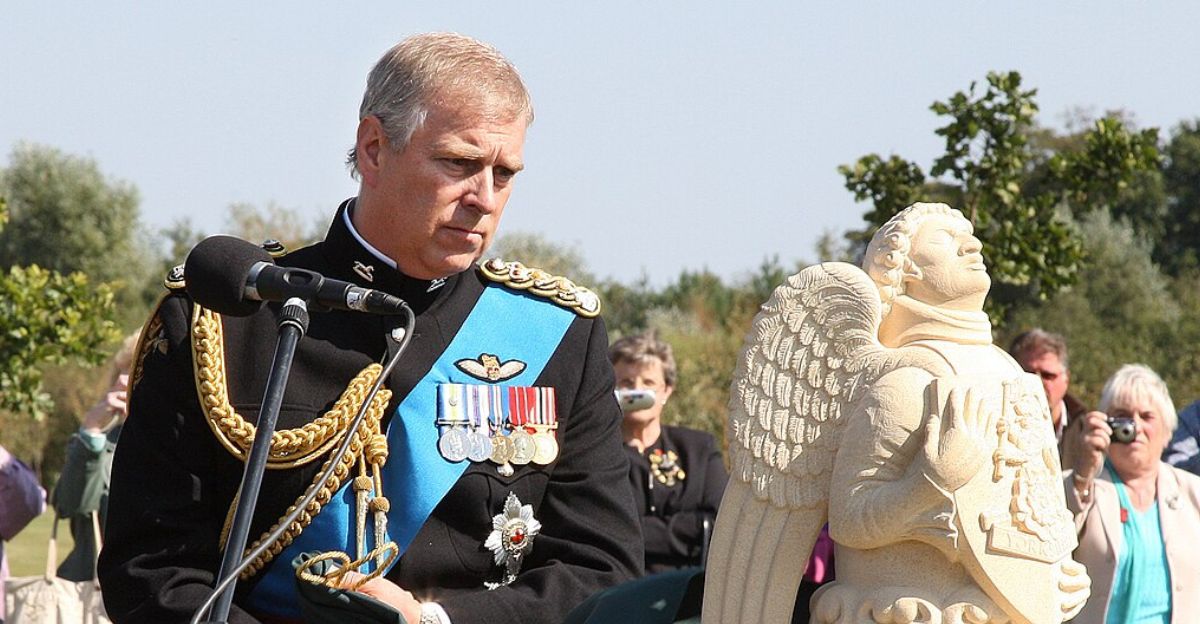
At 65, Andrew remains eighth in the line of succession, behind his daughters and their children. Technically, he could still inherit the throne if catastrophic circumstances unfolded—though King Charles has essentially removed him from any ceremonial or working role.
No patronages, no public appearances, no presence in the institution’s public narrative. He’s left to private life, financially supported but forever marked by his digital erasure. The question haunting royal observers: Is this permanent?
The Ghost of Digital Punishment

The blank space itself has become the story. It’s a 21st-century version of an old punishment: erasure. In previous eras, this might have meant exile to a distant estate or removal from official records. Today, it’s a website edit. But in some ways, it’s more powerful.
Millions will visit the royal website, see the gap, and immediately understand: someone was here, now they’re not. The internet preserves that absence. Screenshots circulate. The story of the empty space travels globally.
A Royal Family Recalibrating Its Image
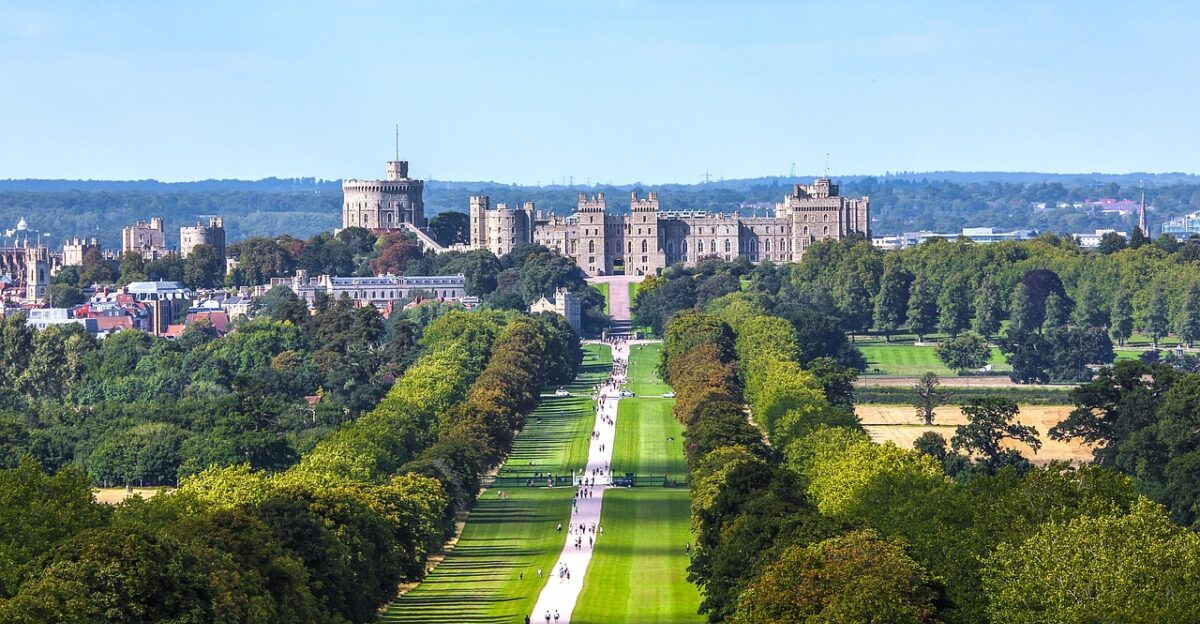
For the House of Windsor, Andrew’s removal represents a pivot toward accountability that would have been unthinkable a decade ago. The institution signals that survival depends on separation from scandal, on moral clarity, on prioritizing institutional reputation over family loyalty.
Whether this represents a genuinely reformed monarchy or simply savvy crisis management will be debated by historians. What’s undeniable: the palace chose to leave the evidence visible for the world to witness and remember.
The Slot That Remains Unfilled

As of November 2025, that blank space on the royal website persists. The palace has made no move to fill it, reformat it, or make it disappear. Andrew Mountbatten-Windsor remains in the line of succession, a member by blood, and is still alive. Yet, publicly, within the institution’s own digital presence, he’s gone—erased, yet impossible to ignore.
The empty slot beside Harry and Meghan tells a story about power, punishment, and the price of scandal. It’s the most modern form of royal exile.
A Family Fractured, A Future Uncertain
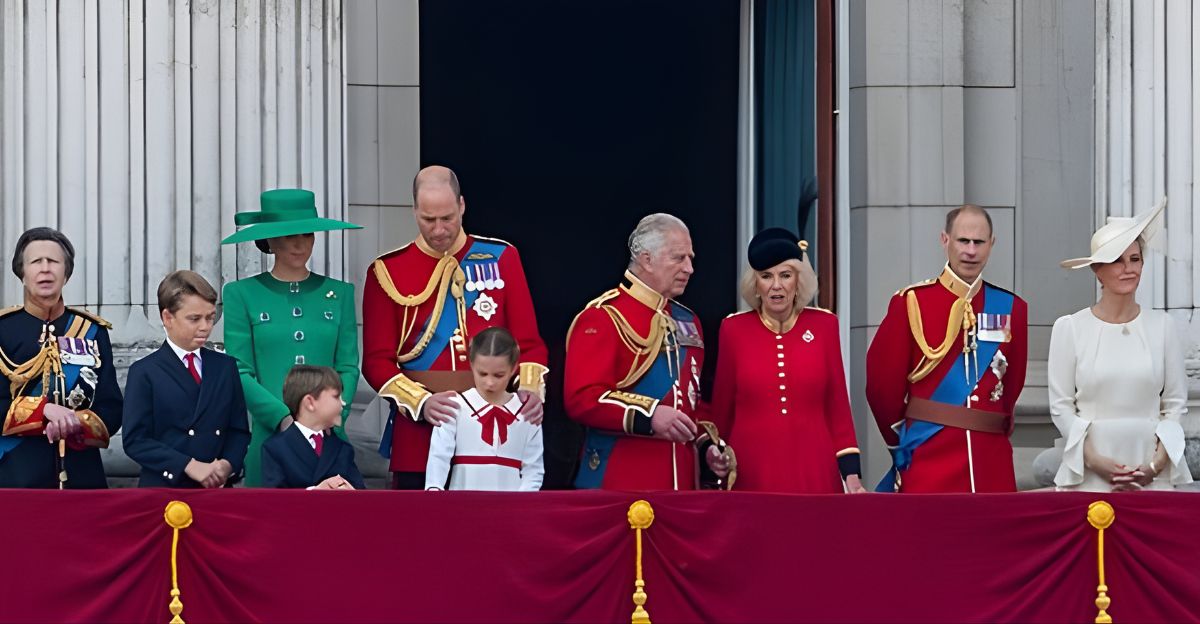
The digital purge leaves multiple questions unanswered. Will Andrew ever regain his titles? Will the palace eventually remove the visible gap, thereby erasing evidence of its existence? Will his daughters face questions about their association with him?
Perhaps most provocatively: in a moment when the monarchy fights for relevance and public trust, does permanently removing one of its own serve the institution, or reveal deep fractures? The blank space may be the most honest answer Buckingham Palace has offered in years.
Sources:
Buckingham Palace Official Statement, October 30, 2025 — King Charles III formal announcement initiating title revocation process
Letters Patent, November 3, 2025 — Royal decree signed by King Charles declaring Andrew no longer entitled to “Prince” title or “Royal Highness” styling
BBC Newsnight Archive — Emily Maitlis interview with Prince Andrew, November 16, 2019; foundational documentation of public perception shift
Nobody’s Girl: A Memoir of Surviving Abuse and Fighting for Justice:by Virginia Roberts Giuffre with Amy Wallace, Penguin Random House (Alfred A. Knopf), October 21, 2025 — Primary victim testimony; posthumous publication triggering October 2025 scrutiny
Official Royal Family Website Updates, November 2025 — Digital removal and blank space verification per Mirror, People, and royal observer outlets
London Gazette, November 2025 — Formal record of title removal and succession line updates