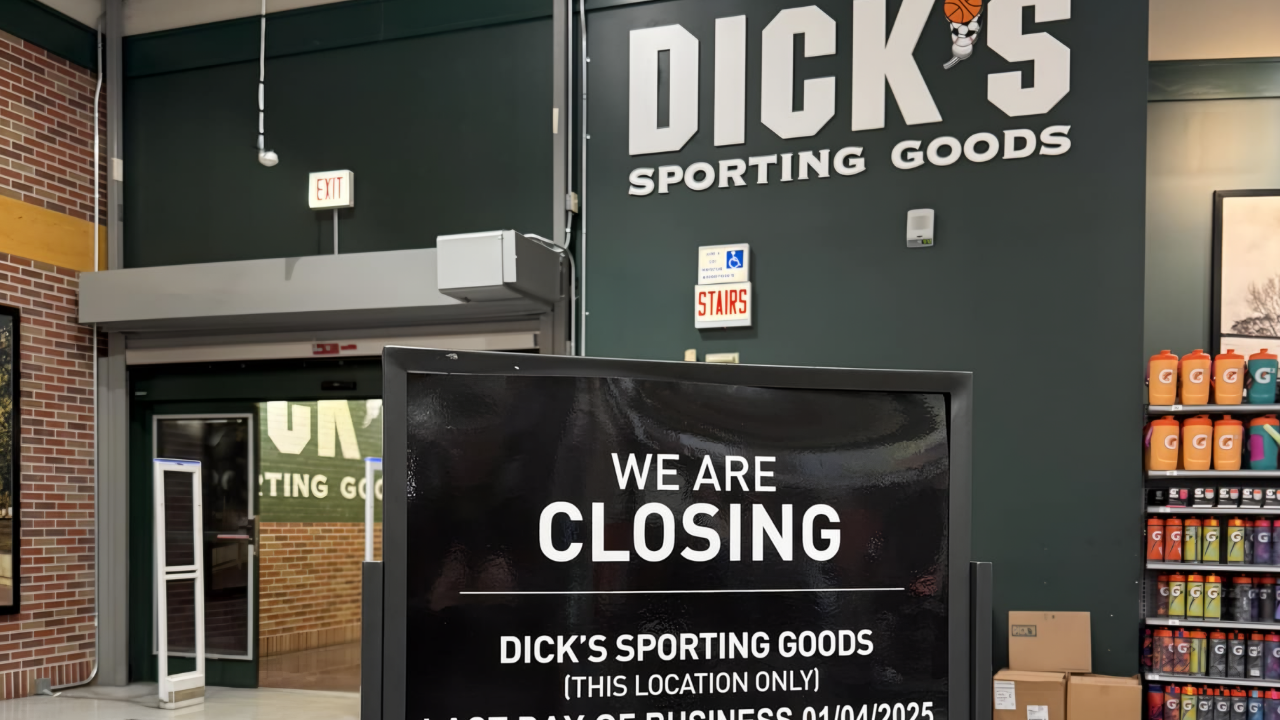
The retail world is rocked as Dick’s Sporting Goods finalizes its $2.4 billion takeover of Foot Locker. On November 25, 2025, Dick’s Executive Chairman Ed Stack announced sweeping changes: the closure of underperforming Foot Locker stores starting in 2026.
The acquisition includes approximately 2,400 global stores, including over 600 in the U.S. While the exact number of closures remains undisclosed, the company is already marking down inventory in a dramatic move to “clean out the garage.” This sudden shift raises more questions than answers—what does Dick’s have planned for the future of Foot Locker?
Why Is This Happening?
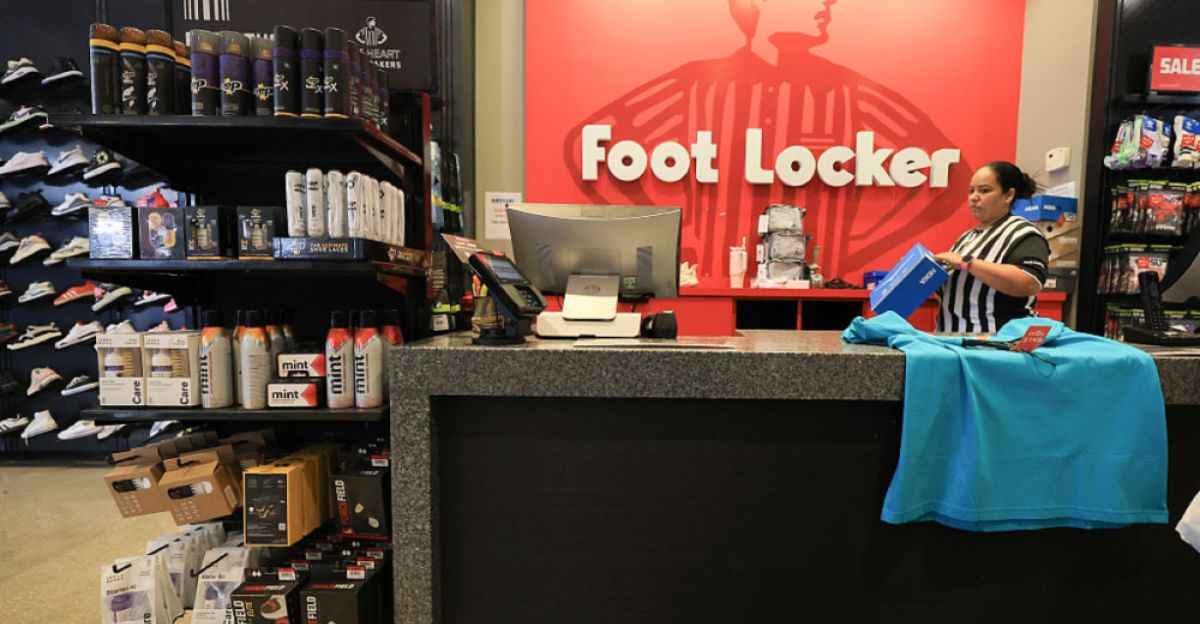
Foot Locker’s downward spiral began in 2017 when Nike shifted to direct-to-consumer sales, reducing the retailer’s core revenue. Despite CEO Mary Dillon’s turnaround efforts, which began in September 2022, Foot Locker was unable to regain its momentum.
Declining sales and a 2.4% decrease in total sales in Q2 2025 highlighted Foot Locker’s issues, with soft store traffic trends also noted. Dick’s took advantage of this vulnerability, eyeing opportunities to liquidate struggling stores and clear unsold inventory.
The Mall Anchor Crisis
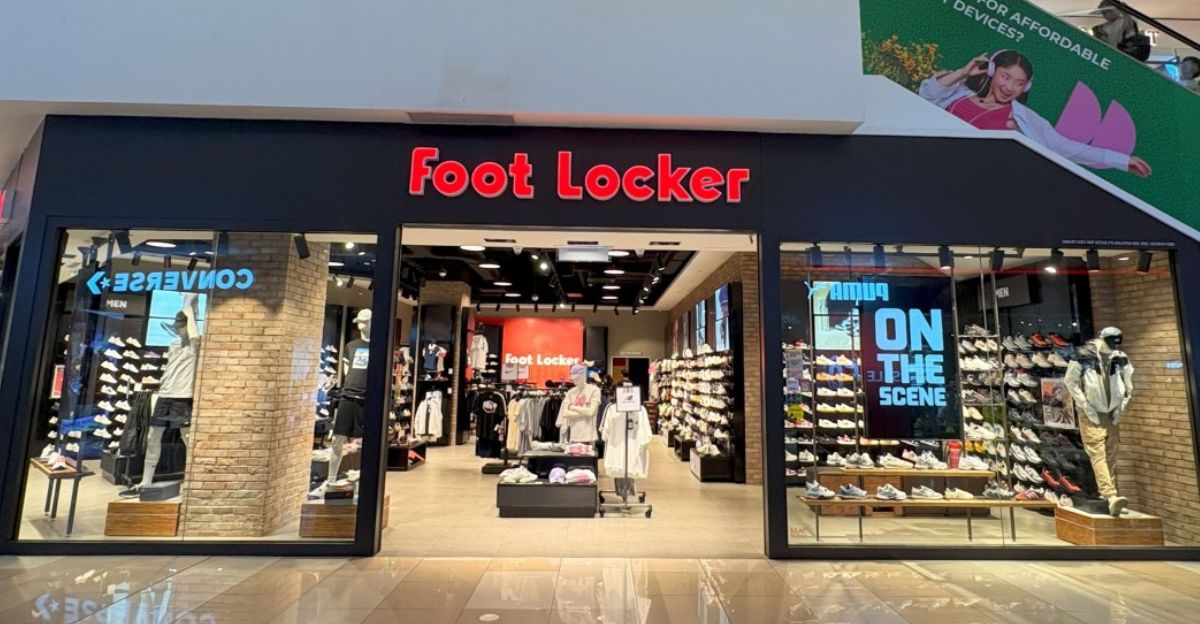
Foot Locker’s store closures are causing a ripple effect. As a key mall anchor, Foot Locker drives foot traffic for nearby retailers. When it pulls out, nearby stores suffer.
U.S. malls are already seeing vacancy rates rise, and communities are losing essential shopping spaces. Local economies will feel the impact, with mall property values declining and businesses struggling to adjust.
Retail Jobs Are at Risk
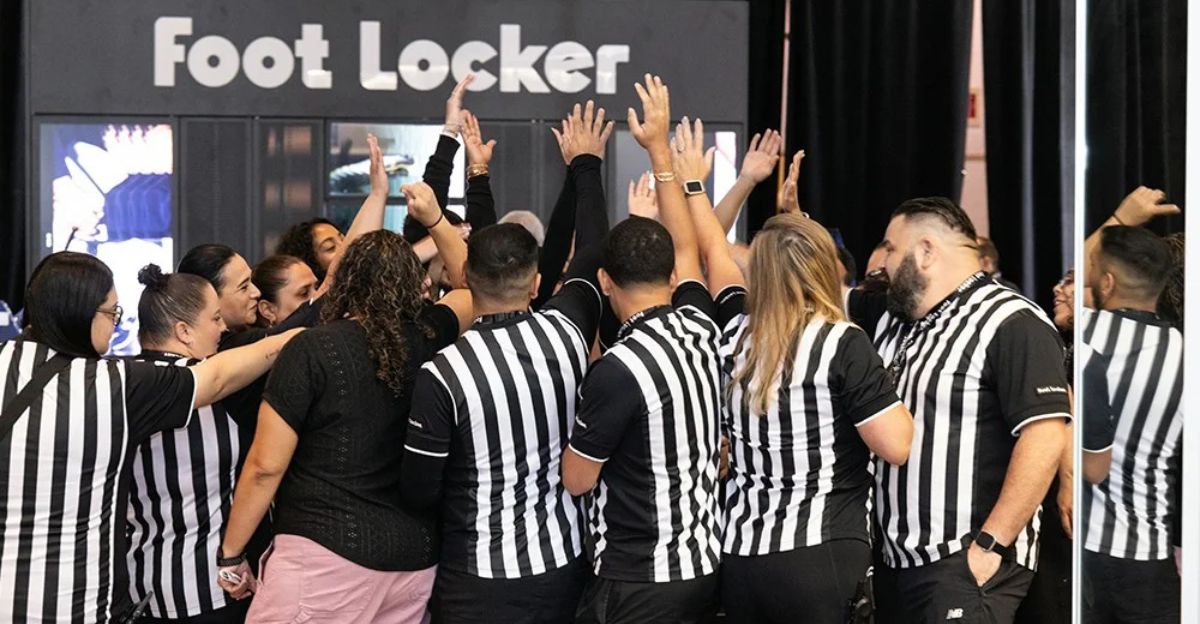
The potential job impact of Foot Locker store closures remains unclear, as Dick’s has not disclosed how many U.S. Foot Locker stores will close.
These are often minimum-wage, part-time positions in lower-income areas, and employees are facing job insecurity. The markdowns Dick’s is using to liquidate inventory signal that layoffs could be just around the corner.
The Retail Apocalypse Gets Worse

Retailers across the U.S. are in crisis. With over 15,000 store closures expected in 2025 alone, the industry is facing a wave of bankruptcies and mass layoffs. Foot Locker’s shutdowns are just one piece of a much larger problem, worsened by tariffs, inflation, and shifting consumer habits.
Party City is closing all 850+ stores by February 2025, and Walgreens announced closures of 1,200 stores over three years. Retailers in trouble face high risks from rising costs and theft.
Communities Lose Access to Stores
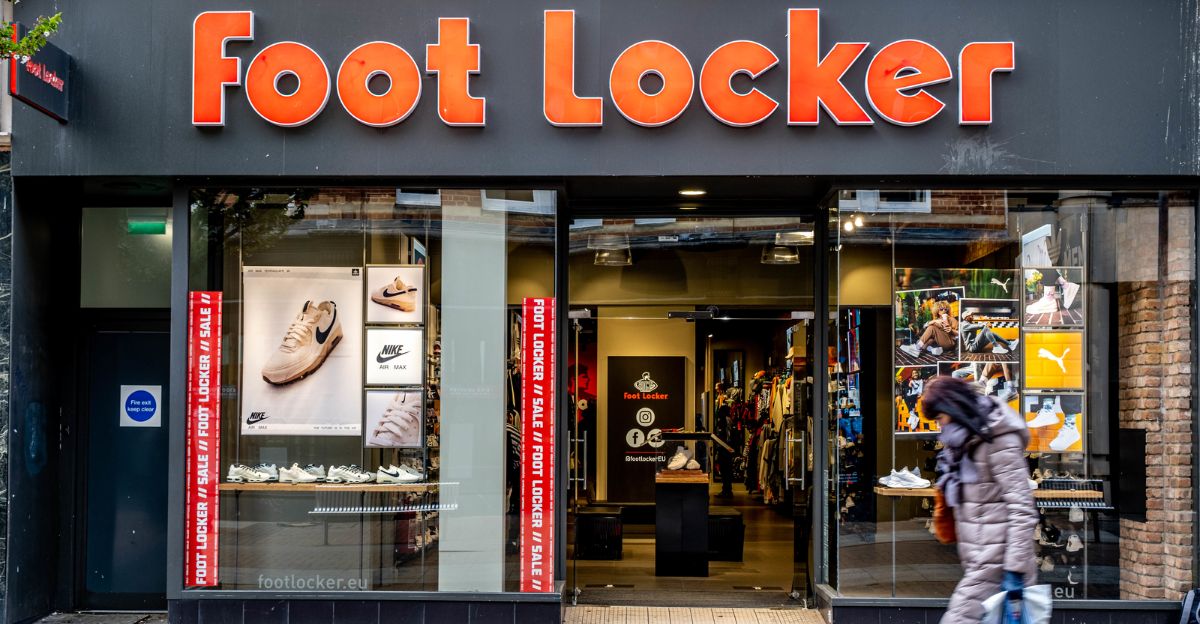
When Foot Locker closes, many neighborhoods—especially rural and lower-income areas—will lose their primary source of athletic footwear. Without convenient access to these stores, consumers will have to travel further, creating a transportation burden.
For communities without cars or adequate public transit, this loss is even more pronounced. Dick’s focus on wealthier suburban areas means that affected communities might not see the support they need.
The Nike and Adidas Whiplash
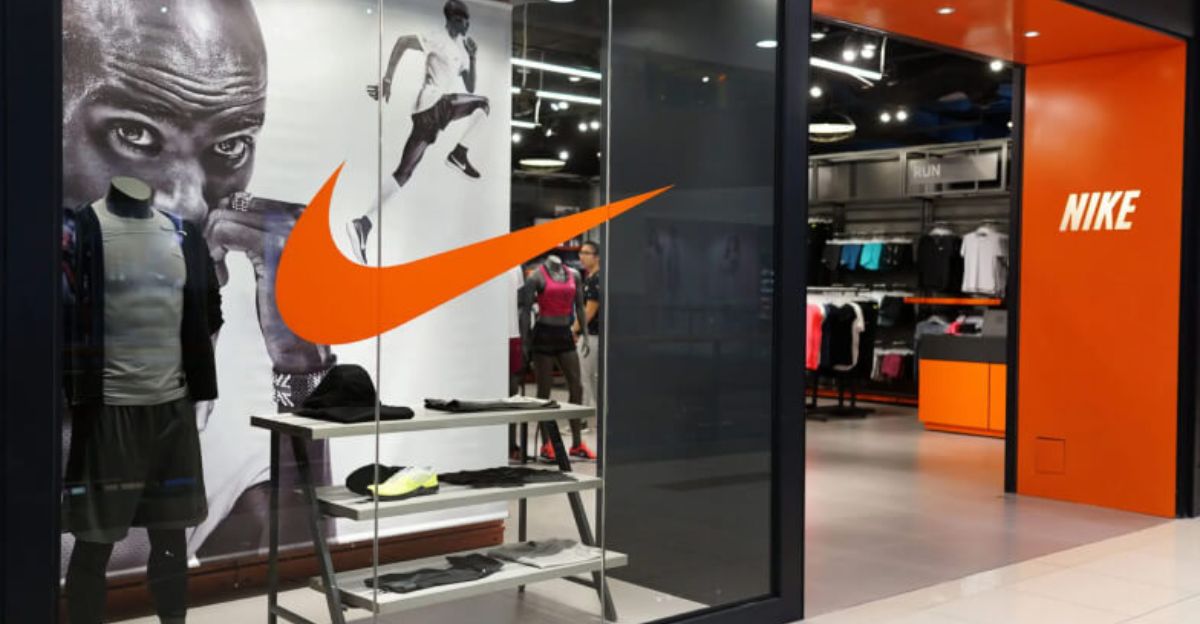
Nike’s wholesale strategy shift in 2017 hurt Foot Locker, but in 2023, Nike tried to rebuild its partnerships. Unfortunately, years of reduced access to Nike products weakened Foot Locker’s brand.
Adidas also shifted focus, and while it tried to work with Foot Locker, the damage had been done. Now, both brands need strong retail partners, but Foot Locker, once a critical player, is now facing a painful restructuring.
A Near-Duopoly Emerges
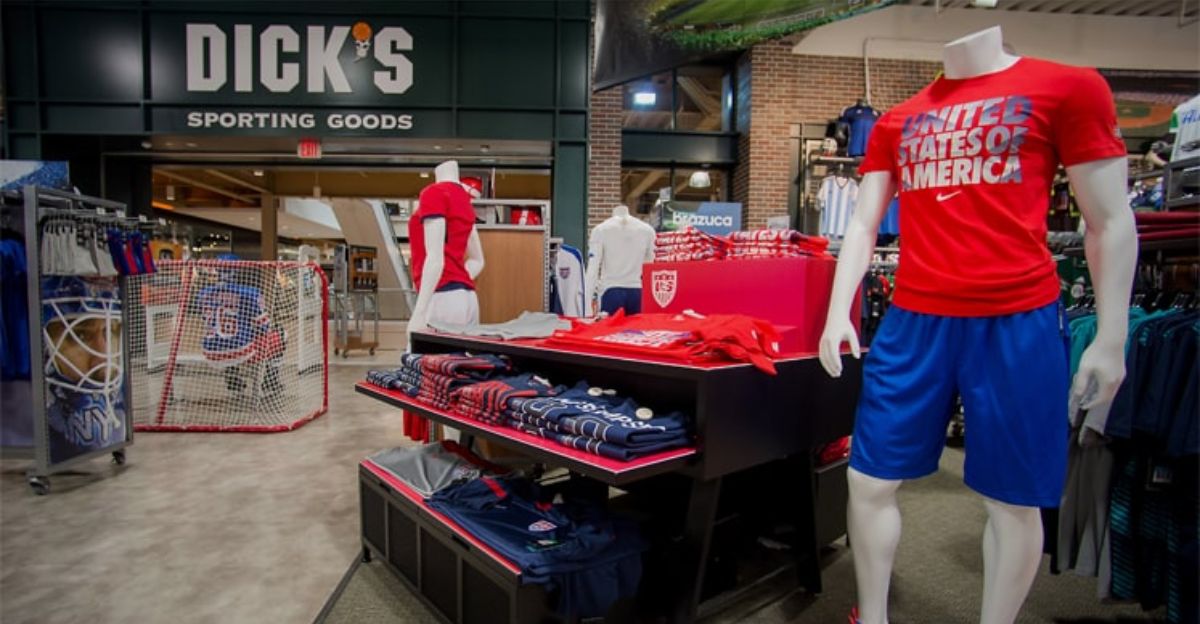
With this acquisition, Dick’s strengthens its position in the U.S. sporting goods market. Dick’s previously held approximately 9% market share of the U.S. sporting goods market. Smaller regional stores may struggle to keep up with this retail giant.
JD Sports, a major competitor, is well-positioned to capture customers left behind by Foot Locker’s closures. Dick’s, now with unprecedented leverage over Nike and Adidas, faces the challenge of managing over 2,400 stores and restructuring operations.
Sneaker Resale Market Disruption
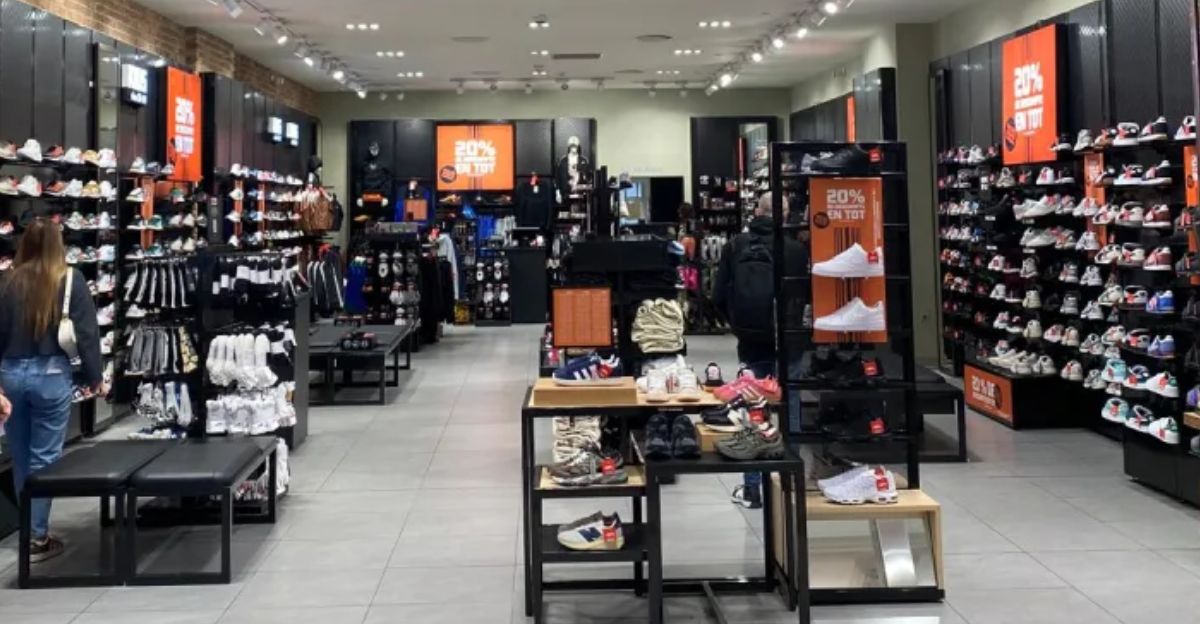
The sneaker resale market, valued at $6 billion, faces uncertainty. Dick’s aggressive markdowns are flooding secondary markets, pushing resale prices down.
Long-term, fewer Foot Locker locations could disrupt limited-edition releases, pushing sneakerheads to platforms like StockX and GOAT. Communities that lose Foot Locker stores will have fewer opportunities to buy in person, forcing them to shift to online or resale options, which may limit availability.
Commercial Real Estate Crisis
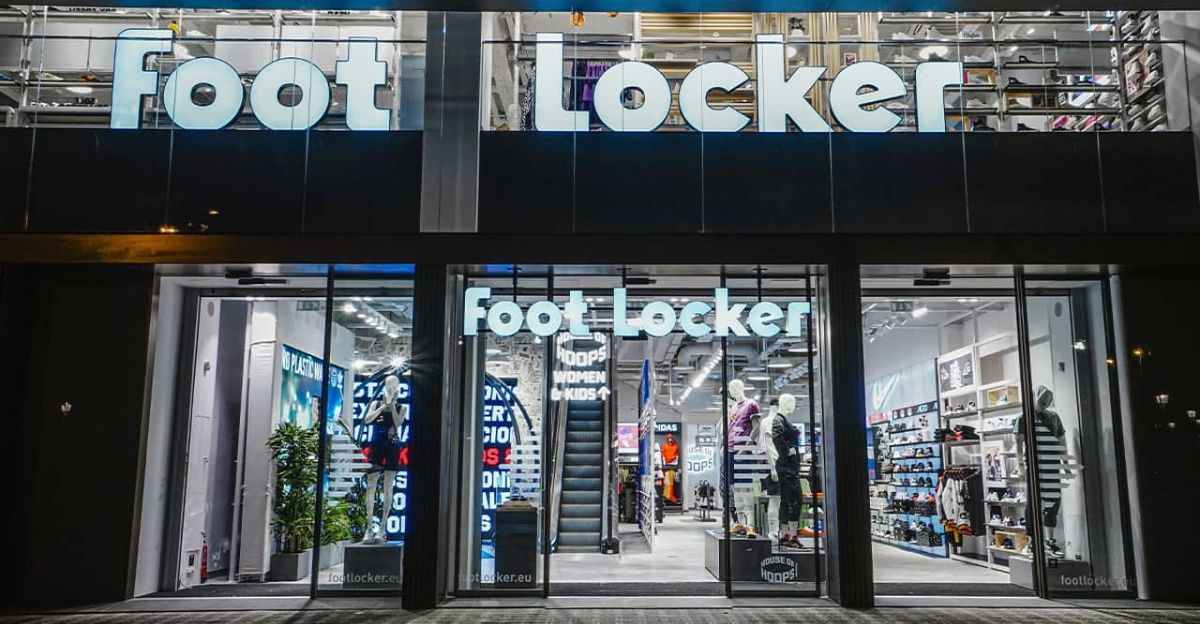
Foot Locker’s store closures will have devastating effects on commercial real estate, particularly malls. With anchor tenants like Foot Locker pulling out, mall property values will plummet. Research shows that mall closures hurt property values, especially in retail-centric areas.
Commercial landlords will struggle to fill these vacancies, leading to decreased rents, business closures, and even bankruptcy. Cities that depend on retail tax revenue will face hard decisions as budgets shrink.
Municipal Tax Revenues Collapsing
Local governments will see significant tax revenue losses as Foot Locker and neighboring businesses close. Sales taxes, property taxes, and business licenses all take a hit. Smaller cities that rely on malls for revenue will be hit hardest.
With fewer stores open, cities will face budget deficits, leading to service cuts or higher taxes on the remaining residents. These closures are a financial blow to local governments, deepening community struggles.
Supply Chain and Vendor Impact
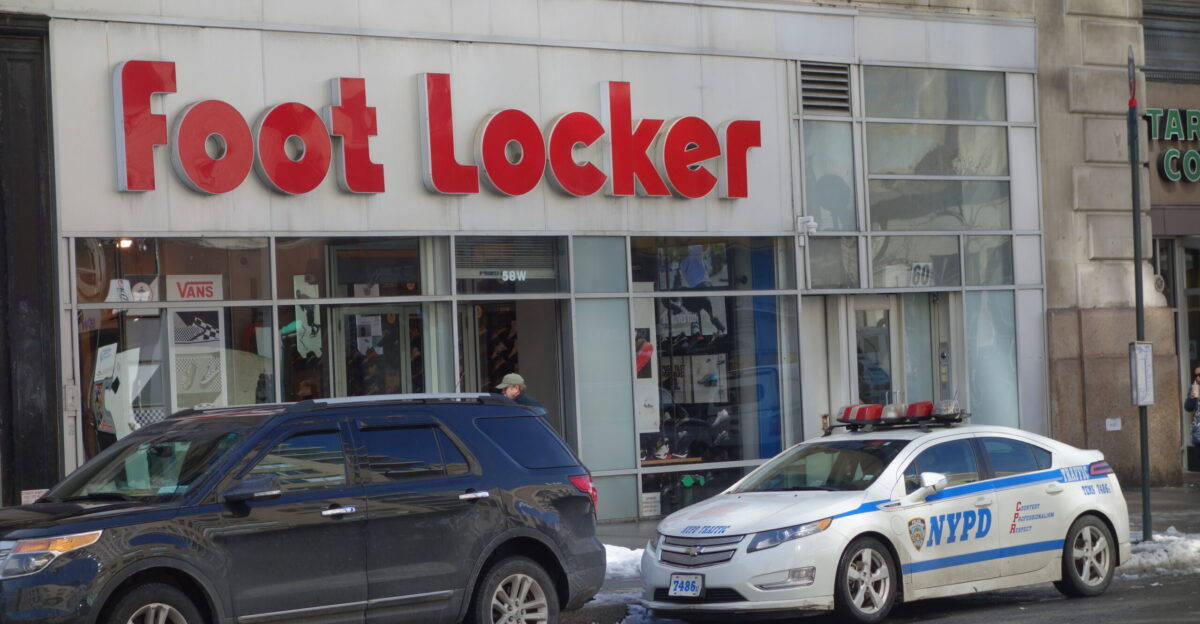
Foot Locker’s closures will trigger massive disruptions across the supply chain. Suppliers, manufacturers, and logistics providers are all tied to Foot Locker’s bulk orders. As store closures reduce inventory orders, these suppliers will face canceled contracts and payment delays.
Logistics companies will see a drop in volume, while marketing agencies and mall service providers lose contracts. Dick’s plans to consolidate operations, but this leaves many suppliers vulnerable to financial instability.
Changing Consumer Habits
The closure of Foot Locker stores signals a shift in consumer habits. While e-commerce continues to rise, physical stores still account for a significant portion of retail sales. The key to success in this new retail era lies in creating hybrid experiences.
Dick’s has invested heavily in omnichannel retail, offering features like BOPIS (Buy Online, Pick Up In-Store) and digital loyalty programs. Foot Locker’s failure to adapt to this hybrid model has led to its downfall.
Employee Morale Crisis
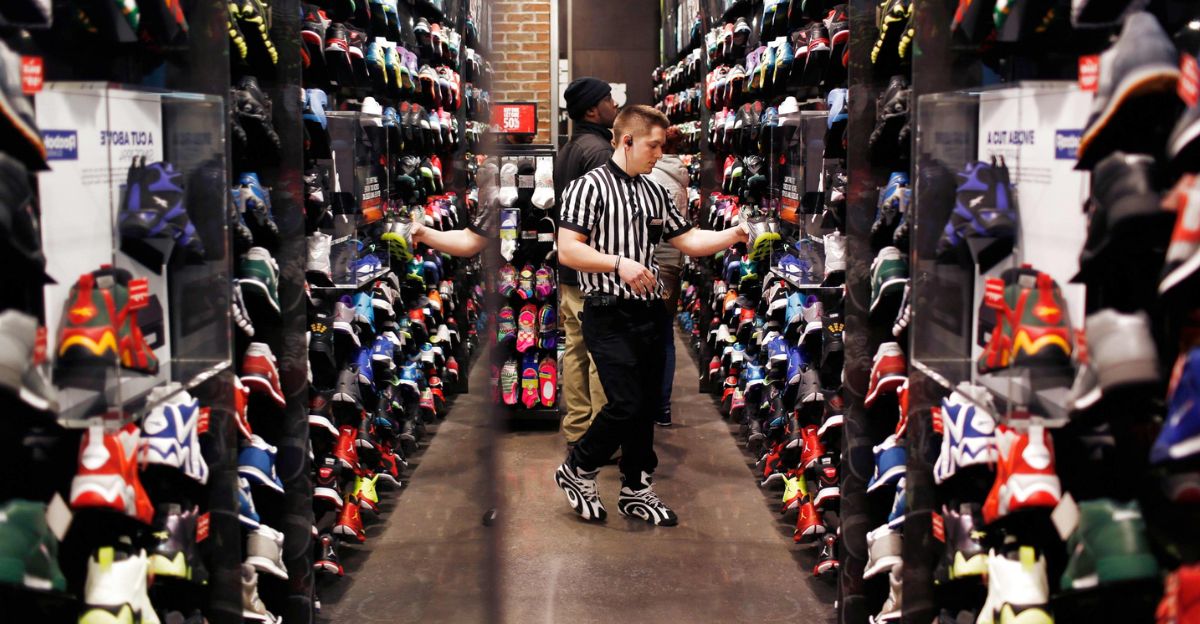
Foot Locker employees are left in the dark about their future. With no information on which stores will close, workers face intense uncertainty. This anxiety impacts morale, leading to disengagement, higher turnover, and worse customer service.
Retail workers across the industry are questioning their job security, with 15,000+ stores set to close in 2025 alone. Dick’s rhetoric about “cleaning out the garage” is cold comfort for workers who dedicated years to Foot Locker.
Final Wrap-Up: The Long-Term Ripple Effect
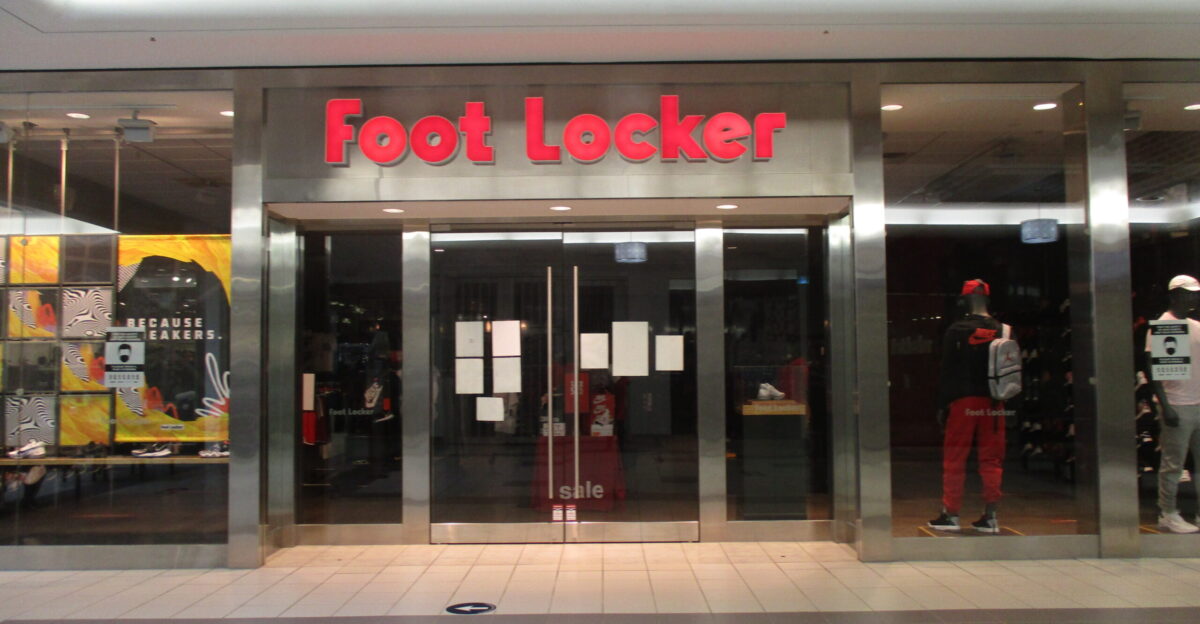
Foot Locker’s closures mark a significant turning point for the retail sector. This move affects the approximately 2,400 stores now under Dick’s ownership, with an undisclosed number facing closure and associated job losses.
The U.S. retail landscape is undergoing rapid change, with mall closures, declining property values, and job losses multiplying. As Dick’s Sporting Goods redefines the athletic retail landscape, the repercussions for employees, communities, and the broader retail sector will continue to unfold in the years ahead.
Sources:
Dick’s Sporting Goods Q3 2025 Earnings Call Transcript; Foot Locker Inc. SEC Filings (Form 8-K/10-Q)
Reuters/CNBC Financial Archives (May 2025 Deal Announcement, September 2025 Completion)
Coresight Research U.S. Store Closures 2025 Report; Party City and Walgreens Corporate Restructuring Announcements
Circana (formerly NPD Group) U.S. Athletic Footwear Market Share Data; Cowen Equity Research Sneaker Resale Market Analysis