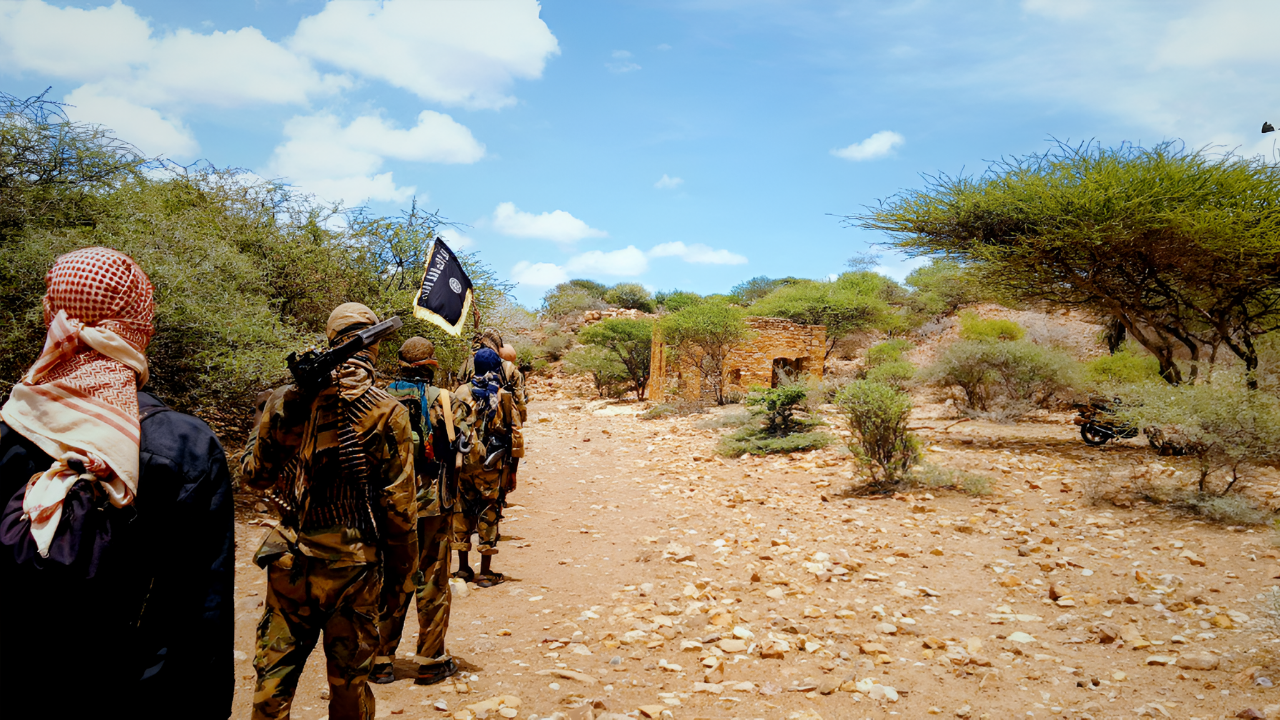
For nearly three and a half decades, approximately 2,471 Somali nationals have built lives in the United States under Temporary Protected Status, a humanitarian designation that allowed them to work legally while their home country remained embroiled in conflict. That protection ended on January 14, 2026, when the Trump administration announced the program’s termination. Those affected must leave the country by March 17, 2026—a 60-day window that forces them to make urgent decisions about family, employment, and belongings. An additional 1,383 Somalis with pending applications will never have their cases reviewed.
Congress created TPS to shield vulnerable populations from countries facing war, environmental catastrophe, or other emergencies that make return impossible. The program grants beneficiaries legal status to live, work, and obtain employment authorization documents while conditions stabilize. Holders undergo background checks and pay taxes like other workers, yet the designation remains temporary by design—typically lasting 18 months but renewable indefinitely as long as conditions in the home country warrant protection.
Somalia’s 35-Year Protection and Government Contradictions
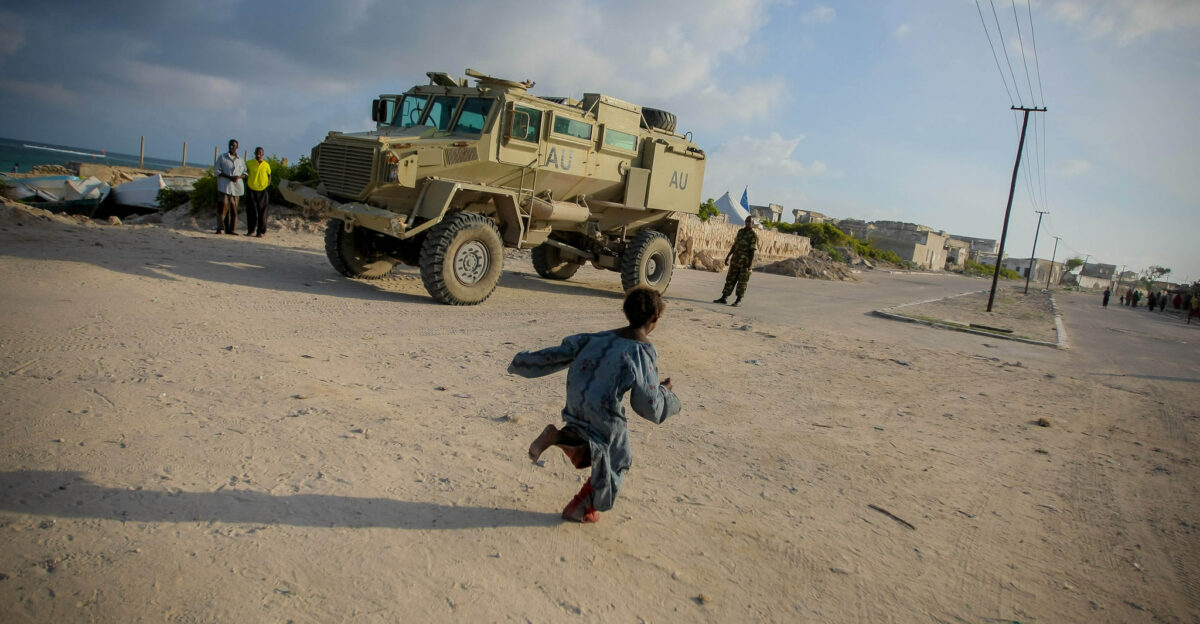
Somalia has maintained TPS continuously since September 1991, when civil war erupted and brought down the government. No other country has maintained the designation this long without interruption. Successive administrations from both parties—George W. Bush, Barack Obama, and Joe Biden—renewed the protection as violence persisted. The Department of Homeland Security extended TPS for Somalia through March 2026 just eighteen months ago, in July 2024.
Homeland Security Secretary Kristi Noem justified the termination by stating that conditions in Somalia “have improved to the point that it no longer meets the law’s requirement for Temporary Protected Status.” Yet this assertion collides directly with the State Department’s own assessment. The State Department maintains a Level 4 “Do Not Travel” advisory—the highest warning level—for Somalia, updated in May 2025. The advisory cites terrorism, violent crime, civil unrest, kidnapping, and piracy as reasons Americans should avoid the country entirely.
Greg Chen, senior director of government relations for the American Immigration Lawyers Association, told ABC News the contradiction undermines DHS’s reasoning: “The State Department’s own website warns that the country continues to see terrorism, violent crime and civil unrest.” Al-Shabaab remains a major threat. In February 2025, the militant group launched its deadliest offensive in years, killing approximately 60 Somali soldiers north of Mogadishu. The U.S. military conducted multiple airstrikes in Somalia during January 2026—targeting Al-Shabaab and ISIS cells—directly contradicting claims that conditions have stabilized.
Minnesota’s Community Faces Uncertain Future

Minnesota is home to roughly 107,000 people of Somali descent, including approximately 600 TPS holders. About 87 percent of foreign-born Somalis in Minnesota have naturalized as U.S. citizens, according to Census data. Schools, healthcare workers, transportation professionals, and small business owners now face the March 17 deadline with profound uncertainty about their future.
President Trump has repeatedly criticized the Somali American community in inflammatory language. During a December Cabinet meeting, he described Somali immigrants as “garbage” and claimed that “the only thing they’re good at is going after ships,” referencing historical piracy incidents. He later threatened to revoke citizenship for any naturalized Somali immigrant convicted of fraud.
Fraud Allegations and Enforcement Operations
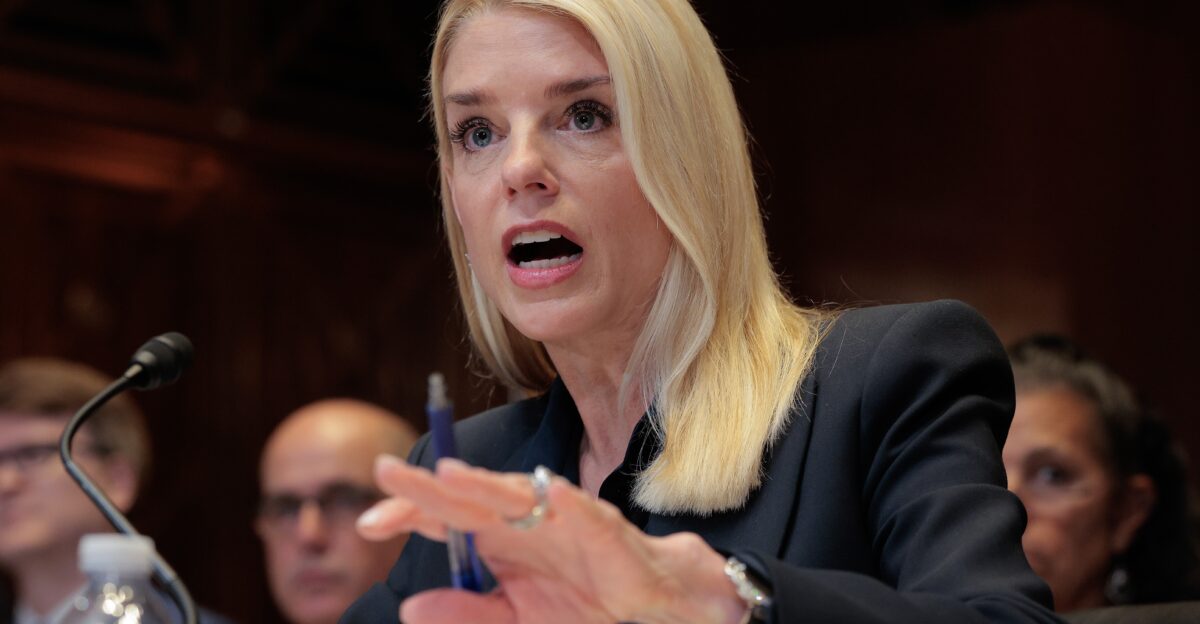
Federal prosecutors have charged 98 individuals—85 of Somali descent—in connection with massive public benefits fraud schemes. U.S. Attorney General Pam Bondi highlighted these cases as justification for the crackdown. However, civil rights advocates raise a critical question: Should legal protections for an entire ethnic group be stripped because of crimes committed by some individuals?
The Trump administration deployed additional immigration officers to Minneapolis, launching comprehensive enforcement operations that have included workplace raids, home visits, and detentions. The scale and intensity have drawn criticism from state officials. Governor Tim Walz publicly condemned the operations as targeting an entire community rather than focusing narrowly on criminal activity.
Legal Challenges and Family Separation

Minneapolis and St. Paul have filed lawsuits challenging the administration’s enforcement operations. Immigration lawyers nationwide are preparing legal challenges to the TPS termination itself. A federal judge in September 2025 ruled that similar attempts to end TPS for Haiti and Venezuela violated the Administrative Procedure Act, setting a precedent for future challenges.
When the TPS designation expires on March 17, 2026, Somali nationals will lose their legal status and employment authorization. Those who do not voluntarily depart face deportation proceedings. Many face an agonizing choice: leave behind U.S. citizen children born after arrival, or take American-born children to a country they’ve never known and where their government warns conditions remain dangerous. The Somalia decision is part of the Trump administration’s broader effort to terminate TPS for multiple countries simultaneously, including Burma, Ethiopia, Venezuela, Afghanistan, Haiti, and South Sudan.
Sources:
- U.S. Department of Homeland Security Federal Register Notice (January 14, 2026)
- ABC News reporting on DHS announcement (January 14, 2026)
- The New York Times coverage of Trump’s announcement (November 23, 2025)
- State Department Level 4 Travel Advisory for Somalia (May 2025)
- American Immigration Lawyers Association commentary on TPS termination
- Minnesota Governor Tim Walz public statements on enforcement operations