
A federally approved container freight warehouse in Avenel, New Jersey, was the target of a massive raid by the Department of Homeland Security (DHS) on October 29, 2025. 46 undocumented workers, roughly 22% of the facility’s estimated 209 employees, were arrested as a result of this enforcement action. The detained people are currently awaiting immigration proceedings in federal custody. Significant law enforcement presence and surveillance footage showing officers escorting detainees into vans were hallmarks of the operation.
Notably, no employer penalties have been announced, and the company in question has not been made public. The Hyundai-LG battery factory in Georgia was the site of a similar, larger-scale DHS operation two months earlier.
Workplace Immigration Raids’ Historical Context
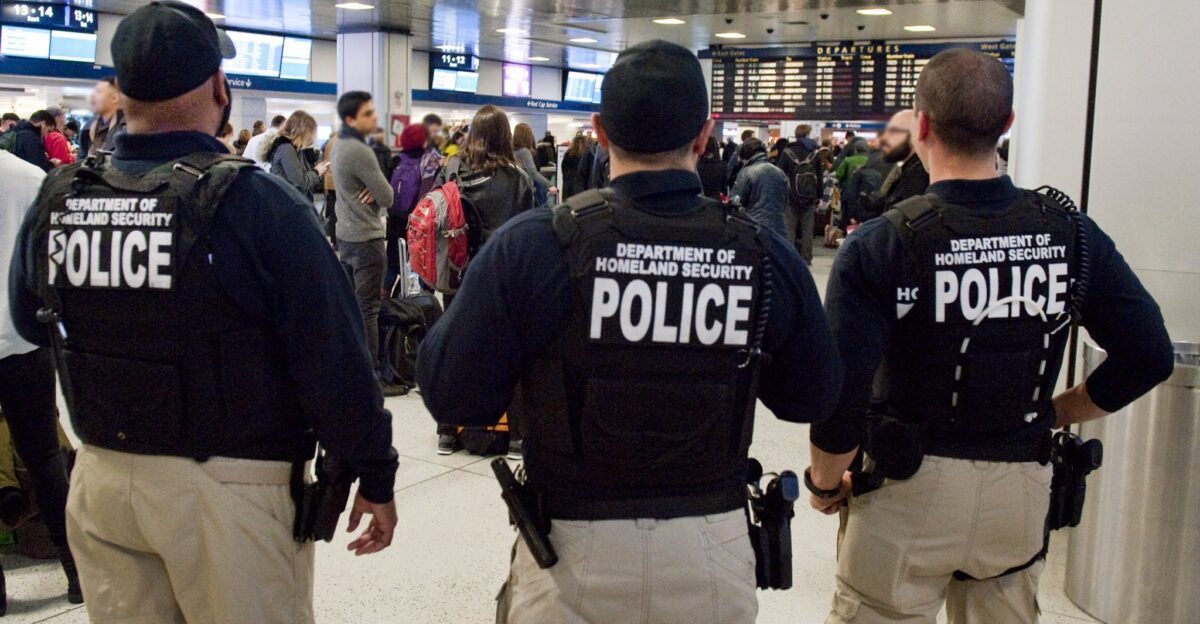
Similar to earlier periods of aggressive worksite enforcement, such as the 2008 meatpacking raid in Postville, Iowa, which led to 389 arrests, this raid represents the largest increase in workplace immigration enforcement in almost 20 years. With a focus on supply chain security, the current DHS campaign indicates a return to these extensive strategies.
The largest single-site workplace immigration enforcement action since 2008 was the September 2025 Georgia Hyundai-LG raid, which resulted in the detention of 475 employees. A strategic move to support national security and legal employment in vital infrastructure sectors is represented by the renewed emphasis on immigration compliance at federally authorized facilities.
The Undocumented Workforce Presence Scale

Given the facility’s federal authorization and anticipated adherence to work eligibility verification systems like E-Verify, the raid’s discovery that approximately 22% of the warehouse workforce was undocumented is startling.
When this number is extended to the estimated 3,500 freight and warehouse facilities in the New York, New Jersey, and Connecticut tri-state area, it suggests that there may be more than 160,000 undocumented workers in a regional supply chain industry that is essential to the American economy. There are serious worries about systemic flaws in employment verification and enforcement procedures because these workers are integrated into essential logistics operations that manage commerce.
Implications of the Supply Chain for National Security
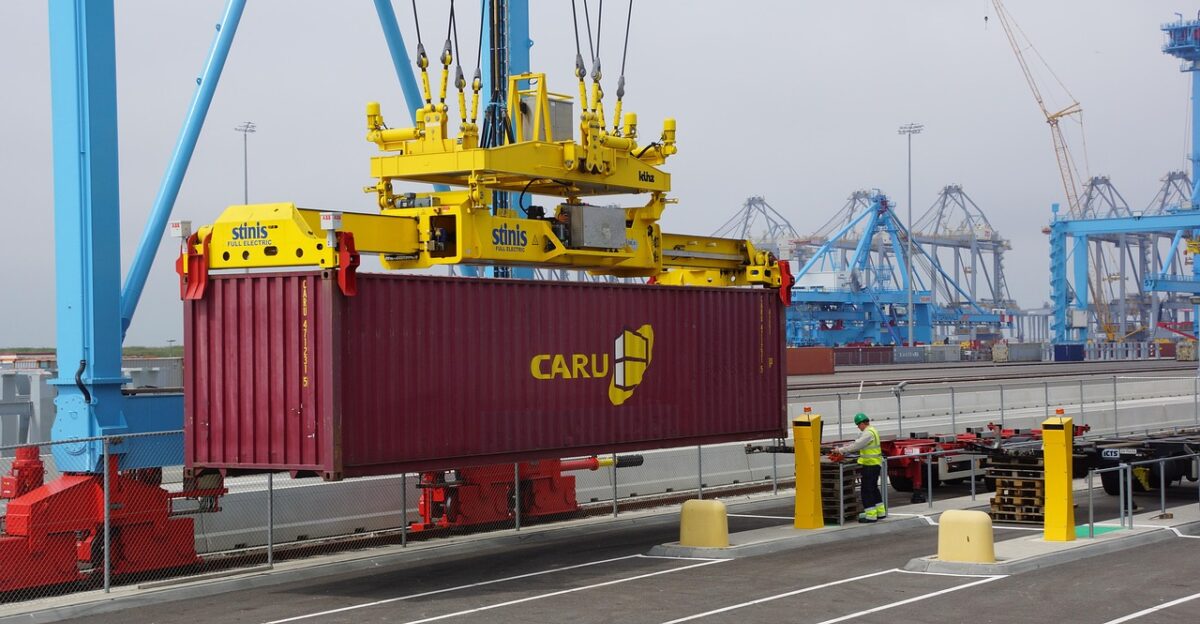
Federal freight hubs, like the Avenel warehouse, are vital supply chain nodes that handle sensitive cargo, such as commercial goods, defense materials, and cross-border shipments. By raising the possibility of criminal activity, theft, or sabotage, the presence of undocumented workers in these hubs may jeopardize national security.
There are serious concerns about how immigration enforcement and infrastructure security standards interact since cargo integrity and supply chain transparency could be compromised.
Legal Ambiguity and Employer Accountability
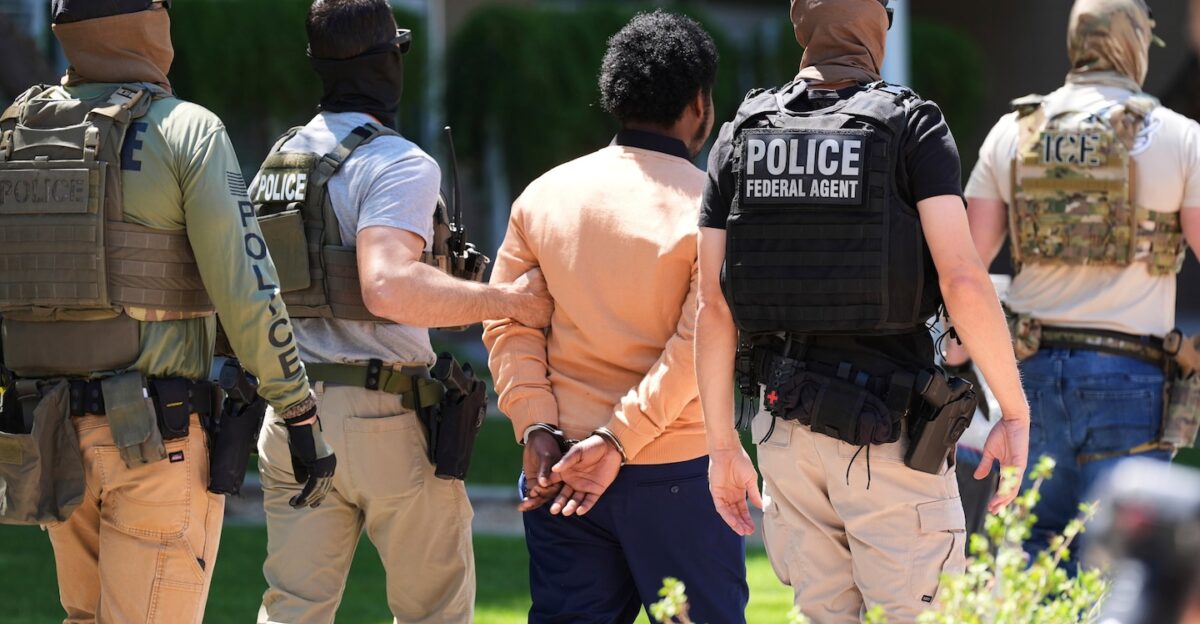
The company’s identity is still unknown despite the substantial number of undocumented workers discovered, and government action seems to focus more on worker arrests than employer sanctions.
This creates a situation where employers profit from less expensive undocumented labor while avoiding repercussions, raising ethical and policy concerns about accountability. As a result, the enforcement framework may continue a cycle of labor exploitation without discouraging employer complicity.
Symbolism and Political Timing
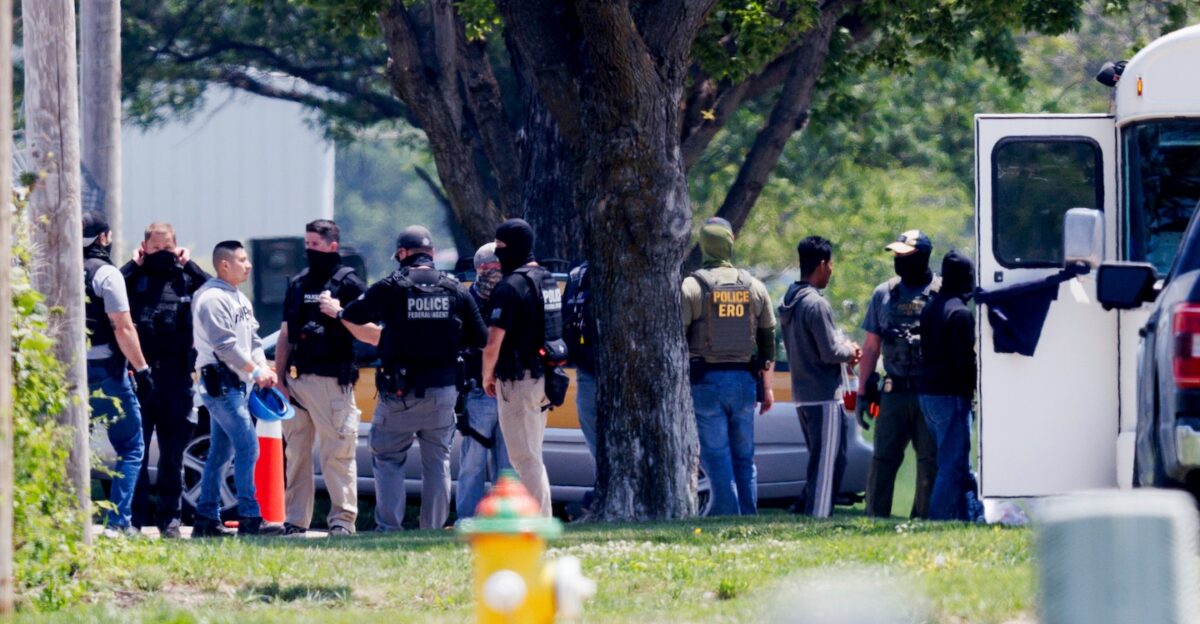
A contentious political element is added by the raid’s timing, which is two days before Halloween and five days before the 2025 midterm elections. Raids are used to demonstrate the government’s commitment to border security and law enforcement, and immigration enforcement frequently reappears as a crucial election issue.
Opponents contend that this timing is part of calculated political theater intended to sway voters’ decisions by inciting fear and nationalism. Advocates claim it shows decisive action against undermining American workers through illegal labor. In any case, during election seasons, immigration is portrayed by the media as a divisive and instrumentalized policy battlefield.
Second-Order Impacts on Communities and Workers
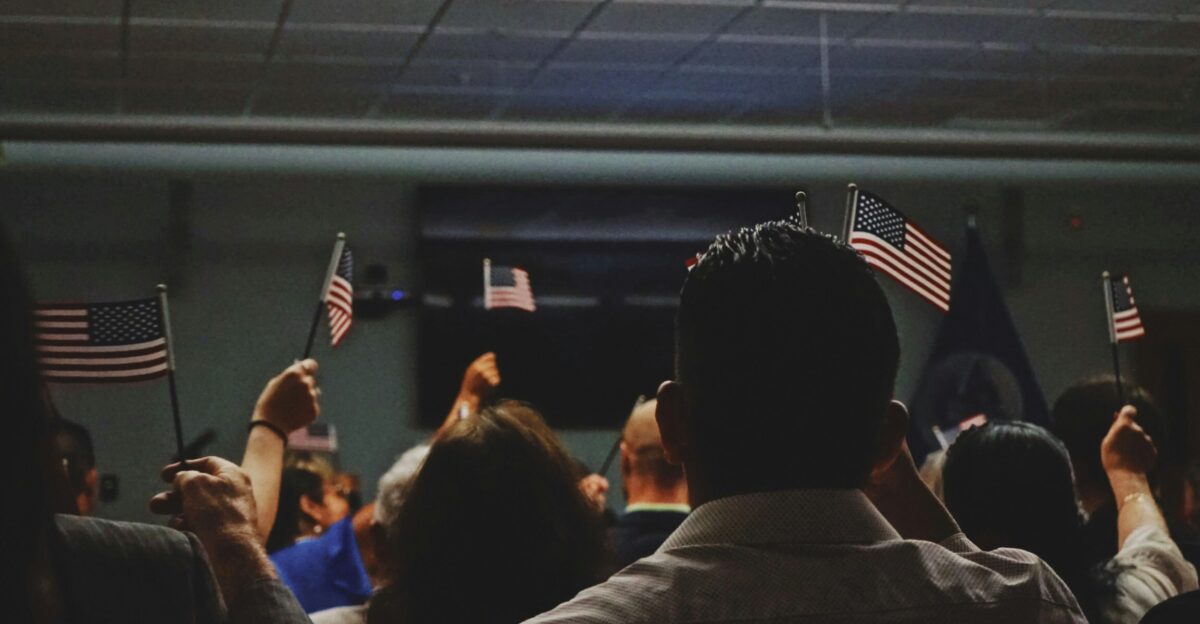
Fears in immigrant communities are heightened and livelihoods are disrupted by the arrest and detention of 46 workers. Just before the holiday season, families experience destabilization, economic hardship, and separation.
Such enforcement actions could complicate supply chain operations by creating a migrant labor shortage in vital industries that already struggle with employee retention. Furthermore, whether or not it is documented, the psychological effects on the remaining employees may include lower morale and increased mistrust. These social costs highlight the human cost associated with enforcing immigration laws and go beyond legal ramifications.
DHS Enforcement Trends and Prospects
The 475 arrests at the Georgia Hyundai-LG facility and the Avenel raid indicate that DHS may maintain a high rate of workplace enforcement, possibly reaching over 3,000 arrests a year if trends continue. It would take about 250 similar operations per year across the country to reach such numbers, suggesting that enforcement campaigns aimed at supply chain industries may need to be scaled up.
This could usher in a new era of vigorous audits and raids, directing resources toward internal border control systems and increasing pressure on both employers and employees to comply.
The Strategic and Psychological Aspects of Enforcement

From a psychological standpoint, the raid serves as a show of authority and a deterrent, indicating the strength and resolve of the government. This raises a lot of awareness and anxiety, which affects employer policies and employee behavior.
From a strategic standpoint, it aligns with a larger trend in which national security requirements linked to supply chain resilience and economic sovereignty are increasingly merging with immigration policy enforcement. The operation demonstrates how intricate socio-political objectives, controlling illegal immigration, regulating the labor market, and safeguarding infrastructure, intersect in ways that alter public perceptions and industry standards.
Limitations and Difficulties of the E-Verify System
The existence of 22% undocumented workers in spite of federal mandates suggests structural problems with the E-Verify employment eligibility system, particularly in major supply hubs.
Employers rely significantly on this electronic verification tool to verify employee statuses, but a significant number of unauthorized workers may be able to get through due to implementation flaws, fraudulent documents, and loopholes.
Comparative Evaluation of Raids at Work
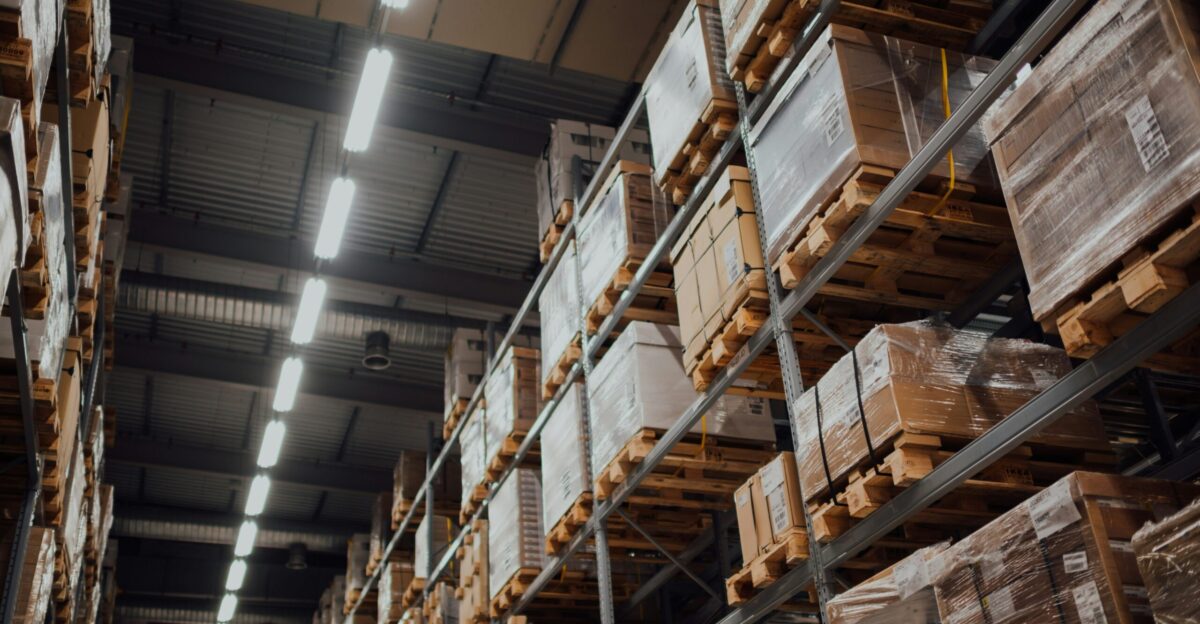
The Hyundai-LG and Avenel warehouse operations evaluate various industrial contexts, such as food processing facilities, advanced manufacturing, and logistics, in contrast to the 2008 Postville raid. Both show enduring weaknesses in immigration law compliance across labor-intensive industries, despite sectoral differences.
A cyclical policy approach in which immigration enforcement alternates between aggressive crackdowns and lax oversight is reflected in the persistent resurgence of such raids. The disparity in the number of arrests, from 475 in Georgia to 46 in New Jersey, also suggests that operational calibration may be in line with industry, geography, or political conditions.
Effects on Customer Confidence and Supply Chain Reliability

Consumer and business confidence in the American supply chain is shaken by the discovery that a large undocumented workforce operates within a federally authorized warehouse.
Businesses take great pride in their “Made in America” branding and compliance, but these raids raise questions about the legitimacy and security of production and distribution procedures. Raid-related delays or disruptions can have an impact on inventory, shipment timeliness, and ultimately customer satisfaction through downstream logistics.
Unexpected Repercussions for Discussions of Immigration Policy

These high-profile raids rekindle discussions about labor policy, border security, and immigration reform. On one hand, advocates argue that such enforcement ensures respect for legal processes and national priorities.
Critics, on the other hand, draw attention to the human cost, support legalization pathways, and contest the effectiveness of punitive worksite raids in light of the labor market’s reliance on immigrant labor. By escalating anxieties and ideological differences while also highlighting the integrative complexity between immigration policy and economic realities, the raids may polarize discourse and make legislative efforts more difficult.
Future Prospects and Speculative Risks
In the future, theories about supply chain espionage or illegal activities enabled by undocumented workforces in sensitive freight hubs become plausible but unproven. Concerns about internal threats or foreign meddling may be heightened by the unknown nature of the cargo handled and possible security breaches.
Additionally, the combination of cutting-edge technologies with enforcement, such as biometric verification and AI-based surveillance, may redefine immigration controls while also posing ethical and privacy challenges. The course of these raids may spur a thorough review of policy that strikes a balance between civil liberties, economic needs, and enforcement.
Keeping Security, Enforcement, and Human Impact in Check
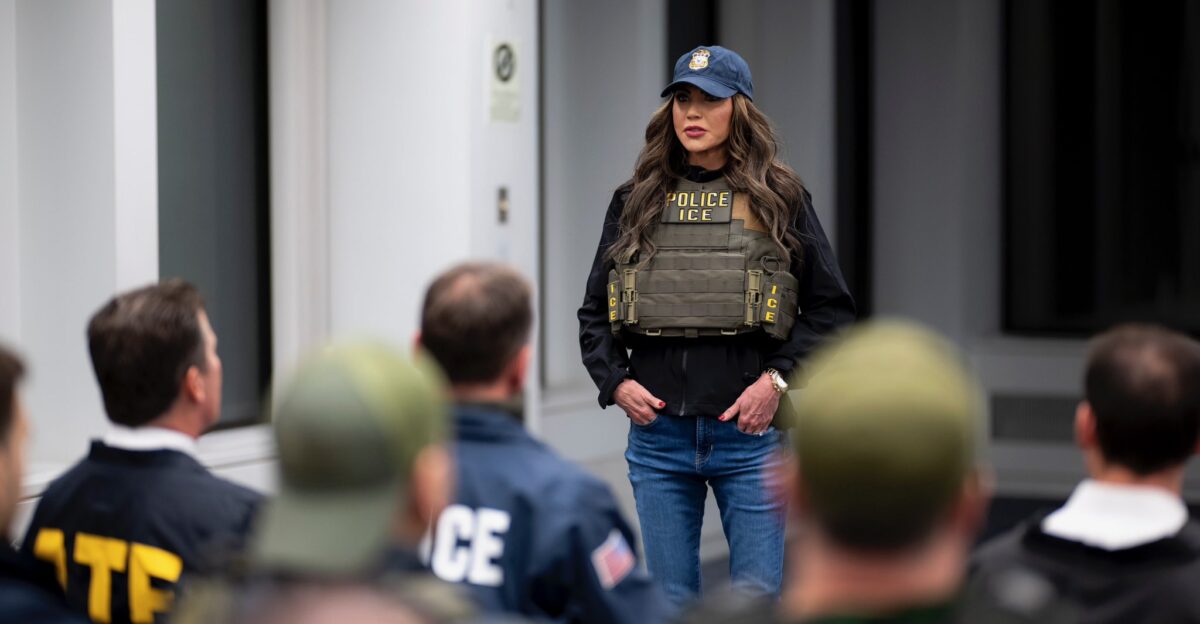
The DHS raid on the Avenel freight hub highlights important issues with workforce legality management in vital supply chain infrastructures. The enforcement action reveals systemic flaws in worker verification and employer accountability, even though it shows the government’s commitment to protecting federally authorized facilities and enforcing immigration laws.
The intricate relationship between immigration policy and national security is made clear by the social, economic, and political knock-on effects. To solve these problems comprehensively and guarantee compliance without compromising supply chain integrity or human dignity, careful tactics are required.