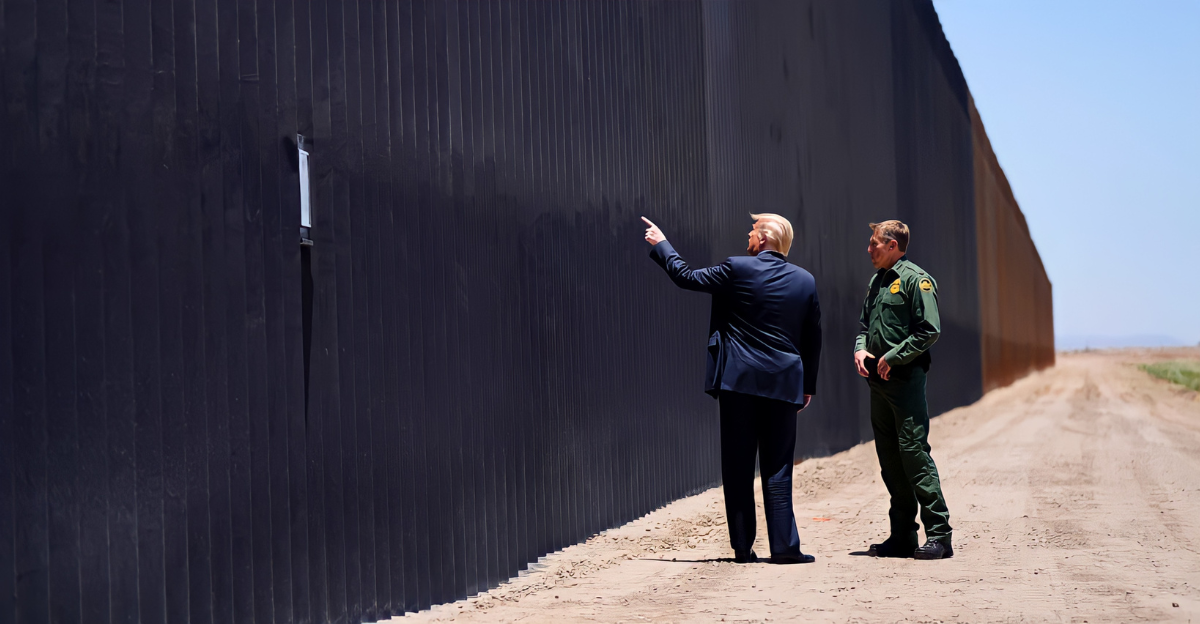
Border apprehensions have plunged to historic lows. In June 2025, U.S. Customs and Border Protection recorded just 6,072 southwest-border arrests – “a decades-long low”.
Yet Washington is still spending heavily: in 2025, Congress allocated roughly $46.5 billion for new barriers.
Officials hail this as a success, but critics note the irony: record-low crossings alongside massive construction.
Agency data confirm only 25,228 total encounters that month – the smallest monthly total in 21 years – underscoring how unprecedented the slowdown is.
Heat Strategy
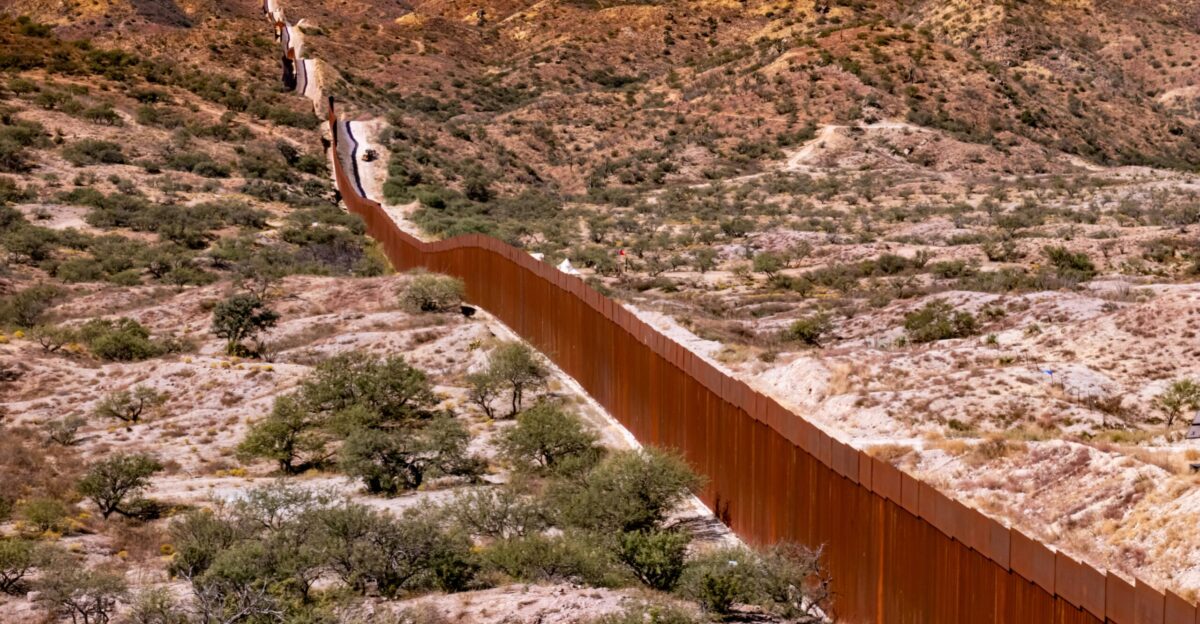
The administration has revived a controversial plan to paint the entire southern wall black to heat it up. DHS officials say about 700 miles of existing steel bollards will get the coating.
Meanwhile, crews are building roughly 0.5 miles of new wall each day.
Secretary Noem explicitly tied the change to Trump’s orders. “That is specifically at the request of the president,” she said, explaining that black surfaces get hotter under the sun, “and it will make it even harder for people to climb”.
Supporters call it an innovative thermal barrier; detractors say it’s a gimmick.
Historical Context
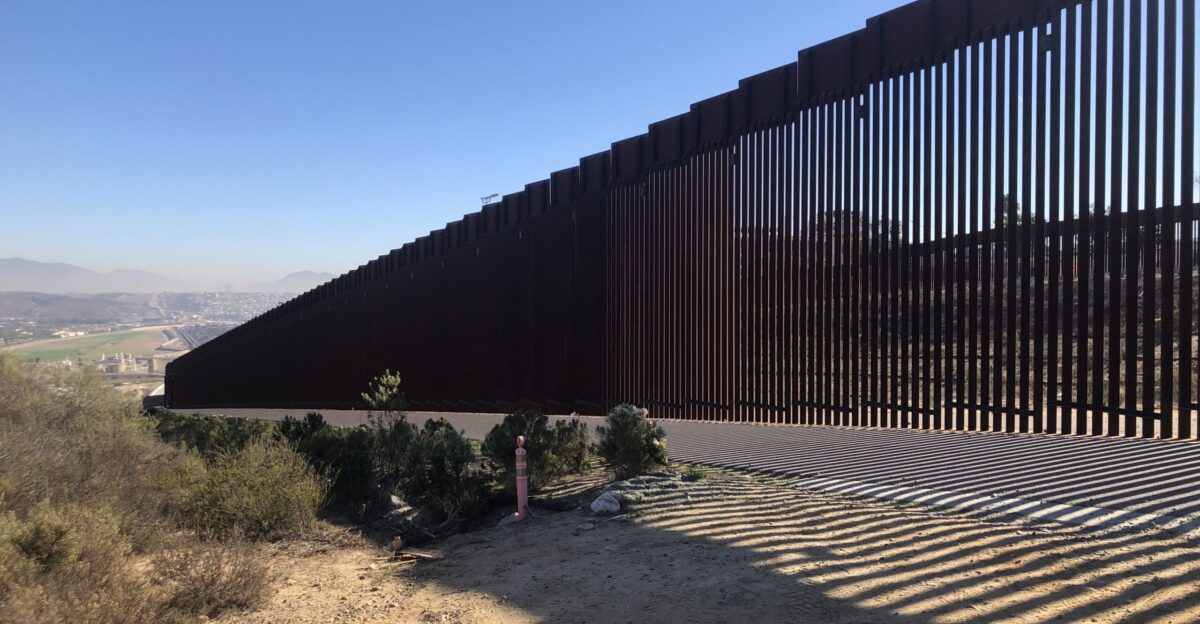
Border barriers go back decades. In the 1940s, Presidents Franklin Roosevelt and Harry Truman authorized the first serious fences – originally to block livestock and wildlife migration.
After World War II, fences were repurposed to block people instead. In 2006, President Bush signed the Secure Fence Act, authorizing 700 miles of new double-layer fencing; by 2010, roughly 548 miles of barrier had been completed.
Subsequent presidents (Obama, Trump, Biden) added more sections and new technologies – cameras, drones, sensors – layering modern surveillance onto the aging walls.
Each administration has built on its predecessors’ security measures.
Mounting Pressure
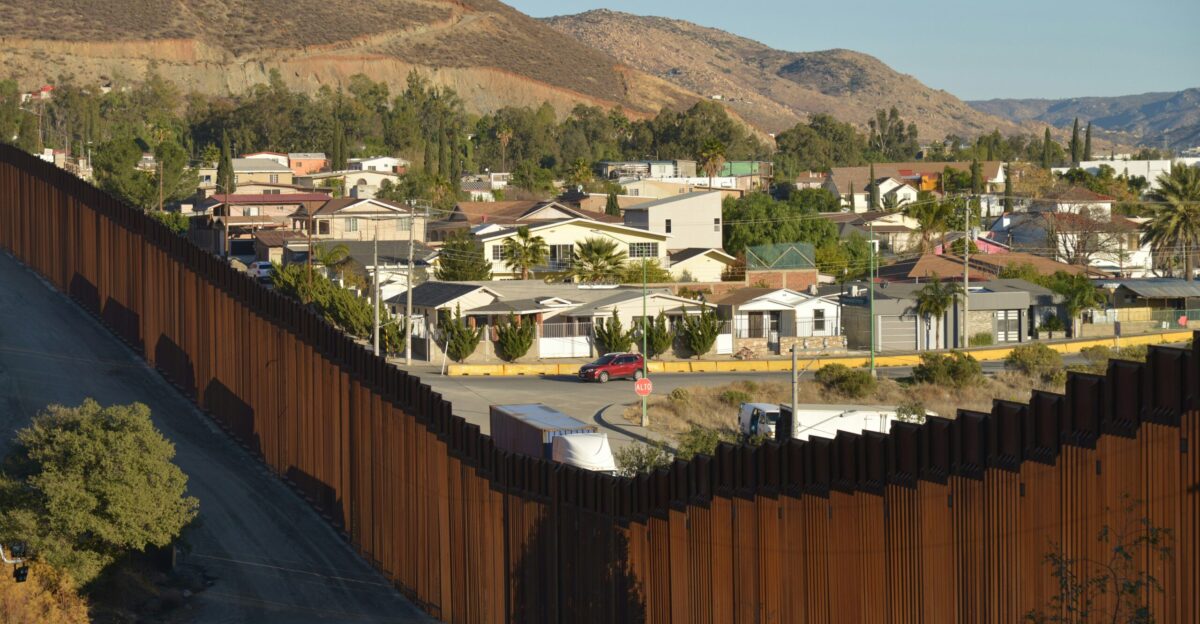
Funding for the wall has surged. In mid-2025, Congress passed a massive spending bill including $46.5 billion for border construction, the largest investment ever.
This comes even as evidence suggests diminishing returns: one survey found that telling migrants a new fence would reroute them through the dangerous desert still left 64.1% saying they would try anyway. In short,
Experts note that adding more fence often just shifts crossings.
Critics worry that pouring money into walls now may not yield proportional security gains.
Paint Announcement
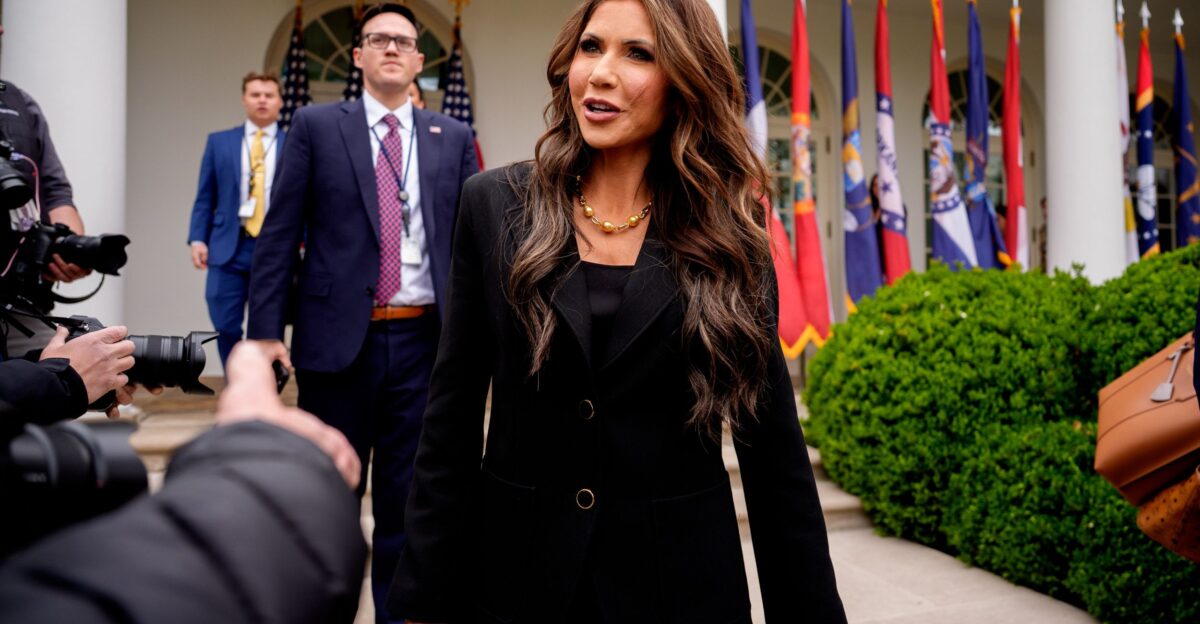
Then, on August 19, DHS Secretary Kristi Noem held a high-profile press event to unveil the paint plan.
Standing at the Santa Teresa, NM, barrier, Noem credited President Trump: “So we are going to be painting the entire southern border wall black … to make sure that we encourage individuals to not come into our country illegally”.
She also argued that the coating prevents rust. The administration presented it as a precise technical fix, but many saw a spectacle.
A New Mexico official said “painting a border wall black to injure people who are seeking a better life is … emblematic of [the] administration’s cruel approach”.
Regional Impact
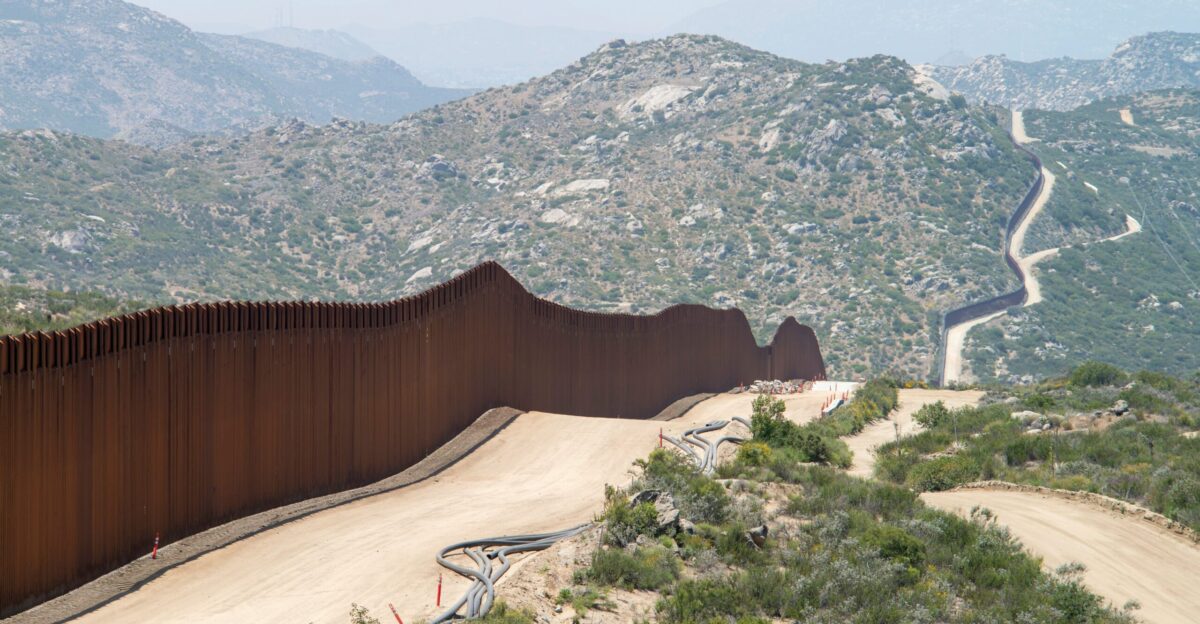
The painting effort is concentrated in key sectors. In New Mexico and Arizona, federal crews have begun blackening steel bollards even as they construct a new wall.
For local residents, that means more Border Patrol convoys and construction noise. Ranchers and border towns report road closures and workers on site at all hours.
Officials say they’ve briefed state leaders, but community groups note that coordination has been uneven. In practice, floodlights now burn nightly along stretches of wall in rural areas.
The extra federal presence is becoming a new normal for communities like Santa Teresa and Yuma.
Human Cost
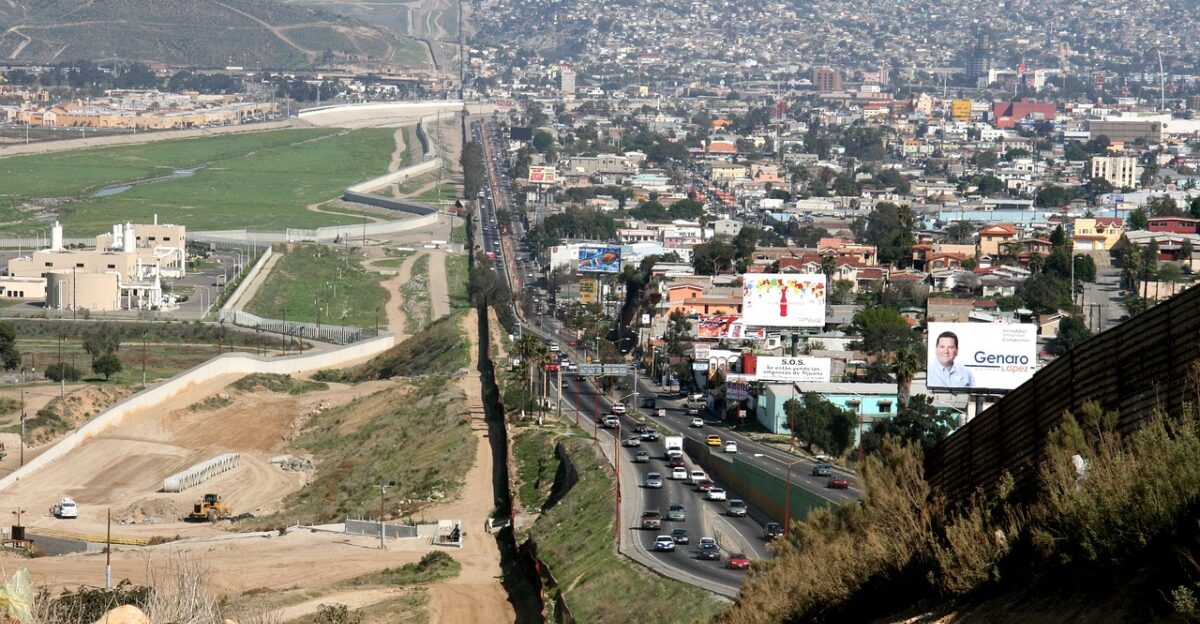
Advocates say the administration’s rhetoric ignores migrants’ suffering. In fact, the Santa Teresa stretch was the deadliest last year – 176 migrants died trying to cross there, mostly from heat.
Yet official announcements focus on deterrence metrics, not human harm.
Noem spoke of discouraging illegal entry, and Border Patrol mentioned rust prevention – but no one discussed health or safety.
Migrant aid groups warn that a hotter wall could only worsen burn injuries and heat stroke. Many migrants already describe sections of the wall as painfully hot; painting it black is likely to amplify that pain.
Technology Integration
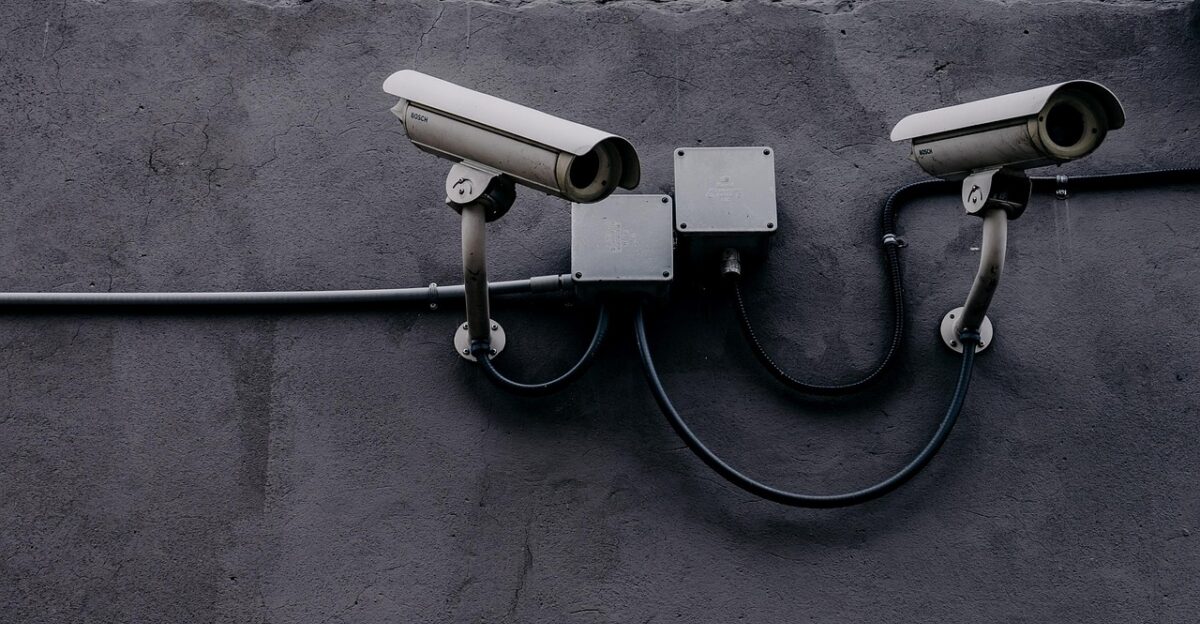
In parallel, DHS has built an increasingly high-tech “virtual wall.” In Texas’s Big Bend Sector, for instance, authorities installed two new autonomous surveillance towers this year, bringing the total to 54. Those towers detected 1,686 border activities in fiscal 2024.
Acting Chief Marco Cervantes praises them: “ASTs give us complete domain awareness in remote locations,” he said.
Nationwide, watchdogs report about 429 similar towers along the border.
Congress even earmarked about $101 million in 2025 to upgrade and maintain this network. In effect, the U.S. is now investing as much in electronics and AI as in steel posts.
Effectiveness Studies
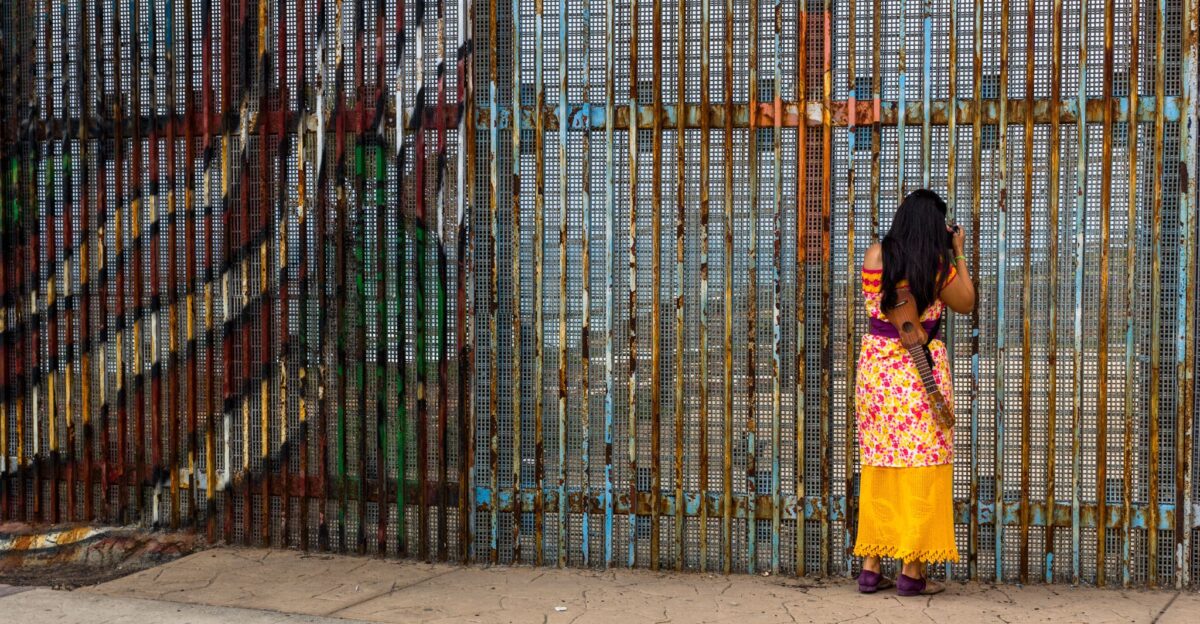
Research on wall barriers shows mixed results. One analysis estimated that building additional fencing reduced nearby migration by about 39%.
But behavioral studies show determined migrants often adapt. For example, when respondents were told a new wall would force them onto more dangerous desert routes, 64.1% still planned to cross.
Many migrants just find alternate paths.
Experts conclude that barriers tend to displace migration rather than stop it entirely. In other words, even expanded fencing yields only partial deterrence.
Cost Revelation
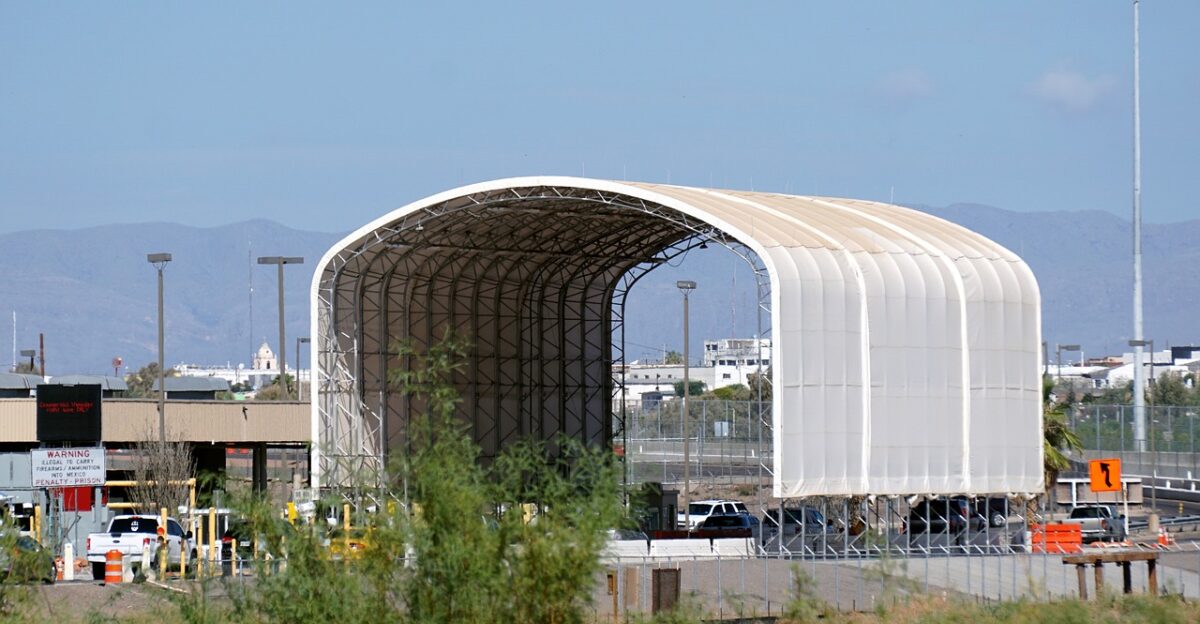
Even basic calculations show the paint job is expensive. Reports from 2020 found that a simple two-coat paint job could cost anywhere from $500 million to $3 billion.
One Pentagon analysis estimated roughly $1.2 million per mile for basic coatings.
Those estimates excluded ongoing maintenance. DHS has not released the current project’s price, saying the work is still being bid.
But given those figures, the multi-billion-dollar price tag seems inevitable – even ignoring any enhanced materials or labor costs.
Internal Opposition
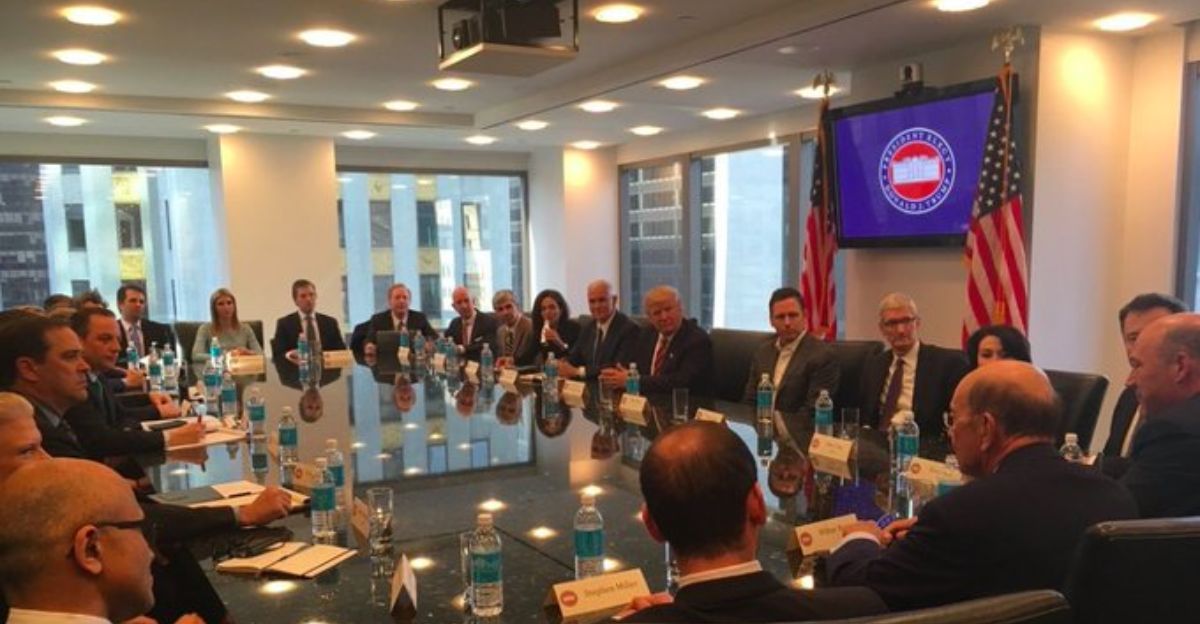
Even senior officials questioned the plan. Pentagon and Border Patrol chiefs had earlier convinced Trump to drop black paint, calling it “unnecessary, costly and a significant long-term maintenance burden”.
Yet the idea persisted. Reports later revealed that Trump continued to personally dictate tweaks: one account said he even woke DHS aides at odd hours, graphically describing how climbers would suffer injuries from hot, spiked steel.
That tug-of-war shows the project was driven by top-down orders rather than technical consensus.
Despite initial resistance, agencies ultimately went ahead once the directive was renewed.
Leadership Shift
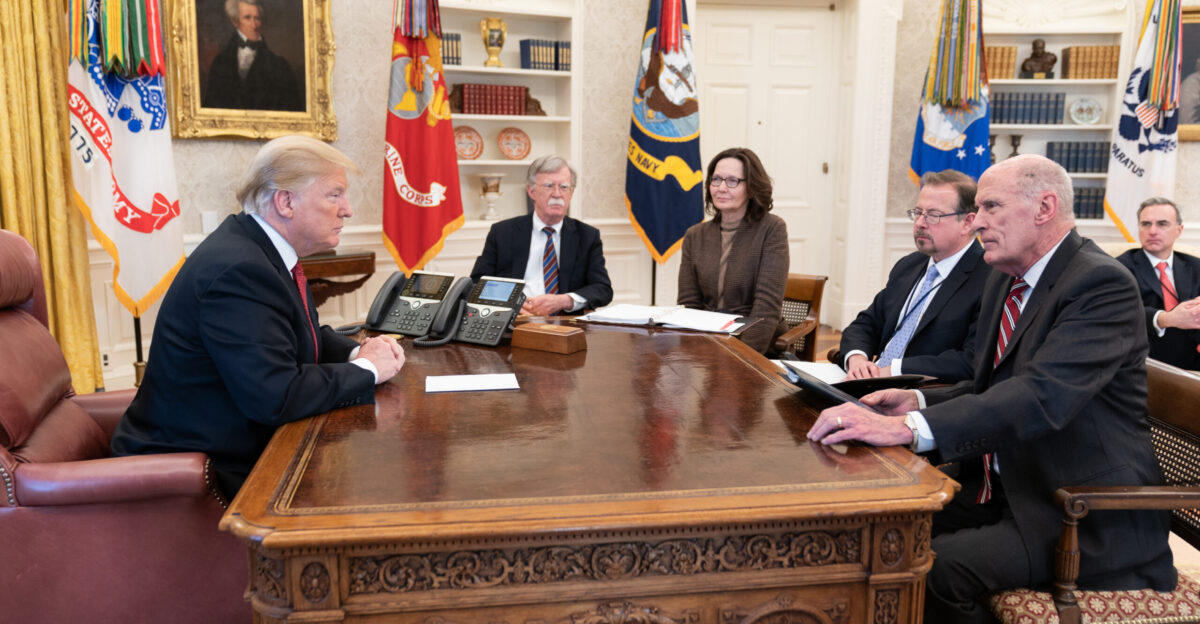
Kristi Noem’s confirmation as DHS Secretary signaled the administration’s direction. Noem, a former South Dakota governor, had no federal homeland-security background, but she was a staunch Trump ally.
She had even sent South Dakota’s National Guard to Texas eight times under Operation Lone Star, donating $1 million of her own funds.
In her Senate hearing, Republicans highlighted this; Sen. John Thune praised her by saying, “It’s going to take some tough and hard leadership to get things back in order”.
Many saw her selection as evidence that top officials would follow presidential preferences on immigration issues.
Strategic Pivot
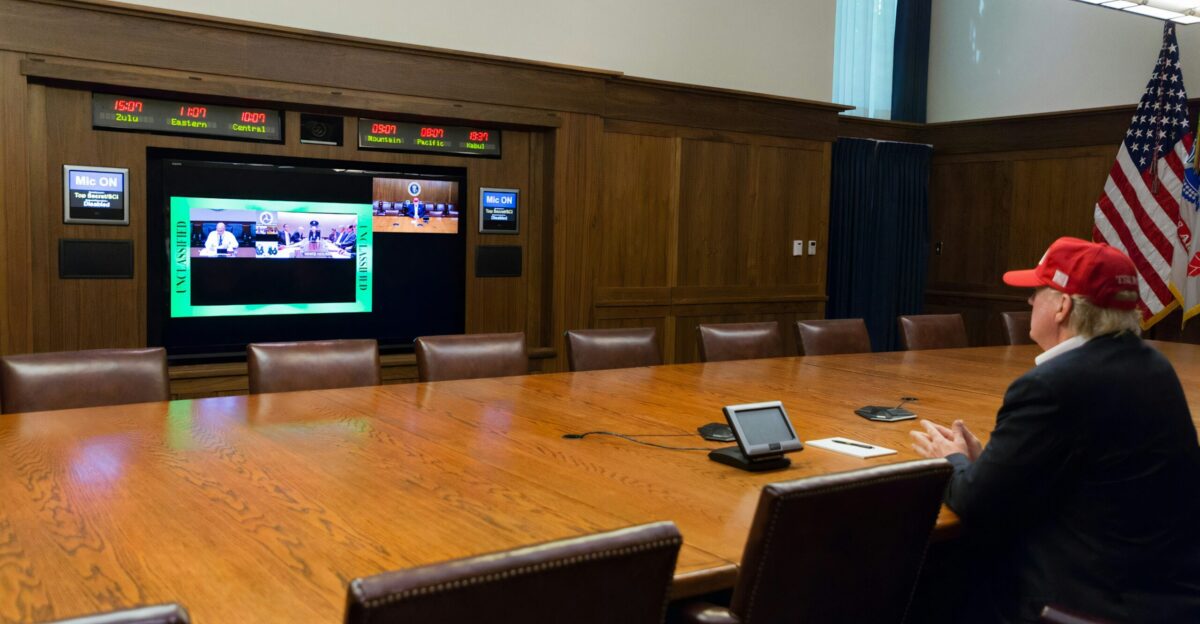
At the same time, the administration has intensified interior enforcement.
Immigration and Customs Enforcement (ICE) reports show a sharp rise in domestic arrests: by mid-2025, ICE had made over 100,000 arrests of unauthorized migrants, roughly twice the daily rate from the previous year.
This interior crackdown – including widespread raid operations – accompanies the wall push.
The strategy is two-pronged: put up barriers at the border and increase deportations inside the U.S. Officials argue this synchronized approach will deter migration at every stage, but advocates say it turns much of the country into an immigration enforcement zone.
Expert Skepticism

Experts remain doubtful that paint alone will solve problems. Engineers note that the unpainted steel already reaches extremely high temperatures under the sun, and a black coat would raise it by only a few degrees.
“It won’t make much of a difference,” one specialist said, adding, “there’s no technical reason to paint it to make it hotter”.
Critics see the measure as largely symbolic. Academic studies echo this: they generally find little impact from minor barrier modifications.
Many analysts conclude that without addressing root causes, such tweaks won’t dramatically deter migration.
Future Questions
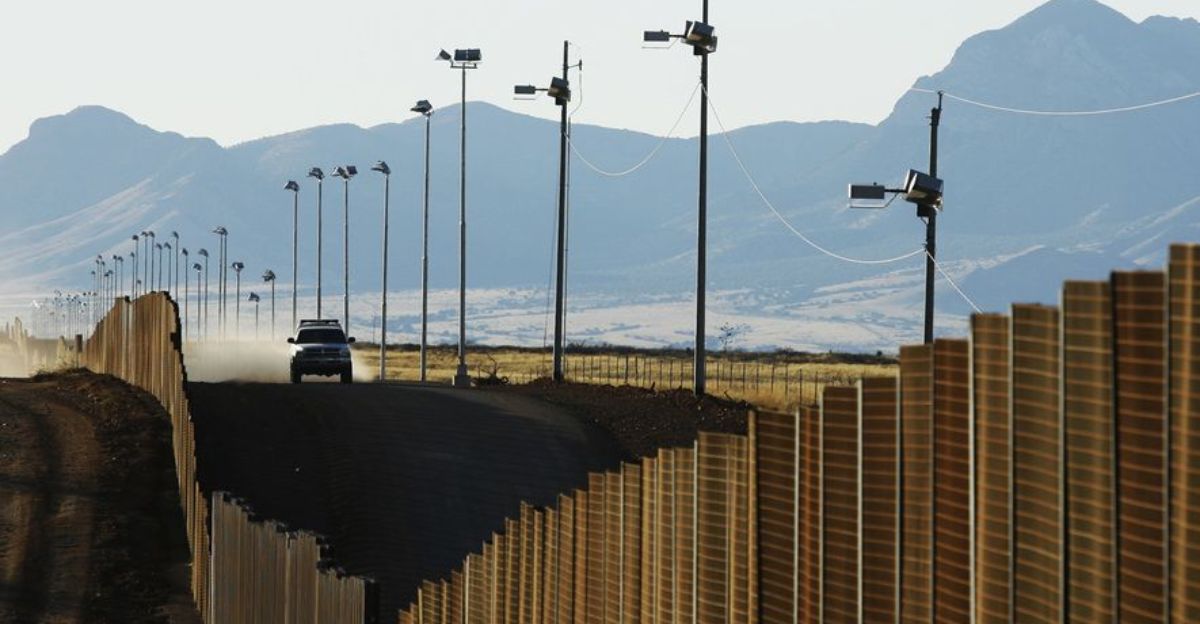
The black wall raises broader strategic questions. With crossings already near historic lows, some ask if this new layer is needed at all.
Will adding heat actually reduce attempts, or simply add cost and drama? Supporters say it’s a smart innovation; critics call it a waste.
Time will tell: if the painted sections see fewer climbers, proponents will claim victory; if not, opponents will argue resources should go elsewhere.
The experiment’s outcome will influence decisions on whether to keep investing in barrier enhancements or pivot to other methods.
Political Ramifications

Reactions have split predictably along party lines. Many Democrats blasted the plan as wasteful and dehumanizing, arguing the money could better fund schools and clinics.
Republicans praised it as a clever use of physics, highlighting President Trump’s hands-on leadership.
The paint job quickly became a symbol: opponents labeled it a publicity stunt, while supporters framed it as evidence of resolve.
Congress has already begun debating the project’s future funding – with some members hinting at cuts if it proves ineffective. In short, the black wall has become a political lightning rod in the run-up to the next elections.
International Response
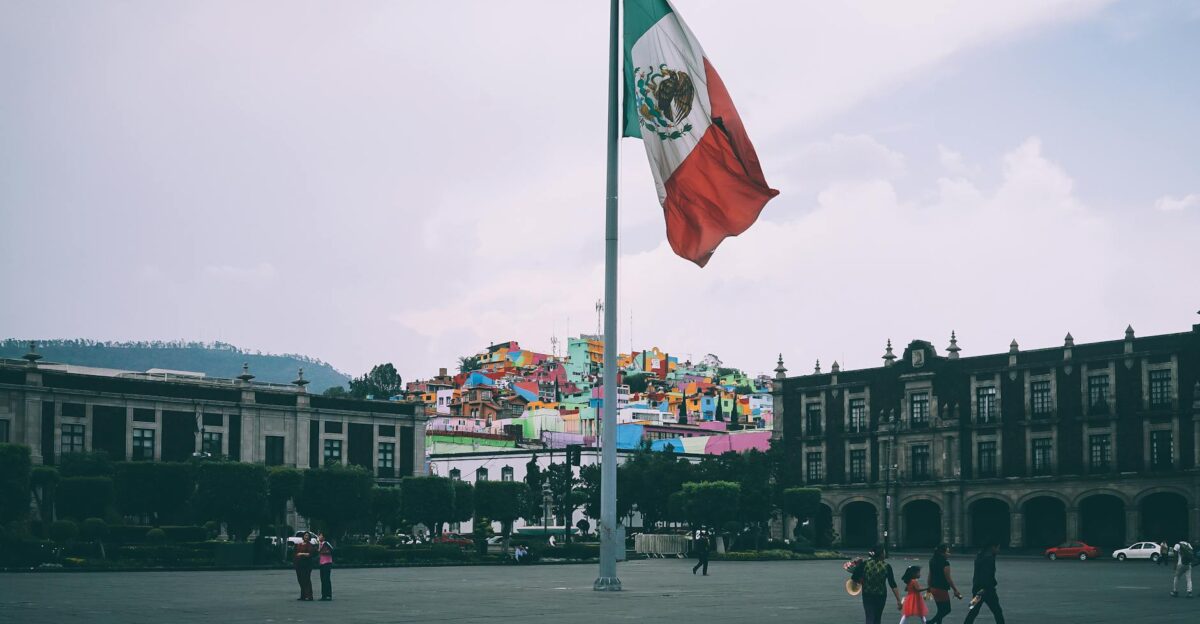
Mexico has largely stayed out of the dust-up, focusing on other border issues. For example, on July 24, U.S. and Mexican officials signed a major agreement to fix the Tijuana River sewage problem.
Migration analysts worldwide note that tougher U.S. barriers often just shift routes into Mexico or Central America without stopping flows.
So far, Mexico’s government is emphasizing cooperation (like joint patrols and legal migration programs) rather than publicly complaining about the wall’s color.
International organizations are monitoring the humanitarian impact of any U.S. deterrence measures, but no formal diplomatic protest has emerged.
Legal Implications

The painting project may face legal hurdles. Environmental groups could sue over potential chemical runoff or habitat damage, forcing agencies to conduct new impact reviews.
Past wall litigation set precedents: a 2023 California settlement required dozens of wildlife crossings and extensive mitigation funding along existing barriers.
On contracting, federal law usually mandates open competition for public works. (In 2020, DHS controversially waived those rules under an emergency declaration.)
This time, DHS has indicated it will follow normal procurement, meaning competitive bids, which can be protested, adding potential delay.
Cultural Shift
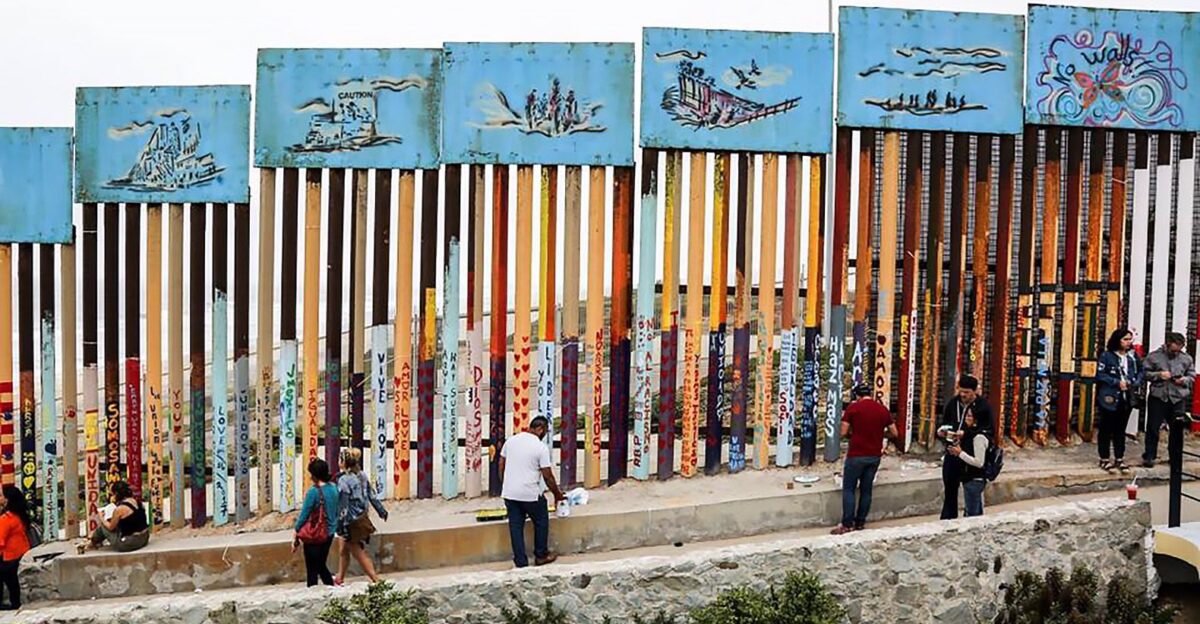
Culturally, the black wall has become a flashpoint. In border communities, its stark appearance has drawn outrage and creative responses – local artists have already begun painting murals on portions of the metal.
Online, the tactic quickly spawned memes: some see it as humorous “heat management,” whereas others view it as deliberate cruelty.
Analysts note the broader message: to supporters, it signals toughness and innovation; to opponents, it symbolizes an aggressive immigration stance.
Either way, the black wall has transformed from a mere barrier into a potent symbol that resonates far beyond its physical presence.
Broader Implications
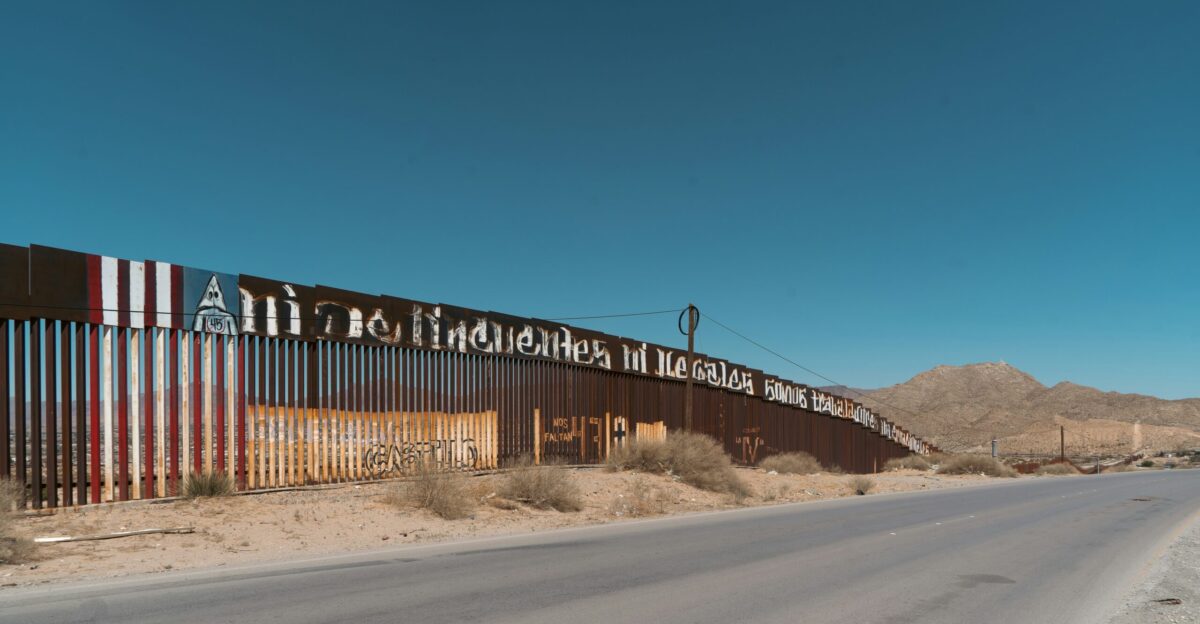
Painting the wall black underscores America’s continued bet on physical deterrence. Even as new technologies emerge (drones, AI surveillance, expedited legal pathways), the administration chose to invest billions more in steel and paint.
Whether this proves to be savvy innovation or costly stubbornness remains to be seen.
If the painted sections tangibly reduce crossings, advocates will hail it as a success worth replicating.
If not, the outcome may prompt policymakers to rethink spending on walls versus other solutions. In the end, the black border stands as a bold experiment on the front lines of immigration policy.