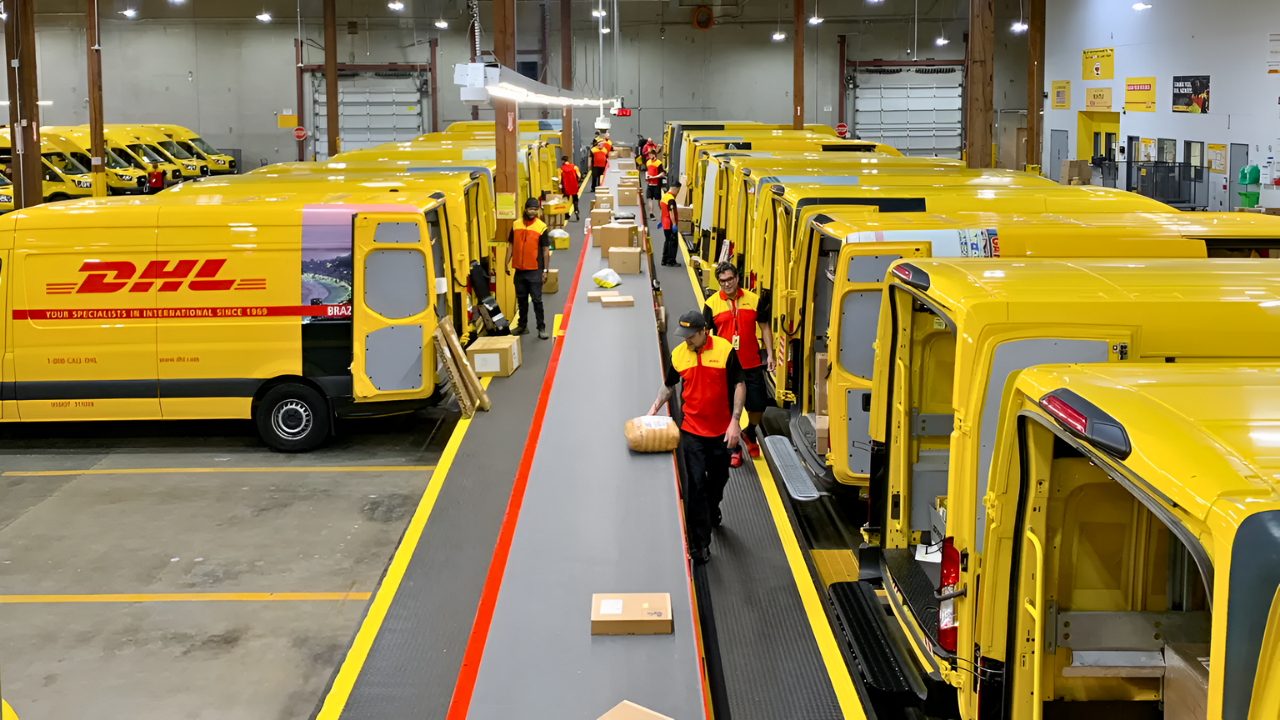
The elimination of the U.S. de minimis exemption, which previously permitted imports under $800 to enter duty and tax-free, was the main cause of DHL Express’s sharp 32% decline in U.S.-bound shipments in Q3 2025. About 4 million packages every day are now subject to new tariffs as a result of this policy change, which went into effect on August 29, 2025. This has caused major disruptions in customs procedures and raised costs for both shippers and customers.
While business-to-business transactions exhibit greater resilience, business-to-consumer shipments have been hardest hit by this change, as many low-value parcels that were previously exempt from tariffs now incur fees. New postal restrictions and demands for more complicated customs paperwork have created logistical challenges and regulatory issues.
The Historical Background of Changes in US Tariff Policy and Their Effect on Trade
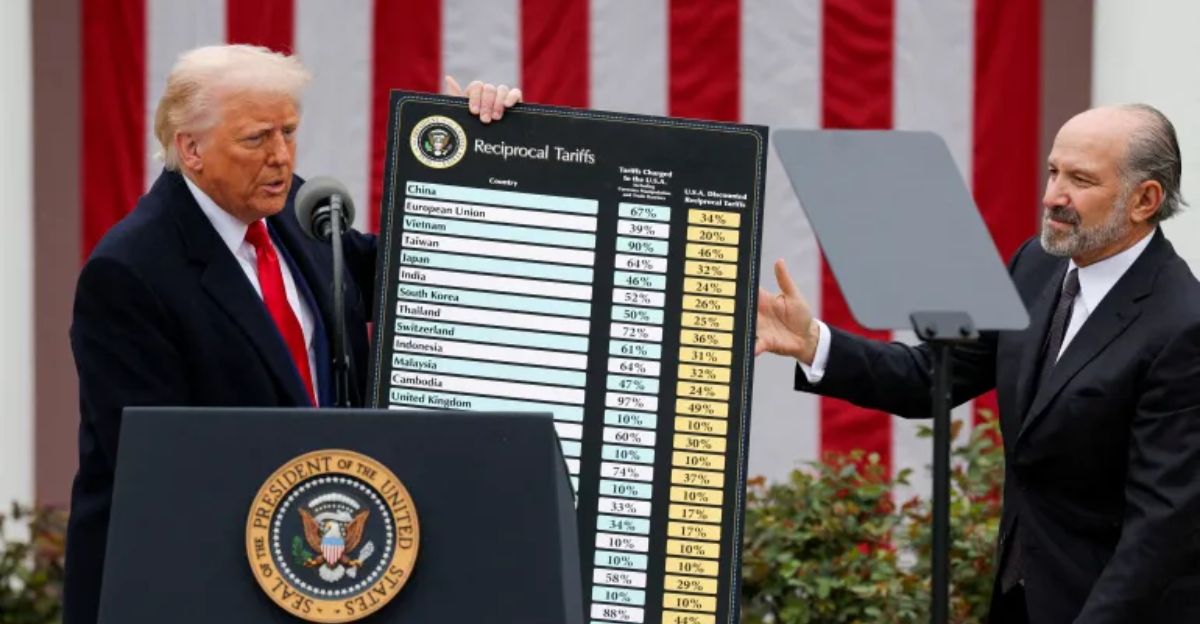
The Trump administration’s long-term changes to U.S. trade policy, which reinstated tariffs on a range of Chinese goods and raised rates to as high as 145% on certain product categories, are reflected in the recent changes. This was meant to encourage homegrown manufacturing, but instead it upset long-standing supply chains and heightened tensions in international trade.
Although the removal of the de minimis exemption supports efforts to strictly enforce tariff collection, it interferes with the flow of low-value imports that are essential to business-to-consumer trade. In stark contrast to earlier decades of tariff reductions promoting globalization, DHL’s volume and service adjustments reflect broader industry reactions to these protectionist actions.
Challenges in the Supply Chain After Tariff Shift

The de minimis exemption’s removal has resulted in a number of supply chain issues, such as lengthier customs clearance times, more difficult paperwork procedures, and a reassignment of shipment modalities by companies. Increased red tape at US customs forces DHL and other carriers to reevaluate their pricing and logistics.
Businesses must deal with the dual penalties of tariffs and delayed delivery times when sending numerous low-value shipments to American consumers, which has an impact on customer satisfaction and operating expenses. To reduce tariffs, many businesses are switching to regional warehousing or other shipping options. Global supply chains are under pressure to innovate and respond quickly as a result of these changes, which force a trade-off between speed, cost, and complexity.
Impact of New Tariffs on the Economy and Consumers
Tariffs on low-value goods that were previously exempt raise prices for both consumers and businesses. Price increases for goods, particularly in e-commerce, may reduce demand or cause consumers to stop buying products from nations that are currently paying higher import taxes. Online retailers and small enterprises that depend on regular, inexpensive shipments to U.S. consumers are less competitive. Customers’ expectations, which were shaped by years of smooth international trade, are undermined by rising costs and delayed deliveries.
A decline in U.S. inbound parcel volume is indicated by DHL’s volume decline, which could slow growth in industries reliant on cross-border sales. In addition to direct importers, downstream businesses that rely on imported materials are also impacted by the friction caused by tariffs, which increases inflationary pressures in the US economy.
DHL’s Operational Modifications and Strategic Reaction
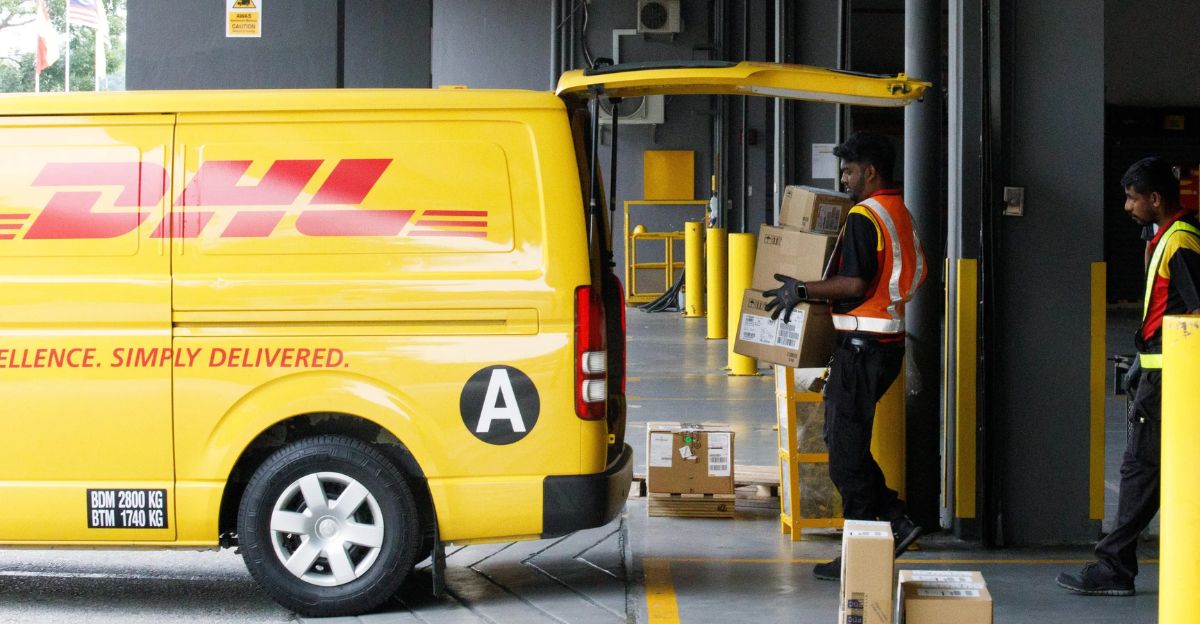
DHL has reorganized its service offerings in response to a significant drop in shipment volumes and an increase in operational complexity. It has suspended some high-value shipments to U.S. consumers while preserving B2B flows that exhibit greater resilience. To better manage tariffs, DHL is investing in solutions like duty drawback programs and bonded warehousing.
Additionally, they are pushing consolidation services to cut expenses and streamline customs clearance. In the face of geopolitical unpredictability, these strategic adjustments highlight the importance of adaptability and supply chain resilience. DHL hopes to mitigate tariff impacts for customers by improving digital customs management and negotiating regulatory frameworks, but the underlying cost increases continue to be a controversial obstacle to returning to previous shipment levels.
Tariffs as a Spark for Innovation in the Supply Chain

Tariffs cause immediate problems for international trade, but they also serve as incentives for businesses and logistics providers to innovate. Due to DHL’s difficulties, supply chain diversification and the use of cutting-edge customs technologies have accelerated.
By encouraging companies to source and stock closer to consumer markets, tariff-induced pressures may promote longer-term global supply chain resilience, potentially lowering carbon footprints and improving responsiveness, according to some industry voices. This forced evolution suggests a shift towards regionalized, more sustainable logistics architectures, challenging the traditional just-in-time global shipping paradigms. These adjustments may eventually stabilize international trade structures and lessen their susceptibility to geopolitical shocks, despite the initial pain.
DHL’s suspension of high-value U.S. deliveries
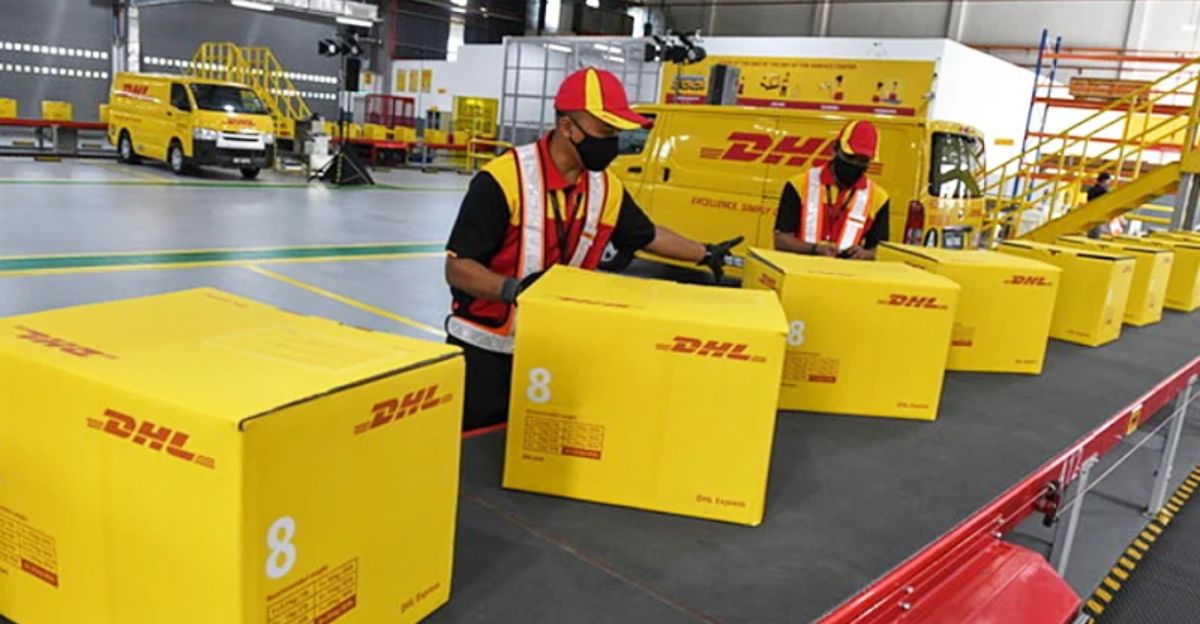
DHL’s suspension of all U.S. consumer shipments valued at more than $800 is an extreme example of the tariff impact; this action is unprecedented and clearly illustrates the severity of customs delays and bureaucratic burdens. High-value consumer segments that depend on international deliveries are disconnected as a result, which has repercussions in the markets for luxury goods, electronics, and specialty equipment.
Recipients are forced to look for alternate routes or local sourcing due to the policy-induced service gap, which may help domestic producers or competitors operating in less restrictive regulatory environments. This case serves as a warning that protectionist policies may lead to lost business and lower service standards by illustrating how tariff policies can skew market dynamics and customer expectations in international logistics.
Possible Second-Order Impacts on International and U.S. Trade
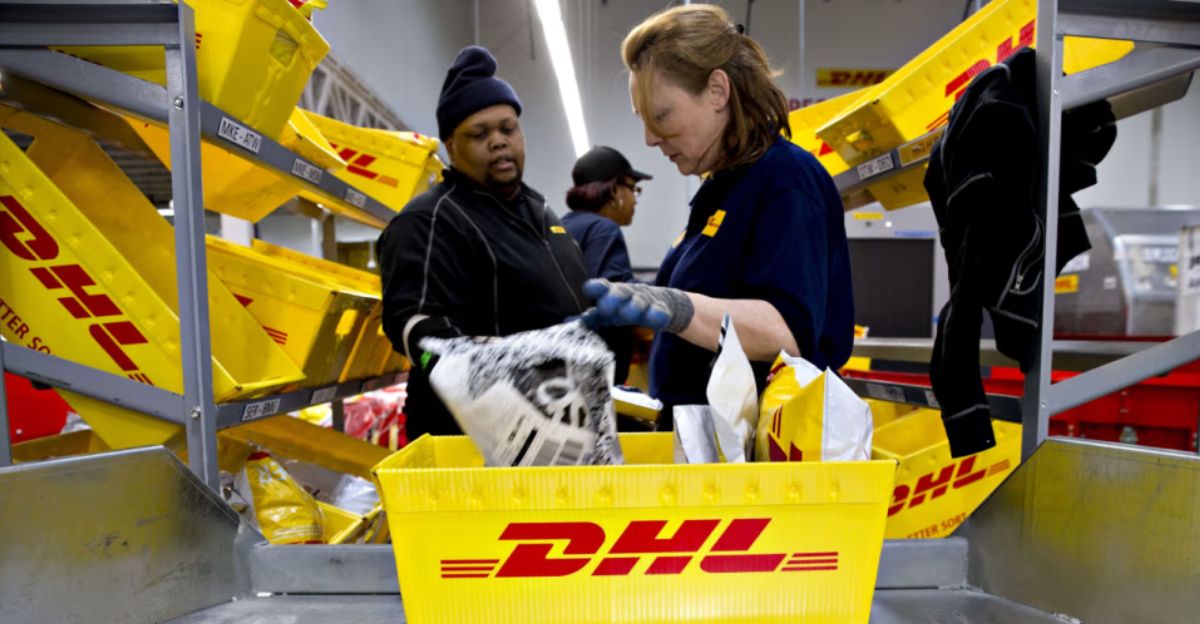
The decline in DHL’s shipment volumes is a sign of more extensive second-order effects on international and U.S. trade. Reduced parcel volume could encourage shippers to reroute shipments through nations with different trade agreements, making compliance more difficult. Tariff costs may hasten the trend of nearshoring or reshoring as businesses try to avoid paying punitive duties, which could lead to the restructuring of labor markets and industries.
Cross-border retail may be impacted if consumer preferences change in favor of domestic alternatives. Depending on regional trade flows, these changes may result in congestion or underutilized assets. They also have an impact on pricing dynamics and freight capacity utilization in air and sea transport. The experience of DHL is a microcosm of these intricate changes in the global trade ecosystem brought about by tariff policy.
Uncertainties in Tariff Policy and Legal Aspects

The trading environment is further complicated by legal challenges to the tariff impositions, including possible Supreme Court reviews. The court may challenge the president’s specific authority to impose tariffs under emergency economic powers, but there are still other legal grounds that could allow tariffs to continue or change. DHL executives understand that businesses must incorporate ongoing tariff risk into their cost structures and import strategies because the overall policy trend may not reverse even if one legal route is blocked.
This legal ambiguity makes forecasting and investment choices in manufacturing and logistics more difficult. It portends a new normal of ongoing regulatory volatility that businesses will need to manage methodically.
The Framework for DHL Tariff Resilience

A distinct “Tariff Resilience Framework” that includes supply chain diversification, stakeholder communication, technology-enabled customs management, and regulatory adaptation can be used to conceptualize DHL’s strategic challenges and solutions.
The overlapping pressures of tariff implementation and the complex solutions needed to maintain international parcel flows are made clear by this model. It emphasizes how multi-capital operations that balance cost, speed, compliance, and customer satisfaction must replace traditional logistics. The framework, which emphasizes innovation and adaptability as the cornerstones of survival and expansion, could act as a strategic guide for other logistics companies navigating tariff disruptions globally.
The Daily Shipment Impact Scale
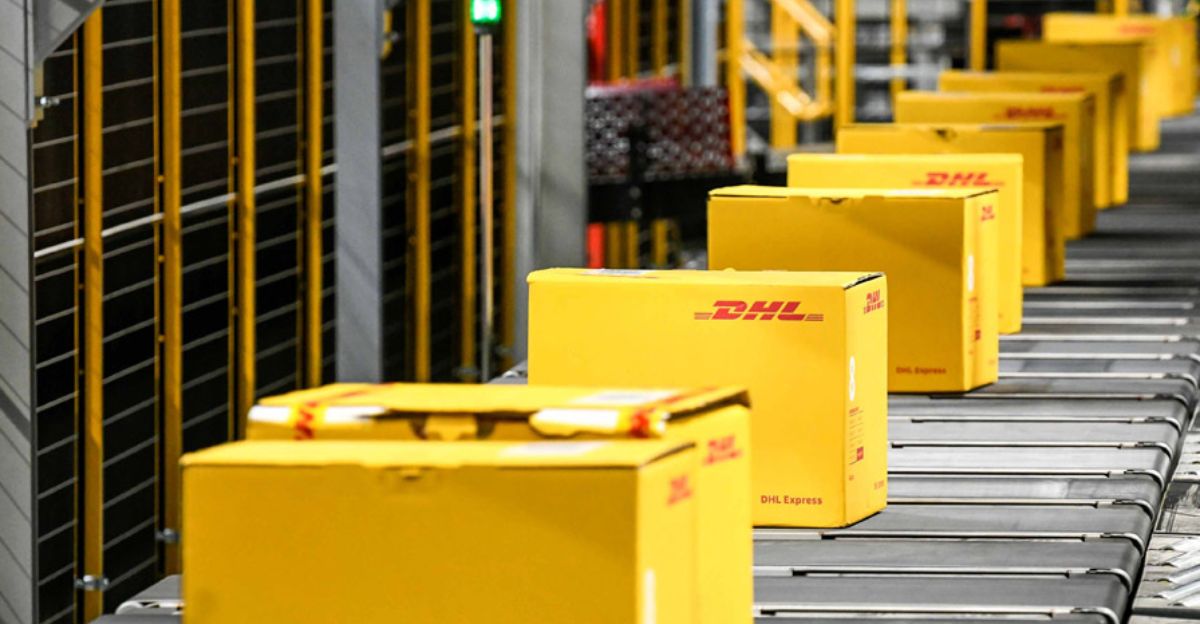
Following the removal of the de minimis, about 4 million packages per day headed for the United States are now subject to additional fees, representing an unprecedented level of tariff exposure in the history of modern logistics. For consumer goods, small businesses, and international e-commerce, this volume is a vital conduit.
The disruptive effects on pricing, customs procedures, and delivery times are amplified by the quick imposition of tariffs on such a large volume of shipments. These findings highlight the structural susceptibility of international trade to changes in policy, underscoring the necessity for stakeholders to keep an eye on trade laws and make proactive adjustments.
Carbon Footprints, Supply Chains, and Tariffs

Environmental objectives may be impacted by the change in supply chain designs brought about by tariffs. Logistics flows may shorten as businesses reroute or regionalize sourcing to reduce tariff costs, inadvertently lowering carbon emissions.
On the other hand, shipment consolidations and tariff-related delays may necessitate more warehousing or move cargo to less effective modes, which could increase environmental footprints. A dynamic tension between cost, compliance, and corporate sustainability obligations is reflected in DHL’s environmental strategies and tariff resilience measures. Future studies and policy discussions on coordinating trade laws with climate imperatives can benefit greatly from this intersection.
A Perspective on Tariffs and Trade Wars
Today’s U.S. tariff changes are reminiscent of past trade disputes like the Smoot-Hawley tariff of the 1930s, which severely disrupted international trade and made the Great Depression worse. Even though they are less severe, modern tariff imposition indicates that protectionist policies run the risk of causing supply chain fragmentation, slowed economic growth, and tit-for-tat retaliation.
These important lessons are demonstrated in microcosm by DHL’s experiences: Market disruptions and operational halts brought on by tariffs foreshadow the dangers of aggressive trade barriers. The need for measured policy approaches that balance national interests with global economic integration is reinforced by the historical narrative.
Educating via Brutal Honesty
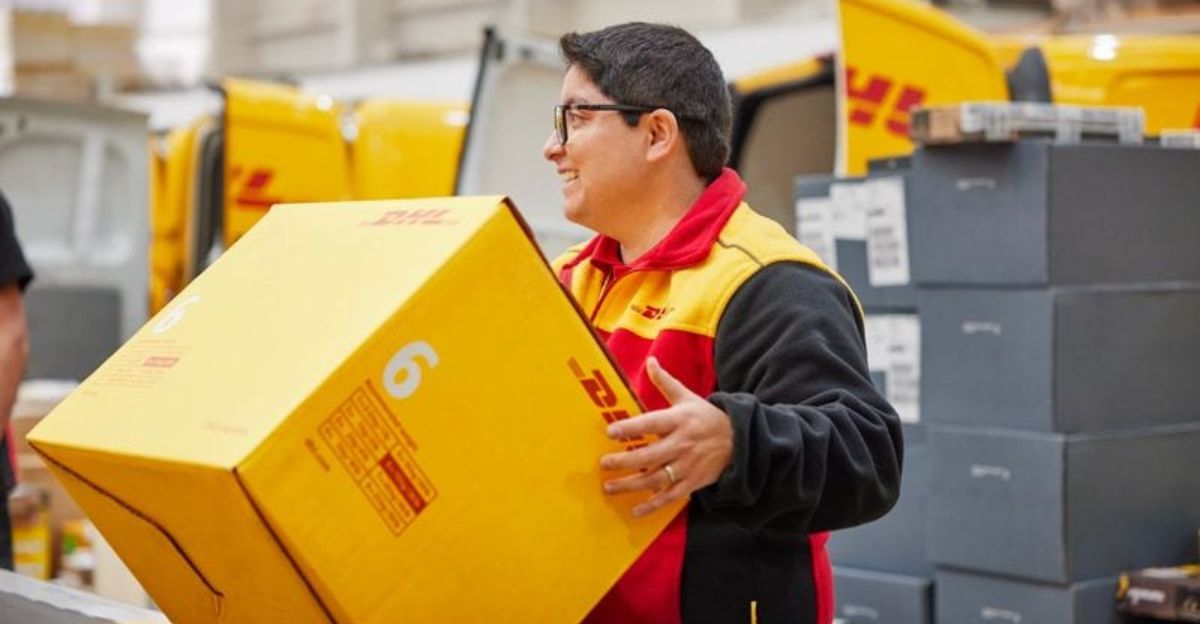
Aggressive changes in U.S. tariff policy, particularly the removal of the de minimis exemption that affects 4 million daily parcels, are clearly and quantifiably responsible for DHL’s 32% decline in shipments headed for the United States.
This incident serves as a warning about how protectionism impedes contemporary trade, increasing expenses and causing delays throughout whole supply chains. The practical adjustments made by DHL demonstrate the strength and vulnerability of international logistics in a volatile trade environment.