Denny’s familiar yellow sign flickers for the last time as the diner chain shuts its doors on 180 locations across the country. The deal, valued at $620 million, marks the end of an era for the 72-year-old American icon. By the end of 2025, diners that once served pancakes at all hours will be replaced by “For Lease” signs. For millions, this moment represents more than just corporate closure—it’s the fading of a cultural landmark.
But why is the diner that never closed, closing for good? What does this mean for the future of 24/7 dining in America? The answer unfolds in the wake of a massive private equity deal.
Why It’s Happening
Denny’s is facing a harsh reality. Despite its nostalgic image, the chain’s same-restaurant sales fell 2.9% in Q3 2025, with many of its older restaurants now underperforming. Labor costs and outdated facilities have exacerbated the issue.
Private equity partners are betting they can turn the company around by cutting losses and modernizing operations, but these closures reflect a larger struggle for the diner chain’s survival in a changing market.
Vanishing Diners
Across 2024 and 2025, Denny’s will have closed 180 of its locations—around 10% of its entire footprint. For locals, this means the familiar diner at the corner will be gone.
What was once a constant, open 24/7, is now a disappearing landmark in countless small towns. This marks the largest closure wave in the chain’s history, fundamentally altering the landscape of American roadside diners.
Jobs on the Line
Thousands of employees will be affected by the closures. From long-time waitstaff to short-order cooks, many workers dedicated decades to serving meals in these late-night havens.
These job losses underscore the human cost of corporate restructuring, as Denny’s shifts from a nostalgic symbol of American dining to a private equity-backed future focused on profitability.
Private Equity Takes Over
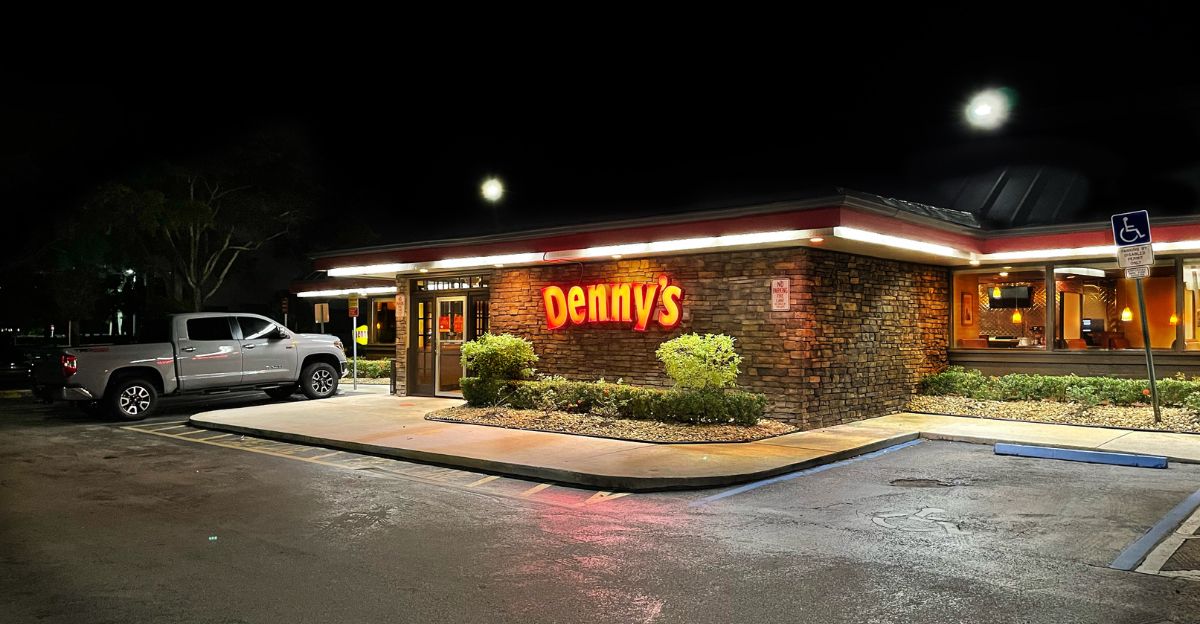
TriArtisan Capital, Treville Capital, and Yadav Enterprises are paying $620 million to buy Denny’s and take it private. These firms believe there’s a turnaround potential, seeing opportunities for operational cuts and modern upgrades.
The sale reflects a strategic bet that Denny’s can shed its outdated image and adapt to a more tech-forward dining experience, even as it closes beloved locations across the U.S.
Shrinking 24/7 America
The Denny’s closures signal the broader decline of 24/7 diners in America. Rising labor costs and safety concerns have forced many diners to adjust their hours or close altogether.
Data shows an 18% decline in 24-hour restaurants between 2020 and 2024. As fewer restaurants remain open past midnight, the disappearing diners are a stark reminder of how our fast-paced, always-on society is shifting—dimming the neon lights that once offered refuge at all hours.
Corporate Reinvention

In an attempt to stay relevant, Denny’s plans to open 25 to 40 new locations by 2025. These new spots will be smaller, sleeker, and more tech-savvy, featuring self-service kiosks and fresher ingredients.
This shift aims to boost franchise average unit volumes, marking a pivot from the traditional diner to a modern, midscale eatery that caters to post-pandemic dining habits.
Price Reset

Denny’s has launched a new value menu with breakfast combos under $10, including a popular Buy-One-Get-One Slam deal for $1. These price moves are designed to draw in inflation-weary customers looking for affordable options.
However, the low-cost meals come at the expense of lower profit margins, leaving the chain to grapple with the challenge of balancing value with sustainability.
Cheap Eats, Pricier Reality
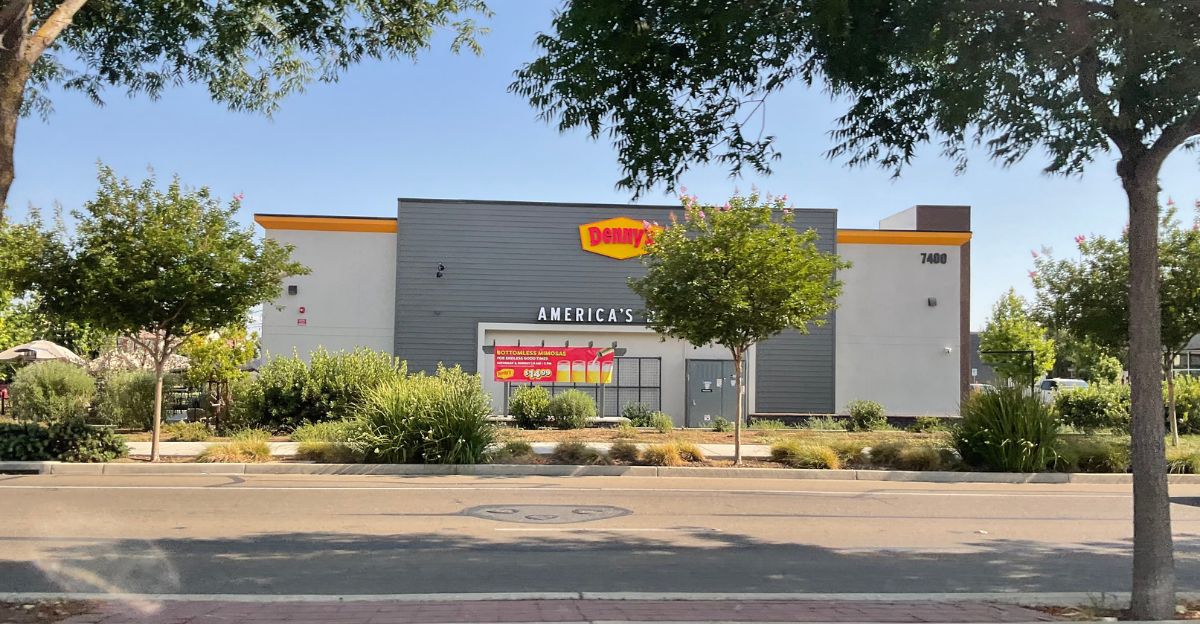
While the new low-priced menu items are bringing in customers, Denny’s is still struggling with a 2.9% drop in same-restaurant sales. The paradox is clear—offering bargain meals attracts customers, but the economics of discounting threaten profitability.
For Denny’s, serving affordable comfort has become an increasingly expensive endeavor, highlighting the challenges of staying competitive while keeping prices low.
Competitors Adapt
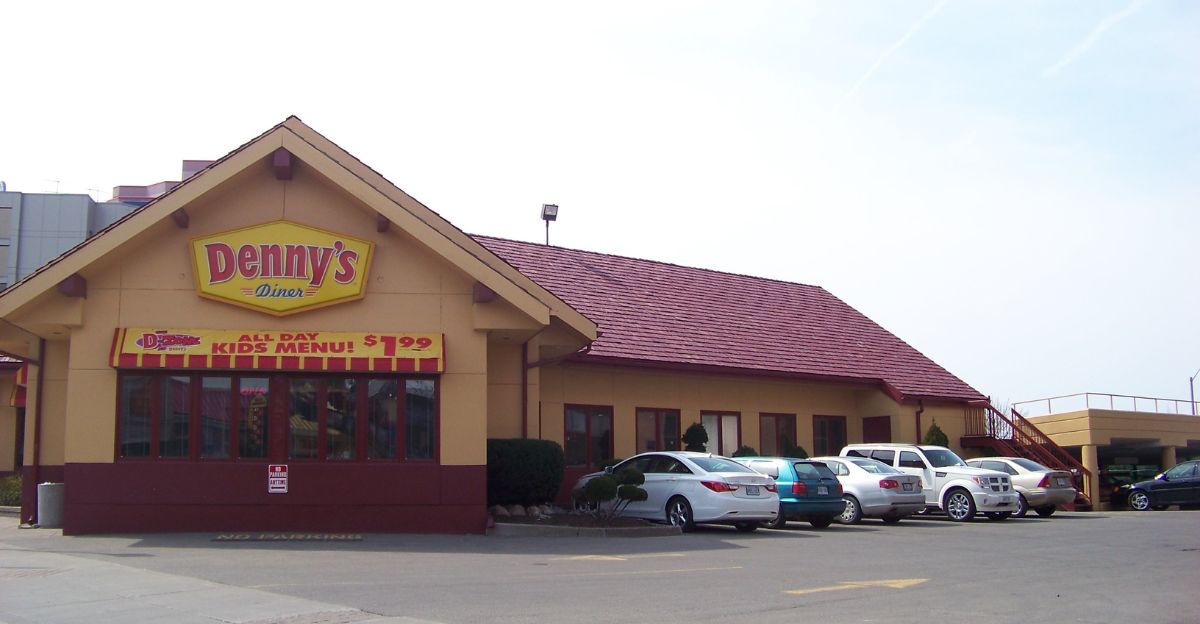
As Denny’s closes, competitors like IHOP and Waffle House are moving into its former territories. With leaner operations and steadier foot traffic, these chains are poised to fill the gap left by Denny’s decline.
Though the breakfast staples remain, the brand identity is shifting, and in some areas, new players are absorbing the loyal customer base that once flocked to the yellow diner.
Supply Chain Shifts
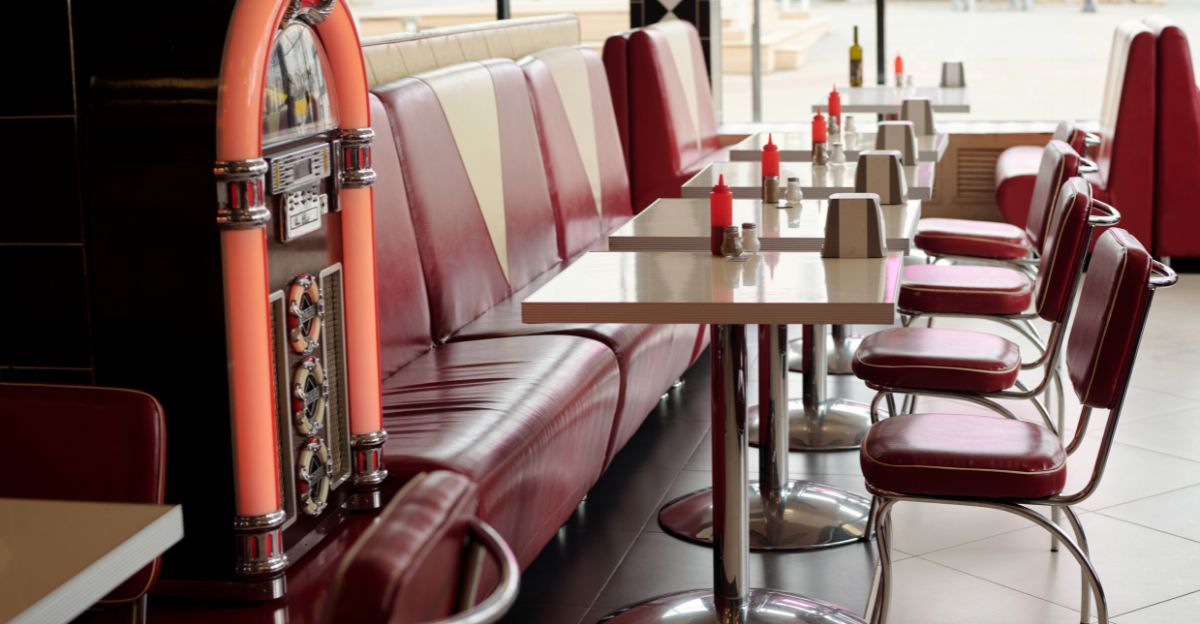
The closures also have ripple effects on the supply chain. Vendors who supplied Denny’s locations now face reduced orders as 180 restaurants permanently close their doors.
This shrinking network will have impacts on the broader supply chain ecosystem that has long served the diner chain.
Real Estate Fallout
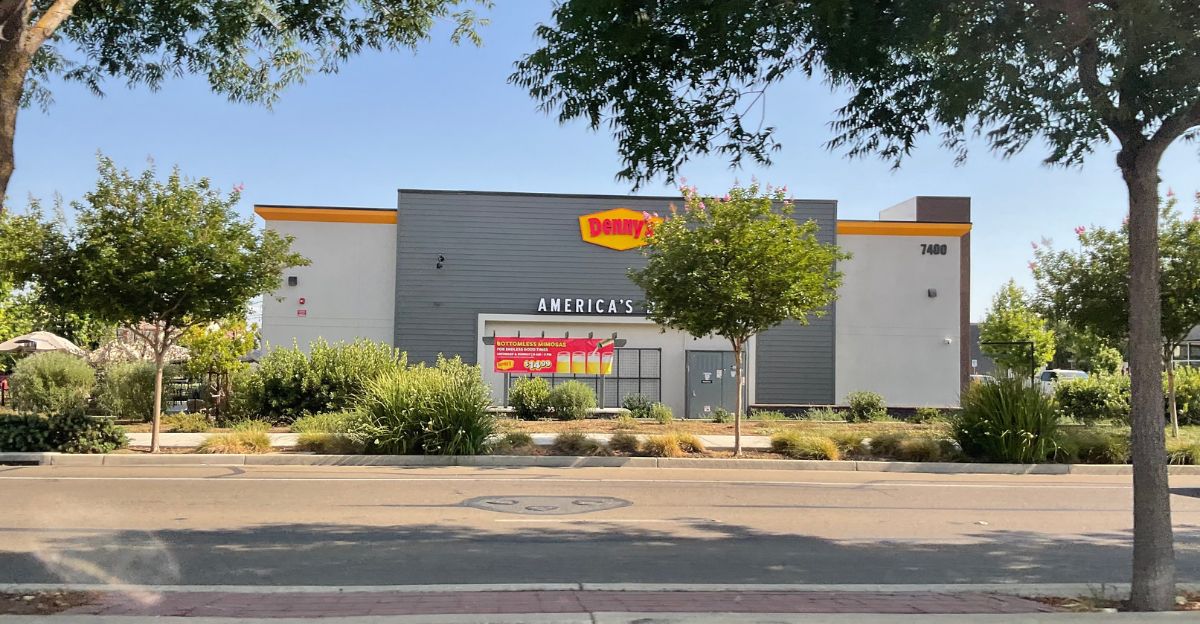
The closure of these diners is not only an economic loss but a real estate opportunity. Many of Denny’s old locations are being converted into fast-casual chains or convenience stores.
The demand for diner-sized real estate along interstates is at an all-time high, with developers rushing to capitalize on these abandoned footprints. Some locations may see revitalization, while others contribute to the decline of small-town roadside culture.
Franchise Owners in Flux

For Denny’s franchisees, the closures represent tough decisions. Some will buy out their leases and rebrand, while others will exit the business.
These transitions reflect a broader trend in the industry where corporate efficiency is prioritized over community continuity. Many small operators now face uncertainty about what the future holds under private ownership.
Public Shareholders Exit

Denny’s public shareholders will see their investments cashed out at $6.25 per share, a 52% premium over the pre-announcement stock price. This payout is a win for investors but a bittersweet moment for those who’ve seen Denny’s transform from a public company to a privately owned entity.
The move marks the end of a 56-year run as a publicly traded company, closing the door on a piece of American dining history.
Industry Conversations
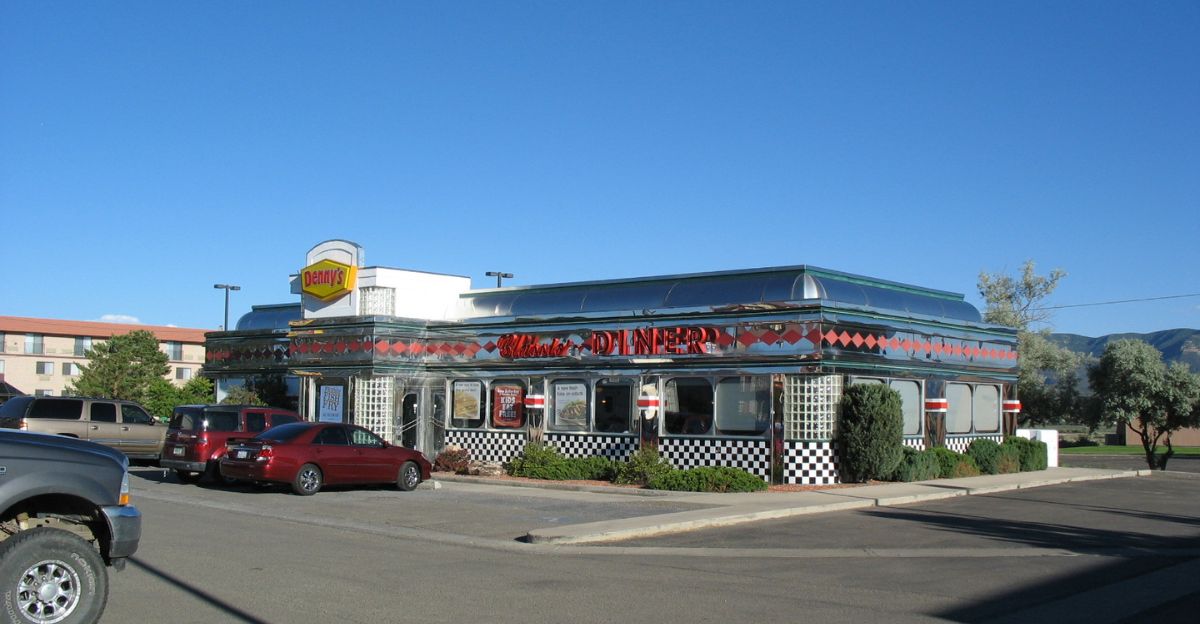
As Denny’s transitions to private ownership, questions emerge about the future of the restaurant industry. The shift reflects broader trends where private equity firms are reshaping legacy brands.
The closures spark ongoing discussions about whether corporate restructuring can preserve the traditions that once made Denny’s a staple of American dining.
Inflation Shadow
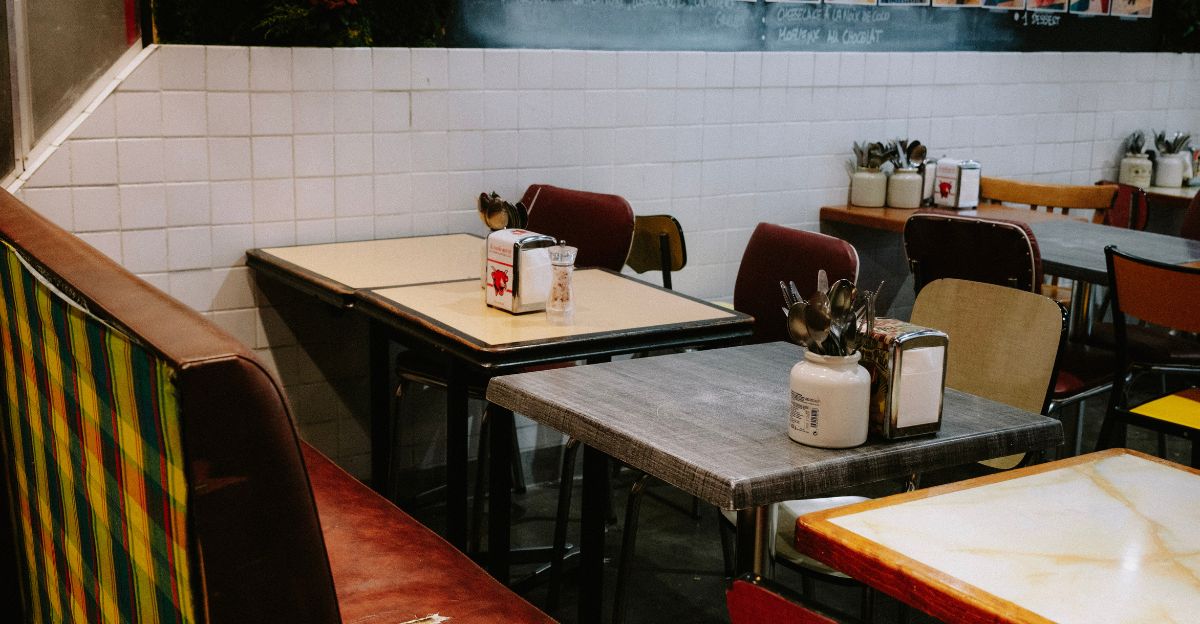
The closures also reflect the deepening affordability crisis. As fewer low-cost diners remain open, working-class families lose a dependable option for budget-friendly meals.
The affordability issue extends beyond grocery stores and into the realm of dining out, reshaping the social geography of dining and leaving fewer accessible options for people on tight budgets.
Nostalgia and Identity
For millions of Americans, Denny’s is more than just a restaurant. It’s part of their cultural identity—whether it’s truckers grabbing a late-night bite, teenagers celebrating milestones, or musicians sharing tour memories.
The closures represent more than the loss of meals; they erase a shared space where people from all walks of life could come together, enjoy pancakes, and feel connected.
Consumer Advice
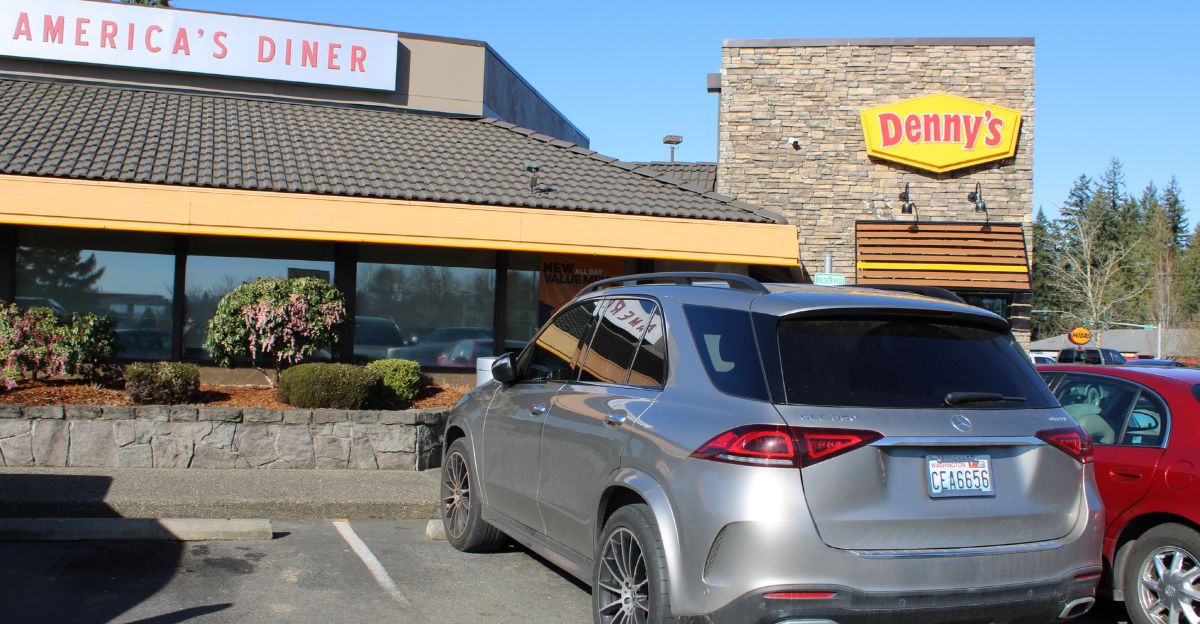
If your local Denny’s is still open, expect some changes. Late-night hours will likely be reduced, menus will continue to evolve, and value deals will remain in place until the transition to private ownership is complete.
The closures are accelerating, so now might be the time for one last Grand Slam before the yellow glow fades for good.
Forward-Looking Reflection
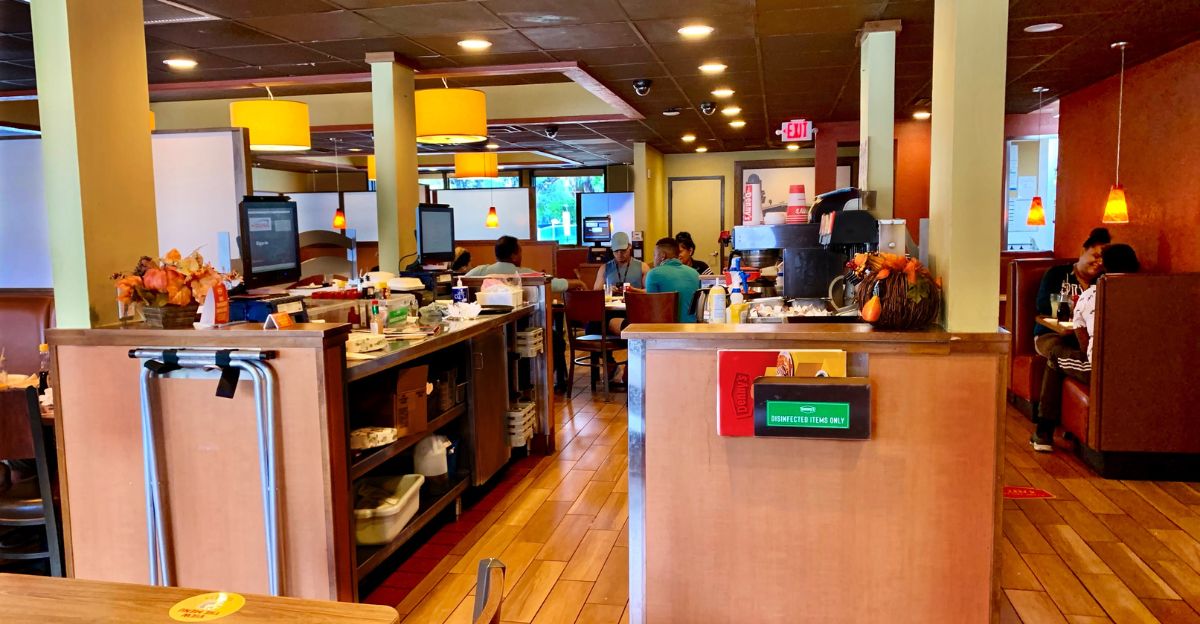
The closures may not mark the end, but a reset for Denny’s. Going private could give the chain more freedom to innovate and modernize. But it also risks losing its soul in the pursuit of margins.
As Denny’s adapts to changing consumer habits, the question remains: can the comfort food icon survive without the comfort it once provided?
Final Wrap-Up
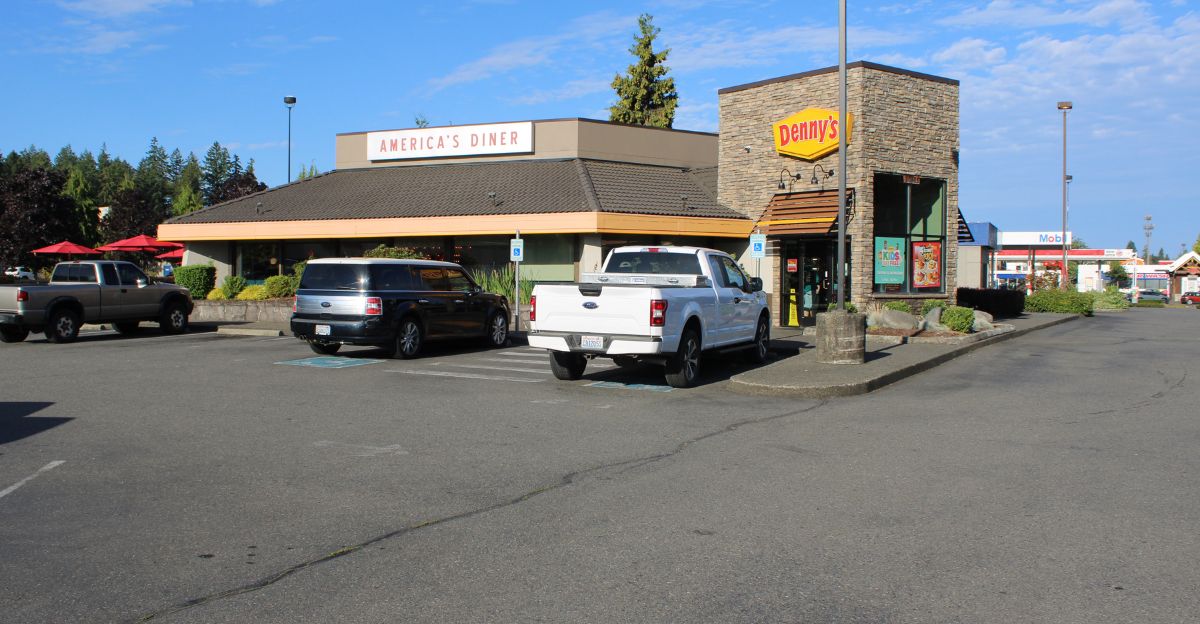
Denny’s story is more than just a corporate transformation—it’s a cultural shift. The 180 closures and the $620 million deal symbolize a broader trend in America’s evolving dining landscape.
A brand built on accessibility and familiarity now faces a future defined by reinvention. The last question remains: can private equity keep the spirit of Denny’s alive, or will it be just another casualty of a fast-changing world?