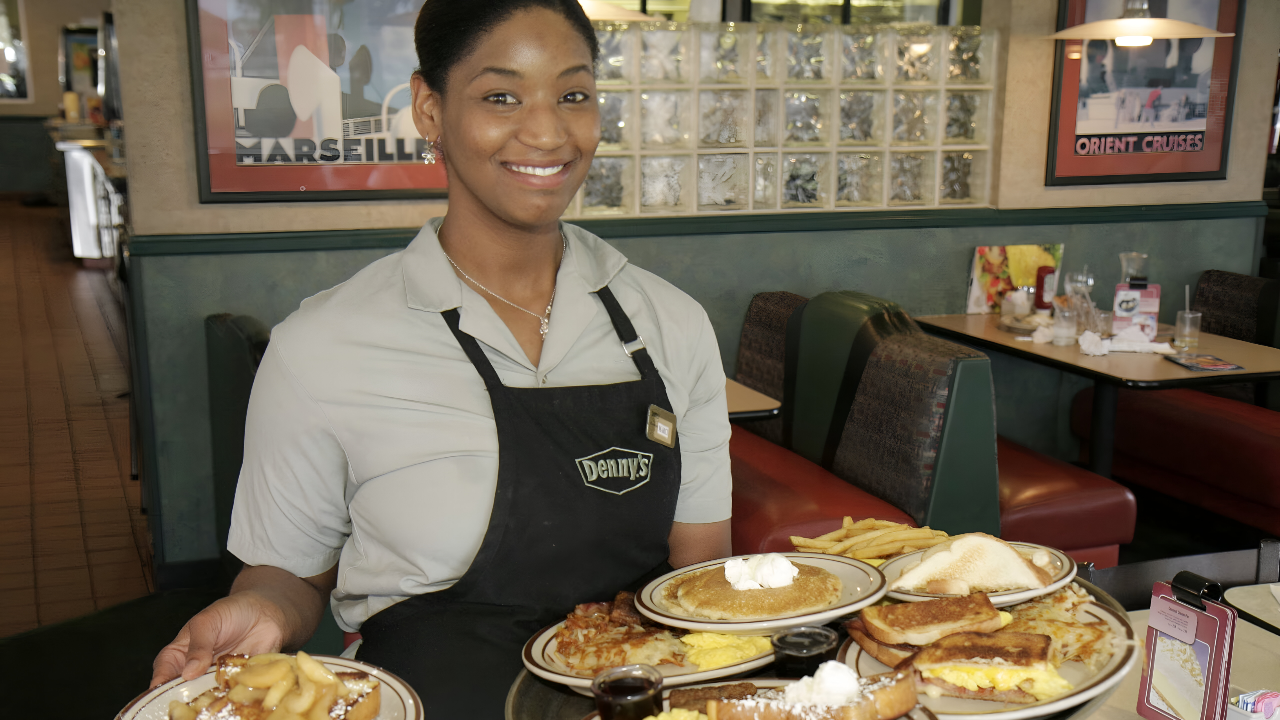
January 16, 2026: Denny’s shares stop trading at $6.25 as the company completes a roughly $620 million take-private deal. Inside its system of 1,400+ U.S. locations that generated about $2.6 billion in U.S. sales in 2024, pressure was already showing—Q3 2025 domestic same-restaurant sales fell 2.9%.
With 70–90 closures planned by the end of 2025, the buyout lands as the toughest decisions hit the front line. So what pushed Denny’s to make the private pivot—and which stores were first in the crosshairs?
Closures Loom Large
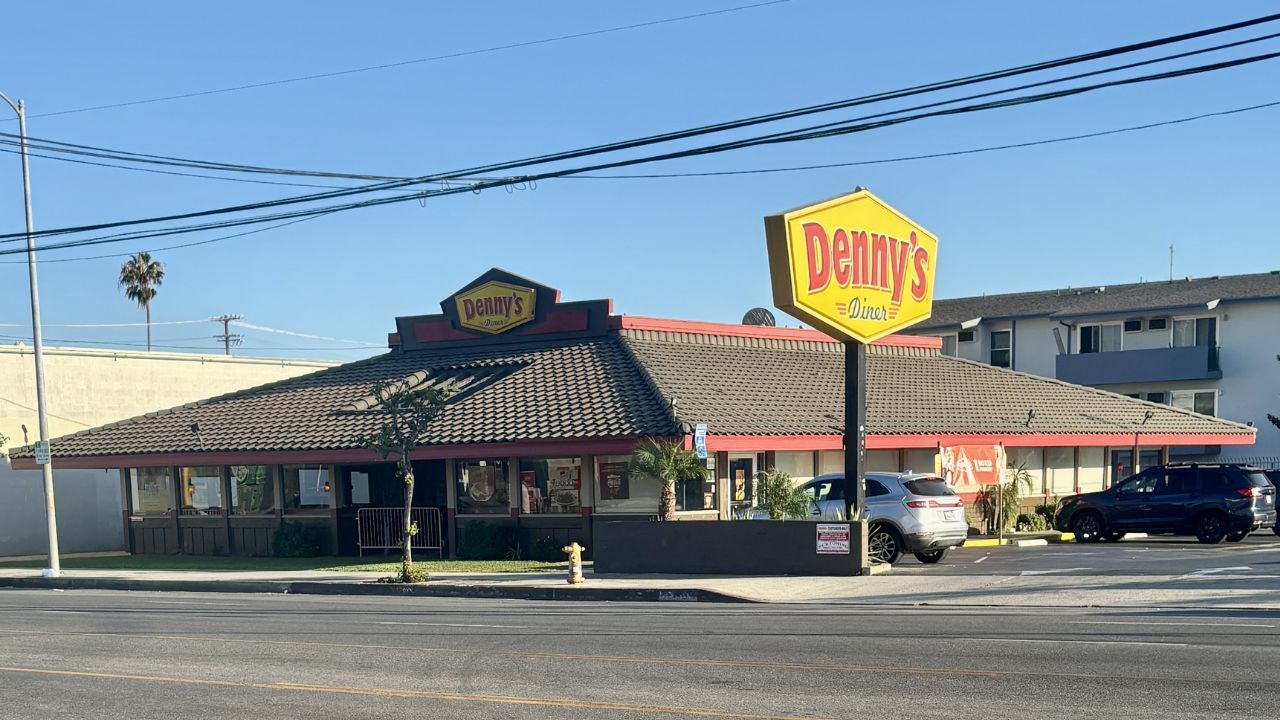
Behind the ownership change is a harder story: Denny’s has been working through a plan to prune underperforming restaurants. That can mean permanent closures, and for workers at affected locations, it can mean sudden shifts, reduced hours, or layoffs.
Exact closure totals can vary by period and by franchise decision, but the direction has been clear: fewer low-volume units, tighter operations, and a system forced to prioritize profitability over footprint. That is the “90 stores” anxiety readers feel first.
Breakfast Legacy Born
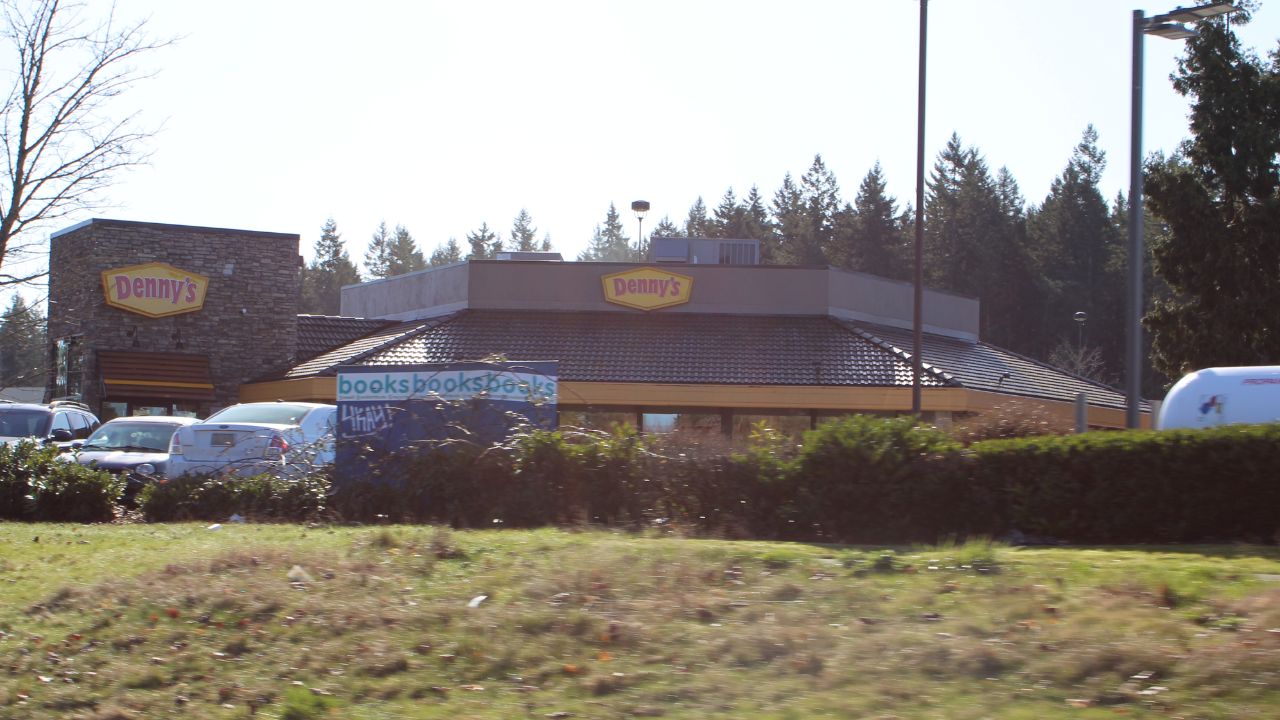
Denny’s started in 1953 as Danny’s Donuts in Lakewood, California, then evolved into a coffee shop concept and eventually became the Denny’s name Americans recognize. The company traces its early growth to the 1950s and 1960s, when it expanded the diner model across states.
Denny’s also notes its stock began trading in 1968, and its corporate home later shifted to Spartanburg, South Carolina, where leadership has been centered for decades.
Sales Slump Pressures Mount
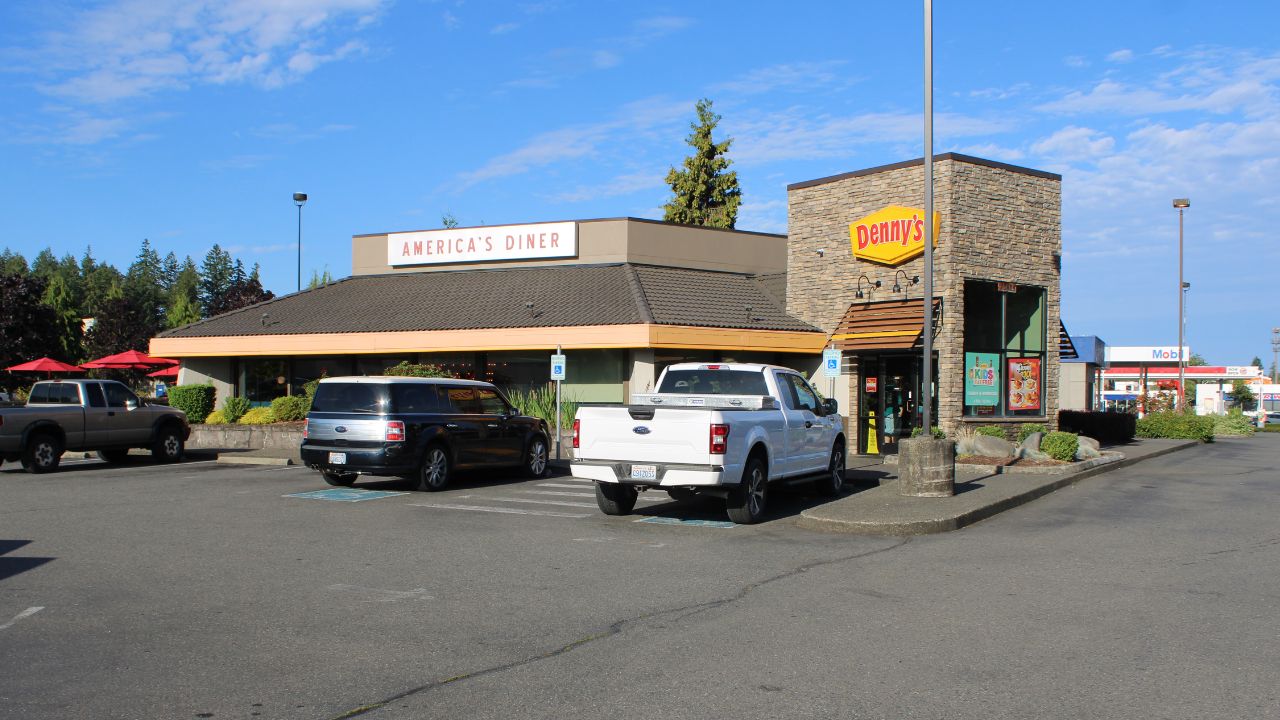
Like much of casual dining, Denny’s has faced a demand reset after the pandemic: customers more price-sensitive, more likely to choose quick-service, or simply eating at home. In its third-quarter 2025 reporting, Denny’s domestic system-wide same-restaurant sales declined 2.9%.
Even when a brand is famous, weak traffic creates a compounding problem: franchisees struggle, remodels get delayed, and the corporate parent has fewer “easy” levers left besides closures, refranchising, and cost control.
The $6.25-Per-Share Deal Goes Through
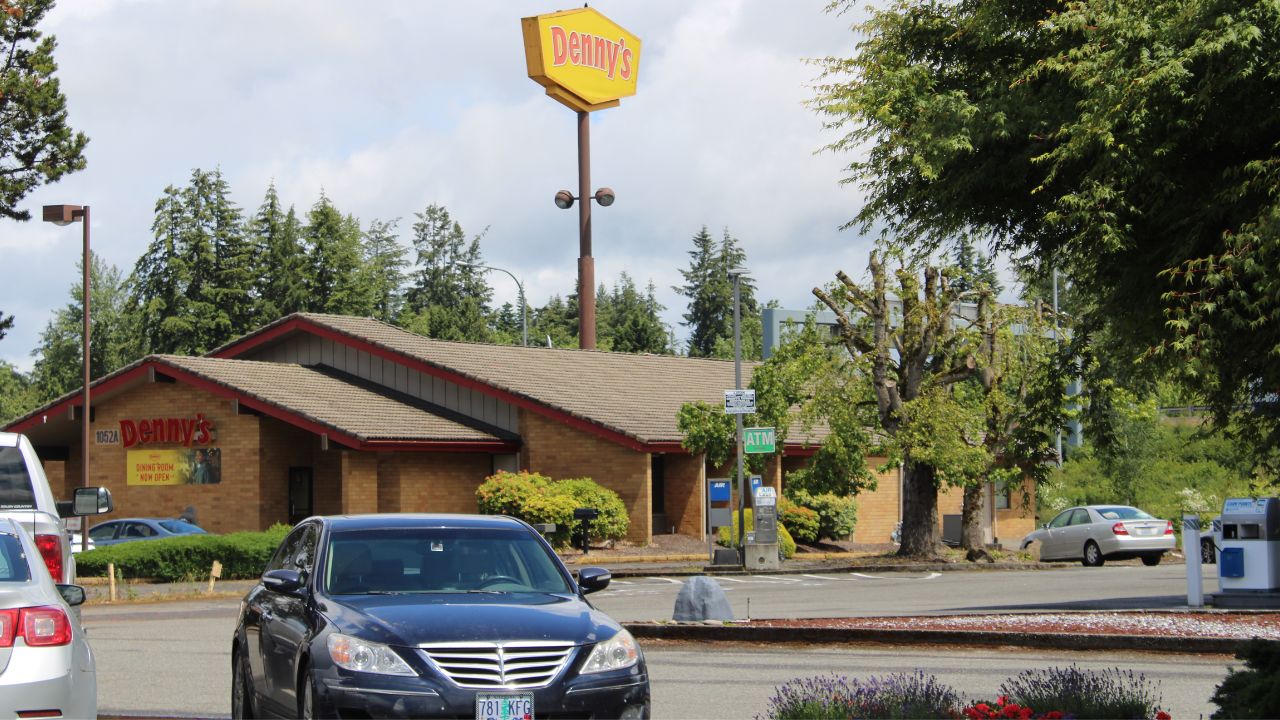
The transaction was announced in early November 2025 as an all-cash deal at $6.25 per share, described as a premium to the prior closing price, and valued at roughly $620 million including debt. On January 16, 2026, the acquisition was completed and Denny’s became privately held.
That timing matters: the deal moved the company out of the quarterly public-market spotlight right as the turnaround work was still messy and visible.
A Coast-to-Coast System, Mostly Franchised
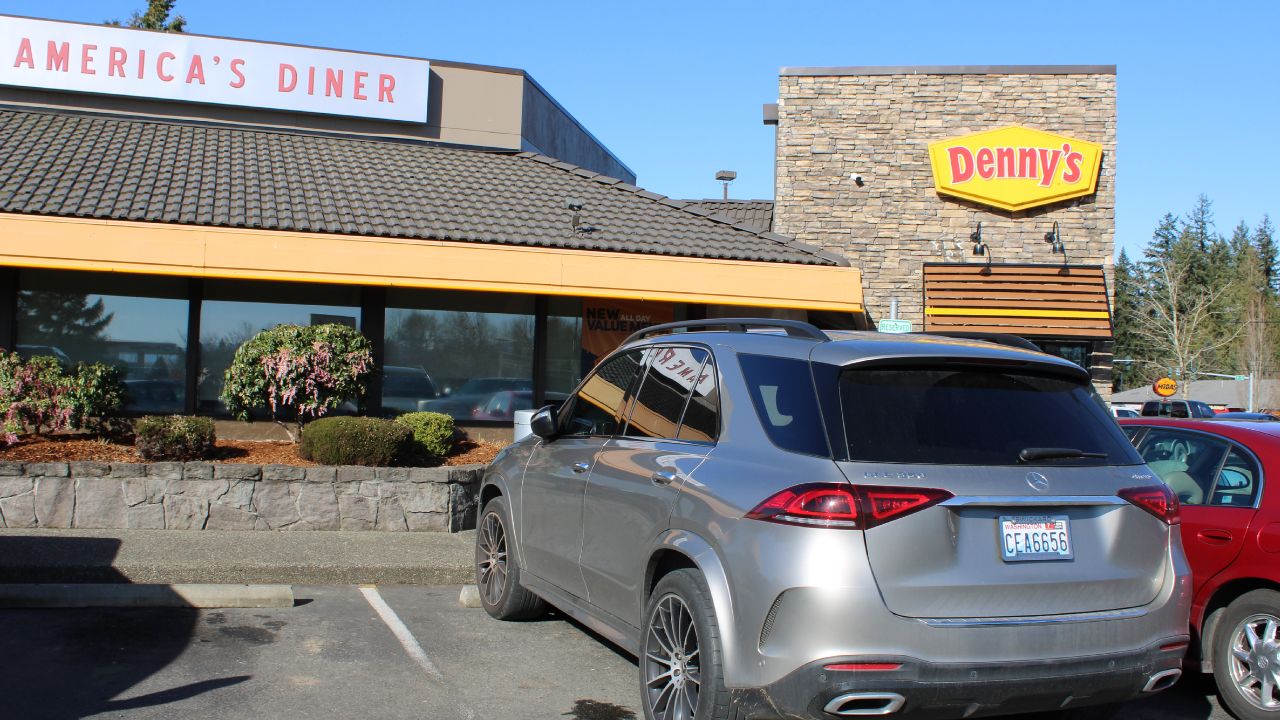
As of September 24, 2025, Denny’s reported 1,459 Denny’s restaurants worldwide, plus 78 Keke’s Breakfast Café restaurants, for a total of 1,537 across the two brands. That scale is why headlines compress the story to “1,400 locations.”
But operational control isn’t uniform: many restaurants are franchised, meaning local owners make many day-to-day choices, including staffing, hours, and (sometimes) whether a marginal unit can survive another lease cycle.
Workers Bear the Brunt
When restaurants close, workers feel it immediately: commutes change, schedules vanish, and communities lose familiar jobs. Denny’s system employs thousands across franchise and company restaurants, so even a “small percentage” of closures can ripple widely.
One important nuance: the merger documents describe a 12‑month commitment to maintain base pay and target short-term incentive opportunities for continuing employees at the company and parent level. That does not automatically cover franchise-restaurant employees, which is where most uncertainty concentrates.
Rivals Circle Weak Spots
Breakfast is no longer a sleepy category. Chains built around daytime dining and “A.M. eatery” positioning have been taking share, and Denny’s has acknowledged that competitive pressure has intensified. The new ownership group is not new to restaurants.
The buyers were introduced as having experience in the sector, and the logic is straightforward: if you believe the brand still matters, you try to fix operations and unit economics away from public-market noise.
Casual Dining’s Macro Woes

Denny’s challenges are not isolated. Inflation, labor costs, and shifting consumer habits have forced many sit-down chains to rethink unit counts and value strategy. Even strong brands can look fragile when “traffic” falls faster than menu pricing can compensate.
That backdrop is one reason private-equity style ownership keeps showing up in restaurants. The pitch is patience: fewer earnings calls, more time to restructure, and a longer runway to try changes that may take multiple quarters to show up in results.
Shareholder Suit
As the deal moved toward a vote, Denny’s faced stockholder litigation tied to merger disclosures, with coverage noting lawsuits filed in late December 2025 and early January 2026 and the broader pressure those cases can create on timing and transparency.
What’s not in dispute is the outcome: the merger proposal passed by an overwhelming margin, with tens of millions of shares voting in favor versus a small number against.
Boardroom Battle Ends
Denny’s board approved the transaction unanimously, and reporting on the deal described a wide outreach process before the company landed on the final offer. Once the merger closed on January 16, 2026, governance changed fast.
The public-company chapter ended, and the company’s board was reconstituted as part of the new private ownership structure, reflecting who now controls the strategic playbook.
Leadership Continuity
CEO Kelli Valade remained in place through the closing, signaling that the new owners initially sought continuity while the business navigated closures, brand decisions, and franchise support.
Shortly after, however, Valade was named CEO and president of the Women’s Foodservice Forum and is set to leave Denny’s for that role. That leadership transition matters internally.
In a franchise-heavy system, stability at the top—or uncertainty about it—can influence how operators respond when they are already managing thin margins. The new structure changes reporting lines and investor expectations, but the day-to-day fight is still the same: sales, labor, and unit-level performance.
Turnaround Tactics Emerge
Going private does not magically fix traffic, but it can change what management prioritizes. The path laid out in filings and performance updates points to a familiar sequence: close weak units, reinvest in the core brand, and lean on franchise execution.
Keke’s remains part of that story. Denny’s completed the acquisition of Keke’s in 2022 for $82.5 million, and the brand has continued operating as a distinct concept under the same corporate umbrella.
Analysts Eye Risks
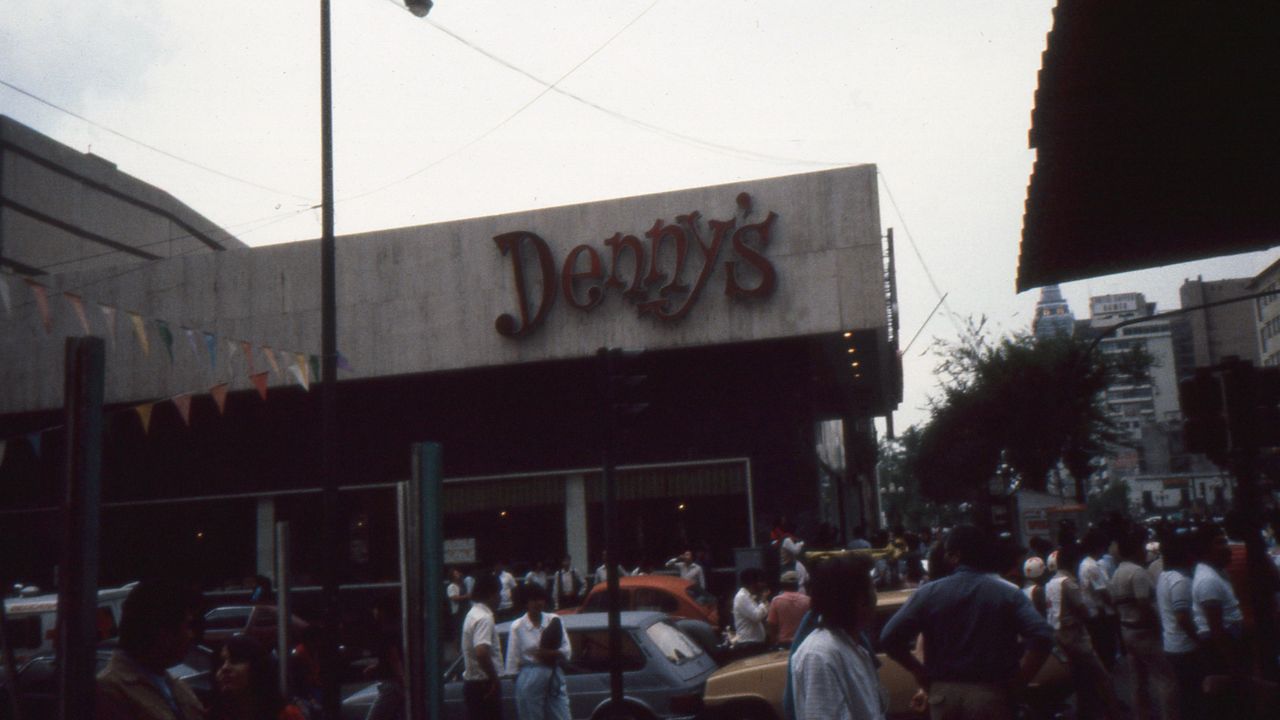
Even with fresh capital and a longer runway, the risks stay stubborn. If guests don’t return, closures can accelerate, and the brand’s footprint shrinks in a way that becomes self‑reinforcing. At the same time, a smaller, healthier system can be more durable than a larger one full of marginal locations.
That is the bet private owners make: cut the drag, simplify decisions, and give operators a clearer lane to rebuild sales without the constant pressure of public-market reactions.
Growth Horizon Beckons
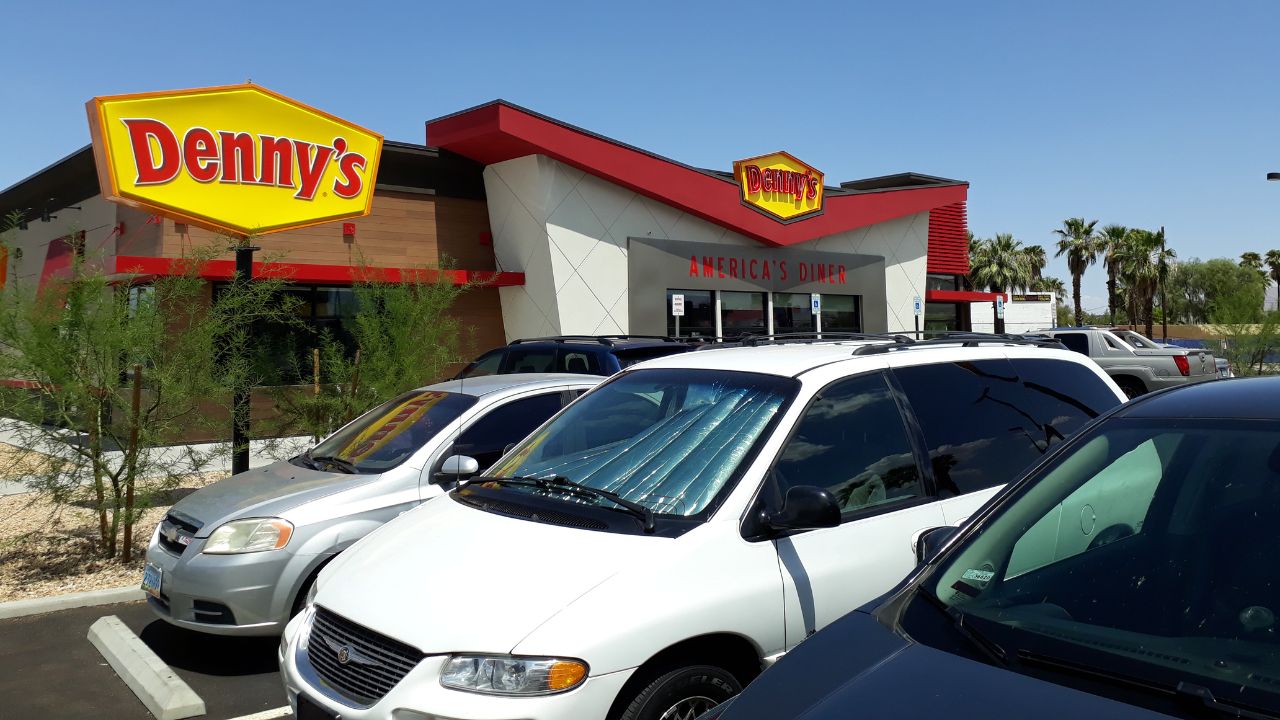
Under the merger, Denny’s common stock ceased trading on Nasdaq. This shift changes the audience for every decision: fewer public narratives, fewer quarterly cliffhangers, and more closed-door strategy. The open question is what “growth” means now.
For some restaurant deals, growth is new units. For others, it is higher volumes at fewer stores, stronger franchise health, and a brand that stops bleeding relevance. The next phase will reveal which definition Denny’s chose.
Policy Shifts Loom
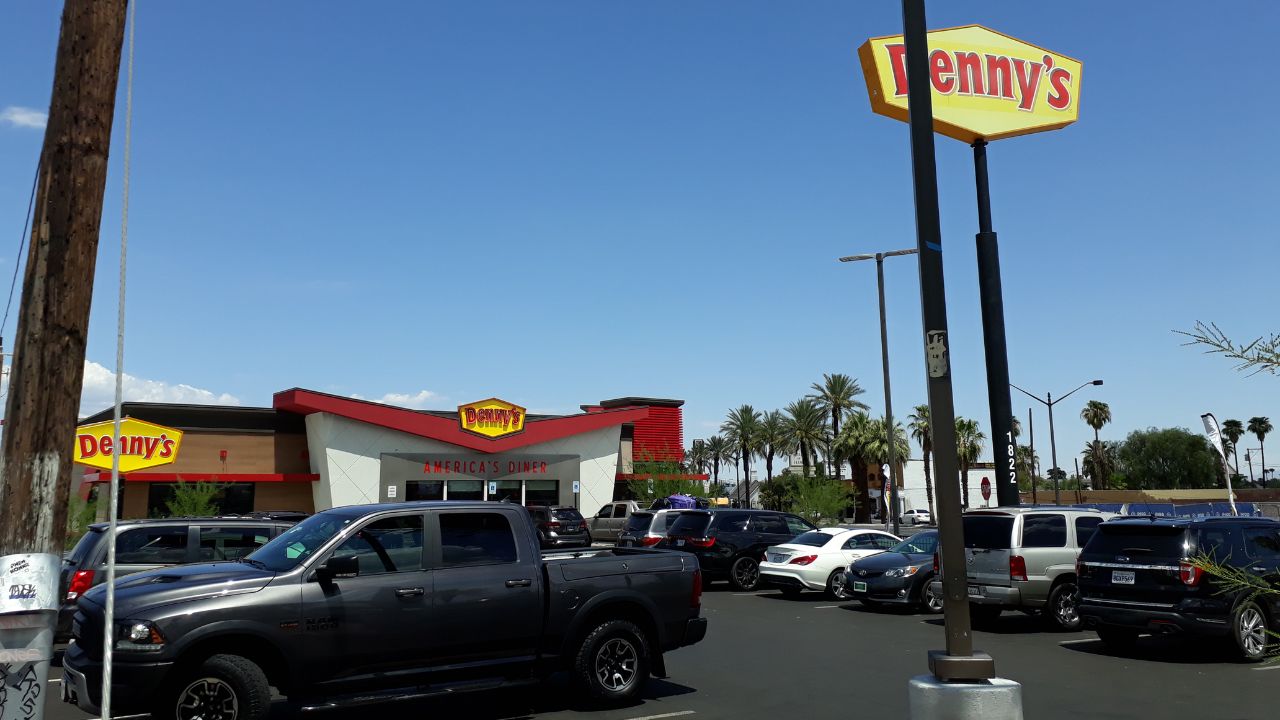
Going private reduces public reporting requirements, but it does not remove regulatory realities. Labor rules, wage laws, and local employment obligations still apply to restaurants that stay open, and closures still trigger practical scrutiny from communities.
The merger documents also discuss standard deal mechanics, including antitrust considerations like whether filings are required. In Denny’s case, the proxy materials state the buyer notified the company that an HSR filing was not required to consummate the merger.
Global Footprint Intact
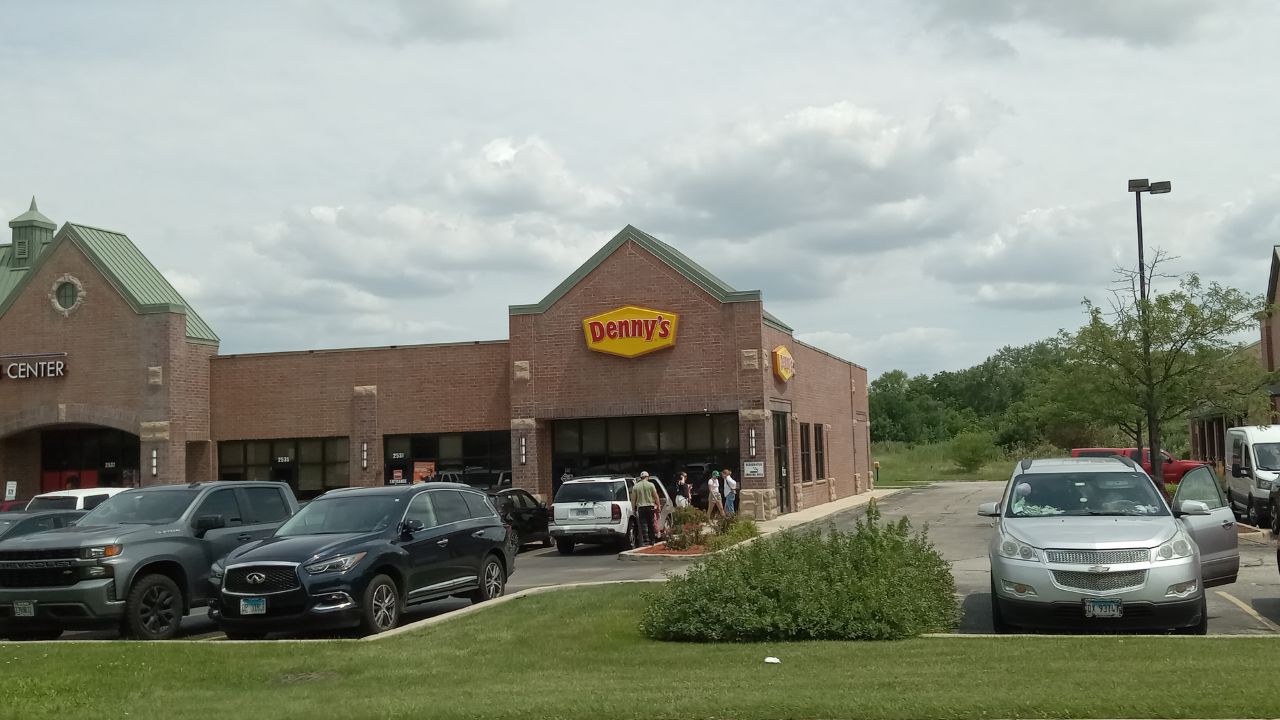
Despite the turbulence, the system is still large. As of late September 2025, Denny’s reported 1,459 Denny’s restaurants worldwide, plus 78 Keke’s restaurants. That footprint matters because it frames what closures really are: not a collapse overnight, but a reshaping.
In a franchise model, some markets will stabilize while others fade, depending on lease terms, local demand, and whether operators believe reinvestment will pay back soon enough.
Financing and the Mechanics Behind the Curtain
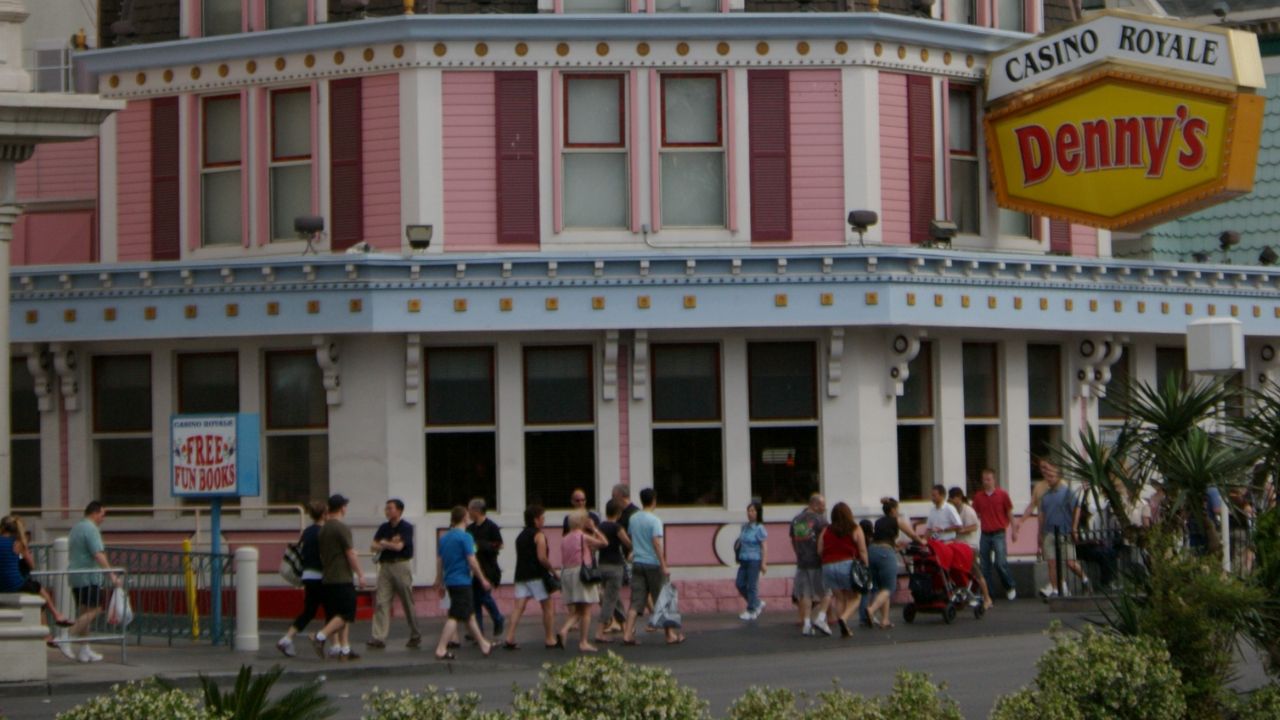
Big restaurant buyouts run on financing details readers rarely see. In Denny’s case, the closing disclosures describe committed financing, including a term loan, a revolving facility, and a sale-leaseback transaction that helped fund the deal.
This is why “$620 million” is best understood as a transaction value that includes debt. It is not a single pile of cash handed over for every diner. It is a structured ownership change designed to buy time for operational repair.
Culture Clash Ahead
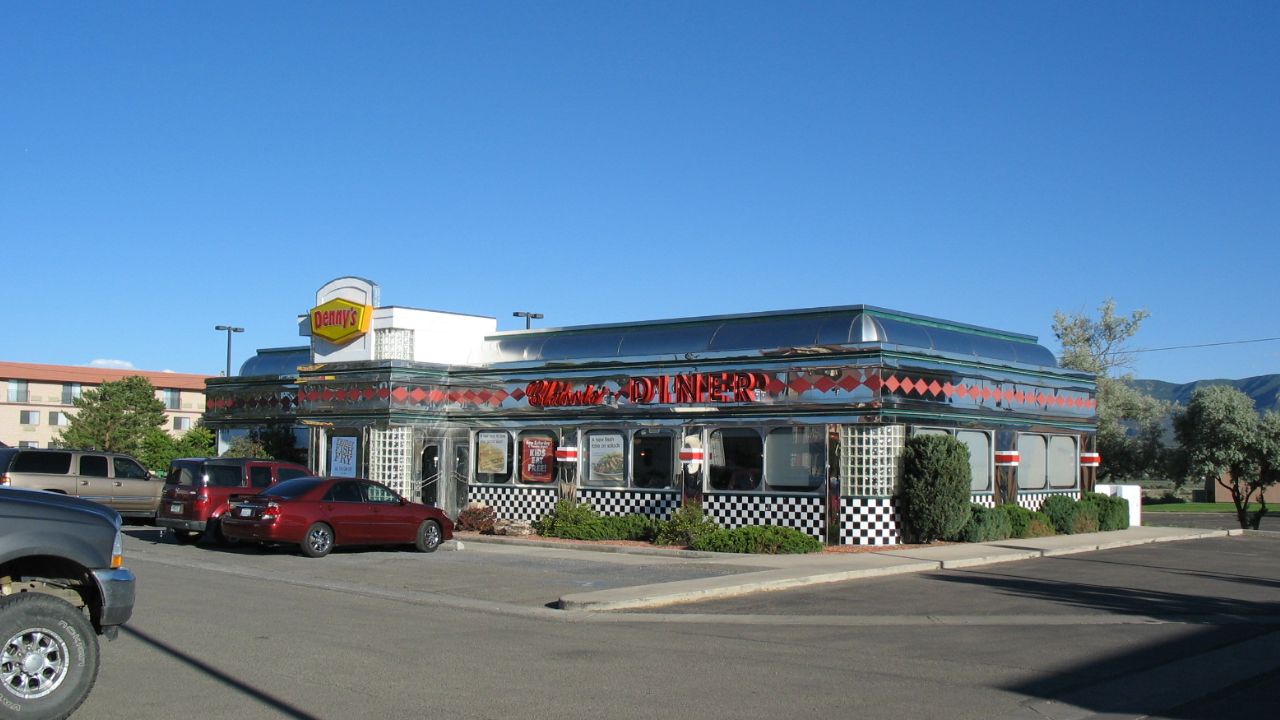
Denny’s has always sold familiarity: late-night coffee, breakfast comfort, and a menu that feels like an American roadside promise. That identity can be an advantage, but it can also feel dated to younger diners chasing speed, customization, or health cues.
A private era can refresh a brand, but it can also expose it. If updates look inauthentic, loyal guests drift. If updates are too timid, new guests never arrive. The most difficult part is threading both groups without losing the diner soul.
The Private Pivot Signals More
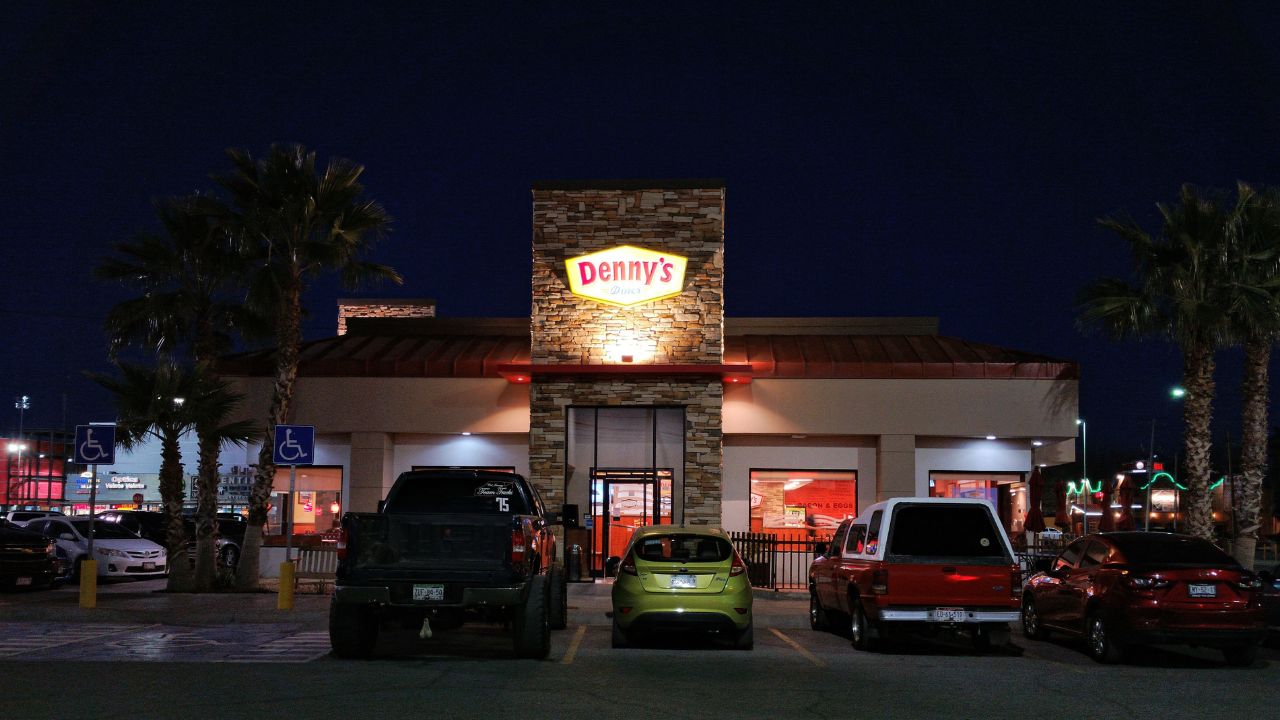
Denny’s buyout is bigger than one brand. It reflects a wider reality in casual dining: public markets punish messy turnarounds, while private owners often volunteer to absorb the mess in exchange for control and time.
The suspense is now operational, not financial‑theater. Closures, franchise stability, and a rebuilt sales story will decide whether this becomes a quiet recovery or a slow retreat. Either way, the industry will be watching what happens after the headlines move on.
Sources:
“Denny’s to be acquired by group of investors for $620M.” Restaurant Business, 2 Nov 2025.
“Denny’s completes $620M sale following shareholder OK.” Restaurant Business, 19 Jan 2026.
“Denny’s Corporation Reports Results for Third Quarter 2025.” Denny’s Corporation (GlobeNewswire press release), 2 Nov 2025.
“Denny’s Will Shut Down 150 Underperforming Restaurants by End of 2025.” KPQ News, 3 Dec 2025.