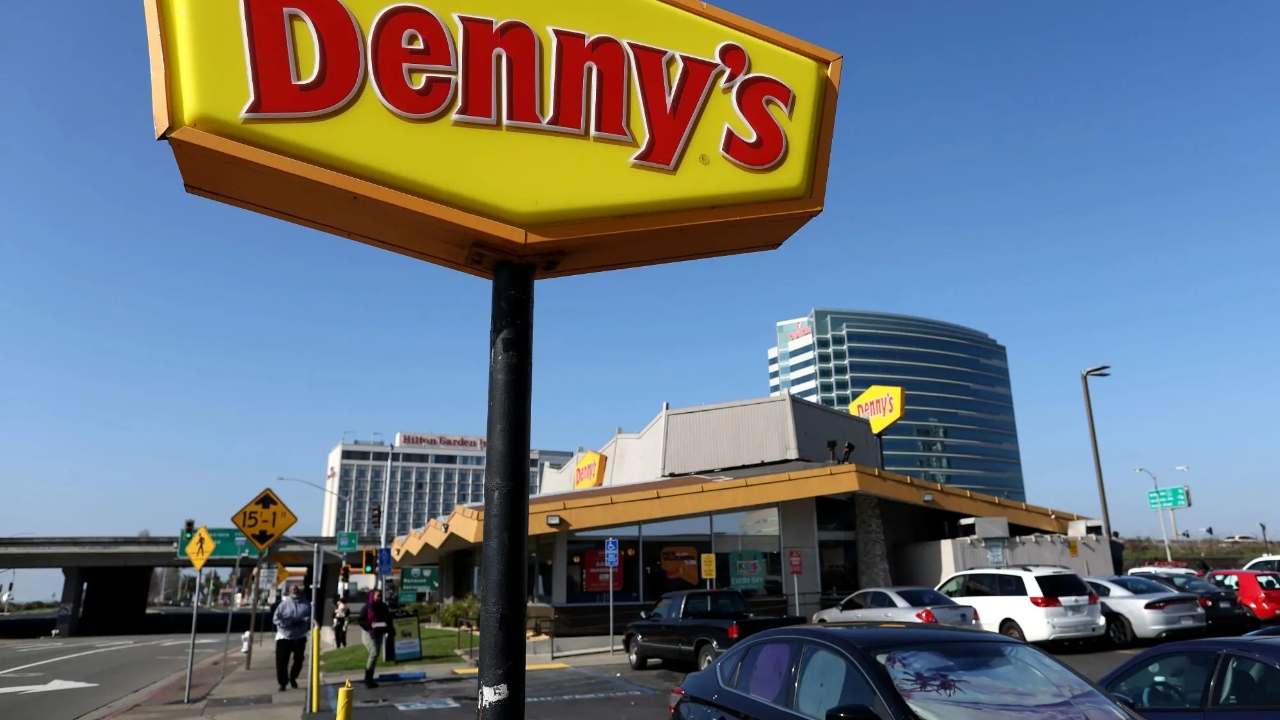
Nearly 150 Denny’s restaurants are scheduled to close by the end of 2025, marking the largest retrenchment in the chain’s history and underscoring the pressures facing traditional full-service diners. Once synonymous with 24/7 access to the Grand Slam breakfast and late-night coffee, the brand is now confronting rising costs, shifting consumer tastes, and intensifying competition across the casual dining landscape.
Economic Pressures Reshape the Chain
Denny’s leadership has framed the closures as a targeted effort to shut “underperforming restaurants” and concentrate resources on locations with stronger sales. Behind that strategy lies a steep run-up in operating expenses across the business.
Since the pandemic, the company has reported roughly 35% increases in both food and labor costs, alongside an 18% rise in utilities and a 14% jump in occupancy expenses. These cumulative pressures have squeezed margins at weaker units, particularly in markets where traffic never fully recovered or where customers are highly sensitive to price hikes. Closing those outlets is designed to stabilize the system and free capital for upgrades at remaining restaurants, but it also underscores how vulnerable legacy brands are in a high-inflation environment.
Job Cuts and Community Fallout
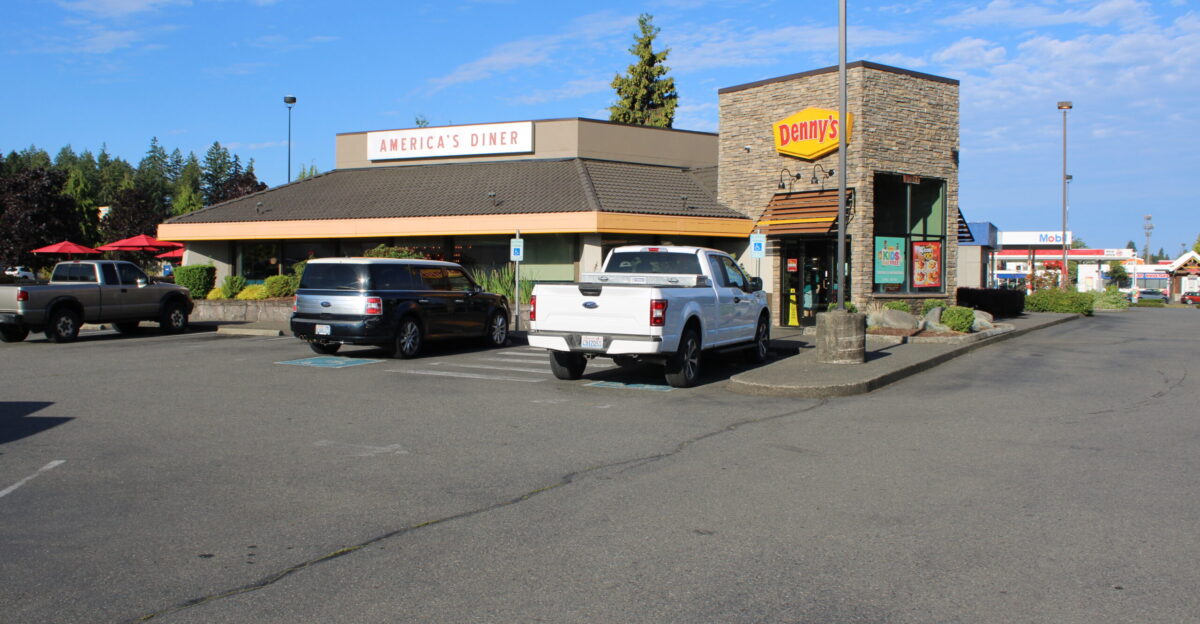
Each Denny’s restaurant typically employs between 15 and 25 staff members, depending on size and hours of operation. The planned closure of about 150 locations therefore threatens several thousand jobs across the chain. Many of the affected outlets sit in small or mid-sized towns where Denny’s has long been a major local employer offering steady shift work, benefits in some cases, and flexible hours.
For hourly workers and managers in these communities, the shutdowns can mean abrupt income loss and limited alternatives, particularly in areas already grappling with slow job growth. Local suppliers, maintenance firms, and service providers that depend on regular Denny’s business also stand to lose contracts, amplifying the economic hit beyond the dining room.
At the same time, Denny’s retreat leaves gaps in local dining options. In recent years, about half of the chain’s locations have operated around the clock, making them key gathering spots for night-shift workers, truck drivers, students, and travelers. As those sites go dark, many communities will lose one of the few places open late for a hot meal and coffee, erasing a familiar social hub as well as a practical amenity.
Franchises, Real Estate, and the Supply Chain
Denny’s expansion over past decades has relied heavily on a franchise model, with independent operators owning and running most restaurants under the corporate brand. That structure is now under strain. Franchisees facing higher wages, pricier ingredients, and softer traffic must decide whether to invest in remodels and menu updates or exit altogether. When units close, franchise owners can be left with outstanding loans, long-term leases, and specialized buildings that are hard to repurpose.
The typical Denny’s footprint—a freestanding, sit-down restaurant with ample parking—does not always align with demand in today’s fast-casual market, which favors smaller spaces and limited service. As a result, landlords and property owners may struggle to find new tenants for vacated sites, particularly in corridors where multiple full-service chains have cut back. Prolonged vacancies can slow commercial real estate activity and trim tax collections for local governments that rely on property and sales taxes from busy restaurants.
Suppliers also feel the effects. Companies that provide food, beverages, equipment, and maintenance services lose a steady stream of orders each time a Denny’s closes. Large distributors such as national foodservice firms can absorb some of the decline across their broader portfolios, but regional vendors with heavier exposure to Denny’s will face more direct revenue losses and may need to seek replacement clients.
Industry Headwinds and Shifting Competition
Denny’s retrenchment mirrors wider turbulence across casual dining. Chains including Red Lobster, TGI Fridays, and Hooters have faced restructurings or bankruptcy amid slower traffic, higher input costs, and changing consumer behavior. Since 2020, the cost of eating out has climbed faster than grocery prices, with menu prices rising around 31% over that period and full-service restaurants posting additional mid-single-digit increases in 2025 alone. For households watching budgets, these increases have eroded the value proposition that once defined many sit-down chains.
As Denny’s gives up ground, rivals in the breakfast and late-night space are working to capture its customers. IHOP and Waffle House, both with extensive networks across the United States, are positioning themselves to attract regulars seeking familiar breakfast items and extended hours. Yet these competitors face many of the same macroeconomic constraints—higher wages, elevated food costs, and consumers trading down or cutting back on discretionary meals.
At the same time, fast-casual brands such as Chipotle and Panera have continued to gain share by offering speed, customization, and generally lower labor costs. Their counter-service models and streamlined menus are often better suited to current demand patterns, where many diners prioritize convenience and takeout over lingering table service.
Investment Bets and the Future of the Diner
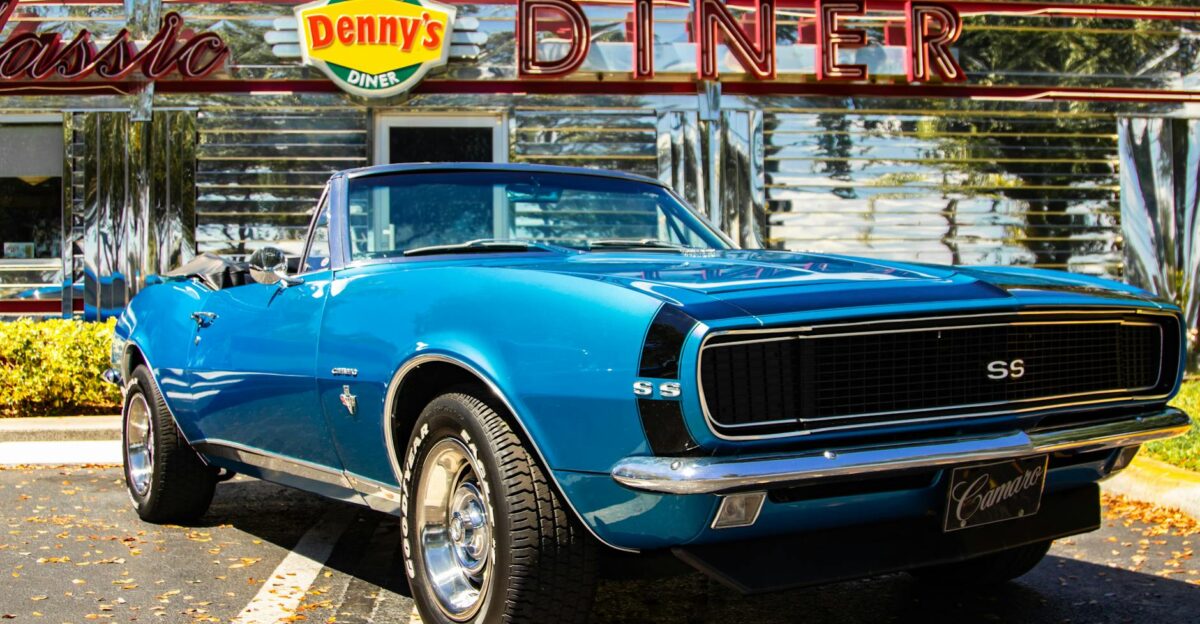
Into this environment has stepped TriArtisan Capital, a private equity firm that agreed to acquire Denny’s in a deal valued at about $620 million. The investment thesis centers on shuttering weaker units, improving operations and marketing at the remaining restaurants, and potentially repositioning the brand for more profitable growth. The strategy reflects a broader trend in which financial buyers seek to turn around mature chains through cost controls, menu changes, and selective expansion.
Whether those efforts can offset the structural headwinds facing full-service diners remains uncertain. Denny’s still has strong brand recognition and a base of loyal customers who associate it with late-night meals and affordable breakfasts. But the chain must adapt to an era defined by tighter household budgets, digital ordering, and competition from faster, leaner formats.
The coming years will test whether a leaner Denny’s can stabilize sales, support its franchisees, and maintain its role in the communities where it remains. The outcome will not only shape the fate of one of America’s most recognizable dining brands but also offer a broader signal about how traditional sit-down restaurants can navigate a dining landscape increasingly dominated by speed, convenience, and cost pressures.
Sources
Denny’s Corporation Investor Relations Press Release, November 3, 2025; TriArtisan Capital Advisors official announcement
National Restaurant Association Economic Indicators Report; Bureau of Labor Statistics Consumer Price Index (CPI) – Food Away From Home Series
Denny’s Corporation SEC Form 8-K Filing, November 4, 2025; Denny’s Corporation SEC Form DEFM14A (Proxy Statement)
U.S. Department of Labor Bureau of Labor Statistics Food Price Data; National Restaurant Association Menu Prices & Economic Indicators (2020-2025)