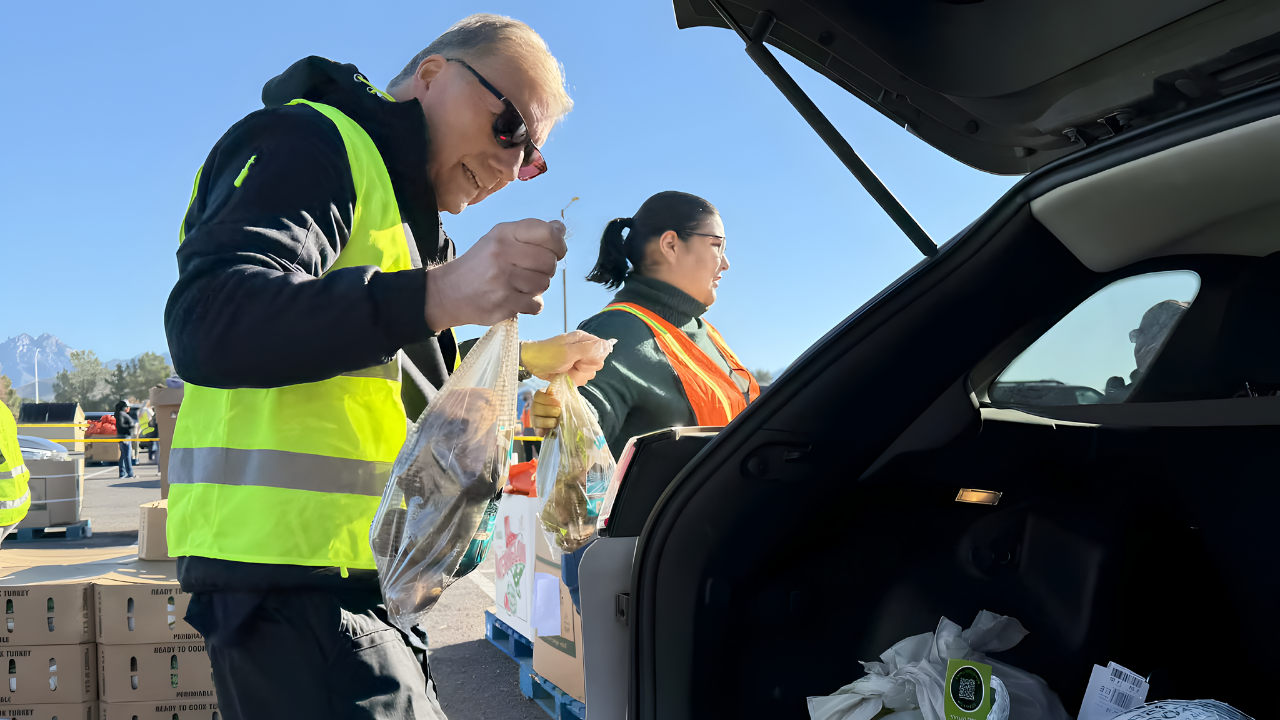
Outside a massive grocery warehouse on the U.S. East Coast, delivery vans stand empty, a clear sign that operations inside have wrapped up. This scene unfolds even as online grocery sales soared to $12.3 billion in November, up 29% from the year before. Yet six such large hubs are set to close for good in just a few weeks. The moves underscore a fast-changing landscape in how grocery orders get processed and delivered to customers.
Shoppers today crave speed above all. They want full grocery selections brought to their doorsteps in under 30 minutes, often through apps that show real-time availability. Platforms like Instacart and DoorDash now handle much of this rush business, pushing aside older systems focused only on in-store pickup. Big centralized warehouses, designed for handling huge volumes at once, can’t keep up with the need for quick, flexible service. Instead, operations based right in local stores offer the speed and changes customers demand. Recent data makes it clear: delivery orders have overtaken pickup, and fewer people stick to just one way of getting their groceries.
Pandemic Boom Leads to Quick Changes
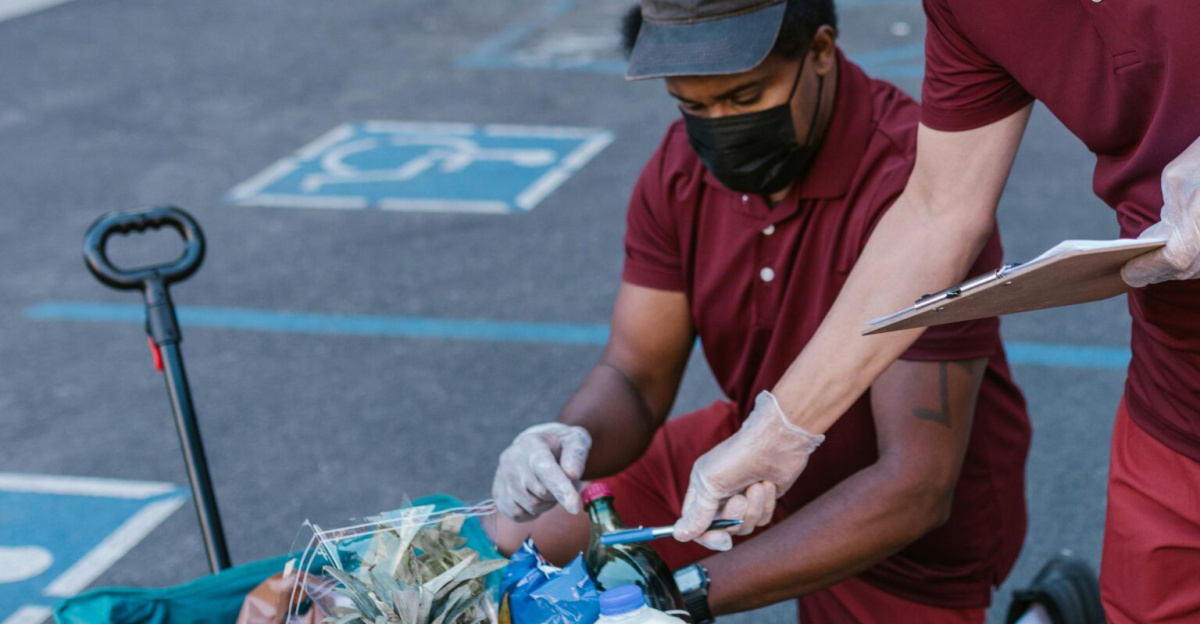
The COVID-19 pandemic ignited a surge in online grocery shopping. That rush led companies like Ahold Delhaize USA, the owner of chains such as Giant Food and The GIANT Company, to pour money into special fulfillment centers. These hubs were built for curbside pickup and delivery, relying on automation to process orders efficiently at scale. They promised to handle massive volumes without breaking a sweat.
But customer habits shifted fast after the initial boom. Shoppers now mix and match options, jumping between delivery, pickup, and even in-store shopping based on the day. This unpredictability creates order flows that are hard to forecast, especially in crowded urban areas.
Fixed warehouse networks struggle under the strain, unable to pivot quickly enough. What once seemed like a smart long-term bet now feels outdated as the industry races to adapt.
Six Hubs Set for Permanent Closure
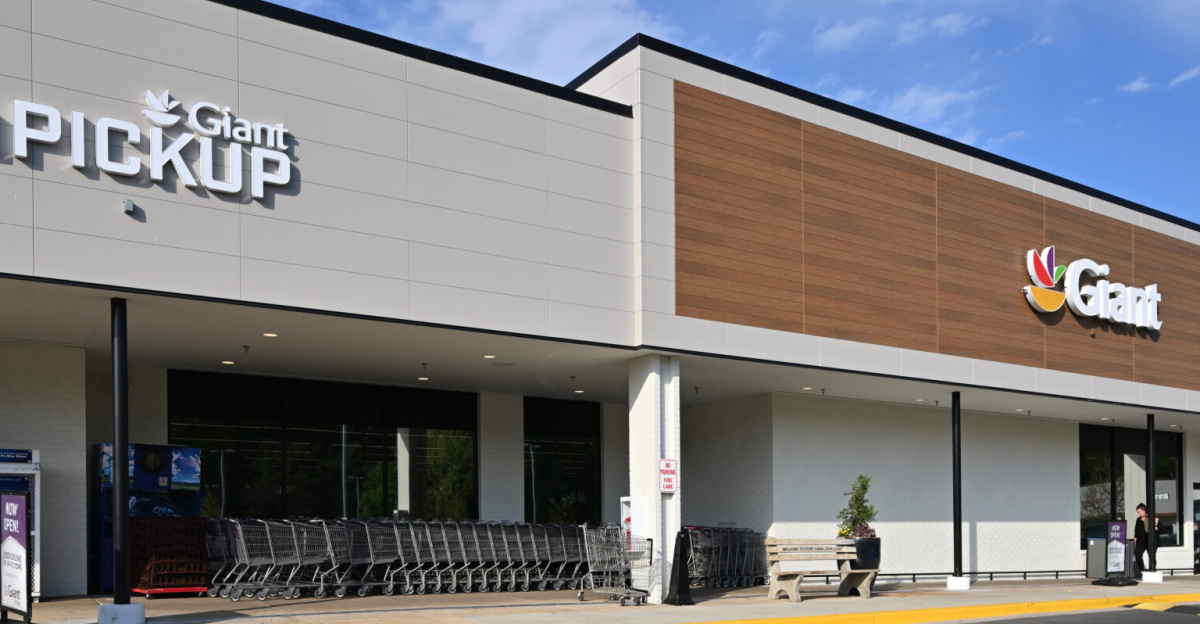
Ahold Delhaize has announced plans to shut down six fulfillment centers in the first quarter of 2026. The closures hit Virginia and Pennsylvania hardest. In Manassas, Virginia, the Giant Food hub will close on February 10, putting 90 workers out of jobs, according to WARN notices that give advance warning of layoffs.
Pennsylvania faces even more impact, with five sites affected. The Philadelphia center shuts on February 13, cutting 128 positions. Lancaster follows with 81 job losses, while facilities in Willow Grove, Coopersburg, and North Coventry wrap up by late April. These spots once buzzed with activity, like the Philadelphia Southwest center that used 70 AutoStore robots to manage up to 15,000 orders a week at its peak. Now, that high-tech promise gives way to a new reality.
Workers and Communities Feel the Hit

The shutdowns will displace hundreds of employees, with WARN notices providing just 60 to 90 days’ notice. Staff at places like the Willow Grove site in Upper Moreland Township may face long relocations or outright layoffs as the company reverses course. Local leaders have raised alarms about the broader economic fallout in these communities, from lost wages to reduced local spending.
Service won’t vanish entirely, fulfillment shifts to existing stores, keeping pickup and delivery alive. But access changes: pickup options slim down while delivery grows through partnerships with third-party services. Families and workers in these areas now brace for uncertainty, even as the company promises to maintain grocery access for customers.
Broader Industry Pulls Back from Mega-Warehouses
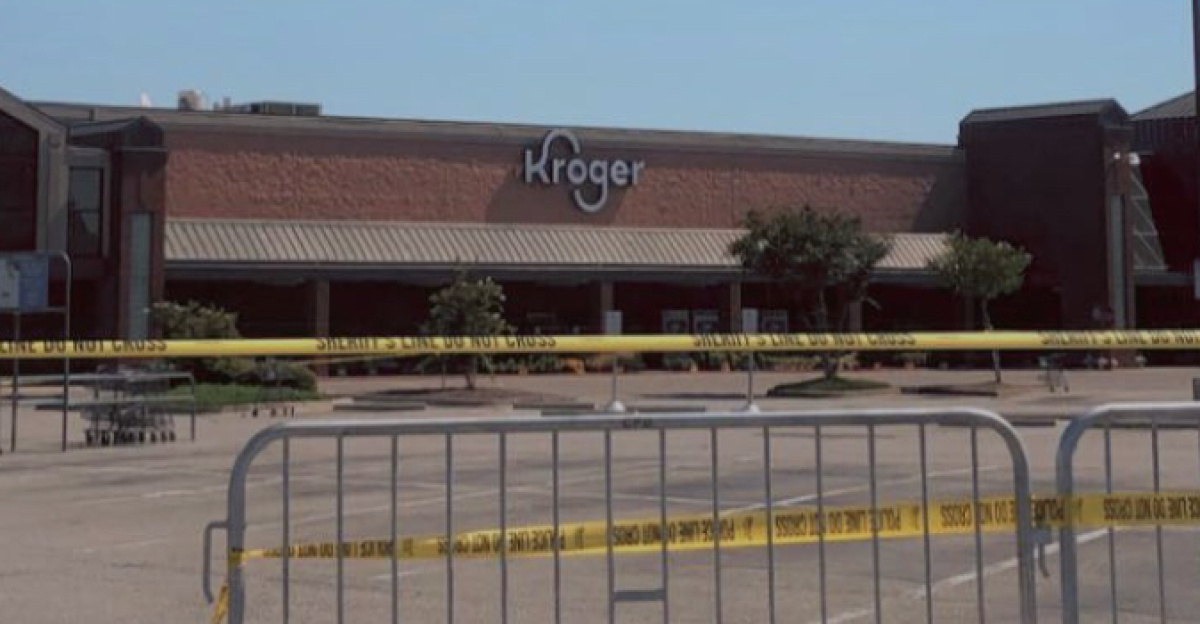
Ahold Delhaize isn’t alone in this retreat. Kroger closed three robotic centers run by Ocado in Wisconsin, Maryland, and Florida, along with six smaller support sites, at a cost of $350 million to end the partnership. Albertsons has also cut back on stores and staff to streamline operations. Across the sector, grocers favor picking orders directly from store shelves over relying on giant, specialized hubs.
These mega-warehouses work best for steady, predictable demand. But with orders swinging wildly and profit margins razor-thin, they fall short. Ahold Delhaize expects to book $50 million in financial hits from the closures, $35 million in Pennsylvania and $15 million in Virginia, despite strong overall sales. The pattern shows a clear pivot: in-store fulfillment offers the agility needed today.
Pickup isn’t dying; it’s just evolving. Centralized warehouses are fading, but curbside service from stores remains popular. Analysts at eMarketer predict that by 2026, 66.4% of click-and-collect users will choose in-store curbside. Automation is moving into stores and smaller “micro-fulfillment” setups. Ahold Delhaize plans to invest $860 million in a new North Carolina distribution center, set to open in 2029, but this one focuses on broader supply chain needs rather than pickup or delivery.
Company leaders blame shifting customer habits, stressing store-based operations and alliances with delivery apps for those tight 30-minute windows. As online sales keep climbing, grocers bet on flexible, local networks over massive facilities. This approach promises to keep them competitive in a world where speed trumps size every time.
Sources:
“U.S. eGrocery Sales Surge 29% YOY to $12.3 Billion in November 2025.” Brick Meets Click, sponsored by Mercatus, December 8, 2025.
“Giant Food and The Giant Company to Shutter Centralized E-Commerce Fulfillment Centers.” Grocery Dive, December 17, 2025.
“Ocado to Receive $350 Million Payment After Kroger Culls Robotic Warehouse Network.” Reuters, December 5, 2025.
“Ahold Delhaize USA Gets Ready to Close 6 Facilities.” Supermarket News, December 17, 2025.