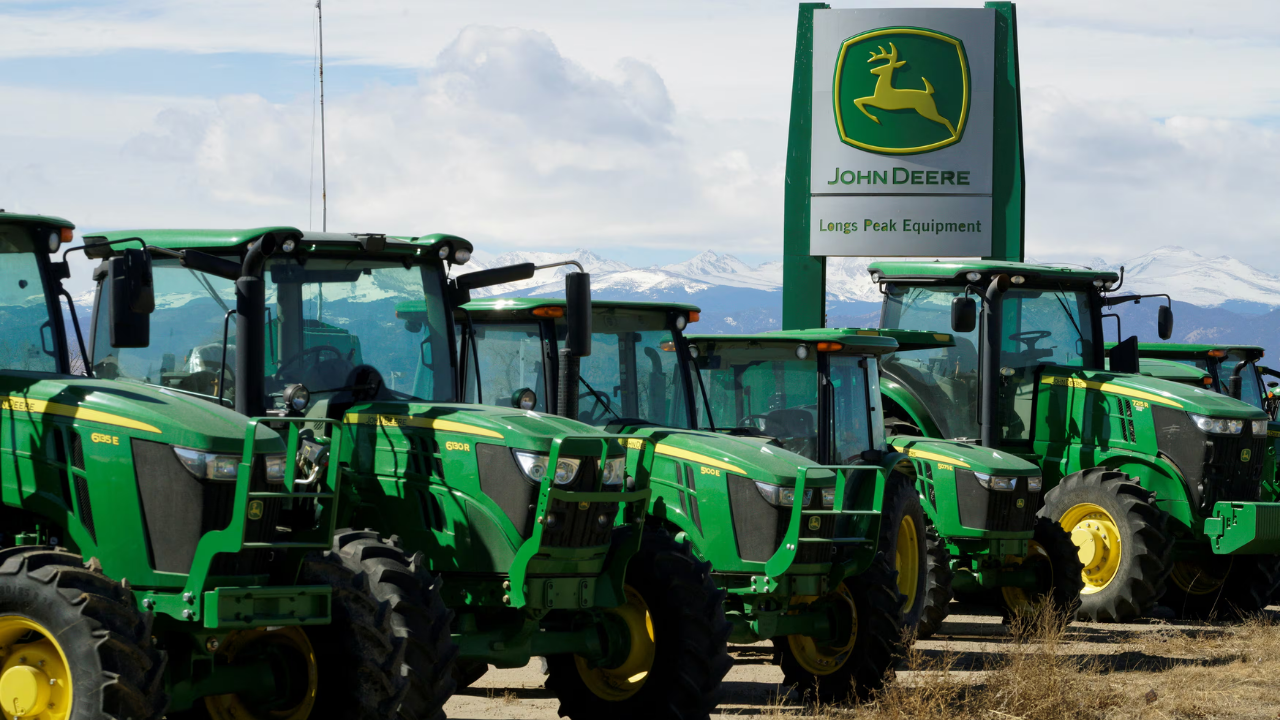
Deere & Company shocked agricultural markets on November 26, 2025, with a weak fiscal 2026 profit forecast.
The company projects net income between $4.0 billion and $ 4.75 billion, below the $5.19 billion that analysts expected. Strong Q4 results ($12.39 billion revenue, up 11%) couldn’t offset the grim outlook. Shares fell 6.3%.
CEO John May warned that structural problems will plague the large ag cycle through 2026. Even Deere’s excellence cannot overcome the sector’s collapse.
The 15-20% Market Implosion
Deere expects the North American large agricultural equipment market to shrink 15–20% in fiscal 2026.
The company’s own sales are expected to drop 5–10%. However, industry-wide data indicate even worse damage: U.S. tractor sales declined 9.2% through October 2025.
Four-wheel-drive tractors plummeted 56.3%. Combines dropped 38.4%. This collapse affects the entire market, not just Deere.
The data reveals a systemic crisis, not an isolated company weakness.
Agricultural Cycle Downturn
Agriculture equipment markets follow cycles tied to crop prices and farm profits. Strong crop returns drive machinery purchases.
Low prices freeze buying. Starting in 2018–2019, low prices and trade tensions crushed farm income.
COVID-19 briefly boosted prices in 2020–2021 through government aid and strong grain demand.
However, subsidies ended, and prices fell sharply from 2022 to 2024. Industry experts now call this downturn potentially the worst in a decade.
The Multiplier Effect on Farmer Costs

Tariffs accelerate the agricultural downturn. Deere cited “ongoing margin pressures from tariffs” as a key factor in its pessimistic outlook.
The company will pay approximately $1.2 billion in tariff expenses in fiscal 2026, double the $600 million paid in fiscal 2025.
U.S. tariffs on steel, aluminum, and components drive up equipment manufacturing costs. Chinese retaliatory tariffs devastate export markets.
Farmers face rising equipment prices, higher input costs, and collapsed export revenue. Tariffs now function as a structural drag, not a temporary negotiating tactic.
The Soybean Export Catastrophe
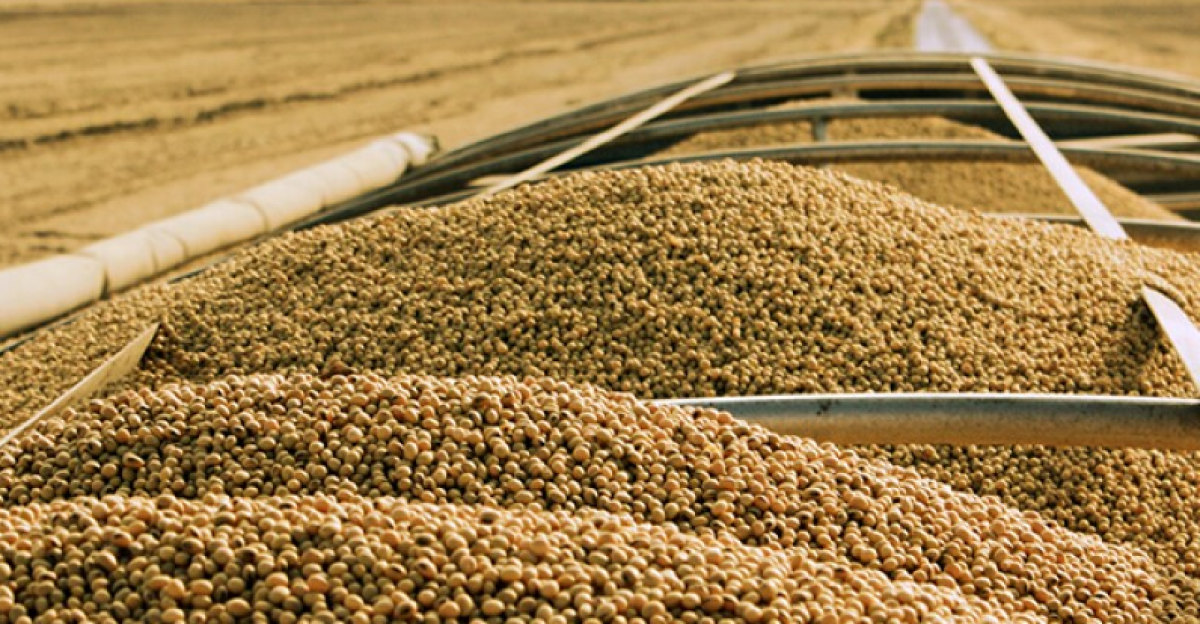
U.S. soybean exports to China collapsed due to tariffs. China bought $12.7 billion of U.S. soybeans in 2024.
After China imposed 125% retaliatory tariffs on U.S. agricultural products in 2025, Chinese buyers effectively ceased purchasing.
U.S. soybean exports to China fell 51% in 2025 versus 2024. American farmers, especially in the Midwest, lost a critical revenue source.
When export income vanishes, farmers cannot afford new equipment. This export collapse directly explains why tractor sales are imploding.
Rural America’s Anxiety
Agricultural regions show visible anxiety. Brian Warpup, an Indiana farmer with 3,900 acres, said in September 2025: “Things have stalled all summer long. With harvest here, patience may run thin.”
His frustration reflects the broader loss of farmer confidence. Weak commodity prices and rising tariff costs push farmers to delay machinery purchases and postpone upgrades.
Equipment dealers and Deere face a devastating demand freeze. Farmers don’t need less equipment—they simply cannot afford it at this time.
Voices from the Farm Belt

Farmers warn starkly about financial survival. Jon Tester, a Montana farmer and former U.S. Senator, said bluntly: “Tariffs raised our supply costs and equipment prices. Many folks will go broke.”
His warning extends beyond this cycle—tariff policy threatens the very survival of farming.
Gil Gullickson, a South Dakota farmer, voiced doubt: “People thought tariffs were a bluff. History proves tariffs don’t end well.”
These operators face immediate choices: invest, cut costs, or exit the farming industry. Their words reveal deepening despair.
Beyond Tractors: Fertilizer, Seeds, and Supply-Chain Squeeze
Tariffs raise costs throughout agricultural supply chains. Zack Levendsky of the Kansas Farmers Union noted in late November 2025 that “fertilizer, seed, chemical, equipment, and fuel costs hit record highs, with tariffs going up even more.”
Vegetable farmer Mary Carroll Dodd reported in November 2025: “We raised vegetable prices like collards and kale because tariffs drove up our costs.”
System-wide cost inflation squeezes profit margins everywhere. Farmers facing rising production costs and falling export prices cannot afford new equipment.
The Trade Uncertainty Factor
Tariff uncertainty itself damages farm investment. Josh Main told Fortune in late November 2025: “We worry about trade volatility. It’s hard to plan.”
Farmers need multi-year visibility for equipment purchases, land investments, and workforce decisions. Unpredictable tariff shifts force farmers to delay spending.
This behavior cascades: lower equipment demand leads Deere to cut production, suppliers tighten inventory, and rural manufacturers lay off workers.
Macro uncertainty ripples into thousands of farm decisions, amplifying the downturn.
Deere’s Tariff Vulnerability
Deere itself faces severe tariff exposure, making the company a mirror for agricultural distress. The firm manufactures in the U.S., and sources components globally, so tariff policy directly impacts its profits.
Deere’s tariff costs doubled from $600 million to $1.2 billion year-over-year—proof that tariff impact accelerates rather than stabilizes.
If Deere cannot maintain margins despite its size and skill, smaller competitors will collapse. The agricultural equipment industry faces a prolonged margin squeeze unless tariff policy fundamentally shifts.
Deere’s Market Position Under Strain
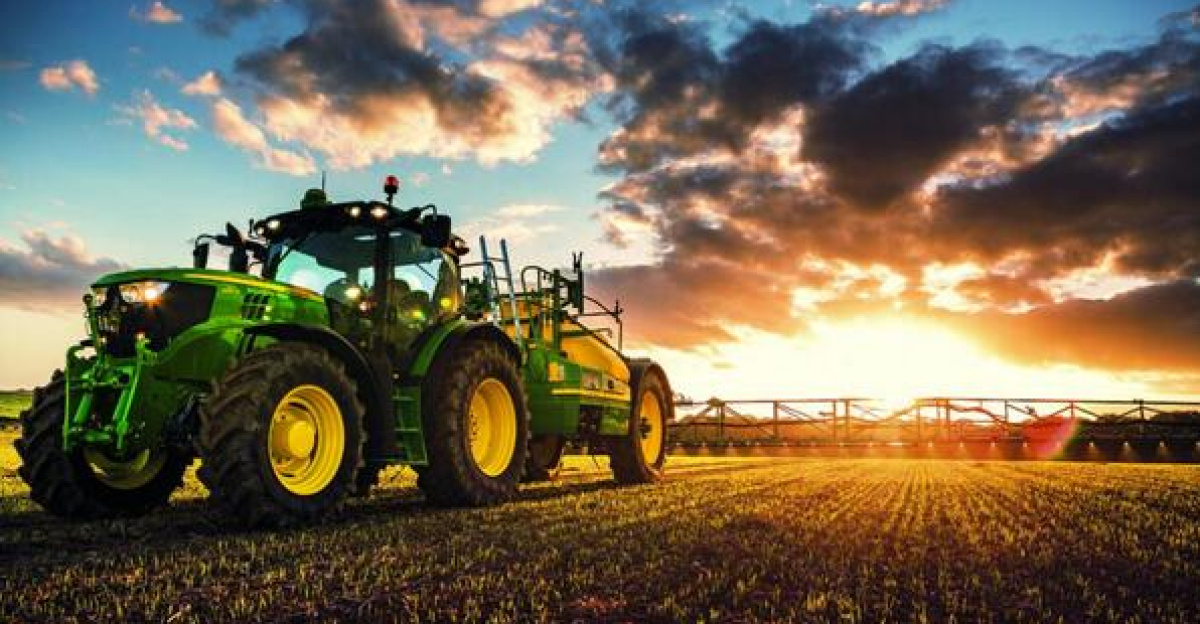
Deere controls approximately 40–45% of the North American agricultural equipment market. Historically, this dominance protected the company from downturns.
But when the entire market shrinks 15–20%, even leaders suffer proportionally. Deere expects its own sales to fall 5–10% while the market contracts 15–20%, suggesting it might gain share.
Yet this “gain” masks a darker truth: Deere wins a shrinking pie. Fixed costs in factories, dealer networks, and R&D stay high while production falls. Profit margins compress toward six-year lows.
Supply Chain Ramifications
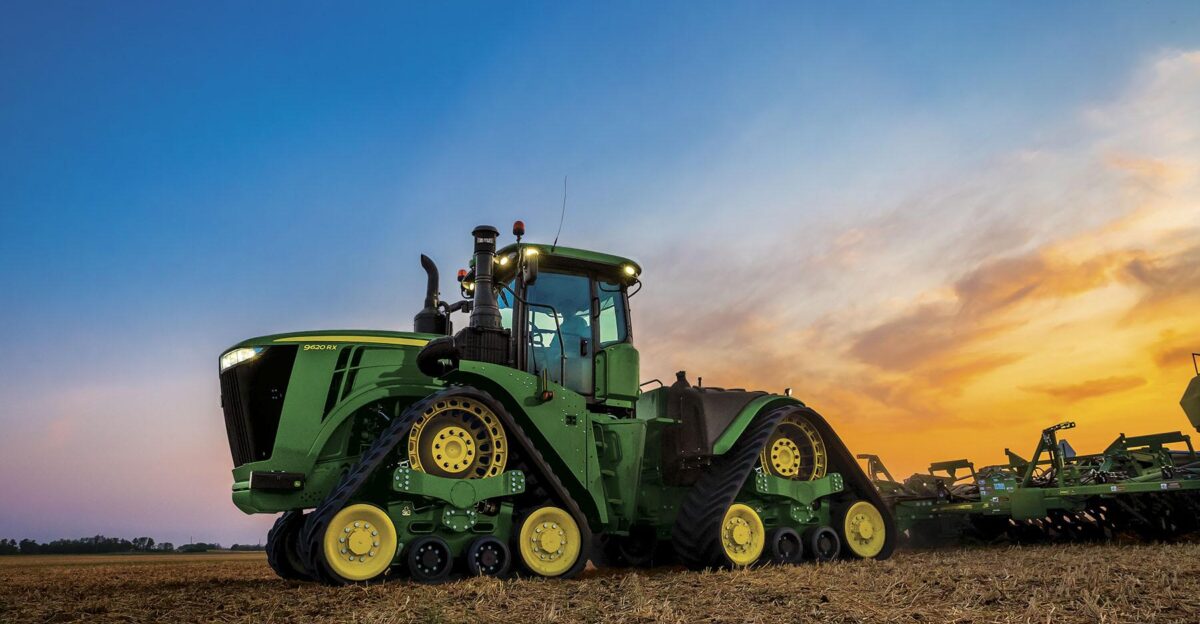
Thousands of rural small businesses depend on Deere’s success. Equipment dealers—independent firms that sell, service, and finance Deere equipment—face a revenue collapse.
When farmers don’t buy tractors, dealers lose sales, service work, and finance income. Many farm equipment dealers operate on thin margins and carry heavy inventory.
Weak demand forces discounts, inventory buildup, and layoffs. Parts suppliers face identical pressure. Deere’s warning signals that dealer networks and supply chains will shrink.
Job losses in rural dealership towns will compound farm sector distress.
Government Support and Policy Responses

The U.S. government has historically supported farmers through crop insurance, direct payments, and emergency aid during downturns.
These safety nets remain active in 2025, and some analysts argue that government support alone prevents immediate farm failures.
However, government payments cannot replace sustained farm profitability. Subsidies delay problems but don’t solve them. Trade policy remains contentious and unclear.
Agricultural groups, manufacturers, environmentalists, and labor unions disagree on an optimal tariff strategy. Until policy stabilizes, farmers and makers cannot confidently plan.
When Will Agriculture Bottom?

Deere CEO John May claimed, “2026 will mark the bottom of the large ag cycle.” Independent agricultural economists express skepticism.
Some worry weak commodity prices, tariff uncertainty, and high farm debt create a downward spiral, not a cycle bottom.
If farmers continue to defer equipment purchases due to tariff confusion, equipment demand could remain depressed beyond 2026.
Conversely, quick tariff fixes or price recovery could spark a faster rebound. The key question: temporary trough or permanent structural shift?
Recovery or Structural Shift?
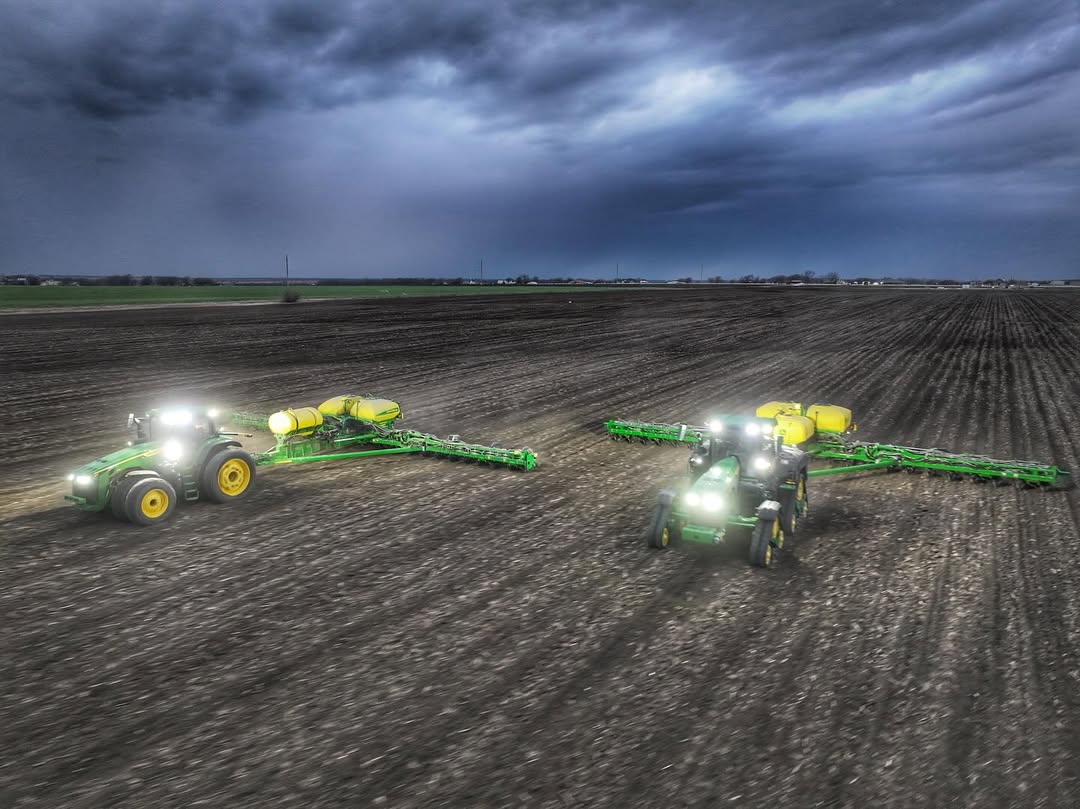
Deere’s November 2025 warning raises a core question: What lies ahead for American agriculture?
If equipment demand contracts by 15–20% and remains weak for years, the sector will undergo structural shrinkage. Fewer equipment sales mean fewer rural manufacturing jobs and weaker supplier networks.
Prolonged weak demand combined with high input costs could accelerate farm consolidation—pushing marginal operators out and concentrating production among large, well-funded farms.
Policy decisions regarding tariffs and farm subsidies will significantly shape the outcomes. Current conditions are unsustainable indefinitely.
Sources:
Investopedia, November 26, 2025
TTNews, November 25, 2025
Reuters, November 26, 2025
CNN, September 20, 2025
TIKR Blog, November 26, 2025
Fortune, November 21, 2025