
On December 19, 2025, American and allied aircraft unleashed a sustained bombardment across central Syria, striking more than 70 targets linked to ISIS in what officials termed “Operation Hawkeye Strike.” The campaign, involving F-15 Eagles, A-10 Thunderbolts, Apache helicopters, and Jordanian F-16s, targeted infrastructure in Deir ez-Zor, Raqqa, and areas near Palmyra. U.S. Defense Secretary Pete Hegseth characterized the operation as a direct response to an ambush six days earlier that claimed three American lives, describing it publicly as a “declaration of vengeance.”
The strikes represent one of the largest retaliatory operations against ISIS under the Trump administration and signal a marked shift in military posture toward swift, decisive action. Precision targeting and the scale of the campaign underscore the Pentagon’s commitment to counterterrorism operations in a region where ISIS cells remain active despite the broader political transition in Syria.
Hegseth Takes Command

Pete Hegseth assumed the role of Secretary of Defense on January 25, 2025, following a tie-breaking confirmation vote by Vice President JD Vance. A Princeton graduate and former television news host, Hegseth leads approximately 3.5 million active and reserve service members. His appointment has drawn scrutiny from critics questioning his experience, while the Trump administration has championed his emphasis on military lethality and operational readiness over institutional bureaucracy.
Since taking office, Hegseth has moved aggressively to reshape Pentagon leadership. On January 29, he revoked the security clearance of former Joint Chiefs Chair Mark Milley and removed his security detail. In subsequent weeks, he dismissed several senior officials, including Chief of Naval Operations Lisa Franchetti, deepening a significant overhaul of military command structures. Senate Democrats have raised concerns about civilian casualty implications in recent operations, reflecting broader scrutiny of the administration’s use of force doctrine.
The December 13 Attack and Response

The operation followed a December 13 assault near Palmyra that killed two Iowa Army National Guard sergeants—Edgar Brian Torres-Tovar and William Nathaniel Howard—and U.S. civilian interpreter Ayad Mansoor Sakat. The three deaths marked a significant loss and prompted the swift military response. Families of the deceased attended dignified transfer ceremonies at Dover Air Force Base, an event attended by President Trump.
The timing and scale of Operation Hawkeye Strike reflect the administration’s stated commitment to rapid retaliation for attacks on American personnel. The operation targeted areas where ISIS remnants continue to operate despite the broader political transition in Syria following Bashar al-Assad’s departure and Ahmed al-Sharaa’s assumption of the Syrian presidency on January 29, 2025.
Broader Strategic Shifts
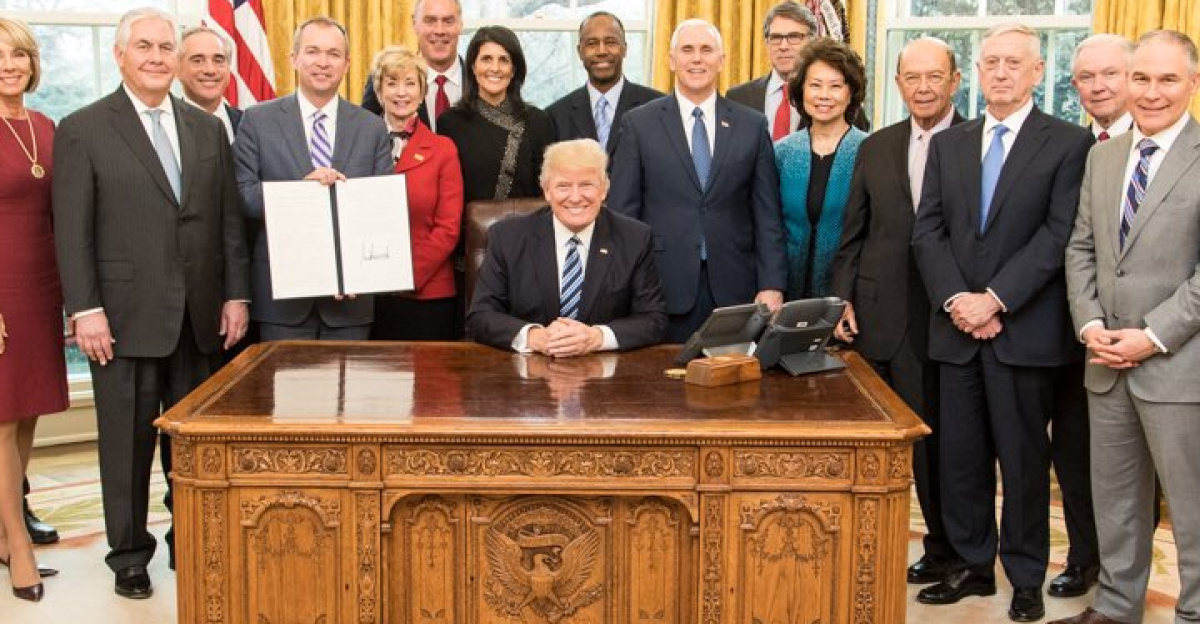
Hegseth’s tenure has coincided with significant changes in Pentagon priorities and structure. In September 2025, the Trump administration formally rebranded the Department of Defense as the “Department of War,” a symbolic shift widely interpreted as emphasizing combat readiness and lethal capability. The change prompted debate, with supporters viewing it as clarifying institutional mission while critics characterized it as excessively militaristic.
The Defense Secretary has outlined four strategic initiatives: increasing burden-sharing among allies, accelerating defense industry output, strengthening border security, and pursuing advanced missile defense systems. His speeches have promised nuclear triad modernization and intensified counterterrorism operations, framing these measures as corrections to perceived prior shortcomings.
Oversight and Legal Questions
Civil liberties advocates and Senate Democrats have raised concerns about the legal framework governing recent military operations. Questions regarding War Powers Act compliance and international humanitarian law have emerged, with some officials warning about constitutional implications of certain proposals. Inspector general removals and friction between Hegseth’s office and military legal advisers have added to ongoing debates over institutional oversight and checks on executive authority.
Looking Forward
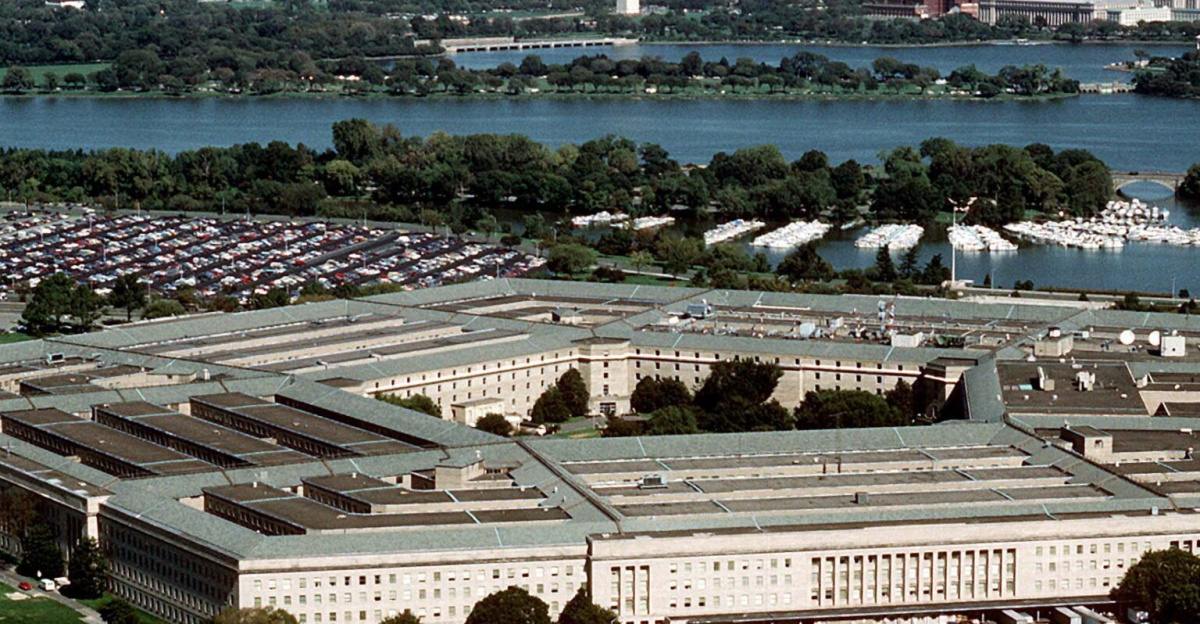
As the Pentagon navigates evolving global threats, Hegseth’s leadership style—characterized by rapid decision-making and personnel changes—continues to generate debate among analysts, military professionals, and policymakers. Operations like Hawkeye Strike are cited by administration supporters as examples of necessary swift execution, while critics question whether the pace of change adequately preserves institutional safeguards and deliberative processes essential to sound military judgment.
Sources
ABC News — “US launches retaliatory strikes in Syria on dozens of ISIS targets” (December 19, 2025)
Defense Scoop — “Pete Hegseth narrowly wins confirmation to be Trump’s Secretary of Defense” (January 24, 2025)
Politico — “Hegseth orders major Pentagon spending cuts” (February 19, 2025)
CNN — “Officials and experts warn that Pentagon plans to cut climate research” (March 9, 2025)
BBC News — “Trump rebrands Department of Defense as Department of War” (September 4, 2025)
Yemen Data Project — Civilian casualty documentation for March-May 2025 campaign