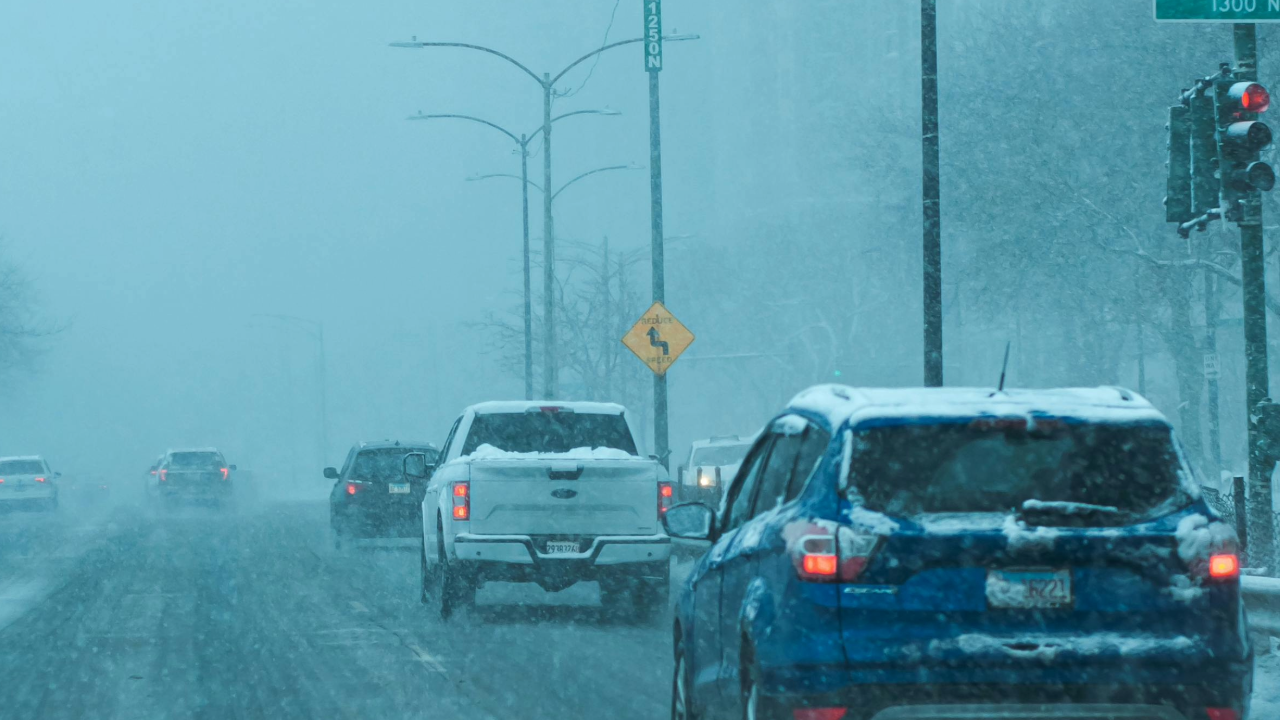
Winter’s worst killer isn’t the snow itself. It’s what happens after. Winter storms kill more people indirectly than directly. Traffic crashes on icy roads and hypothermia cause dozens of deaths yearly. The National Weather Service calls these “deceptive killers” because they kill through cascading effects over hours and days.
Many people underestimate winter weather danger. They see it as inconvenient, not deadly. Understanding this gap in thinking explains why three simultaneous state warnings matter more than their snowfall amounts suggest.
Storm System Mobilizes
Three U.S. states—Alaska, Michigan, and Maine—prepared for extreme conditions on January 11-12, 2026. The National Weather Service issued winter storm warnings. Emergency managers activated response plans.
Transportation agencies positioned equipment across 1,000 miles. Separate storm cells hit each region at the same time. This synchronized pattern across distant areas suggested a large atmospheric system driving the multi-state impact. State emergency operations centers activated mutual-aid protocols within hours.
Winter Weather’s Hidden History

Winter storms have damaged U.S. economies for decades. Between 1949 and 2001, 155 major snowstorms resulted in $21.6 billion in insured losses. The March 1993 Superstorm hit 20 states, killed 270 people, and caused $1.8 billion in insured damage.
Between 2015 and 2024, winter weather contributed to deaths in six of the ten costliest billion-dollar disaster years. The 2026 event marked the first major tri-state winter warning of the season, signaling increasingly volatile winter patterns.
Visibility Crisis Approaching
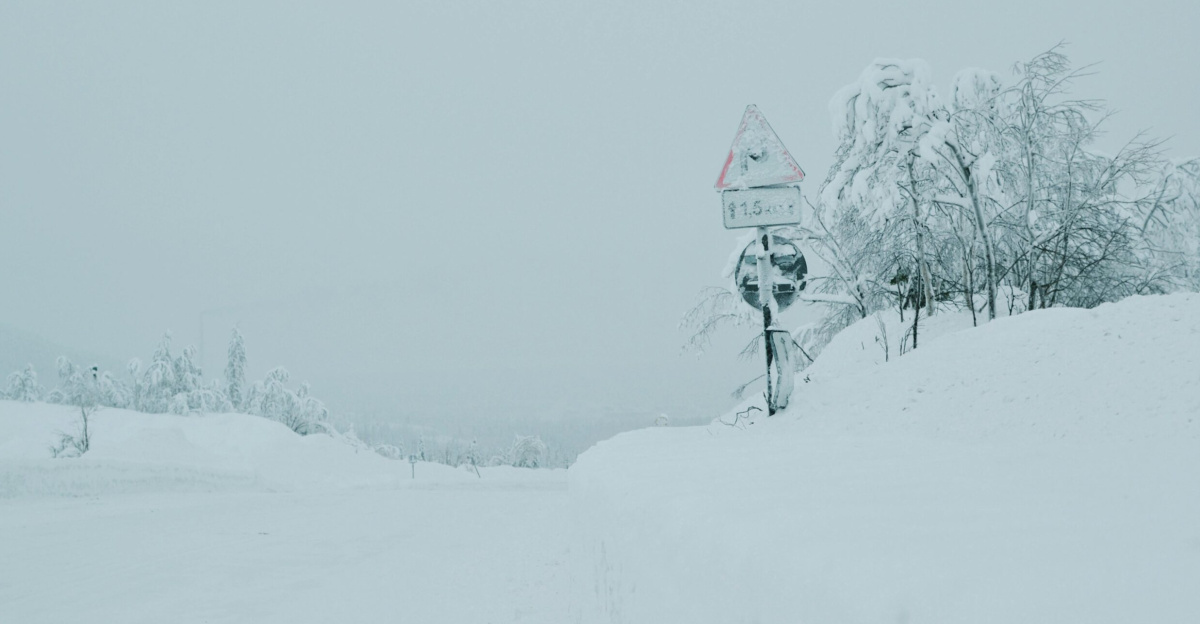
Whiteout conditions occur when falling, blowing snow, and wind combine to reduce visibility to below one mile. Drivers lose road edges and landmarks. One disabled vehicle becomes invisible, triggering rear-end collisions. Accidents cluster rapidly.
Emergency responders struggle to reach victims in blinding conditions. This worsens fatality rates. NWS forecasters warned of visibility-erasing snow drifts. These conditions historically spike accident rates sharply. Visibility reduction causes drivers to become disoriented without reference points.
Storm Unleashes Across Three States
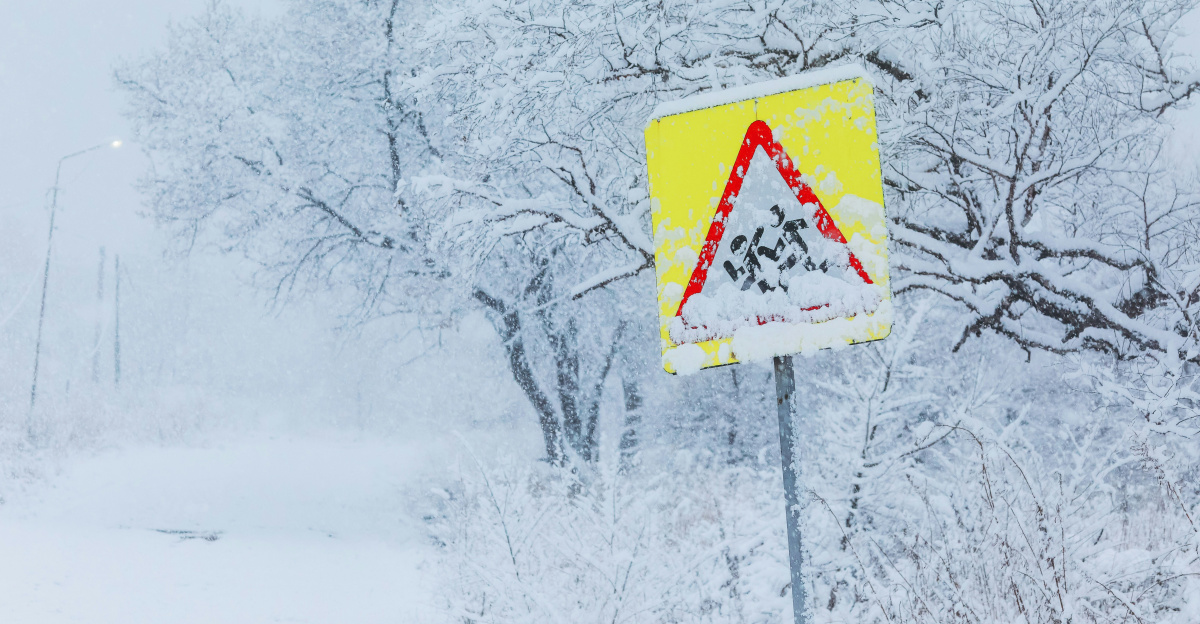
On January 11-12, 2026, the National Weather Service issued concurrent winter storm warnings for Alaska, Michigan, and Maine. In Alaska’s Nenana Hills west of Ester, forecasters predicted up to 10 inches of snow.
Wind gusts reached 45 mph along the Dalton Highway summits, creating extremely hazardous travel conditions. Maine’s northern counties faced 6-9 inches. Michigan faced up to 1 inch with 30 mph winds. Alaska’s snowfall rate reached 1 to 2 inches per hour. Visibility dropped below one mile.
Alaska Bears the Brunt
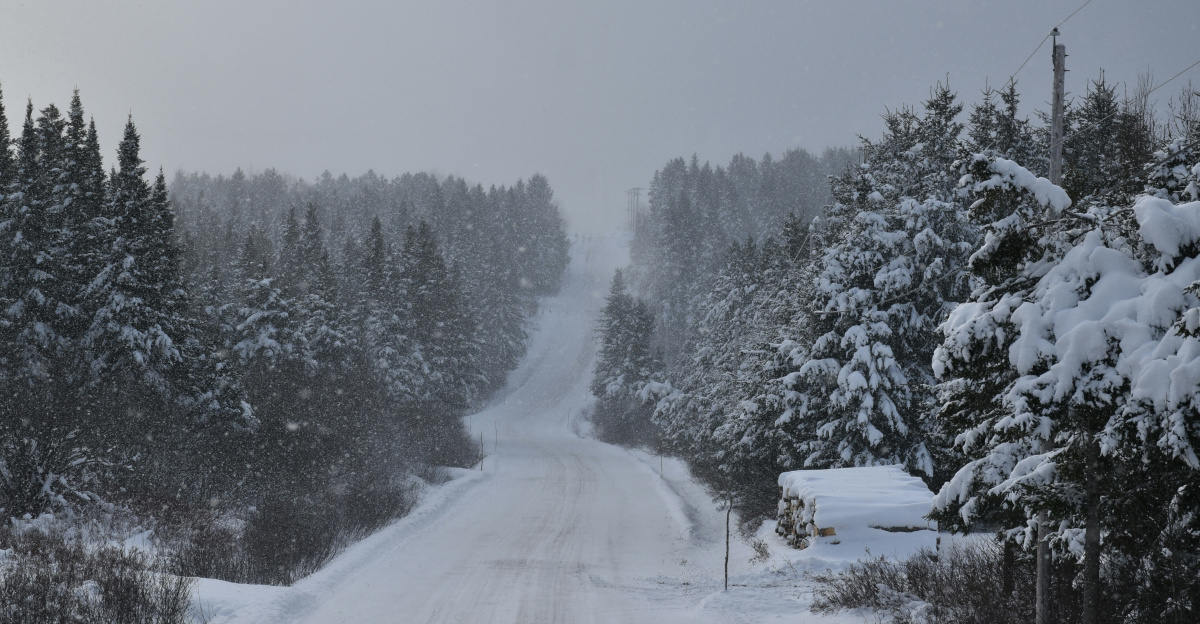
Alaska faced the storm’s worst impacts. The Nenana Hills mountain pass received up to 10 inches of snow, the highest across all three states. Along the Dalton Highway and in the northern Denali Borough, between Cantwell and Nenana, wind gusts of 45 mph, paired with dense, drifting snow, created ground blizzards.
Snowfall rates of 1-2 inches per hour reduced visibility below one mile. Roads became invisible under fresh snow and wind-scoured drifts. Interior Alaska’s isolation and sparse emergency resources meant stranded travelers faced hours-long rescue waits and hypothermia risk.
Maine’s Northern Counties Brace
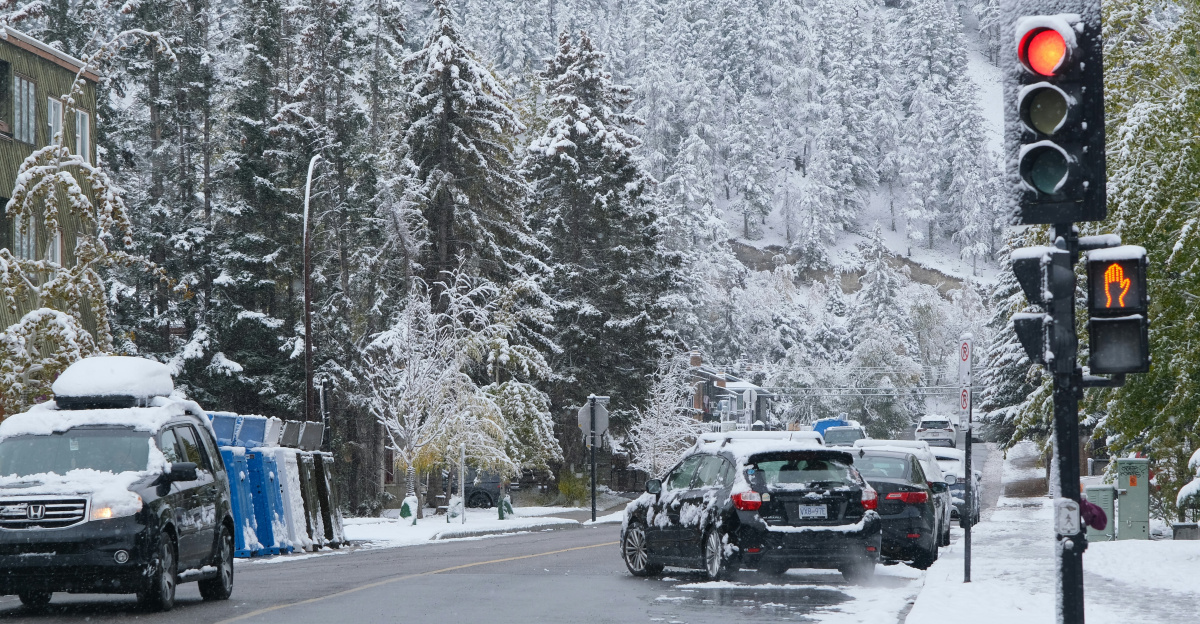
Maine’s three northern counties—Aroostook, Piscataquis, and Somerset—expected 6-9 inches of snow. These rural areas have limited emergency resources during the winter. Road closures persist longer. Stranded motorists wait extended periods for rescue. The NWS stated: “Severe winter weather will make travel exceedingly dangerous.”
This language reflects the official classification of a deceptive killer. Six to nine inches historically triggers school closures, canceled medical appointments, and isolated houses losing road access for days. Residents expressed concern about the storm’s timing during the peak flu season.
Michigan’s Lake-Effect Amplification
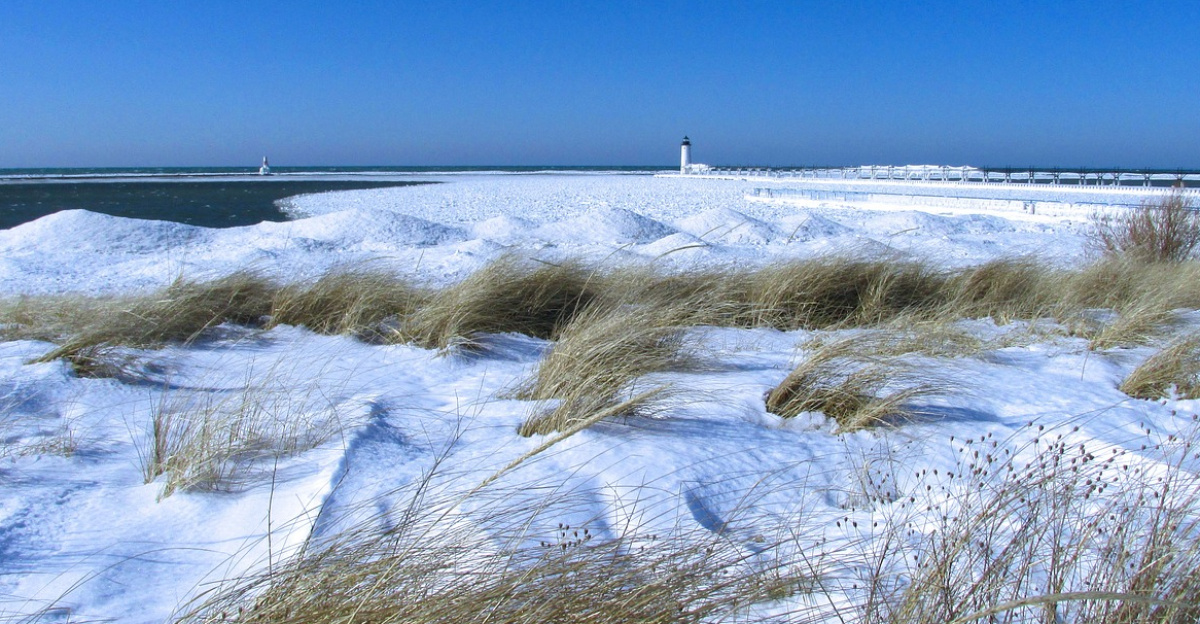
Michigan’s Cheboygan and Presque Isle Counties in the Upper Peninsula faced less total snow. They received up to 1 inch of rain, but also experienced dangerous wind gusts of 30 mph, with some areas reaching 35 mph.
These counties are situated adjacent to the Great Lakes, where lake-effect snow amplifies the impacts of winter storms. The 1-inch forecast seemed modest, but lake-effect dynamics meant localized snow pockets could grow rapidly. Winds of 30-35 mph combined with snow reduce visibility sharply, creating sudden whiteout events. These trap drivers mid-route.
Snowfall Rates Accelerate Accumulation
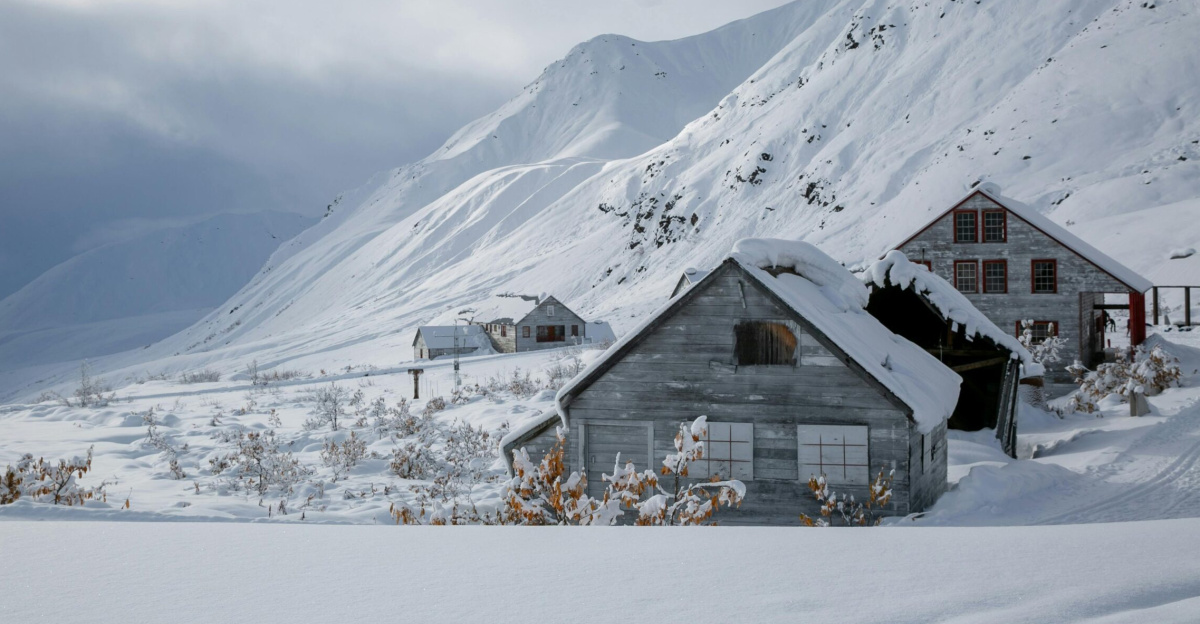
Alaska’s snowfall rate of 1-2 inches per hour represents a critical threshold. At this rate, 10 inches accumulates in 5-10 hours. Such rapid accumulation overwhelms snowplow capacity. Vehicles get trapped before drivers recognize danger. Visibility loss happens in minutes, not hours.
Road conditions degrade from passable to impassable in 1-2 hours at these rates. Winter weather experts nationwide identify snowfall rates of 1 inch per hour or more as critical. The Nenana Hills’ exposure to these rates meant the pass could close entirely within hours of storm onset.
Indirect Deaths Spike Days Later
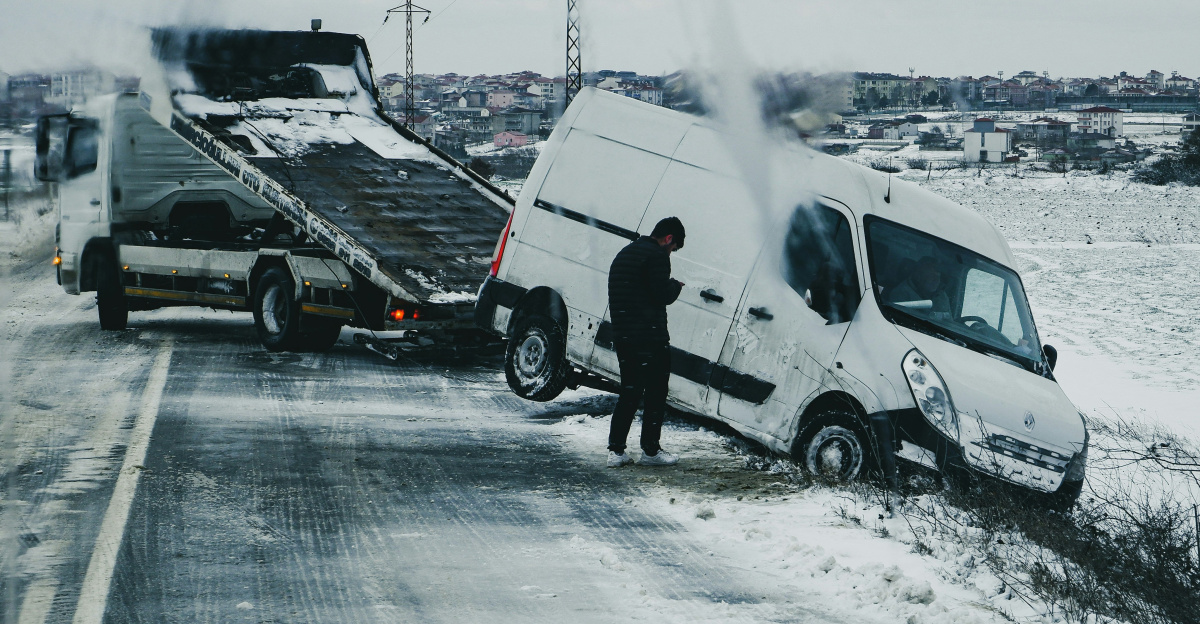
Winter storms last 24-36 hours, but peak fatalities occur 48-96 hours after storm onset. This happens during active precipitation. Traffic accidents increase as drivers attempt delayed journeys on still-icy roads. Hypothermia deaths cluster among isolated elderly residents whose heating fails.
Heart attacks spike from shoveling snow. Fires from unsafe heaters spike during power outages. The NWS term “deceptive killers” aptly captures this timing lag. The danger appears to be past, yet it escalates into its most lethal phase. The January storm would generate fatality data through January 15-16 at a minimum.
Regional Frustration: Stranded Travelers and Lost Hours

Within hours of the warnings, communities began to report growing frustration. Alaska’s Department of Transportation positioned salt and sand supplies. They warned contractors to stage equipment. They couldn’t guarantee keeping the Dalton Highway open during extended whiteouts. Travelers canceling flights to Fairbanks faced rebooking delays.
Hotels within 50 miles reported sold-out conditions by Sunday evening. Maine school administrators announced on Monday that schools would close by 6 p.m. on Sunday. This triggered last-minute childcare problems. Michigan auto suppliers alerted manufacturing partners about potential slowdowns. Economic drag preceded precipitation.
Emergency Operations Activation

State emergency management agencies activated winter-storm response protocols. Alaska’s State Emergency Operations Center coordinated with National Guard units for potential rescue missions. Maine’s Emergency Management Agency activated mutual-aid agreements with neighboring states. Rescue equipment and personnel are stationed at highway points.
Michigan’s State Police prepared additional units for accident response. Whiteout visibility spikes trigger chain-reaction collisions within minutes. The Federal Highway Administration liaised with state transportation departments. Real-time road-closure decisions were coordinated. This activation represented millions in pre-positioned resources and labor costs.
NWS Terminology Standardizes Threat Language
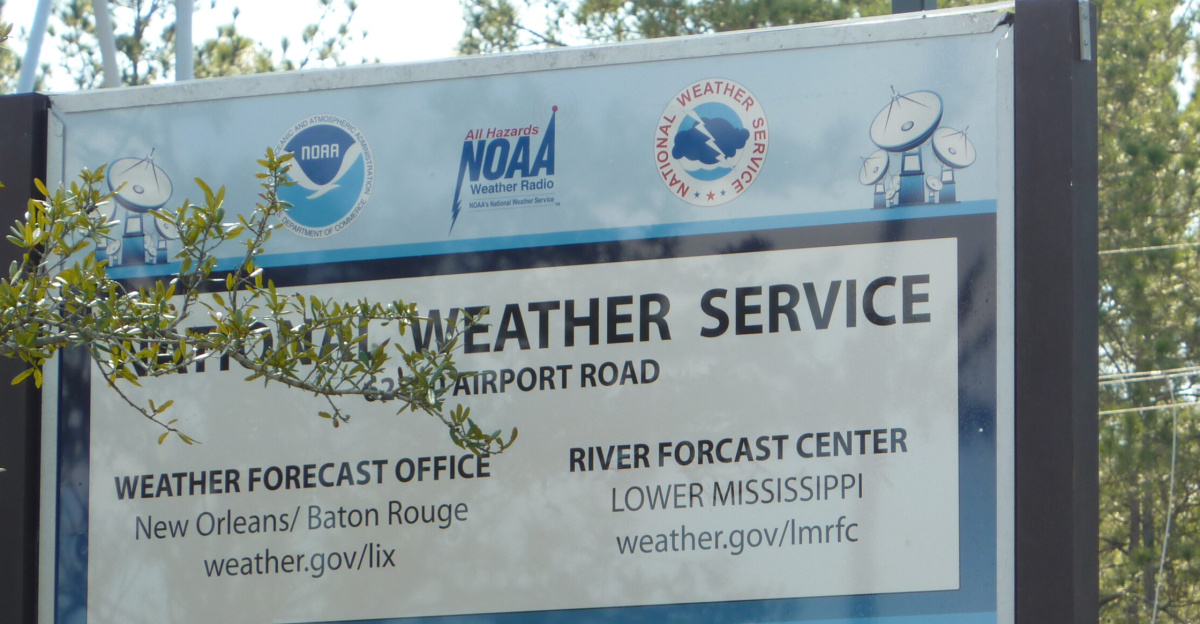
The National Weather Service classifies winter storms as “deceptive killers” through formalized safety doctrine. This classification appears in educational materials, training programs, official warnings, and emergency manager briefings.
The phrase reflects decades of research showing that winter storms cause more indirect deaths than direct ones. Traffic accidents, hypothermia, and fires from unsafe heaters claim more lives than those caused by lightning or falling ice. Americans perceive winter as a routine and manageable season. Yet data contradicts this assumption.
Winter storms kill across all age groups and income levels. They strike vulnerable populations—elderly living alone, homeless individuals, stranded motorists—with lethal consequences.
Expert Uncertainty: Will Intensity Hold?
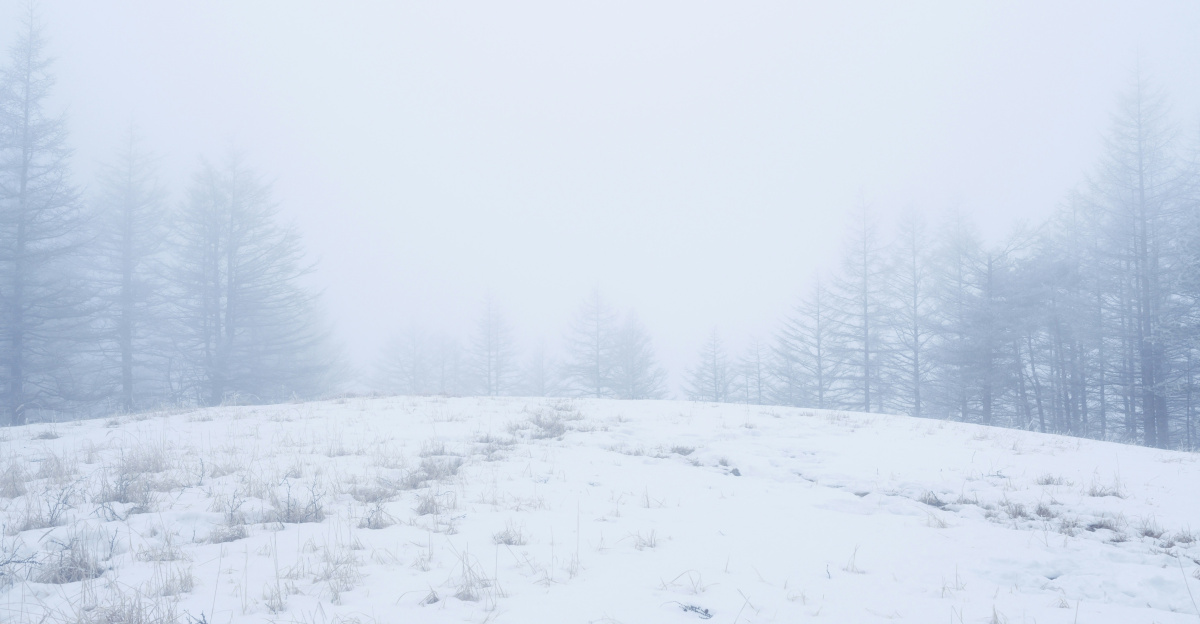
Winter-storm forecasting carries inherent uncertainty. Wednesday evening models showed strong consensus for tri-state warnings. Yet satellite and radar data revealed variations in snowfall rates and wind speed duration. Some meteorologists cautioned that atmospheric shifts could weaken wind impacts.
Others noted that if the low-pressure system retained its track, snowfall rates could exceed 1-2 inches per hour. This uncertainty—permanent beyond 36 hours—created tension between warnings and reality. Public discussions of model disagreement signaled that even robust forecasts carried error margins. For travelers, this created ambiguous risk choices.
What Winter Storms Reveal About America’s Hidden Risks
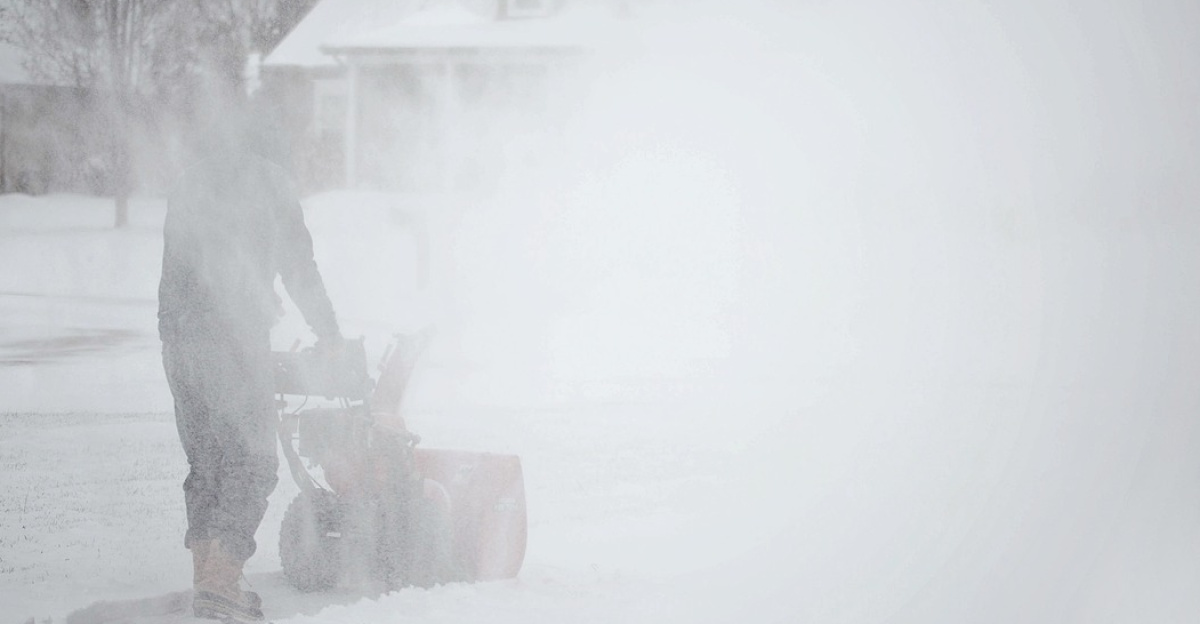
The January 2026 storm illustrates a broader vulnerability in American disaster preparation. We’ve optimized for visible hazards—hurricanes, tornadoes, wildfires—while treating winter weather as routine. Yet from 1980 to 2024, winter storms generated 24 billion-dollar disasters.
They ranked below tropical cyclones and severe storms but exceeded the fatality-per-event ratio when indirect deaths are counted. The “deceptive killer” classification exists because winter storms kill through cascades, with mortality spikes appearing unrelated to the storm until it occurs.
This event activated America’s full disaster-management apparatus. Will this storm catalyze structural investments in cold-weather resilience?
Sources:
- National Weather Service, Winter Storm Warnings (Alaska, Michigan, Maine), January 2026
- Newsweek, Winter Storm Warning As 9 Inches of Snow to Strike, January 11, 2026
- National Weather Service, Winter Storm Educational Materials, (no specific date – standing educational content)
- National Safety Council, Injury Facts – Weather-Related Deaths and Injuries, July 2024
- NOAA, Billion-Dollar Disasters Database, 2024
- Changnon, Snowstorm Catastrophes in the United States, Journal of Applied Meteorology, 2005