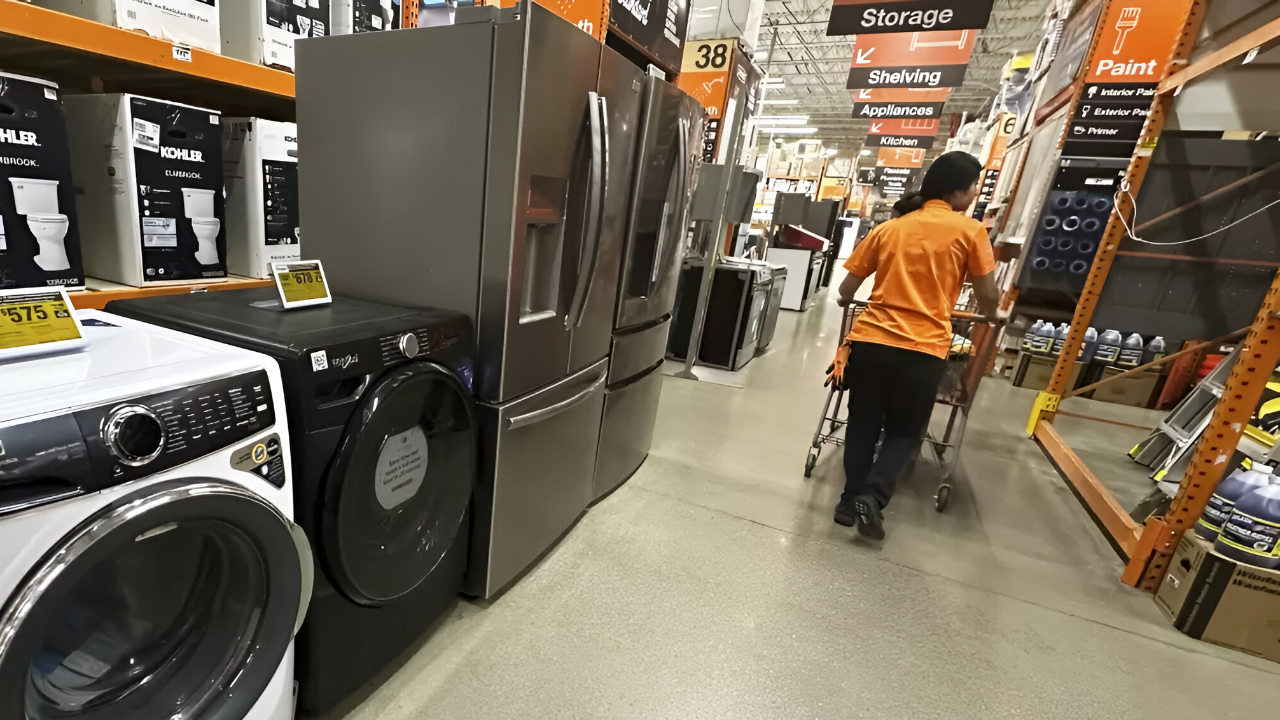
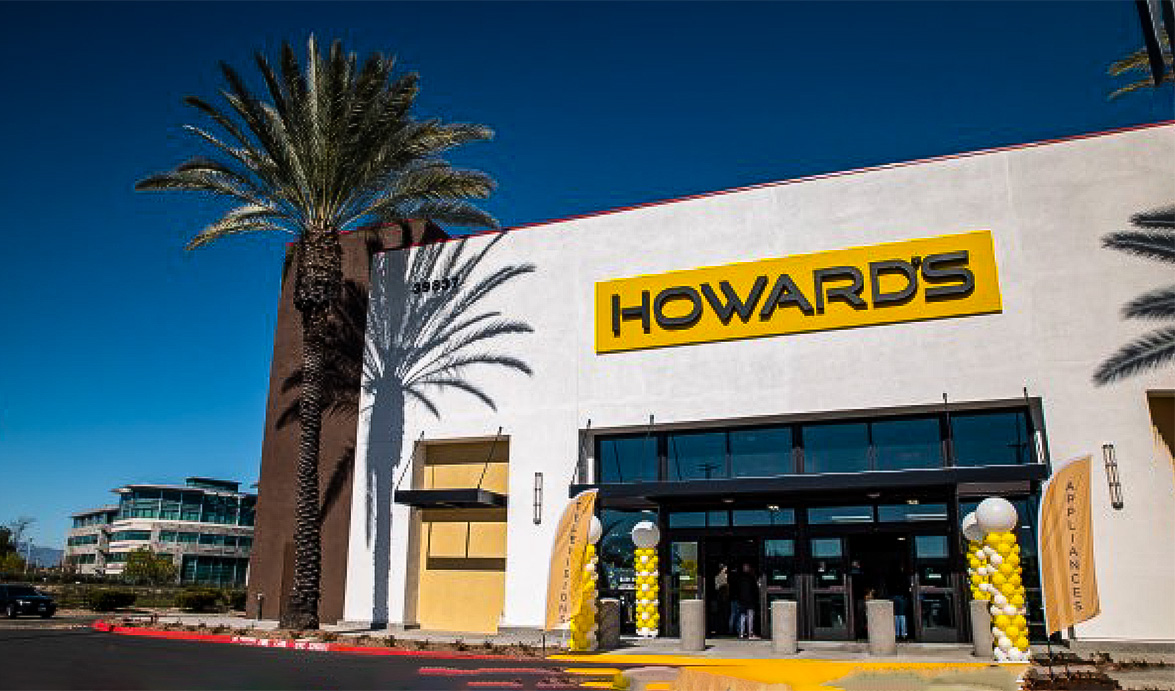
Howard’s Appliance, a Southern California institution since 1946, closed all 17 stores and filed for Chapter 11 bankruptcy on December 6, 2025, leaving employees with one day’s notice and Black Friday customers without deliveries or refunds.
The abrupt end to nearly eight decades of operation exposed the vulnerabilities of regional retailers amid tariffs, inflation, and declining sales.
Tariffs and Economic Pressures Mount

Rising U.S. tariffs on imported appliances from Asia drove up wholesale costs for many products Howard’s sold, straining its thin margins. Weak consumer spending, fueled by inflation and higher interest rates, further eroded demand as households delayed big purchases like refrigerators and washers, opting for repairs instead.
Court filings revealed liabilities far exceeding assets, making operations unsustainable despite the company’s long history through past retail cycles. The timing, just after holiday peak sales, amplified the fallout.
Customers Face Holiday Disruptions

Shoppers who ordered during Black Friday promotions arrived at silent stores, with deliveries stopped, service lines dead, and the website offline.
Families awaiting holiday appliances turned to pricier alternatives from national chains, while refunds hinge on bankruptcy claims processes. This limbo underscored how quickly supply chain disruptions can upend consumer plans in a tariff-hit market.
Workers Bear Sudden Layoffs
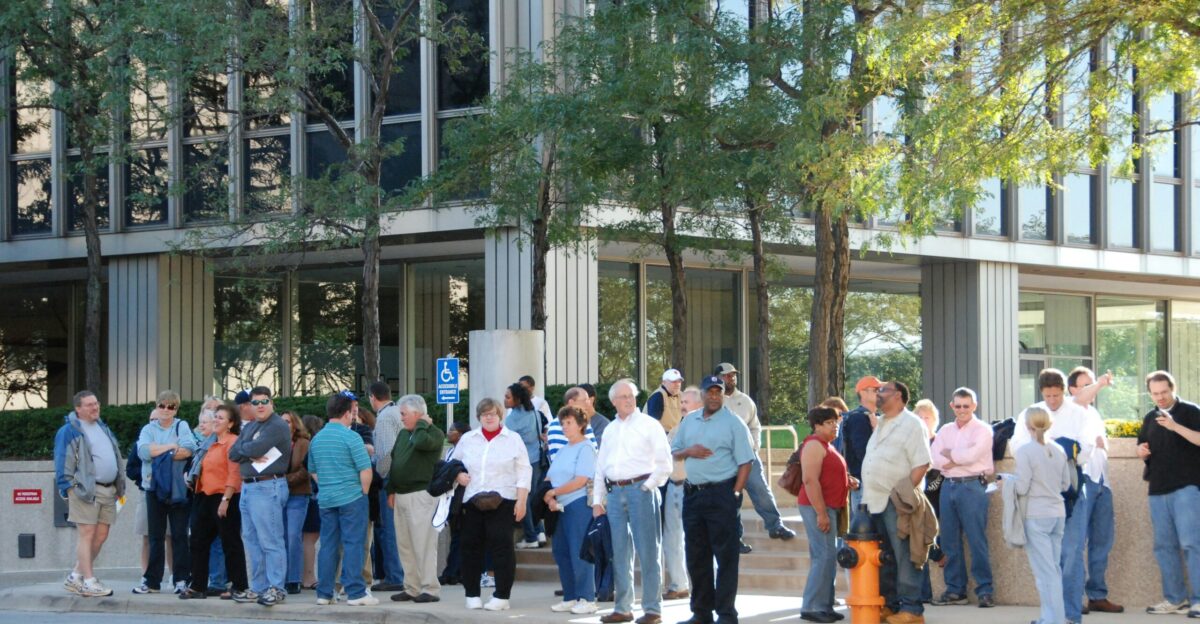
About 100 employees learned of their layoffs in a meeting one day before closures, coming weeks after the busy sales season and just before holidays.
Management acknowledged their loyalty, but the short notice left many scrambling for new jobs amid economic uncertainty. The human toll highlighted the precariousness of retail employment when financial distress strikes fast.
Local Retail Landscape Shifts
Southern California lost a key local appliance provider, opening gaps filled by big-box stores and online giants through promotions.
Smaller independents now confront fiercer competition, while suppliers and partners grapple with unpaid bills. National retailers stand to gain from redirected demand, particularly in value-oriented segments, reshaping community shopping habits and favoring scale over regional ties.
Broader Implications Unfold
Tariffs sparked policy discussions, with proponents defending domestic manufacturing gains and critics decrying retailer casualties in import-dependent areas. Manufacturers are diversifying supply chains to less-taxed regions, but transitions leave mid-sized firms exposed.
Affected customers should file bankruptcy claims promptly and check credit protections, while others compare prices on tariff-light products. Howard’s demise warns of risks for other legacy chains as trade policies, cost pressures, and cautious spending converge, testing adaptation in a consolidating market.
Sources:
- TWICE (Dec 2025): “Appliance Brand Shuts 17 Stores Overnight as Tariffs Hammer Decades-Old Chain” (Slide 1); additional coverage on customer impacts and closure ripples (Slides 3, 7).
- The Independent (Dec 2025): Coverage on tariffs, slumping sales, and employee layoffs (Slide 2, 4).
- Strata-gee (Dec 2025): Coverage on employee stories, layoffs, winners/losers, and future reckoning (Slides 4, 7, 11, 13, 15).
- OpenBrand (2025): Insights on rivals, inflation ripples, lifestyle shifts, and market winners (Slides 5, 9, 10, 13).
- eFulfillment Service (Apr 2025): “U.S. Tariffs Hit Appliance Imports from China, Asia” (Slide 6); tariff policy analysis (Slide 8, 12).