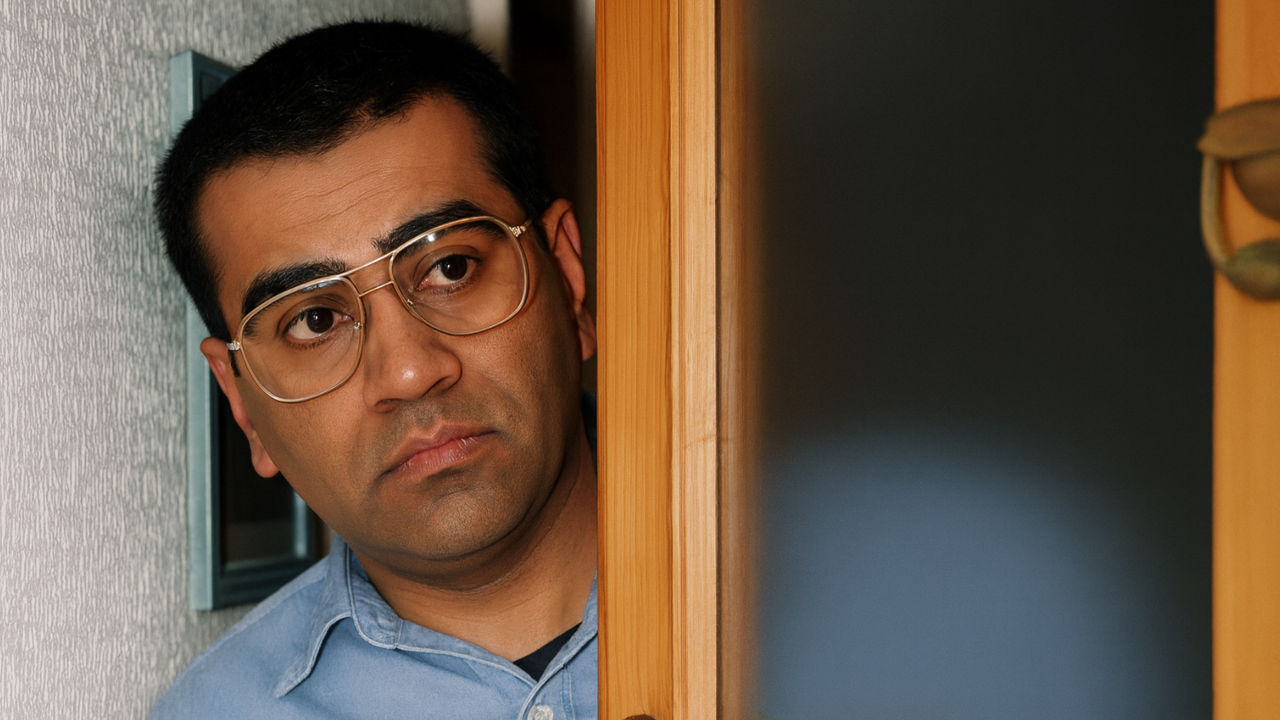
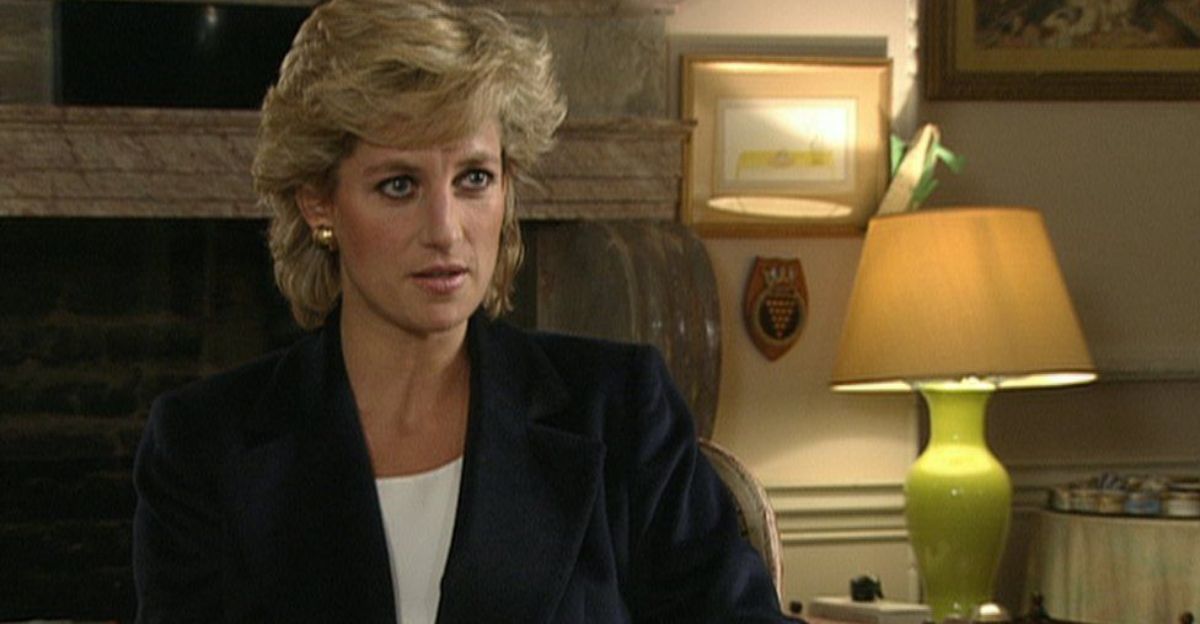
In November 1995, BBC journalist Martin Bashir secured what many consider the most significant television interview of the decade—a candid conversation with Princess Diana that would reach 23 million UK viewers and 200 million people worldwide. Yet investigations decades later revealed the interview rested on forged documents, institutional deception, and a systematic suppression of evidence that lasted 24 years. The scandal exposes how unchecked ambition and failed oversight can compromise journalistic integrity at the highest levels.
The Deception That Secured Access
Bashir’s path to Diana began with fabrication. In September 1995, he commissioned graphic designer Matt Wiessler to create false bank statements alleging that Diana’s aides were being paid to spy on her or betray her confidence. Bashir then presented these forgeries to Earl Spencer, Diana’s brother, amplifying her existing fears about surveillance and betrayal. The tactic worked. Diana agreed to the interview, believing her inner circle had turned against her.
On 20 May 2021, an official inquiry described Bashir’s conduct as “deceitful” and a “serious breach” of BBC guidelines. His fabrications planted seeds of paranoia about MI5, assassination plots, and institutional surveillance—fears that would fundamentally shape Diana’s subsequent decisions and personal security arrangements. Yet at the time, BBC leadership either ignored or actively concealed these methods.
Institutional Failures and Internal Suppression
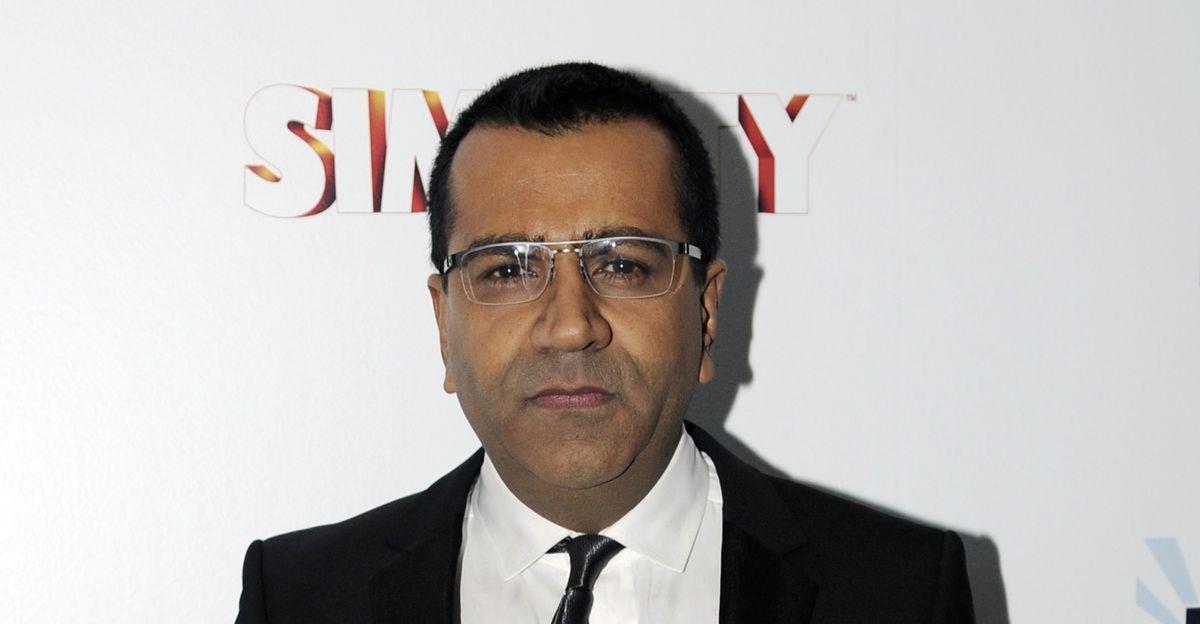
Tony Hall, then controller of BBC One, conducted an internal investigation in 1996 that cleared Bashir as “honest and honourable,” despite detailed warnings from senior staff members. Critical memos disappeared or were destroyed. Whistleblowers who raised concerns were systematically discredited, dismissed as “jealous colleagues,” and often forced from their careers.
Steve Hewlett, editor of Panorama, removed editorial firewalls specifically designed to prevent fraud, granting Bashir unchecked access to resources and decision-making. John Birt, the Director General, claimed ignorance of the scheme despite overseeing Panorama’s content. This cascade of institutional failures created conditions where deception could flourish unchecked for decades.
The Cost to Whistleblowers and Victims
Tom Mangold, Mark Killick, and Harry Dean warned BBC management about Bashir’s misconduct. Rather than investigation, they faced retaliation. Their careers were damaged, reputations questioned, and warnings ignored. Matt Wiessler, the designer forced to create the forgeries, experienced a home burglary in which evidence disks were stolen—an intimidation that ensured his silence for years.
Diana’s inner circle, including Patrick Jephson and Alexandra Pettifer, suffered reputational and financial harm from the false allegations. The royal family’s trust in the BBC was shattered. Across the UK, over 25 million households unknowingly funded this cover-up through license fees, while the broadcaster prioritized institutional reputation over truth.
The Long Road to Accountability
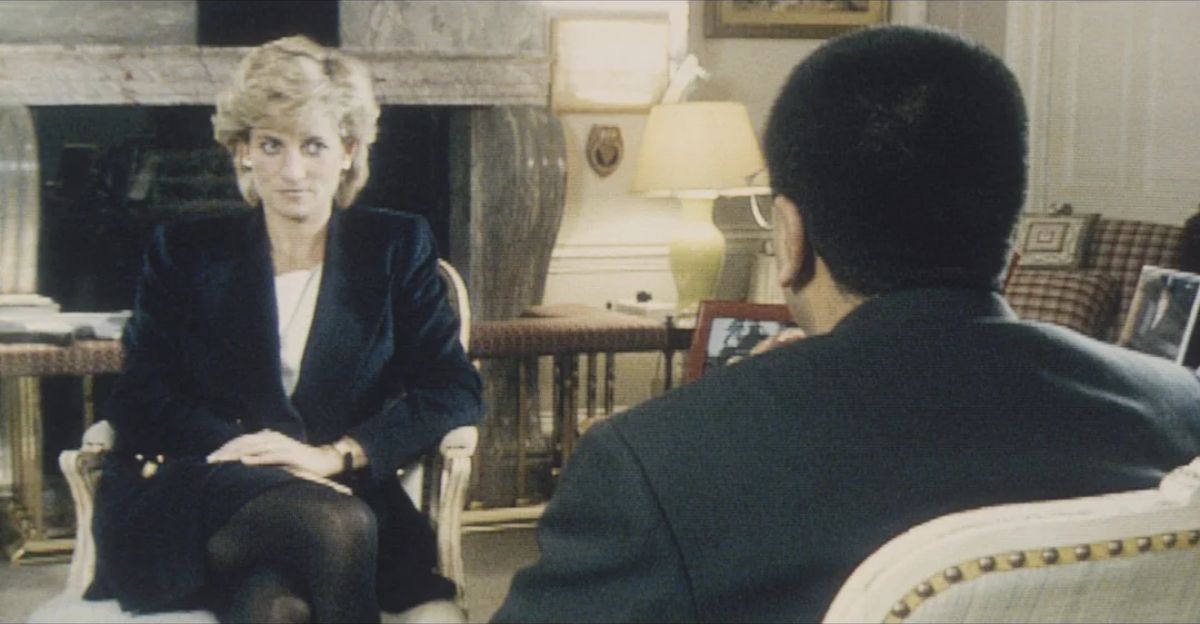
For 24 years, the BBC suppressed evidence and silenced critics. It took an ITV documentary in 2020 to reignite public scrutiny. The subsequent Dyson Report, released on 20 May 2021, concluded that the BBC fell short of “high standards of integrity and transparency” and had engaged in systematic covering up. The report validated decades of whistleblower claims and documented how leadership had prioritized reputation over ethical standards.
Between 2021 and 2025, the BBC paid over £2.7 million in settlements to victims and whistleblowers, including Wiessler, Jephson, and Killick. BBC Director General Tim Davie issued a “full and unconditional” apology and pledged never to rebroadcast the interview. Prince William stated that the BBC’s failures “contributed significantly to her fear, paranoia and isolation.”
Lessons for Institutional Integrity
The scandal reveals how concentrated editorial power without adequate checks enables misconduct. Bashir’s ambition to secure “the biggest scoop in the history of the corporation” overrode ethical boundaries. Institutional suppression of dissent created a culture where truth was subordinated to reputation management.
The case demonstrates that even trusted organizations require transparent oversight, robust protection for whistleblowers, and unwavering commitment to ethical standards. The decades-long delay in accountability underscores how institutional denial can compound initial wrongdoing. This scandal will endure as a cautionary tale about the human cost of journalistic deception and the necessity of institutional accountability.
Sources:
BBC, Dyson Report, 20 May 2021
Andy Webb, “Dianarama,” Penguin UK, 19 November 2025
Spectator, BBC internal reporting, 19 November 2025
Telegraph, BBC settlement coverage, 4 October 2022
Hello!, 19 November 2025