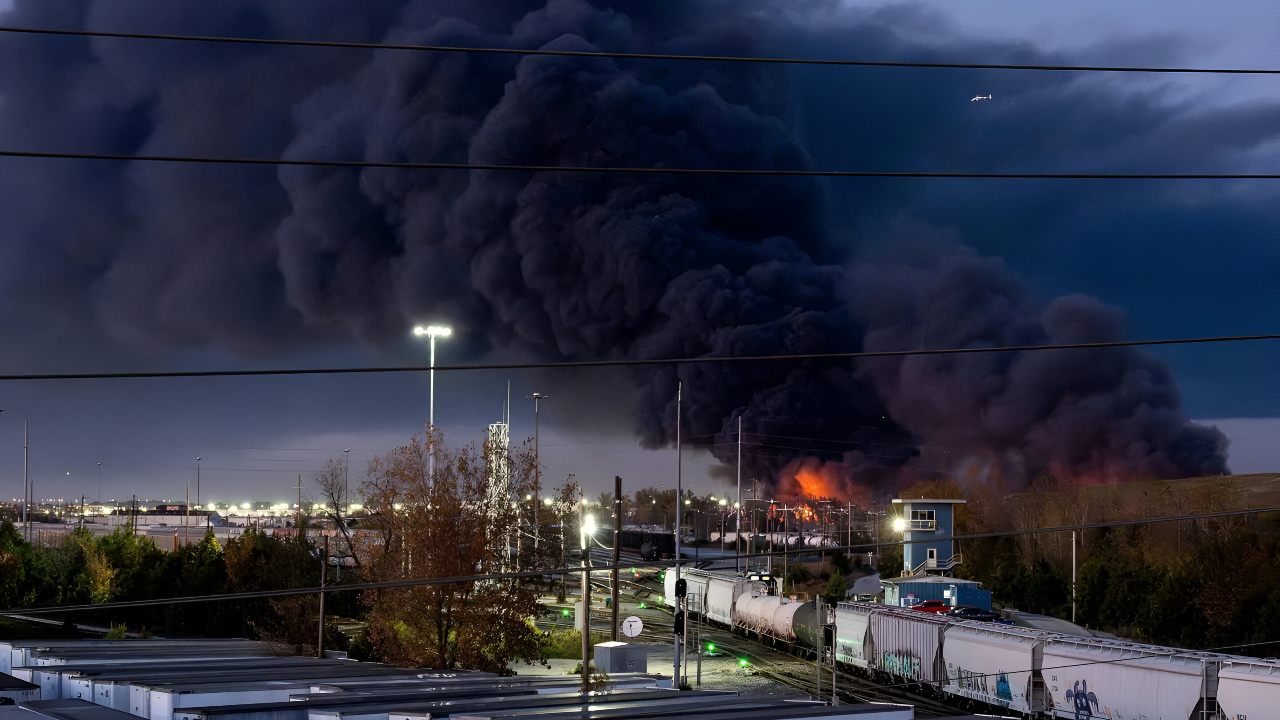
Flames licked skyward as a crippled MD-11 cargo jet thundered over Louisville, Kentucky—then vanished in a deafening fireball barely a hundred feet off the ground on November 4, 2025. It was supposed to be a routine twilight departure: loaded with holiday freight, crewed by three seasoned pilots, riding a plane freshly returned from repairs. But within seconds, everything unraveled.
A cockpit alarm blared. The left engine tore itself free. The aircraft tilted, shedding altitude and control, hurtling toward warehouses below.
Pilots Have Just 37 Seconds to Fight Back

A cockpit voice recorder captured the crisis at lightning speed. Just 37 seconds after takeoff thrust, a warning bell signaled catastrophe—the moment Captain Richard Wartenberg, First Officer Lee Truitt, and Captain Dana Diamond realized the MD-11 was dying.
NTSB member Todd Inman confirmed the crew fought for control, but past the critical takeoff speed—V1—there was no going back. The recording continued for only 25 seconds more before it ended at impact.
The Pylon Failure That Shocked Investigators
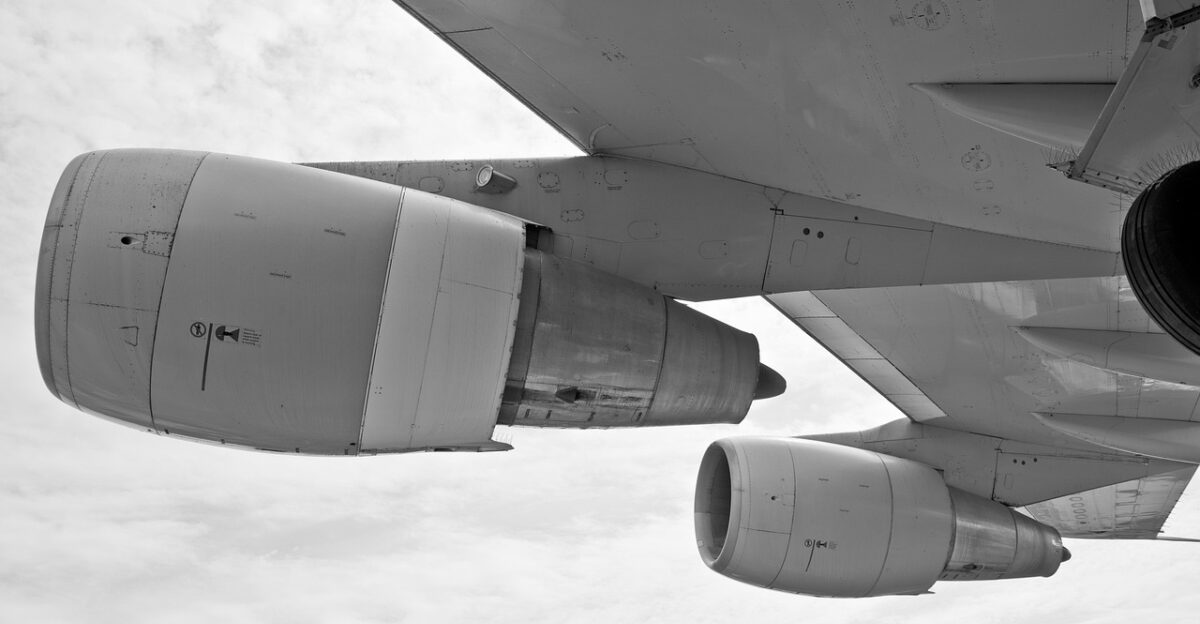
Video footage captured the aircraft’s left wing engulfed in flames while the number one engine detached from its mount. The engine pylon—the structural element connecting the engine to the wing—remained attached to the engine at separation.
For a triple-engine aircraft designed to operate with two engines, losing the number one during takeoff created an unrecoverable imbalance, compounded by catastrophic fire.
Buildings Destroyed, Employees Forced to Jump From Windows

The crash path extended approximately 2,800 feet through an industrial area. The aircraft struck a UPS Supply Chain warehouse, leaving a 295-foot gash in the roof. Grade A Auto Parts suffered catastrophic damage; owner Sean Garber reported four of his company’s 18 buildings were destroyed, forcing people to leap from windows as fires raged.
The death toll: all three pilots plus at least 11 people on the ground—the deadliest UPS crash since 2013.
Plane Just Out of Major Repairs Crashes 17 Days Later
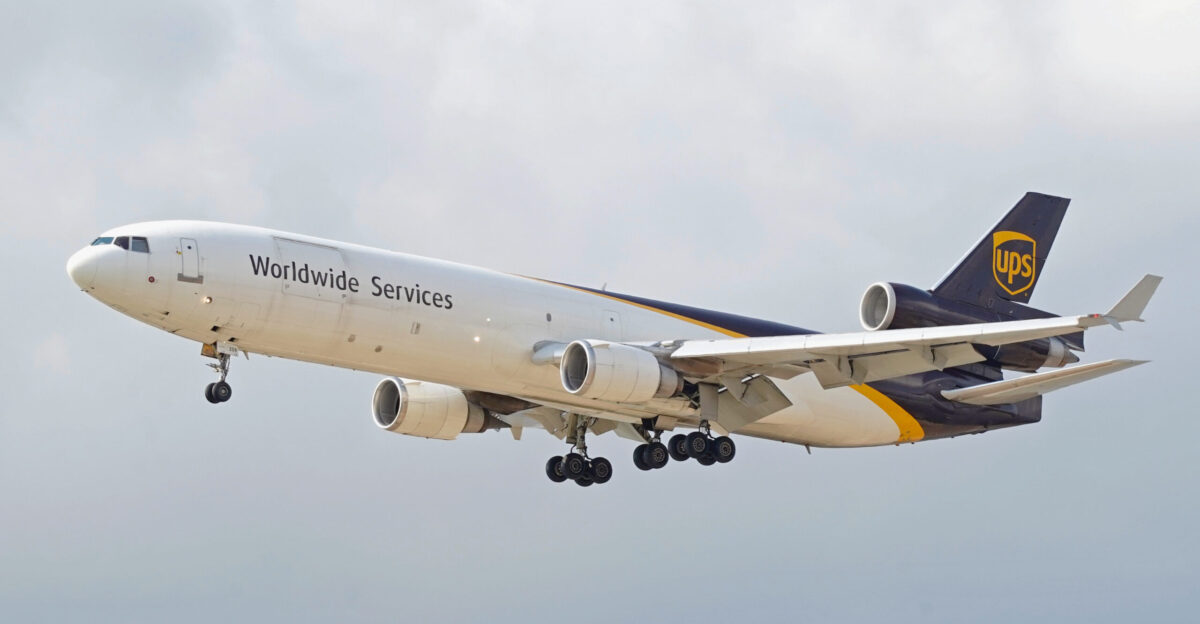
The crashed aircraft, N259UP, was manufactured in 1991, making it 34 years old. While elderly by passenger standards, cargo planes routinely operate into their third and fourth decades. Just weeks before the crash, mechanics spent 46 days performing structural repairs in San Antonio from September 3 through October 18, 2025.
FAA documentation indicates that crews discovered cracks, corrosion, and a fuel tank fissure that required repair. After returning to service on October 18, the plane completed 28 flights before crashing on November 4—just 17 days later.
50 Planes Grounded in 4 Days
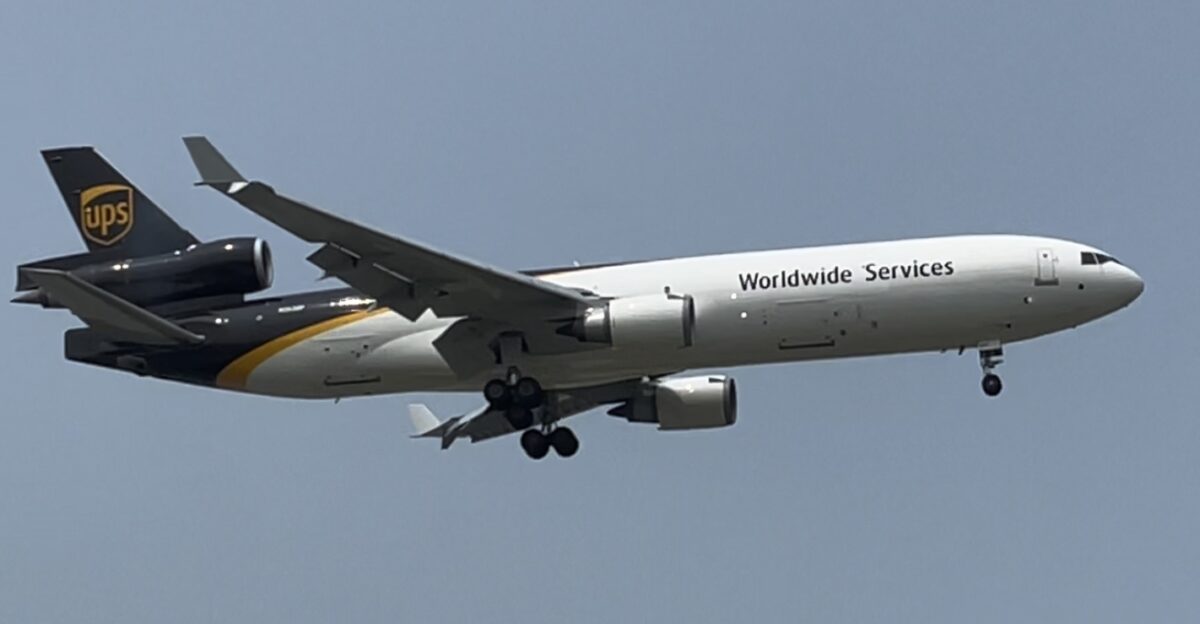
Boeing, which acquired the MD-11 program through its 1997 merger with McDonnell Douglas, moved quickly after the crash. The manufacturer recommended that all three MD-11 operators suspend flight operations “out of an abundance of caution,” suggesting a potential systemic concern rather than an isolated incident.
On Friday, November 8, UPS immediately grounded its entire MD-11 fleet of 27 aircraft, which represents 9% of its total fleet. FedEx followed suit on Saturday, grounding its 28 MD-11s, which account for roughly 4% of FedEx’s 700-aircraft fleet.
55 Cargo Planes Out of Service
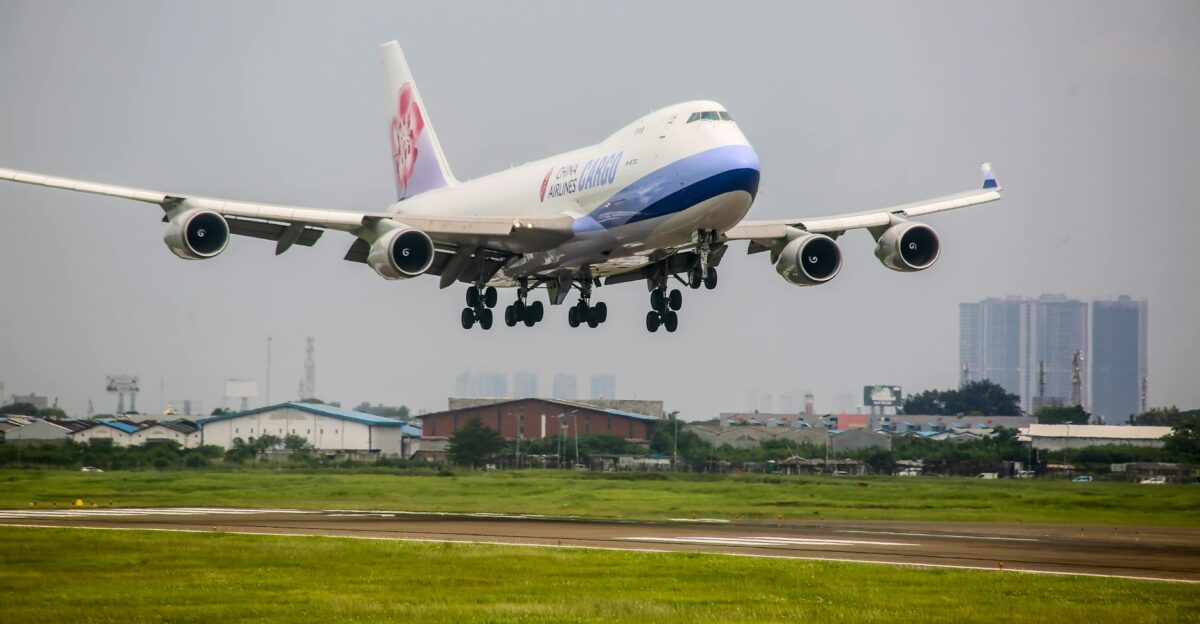
Combined, the carriers grounded more than 50 MD-11 aircraft—an extensive grounding of a single cargo aircraft. “Nothing is more important to us than the safety of our employees and the communities we serve,” UPS stated.
FedEx indicated it was “immediately implementing contingency plans within our integrated air-ground network to minimize disruptions.” Western Global Airlines remained the only other U.S. operator of MD-11s still flying, with 12 of its 16 aircraft in storage.
Louisville’s World-Beating Hub Suddenly Loses 9% of Its Power
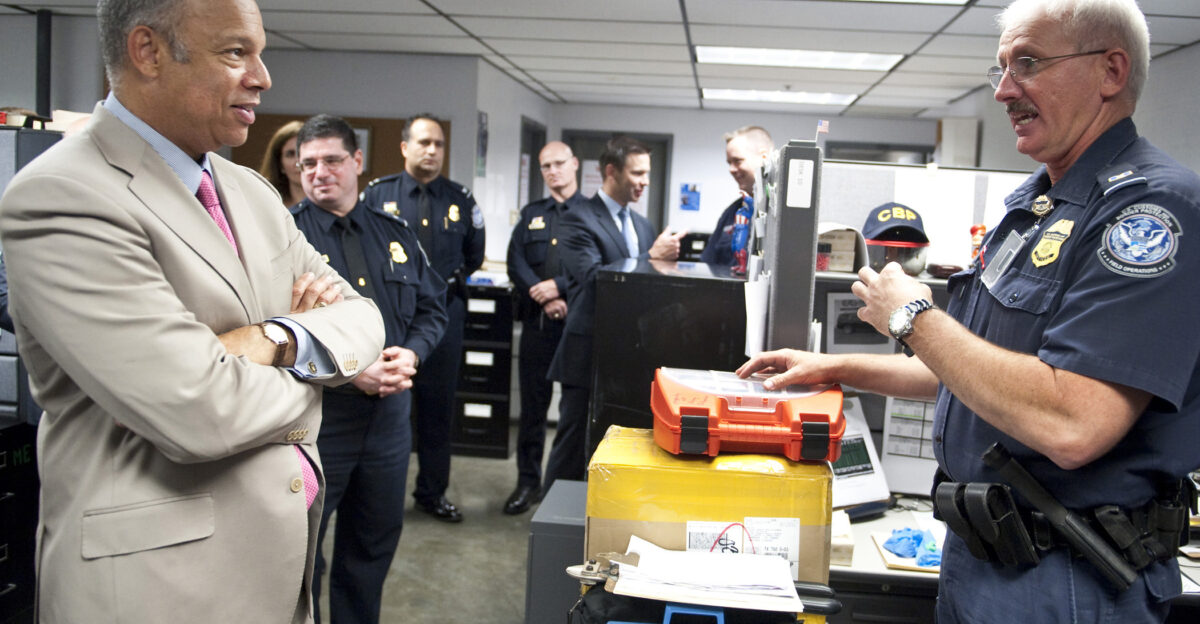
Worldport, UPS’s Louisville hub, processes approximately two million packages daily with more than 300 flights operating from the facility. Located within four hours of flight time to most of the U.S. population, the hub serves as the critical chokepoint for time-sensitive shipments.
With nearly one-tenth of its cargo fleet grounded weeks before Black Friday and Cyber Monday, UPS faced cascading operational challenges during the peak holiday season.
Supply Chain Braces for Shipping Disaster

Supply chain experts projected 2.3 billion packages would move during the 2025 holiday season—the largest volume since 2022. University of Tennessee professor Tom Goldsby noted UPS would need to increase flights through regional hubs while Louisville Worldport recovered.
The grounding of 50 cargo aircraft during peak demand meant millions of packages could face significant delays at the worst possible moment for retailers and consumers.
Regional Hubs Overwhelmed During Holiday Rush

With 9% of UPS’s fleet grounded, the company’s capacity to deliver the roughly 24 million packages it typically handles daily came under immediate pressure. FedEx’s grounding similarly reduced capacity at a critical time. Academic researchers and supply chain professionals received notices that packages routed through Louisville would experience delays.
Supply chain experts predict that the impact would ease if the grounding were to remain brief, although the early-November elimination of buffer capacity threatens peak-season deliveries.
Defunct Aircraft Line Haunts Modern Logistics
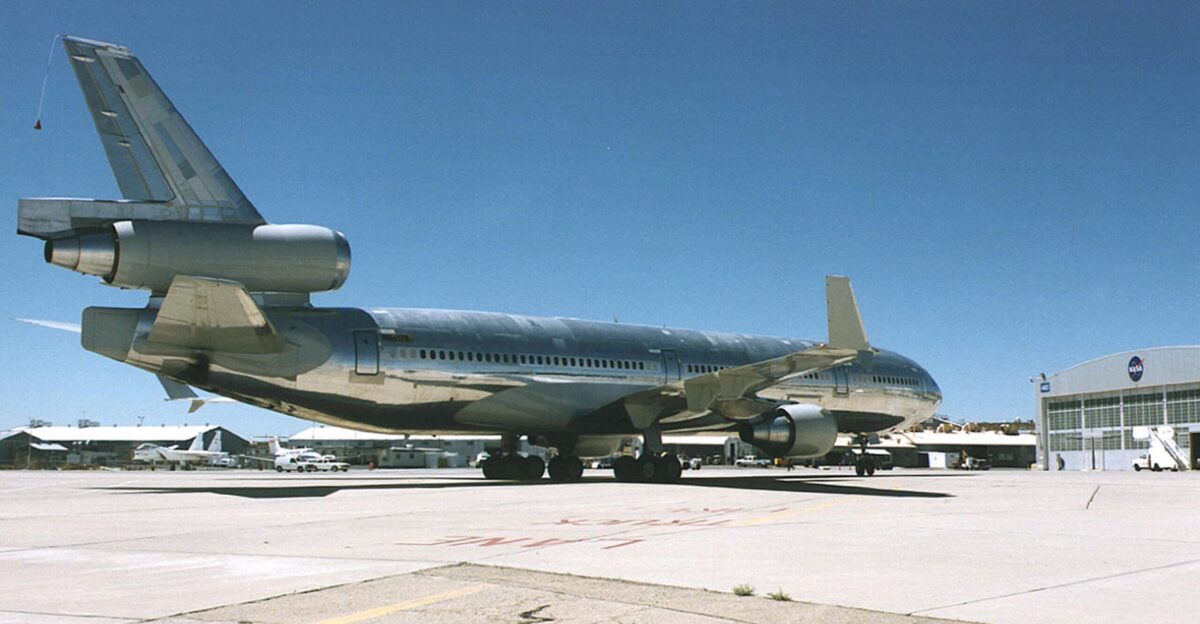
The MD-11 program emerged from McDonnell Douglas as a competitor to Boeing’s 767 and 777, designed as a longer-range, triple-engine freighter. When Boeing acquired McDonnell Douglas in 1997, it inherited the program but quickly terminated it after fulfilling outstanding orders.
Production ended in 2000, with only about 200 MD-11s ever manufactured. By 2025, the MD-11 fleet consisted primarily of aging cargo conversions serving the world’s busiest shipping routes.
Design Flaw or Isolated Incident?
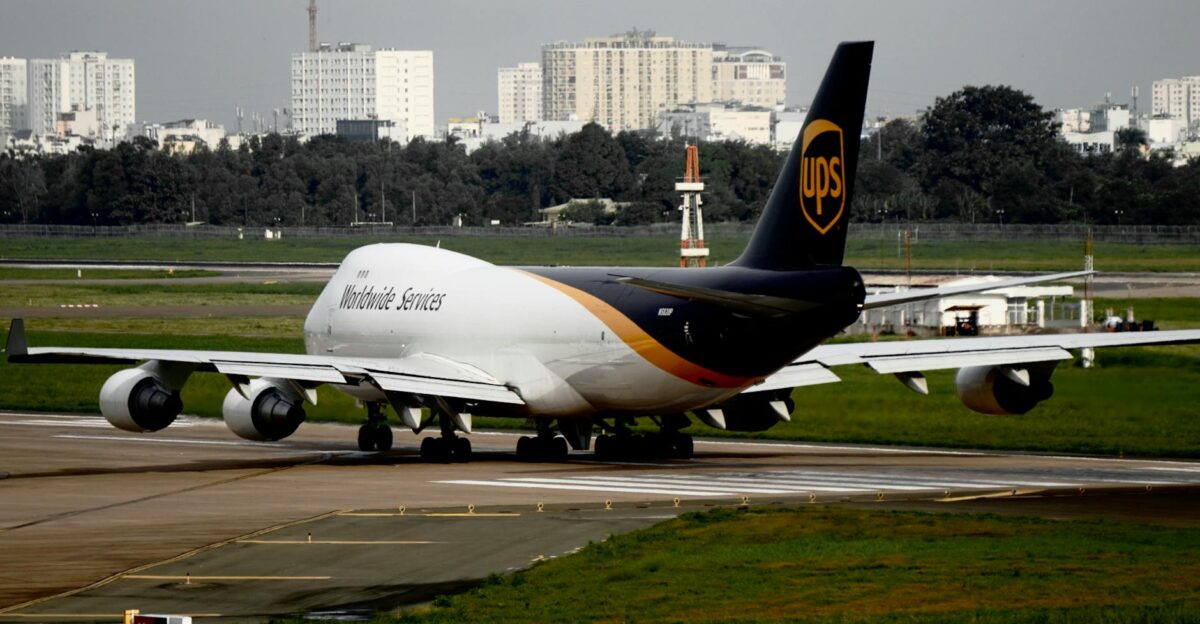
The simultaneous grounding of 50+ MD-11 aircraft signaled potential systemic concerns affecting the entire remaining fleet worldwide. Boeing’s recommendation to “the three operators” suggested the investigation touched on a fundamental design or structural problem.
The outcome would determine whether the grounding became temporary or permanent, reshaping cargo aviation for the remainder of the decade.
NTSB Hunts for Answers
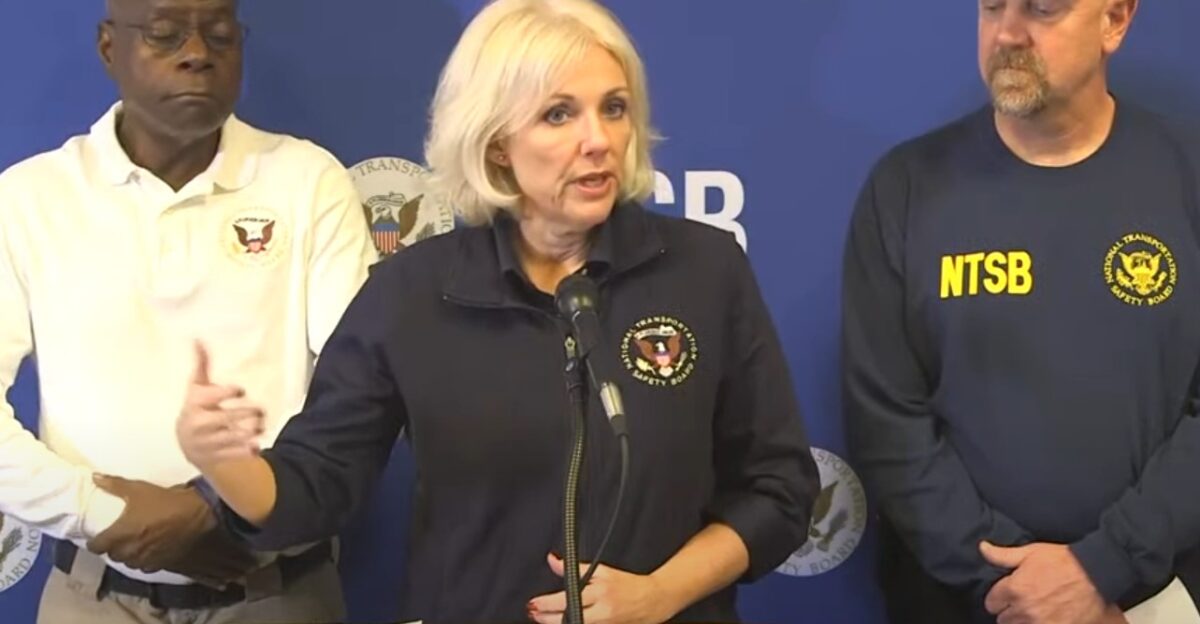
The NTSB assumed lead investigative authority, with member Todd Inman providing preliminary findings during a November 7 briefing. Investigators recovered the cockpit voice recorder and the flight data recorder, which contain crucial audio and performance data. A full transcript would not be publicly available for several months, allowing time to analyze technical findings.
The inquiry would focus on the engine pylon structure, maintenance work during the September-October repair period, and whether design factors contributed to engine separation.
Can UPS and FedEx Reroute Millions of Packages Before the Holiday Surge?

The crash claimed 14 lives, destroyed buildings, forced the temporary suspension of one of the world’s busiest cargo hubs, and grounded more than 50 aircraft. Contingency plans and regional hubs would bear the weight of global commerce as investigators determined whether the MD-11 grounding was temporary or terminal.
Millions of packages wait in anxious limbo for answers about design vulnerabilities and the future of aging cargo fleets worldwide.