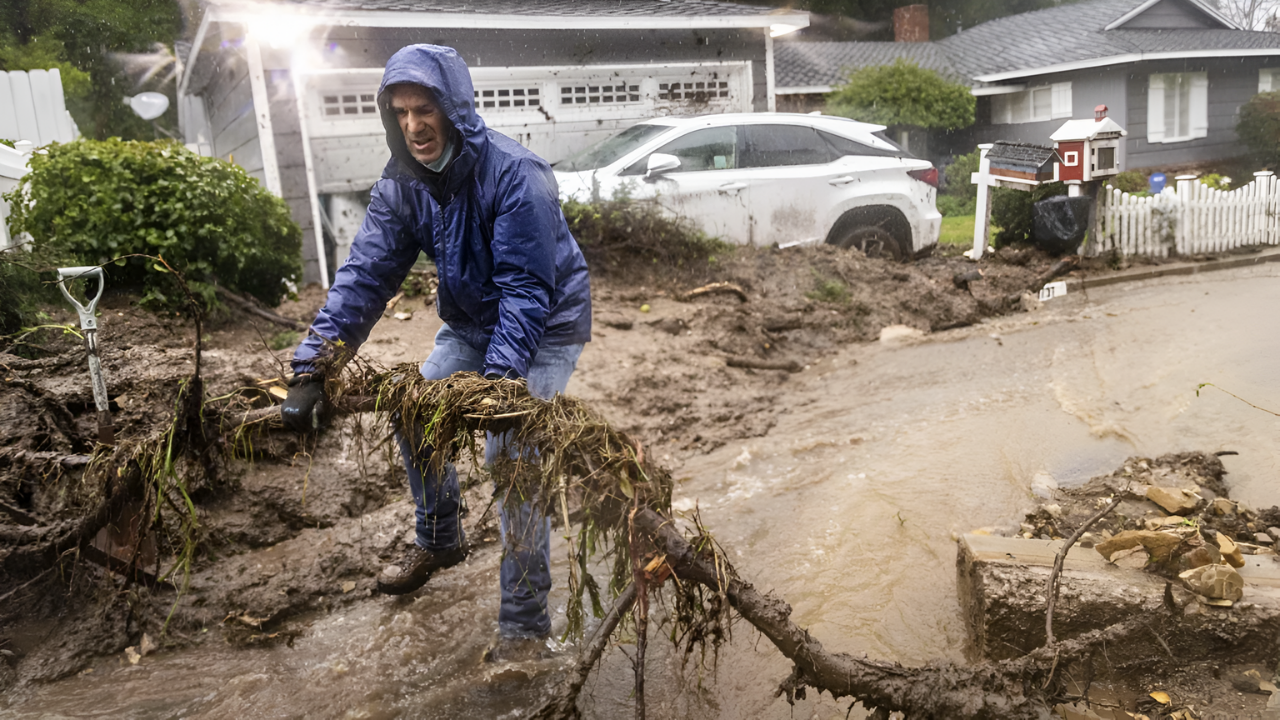
On November 15-16, 2025, Southern California was hit by a mighty atmospheric river, resulting in one of the deadliest storms in recent history. Six lives were lost, and over 20 million residents found themselves under urgent flood watches.
The tempest unleashed up to seven inches of rain, particularly devastating in Ventura County, while coastal areas suffered from waves reaching heights of 15 to 20 feet. As the storm escalated on November 18, rescue operations faced increasing challenges due to worsening conditions, revealing the storm’s catastrophic impact on the region.
Conditions That Led to Disaster

Understanding the storm’s intensity underscores the severe climate conditions that are exacerbating this crisis. A mighty atmospheric river collided with burn scars from recent wildfires, creating a perilous landscape. The National Weather Service explained that charred soil repels water, converting hills into flash-flood zones.
With ongoing drought conditions, the drainage systems were ill-equipped to handle such downpours, and the area faced a perfect storm of danger, exemplifying the need for more resilient infrastructure against climate extremes.
Mass Evacuations and Community Impact

In the wake of the storm, thousands of families were compelled to evacuate from flood-prone and mudslide-risk areas across Los Angeles, Ventura, and Orange counties. Governor Gavin Newsom mobilized emergency crews to pre-emptively address the crisis, ensuring resources were ready in Riverside, San Bernardino, Ventura, and Los Angeles counties.
Shelters opened across multiple cities, providing refuge to those abandoning homes near swollen creeks and compromised hillsides, highlighting the resilience and determination of affected communities.
Utilities Struggling with Power Outages

The storm wreaked havoc on utility services, resulting in widespread power outages that left tens of thousands of people without power. High winds toppled trees and power lines, forcing Southern California Edison and other utility providers to deploy emergency crews for restoration efforts.
However, they cautioned that complete restoration might take days. As a second storm loomed on November 18, concerns grew regarding heating needs in the mountainous areas, which were experiencing a significant drop in temperatures.
Insurance Industry Faces Major Claims

Initial estimates indicate that insured losses from the storm could exceed $500 million, primarily due to flood damage, property destruction, and vehicle losses. This catastrophe follows California’s devastating storms in 2022-2023, which resulted in approximately $3 billion in losses.
Insurance analysts cautioned that homeowners in burn-scarred areas may encounter coverage gaps regarding mudslide damage, highlighting the ongoing challenges facing the insurance sector in the context of rising climate-related disasters.
Migrant Tragedy Amid the Storm

The storm’s impact reached beyond land as a tragic incident unfolded at sea. A suspected migrant vessel capsized near San Diego, leading to four confirmed deaths.
The U.S. Coast Guard successfully rescued four individuals, transferring one to the Department of Homeland Security for further assistance. Coast Guard Captain Robert Tucker emphasized the perilous reality of attempting maritime crossings in unsafe, overloaded vessels amid hazardous weather, highlighting the broader implications of the storm.
Loss of Life and Acts of Heroism
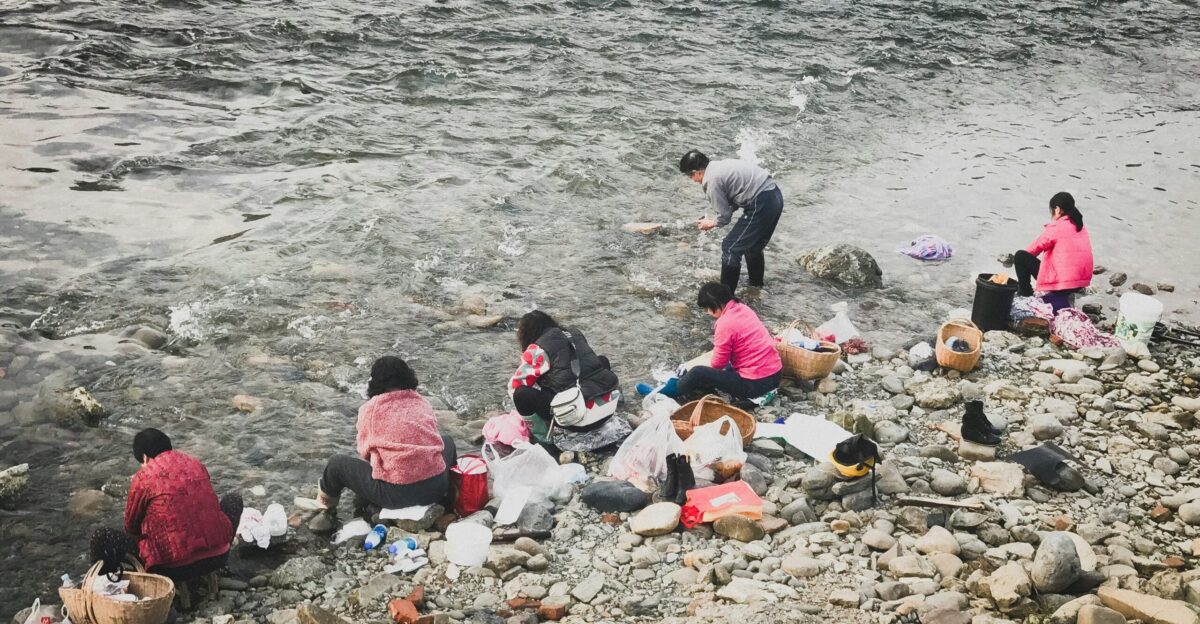
In a heart-wrenching account, Yuji Hu, a 39-year-old Canadian visitor, drowned while trying to rescue his five-year-old daughter from towering waves in Monterey County. Tragically, the girl remains missing, with search efforts complicated by extreme conditions.
Additionally, a 71-year-old man died when his vehicle was swept from a flooded bridge. These stories reflect the storm’s human toll, underscoring the dangers that severe weather poses to individuals and families alike.
State Emergency Response
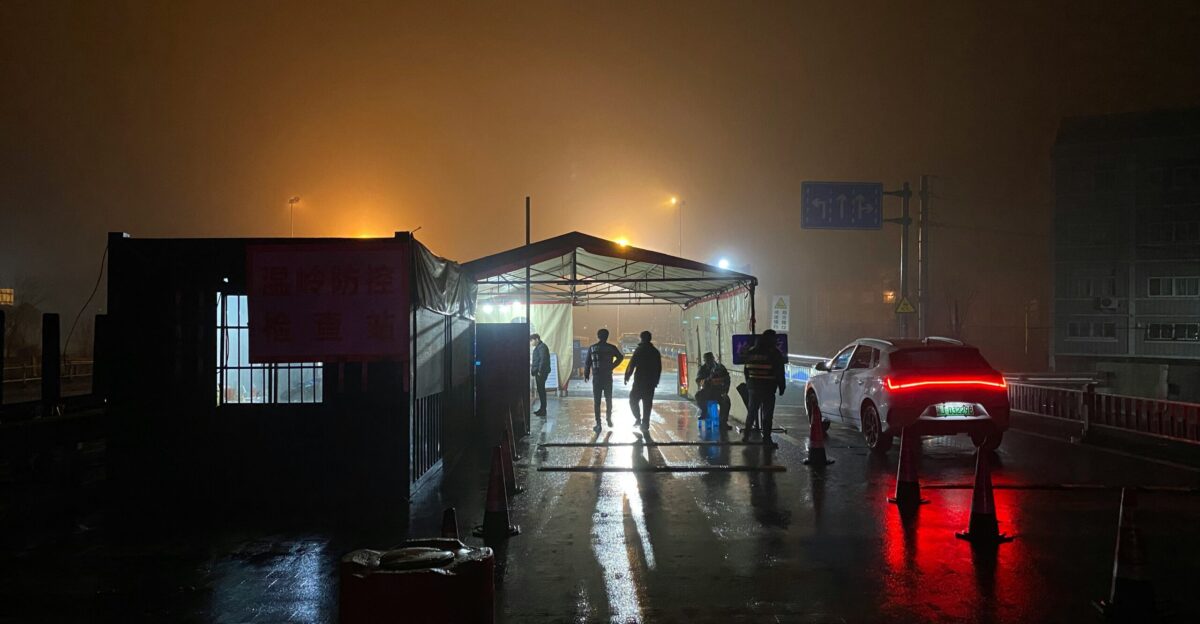
In response to the escalating crisis, the California Governor’s Office of Emergency Services coordinated a multi-agency approach across seven counties. Governor Newsom’s strategy, informed by lessons learned from previous storms, saw the pre-deployment of equipment and personnel to ensure swift response capabilities.
As officials warned that confirming the full death toll could take a week or more due to inaccessibility in remote areas, the need for proactive disaster management became crystal clear.
Economic Ramifications for Farmers

The storm’s impacts extended into agriculture, with Ventura County’s vital $2 billion agricultural sector enduring significant flooding in its low-lying fields. Farmers faced crop losses and delayed harvests due to saturated soil that impeded access to their farmlands.
The timing of this devastation raised concerns about Thanksgiving supply chain disruptions, particularly regarding fresh produce prices, underscoring the interconnections between weather events and economic stability.
Public Health Risks Emerged

Health officials swiftly warned of the dangers associated with floodwaters contaminated with sewage, chemicals, and debris. The Los Angeles County Department of Public Health issued advisories against entering ocean waters near storm drains for at least three days post-storm.
Hospitals prepared for a potential influx of cases related to respiratory infections and waterborne illnesses, which typically spike following flooding events, emphasizing the need for public vigilance.
Community Resilience in Crisis

Amid the devastation, communities showcased remarkable resilience. Residents evacuated and offered support to neighbors in need, demonstrating the spirit of solidarity.
Local organizer Maria Lopez stated, “In times like this, we come together; our community’s strength is in our unity.” Through shared experiences and collective action, Southern California is finding ways to cope, rebuild, and emerge stronger in the face of adversity.
Preparing for Future Weather Events
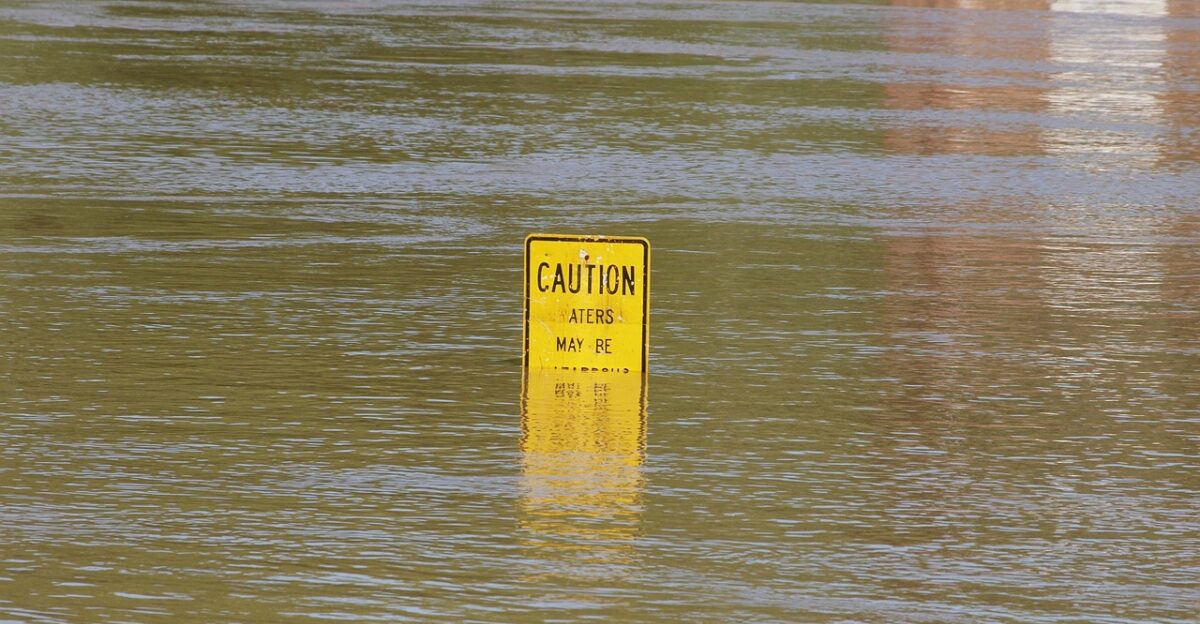
This storm has prompted California to reevaluate its preparedness for severe weather events. Experts emphasize the need for infrastructure enhancements and improved emergency management strategies to mitigate the growing frequency of climate-related disasters.
As we absorb the lessons from this catastrophic storm, implementing proactive measures is essential to safeguard vulnerable communities in the face of future atmospheric rivers.
Emergency Services Under Pressure
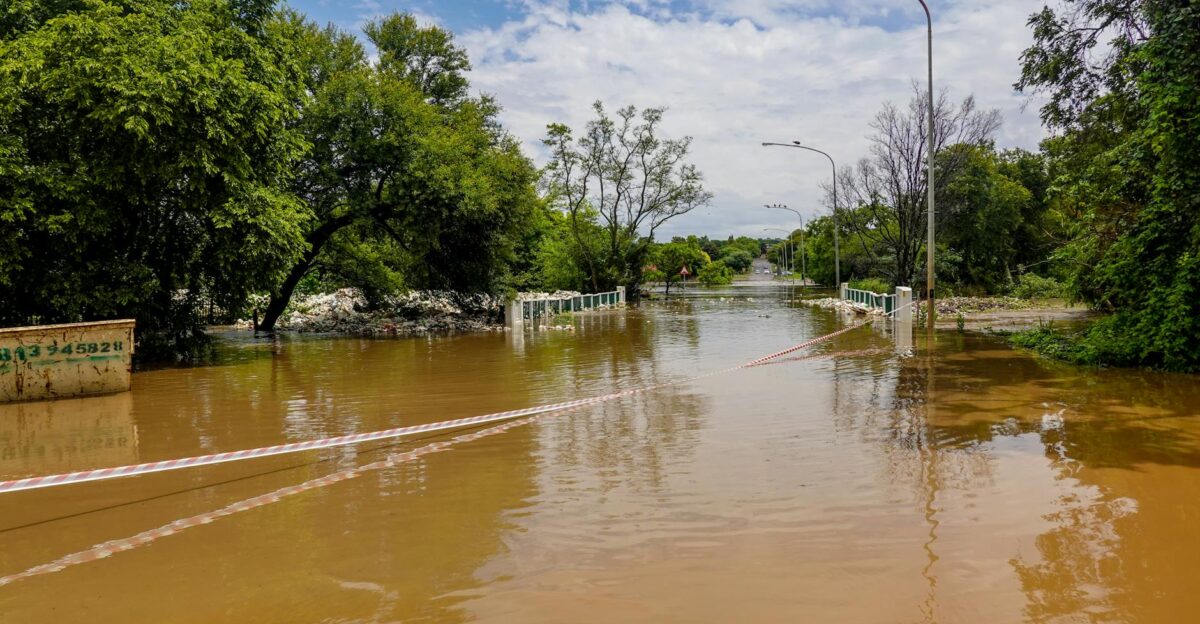
The storm posed a significant challenge to emergency responders, who faced treacherous conditions while conducting rescues. Fire Chief Eduardo Garcia stated, “Our resources are stretched thin as we work around the clock to keep our communities safe.”
As responders deftly navigated washed-out roads and hazardous environments, their unwavering dedication became a vital lifeline for those in peril, underscoring the essential role of emergency services during disasters.
Climate Change and Its Long-term Effects

This storm serves as a pressing reminder of the impact of climate change on California’s weather patterns. Experts predict that the frequency and severity of atmospheric rivers will continue to rise, requiring urgent and coordinated efforts for climate mitigation and adaptation.
Addressing these changes will be crucial for building resilience against future storms and protecting both communities and ecosystems throughout the state.
A Call for Recovery and Reform

As Southern California faces the aftermath of this devastating storm, the need for comprehensive recovery plans and reforms has never been more crucial.
By learning from this event, communities, policymakers, and organizations can work together to implement strategic measures that enhance resilience and preparedness. With collective action, Southern California can pave the way for a safer future, equipped to handle the challenges posed by climate change.