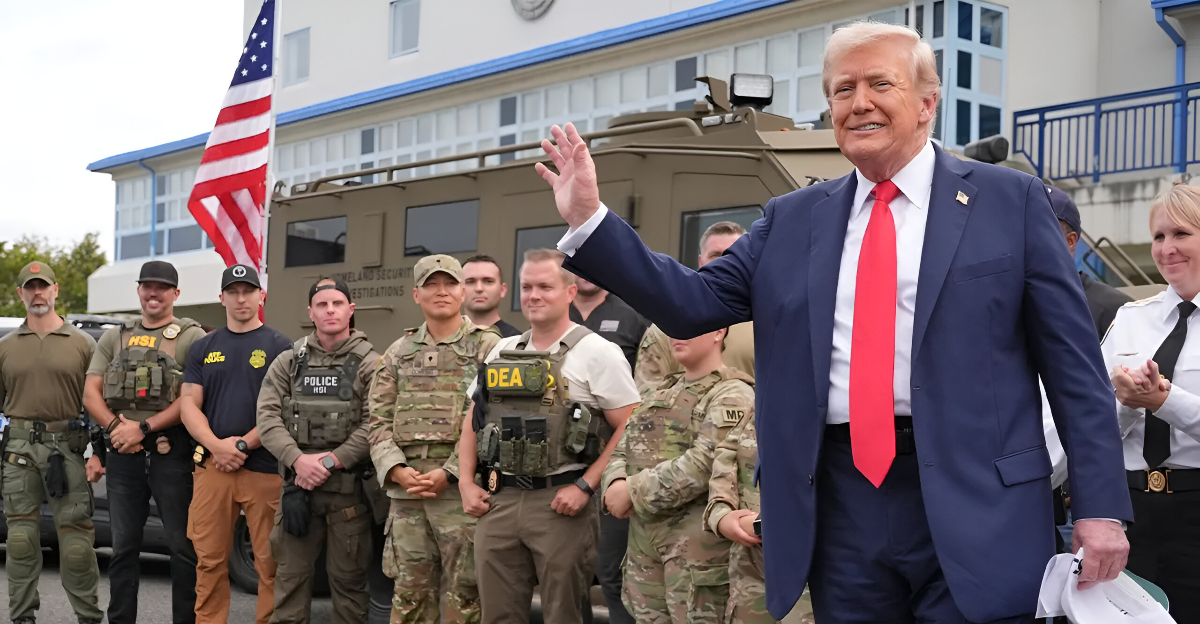
Washington, DC has initiated a major lawsuit against Donald Trump, challenging his decision to deploy over 2,200 National Guard troops to the city. The legal action centers on alleged violations of federal law and constitutional protections for DC’s limited home rule.
City leaders say the deployment constitutes a “military occupation” and sets a dangerous precedent for federal intervention in local governance. Trump’s move reopens longstanding debates about the District’s lack of full autonomy and sparks controversy among civil rights groups, local officials, and legal scholars.
As the court battle intensifies, the nation watches how this historic confrontation unfolds.
Federal Troop Presence Sparks Outcry in Capital
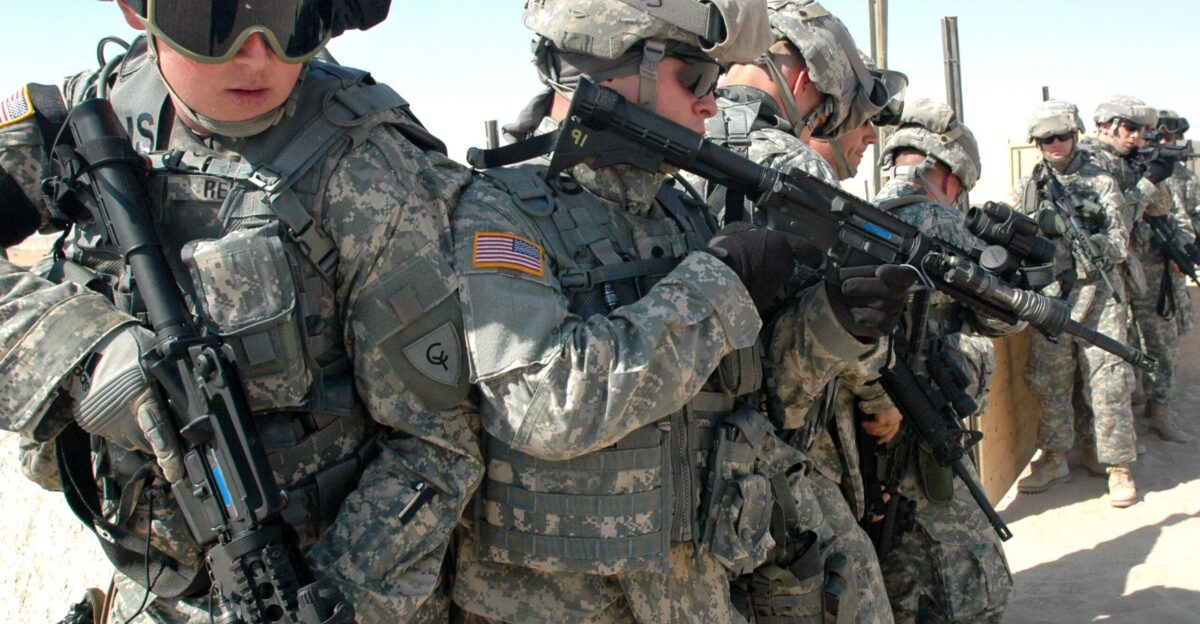
Armed National Guard troops arrived in force throughout DC in August 2025, following an emergency order from Trump’s administration. Residents and businesses have reported increased patrols, roadside checkpoints, and disruptions near government buildings.
The city’s mayor and council have denounced the deployment as “unwelcome” and “damaging” to civil society. News cameras captured scenes of Guardsmen conducting “presence patrols” and setting barricades in tourist districts, creating anxieties about the militarization of public safety.
Legal Grounds for DC’s Lawsuit
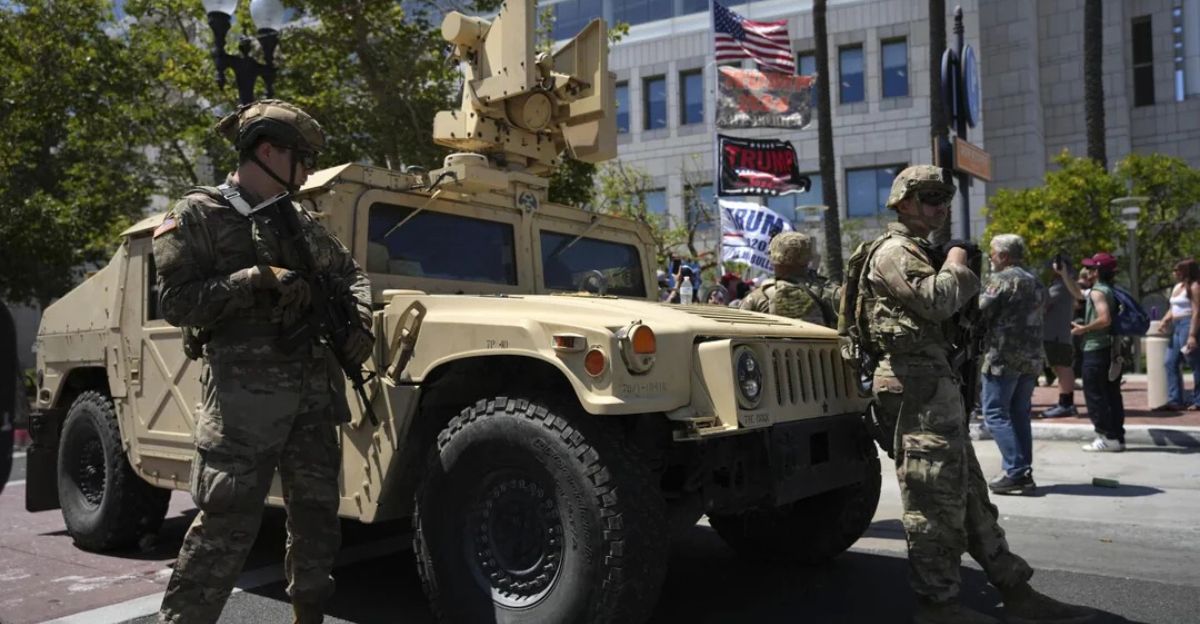
DC’s federal complaint centers on the Posse Comitatus Act, a longstanding federal law that generally prohibits domestic military involvement in civilian law enforcement without explicit congressional approval.
The suit claims that Trump’s deployment oversteps presidential authority and violates the Posse Comitatus Act and the Home Rule Act, which protects limited local autonomy. The Attorney General’s filing calls for the immediate withdrawal of the Guard and a permanent injunction against future deployments without city consent.
Legal experts say the suit could set a pivotal precedent for civilian control over military resources in U.S. cities.
Mayor Bowser’s Challenge to Federal Power
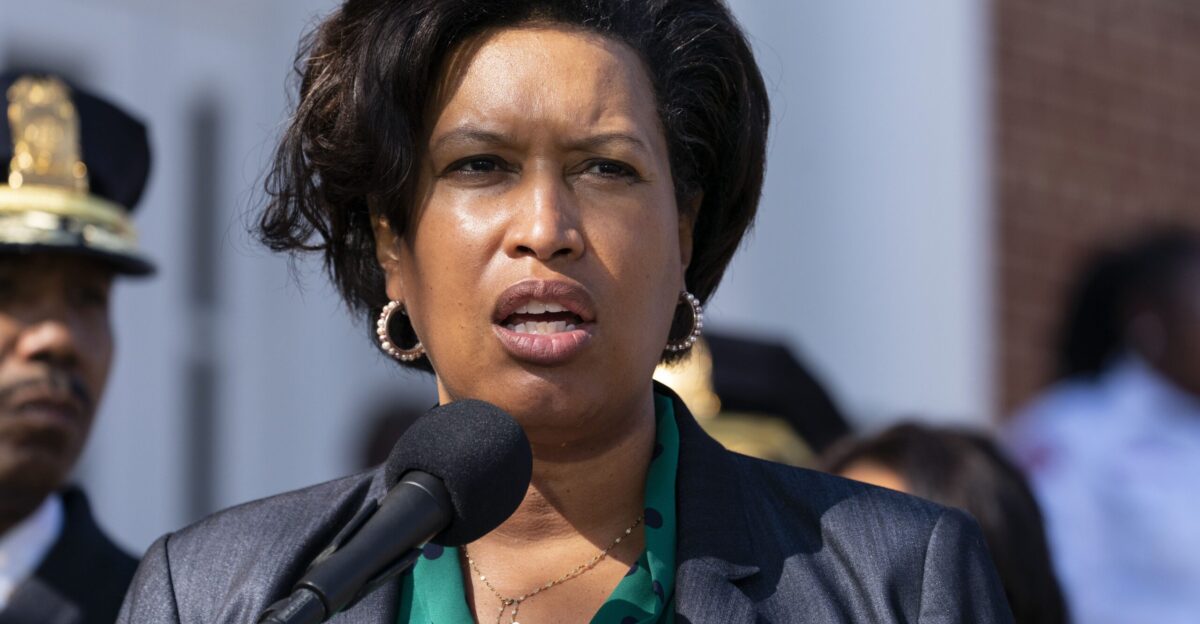
Washington Mayor Muriel Bowser has emerged as a leading voice against the presence of the National Guard. She emphasizes DC’s declining crime rate—robbery rates have dropped by 28%, and violent crime by 26% in 2025 compared to the previous year. Bowser contends the deployment damages business, erodes tourism, and jeopardizes the city’s stability.
In media interviews and public statements, she highlights that local officials were not consulted and calls for robust self-governance in the face of federal pressure. Her stance resonates with residents who feel excluded from the city’s safety and reputation decisions.
Trump’s Defense – Public Safety at Issue
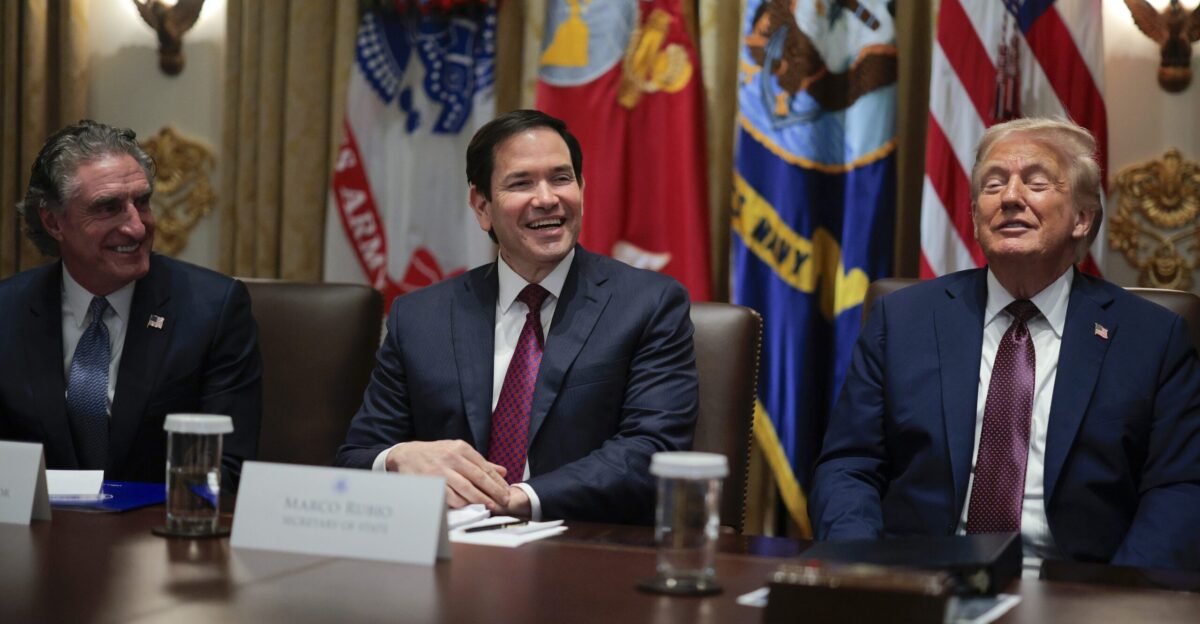
Trump administration officials insist the President acted within legal bounds by declaring a public safety emergency. They argue that the Guard was deployed to safeguard federal assets and support law enforcement amid increased unrest. They dispute DC’s allegations of legal overreach, stating that the city’s proximity to key federal buildings and national security interests justifies extraordinary measures.
Spokespersons repeat that the troop surge is temporary, emphasizing a commitment to restoring calm and order. The administration has rejected calls for immediate withdrawal, promising to review the deployment monthly instead.
Republican Governors Join the Effort
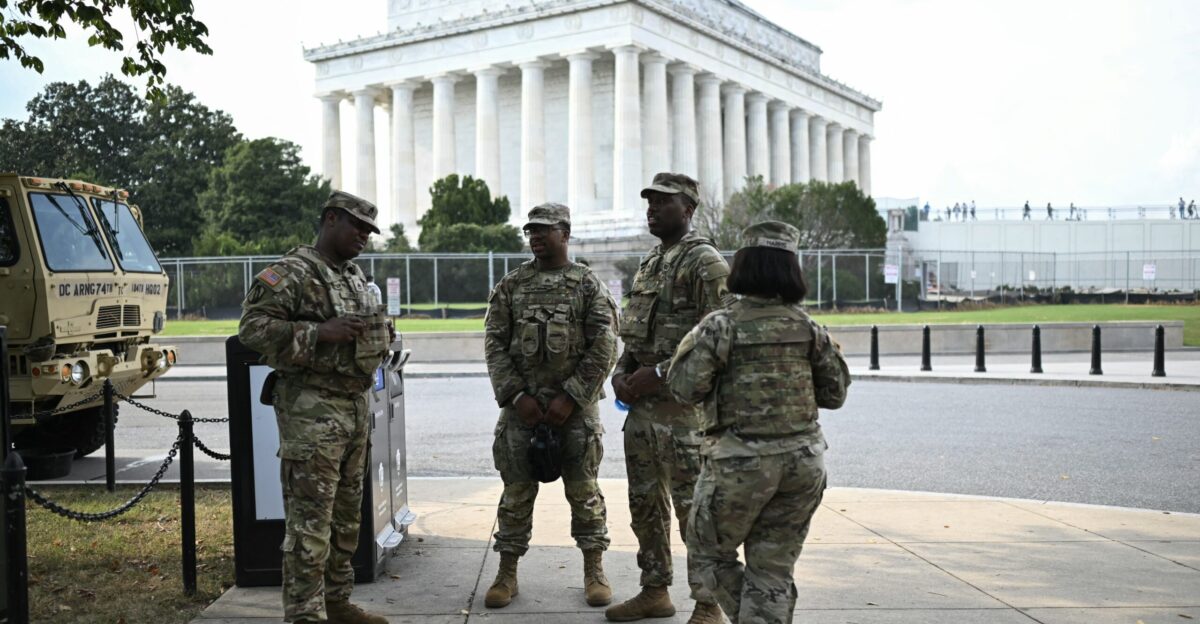
More than seven Republican governors have joined Trump’s campaign to increase the presence of the Guard in DC, sending additional troops from their respective states. This coordinated effort marks an unprecedented mobilization that many experts say could redefine federal-state relations regarding the military’s domestic role.
The governors supporting the deployment cite concerns about national security and urban violence. However, critics see political motivations and question the necessity of such force, given Washington’s crime levels. The episode fuels debate over state cooperation in federally directed law enforcement actions.
Economic and Social Fallout from Military Patrols
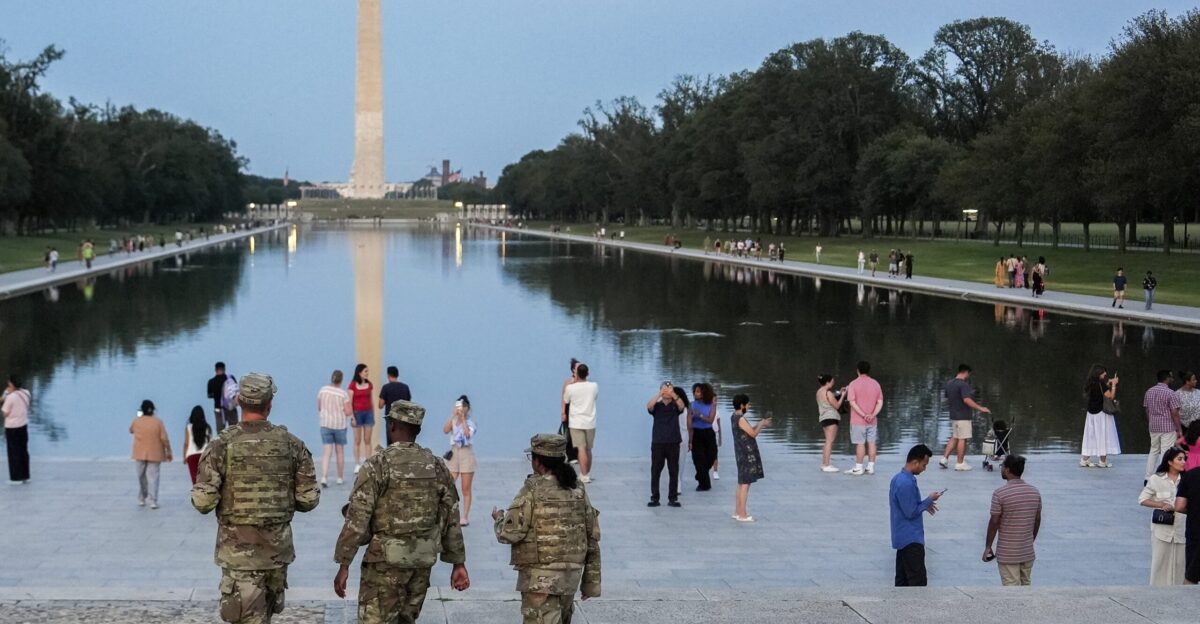
Business leaders and residents have voiced worries over tourism declines, economic losses, and disruptions to daily life resulting from ongoing National Guard patrols. Many report fewer customers and heightened anxieties due to increased checkpoints and visible military presence.
Some local merchants fear the situation could negatively affect Washington’s tax base and long-term appeal as a destination. The city’s legal complaint explicitly alleges economic harm, arguing that federal actions threaten governance, civil liberties, and the prosperity and stability of DC communities.
Political Tensions Intensify in Congress
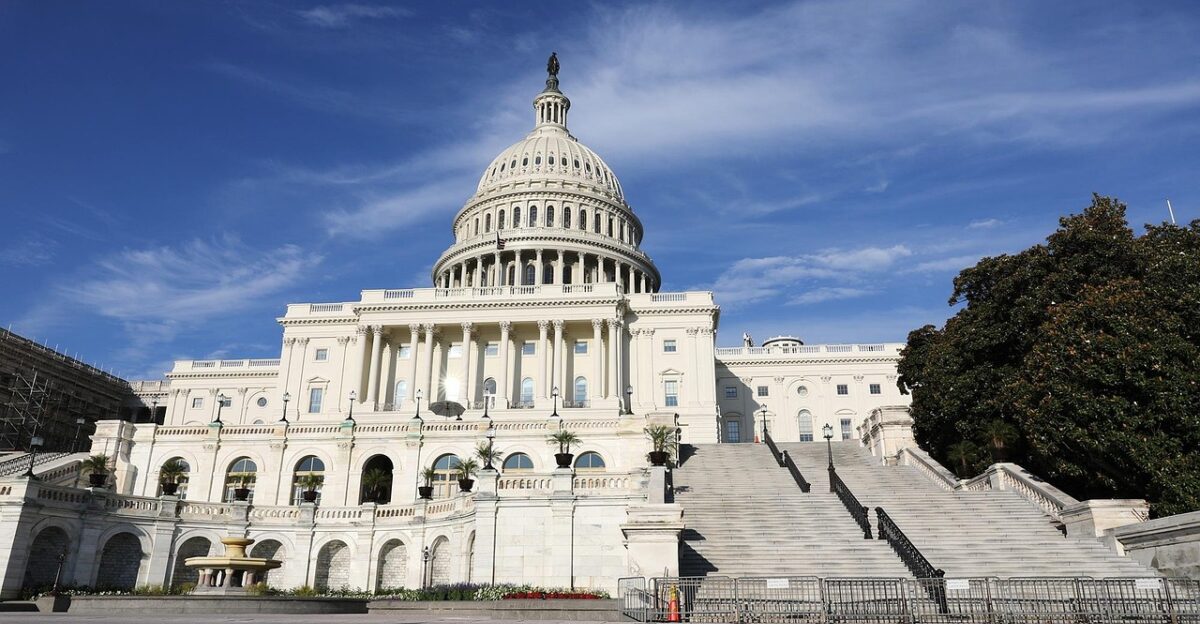
The dispute has reverberated on Capitol Hill, dividing lawmakers along party lines. Congressional Democrats have condemned Trump’s deployment, calling it a threat to local democracy and urban autonomy.
In contrast, many Republicans argue for more decisive federal action in cities they perceive as vulnerable to unrest. Both sides are preparing new bills to either limit or expand presidential powers over the National Guard.
Washington’s legal and political battles could determine how federal intervention in city policing and emergency response will be regulated nationwide.
National Debate on Urban Military Deployments
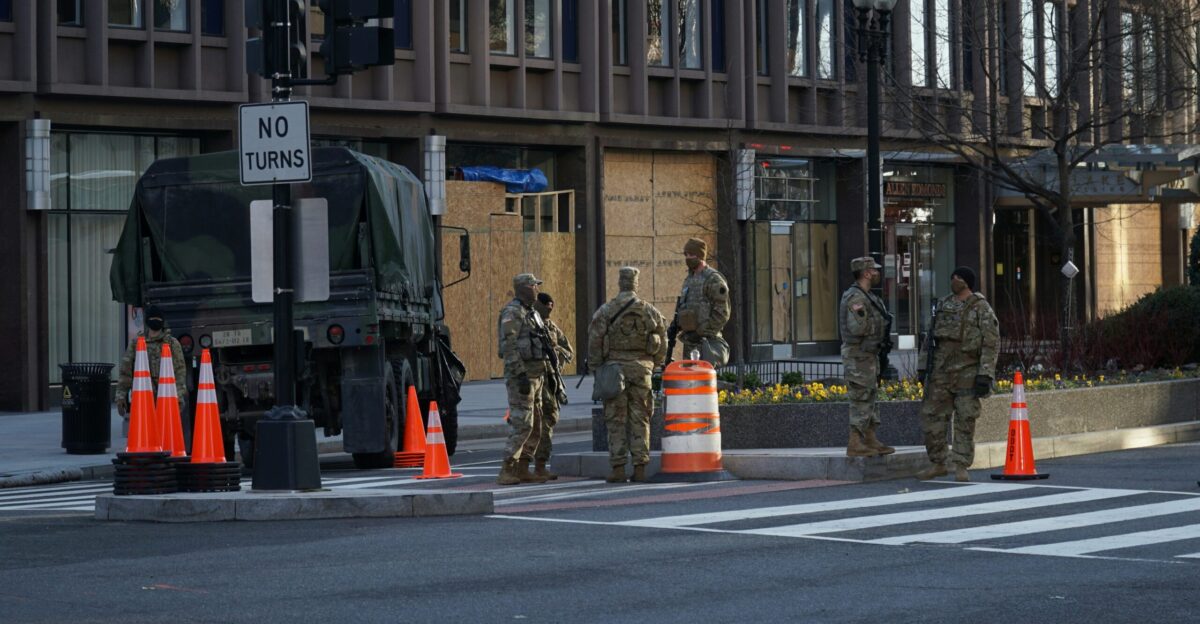
The DC lawsuit and Trump’s rallying of Republican states have made federal troop deployments a national issue. Urban mayors and civil liberties groups nationwide are voicing alarm about the precedent being set.
Advocates for local control worry that similar interventions could spread to other cities, while Trump and his allies argue that rapid Guard mobilization is needed for effective crisis management. The national conversation now centers around who controls emergency powers, how military force should be used domestically, and what limits should apply to presidential authority over local affairs.
Public Reactions and Military Perspective
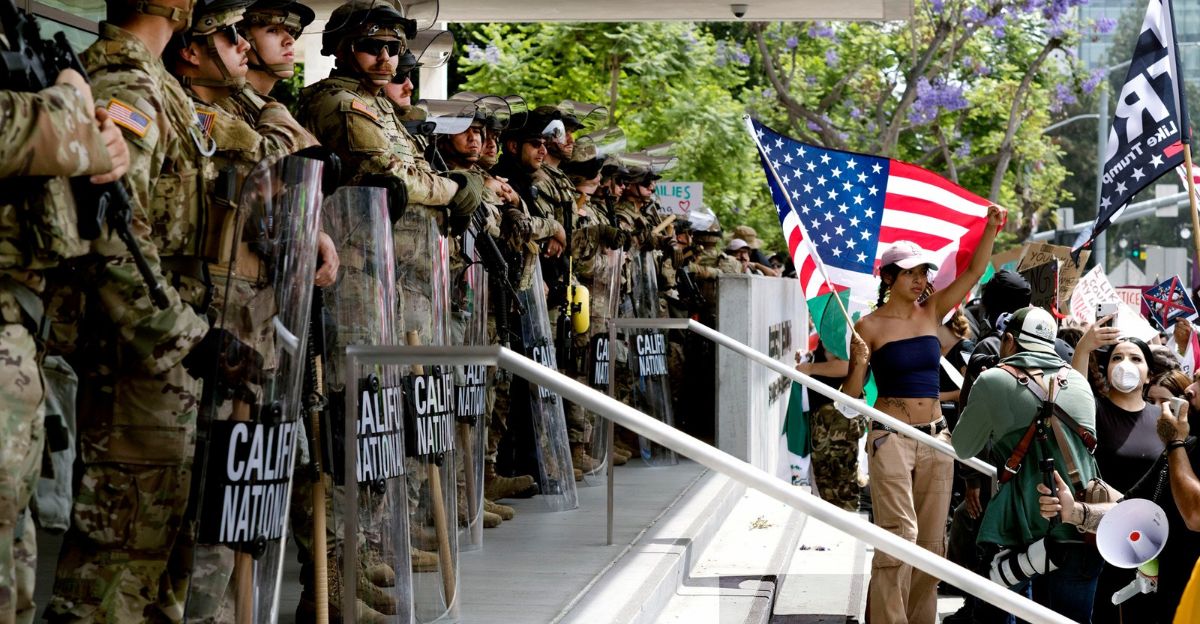
National Guard members have reported feeling unprepared for urban law enforcement duties, which differ significantly from traditional domestic assignments. Civil liberties experts caution that blurred lines between military and police roles could have lasting impacts on democratic norms.
Public opinion in DC is divided as some residents welcome additional security, while others feel the city has been transformed into “an armed camp.” Legal scholars warn that the episode risks normalizing military policing of civilian populations, creating new tensions and uncertainties.
Crime Data Challenges Deployment Justification
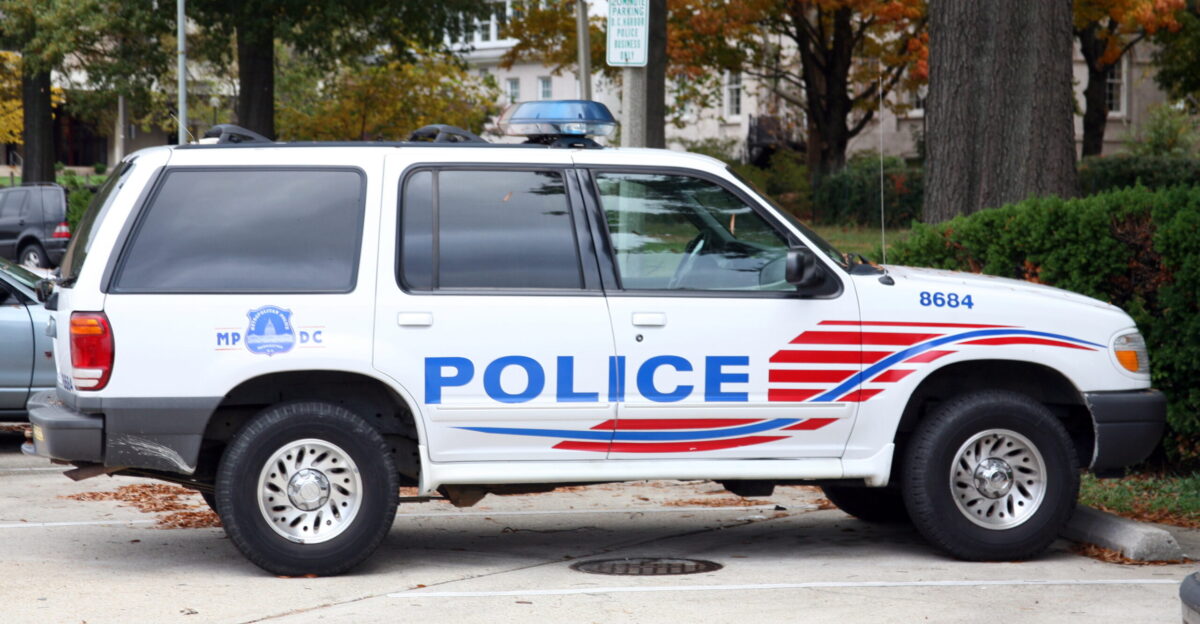
Despite claims of rising violence, 2025 crime statistics from the DC Metropolitan Police show significant drops in major categories, reaching near 30-year lows. The city’s leadership argues that politics motivated the troop deployment more than public safety concerns.
Critics point out that some of the states sending Guardsmen to DC have higher per capita crime rates than the capital itself, challenging the logic behind the surge and undercutting Trump’s arguments for emergency action in Washington.
Legal Precedent and Historical Context
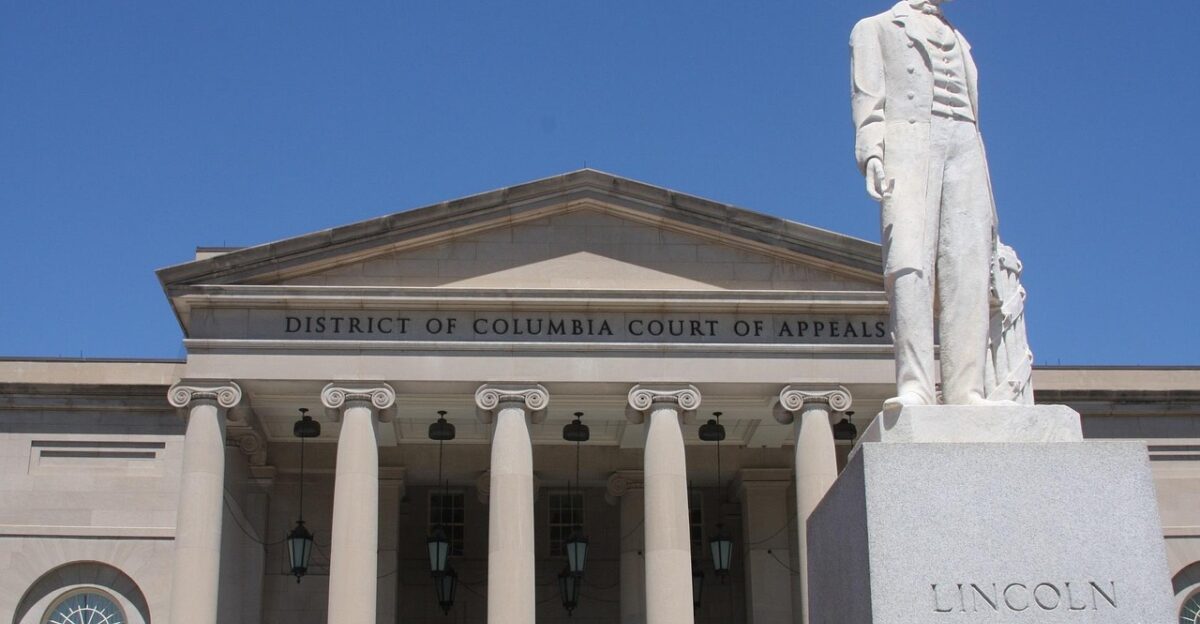
The District’s lawsuit follows earlier court rulings against unauthorized National Guard use, notably in California, where a federal judge found Trump’s Los Angeles deployment illegal. These cases highlight the need to clarify the boundaries of federal authority in domestic crises.
DC’s unique legal status—lacking full autonomy like other states—makes its challenge especially significant. Legal experts believe the outcome could shape future decisions about balancing power between the federal government and local authorities, particularly in emergencies.
Federalization of DC Police—A Rare Move
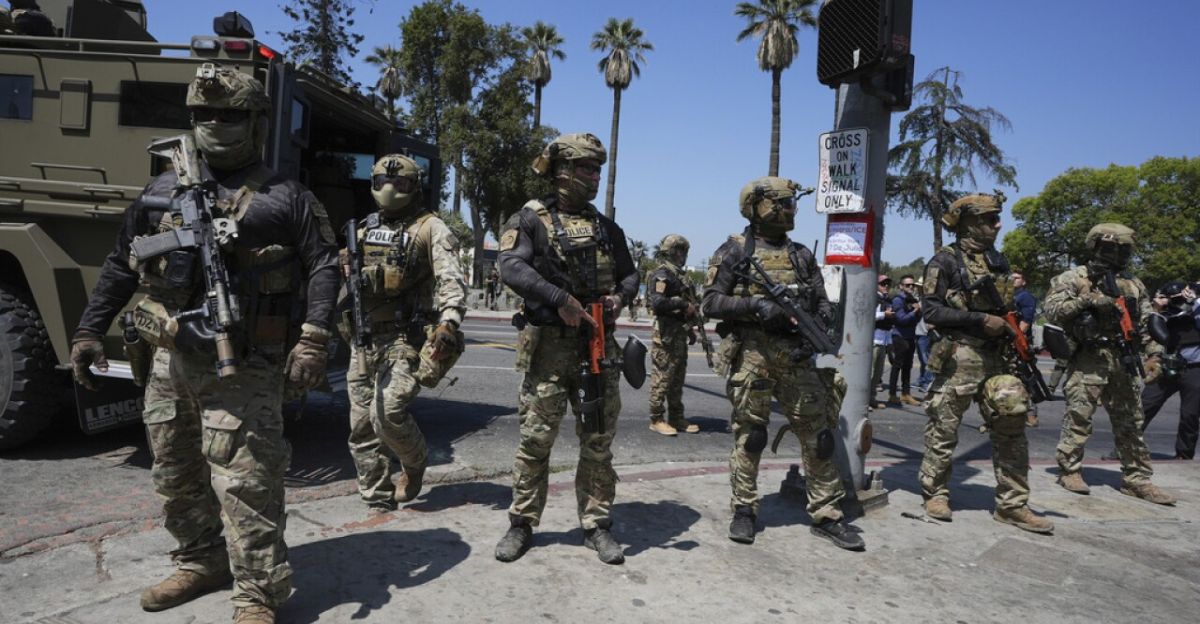
In parallel with the Guard deployment, Trump temporarily federalized DC’s police department, placing local officers under direct control of federal agencies. The move, rarely invoked, is scheduled to expire after 30 days, but the National Guard orders remain extended into December.
The transition has brought uncertainty to leadership and operational planning within the police force. Local officials now face dual challenges of contesting Guard deployment and navigating the complexities of federalized law enforcement in the capital.
Civil Liberties Groups Voice Alarm
Major organizations, including the ACLU and NAACP, have raised concerns about the constitutional implications of deploying military forces for law enforcement in civilian settings. They warn that expanded presidential powers and blurred lines between police and the army authority could erode fundamental rights.
Public interest lawyers have filed amicus briefs supporting DC’s lawsuit, urging the courts to clarify protections against unauthorized troop deployments. Their involvement highlights broader national anxieties regarding the militarization of domestic crisis response and policing.
Business and Tourism Impact
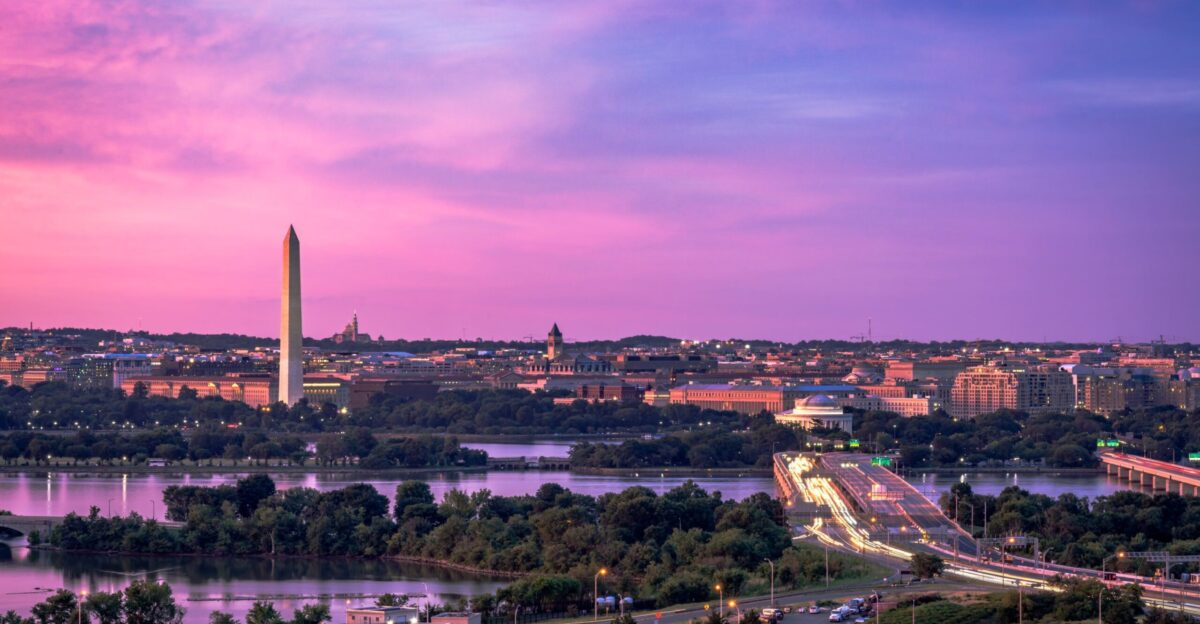
Local chambers of commerce and tourism officials say the sustained military presence has led to business slowdowns, lost revenue, and event cancellations. Washington’s iconic sites have seen drops in visitor numbers, with some tourist areas characterized by closed shops and empty sidewalks.
The decline in economic activity is a central argument in DC’s lawsuit, with officials citing damage to the city’s economic and civic fabric due to federal emergency measures. Business leaders warn that prolonged disruptions could harm the city’s reputation for years.
Congressional Hearings Loom
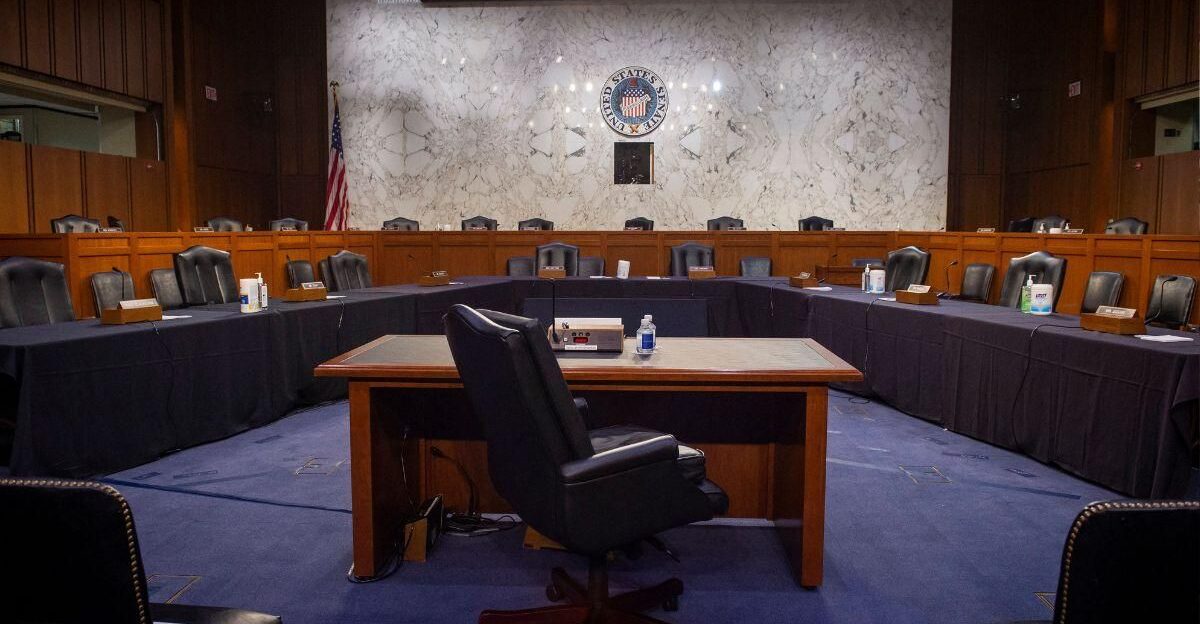
In response to growing controversy, U.S. lawmakers have scheduled hearings to examine the legality and consequences of Trump’s deployment. Committee chairs seek testimony from constitutional scholars, local officials, and representatives from affected states.
Key topics will include the limits of executive power, practical effects on local governance, and whether new legislation is needed to govern future troop mobilizations. The hearings underline that Washington’s dilemma is no longer just a regional issue, but a test case for national standards and the role of law in urban emergencies.
Diverse Reactions from State Governors
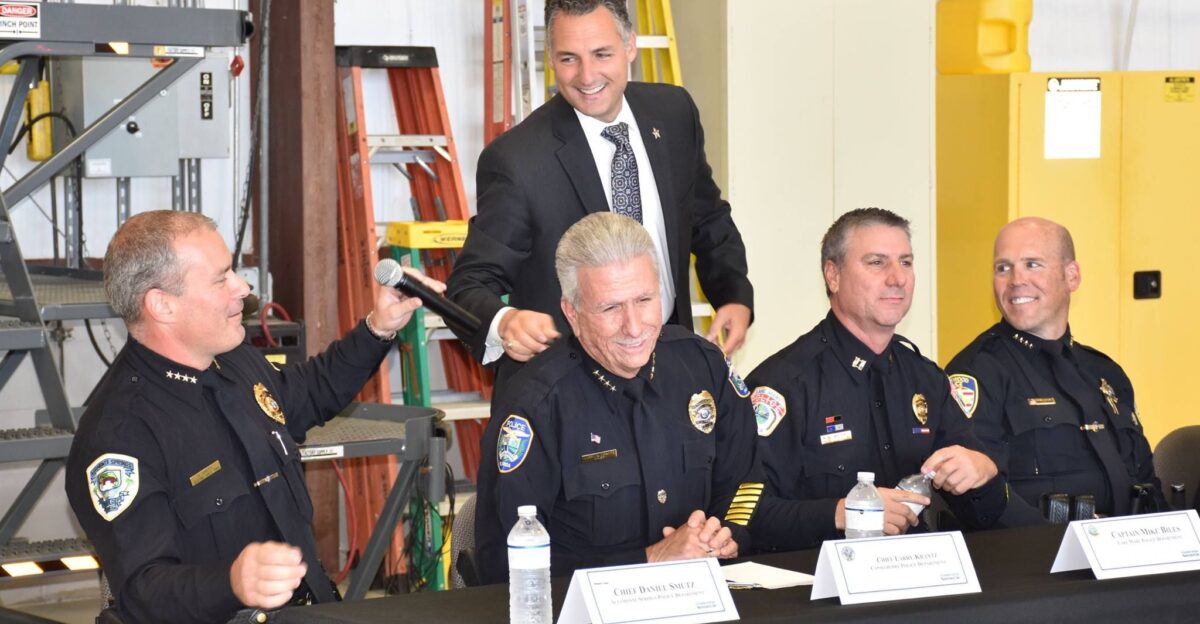
While many Republican governors have responded to Trump’s calls by sending troops to DC, at least ten others have refused, citing concerns about state autonomy and escalation risks. Some states have struck compromise deals to keep local police chiefs in operational command even as Guardsmen arrive.
The polarization among governors reflects broader disagreements over whether federal intervention strengthens or undermines public safety in the nation’s cities. These debates are expected to continue across state legislatures in the coming months.
Next Steps in the Legal Battle
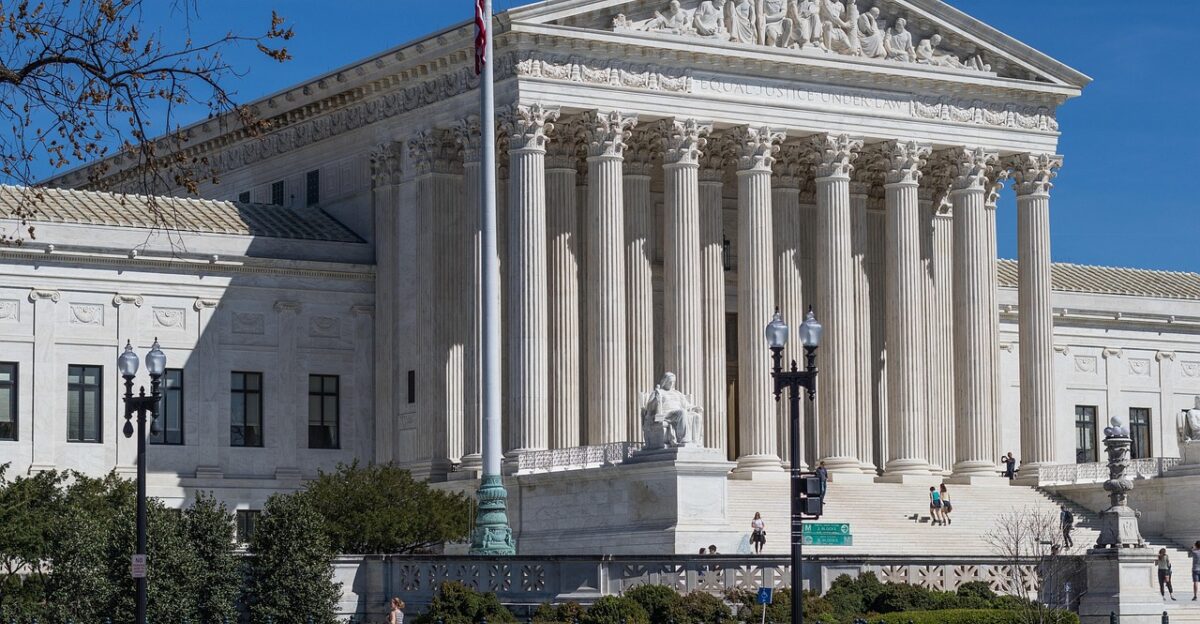
Federal judges in Washington are preparing to rule on DC’s preliminary injunction request, which could decide the fate of the Guard deployment in the coming weeks. Experts say the outcome may affect future presidential decisions on domestic military interventions.
Both sides signal readiness to appeal, suggesting a lengthy process that could reach the Supreme Court. Legal communities, city governments, and activists nationwide will closely monitor the case’s progress, shaping debates over federalism and security for years.
Long-Term Implications for Governance

The lawsuit and deployment controversy reveal deeper tensions over democracy, autonomy, and urban governance in the United States. Policy analysts foresee far-reaching impacts on how cities defend self-rule, maintain civilian control of law enforcement, and respond to nationwide emergencies.
Whether the dispute leads to new laws, changes in executive authority, or altered National Guard protocols, its effects will resonate long after the crisis winds down. DC’s challenge is pivotal in defining America’s urban future.
Awaiting the Court’s Decision
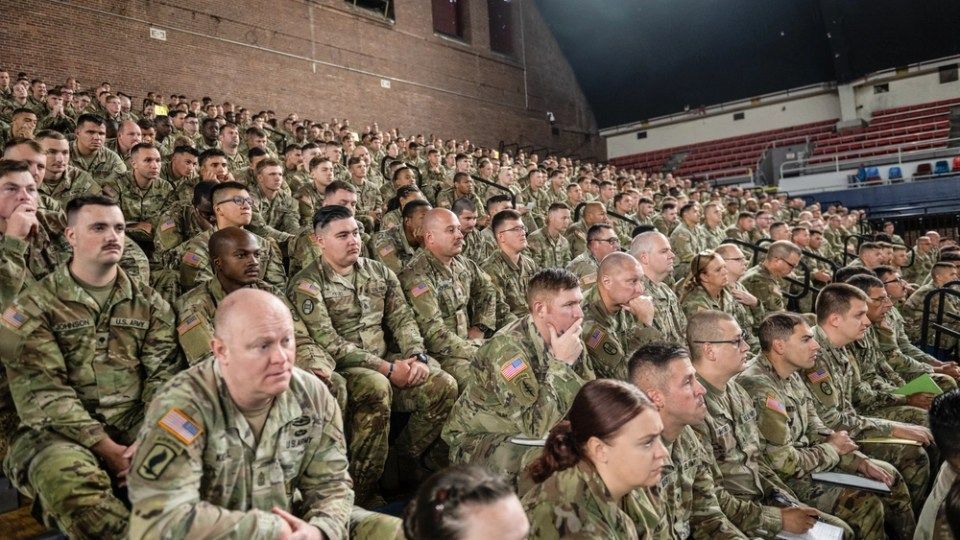
As Guard patrols continue and local officials await a ruling, Washington remains at the intersection of national debates on power, safety, and democracy. Political actors across the spectrum comment daily, reflecting the polarized climate that frames the confrontation.
Residents’ experiences and official reactions will inform future policy, ensuring that the city’s fate in this case becomes a critical chapter in America’s ongoing contest between federal authority and local rights.