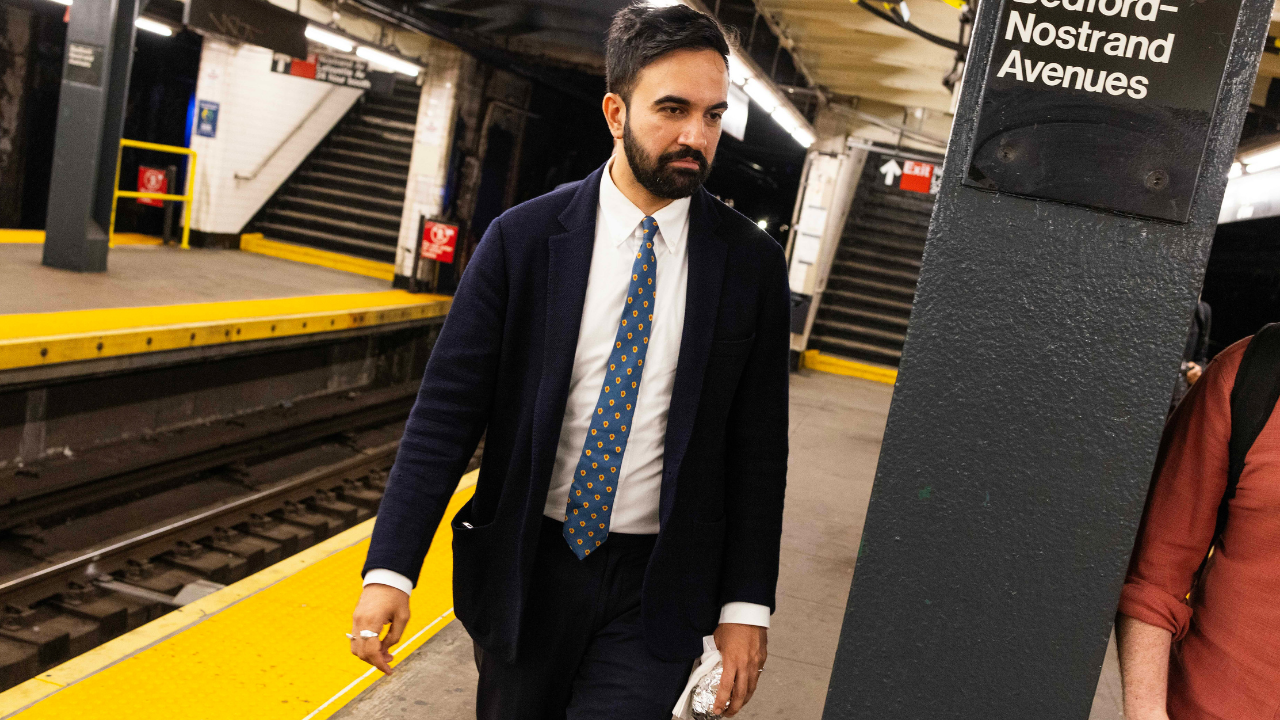
On January 4, 2026, New York City’s subway and bus riders will face a historic fare hike, marking the first time the base subway fare will exceed $3. The new rate of $3.00 represents more than just a price change—it signals the mounting pressure on daily commuters as transit costs continue to climb. For millions, this increase is more than a dime—it’s a tipping point.
What does this mean for the city’s future? Will this hike trigger lasting changes in the city’s transit policies or simply add another financial strain for residents? The timing couldn’t be more pivotal as New York faces a major political transition.
Higher Stakes
The MTA’s package of fare hikes is sweeping, affecting subways, buses, commuter rails, and tolls. The new changes will see tolls rise by up to 52 cents, with express bus fares climbing 25 cents. These increases are justified as necessary to counter inflation and maintain services. However, this move has triggered debates about affordability, especially for the city’s most vulnerable.
With rising costs, these changes could reshape how New Yorkers perceive and engage with the city’s public transportation system, especially in the face of ongoing economic challenges.
Fare History
New York’s subway fare has risen steadily over the years, from just five cents in the 1940s to $2.90 in 2023. Now, another increase is on the way, with the fare reaching $3.00 for the first time in history. This increase is part of a long-standing trend of biennial hikes designed to keep up with inflation. However, budget shortfalls and pandemic-induced ridership declines are forcing quicker decisions.
As the cost of commuting continues to rise, many are left wondering: Is this the breaking point for public transit affordability in New York City?
Budget Squeeze
The MTA faces ongoing financial struggles, with deficits widening without fare and toll hikes. Chairman Janno Lieber insists these increases are necessary to avoid deeper service cuts and maintain safety. Still, critics argue that continued fare hikes disproportionately impact low-income and vulnerable riders. For many, even small increases are difficult to absorb, especially as wages struggle to keep up.
The MTA’s financial future hinges on balancing revenue needs with the ongoing burden placed on New York’s most financially vulnerable residents.
$3 Milestone
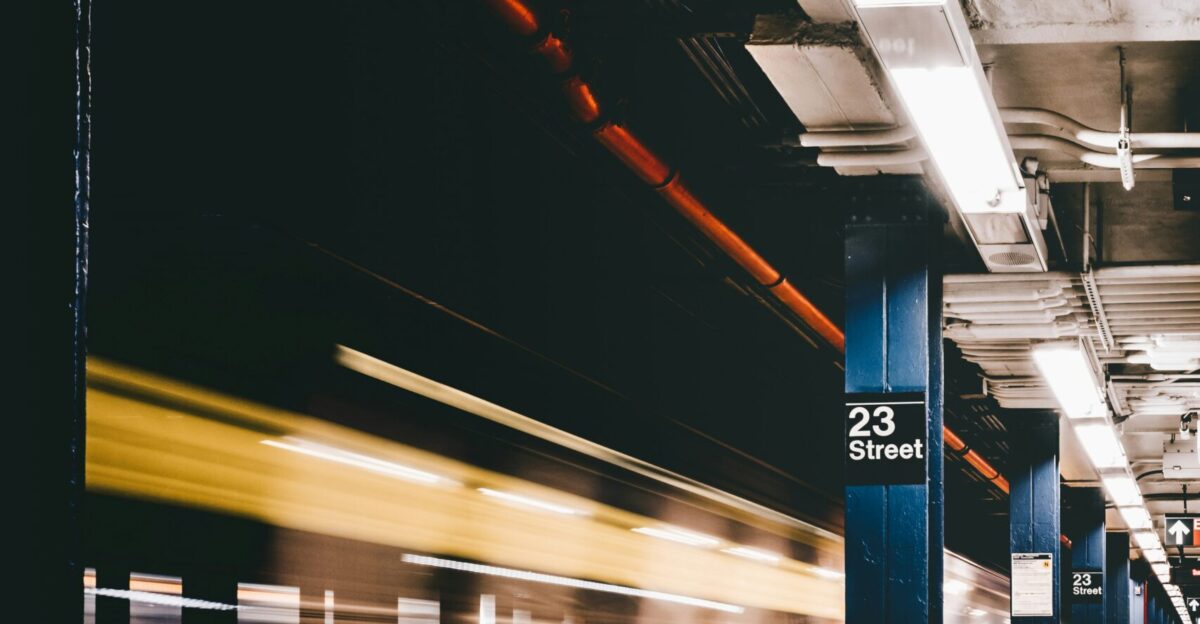
On January 4, 2026, the standard subway and local bus fare will climb from $2.90 to $3.00. This increase, although seemingly minor, marks a major psychological barrier for commuters who will now pay more than ever to travel around the city. The ten-cent increase may seem small, but for daily riders, it compounds over time, adding to the pressure on household budgets.
For many, this symbolic shift is more than just about the extra dime—it represents the cumulative effects of years of price hikes that have slowly transformed the cost of commuting.
Citywide Impact
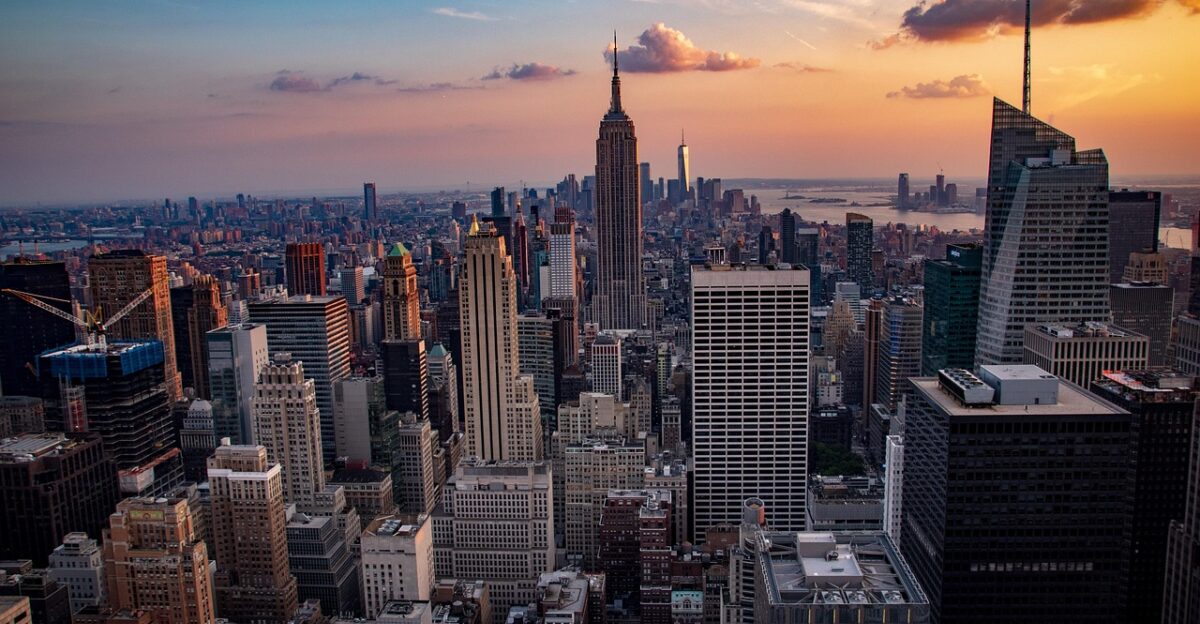
With approximately 4.6 million weekday subway riders, even a small increase affects millions. For regular commuters, this 10-cent fare hike translates to an additional $26 per year. For lower-income riders, seniors, and those with disabilities, these increases are more than just an inconvenience—they’re an added burden. Advocates are calling for broader relief options to prevent these groups from being priced out of the system.
As these fare hikes accumulate, they challenge the very idea of public transportation being accessible for all New Yorkers, especially those on fixed incomes.
Riders’ Stories
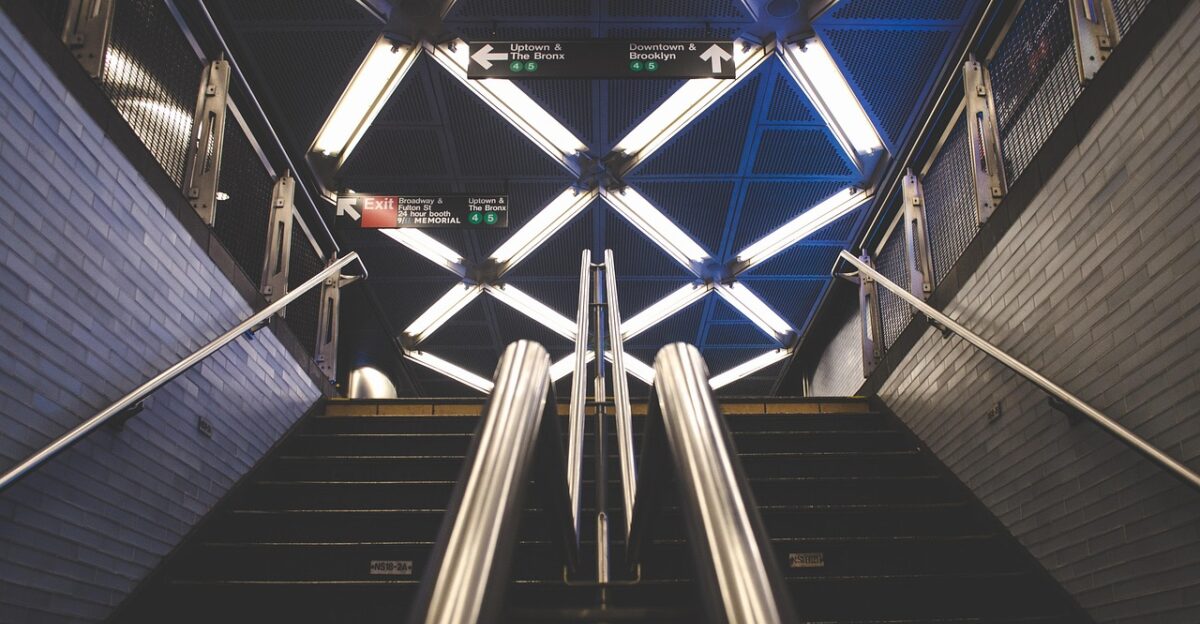
For many New Yorkers, transit costs are a constant struggle. Some riders express frustration, noting that while a ten-cent increase may seem negligible, it represents the latest in a long series of fare hikes. These increases have a real impact on daily commuters, many of whom work in service and shift jobs. Advocacy groups emphasize that these riders—who have little flexibility to change their transit habits—feel the pain of each new price increase the most.
Riders’ stories underscore the emotional toll of rising costs, reinforcing the argument that transit is becoming less affordable for New York’s working-class population.
Beyond Subways
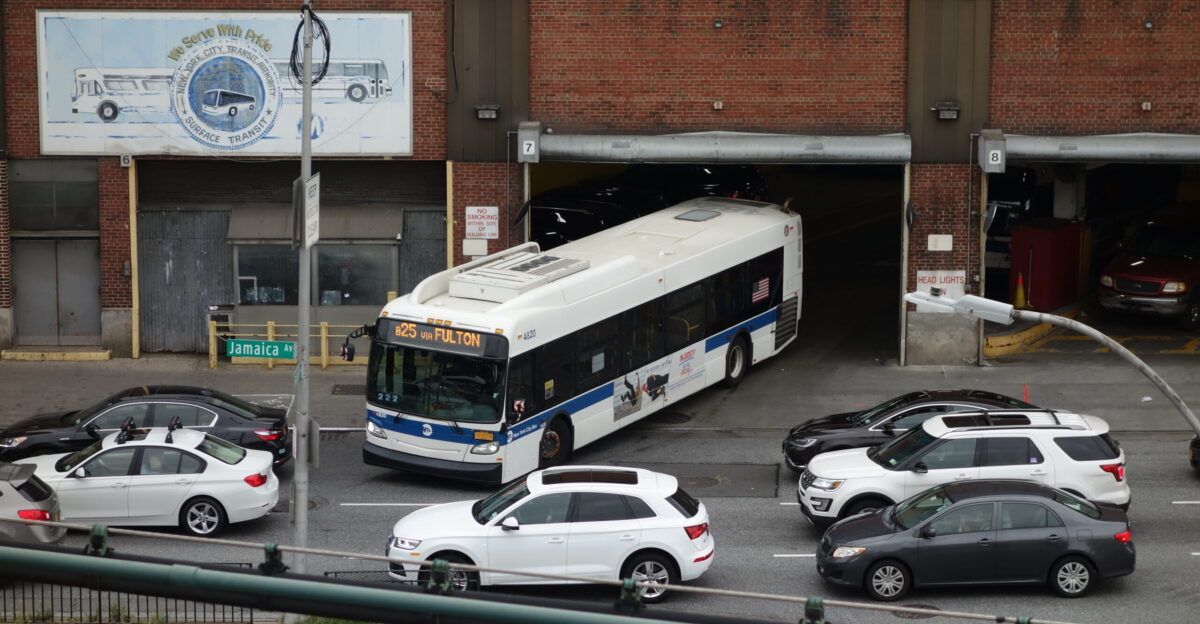
The fare hike extends beyond the subway, affecting express buses, commuter rails, and tolls. Express bus fares will rise by 25 cents, while commuter rail fares could increase by up to 4.5%. Drivers will face toll increases of up to 52 cents on MTA bridges and tunnels. These hikes will hit multiple groups of riders simultaneously, intensifying concerns about the affordability of regional transit.
As these increases spread throughout the city’s transportation system, the full financial impact on New Yorkers becomes even clearer.
OMNY Tradeoffs
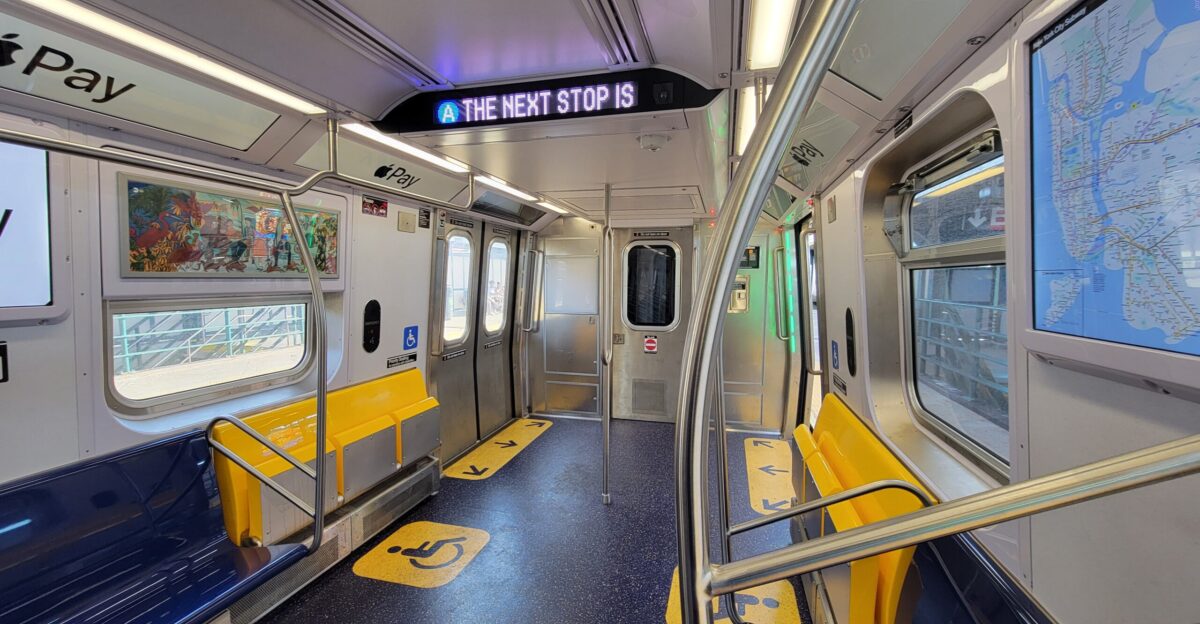
To mitigate the impact on frequent riders, the MTA is expanding its OMNY fare-capping system. Riders who reach the equivalent of 12 trips in a week—$35—will ride free for the remainder of the week. The new OMNY cap system will replace MetroCard unlimited passes, pushing the entire city toward a tap-and-ride model. While this change offers savings for frequent riders, some argue it’s not enough to offset the overall fare hikes.
Though OMNY’s rolling fare cap provides some relief, its full impact remains to be seen. Frequent riders, in particular, may find themselves continuing to bear a heavy cost burden.
Secondary Strain
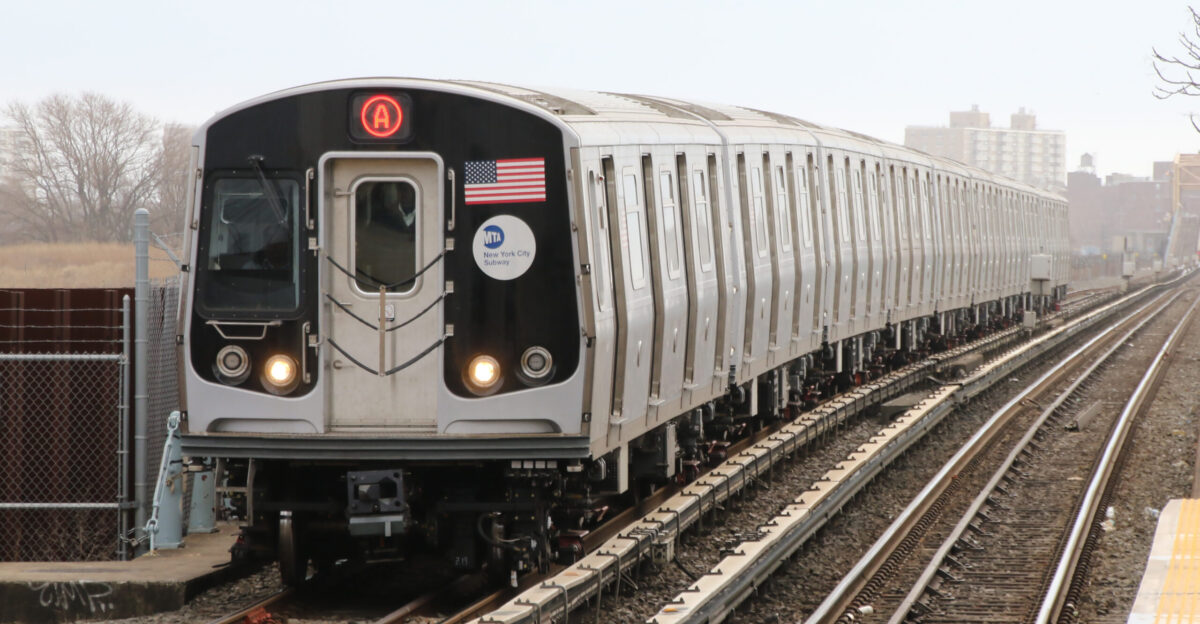
For New Yorkers who use multiple modes of transit, the increases compound. A daily subway commuter now faces higher subway fares, tolls, and potentially higher commuter rail prices. These stacked increases put pressure on households that already juggle multiple transportation costs, sparking a broader debate about regional affordability and fairness.
The stacking of fare hikes across various transit systems raises difficult questions about the city’s commitment to equitable transportation.
Political Crosscurrents
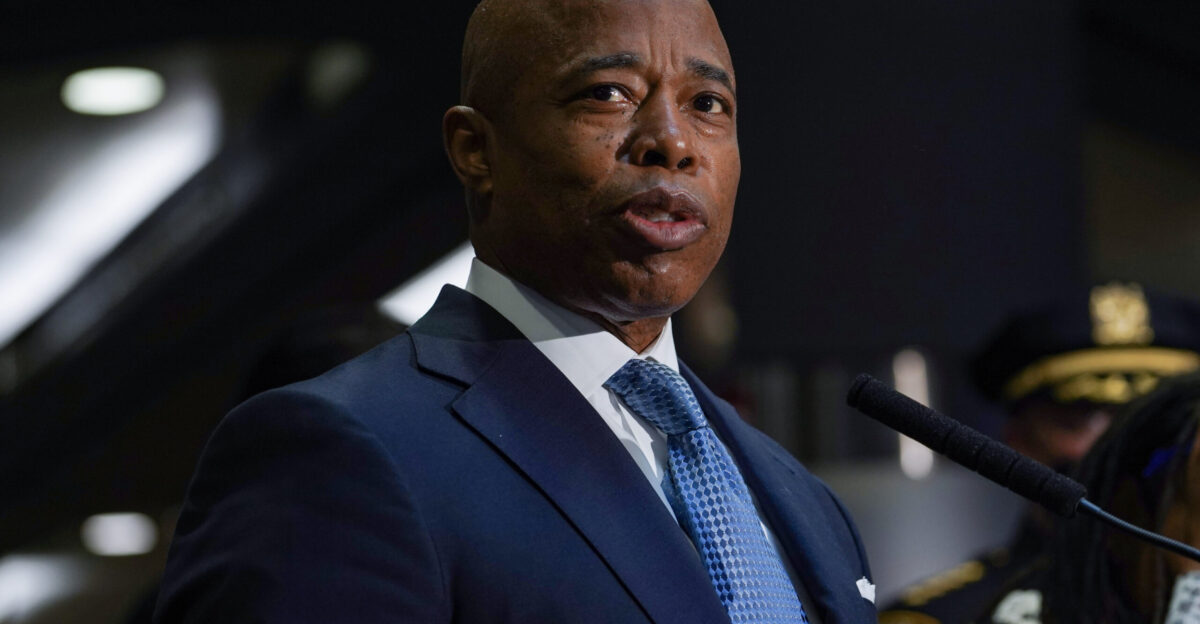
Mayor Eric Adams has publicly opposed the $3 subway fare increase, arguing that New Yorkers deserve relief. However, fare decisions are made by the state-dominated MTA board, leaving the city’s leadership with little power to block the increase. The debate over these hikes will fuel discussions in the upcoming election, particularly as new political voices call for reforms.
With the mayor’s office and state leaders on opposing sides, this issue is shaping up to be a key point of contention in the city’s political future.
Mamdani’s Win
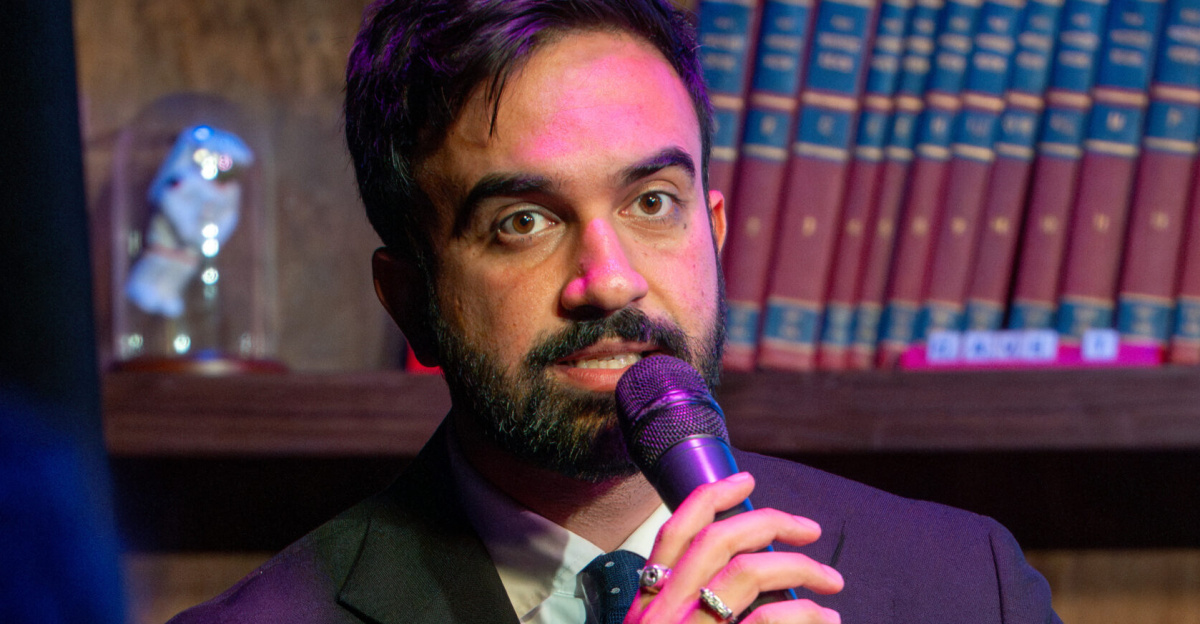
Zohran Mamdani, a democratic socialist, was elected mayor with a pledge to address the city’s rising transit costs. His platform includes making buses free and reducing fares across the board. While Mamdani won’t have direct authority over the MTA, his influence over the city’s transit priorities will likely shape future fare policies.
Mamdani’s election could be a game-changer in the fight for affordable public transportation, even if the power to directly implement fare reductions lies outside his immediate control.
Free Bus Vision
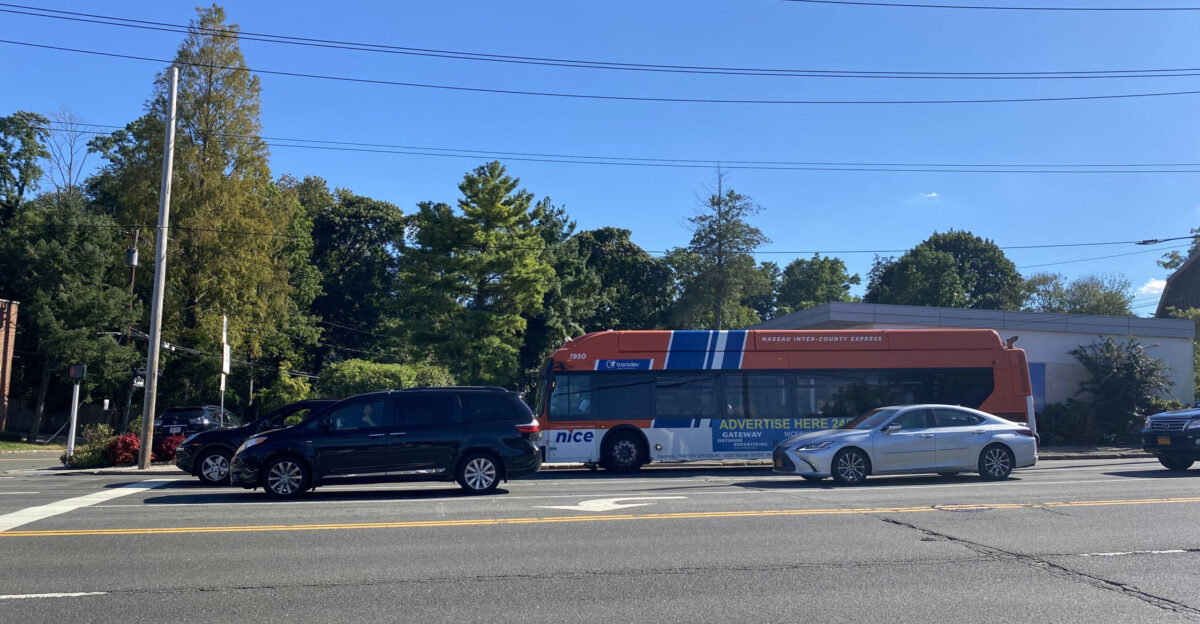
Mamdani’s goal of free city buses, tested through a successful pilot program, aims to reduce costs for riders. However, making buses free would cost the city an estimated $652 million to $778 million annually. Mamdani has proposed funding options, including higher taxes on the wealthy, but no concrete plans have been put forward yet.
As the mayor-elect formulates a strategy, the future of free buses could significantly alter the transit landscape, though questions of sustainability remain.
Riders vs. Revenue
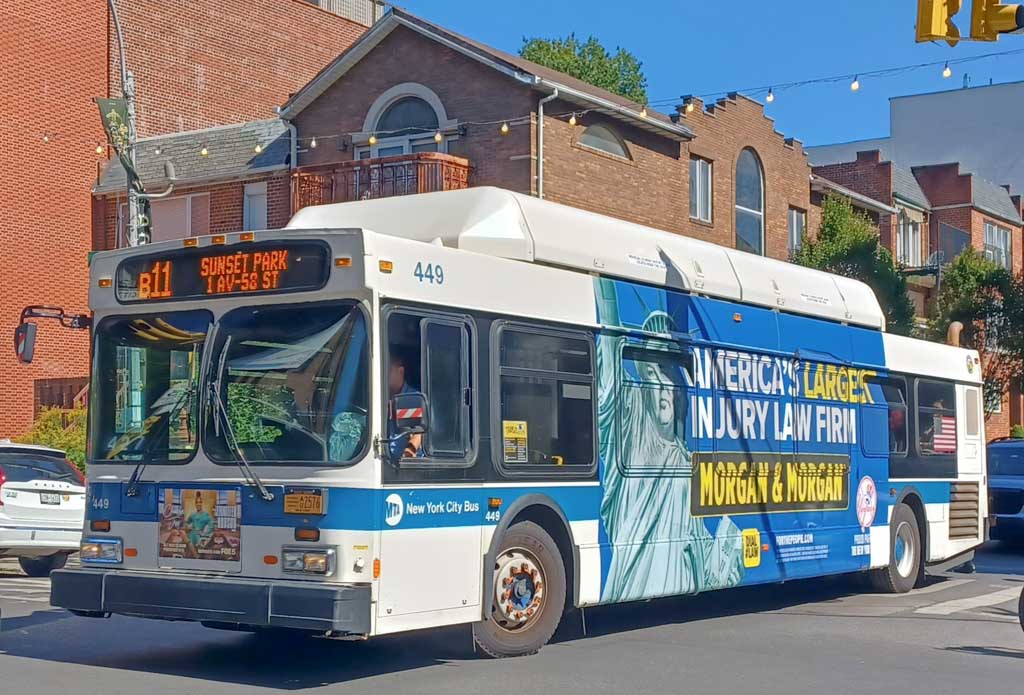
Unions and advocacy groups support Mamdani’s push for affordability, citing evidence that fare-free buses improve rider safety and reduce assaults on operators. However, MTA officials caution that expanding free services or rolling back scheduled hikes could strain the agency’s budget, potentially jeopardizing future transit services.
The tension between affordability and fiscal responsibility will define the city’s transit policies in the years ahead.
What Comes Next
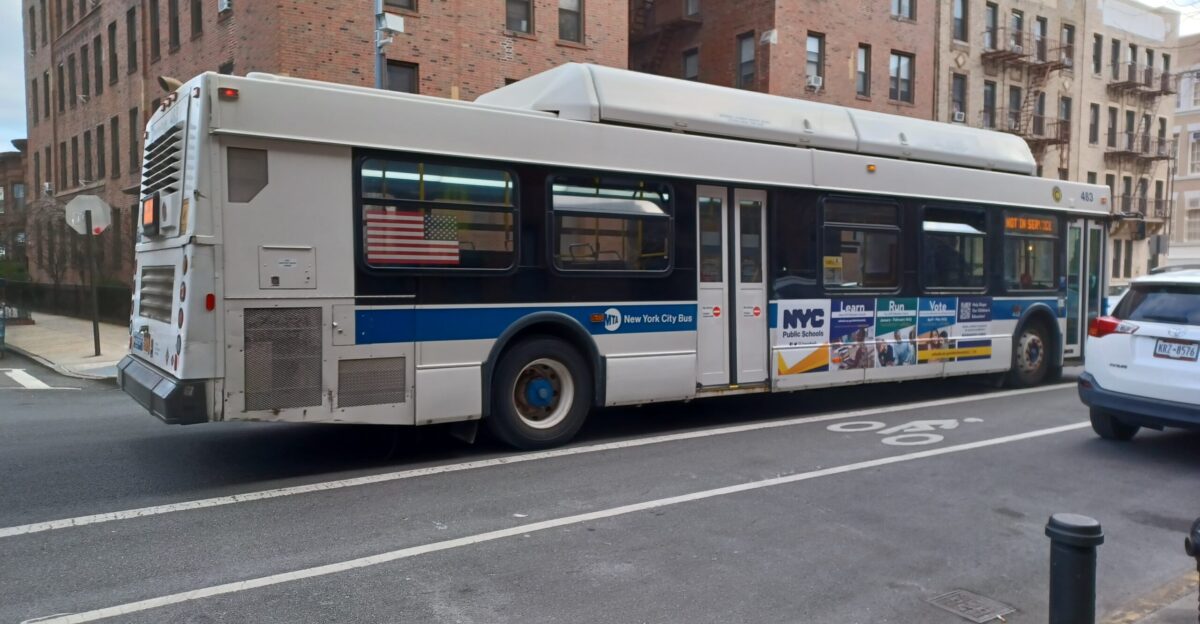
With Mamdani set to take office just days before the new fare hikes, his administration will face difficult choices. Policy experts predict he may push for expanded city funding, new revenue streams, or increased state support to offset the cost of public transportation. The direction New York takes will determine whether these fare hikes are a moment of reform or a sign of more painful increases to come.
The clock is ticking for the city to act, and the next steps will likely determine the future of New York’s transit system.
Sources:
MTA Official Press Release: “MTA Board Adopts Fare and Toll Increases to Take Effect January 2026”
Published: September 29, 2025 | Metropolitan Transportation Authority
The New York Times: “N.Y.C. Subway and Bus Fares Are Likely to Increase to $3 in January 2026”
Published: July 30, 2025
City and State NY: “Zohran Mamdani wants to make NYC buses free as mayor. Here’s how it would work”
Published: January 22, 2025
The Nation: “A Year Without Fares: Lessons From New York’s Free Bus Pilot”
Published: June 24, 2025
Gothamist: “Mayor Adams opposes MTA fare hike, but has fewer voices on the agency board”
Published: August 17, 2025
New York City Subway Fare History Reference Materials
Including Wikipedia and NYC Almanack