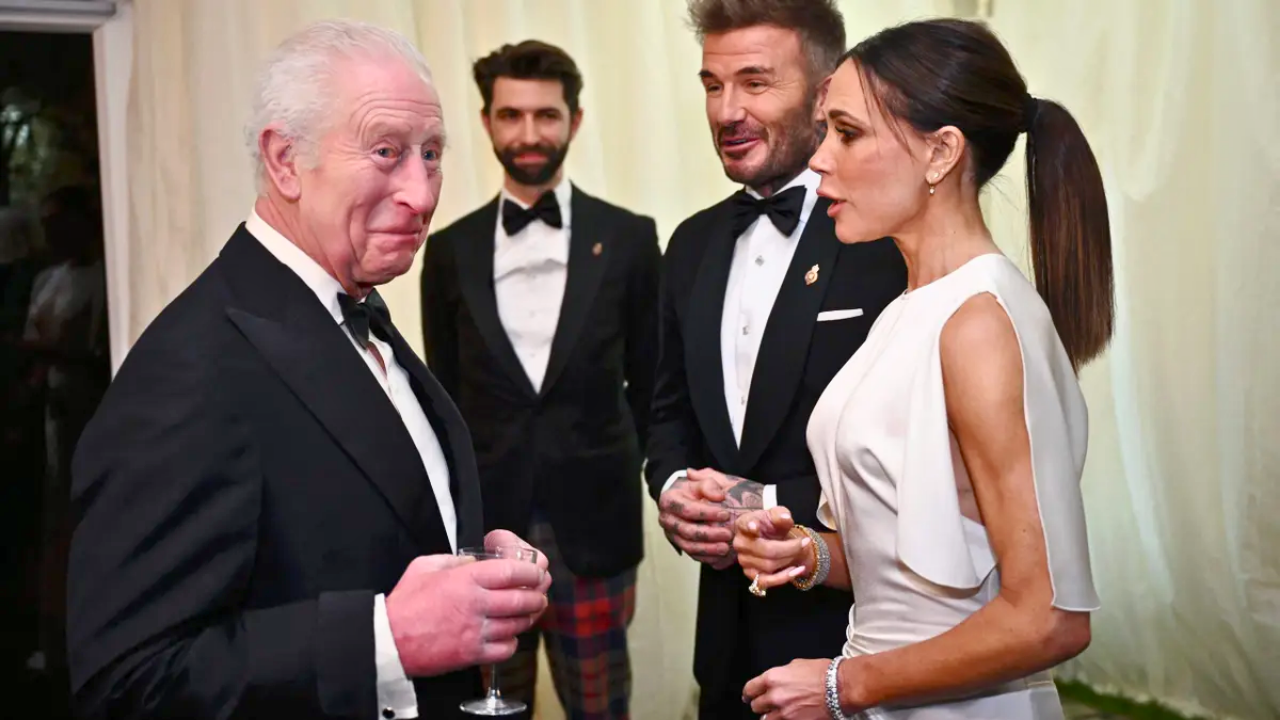
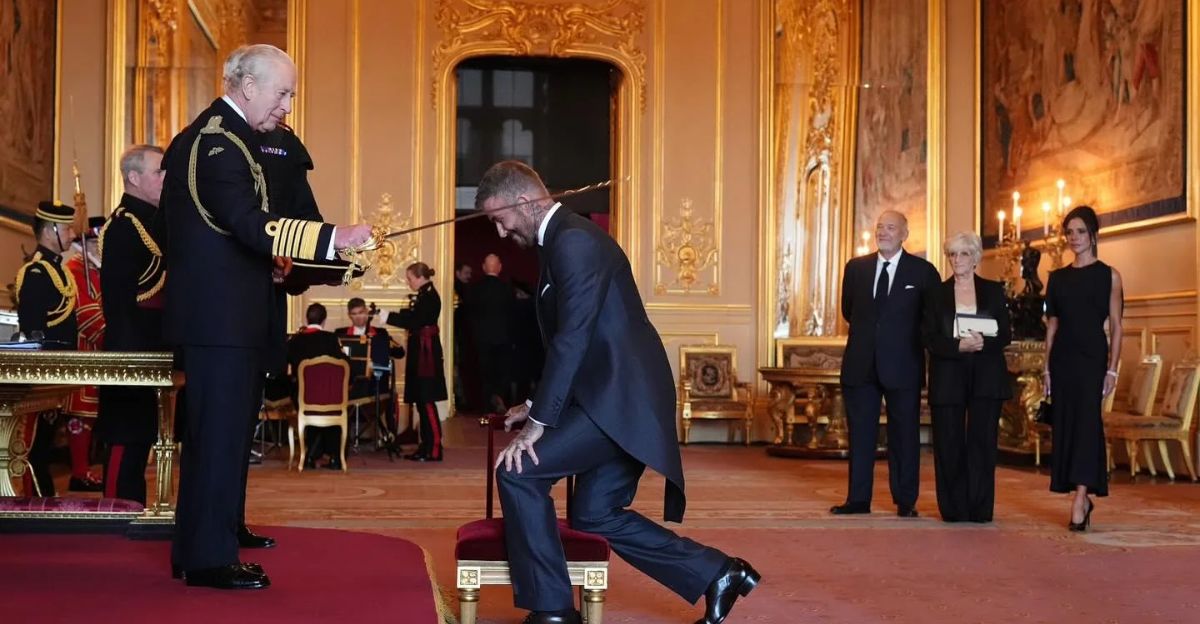
On November 4, 2025, David Beckham knelt before King Charles III at Windsor Castle, receiving a knighthood that marked the culmination of a decades-long journey from national scapegoat to celebrated icon. The ceremony, attended by his wife Victoria and his parents Ted and Sandra, was the final chapter in a story defined by public scrutiny, resilience, and redemption.
A Career Defined by a Single Moment
Beckham’s path to knighthood was shaped by a pivotal incident during the 1998 World Cup. At just 23, Beckham was sent off after kicking Argentina’s Diego Simeone, leaving England with ten men in a crucial match. England’s subsequent penalty shootout loss triggered a wave of public outrage. Tabloids branded him “public enemy number one,” and the abuse escalated: effigies were burned, death threats were hand-delivered through the door of his home, and his family faced relentless media harassment. The incident haunted Beckham for years, casting a shadow over his early career and transforming him into a symbol of national disappointment.
Resilience and the Road to Redemption
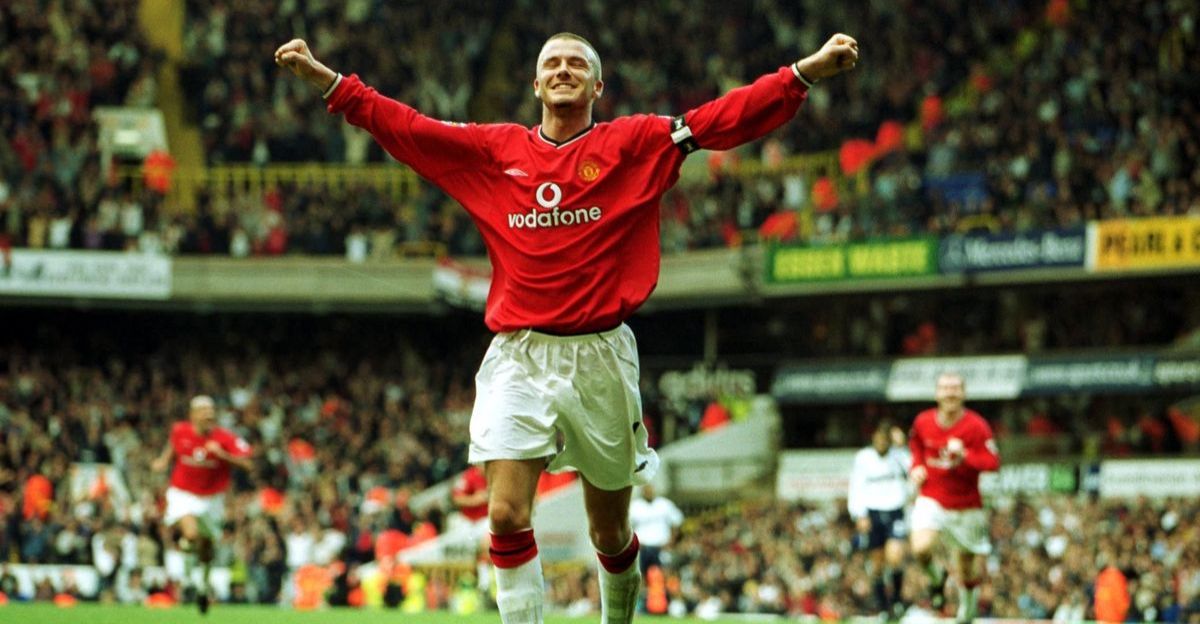
Despite the hostility, Beckham refused to be defined by that moment. He returned to Manchester United, focusing on his football and rebuilding his reputation. Manager Sir Alex Ferguson supported him, even as both faced backlash from fans. Beckham’s determination paid off in 2001 during a World Cup qualifier against Greece. With England’s hopes hanging in the balance, he scored a dramatic stoppage-time free kick, securing the team’s place in the 2002 World Cup. The moment was widely hailed as his redemption, with commentators calling for him to be knighted.
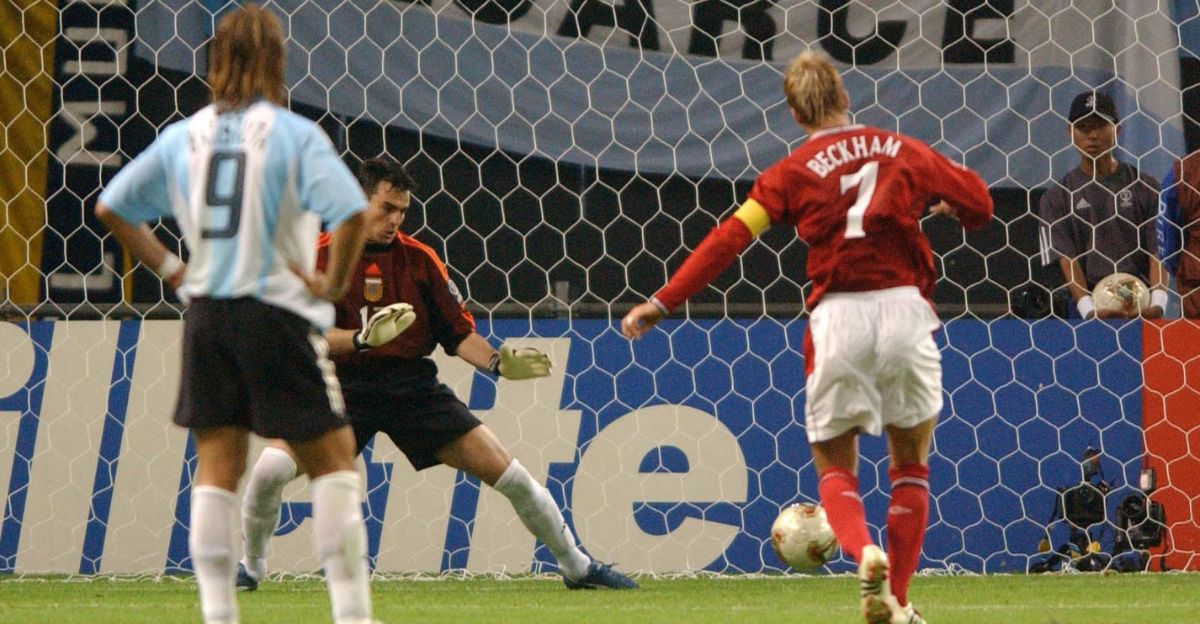
Beckham’s leadership continued on the world stage. As England captain, he faced Argentina again in the 2002 World Cup, scoring the decisive penalty that eliminated his old rivals. The match was a symbolic reversal of his earlier misfortune, and even Simeone, who had admitted to provoking Beckham in 1998, acknowledged his sportsmanship.
Achievements On and Off the Pitch
Beckham’s football career flourished in the years that followed. He earned 115 caps for England, captaining the team 59 times, and won 19 major trophies with clubs including Manchester United, Real Madrid, LA Galaxy, and Paris Saint-Germain. His influence extended beyond the pitch, as he became a global ambassador for the sport and a role model for resilience.
Off the field, Beckham dedicated himself to philanthropy. Appointed a UNICEF Goodwill Ambassador in 2005, he launched the 7 Fund in 2015, raising millions to support vulnerable children worldwide. His charitable work included campaigns against malaria and support for organizations aiding injured service personnel, children’s hospitals, and the elderly. Beckham also played a key role in London’s successful bid for the 2012 Olympic Games, further cementing his legacy as a public figure committed to service.
The Knighthood and Family Celebration
After years of speculation, Beckham’s knighthood was announced in June 2025 as part of the King’s Birthday Honours. The honor recognized not only his achievements in football but also his extensive charitable work. For the ceremony at Windsor Castle, Victoria Beckham designed his suit—a charcoal-gray three-piece inspired by King Charles—marking her label’s first menswear piece. The family celebrated afterward, though eldest son Brooklyn was notably absent.
The emotional significance of the day was clear. Beckham described the honor as his proudest moment, reflecting on his journey from Leytonstone to Windsor Castle. His son Romeo posted a heartfelt tribute, and Beckham admitted to shedding tears during the ceremony. Victoria, herself an OBE recipient since 2017, received the courtesy title Lady Beckham.
Building a Lasting Legacy
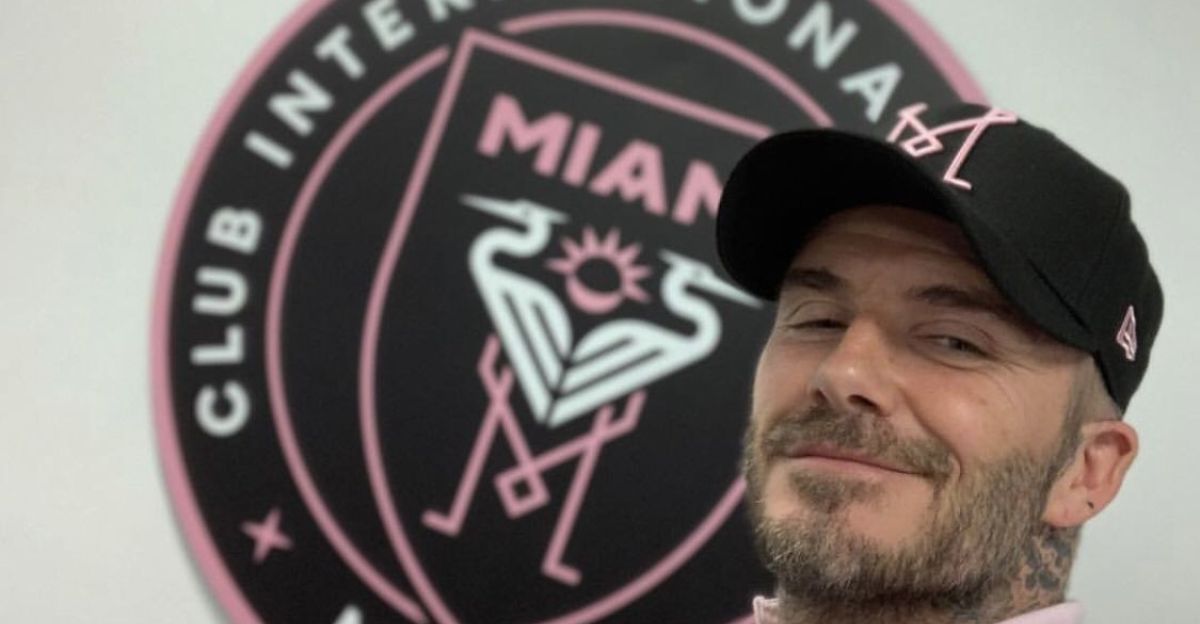
Beyond his playing career, Beckham has continued to shape football’s future. As co-owner of Inter Miami CF, he helped bring global stars like Lionel Messi to Major League Soccer, boosting the sport’s profile in the United States. He also co-owns Salford City with former Manchester United teammates, demonstrating his ongoing commitment to the game.
With his knighthood, Beckham joins an elite group of footballing knights, including Sir Bobby Charlton and Sir Alex Ferguson. The honor is the culmination of more than two decades of recognition, reflecting both his sporting achievements and his dedication to charity.
A Story of Transformation and Impact
David Beckham’s journey from vilified footballer to knighted national treasure is a testament to resilience and personal growth. The boy who cried in his father’s arms in 1998 is now Sir David Beckham, honored for his contributions to sport and society. His story, marked by public scrutiny and ultimate redemption, stands as a powerful example of how perseverance and service can reshape a legacy. As Beckham continues to influence football and philanthropy, his knighthood signals both recognition of past achievements and the promise of ongoing impact.