In December 2019, theater marquees lit up for The Rise of Skywalker—and then went dark. That final chapter earned $1.073 billion worldwide, a sharp 48% drop from 2015’s The Force Awakens at $2.068 billion, and no Star Wars film has returned to theaters since.
Seven years later, Disney’s release calendar is still empty. The sequel trilogy’s $4.4+ billion total couldn’t recoup the $4 billion purchase price from theatrical revenue alone, and the quiet since has fueled a long-building reckoning inside Lucasfilm—one now breaking into the open.
The Kennedy Era Unravels

Kathleen Kennedy has led Lucasfilm since Disney acquired it from George Lucas in 2012, shepherding a thirteen-year tenure marked by both blockbuster success and fractious fandom divisions.
Under her watch, the studio produced the sequel trilogy, Rogue One, Solo, and the Disney+ originals The Mandalorian, Andor, and Ahsoka. Yet Solo became the first Star Wars theatrical film in 47 years to lose money—$103.3 million—and Rise of Skywalker generated only $48.3 million in profit on a $593.7 million budget (a microscopic 9.9% return).
The question consuming industry insiders: after delivering $12 billion in total franchise revenue since 2012, why has Disney begun plotting Kennedy’s exit?
A Protégé in Waiting
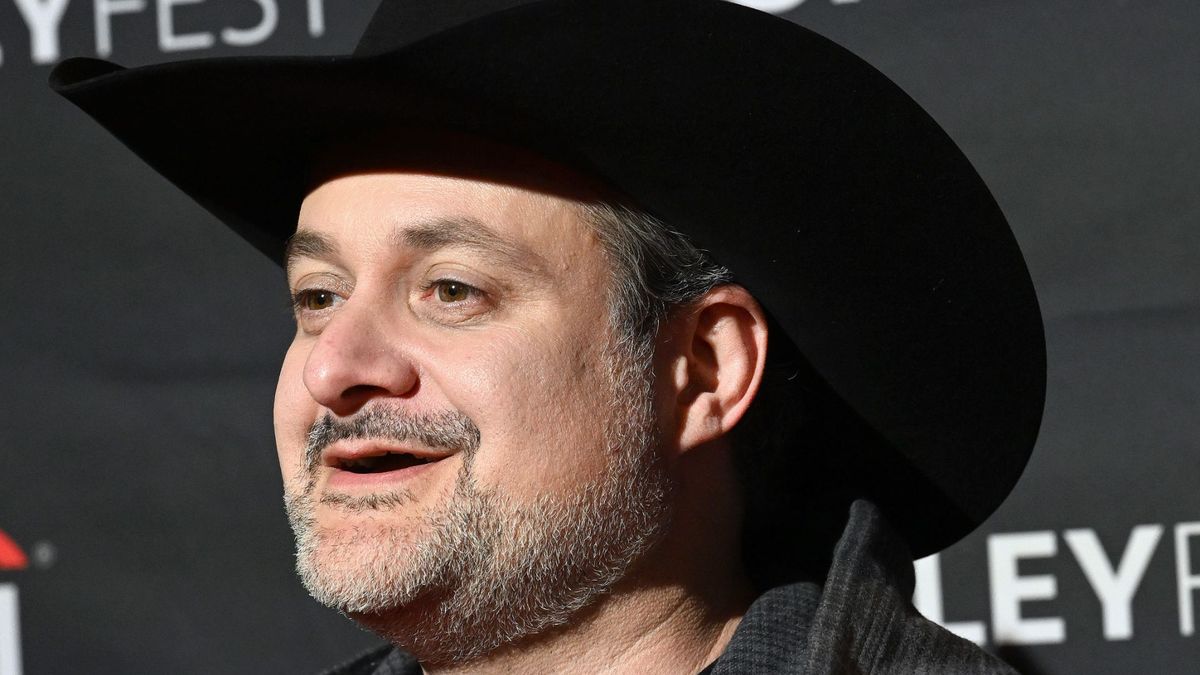
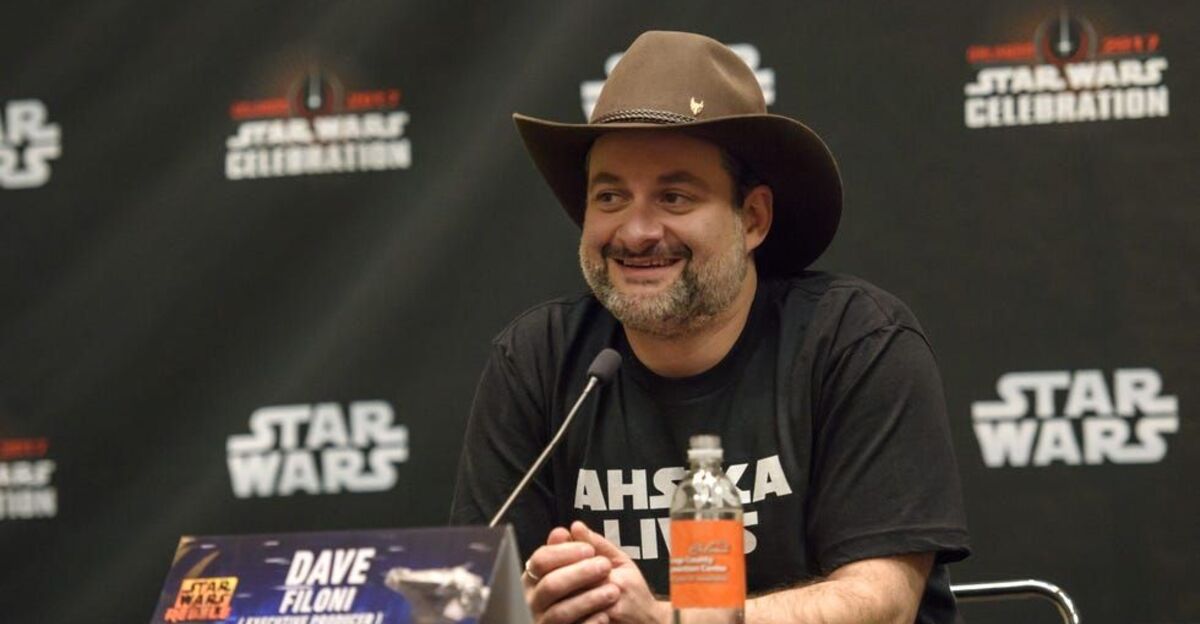
Dave Filoni entered George Lucas’s orbit in 2005 with an assignment: build Lucasfilm’s animation studio from scratch. Over two decades, the then-animator-turned-creative-visionary created Star Wars: The Clone Wars (100+ episodes, 4 Emmy Awards, including Outstanding Special Class Animated Program twice), Star Wars Rebels, The Bad Batch, and Tales of the Jedi.
He then transitioned to live-action, executive producing The Mandalorian—which became Disney+’s most-watched original series ever, with 16.73 million households streaming the full first season (63% of Disney+ subscribers at launch) and 5.42 billion minutes viewed. By 2023, Disney had elevated him to Chief Creative Officer, positioning him as Kennedy’s natural successor.
The Succession Question Looms
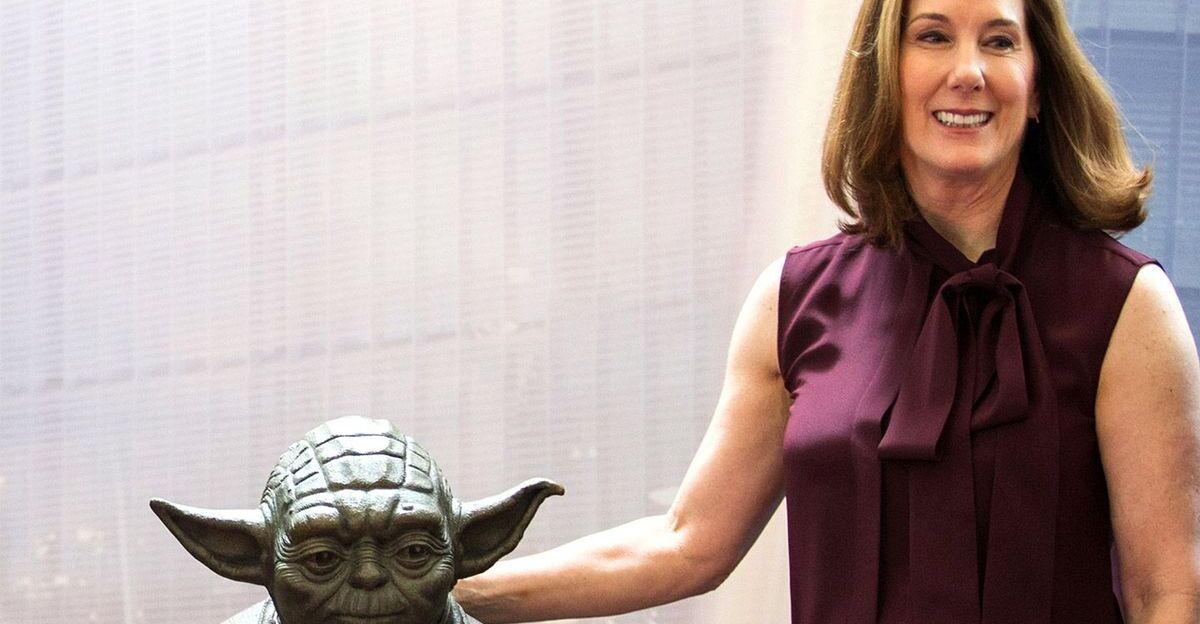
In February 2025, Puck News first reported that Kennedy was planning to exit Lucasfilm “by the end of the year.” Kennedy publicly denied the reports, stating, “I am not retiring. I will never retire from movies.”
However, in subsequent interviews, she acknowledged that Disney succession planning discussions were underway and would be announced “months or a year down the road.”
As the calendar turned to 2026, industry insiders detected renewed momentum: Kennedy’s publicist, Simon Halls, began arranging exit interview logistics—a procedural signal rarely seen before official announcements are finalized.
The Announcement Imminent
On January 6, 2026, Matthew Belloni of Puck News broke the story that Disney will announce “in the next week or two” that Kathleen Kennedy is stepping down as Lucasfilm president after 13+ years and Dave Filoni will be elevated to co-president—not as sole ruler, but in a dual-leadership structure paired with Lynwen Brennan, the current president and general manager of Lucasfilm Business.
Filoni will become “the decider on the creative direction of the franchise in film, television, and any other platforms in the galaxy,” while Brennan manages operations and finances.
This co-presidency model mirrors DC Studios’ recent James Gunn and Peter Safran arrangement, splitting creative vision from business execution.
A Creative-First Pivot
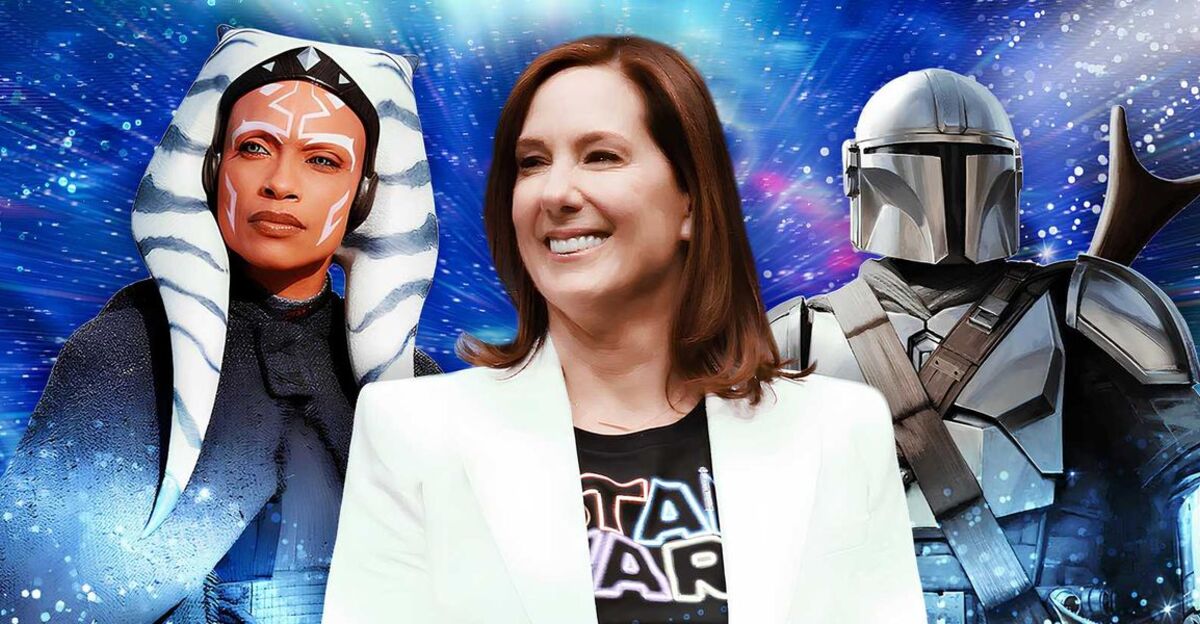
The shift from Kennedy’s executive-driven approach to Filoni’s creative-first leadership represents a fundamental philosophical realignment. Kennedy, who co-founded Amblin Entertainment with Steven Spielberg and Frank Marshall, operated in the classical Hollywood mold: greenlight franchises, manage talent, deliver returns.
Filoni, by contrast, rose through animation—a discipline that prizes storytelling vision and long-form continuity over quarterly earnings.
His elevation signals Disney’s willingness to prioritize creative coherence and fandom trust over the box-office volatility that plagued the sequel trilogy. For Star Wars fans fractured since 2017’s polarizing The Last Jedi, the move carries both hope and trepidation.
Fan Reactions: Hope and Skepticism
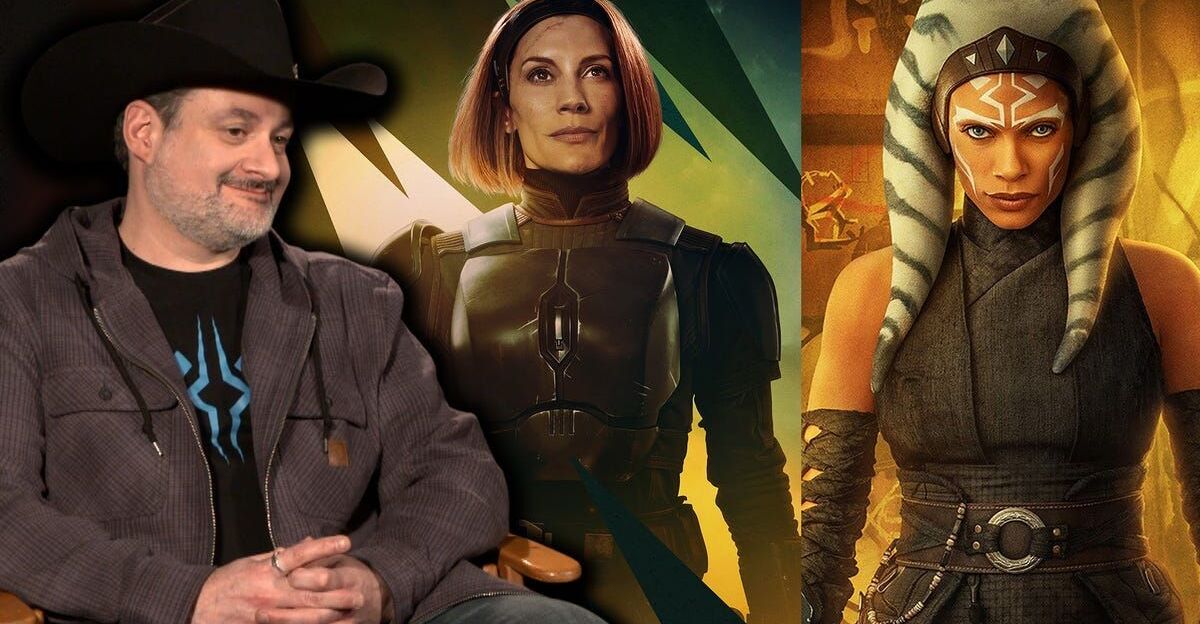
Social media erupted within hours of Belloni’s report. Filoni advocates celebrated, citing his success with The Mandalorian and noting he was “hand-picked by George Lucas himself” in 2005—a symbolic endorsement that Lucas’s original creative vision might be restored.
Yet skeptics emerged equally fast. Some complained that Filoni “exacerbates problems by transforming the post-Episode 6 era into a Rebels continuation,” while others worried he relies too heavily on callbacks to his own animated work, creating an insular creative ecosystem.
One Reddit user summed up the fandom paradox: “We’ve been begging for this for years, and now that it’s happening, we’re terrified.”
Seven Films in Development Limbo

Kennedy’s departure leaves Lucasfilm with seven theatrical Star Wars projects in various states of development, none with release dates. Director Rian Johnson’s announced 2017 trilogy remains officially “in development” after nearly nine years without progress.
Patty Jenkins, Taika Waititi, Donald Glover, and Sharmeen Obaid-Chinoy have all signed on to separate Star Wars films under Kennedy’s tenure, yet none have green-light confirmation or scheduling.
Filoni’s first major test will be deciding which projects align with his creative vision—and which to shelve. Insiders suggest multiple cancellations are likely, a culling that could anger established filmmakers but signal clarity of direction.
Disney+ Viewership Plateau
While The Mandalorian thrived, broader Star Wars streaming momentum has stalled. Disney+ subscribers peaked at 149.6 million in Q1 2024, then declined by 600,000 in subsequent quarters.
Andor Season 2, which aired in spring 2025, achieved critical acclaim but viewership lagged behind Mandalorian Season 1—peaking at 721 million minutes per week versus Mandalorian’s 1.15 billion-minute finale.
Ahsoka (2023) and The Acolyte (2024) attracted viewers but failed to generate franchise-wide momentum. Filoni’s ascension carries an unspoken mandate: reverse subscriber decline and restore Star Wars as Disney+’s flagship streaming property, not a secondary draw.
The Solo Precedent: When Star Wars Lost Money
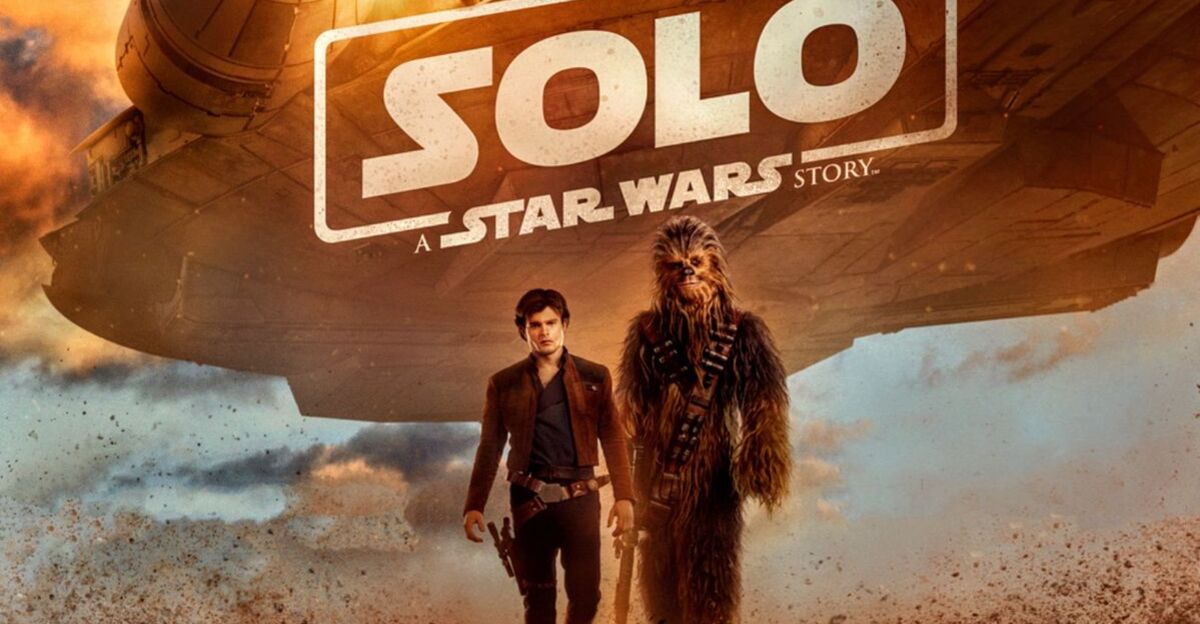
The pivotal moment in Kennedy’s tenure often overlooked: Solo: A Star Wars Story (2018) became the only theatrical Star Wars film in franchise history to actually lose money. With a production budget between $275–300 million plus substantial marketing, the film grossed $393.2 million worldwide—a $103.3 million loss.
The film’s failure occurred just five months after The Last Jedi ($1.334 billion) had divided the fandom irreparably. Disney’s confidence in Kennedy visibly fractured after Solo.
The failure of two expensive franchise films in consecutive years, combined with mounting questions about streaming viewership, created an accountability crisis from which Kennedy could not fully recover. Filoni’s co-presidency is, in many ways, Disney’s insurance policy against another $300 million misstep.
Internal Lucasfilm Friction
Sources speaking to Belloni from Lucasfilm described a studio fractured by competing visions. Some creatives felt Kennedy’s oversight stifled risk-taking; others argued her greenlighting of three separate Rian Johnson, Benioff & Weiss, and Josh Trank projects—all eventually shelved—reflected chaotic decision-making.
Filoni’s appointment signals a consolidation of creative authority around a single animating voice. Lynwen Brennan, who maintains her operational role in the co-presidency, has earned respect for stabilizing Lucasfilm’s business side after years of production overruns and cancellation costs.
The pairing suggests Disney believes the studio needed both fewer cooks in the creative kitchen and a trusted operations partner to prevent budget spirals.
Mandalorian and Grogu: Filoni’s First Test

Filoni’s co-written theatrical directorial debut, The Mandalorian & Grogu, is scheduled for May 22, 2026—roughly four months after his expected promotion announcement. The film reunites Pedro Pascal (Din Djarin) and Grogu to resolve the New Republic storyline seeded across Disney+ seasons.
With an estimated $200–300 million production budget, the film’s success or failure will heavily influence Disney’s confidence in Filoni’s big-screen capabilities.
If it performs at Mandalorian Season 1 viewership levels (16.73 million households), the math becomes compelling: that represents roughly $267 million in theoretical movie-ticket equivalency without marketing. Conversely, another Solo-style loss would undermine Filoni’s credibility before his co-presidency truly begins.
George Lucas’s Shadow Lengthens
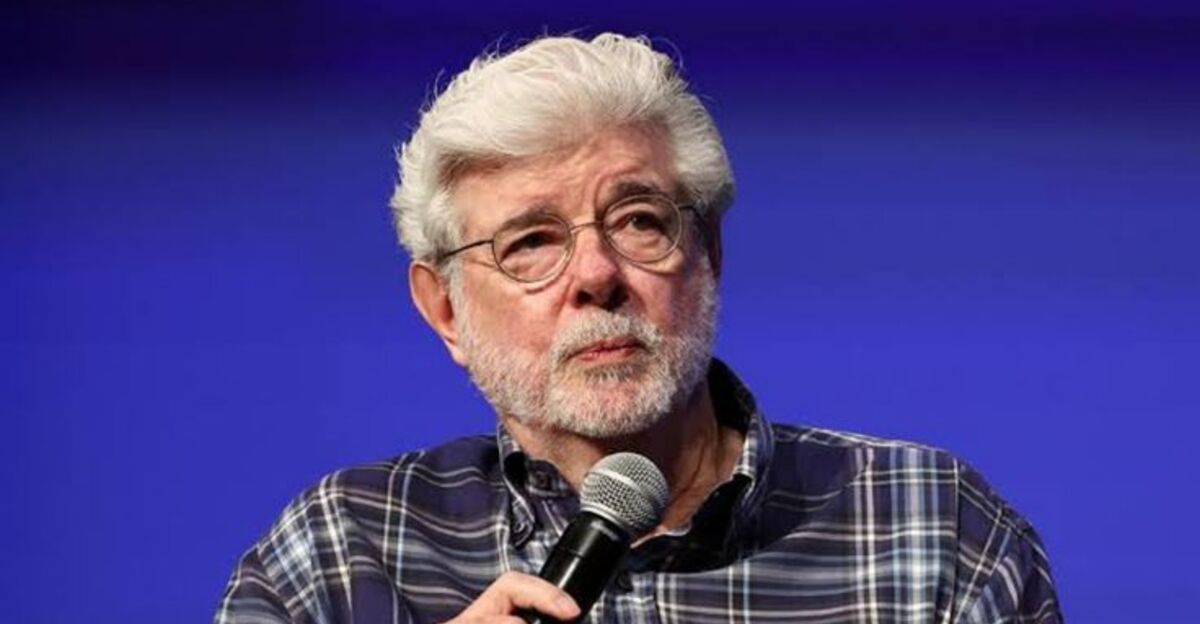
Filoni’s appointment represents a vindication of George Lucas’s creative instincts. When Disney acquired Lucasfilm in 2012 for $4 billion, Lucas stepped away but Filoni remained—the only executive-level figure Lucas directly mentored who retained his position across the Disney era.
Lucas has grown increasingly critical of the sequel trilogy in interviews, suggesting his creative DNA aligned more with animated storytelling than the live-action path Kennedy pursued. Filoni’s elevation signals that Lucas’s vision for Star Wars—emphasizing character-driven narratives and multifilm arcs developed through animation—has outlasted Kennedy’s blockbuster-franchise approach.
At age 51, Filoni is young enough to shape the franchise for the next two decades, potentially giving Lucas’s creative legacy a 40-year runway.
Skepticism Remains on Wall Street
Despite industry enthusiasm, financial analysts express caution. Wedbush Securities noted that “creative leadership alone cannot fix structural problems: franchise saturation, fandom fracture, and the fact that Disney+ viewership has plateaued industry-wide.”
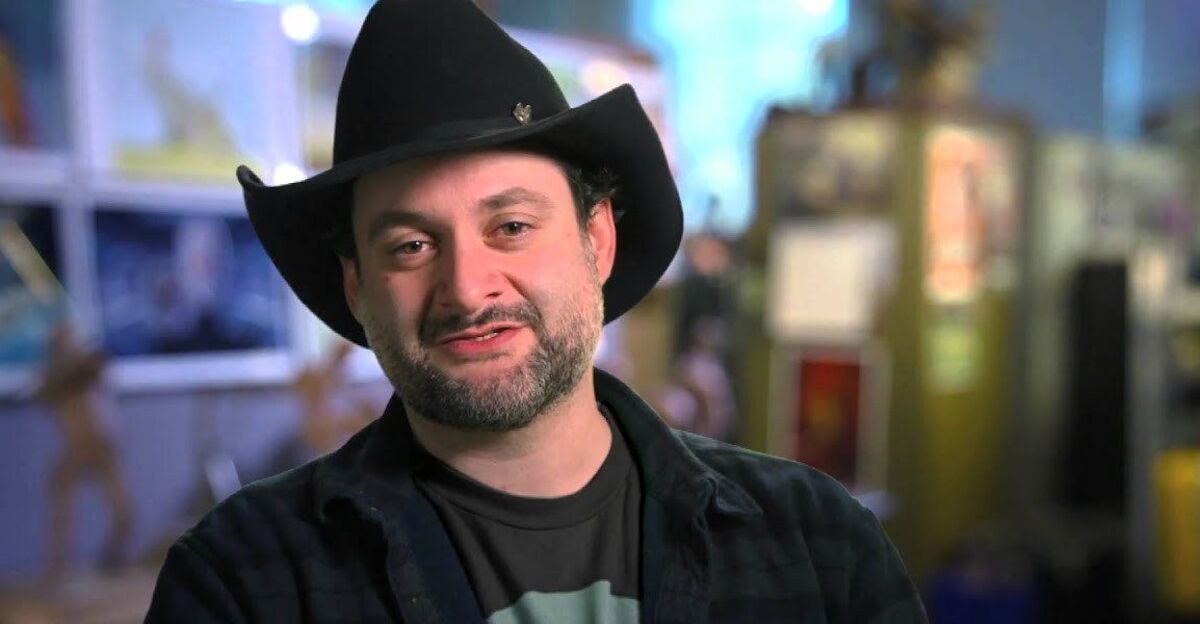
Filoni’s animated background, while celebrated by fans, raises questions about his live-action film credentials. He has directed only two live-action Mandalorian episodes; Mandalorian & Grogu will be his first feature film. Wall Street will watch May 2026’s theatrical performance closely.
If the film underperforms expectations—or if subsequent Star Wars projects stall again—investor confidence in Disney’s streaming and theatrical strategy could deteriorate. Filoni’s appointment is a creative reset, not a financial guarantee.
The Franchise at an Inflection Point
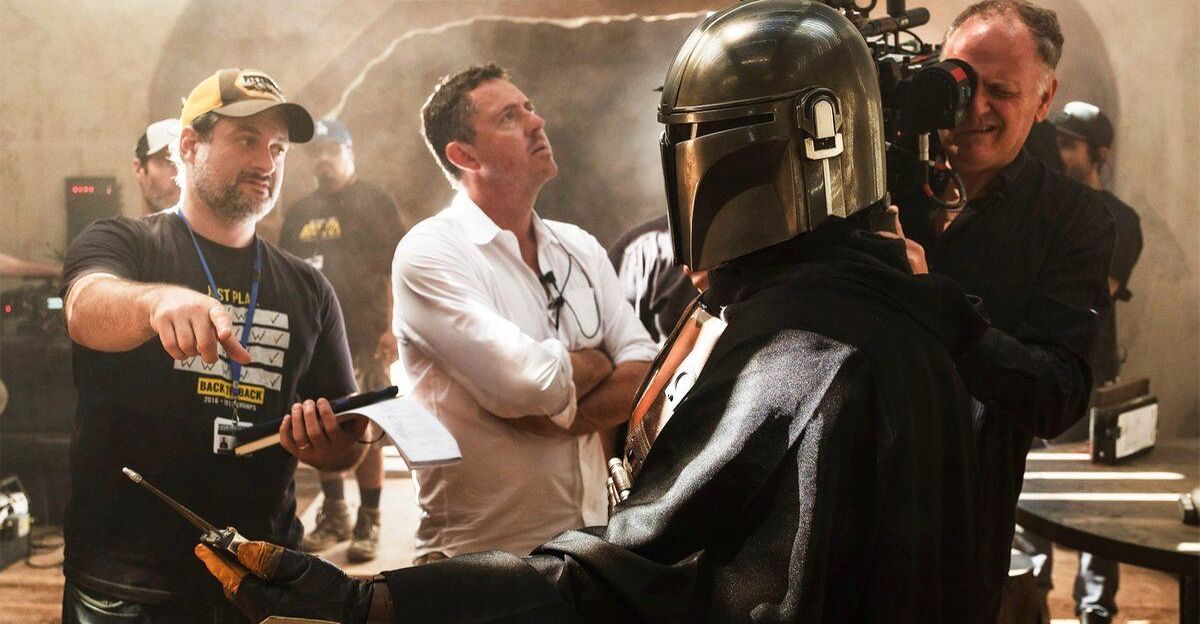
As Disney prepares to announce Kennedy’s exit and Filoni’s elevation, a larger question emerges: Can creative leadership alone reverse a decade of franchise fatigue? Star Wars has not released a theatrical film in seven years—an unprecedented drought for a $12 billion-per-decade property.
Fan enthusiasm remains high for Filoni’s Mandalorian universe, yet broader Star Wars viewership has declined across shows. Filoni will inherit a studio with seven unscheduled films, a streaming platform losing subscribers, and a fandom fractured by creative inconsistency.
His mandate is clear: prove that coherent creative vision, married with business discipline, can restore Star Wars to cultural dominance. The next eighteen months—Mandalorian & Grogu’s theatrical release, official announcement timing, and first major creative decisions—will define whether Filoni is the architect of a franchise renaissance or another executive caught between impossible expectations and a changing media landscape.
Sources:
Puck News, Matthew Belloni, January 6, 2026
The Hollywood Reporter, January 9, 2026
GamesRadar, January 5, 2026
Variety, multiple dates 2023–2025
Deadline, multiple dates 2023–2025
Reddit r/StarWarsLeaks, January 5–6, 2026