Astronomers may have stumbled onto something extraordinary. A faint glow in the Milky Way halo caught the attention of Professor Tomonori Totani, who said the gamma-ray pattern “closely matches the shape expected from the dark matter halo.” That single detail is what set scientists buzzing this week.
If the signal holds up, it could mark the first real glimpse of the universe’s hidden mass, the same mystery that has shaped decades of astrophysics. The idea is bold, the scrutiny is intense, and the implications stretch far beyond astronomy. Here’s how this unexpected glow turned into one of the year’s most talked-about discoveries.
What’s Going On With the Signal?
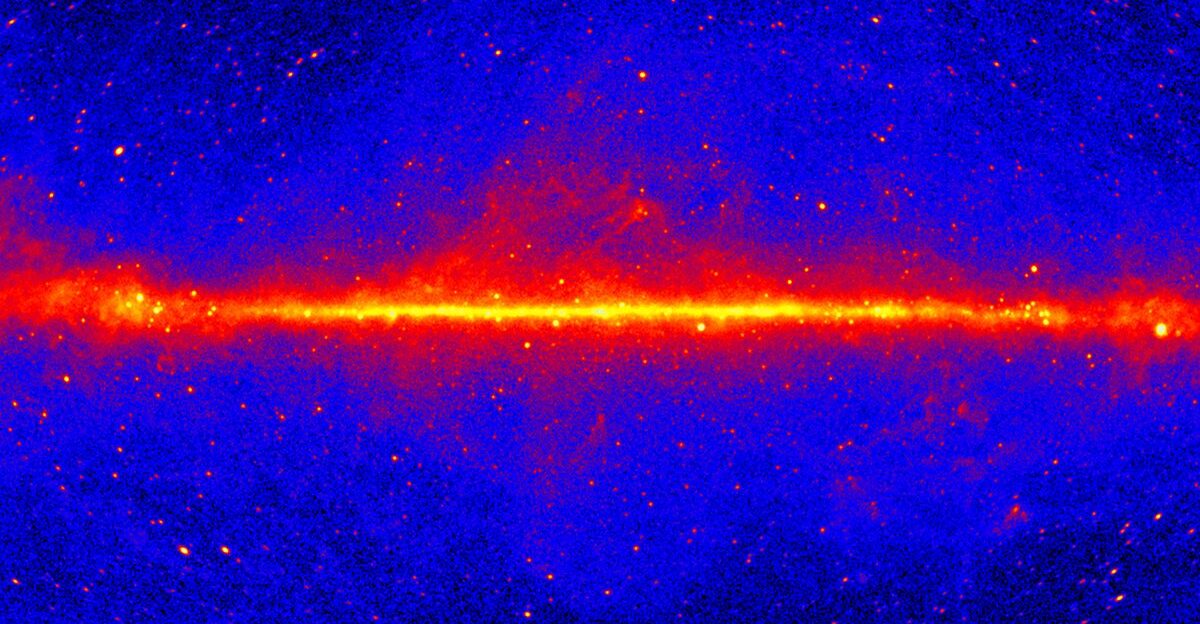
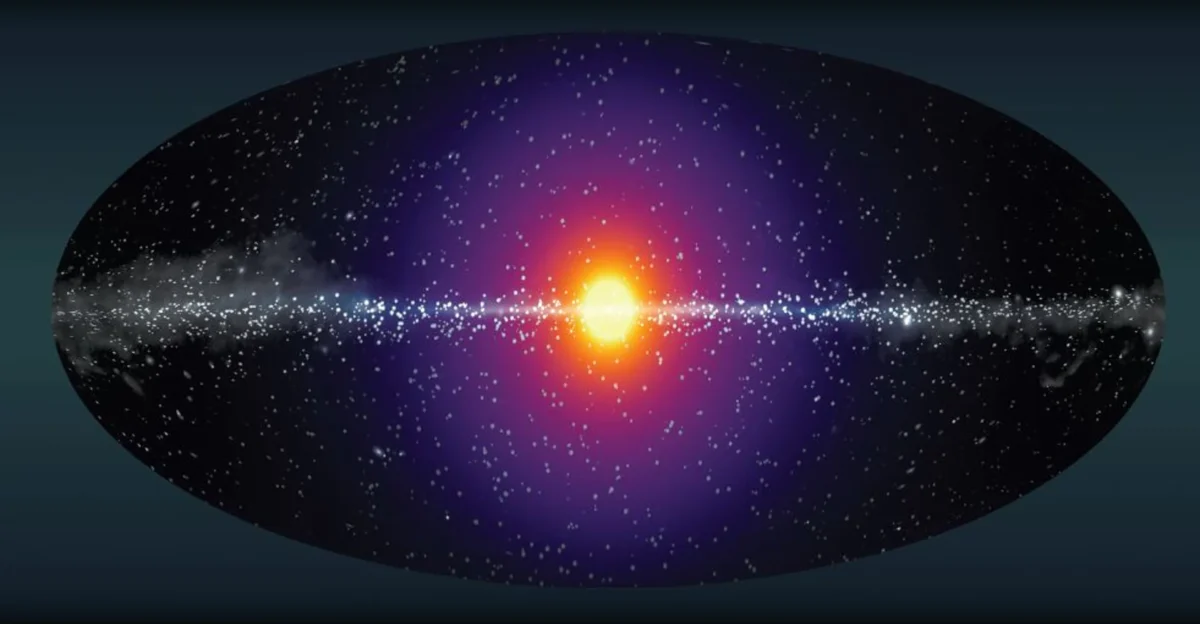
Totani describes the detection as “gamma rays with a photon energy of 20 gigaelectronvolts … extending in a halo-like structure toward the center of the Milky Way.” The signal appears smooth and roughly spherical, consistent with predictions for dark matter annihilation in the galactic halo.
The discovery builds on years of gamma-ray astronomy and meticulous data analysis. Yet some experts warn caution. Dan Hooper said, “doesn’t leave me very confident that this is an authentic signal of dark matter,” highlighting the long history of ambiguous results in this field. Could this really be different?
Who Is Behind the Discovery?
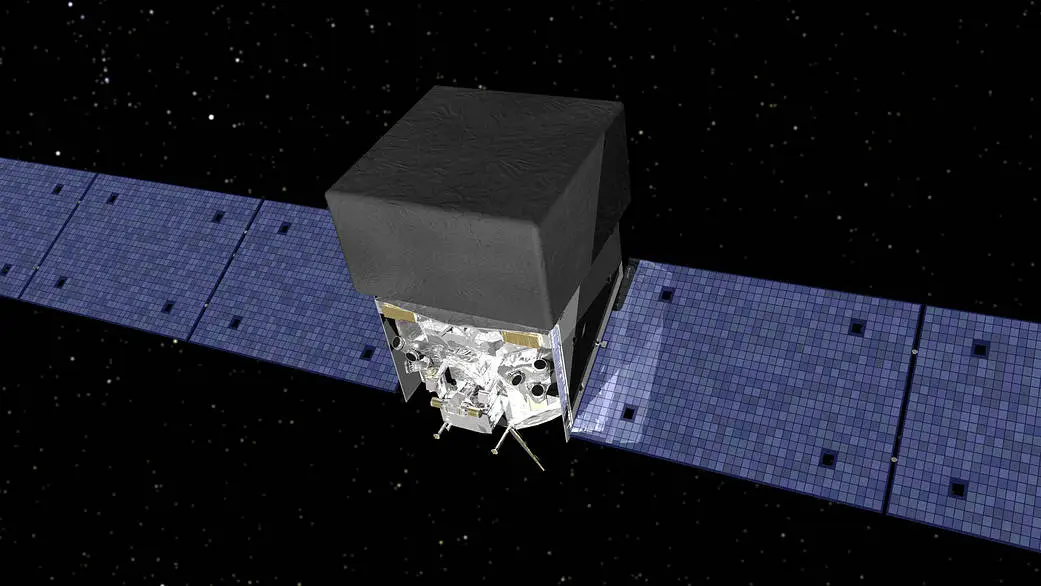
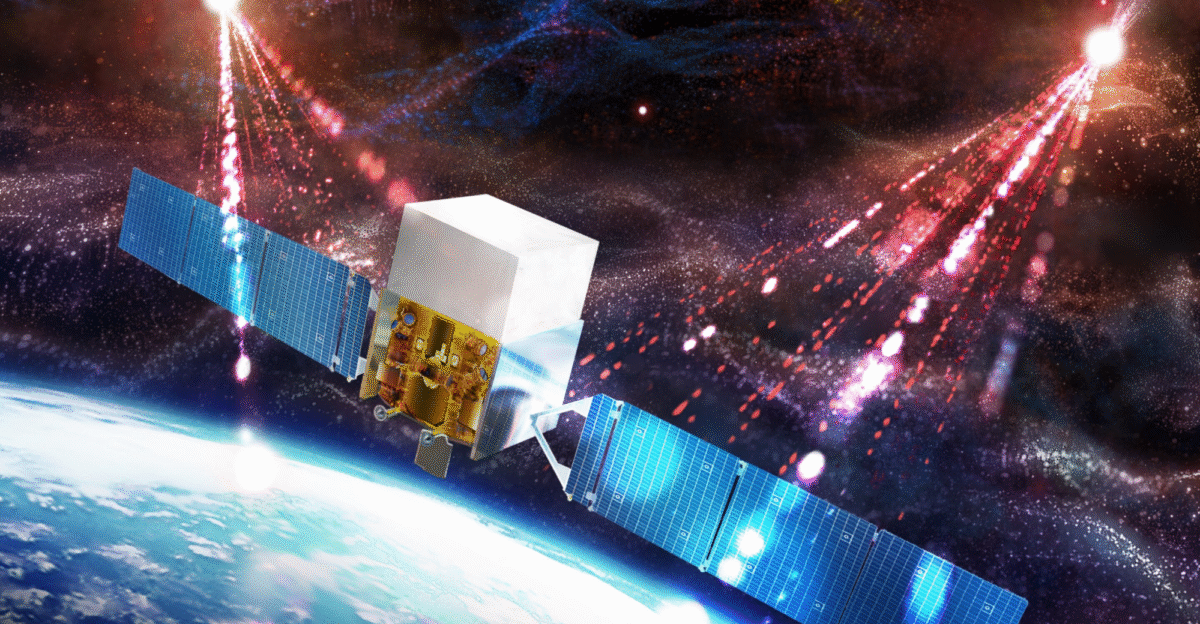
Tomonori Totani, Professor of Astronomy at the University of Tokyo, led the analysis, examining Fermi LAT data from 2008 to 2023. The Fermi telescope itself is a joint mission of NASA, the U.S. Department of Energy, and European and Japanese partners, designed to detect high-energy gamma rays and explore dark matter.
The broader dark-matter research community is invested as well. CERN, underground detection labs, and gamma-ray observatories worldwide follow such signals closely. If validated, Totani’s result could narrow down the properties of WIMPs, reshaping decades of theoretical work.
Who Could Be Affected?

The space and scientific workforce relies on projects like Fermi. Over 5,400 days of observations have supported hundreds of engineers, operators, and scientists. CTAO, the next-generation ground-based gamma-ray observatory, represents a €330 million investment with decades-long operational impact, employing optics, electronics, and software specialists.
The ripple effects extend further. Small manufacturers producing mirrors, detectors, and electronics are part of the supply chain. A confirmed signal would stabilize demand and encourage long-term investment in this specialized sector. But what exactly did Totani see in the data?
What Was Detected?
The analysis revealed a “halo-like excess” of gamma rays in the Milky Way halo, peaking sharply at 20 GeV. Flux is negligible below 2 GeV and above 200 GeV, forming a distinctive bump unlike typical astrophysical sources. Its spatial profile aligns with an NFW dark-matter halo.
Statistical significance reaches 13–19σ in baseline models and stays above 5σ in conservative variations. Totani’s findings indicate WIMPs of ~0.5–0.8 TeV mass with an annihilation cross-section of (5–8)×10⁻²⁵ cm³/s. However, astrophysical mimics like pulsars could produce similar gamma rays. Could this be the first direct detection?
What Is the “Galactic Glow”?
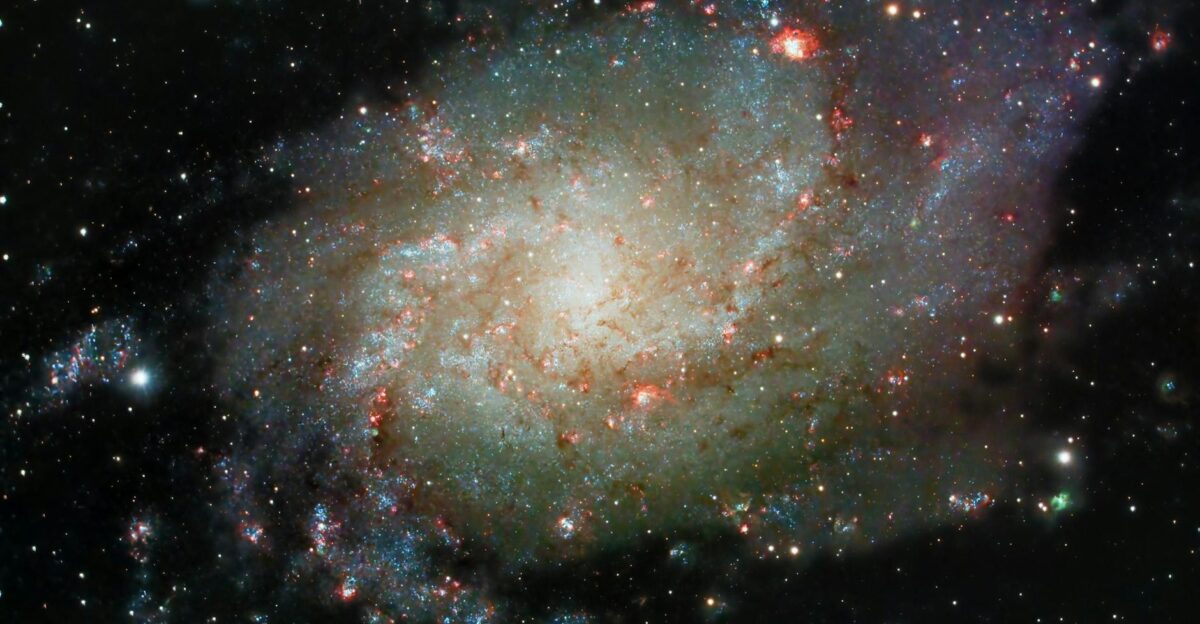
The “galactic glow” refers to diffuse gamma rays in the Milky Way halo, peaking at 20 GeV per photon. Totani emphasizes the emission matches the expected shape of the dark matter halo, forming a roughly spherical pattern rather than a point source.
This glow arises from 15 years of Fermi observations, spanning 5,475 days. The spectral bump and morphology together make it a promising candidate, but experts caution it is not yet conclusive. Why is the community treating this signal with caution?
Could This Be First Evidence?

Totani told Space.com, “If this is correct, to the extent of my knowledge, it would mark the first time humanity has ‘seen’ dark matter.” News outlets echo that this is a potential first direct evidence, conditional on independent confirmation.
Yet skeptics stress caution. Dillon Brout said, “extraordinary claims necessitate extraordinary evidence.” No dark-matter particle has been unambiguously detected, and past claims often proved premature. Could this signal survive rigorous verification?
When Did This Happen?
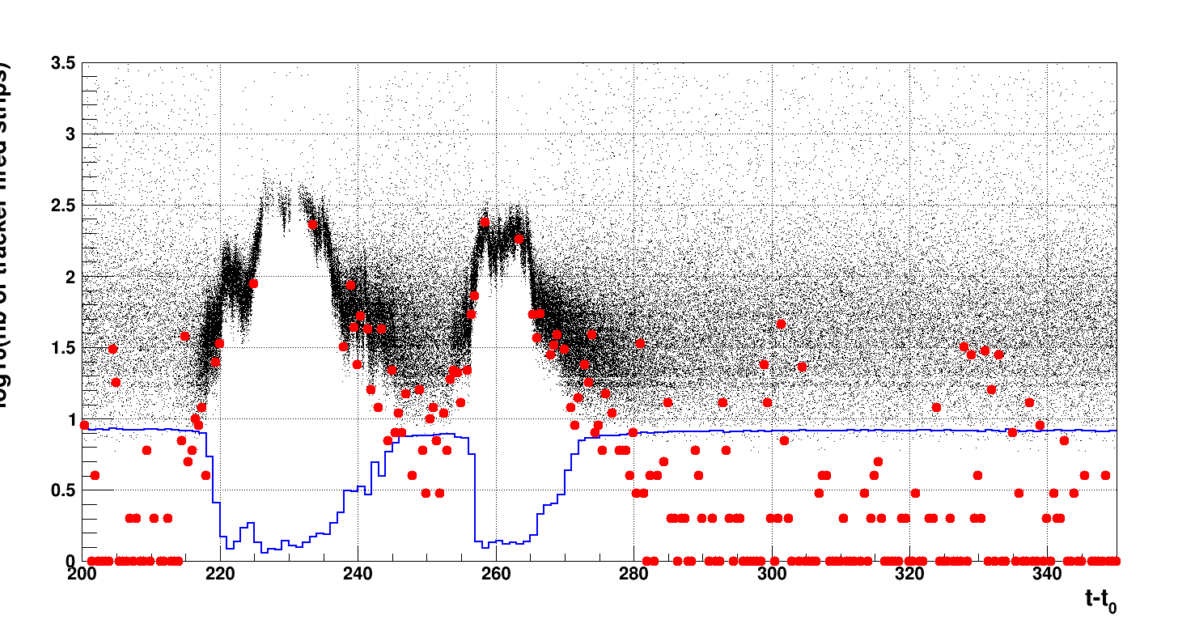
Data were collected by Fermi LAT continuously from June 2008 to 2023. Totani posted his preprint to arXiv on 8 July 2025, and the article was accepted in JCAP for publication on 26 November 2025.
Media coverage intensified between 24–27 November, with headlines highlighting a potential glimpse of dark matter. However, the broader scientific evaluation and verification process will take years. What historical context frames this discovery?
How Long Have Scientists Been Searching?
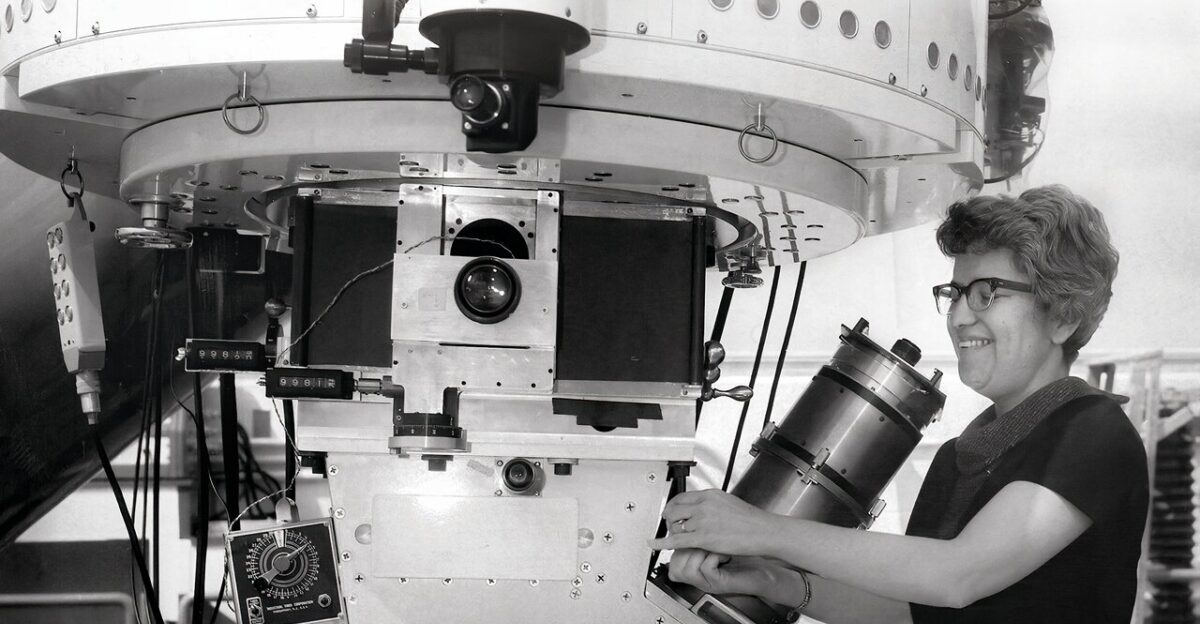
Dark matter’s mystery stretches nearly a century. In 1933, Fritz Zwicky inferred “dunkle Materie” in the Coma cluster. Vera Rubin and others later confirmed galaxy rotation curves required unseen mass.
Despite decades of indirect evidence, previous dark-matter signals—including the Galactic Center GeV excess in 2009—remained ambiguous. Totani’s signal may be a turning point, but the verification horizon is long. What comes next for testing this claim?
How Long Will Verification Take?
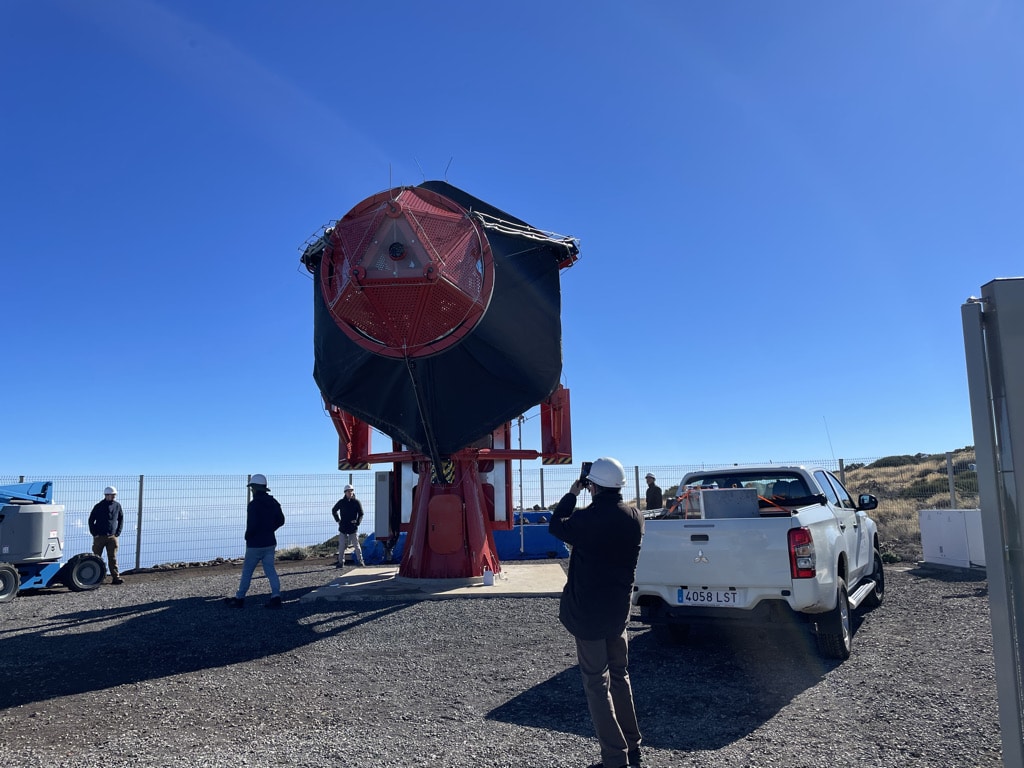
Independent analyses, dwarf galaxy observations, and new gamma-ray telescopes will be needed. CTAO, under construction since 2022, will operate for 30+ years, testing spectral bumps with high sensitivity.
Full confirmation requires multiple observational strands converging. Even then, debates over “direct” versus “indirect” evidence will persist. The race to confirm has begun, but patience is essential. Where exactly is this mysterious glow located?
Where in the Sky Was It Found?
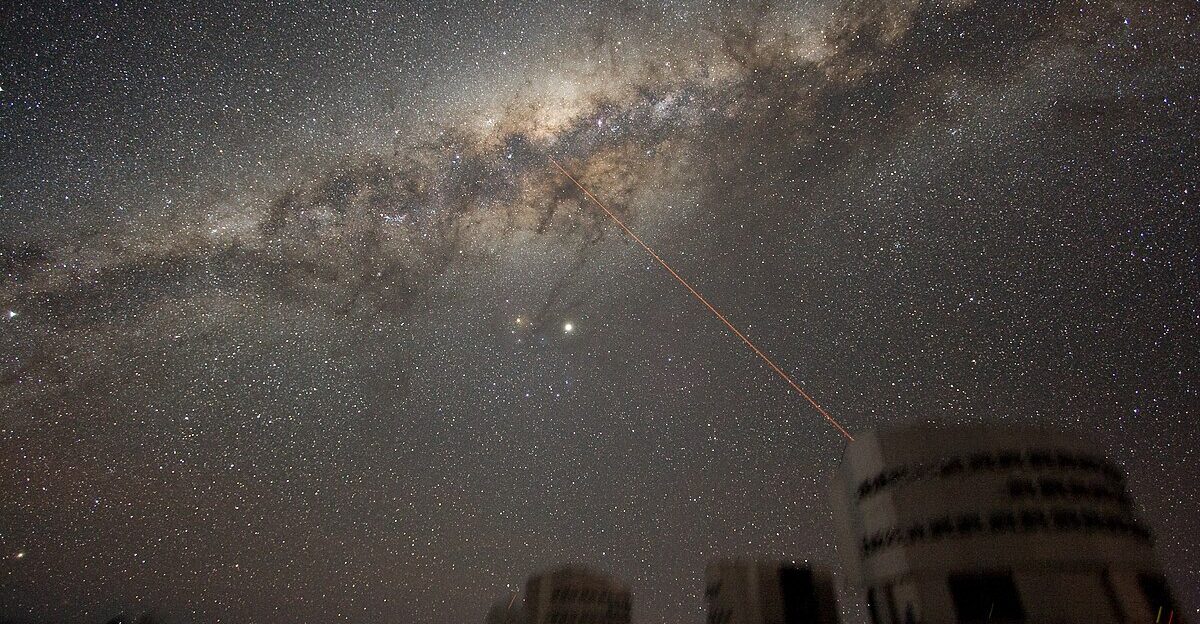
The signal originates in the Milky Way halo, excluding the bright disk. Totani’s region of interest spans Galactic longitude |l| ≤ 60° and latitude 10° ≤ |b| ≤ 60°, capturing a relatively clean halo environment.
This placement reduces contamination from known sources and allows a clearer look at potential dark-matter annihilation. Its spherical symmetry strengthens the candidate signal. But what institutions and economies are involved?
Where Are the Stakes?
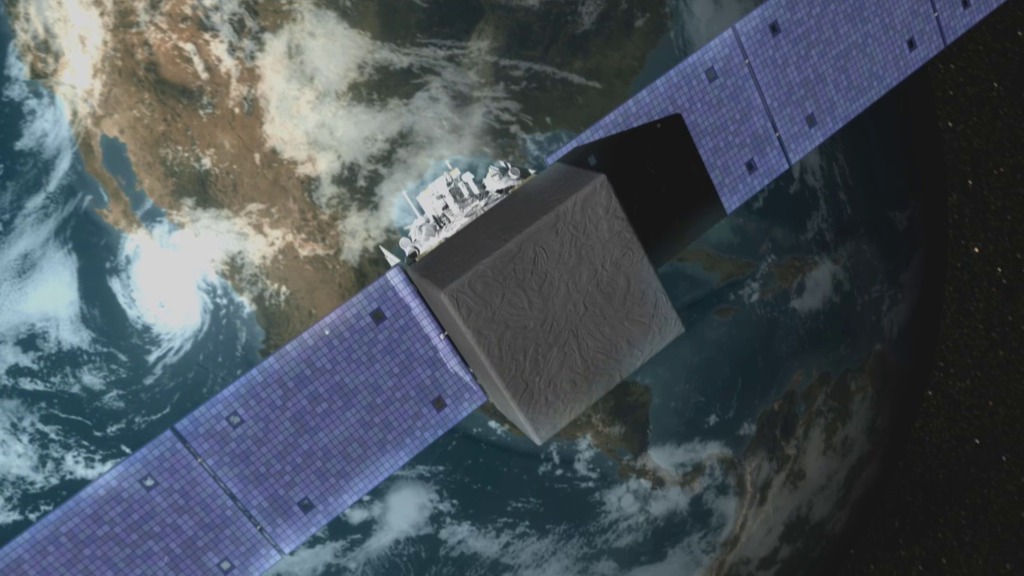
Fermi orbits Earth at 560 km, funded by NASA and international partners. CTAO sites in Spain and Chile represent major investments, with €200–330 million in capital expenditure supporting local employment and specialized supply chains.
Confirming Totani’s signal would validate decades of costly infrastructure, affecting observatories, suppliers, and regional economies. The stakes extend far beyond astronomy. Why does this signal matter to the broader universe?
Why Does This Matter?
Dark matter comprises roughly 27% of the universe’s energy content, about five times more than ordinary matter. Nearly 84% of all cosmic matter is invisible, shaping galaxy formation and cosmology.
Detecting non-gravitational signals would revolutionize physics, cosmology, and our understanding of the universe. The 20 GeV halo bump could transform science textbooks and research priorities worldwide. But why is this particular signal called “promising”?
Why Is This Signal Promising?
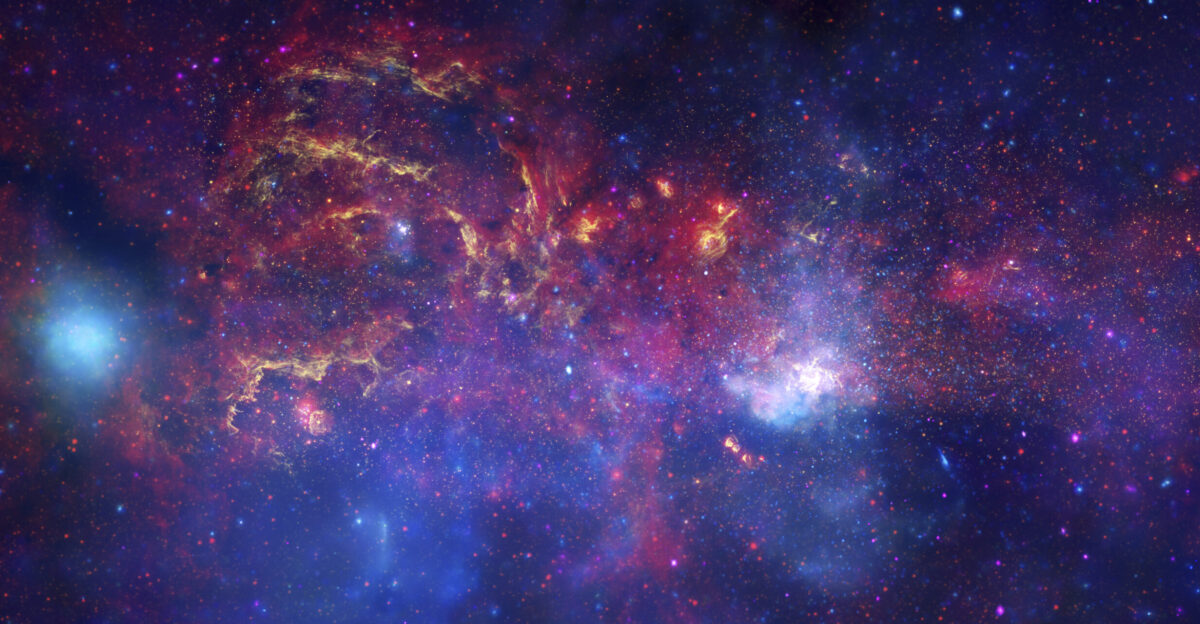
The signal shows a narrow spectral bump at 20 GeV and matches the expected halo morphology. Totani subtracted all known sources, cosmic-ray backgrounds, and diffuse emissions, leaving a statistically significant residual.
This alignment with WIMP annihilation predictions makes it the “most promising candidate radiation from dark matter known to date,” according to Totani’s email to Gizmodo. Yet experts urge caution. What could go wrong?
Why Skepticism Remains
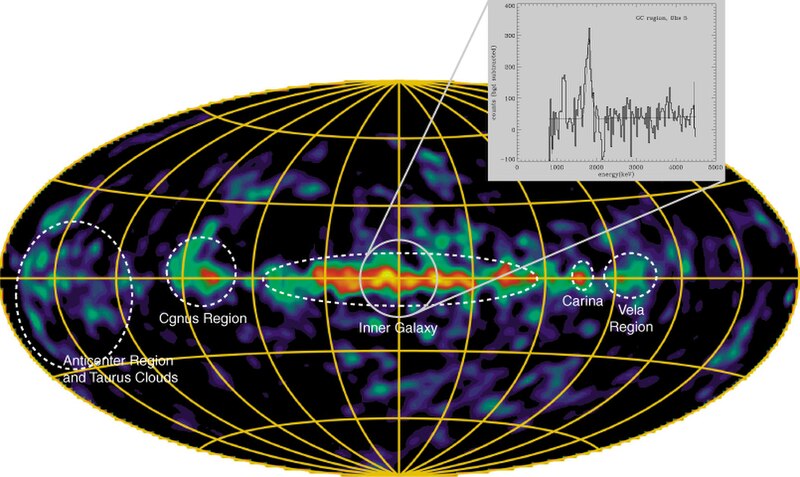
Gamma-ray backgrounds are complex. Cosmic-ray propagation, pulsars, and inverse-Compton scattering can mimic similar signals. Totani’s required cross-section exceeds some dwarf-galaxy limits, and history shows prior false alarms, from DAMA/LIBRA to the Galactic Center excess.
Fermilab physicists warn against assuming detection without multiple validating observations. Skepticism is warranted, and the community will demand rigorous confirmation before calling this definitive. How was the signal extracted?
How Was the Signal Detected?
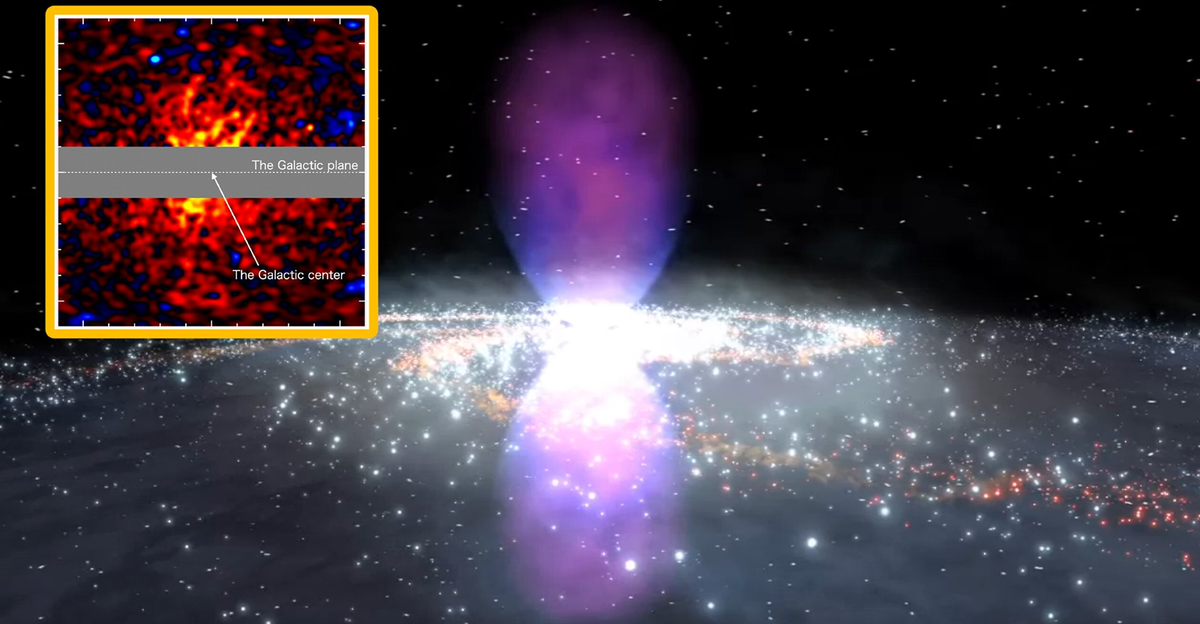
Totani used 15 years of Fermi LAT “Pass 8 UltraClean” data. A halo region was selected, excluding the disk, and templates for known sources were subtracted. The remaining emission formed a halo peaking at 20 GeV.
He fit this with WIMP annihilation models (~0.5–0.8 TeV) and a ρ² NFW profile. No known astrophysical source reproduces both spectrum and morphology. Can it be confirmed independently?
How Could Confirmation Happen?
Verification requires independent reanalysis of Fermi data, observations in dwarf galaxies, and CTAO’s high-sensitivity measurements above 20 GeV. Neutrino and cosmic-ray detectors could provide additional constraints.
Only a convergence of these strands could substantiate “first direct evidence.” Even then, debates over definitions will persist. The process could take years, but stakes remain high for science and society alike.
How Might This Impact the Economy?

A confirmed signal would influence a $600 billion+ space sector, sustaining observatory operations, optics manufacturers, and high-tech supply chains. Advanced detectors and algorithms developed for Fermi could diffuse into medical imaging, AI, and security.
STEM education could also benefit, inspiring students and workforce development in science and aerospace. The discovery’s implications ripple far beyond physics. What lies ahead for dark-matter research?
What’s Next for Research?
Future research will rely on CTAO, dwarf galaxy surveys, and complementary observatories worldwide. Improved background modeling, statistical analysis, and cross-validation are critical.
Independent confirmation remains the ultimate goal. If repeated signals emerge, the scientific community may finally capture a direct glimpse of dark matter, reshaping our understanding of the cosmos. Could Totani’s 20 GeV glow mark the start?
A Tentative First Look
Totani’s 20 GeV halo detection stands as the most promising candidate for dark matter observed to date. Careful verification over the coming years will determine whether this is a historic milestone or another cautionary tale.
The result already influences funding, research priorities, and public imagination. Regardless of outcome, this galactic glow has illuminated the path for future exploration and discovery.
Sources
Totani, T. 2025. 20 GeV halo-like excess of the Galactic diffuse emission and implications for dark matter annihilation. arXiv:2507.07209, accepted in Journal of Cosmology and Astroparticle Physics.
NASA. Dark Matter. NASA Science explainer, updated 28 August 2025.
CERN. Dark Matter. CERN Science explainer, updated 31 August 2023.
NASA / Fermi Gamma-ray Space Telescope mission documentation.
Space Foundation. The Space Report 2025 Q2, 22 July 2025.