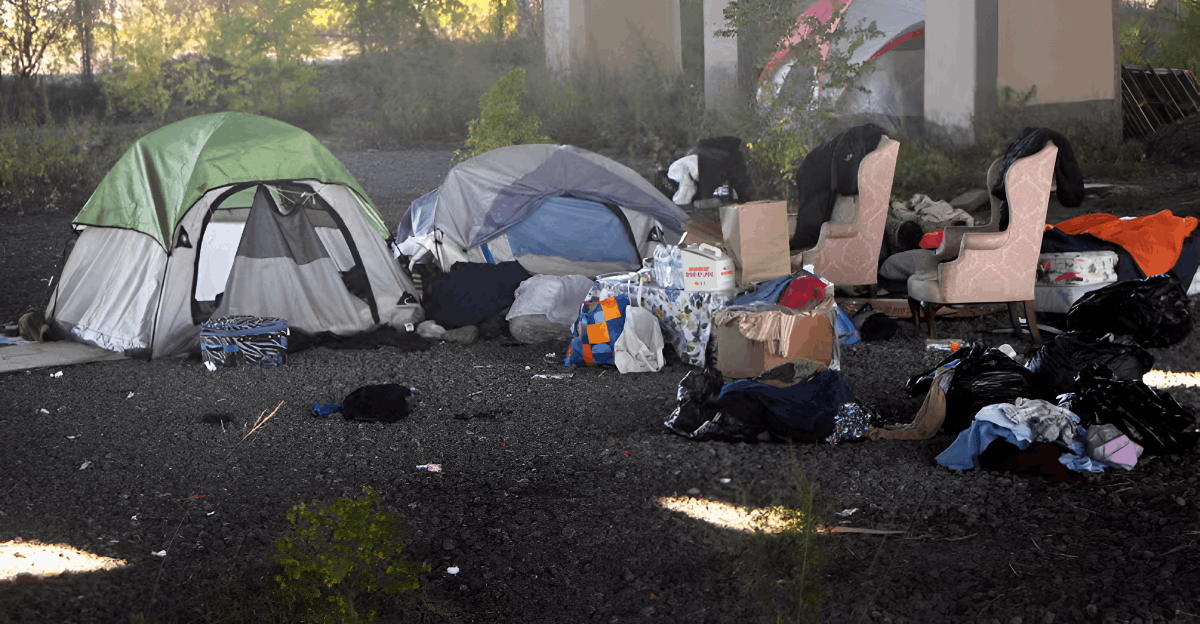
Dallas is now at the center of national debate after it announced a dramatic reduction in downtown street homelessness in May 2025.
According to The Washington Post, Dallas’s “Street to Home” initiative transitioned over 270 individuals into permanent housing, setting a new standard for urban intervention. “Dallas has become a beacon of hope,” said Sarah Kahn, president of Housing Forward.
Stakes Rise in 2025
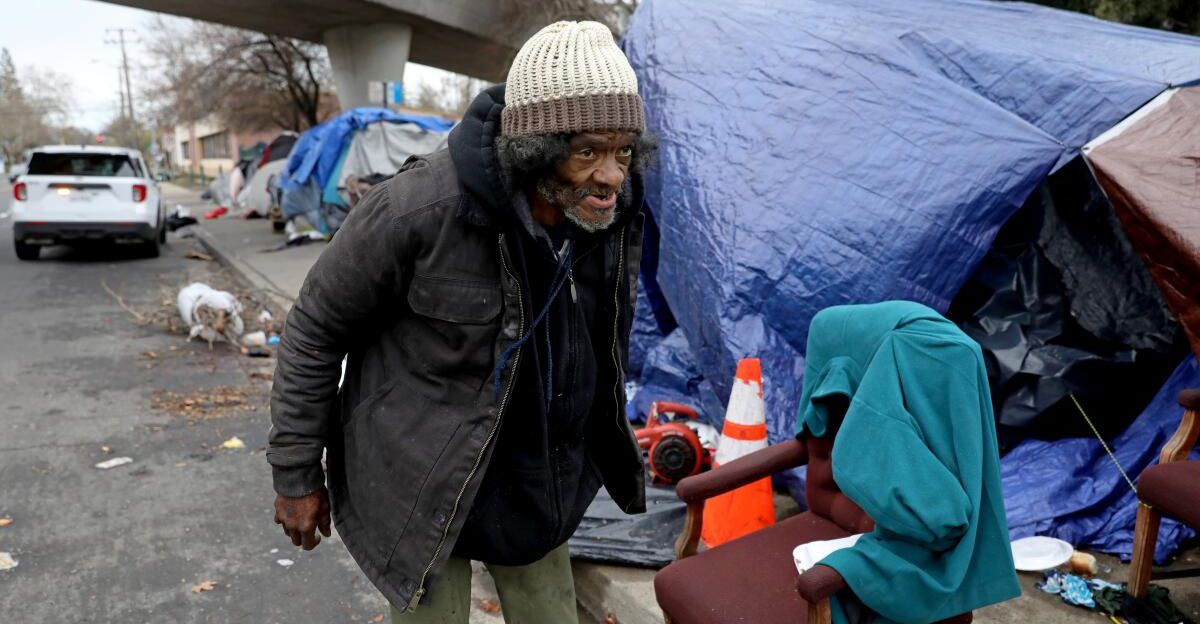
Homelessness in American cities surged by 18% last year, making Dallas’s progress especially notable. City officials worked with over 150 groups to respond swiftly, while federal data highlighted Dallas’s unique 24% drop in local unsheltered homelessness since 2021. This focused approach continues to attract national attention.
Homelessness: The Long View
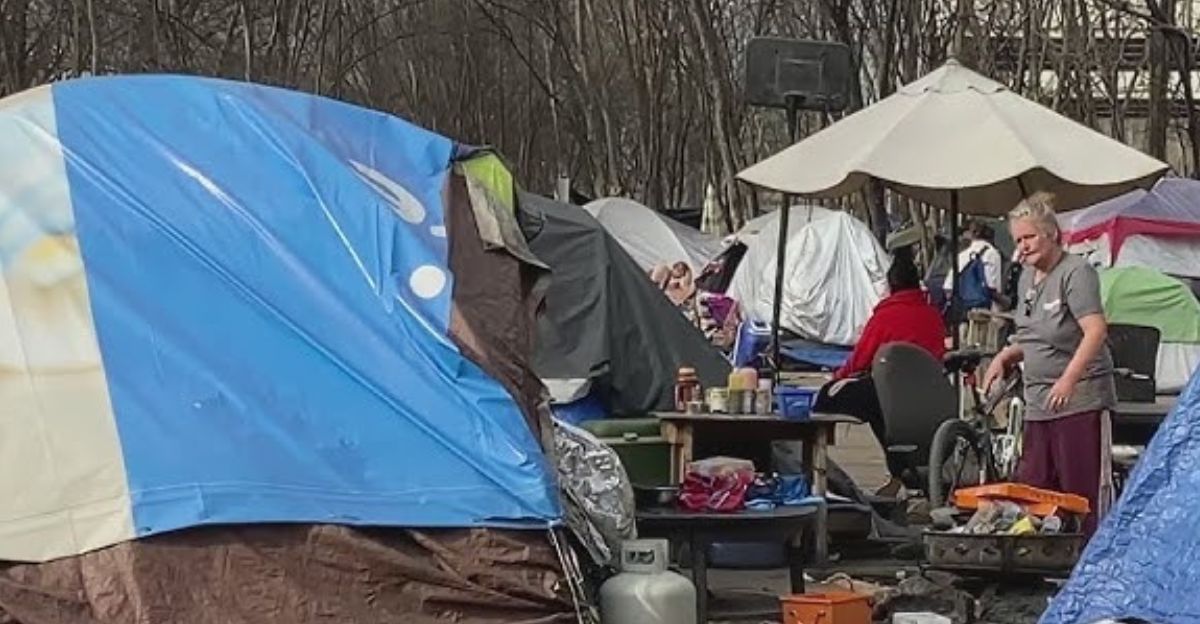
For decades, downtown Dallas faced chronic homelessness and encampments, especially near city hall. Only recently, thanks to unified efforts by public agencies and nonprofits, did a housing-focused strategy gain momentum. “The resources we have here… make ending homelessness possible,” said Dave Falconer, a city leader.
Pressure Builds Locally
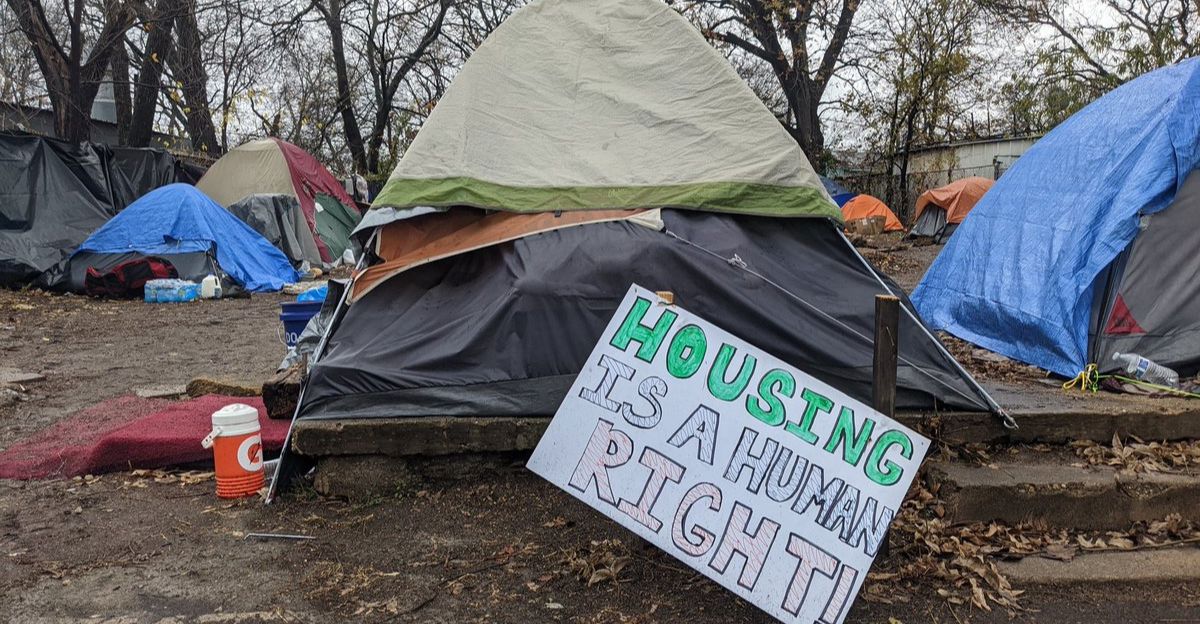
By late 2024, shelters filled beyond capacity and nearly 1,000 people camped downtown nightly. Residents and business owners pushed for immediate solutions, driving city government and partners to scale up the “Street to Home” initiative, which emphasizes permanent housing and comprehensive social services.
Homelessness Falls
Dallas declared in May 2025 an “effective end” to downtown street homelessness after transitioning hundreds into permanent housing.
“No one is living or sleeping on the streets downtown,” announced CEO Sarah Kahn. The coordinated response set Dallas apart from other urban areas fighting rising homelessness.
Downtown Transformed
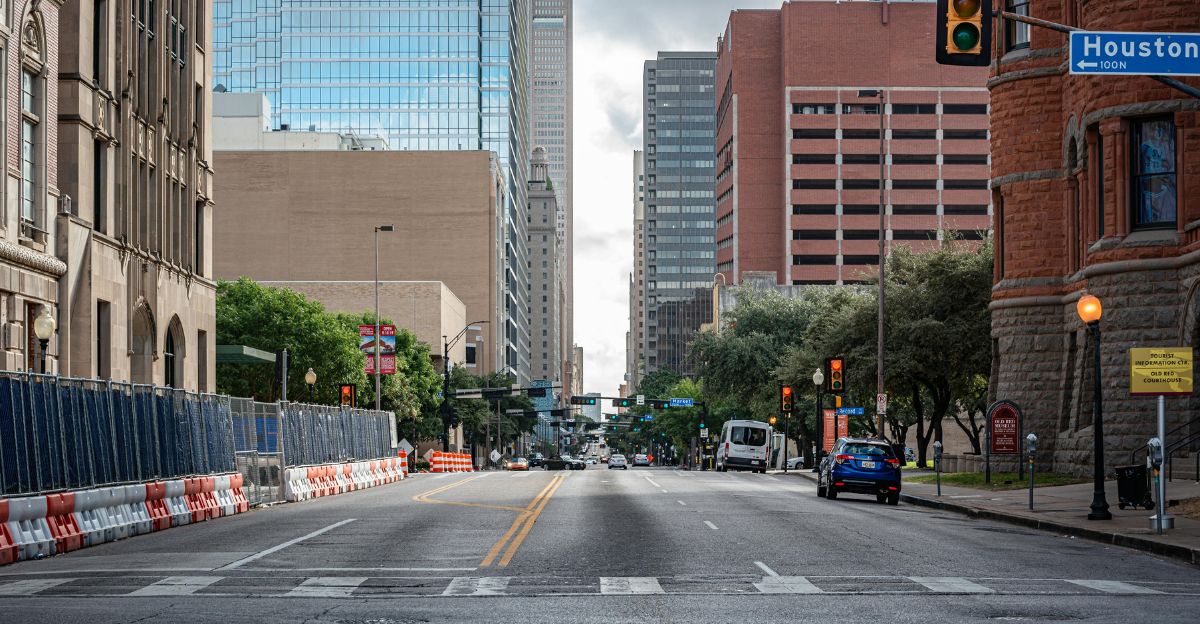
Residents and businesses report safer streets and increased foot traffic since the initiative began. Dallas Morning News notes police crisis calls have dropped, and local shelters see almost no demand downtown. The city’s integrated response is credited for real and visible change.
Human Stories Emerge

James R., once unsheltered downtown, recalls, “I finally feel stable… the help changed my life.” Another, Diamond Wallace, now has his own apartment and is interviewing for jobs. “Everyone has a story and deserves a fresh start,” adds city manager Kimberly Tolbert.
National Context
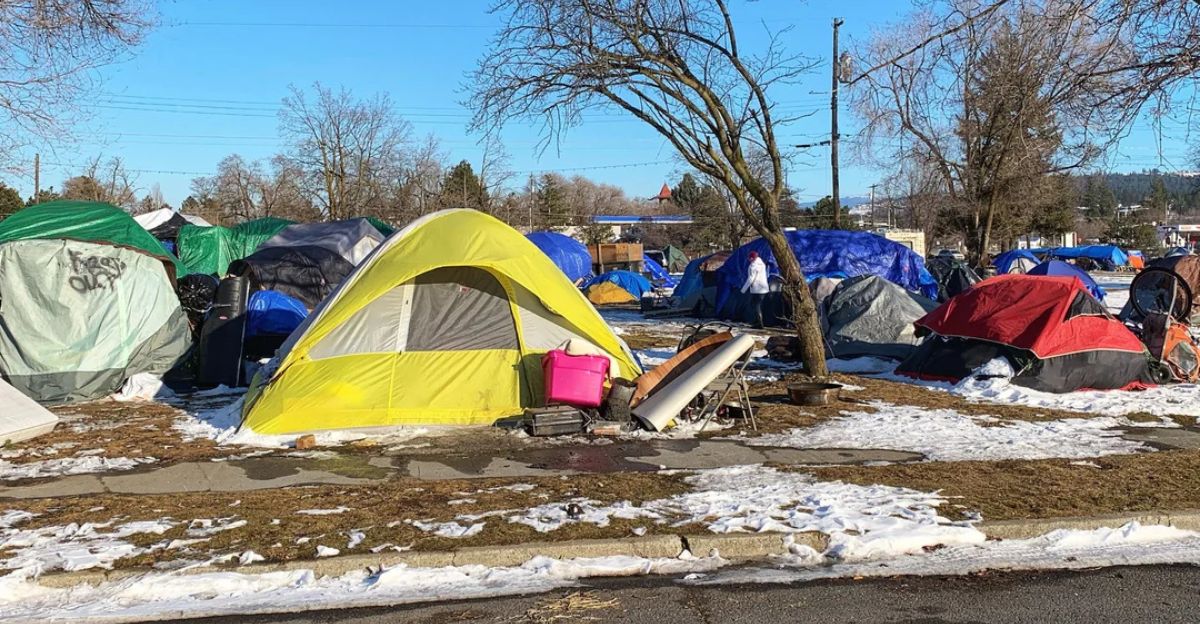
While Dallas celebrates gains, many cities like Los Angeles and San Francisco confront record surges in homelessness.
HUD’s Point-in-Time counts underscore the contrast: Dallas posted multi-year declines, while other major metros still report steep increases.
Strategic Innovations
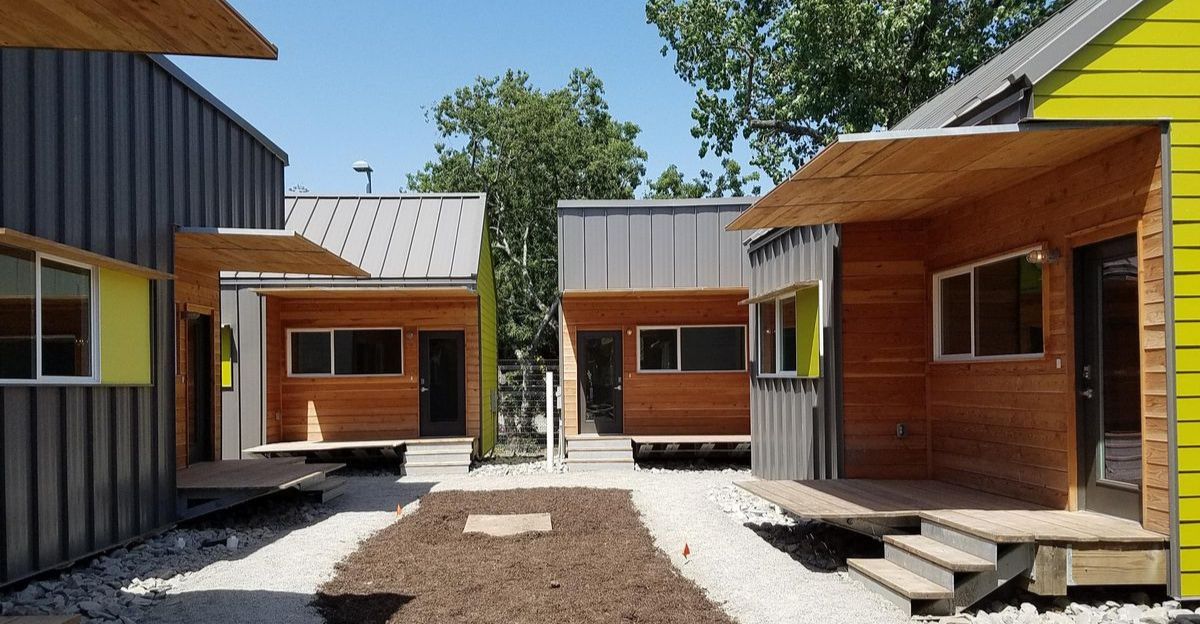
Dallas’s permanent housing-first approach is now seen as a national template. Over $30 million in public-private investment enabled rapid rehousing and supportive services. “We are decreasing homelessness while others see increases,” noted Sarah Kahn.
New Federal Orders
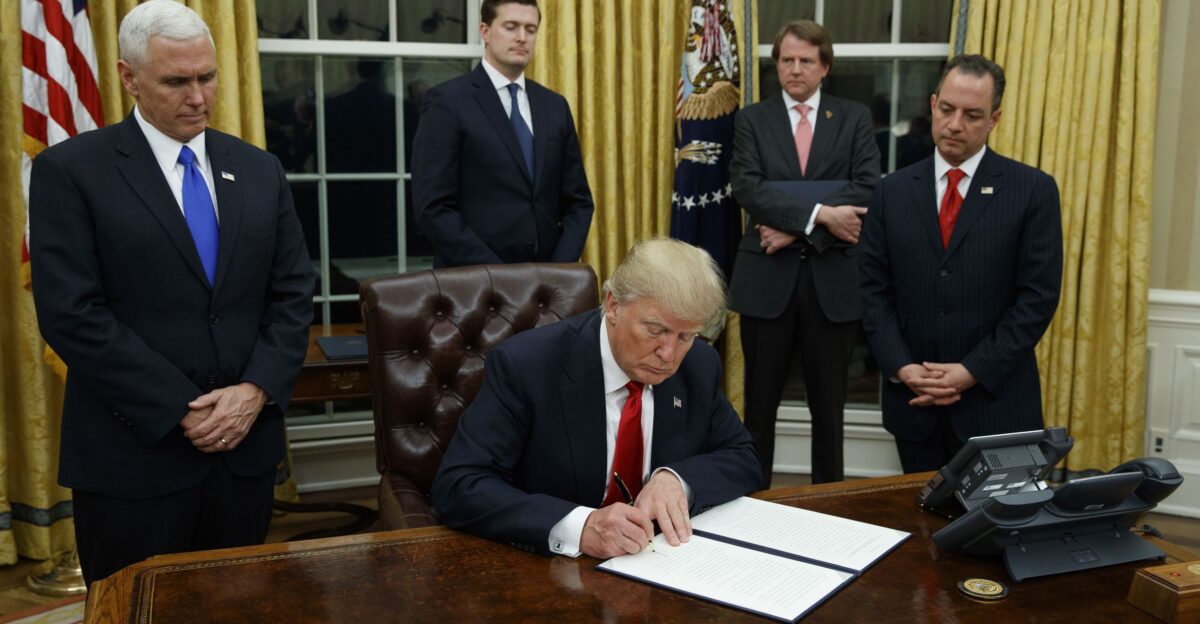
In July 2025, President Trump signed an executive order to shift federal policy, emphasizing shelters and stricter enforcement in response to encampments. Critics argue the move would restrict programs that enabled Dallas’s breakthrough.
Growing Tensions
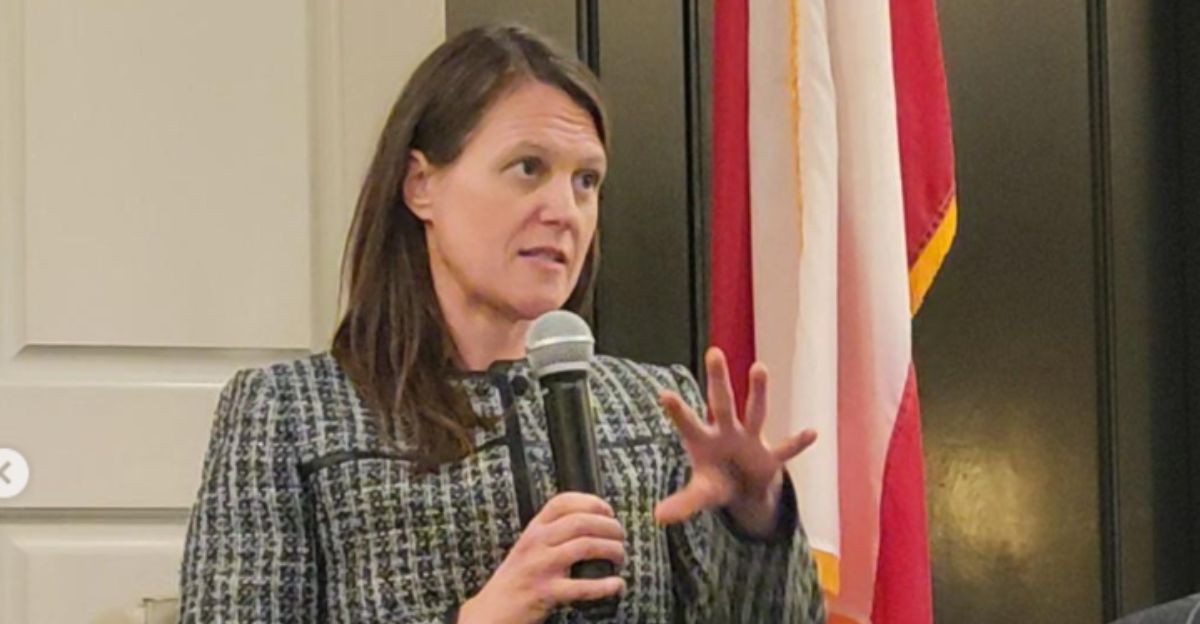
Advocates and city leaders worry federal changes may reverse Dallas’s progress. “If these rules go through, our gains are at risk,” warns Sarah Kahn. The city now faces tough choices about future funding and policy direction.
Leadership Response
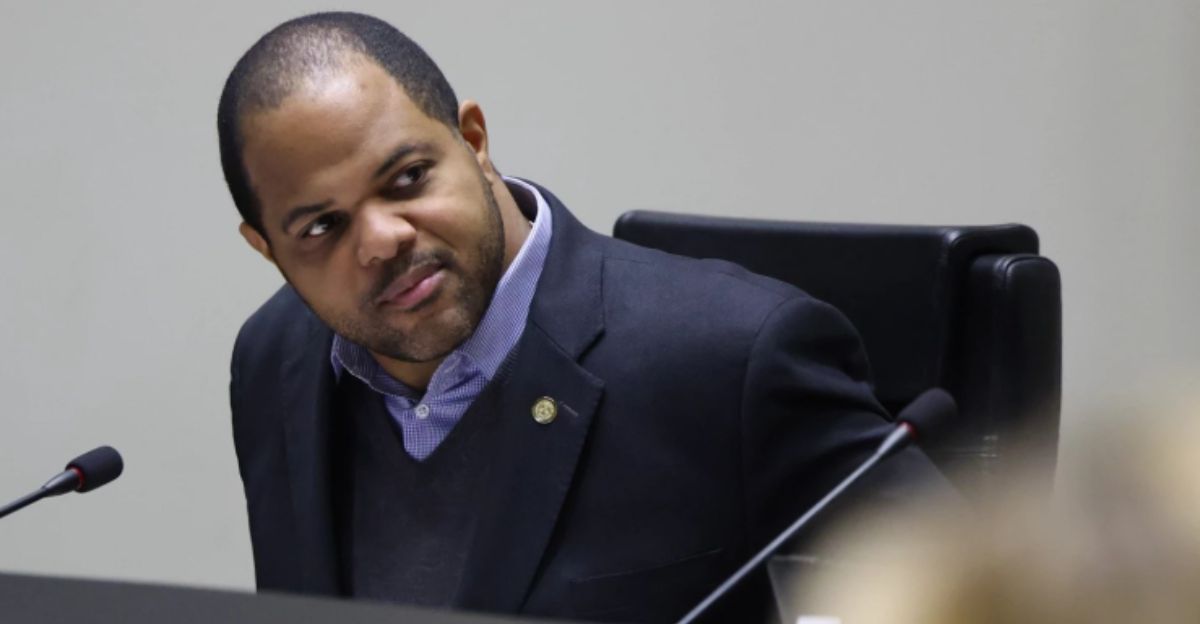
Dallas’s mayor and nonprofit chiefs are revisiting strategies as Washington debates new rules. “We’re committed to maintaining our successes,” says interim city manager Kimberly Tolbert. Coalition members urge flexibility and continued public-private coordination.
Planning for Recovery
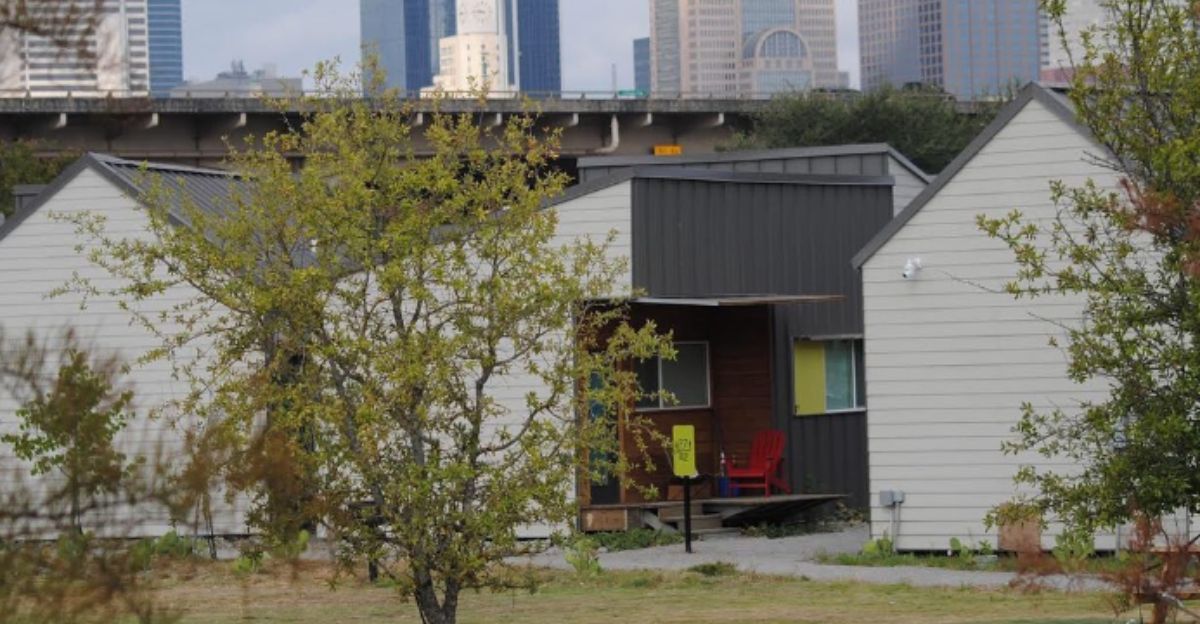
As federal rules evolve, Dallas is preparing contingency plans to protect those recently housed. New partnerships with philanthropists and businesses aim to fill potential gaps. “Resilience is crucial in urban policy,” says Tolbert.
Experts Weigh In
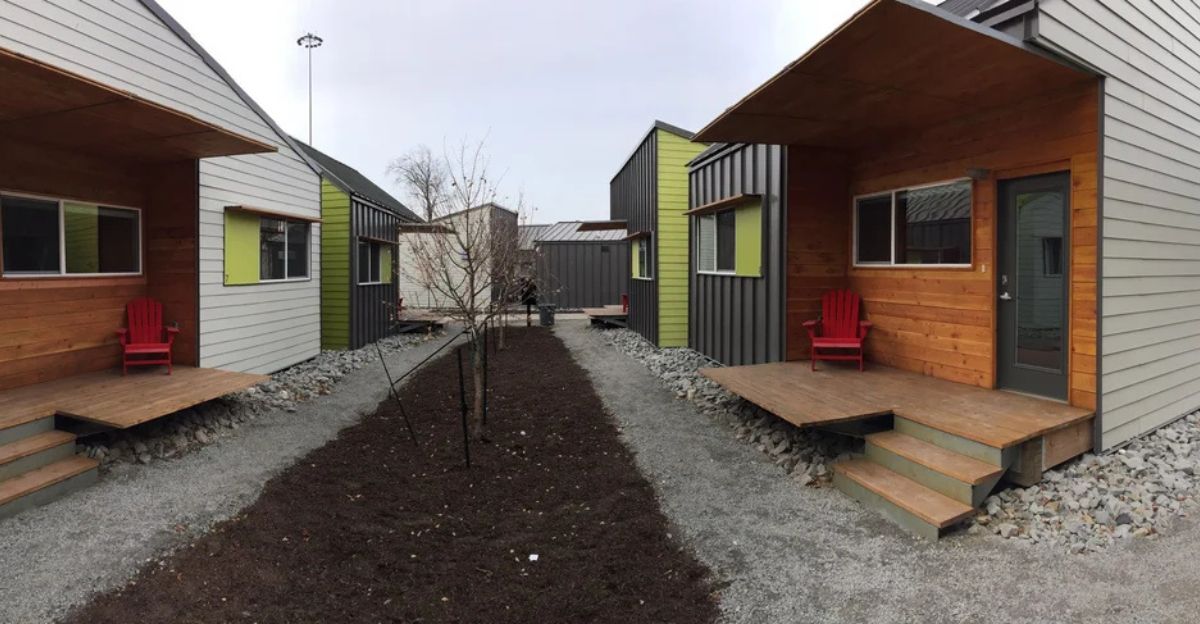
Policy analysts remain divided. Some believe tougher enforcement helps cities, but most urge investments in permanent housing and mental health care, as proven in Dallas. “Visible homelessness hides deeper problems,” cautioned expert Maya Oliva.
Looking Ahead
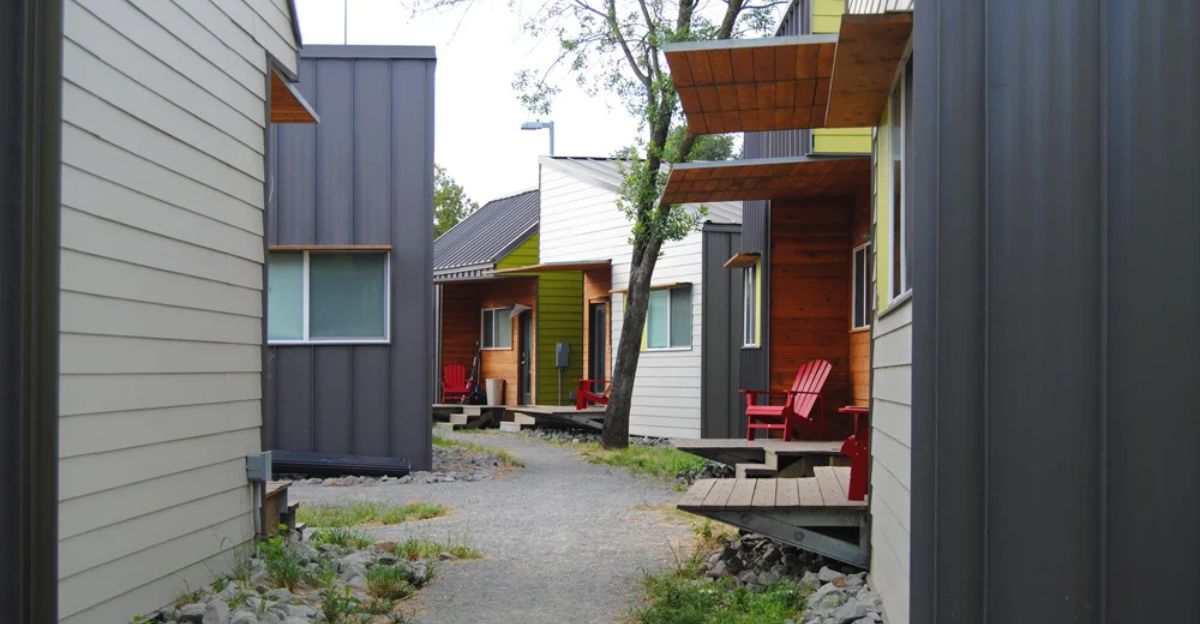
With federal changes pending, Dallas’s experience raises big questions: Can local innovations withstand shifting national policy? Will successes last throughout 2025 and beyond? Observers call the next six months “pivotal” for the city.
Political Debates Intensify
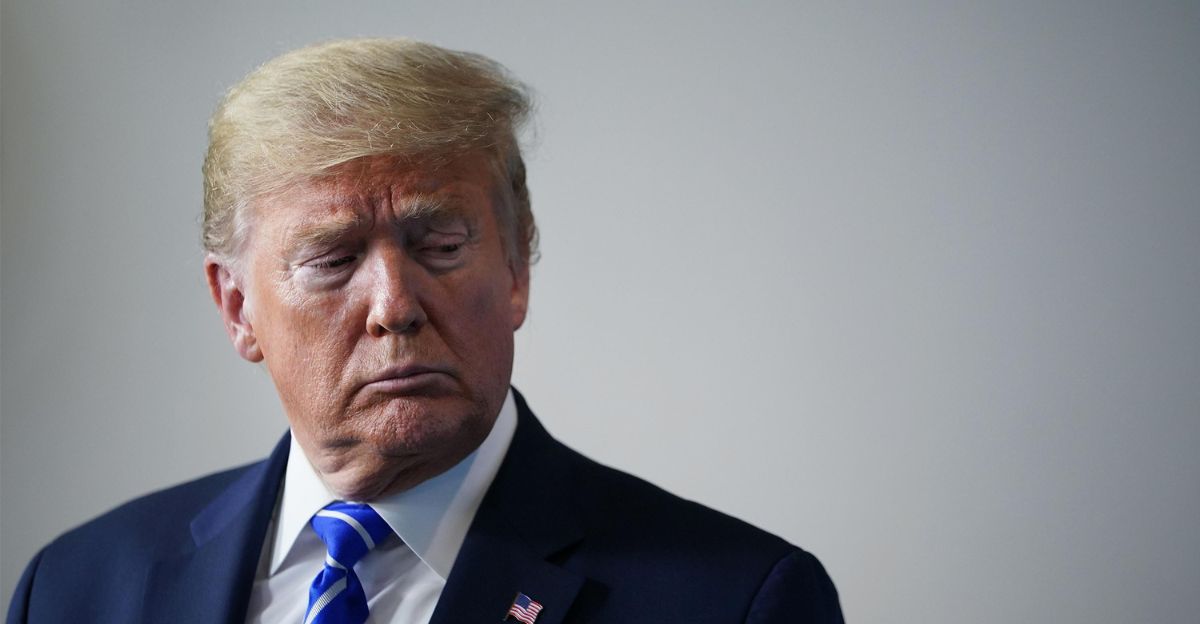
Trump’s policy pivots have stirred national protests and legislative battles. Governors and mayors clash over how federal standards should shape homelessness solutions, with Dallas’s progress becoming a key reference point in ongoing debates.
Global Perspective
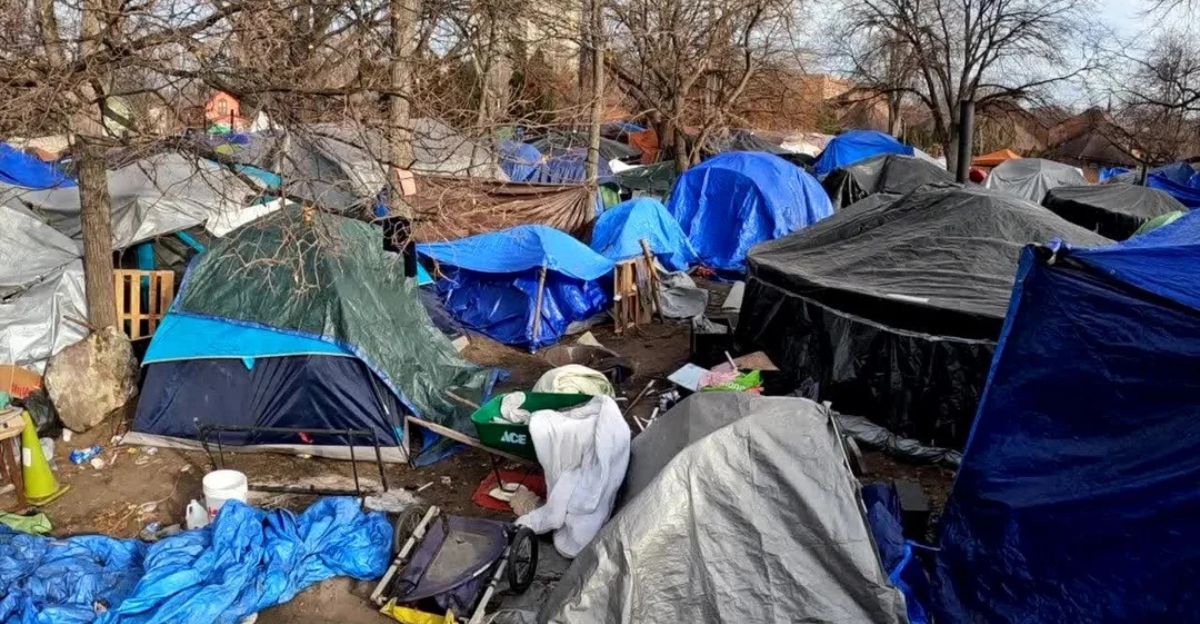
Cities worldwide—Vancouver, Sydney, London—face similar homelessness spikes but often lack Dallas’s coordinated response. Urban planners abroad are studying Dallas’s strategy for possible replication.
Legal Frontlines
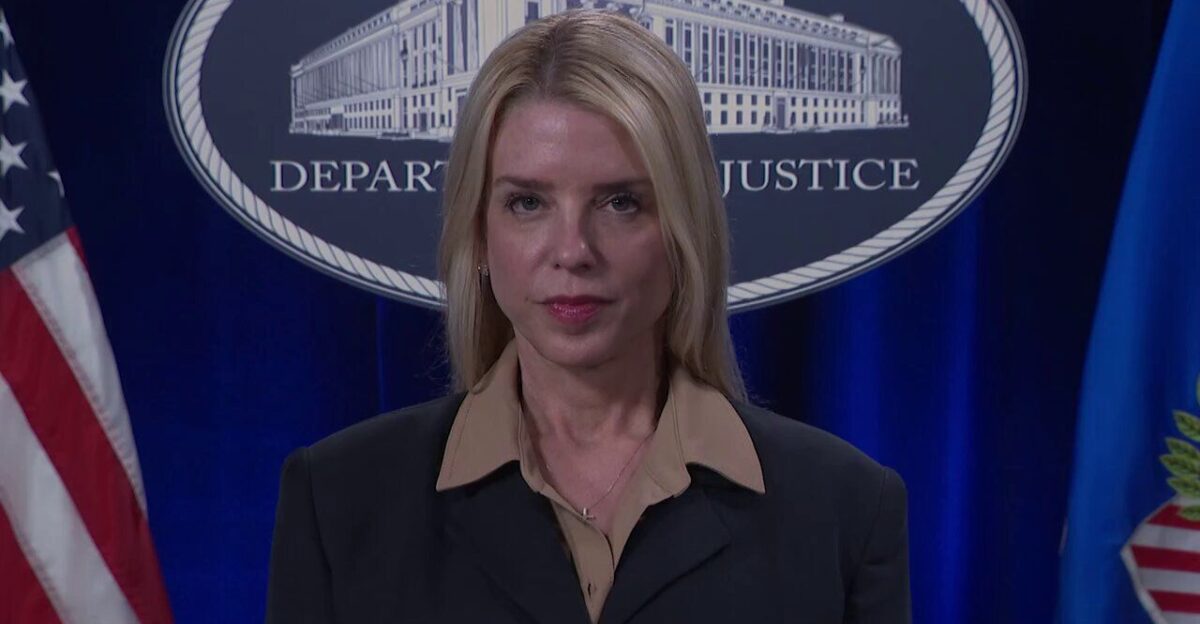
Attorney General Bondi’s interpretation of Trump’s executive order would overturn court-ordered limits on city enforcement. Legal experts predict years of challenges, with Dallas’s model cited in future rulings.
Culture and Community
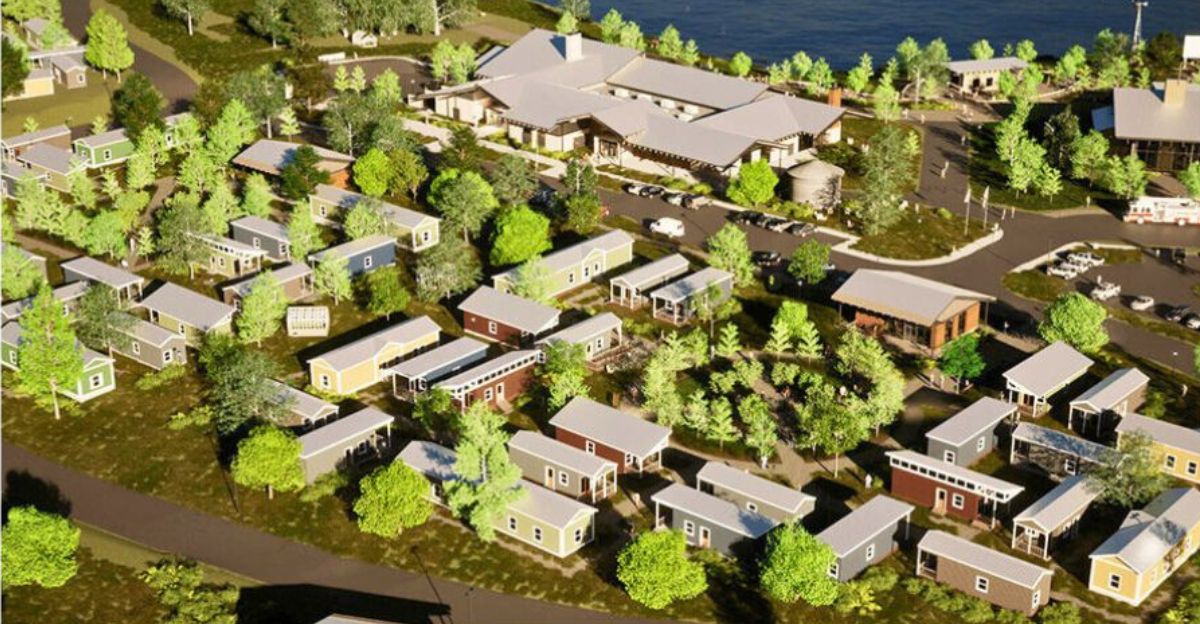
Dallas’s shift to “housing-first” reflects changing values. Young residents now expect comprehensive, humane solutions to homelessness. “Our neighbors’ well-being is our shared responsibility,” said Tolbert.
Future Reflections
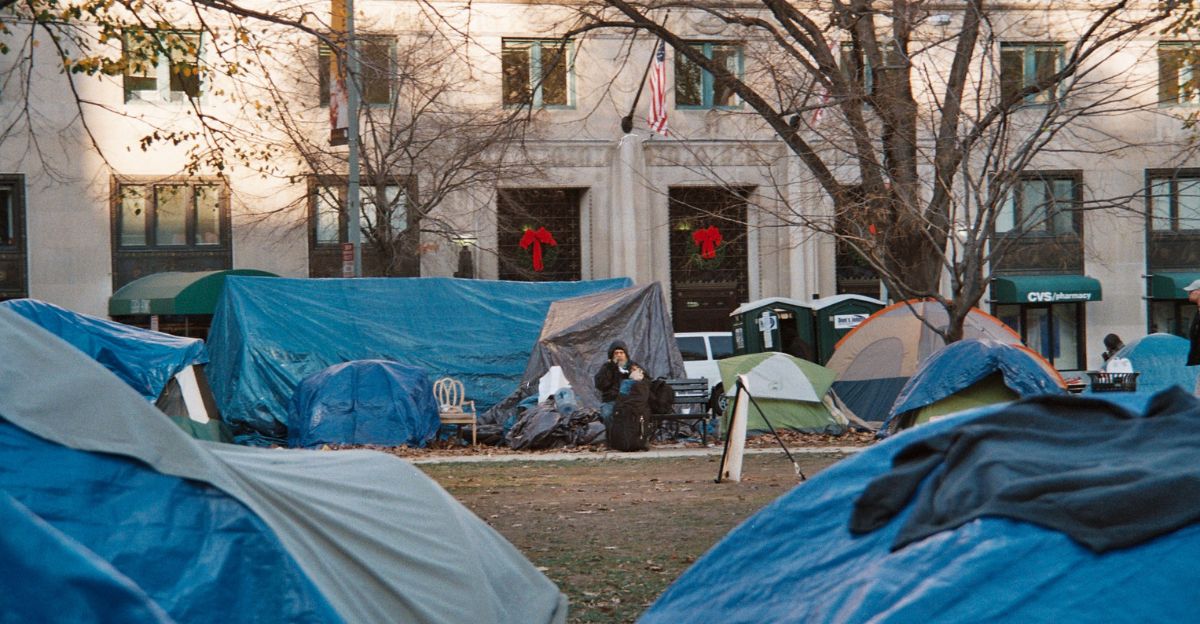
Dallas’s dramatic turnaround and its looming challenges echo across American cities. The city’s story signals a new era in urban reform—one shaped by local innovation, federal decisions, and public expectations. What happens next may redefine homelessness policy nationwide.