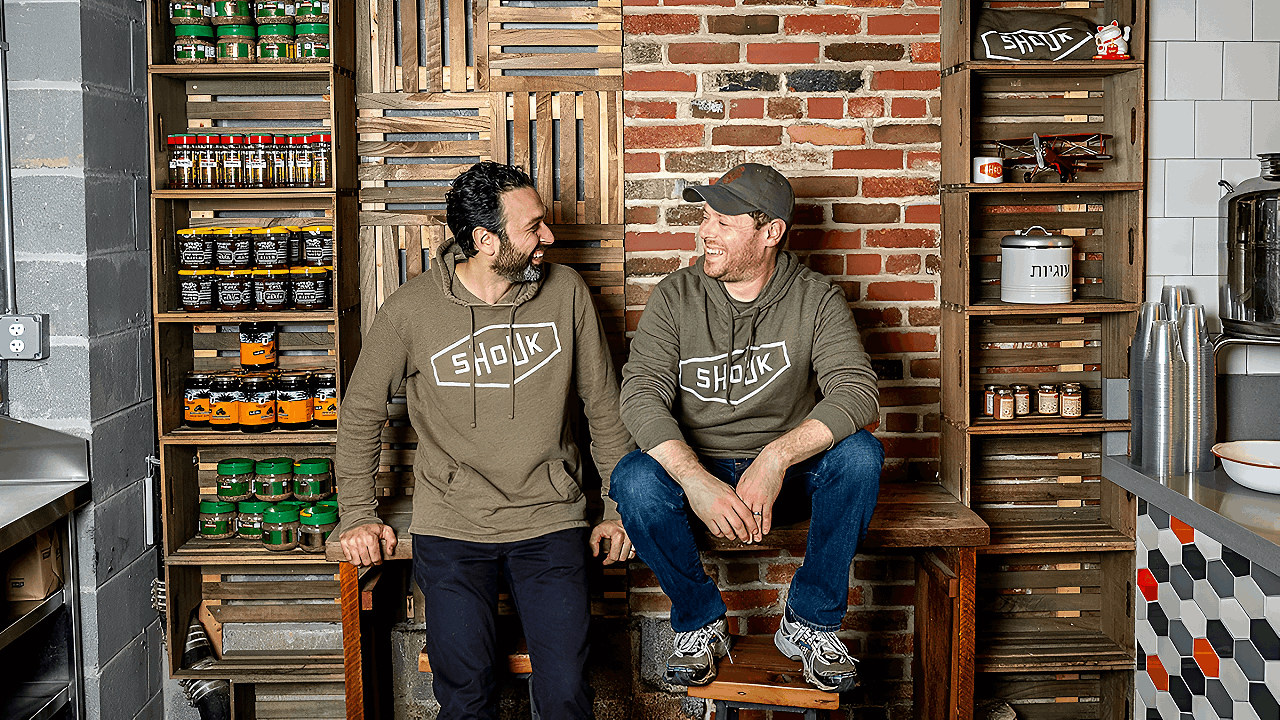
It happened quietly, then all at once: in October 2025, Shouk, the acclaimed vegan Israeli street food chain, closed every one of its locations. For nearly a decade, Shouk had been more than a restaurant—it was a gathering place, a symbol of how food could bridge cultures and communities. But as global politics spilled into local streets, even a beloved eatery found itself swept away by forces beyond its control.
From Culinary Star to Controversy
Shouk opened in 2016 with a bold mission: to reinvent Middle Eastern street food without meat, dairy, or eggs. Its inventive menu and lively atmosphere quickly earned it accolades, including “Best Fast Casual” for three consecutive years. By early 2025, however, the mood had shifted—amid escalating conflict in Gaza, activists accused Shouk of remaining silent.
Shouk faced months of intensifying boycotts and protests that began in earnest after it was named in the D.C. for Palestine campaign’s boycott initiative in March 2025. This sparked protests, social media campaigns, and a sharp decline in customers. What had been a neighborhood favorite became a flashpoint, with diners suddenly wary that their lunch order might be interpreted as a political statement.
Dining in a Divided City

The D.C. for Palestine campaign, “Apartheid? I Don’t Buy It,” marked a turning point. Shouk, which had always avoided politics, was now labeled complicit in Israeli apartheid. “The ability to continue to operate wasn’t there,” co-founder Dennis Friedman told The Guardian. “Shouk wasn’t a political place; it was a place for people to come together.”
His words echoed the confusion and heartbreak felt by staff and patrons alike. Regulars hesitated at the counter, unsure if a roasted cauliflower sandwich might be seen as taking sides in a distant conflict.
Food as a Battleground
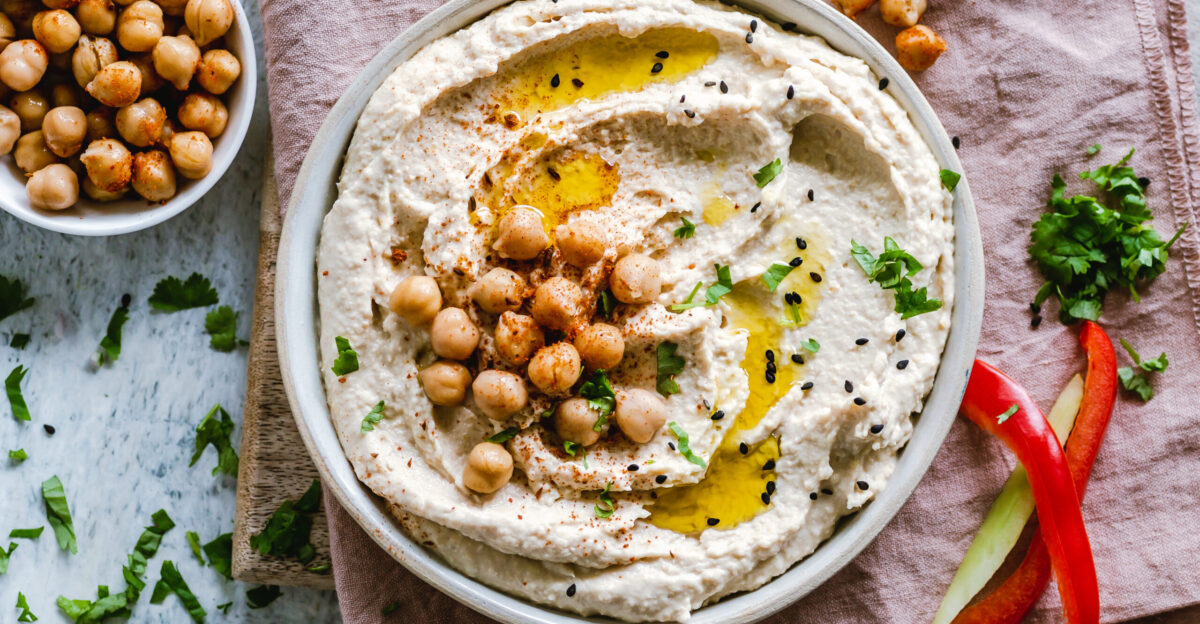
Shouk’s signature falafel, once a unifying dish, became a symbol of controversy. Activists accused the chain of appropriating Palestinian cuisine, while food historians noted that falafel’s roots extend across the Middle East, from Egypt to Lebanon. What was once a simple meal now carries the weight of debates over identity, ownership, and cultural storytelling: Dr. Emily Contois, a University of Tulsa scholar who studies food and politics, has shared that food can’t stay neutral anymore as dining now involves ethics as much as appetite. Kitchens have become contested territory.
A Niche Market Under Strain
Its niche audience compounded Shouk’s challenges. According to a 2023 Gallup poll, only 1% of Americans identify as vegan and 4% as vegetarian. The chain also catered to kosher diners, further narrowing its customer base. As boycotts intensified, loyal patrons faced mounting social pressure, and Shouk’s already limited market shrank further. Unlike many struggling chains, Shouk did not file for bankruptcy; instead, locations went dark, and employees learned of the closure through internal messages. “They didn’t see a path forward,” said a consultant familiar with the decision.
A Global Trend, a Local Loss
Shouk’s closure was part of a broader wave of vegan restaurant failures. Between mid-2024 and 2025, several high-profile plant-based chains shuttered, including Kevin Hart’s Hart House and Planta, which filed for bankruptcy and closed more than half its locations. Rising food costs and “mission fatigue” contributed to the downturn, but Shouk’s fate was unique: it was politics, not profit, that delivered the final blow.
The impact rippled through Washington, D.C.’s food scene. Shouk had served dozens of diners daily, supported local suppliers, and fostered a sense of community. Its disappearance left a vacuum, affecting not just staff and customers but also delivery drivers and rival vegan restaurants. “It’s like losing a family,” said a longtime customer. “Shouk was where we celebrated, where we connected. Now there’s just a space.”
Bridging—and Breaking—Cultural Divides
Shouk’s mission was always about more than food. It aimed to bridge cultures, offering Israeli-inspired, vegan, and kosher dishes that united people from diverse backgrounds. This rare fusion made its downfall especially poignant. Forces beyond culinary control crushed a space that fostered harmony, Friedman reflected. The restaurant’s closure underscored how fragile cross-cultural connections can be when global conflicts intrude on local life.
Looking Ahead: The Stakes for Food and Identity
The fall of Shouk is a warning for the restaurant industry and beyond. As moral and political purity tests become more common, even businesses built on ethics and inclusivity can find themselves vulnerable. With only a small portion of Americans eating plant-based meals, alienating any segment of the customer base can be fatal.
Shouk’s story is not just about boycotts or business failure—it’s about what happens when food, identity, and ideals collide in a divided society. Shouk never sought to take sides, yet its closure revealed deep fractures, showing that in today’s world, even the most well-intentioned efforts to unite can be undone by forces far beyond the kitchen.