Healthcare Giant Faces Sudden Collapse

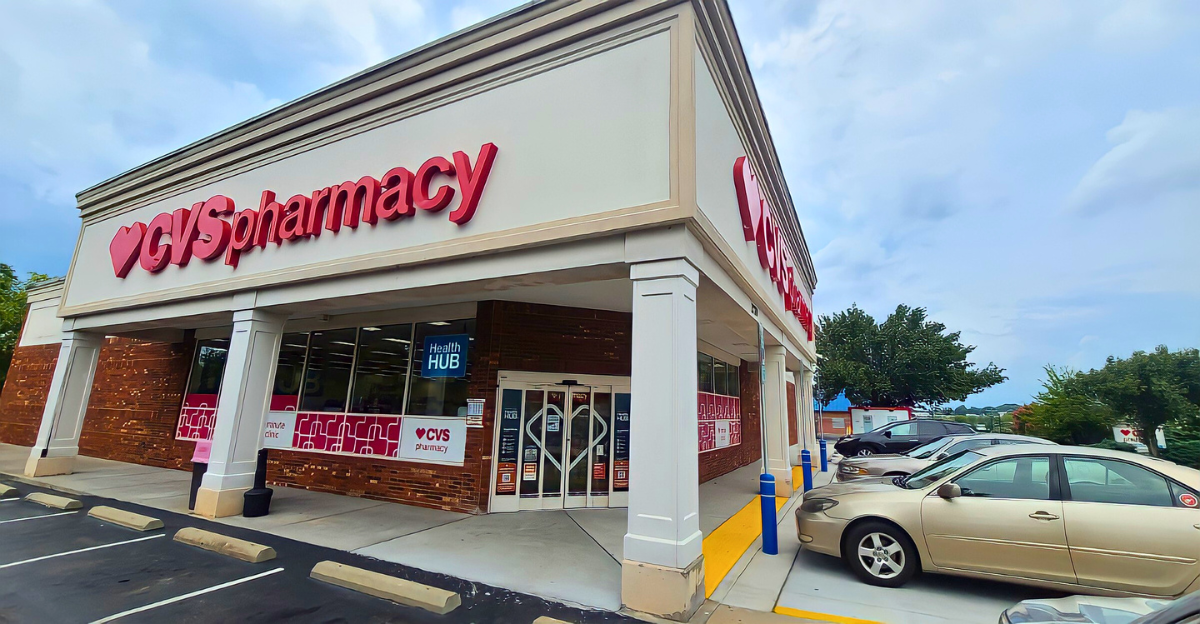
On September 22, 2025, Omnicare, a CVS Health subsidiary and major long-term care pharmacy provider, filed for Chapter 11 bankruptcy in the Northern District of Texas. This move followed intense federal litigation and emergency financing efforts. Omnicare emphasized its commitment to uninterrupted service for nursing homes as it seeks restructuring or sale options.
The filing shocked the long-term care sector, as Omnicare plays a vital role in nationwide pharmacy services for senior facilities. The company assures stability despite financial turmoil, raising questions about future care continuity.
Legal Troubles Shadow Company’s Future

Federal courts found Omnicare liable for violations under the False Claims Act. The company faced penalties related to improper billing practices identified during prolonged litigation. As CVS Health’s subsidiary, Omnicare’s legal issues expose the parent company to financial and reputational risks.
Despite assurances that patients were not harmed and medication access was maintained, the court imposed significant penalties for systematic violations. This rare legal action underscores increased scrutiny of healthcare conglomerates.
Families Grapple With Care Concerns

The bankruptcy stirred anxiety among families of elderly nursing home residents. Although Omnicare promises continued medication delivery, families worry about potential disruptions during the restructuring period. Nursing homes dependent on Omnicare for specialized pharmacy services face uncertainty.
Concerns focus on prescription delays or changes in pharmacy providers, creating stress for vulnerable populations. The court process adds complexity for those monitoring the stability of essential healthcare services.
Competitors Eye Market Opportunities
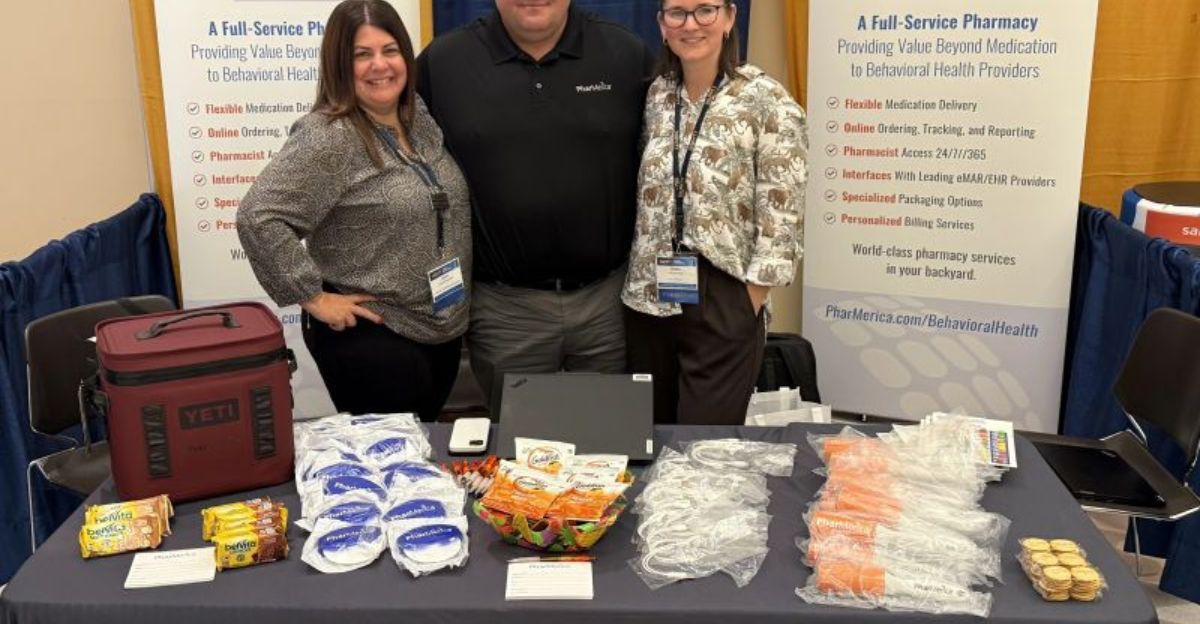
Multiple long-term care pharmacy companies, including PharMerica, are preparing to expand by acquiring Omnicare’s assets or contracts. Smaller regional providers anticipate gaining nursing home partnerships formerly dominated by Omnicare.
These shifts threaten to reshape a market long centralized under Omnicare, signaling new competitive dynamics in various state healthcare sectors as the bankruptcy unfolds.
Payers Prepare for Pharmacy Network Changes

Medicare Advantage and Medicaid managed care plans closely monitor Omnicare’s status to ensure continued pharmacy access for members in nursing facilities. Plans may need to onboard new pharmacy partners quickly if service disruptions occur due to asset sales or ownership changes.
Hundreds of thousands of seniors depend on these networks. Payers are conducting emergency risk assessments to safeguard prescription drug availability amid potential service interruptions.
Global Investors Target U.S. Assets

Foreign healthcare investors from Europe and Canada are watching Omnicare’s bankruptcy proceedings closely. The situation offers rare opportunities to acquire established U.S. long-term care pharmacy infrastructure and client bases.
The court-supervised asset sales might open the historically domestic market to increased international participation, altering the landscape of senior pharmacy service delivery.
Workforce Faces Growing Anxiety

Thousands of Omnicare employees confront uncertainty regarding job security, benefits, and company stability. While payroll continues during bankruptcy, potential layoffs and facility closures loom.
Pharmacists and clinical specialists who provide critical medication management for elderly patients are particularly vulnerable as restructuring advances.
Congress Investigates Oversight Failures

Federal oversight committees have launched investigations into how systematic billing violations went undetected for years. Lawmakers are probing regulatory gaps in Medicare and Medicaid pharmacy monitoring that allowed Omnicare’s issues to persist.
Calls for stricter enforcement and improved fraud detection mechanisms are rising, with potential policy proposals aimed at preventing similar occurrences in vulnerable healthcare sectors.
Government Spending Under Audit

The record penalties against Omnicare have triggered intense scrutiny of federal healthcare spending, especially concerning prescription drug reimbursements. Treasury and Medicare actuaries reassess pharmacy oversight systems and cost vulnerabilities.
This fraud case highlights weaknesses in current monitoring frameworks, prompting efforts to strengthen accountability in long-term care pharmacy reimbursement and regulatory controls.
Healthcare Networks Seek Alternatives

Hospitals and nursing home chains are urgently developing contingency plans to maintain pharmacy services amid Omnicare’s instability. Ensuring uninterrupted access to specialized medications remains a top priority.
This disruption may permanently alter pharmaceutical supply chains and distribution networks as providers explore new vendor relationships.
Medicare Advantage Plans Escalate Reviews

Medicare Advantage insurers are conducting rapid assessments of pharmacy network adequacy for members in affected nursing facilities. They anticipate adding new pharmacy partners or adjusting reimbursement strategies.
Maintaining compliant networks is critical to avoid regulatory violations and ensure that vulnerable long-term care beneficiaries do not face gaps in medication access.
Pharmaceutical Firms Rethink Supply Chains

Major drug manufacturers like Pfizer, Johnson & Johnson, and Merck are reevaluating contracts with Omnicare due to bankruptcy uncertainties. They seek alternative distribution methods to secure medication availability in nursing homes.
The ongoing restructuring could fundamentally change pharmaceutical supply arrangements for senior care populations across the nation.
Families Adjust Nursing Home Priorities

Adult children selecting nursing homes increasingly prioritize the financial stability of pharmacy partners, reflecting lessons from Omnicare’s bankruptcy. Preferences shift toward operators with diversified or internally managed pharmacy services.
This recalibration aims to avoid medication interruptions and maintain consistent care, signaling evolving consumer criteria in senior healthcare decisions.
Ratings Agencies Incorporate Financial Risks

Long-term care rating organizations now integrate the financial health of pharmacy partners into facility quality assessments. Recognizing third-party provider risks addresses vulnerabilities revealed by the bankruptcy.
This broader approach aids regulators and families in identifying operational risks that could impact medication management and clinical outcomes.
Industry Boosts Compliance Efforts

Healthcare executives are strengthening compliance frameworks following the massive legal penalties faced by Omnicare. Boards demand enhanced internal controls to prevent similar False Claims Act violations.
The case serves as a strong warning about the financial and reputational costs of regulatory noncompliance in large healthcare organizations.
Market Shifts Create New Leaders

Regional pharmacy chains, smaller providers, and healthcare legal specialists benefit from market disruption as facilities seek new partnerships and compliance guidance. CVS Health shareholders face uncertainty amid ongoing contractual transitions.
These shifts are reshaping competitive and legal landscapes within the long-term care pharmacy sector during Omnicare’s restructuring.
CVS Stock Experiences Volatility

Following Omnicare’s bankruptcy, CVS Health’s earnings and debt management receive heightened scrutiny. Investors debate whether the fallout indicates isolated issues or systemic compliance failures within the parent company.
This uncertainty has increased stock volatility in healthcare sectors linked to complex government reimbursement and subsidiary risks.
Families Urged to Stay Vigilant

Relatives of nursing home residents are advised to verify ongoing prescription access and maintain contact with pharmacy providers during the transition. Advocates recommend keeping current medication lists and emergency supplies.
Active engagement with facility management helps minimize risks of treatment disruptions throughout Omnicare’s bankruptcy process.
Regulators Tighten Merger Oversight

Omnicare’s collapse prompts federal agencies to strengthen scrutiny of healthcare mergers involving government-funded services. Enhanced due diligence focuses on compliance histories and financial risks.
These stricter standards aim to prevent future systemic violations and improve accountability in long-term care and pharmacy consolidations.
Crisis Spurs Healthcare Transformation

The bankruptcy accelerates shifts in industry accountability, regulatory oversight, and market structures beyond Omnicare itself. Improvements range from nursing home selection criteria to federal fraud detection enhancements.
This corporate crisis is driving resilience and reform across the broader healthcare sector, reshaping policies and practices for senior care delivery.