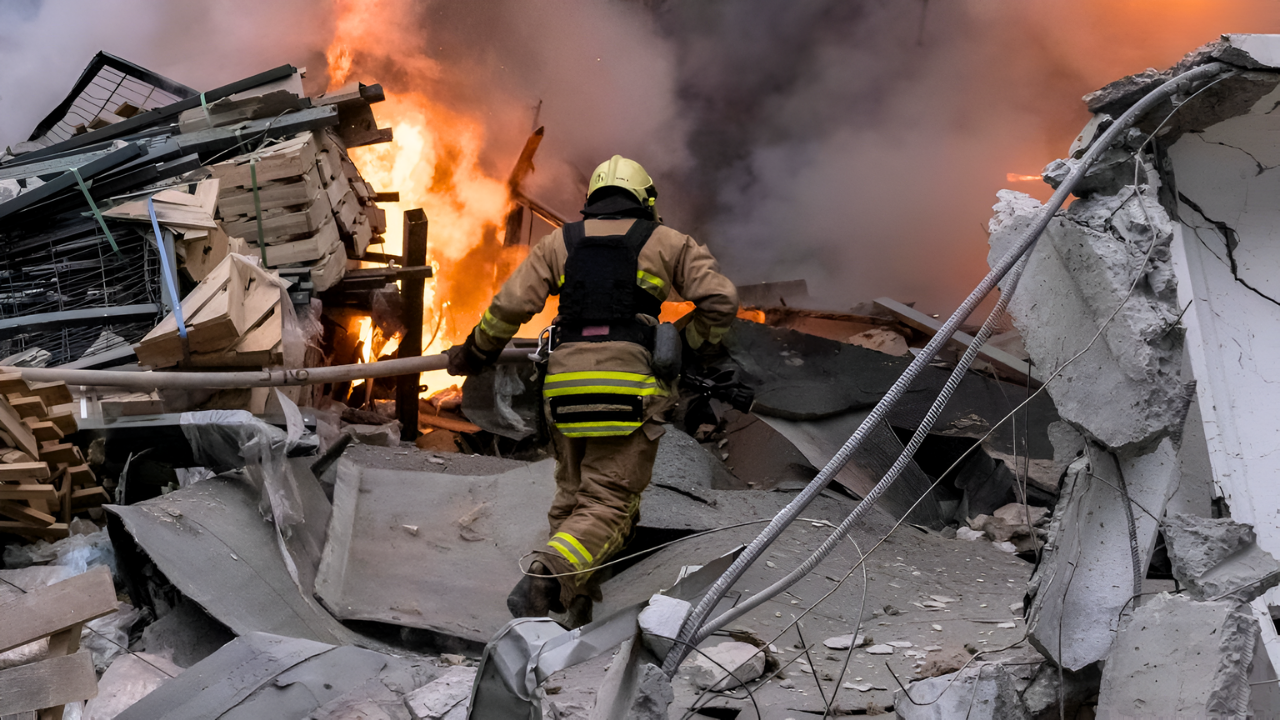
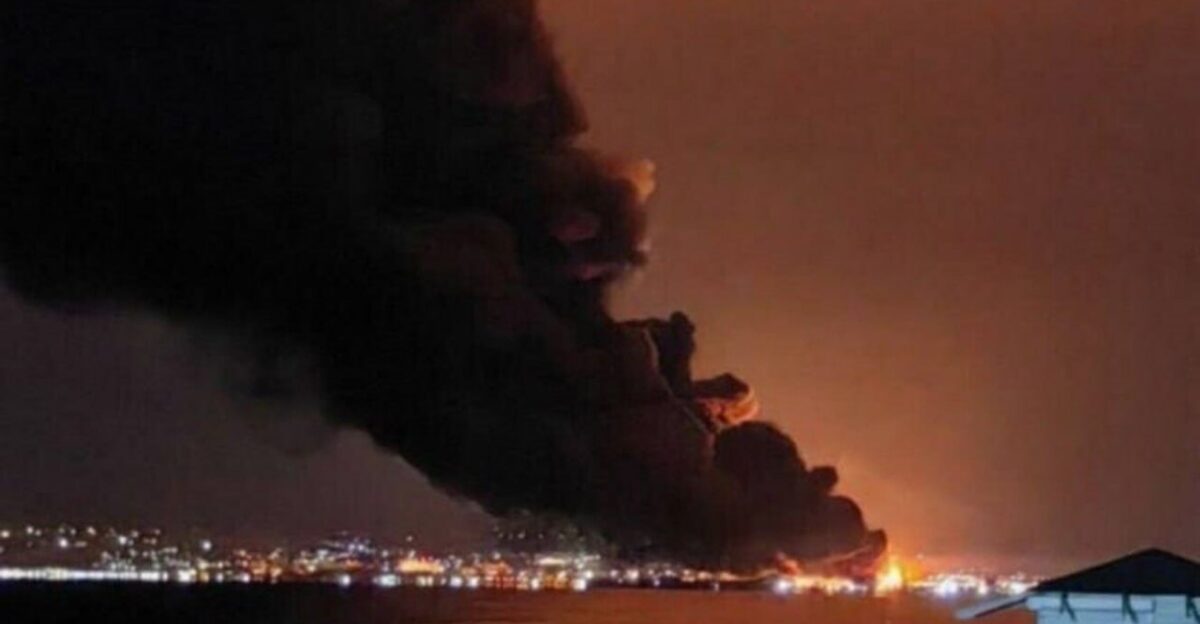
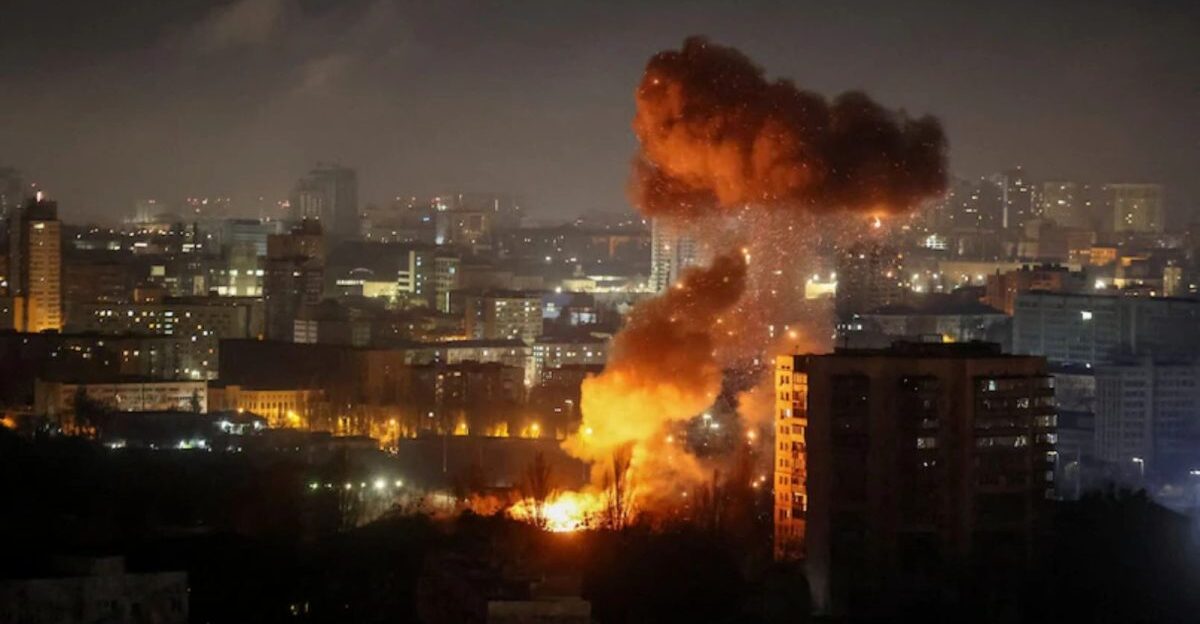
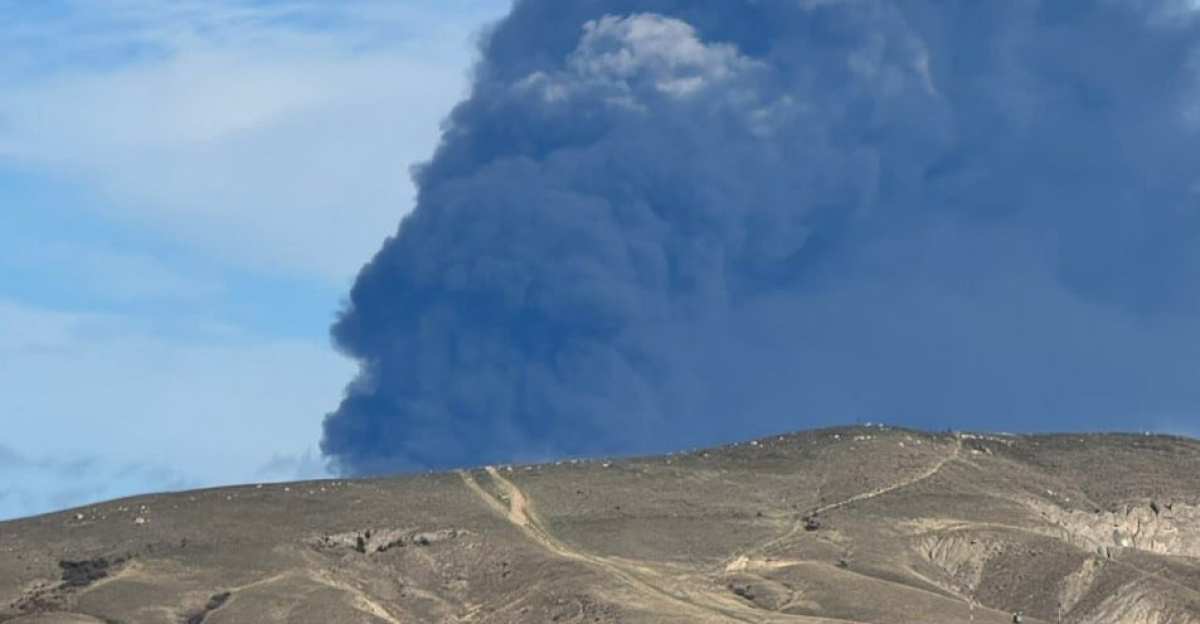
On October 6, 2025, the sound of explosions tore through Feodosia, Crimea, as Ukrainian drones struck the peninsula’s largest oil terminal. The largest fuel depot on the region, processing tens of thousands of barrels daily, erupted into flames, towering smoke visible across the city. The damage was severe, but it was only the beginning of a crisis that would go far beyond the battlefield.
The facility’s destruction marked a major escalation in the ongoing conflict, with immediate consequences for both Russia’s military operations and the civilian population of Crimea. The attack signaled a shift in tactics, as Ukrainian forces began to focus on crippling Russia’s energy infrastructure, a strategy that would unfold in the coming weeks.
The Pressure Mounts
Before October’s devastating strikes, Crimea had already been under immense pressure. By September, half of the peninsula’s gas stations had halted fuel sales. Prices had surged by 40-50% since January, pushing both civilians and businesses to the edge. Authorities imposed strict rationing, capping purchases at just 30 liters per transaction. But the shortages continued, deepening the crisis across the region.
Despite these efforts, the energy shortages were growing, and local residents were feeling the strain. The demand for fuel—both for military logistics and daily civilian life—continued to outstrip supply. As the situation deteriorated, the region’s vulnerability to further disruptions became increasingly clear.
The Bigger Picture
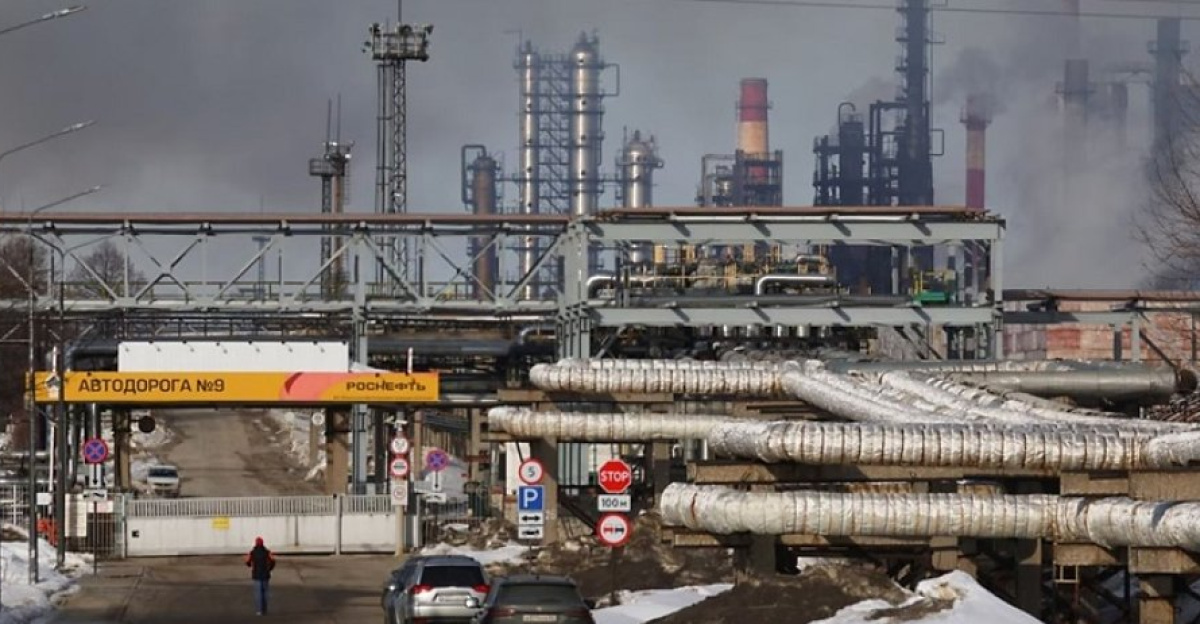
Ukraine’s assault on Russian oil infrastructure escalated in 2025. What began with small-scale attacks in 2024 turned into a systematic dismantling of Russia’s fuel supply network. By the fall, Ukraine had targeted 21 of Russia’s 38 largest refineries. Ukrainian drones, now carrying heavier payloads and striking with precision, marked a dramatic shift in the conflict—an economic war against the heart of Russia’s military capability.
This marked a pivotal moment in the conflict, as Ukraine’s efforts to cripple Russia’s energy sector took on greater significance. The Ukrainian government’s strategy was clear: target Russia’s oil infrastructure to disrupt military logistics and create economic instability, forcing Russia to confront its vulnerabilities in a way it had not anticipated.
A Pattern of Damage
The attacks were not random; they were part of a calculated strategy. In August alone, Ukrainian forces targeted 14 refineries, a record high. By September, another eight refineries were hit, causing severe damage to distillation units and storage tanks. Despite repairs, Russia’s refining capacity was running at just 38% of its maximum, leaving the country unable to meet demand for both military and civilian needs.
The repeated strikes prevented any meaningful recovery, as each attack slowed the repair process and left more facilities offline. As a result, Russia’s ability to produce and supply fuel for its military and civilian sectors was increasingly compromised, creating a sense of crisis that rippled through the economy and military operations.
The Double-Strike Revealed
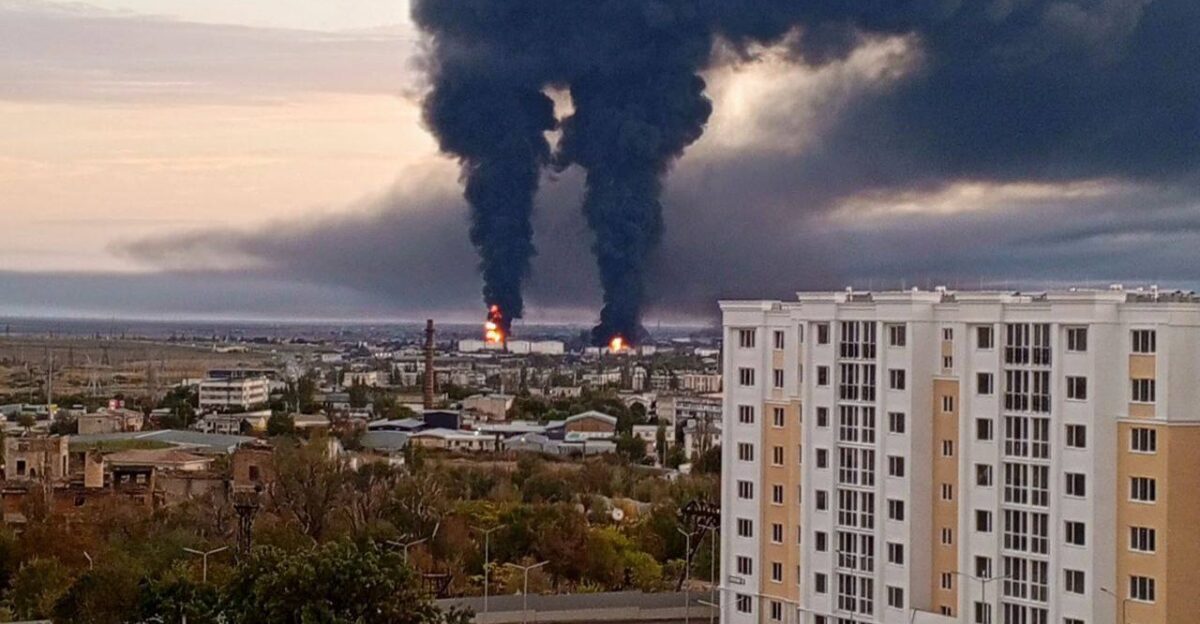
The October 6 strike on Feodosia’s oil terminal hit hard. Eleven fuel tanks were severely damaged, and the fires raged for days. But the real shock came one week later, on October 12-13, when Ukrainian drones struck again, hitting 16 more tanks. The damage was catastrophic, with Feodosia’s 250,000-ton capacity lost. This wasn’t just a disruption; it was a logistical nightmare for Russia’s military and economy.
The severity of the double-strike was unprecedented. Feodosia’s importance to Russia’s fuel supply made it irreplaceable, and the loss of such a critical facility exposed Russia’s energy vulnerabilities. The strikes not only disrupted military logistics but also threatened to plunge Crimea further into economic hardship.
Evacuation and Aftermath
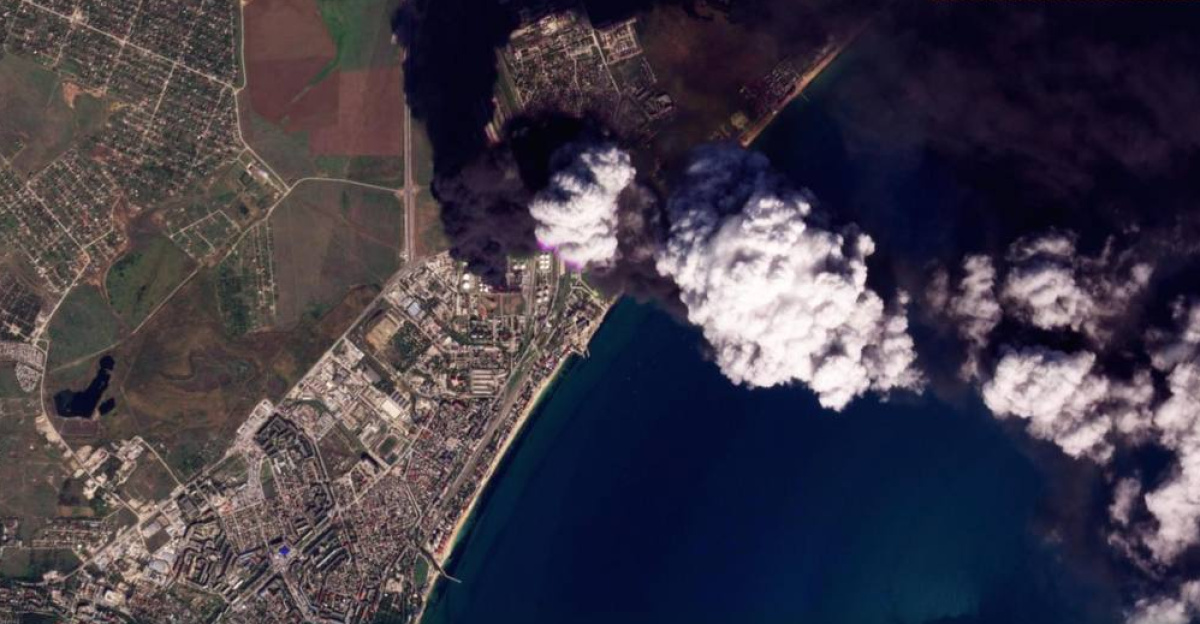
As the fires burned, over 830 residents were evacuated from the Feodosia area. Smoke from the blaze spread over 25 kilometers, and the acrid scent of burning fuel reached up to 10 kilometers away. Crimea’s 2.4 million residents, already fatigued by years of conflict, now faced months of hardship. For them, the destruction of the oil terminal was just the latest in a series of escalating crises.
With roads blocked and utilities strained, the everyday lives of residents were further disrupted. The destruction of the oil terminal, combined with ongoing shortages, meant that the residents of Crimea would have to endure significant challenges in the coming months, potentially leading to further social unrest and economic instability.
The Human Toll Deepens
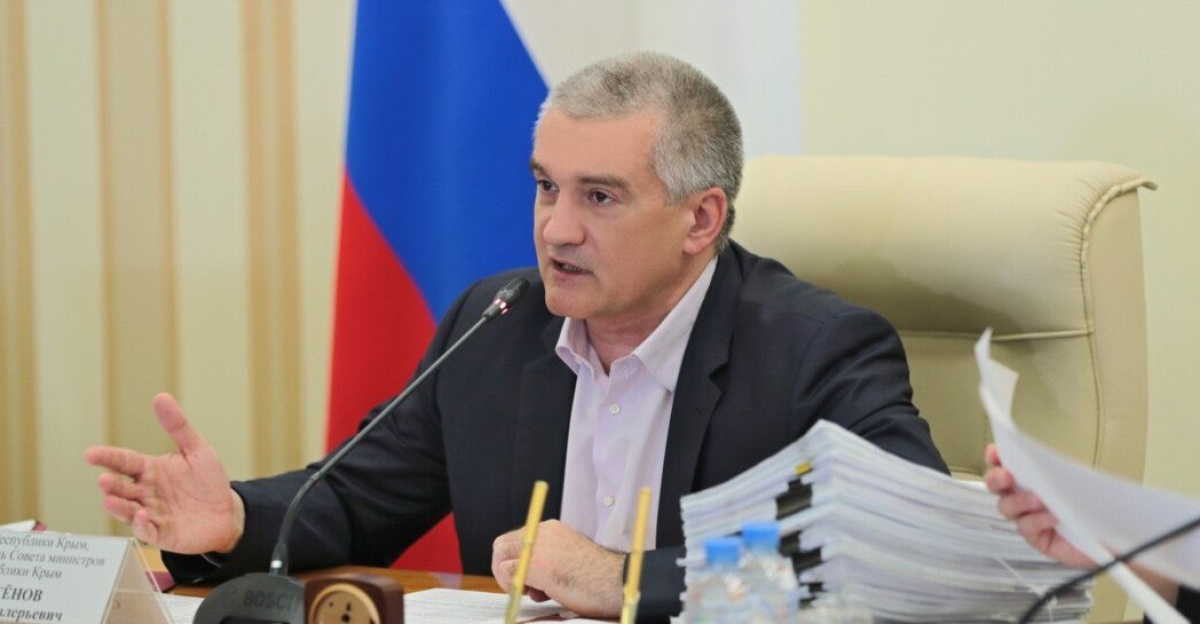
Governor Sergei Aksyonov’s call for calm in September rang hollow to the people of Crimea. His appeals for rationing were met with long lines at the few remaining fuel stations. Taxi drivers struggled to keep their businesses afloat, and small shops shut down due to the lack of fuel. The crisis had moved from an abstract political issue to a daily struggle for survival for many.
Crimea’s residents were already bearing the weight of years of conflict and occupation, and now they faced a new, more immediate crisis. The energy shortages hit close to home, disrupting everyday life and deepening the sense of hopelessness for many who were caught in the middle of this escalating conflict.
The Wider War on Energy
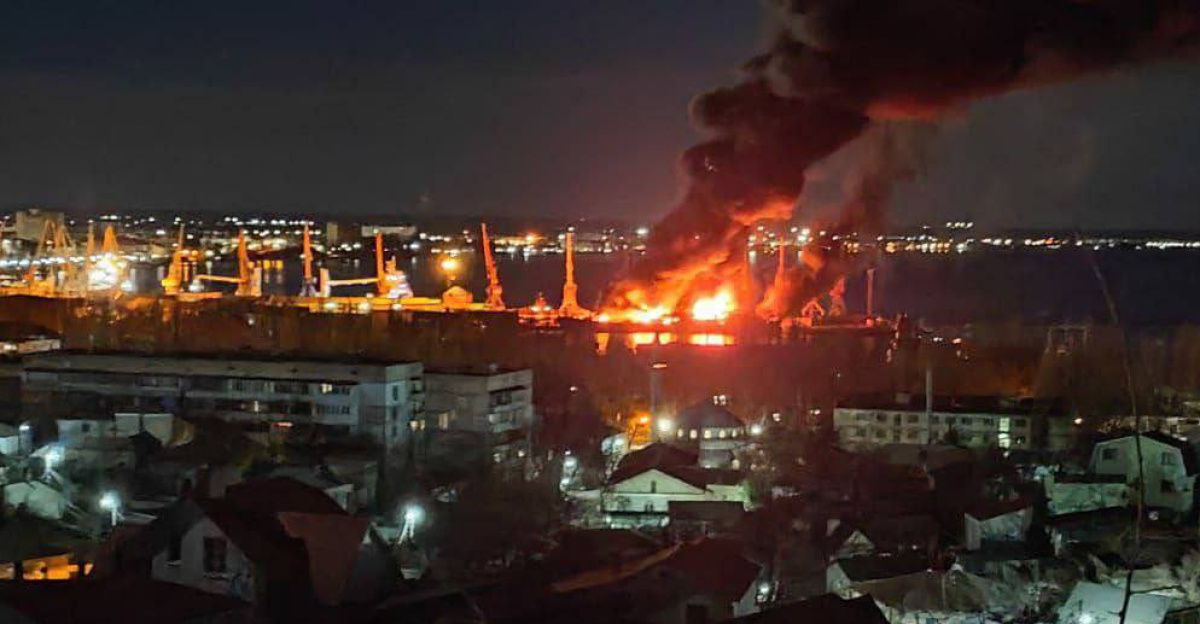
The Feodosia attack was part of a broader Ukrainian strategy targeting Russian energy infrastructure. Between September and October, Ukraine hit 20 critical facilities—six refineries, two oil terminals like Feodosia, and nine pumping stations. The objective was clear: deprive Russia of the fuel needed for both its military operations and civilian supply chains, creating widespread shortages across occupied regions.
Ukraine’s broader strategy was aimed at undermining Russia’s ability to sustain its military efforts by targeting critical infrastructure. As the war for control over energy resources intensified, the ripple effects were felt far beyond the front lines, impacting both military logistics and civilian life across Crimea and the wider region.
The Refining Crisis

Russia’s refining sector faced a dire situation by October 2025. Around 20% of the country’s refining capacity was offline due to these sustained attacks. The International Energy Agency estimated that Ukraine’s strikes had cut Russia’s daily output by 500,000 barrels. While non-damaged refineries ramped up production, repairs remained slow due to Western sanctions and the frequency of the strikes.
This ongoing refining crisis threatened to disrupt not only Russia’s military operations but also its ability to supply fuel for everyday life. The losses to Russia’s energy infrastructure were not just logistical setbacks; they were significant blows to the economy, with recovery seeming increasingly unlikely in the short term.
A Third Strike?
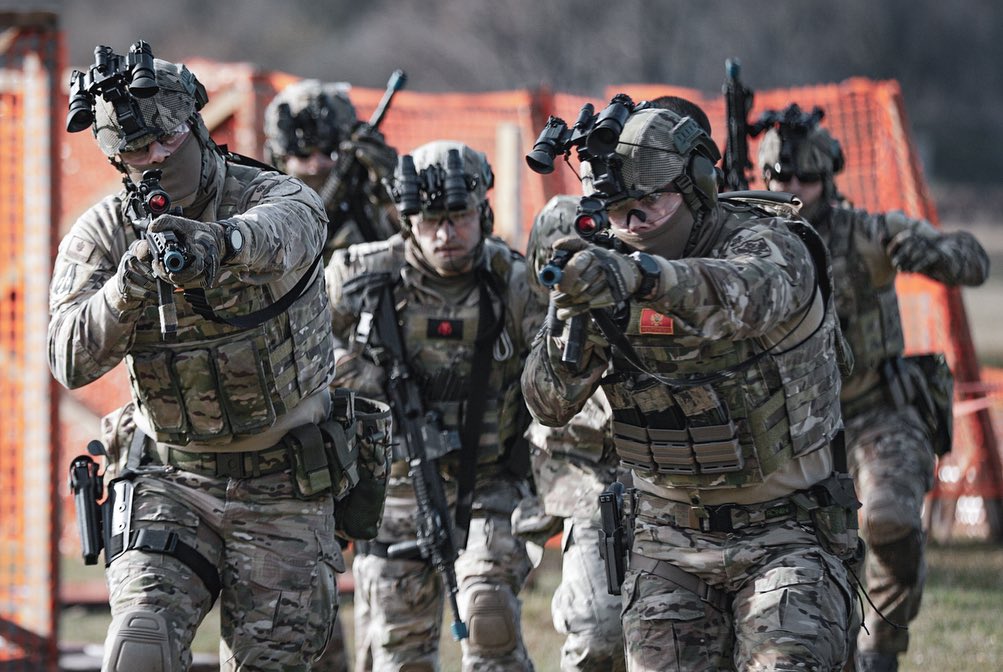
Just days after the second attack, Ukrainian forces struck Feodosia again. The facility’s ability to operate diminished with each strike, as repeated damage made repairs increasingly difficult. The strikes exposed a grim reality: even if the attacks stopped immediately, the damage was so extensive that recovery would take months. The relentless campaign had tipped the balance—Russia was losing more than it could repair.
Each successive strike left a more lasting impact on the facility’s operations. The ongoing damage to critical infrastructure revealed the deeper strategic goal behind Ukraine’s campaign: to cripple Russia’s ability to recover and to disrupt its military logistics and energy supply chain on an unprecedented scale.
Internal Fractures
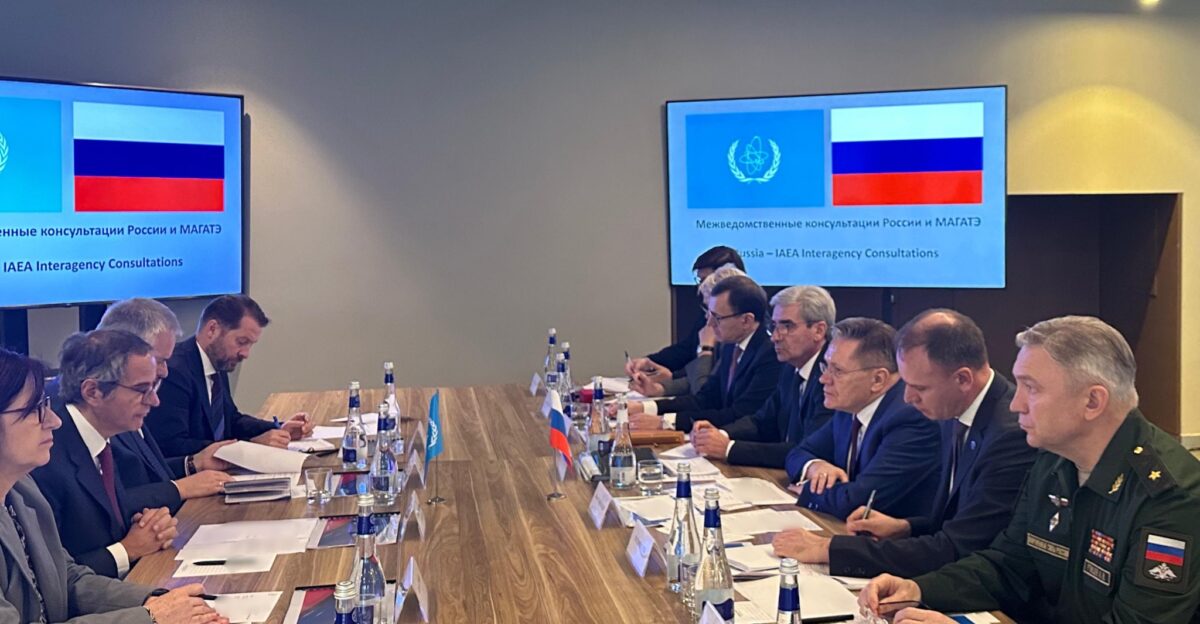
Behind the scenes, Russian officials struggled with mounting pressure. Refinery managers requested resources to rebuild, but their pleas fell on deaf ears. Regional governors warned of growing unrest, and Aksyonov acknowledged that the fuel shortage would last “for some time.” Yet Moscow failed to provide a tangible solution. The crisis exposed Russia’s vulnerability, and the government’s efforts to manage it were clearly insufficient.
Despite desperate efforts to control the narrative, the underlying weaknesses in Russia’s energy infrastructure were becoming impossible to ignore. The situation on the ground was deteriorating, and Russian authorities could no longer rely on short-term fixes to address the long-term damage caused by Ukraine’s targeted attacks.
The Federal Response Creaks
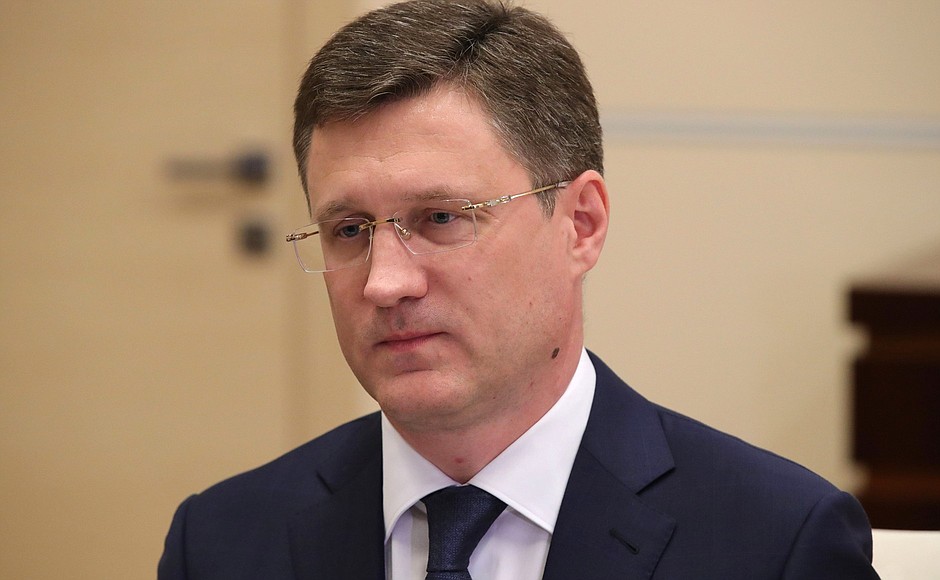
Moscow shifted to damage-control measures. Deputy Prime Minister Alexander Novak announced a halt to gasoline exports for the remainder of the year and promised repairs within months. Belarus stepped in with fuel supplies, increasing shipments to Russia. However, these measures were no substitute for the lost capacity. Sanctions and ongoing strikes ensured that any recovery would be slow and painful.
Even with these temporary measures, the impact of the strikes continued to reverberate through Russia’s energy sector. The damage to refineries and fuel supply lines was not easily repaired, and the reliance on external sources for support only highlighted the scale of Russia’s vulnerability.
The Repair Race
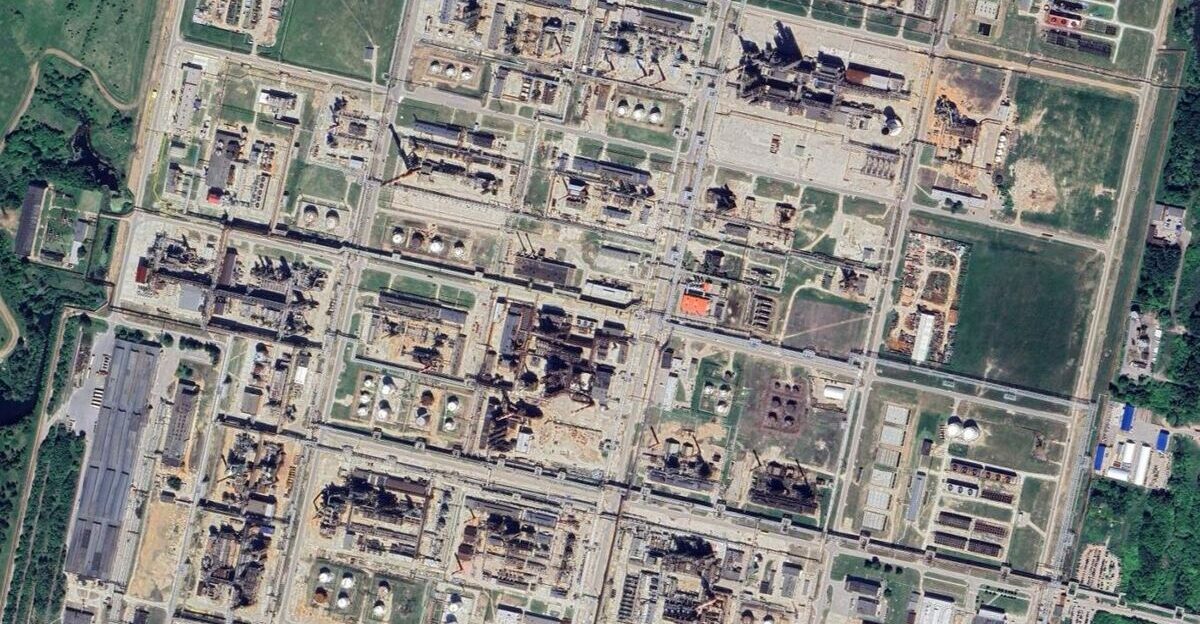
Repair crews worked around the clock, but each refinery hit by Ukrainian drones faced repeated setbacks. The Ryazan refinery had been attacked five times since January, and other facilities like Novokuibyshevsk and Saratov also saw their operations halted by strikes. Russia’s spare capacity was limited, and the repeated damage to key facilities further strained its ability to keep pace with demand.
The ongoing struggle to repair the refineries highlighted the systemic nature of the crisis. The repeated strikes on critical infrastructure were pushing Russia’s energy sector to its limits, and the lack of resources to fix the damage meant that the country’s ability to recover was severely hampered.
Expert Skepticism Grows
Energy analysts voiced concerns about the long-term impact of Ukraine’s strikes. While spare capacity allowed Russia to mitigate some losses, experts warned that this buffer was shrinking fast. The Carnegie Endowment calculated that nearly 38% of Russia’s refining capacity was damaged, yet output only fell by 3%—for now. However, the damage was mounting faster than Russia could repair it, and the risks of further escalation were clear.
As analysts looked ahead, the question wasn’t whether Russia could recover, but when its spare capacity would be exhausted. With the frequency and precision of Ukraine’s strikes, it seemed inevitable that the energy sector’s ability to withstand continued attacks would soon collapse.
Winter’s Shadow
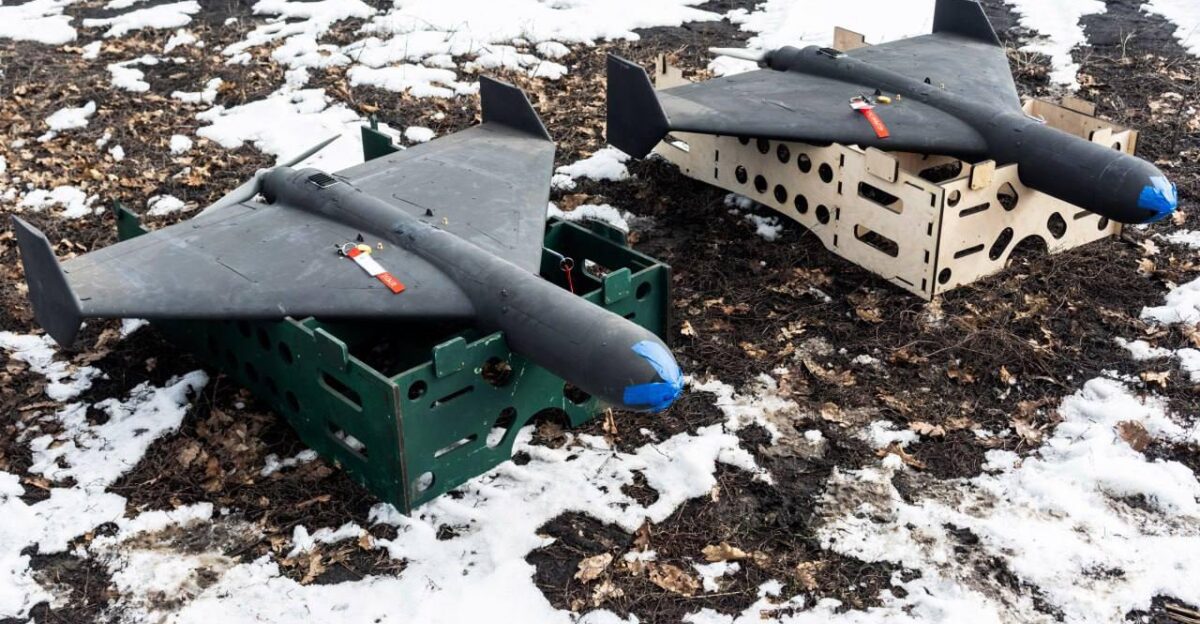
With winter approaching, the situation grew more dire. Demand for heating fuel and military logistics was set to increase, yet Ukrainian drone strikes showed no sign of slowing. Intelligence reports indicated that Kyiv was preparing for further escalation. Russian military leaders warned of logistical challenges ahead, and for Crimea, the coming months promised even deeper cuts or a potential collapse of civilian fuel supplies.
As winter loomed, the need for fuel became even more pressing. Yet the constant barrage of Ukrainian drone strikes was undermining Russia’s ability to meet the demand, creating a perfect storm for both military operations and civilian survival. The energy crisis was set to deepen, with no immediate resolution in sight.
The Political Calculus

For Vladimir Putin, the strikes represented a political dilemma. Oil revenues fueled roughly 90% of Russia’s defense spending. As Ukraine’s strikes intensified, Moscow faced the choice between securing battlefield supplies and maintaining domestic stability. In private, Kremlin officials acknowledged the severity of the situation, though public discourse focused on weather, maintenance issues, and “technical problems” to avoid admitting the truth: Ukraine was systematically dismantling Russia’s energy supply.
Putin’s political survival hinged on the ability to manage the crisis without openly acknowledging the strategic damage caused by Ukraine. Yet, behind closed doors, there was little doubt that the war was taking an unexpected turn, with energy supply becoming the focal point of Russia’s struggles.
Echoes of History
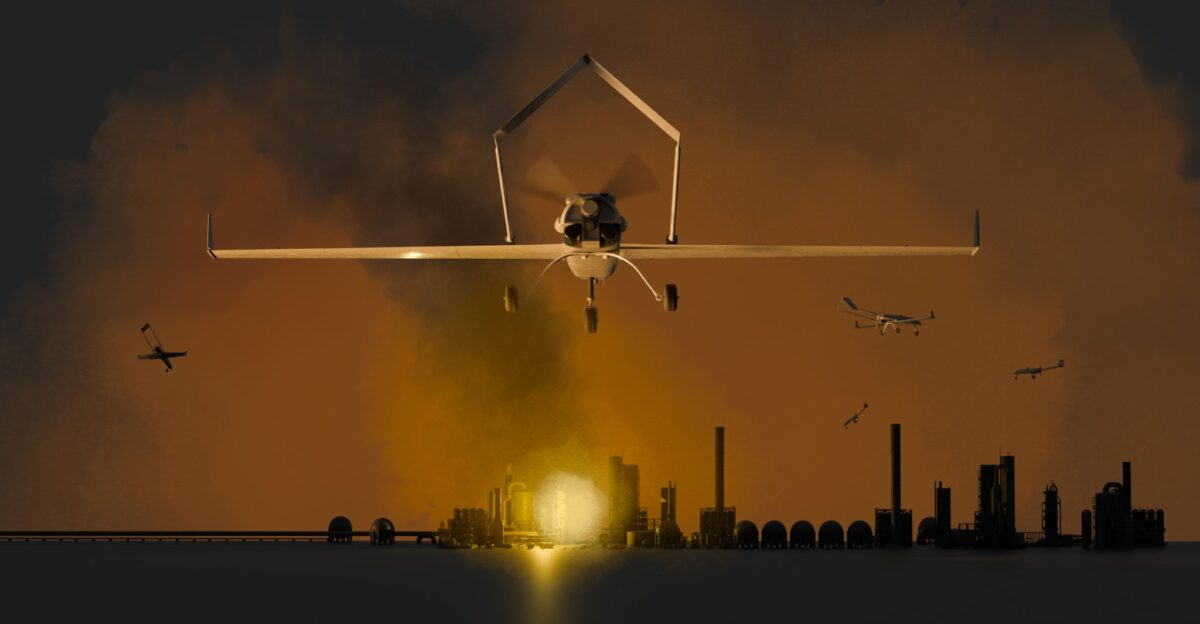
Some analysts drew comparisons between Ukraine’s drone campaign and the Allied bombing campaigns of World War II, which targeted Nazi Germany’s refineries to cripple its war effort. Now, unmanned drones had replaced bombers, but the objective was the same: destroy the fuel that powers the war machine. Without oil, Russia’s military would be paralyzed, and Ukraine was delivering that message with precision.
The striking parallels to history reinforced the effectiveness of the strategy. By targeting Russia’s oil infrastructure, Ukraine was weakening the foundation of Russia’s military operations, demonstrating the power of economic warfare in modern conflict.
Environmental and Humanitarian Costs
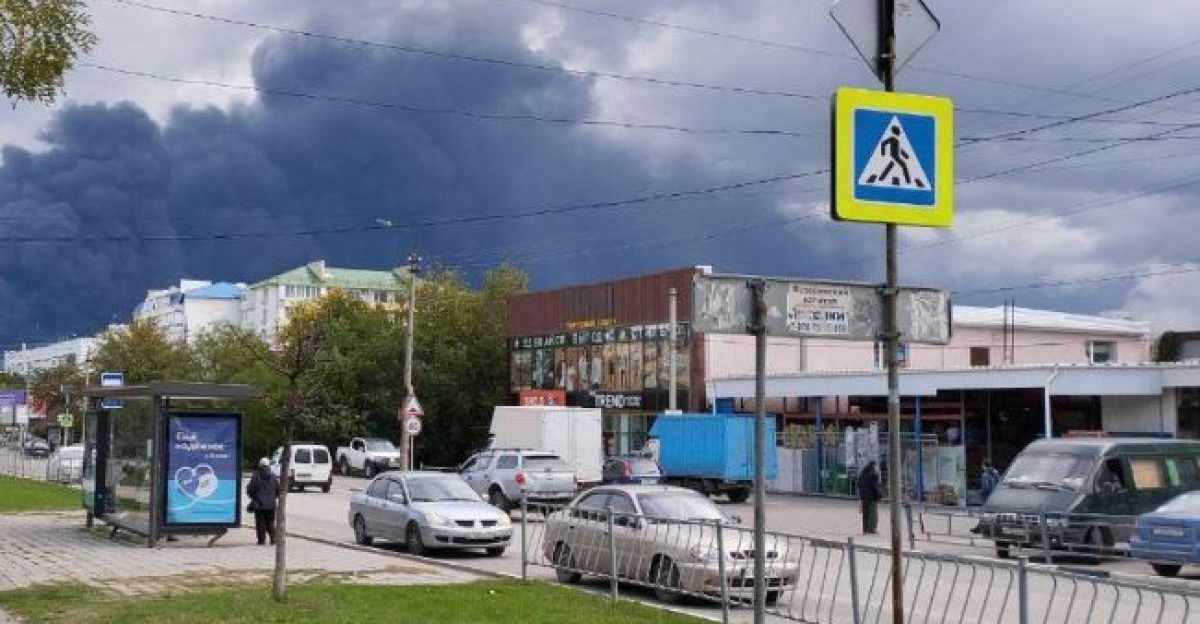
The fires at Feodosia released toxic smoke, which caused respiratory issues for residents and killed livestock in the surrounding areas. Fishing communities feared the contamination of the Black Sea. However, with the war raging on, these environmental and humanitarian concerns were secondary. Authorities failed to provide comprehensive assessments, and the long-term damage remained hidden beneath the immediate crisis response.
The broader environmental impact of the strikes was also significant. The contamination of the surrounding land and water posed long-term risks for local ecosystems and communities, but the immediate priority remained addressing the fuel shortages and logistical chaos caused by the strikes.
The Broader Reckoning
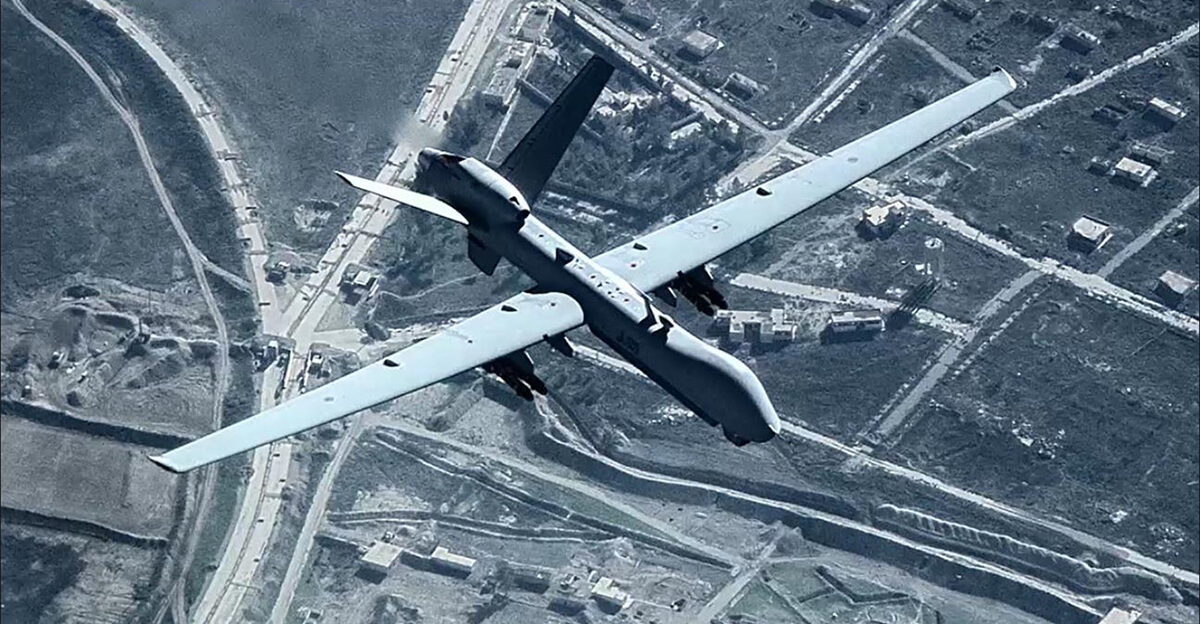
The situation in Feodosia highlighted a vulnerability in Russia’s war economy. Ukrainian drones, costing just $20,000-38,000 each, were inflicting damage worth tens of millions. For Russia, the economic calculus was shifting. The fear was not just of losing more refineries, but of a system collapse that would undermine its military and economic stability. For Crimea, the future remained uncertain, and the suffering was far from over.
Feodosia became a symbol of the larger strategic challenge facing Russia. Despite the high cost of the drone attacks, the economic damage to Russia was far greater, raising questions about how long the country could sustain its war effort under such sustained pressure.
The Question Lingers
As winter set in, a looming question remained: Could Russia’s energy sector withstand another season of drone strikes? Ukrainian commanders prepared for more attacks, while Russian officials promised recovery. Feodosia’s burning oil terminal was now a symbol of the energy war—a new front in the conflict that would determine not only military logistics but the Kremlin’s political stability in the coming months.
As the conflict moved into a critical phase, the fate of Russia’s energy sector—and with it, the stability of the Kremlin—hinged on Ukraine’s continued ability to strike key infrastructure. The coming months would reveal whether Russia could recover or if the energy war would cripple its military and economy for good.