
A sudden fireball over occupied Crimea signaled another strike in Ukraine’s long campaign to weaken Russian control of the peninsula’s skies. Grainy nighttime footage showed a fighter jet erupting on the tarmac and a separate flash where a radar installation had stood hours earlier. Ukraine’s Defence Intelligence later said its special “Phantoms” unit destroyed both a Russian MiG-29 and an Irtysh radar in a coordinated operation intended to chip away at Russia’s ability to monitor and defend Crimean airspace.
Strategic Targets in a Militarized Peninsula
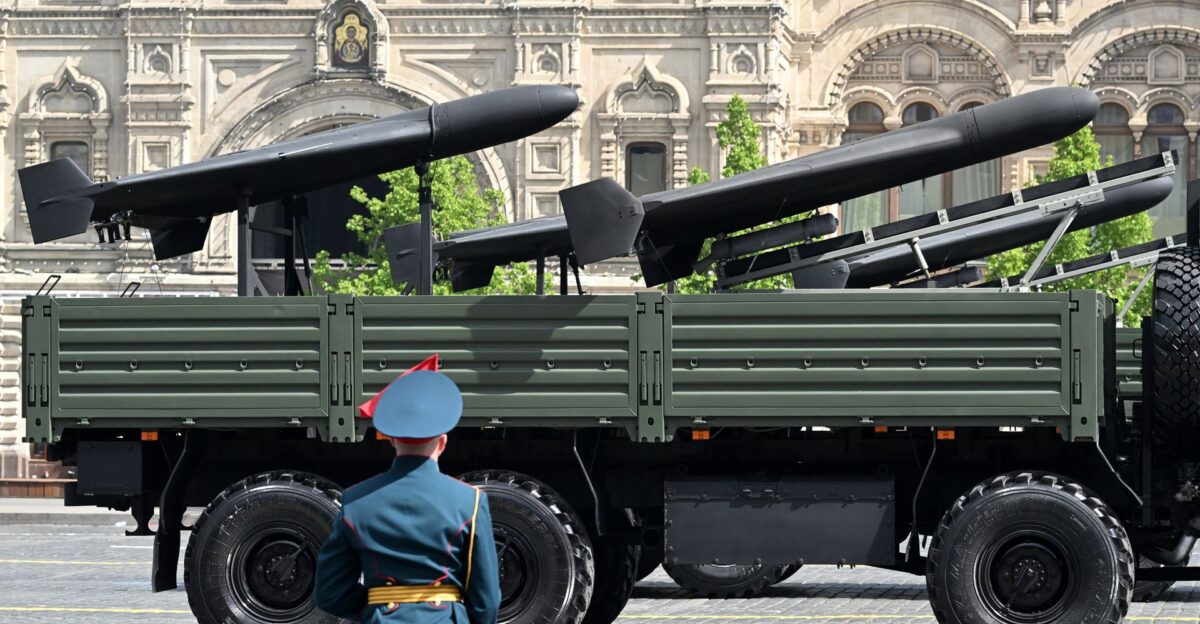
Since Russia’s 2014 annexation, Crimea has been turned into a heavily fortified military platform. The peninsula hosts combat aircraft, long-range air defense systems, and coastal strike assets that support operations in southern Ukraine and help control Black Sea routes. Ukrainian officials have long viewed this build-up as both a security threat and a priority target.
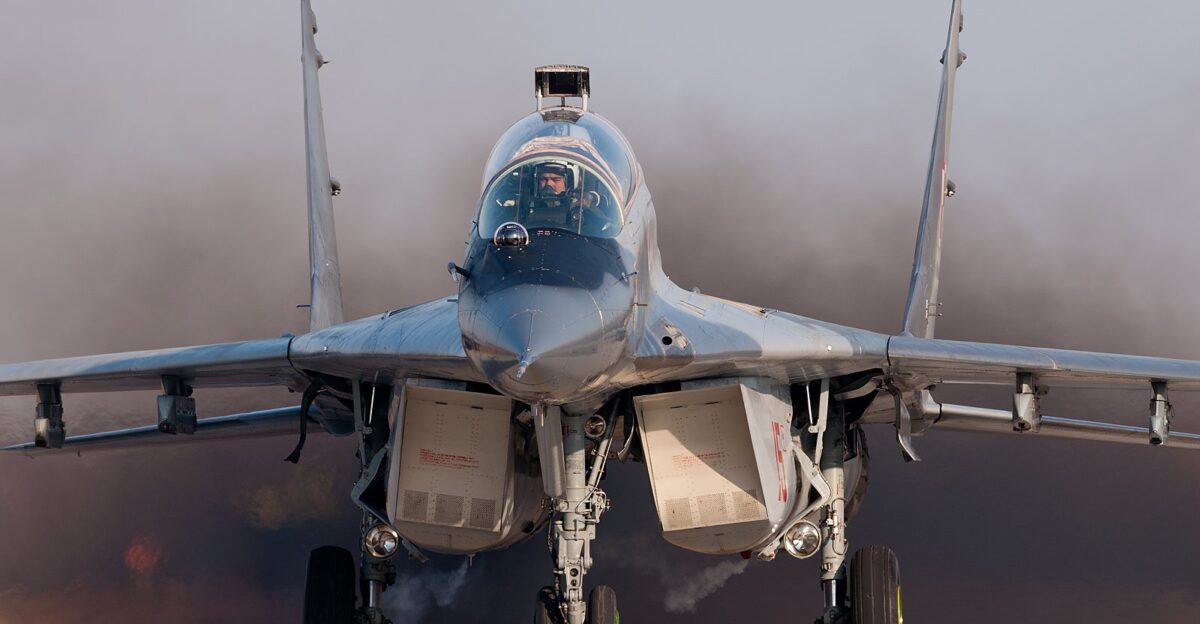
Russian control of Crimean airspace relies on the combination of fighter jets and a web of ground-based sensors. MiG-29 multirole fighters provide air cover, while systems like the Irtysh radar scan for low- and medium-altitude threats and feed information to surface-to-air missile batteries. Kyiv argues that disabling such “enabler” systems delivers outsized effects, forcing Russia to spend heavily on replacements, repairs, and protective measures while gradually thinning its integrated air defense network over the peninsula.
As Ukraine’s own long-range strike capabilities have improved, Crimea has shifted from a largely secure bastion into one of the most contested military zones of the conflict. Successive blows to airfields, depots, and command sites have turned the region into a symbol of both Russian ambition and vulnerability.
Details of the Dual Strike

Ukraine’s Defence Intelligence (DIU) says the dual attack took place on 4 December 2025 and was conducted by its Prymary, or “Phantoms,” special unit. According to DIU, the unit hit two locations: Kacha airfield, near Sevastopol, where a MiG-29 fighter was reportedly destroyed on the ground, and a separate Irtysh radar installation near Simferopol.
DIU portrays the action as a single coordinated mission designed to degrade Russia’s ability to detect and respond to low-flying threats over a wide area. Both the fighter and the radar are described as central to the layered defense that Russia uses to counter Ukrainian drones and cruise missiles approaching from multiple directions around Crimea.
The Phantoms unit specializes in long-range, precision operations in occupied territory, often relying on drones or other stand-off methods to avoid direct contact. Ukrainian officials say the same unit previously destroyed two Be-12 amphibious aircraft in Crimea in September 2025. If confirmed, the December operation would bring its claimed tally to three aircraft and one radar system in roughly ten weeks, underscoring a shift toward targeting high-value platforms rather than ammunition dumps or generic infrastructure.
Airfield and Radar Under Pressure
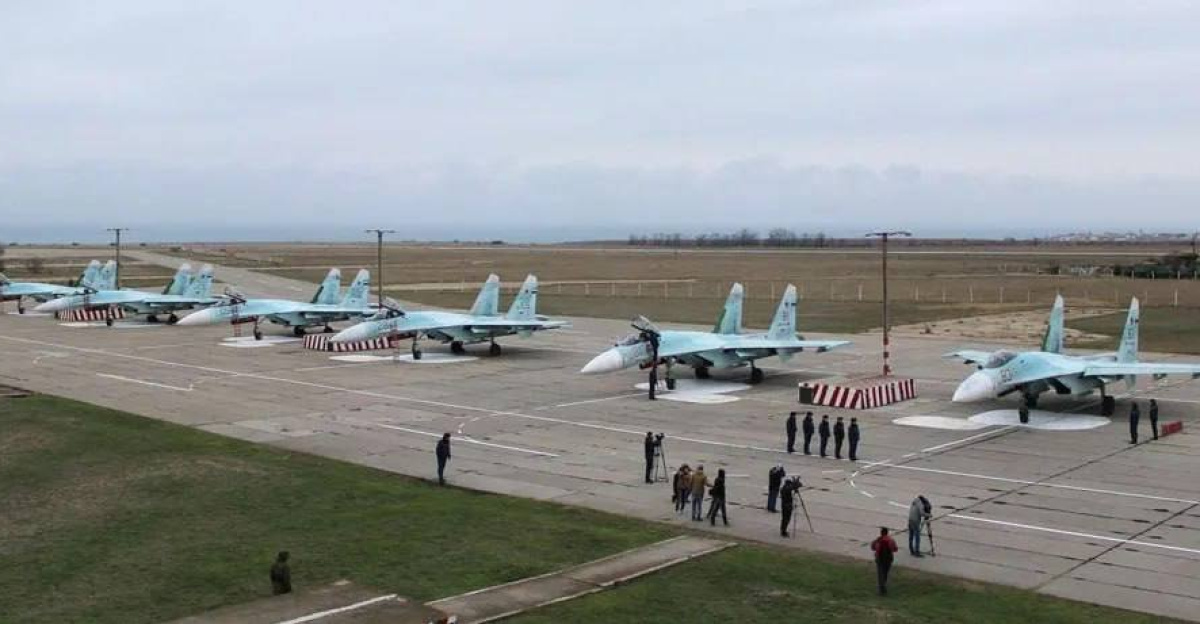
Kacha airfield has emerged as a recurring focus of Ukrainian strikes. DIU earlier reported that the Phantoms damaged or destroyed aircraft there in September, and now claims the loss of a MiG-29 at the same facility. Any reduction in the number of combat-ready jets on the peninsula complicates Russia’s ability to maintain regular patrols and respond quickly to incoming threats.
The simultaneous hit on the Irtysh radar near Simferopol is presented by Kyiv as equally significant. Systems of this type are thought to track aircraft and drones across a broad sector, particularly at low and medium altitudes where threats are harder to spot. Destroying or disabling such a complex would create what Ukrainian officials describe as a “gap” in radar coverage, forcing Russian forces to retask other sensors to cover the blind zone, often at less effective angles and with less reaction time.
Even if those coverage gaps are temporary and partially mitigated by mobile or overlapping radars, repeated disruptions add friction to command and control. Analysts note that each strike compels Russia to move equipment, reinforce shelters, and adjust deployment patterns, drawing on finite stocks of specialized hardware and trained personnel.
Economic and Military Cost
Open-source estimates put the price of a modernized MiG-29 in the range of US$20–35 million, depending on configuration and upgrades. The exact cost of the Irtysh radar is not publicly confirmed, but comparable Russian radar systems are valued in the millions to tens of millions of dollars. On that basis, Ukrainian analysts suggest the material cost of the December dual strike could fall between roughly US$30 million and US$50 million, before counting training, maintenance, stored munitions, and the impact of lost operational availability.
Ukrainian officials argue that this disparity between the cost of their strike assets and the value of the destroyed equipment is central to their approach. By using relatively inexpensive drones or missiles against high-end jets, radars, and missile systems, they seek to impose a financial and logistical burden that Russia cannot easily offset, especially when such losses accumulate over months.
Wider Air War and Uncertain Outcomes
Ukraine frames the operation as part of a broader effort to “systematically degrade” Russian air defenses in Crimea, pointing to previous attacks on radars, surface-to-air missile batteries, command sites, and aircraft across the peninsula. Kyiv claims that this running campaign is putting Russia’s air defense network “on life support,” with more holes in radar coverage and fewer ready jets. Moscow rarely confirms individual losses, but Russian commentators have acknowledged the strain imposed by repeated strikes, including the need to relocate assets and strengthen key positions.
At the same time, independent verification of the exact damage at Kacha and near Simferopol remains limited. Russia maintains some redundancy through mobile sensors and layered defenses, and retains the ability to rotate systems in from other regions. Yet every such reinforcement comes at the expense of protection elsewhere, potentially stretching Russian capabilities along other contested fronts.
For Ukraine, the question is whether sustained pressure on aircraft and radar sites in Crimea can meaningfully alter the balance in the air, or whether Russia can absorb and adapt through redundancy and attrition. Future operations are likely to test both sides’ ability to protect or disrupt high-value nodes. The stakes extend beyond Crimea, touching on the broader course of the war, escalation risks, and the evolving role of long-range precision strikes in modern conflict.
Sources
Defence Express – “Ukraine Takes Out Russian MiG-29 and Irtysh Radar in Dual Strike on Crimea” (December 4, 2025)
Ukrainska Pravda – “Ukraine strikes Russian aircraft in Crimea, destroying MiG-29” (December 3, 2025)
The War Zone (TWZ) – “First Russian MiG-29 Claimed Destroyed In Ukraine” (December 3, 2025)
Kyiv Independent – “Russia’s air defenses are wide open — there’s just one problem” (November 9, 2025)
East Reporter – “Golden Autumn in Crimea: Air Defense Systems Depleted” (October 28, 2025)
Radartutorial.eu – “Irtysh SKU Technical Specifications”