
The lion is often called the “king of the jungle,” an apex predator feared across the African savanna. With coordinated pride hunting, sharp claws, and powerful jaws, lions dominate most encounters in the wild. Yet even kings are not invincible.
In rare moments driven by self-defense or territorial pressure, other animals have turned the tables. These encounters are uncommon, but real. Here are nine animals that have successfully defeated lions, proving nature has no permanent throne.
1. Elephant (The Ultimate Size Mismatch)
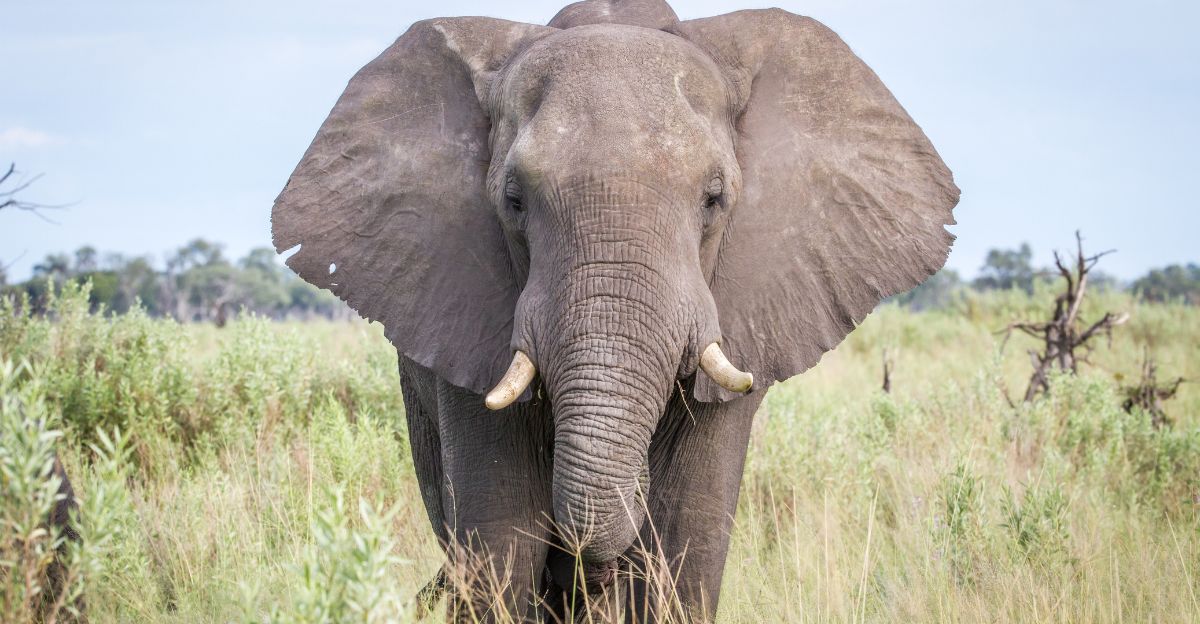
African elephants are the largest land animals on Earth, weighing several tons compared to a male lion’s roughly 420 pounds. Lions may occasionally test young calves, but even juveniles can be dangerous.
Adult elephants present an overwhelming physical barrier that lions simply cannot overcome. Their sheer mass alone makes attacks extraordinarily risky. In most cases, lions retreat immediately, recognizing that size and power create an insurmountable disadvantage in direct confrontation.
Why Lions Back Down
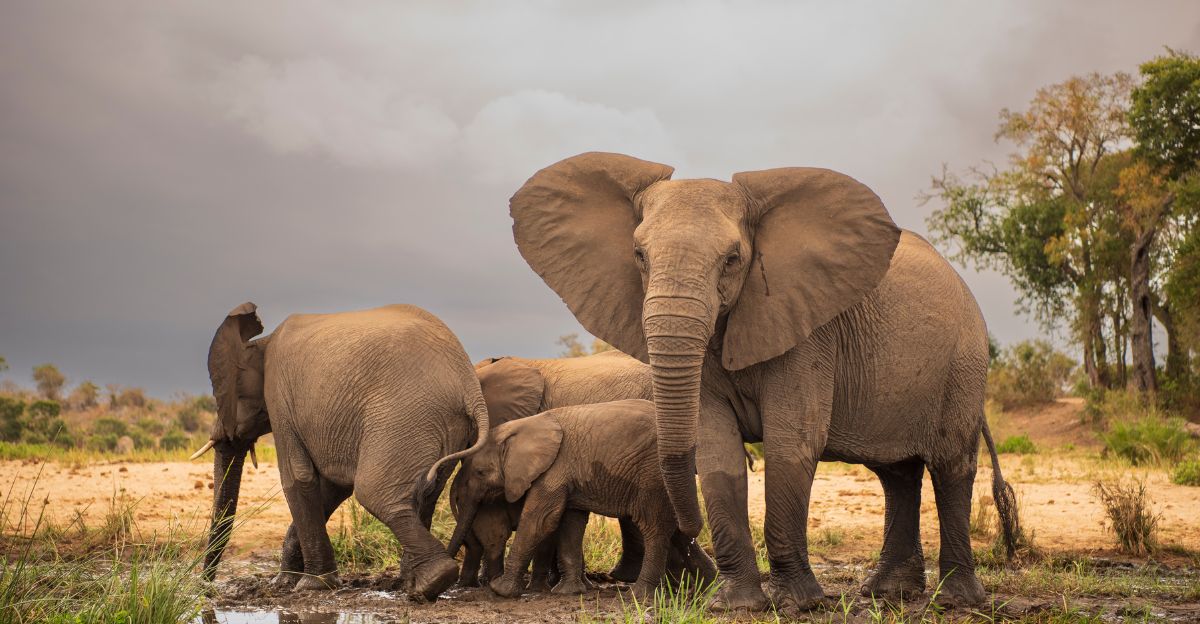
Beyond size, elephants rely on intelligence and social defense. Herds form tight protective circles around calves, presenting a united front. Tusks can gore, trunks can throw attackers off balance, and a single stomp can be fatal.
Even coordinated pride tactics fail against a determined adult elephant. Every charge carries a lethal risk for lions, making persistence irrational. The elephant does not hunt lions—but when challenged, it decisively wins through dominance and defense.
2. Hippopotamus (The Bite Force Factor)
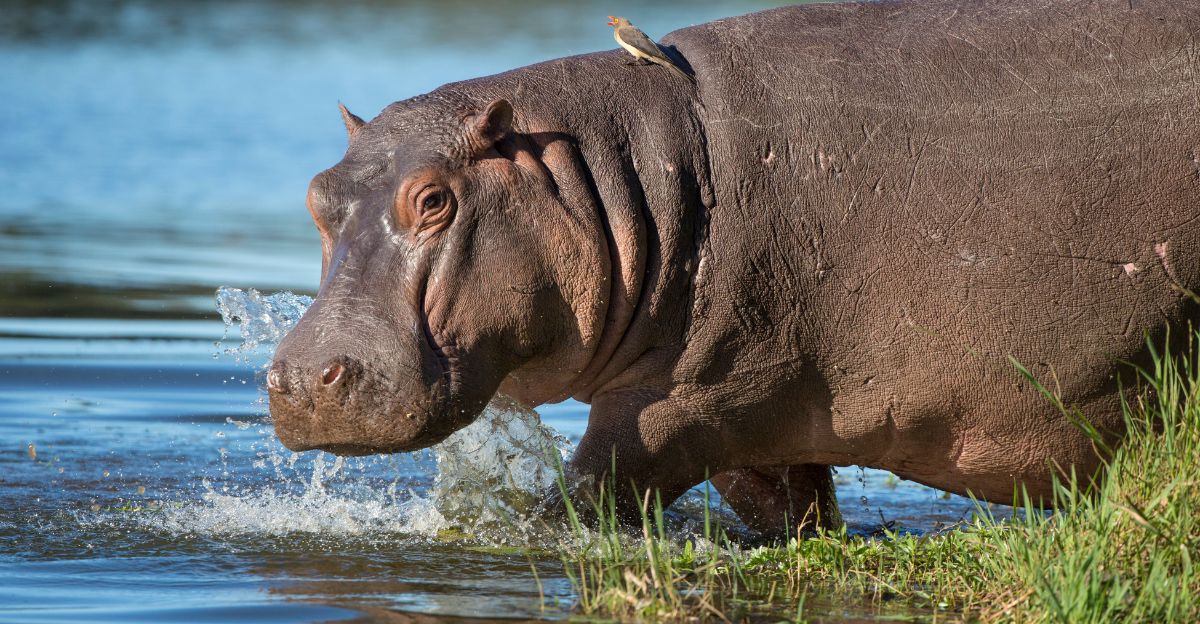
Hippos may appear calm, but they are among Africa’s most dangerous animals. Weighing between 3,000 and 4,000 pounds, they possess massive jaws capable of delivering extraordinary bite force—far exceeding that of lions.
These herbivores are highly territorial, especially near water. When lions wander too close, hippos do not flee. Instead, they confront threats directly, relying on crushing jaws and size to overpower attackers.
Territory Means Everything
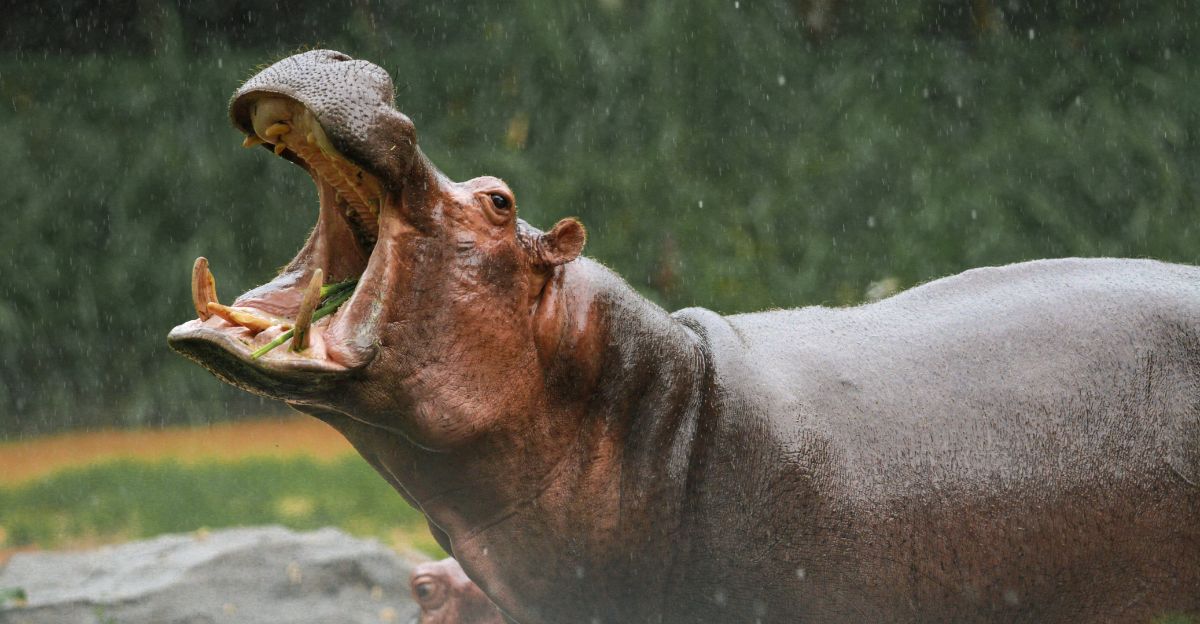
In water, hippos are virtually untouchable. Lions cannot match their agility or power in aquatic environments. On land, hippos can charge at speeds comparable to lions while carrying vastly more mass.
Thick skin reduces vulnerability to claws and teeth. Encounters usually end quickly, with lions retreating to avoid catastrophic injury. For lions, challenging a hippo is less a hunt than a gamble with fatal odds.
3. Cape Buffalo (The Herd That Fights Back)
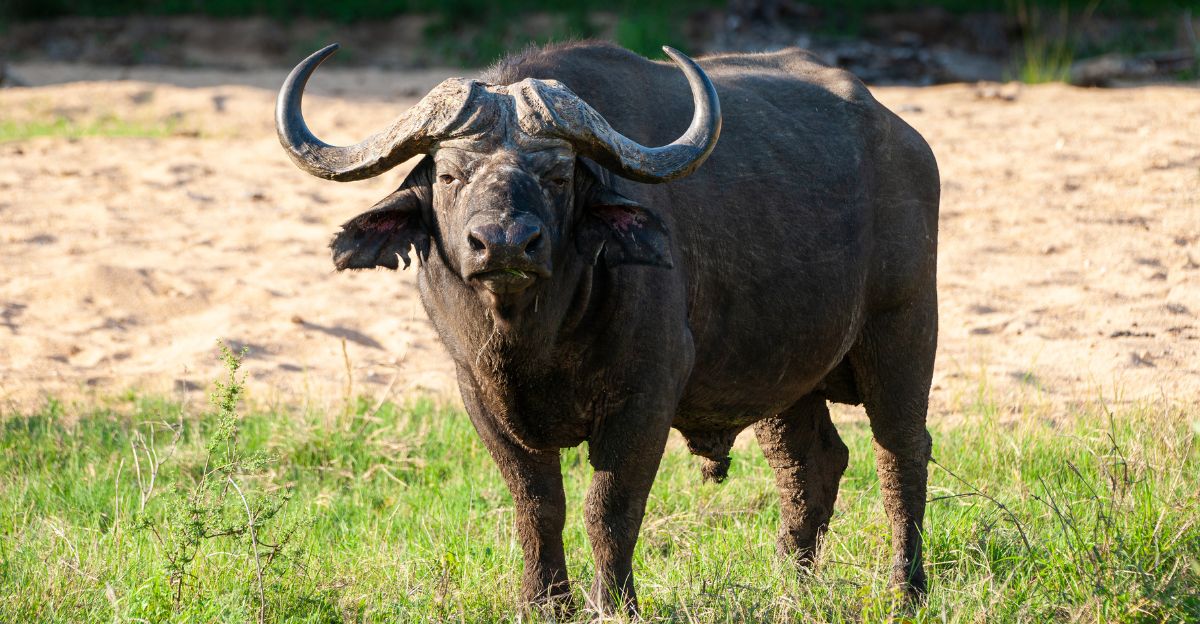
Cape buffalo are often underestimated as prey, yet they are among the most dangerous herbivores in Africa. Weighing around 1,500 pounds, they possess heavy, curved horns fused into a solid shield known as a “boss.” They are aggressive and unpredictable.
Unlike many prey animals, they frequently confront predators head-on rather than flee, making them uniquely dangerous opponents for lions.
Strength in Numbers
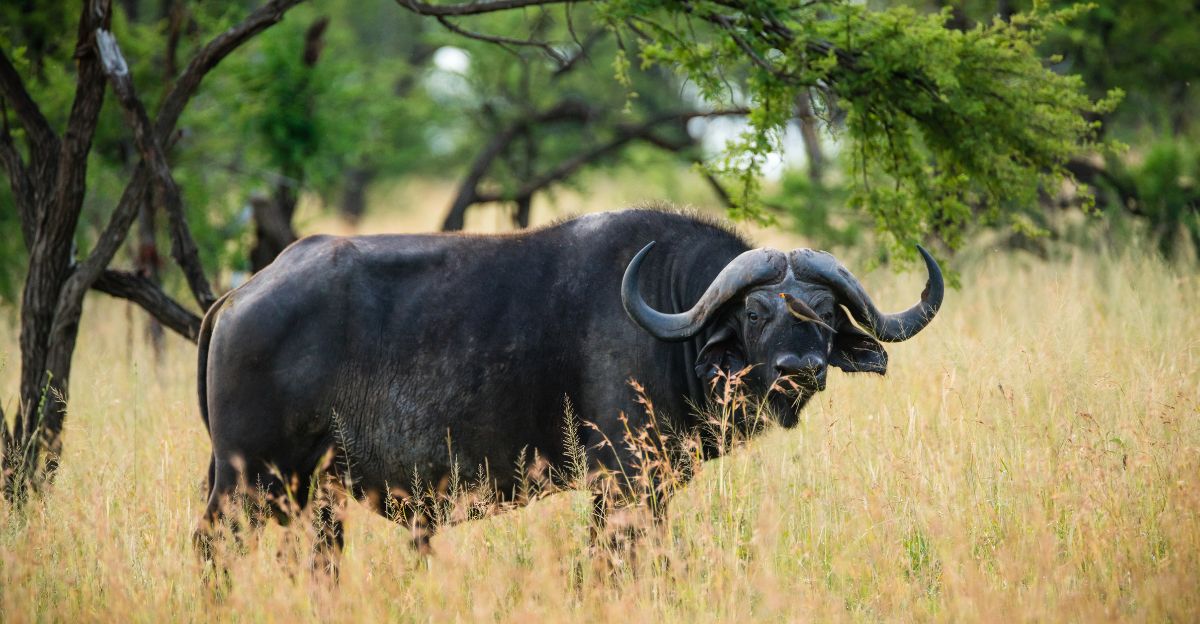
What truly sets Buffalo apart is collective defense. Herds respond aggressively when one member is attacked, often charging lions as a group. This coordinated counterattack can overwhelm even experienced prides.
Buffalo have been observed injuring and killing lions through trampling and goring. In these encounters, teamwork neutralizes the lion’s hunting advantage. Lions may still target isolated individuals, but they respect the herd’s ability to retaliate decisively.
4. Nile Crocodile (Ancient Predator Advantage)
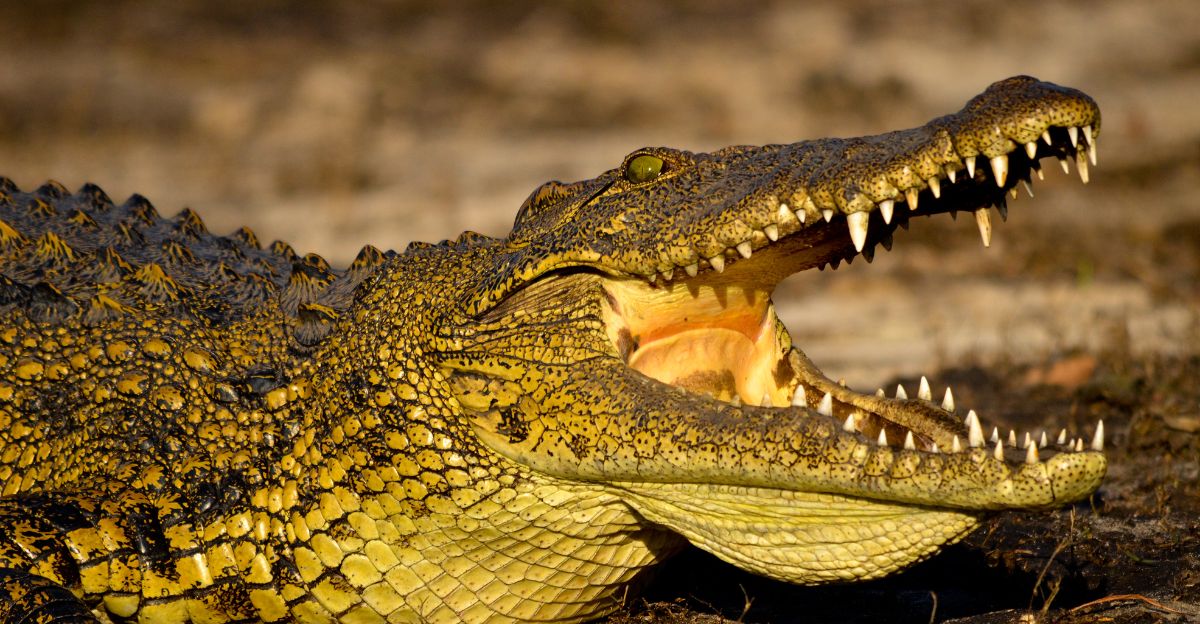
The Nile crocodile is one of Africa’s most powerful predators, reaching lengths of over five meters. Its bite force is among the strongest recorded in the animal kingdom, far surpassing that of lions.
Crocodiles have remained largely unchanged for millions of years, optimized for ambush. While lions dominate land, crocodiles control the water’s edge—where balance of power shifts instantly.
Where Lions Lose Control
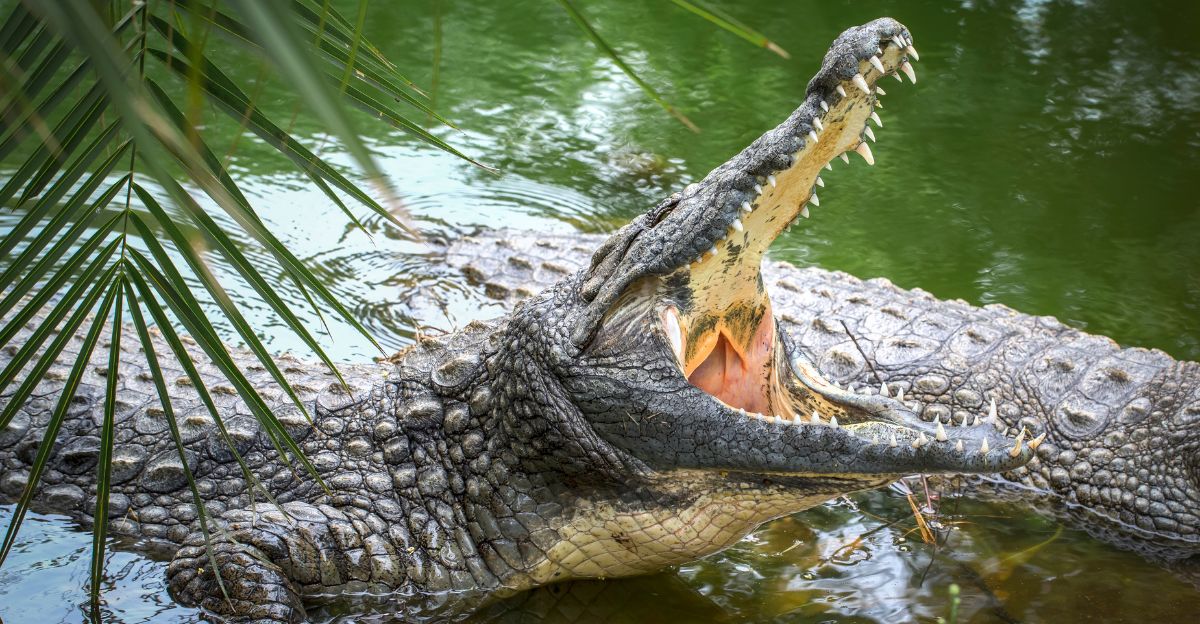
At watering holes, crocodiles hold the advantage. Motionless ambush allows them to strike with explosive speed, seizing lions that approach too closely. Once dragged into water, lions have little chance of escape.
The crocodile’s death roll incapacitates prey rapidly. These encounters highlight how the environment dictates survival. A lion’s dominance ends the moment terrain favors a different predator.
5. Rhinoceros (Armor and Impact)
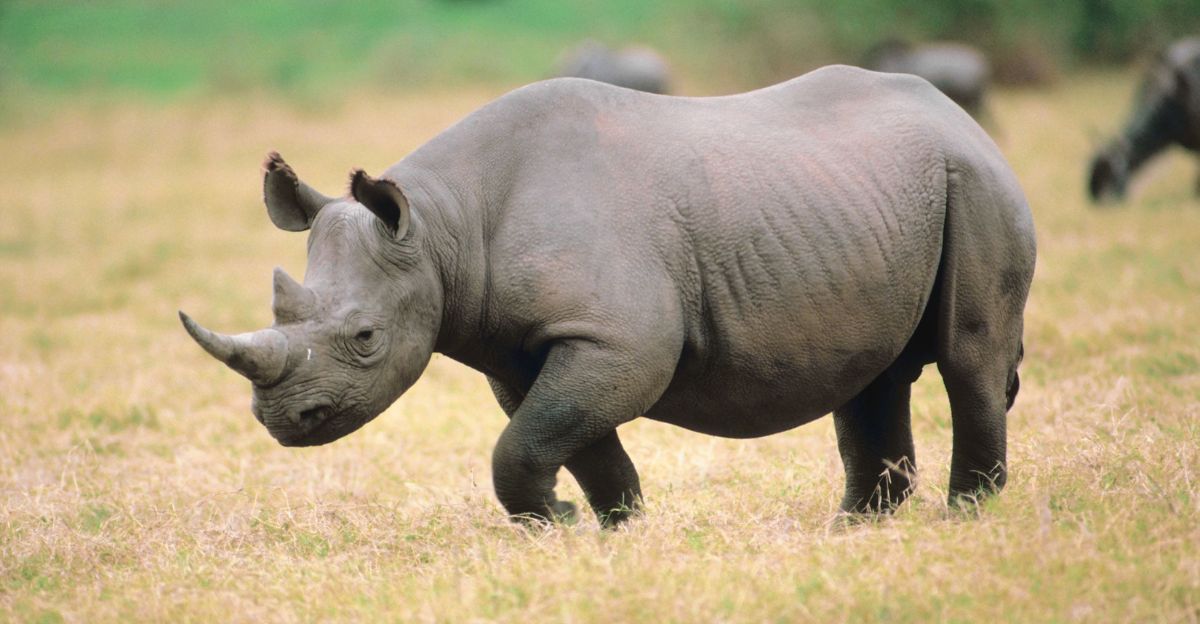
Adult rhinos have few natural enemies due to their immense size and thick, armor-like skin. Weighing over a ton, they are equipped with horns evolved for combat.
Lions rarely challenge adult rhinos directly. Even curious approaches can trigger defensive charges, placing lions at serious risk. The rhino’s build prioritizes durability and force, making it one of the least practical targets for any predator.
Why Attacks Are Rare
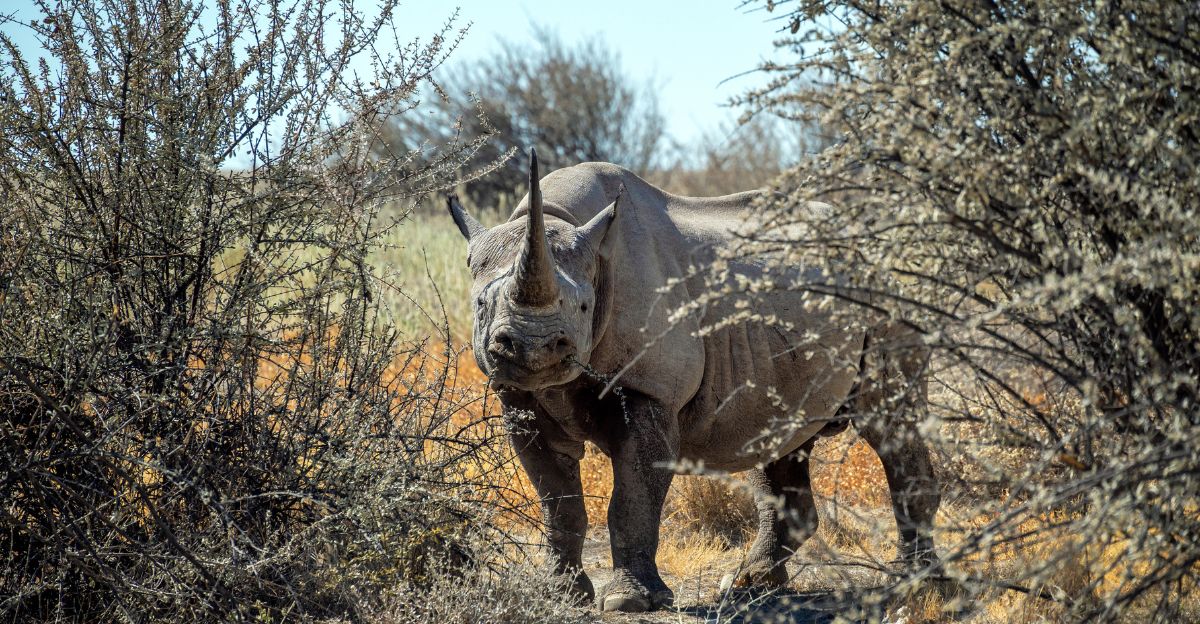
When threatened, rhinos charge with surprising speed, delivering enormous impact force. Their hide resists penetration from claws and teeth, while horns can inflict fatal wounds. Lions that misjudge these encounters face severe injury or death.
As a result, most prides avoid rhinos entirely. Survival instincts guide behavior on both sides, and lions instinctively recognize when prey is too dangerous to pursue.
6. Tiger (Apex vs. Apex Debate)
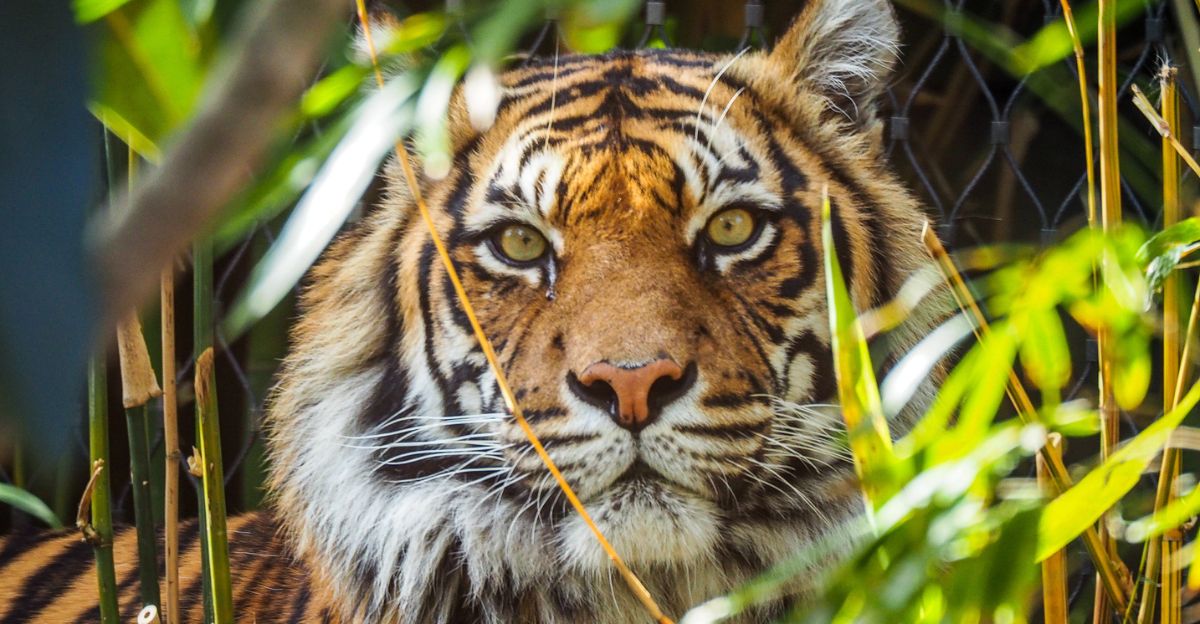
Lions and tigers do not naturally share habitats, making encounters rare. However, historical observations in controlled environments have fueled debate over which apex predator holds the advantage.
Tigers tend to be slightly heavier and more muscular, adapted for solitary combat rather than group hunting. These differences create a fascinating comparison between two evolutionary approaches to dominance.
Context Determines Outcomes
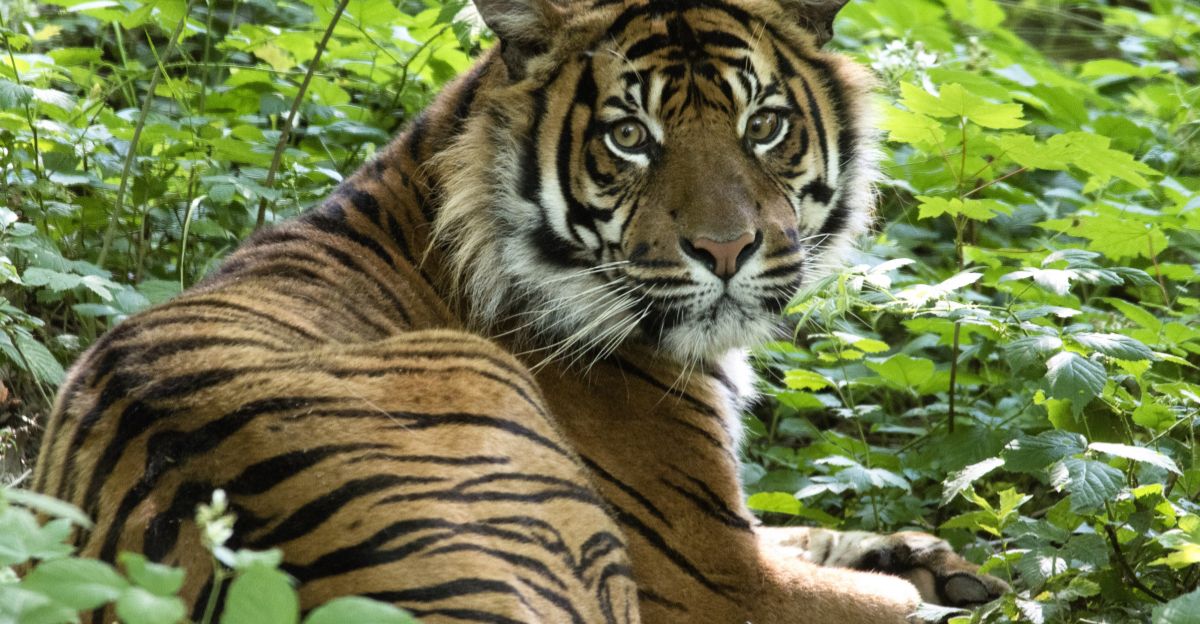
Tigers rely entirely on individual strength, agility, and precision. In one-on-one situations, this solitary hunting adaptation can be advantageous. Lions, by contrast, excel through teamwork. When isolated, that advantage disappears.
Outcomes depend heavily on environment, health, and circumstances. Rather than a clear hierarchy, these encounters demonstrate how apex predators excel under different conditions rather than absolute superiority.
7. Giraffe (The Power of the Kick)
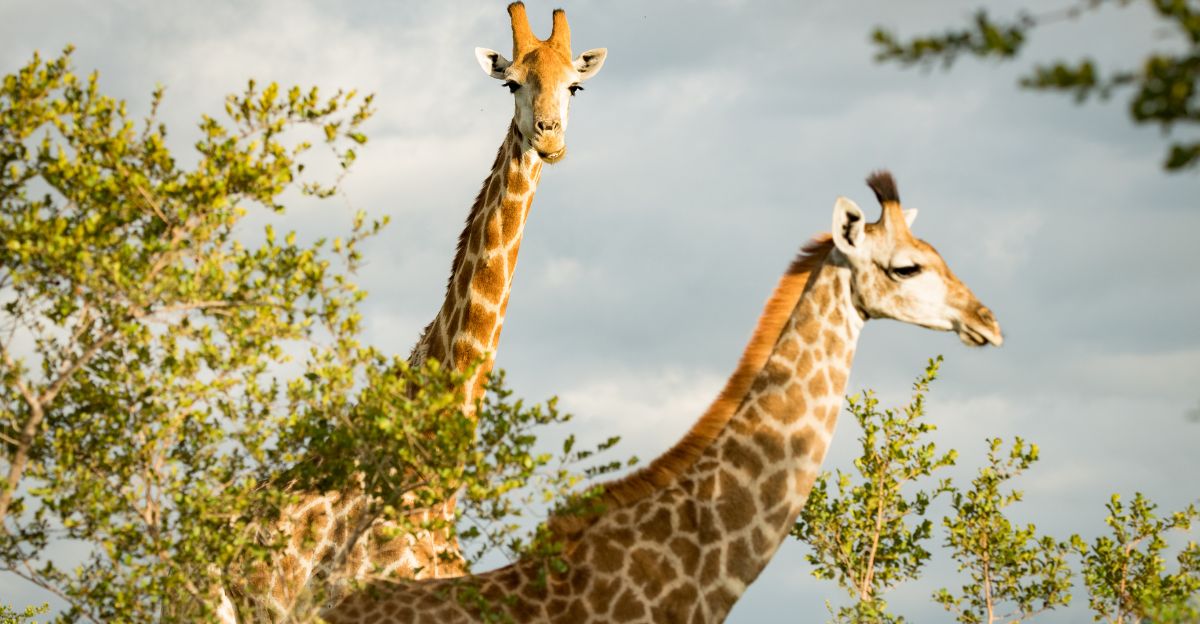
Giraffes appear gentle, yet they possess one of the most dangerous defensive weapons in the savanna. Their legs deliver kicks powerful enough to shatter bones. Standing far taller than lions, giraffes are difficult to subdue.
A single well-placed kick can incapacitate or kill a lion instantly. Their height and reach turn defense into a formidable deterrent against attack.
Why Lions Struggle
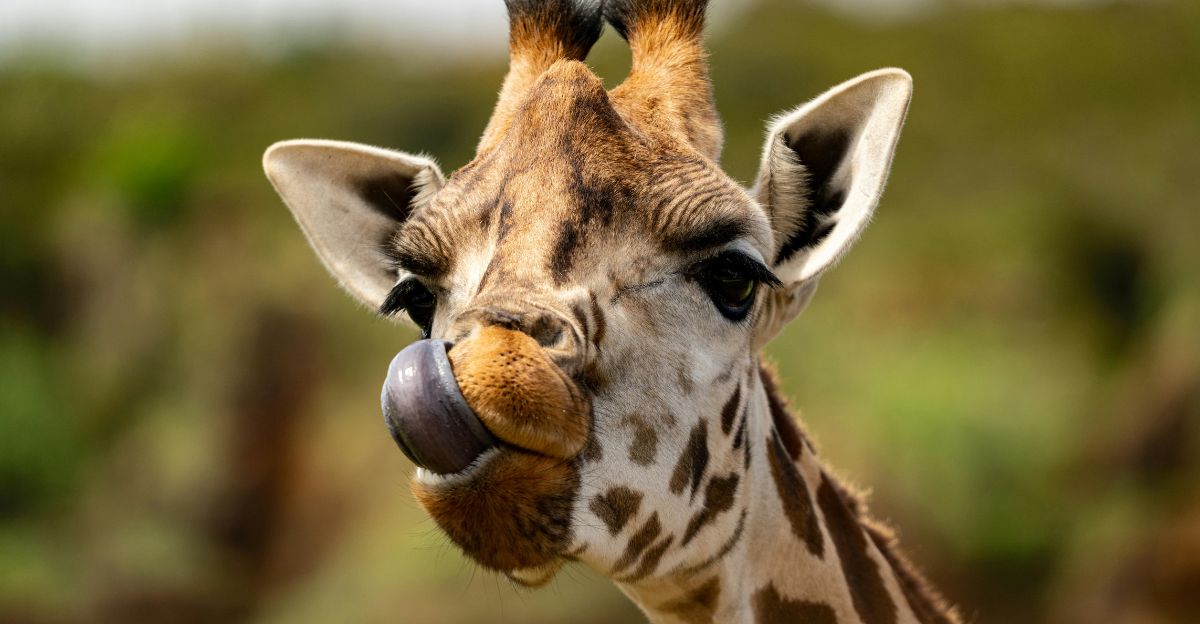
Lions typically kill prey by suffocation, but giraffes’ height prevents easy access to the throat. Bringing one down requires prolonged, coordinated effort by a pride, increasing injury risk.
Many hunts are abandoned once lions encounter aggressive kicking. Giraffes regularly fend off predators successfully, proving that size combined with targeted defense can neutralize even apex hunters.
8. Hyenas (When Numbers Flip the Script)
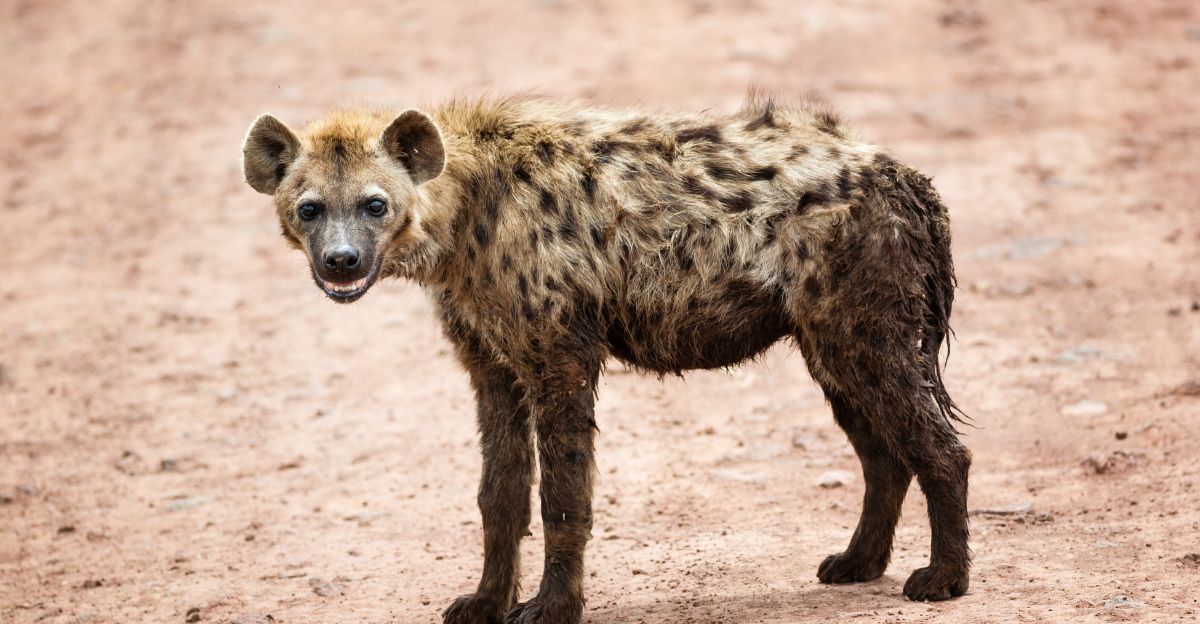
Individually, hyenas pose little threat to lions. In large clans, however, dynamics change dramatically. Hyenas are intelligent, coordinated hunters with powerful jaws capable of crushing bone.
When they outnumber lions significantly, they can dominate confrontations. Strategy, communication, and persistence allow hyenas to challenge lions for territory and food.
Territorial Warfare
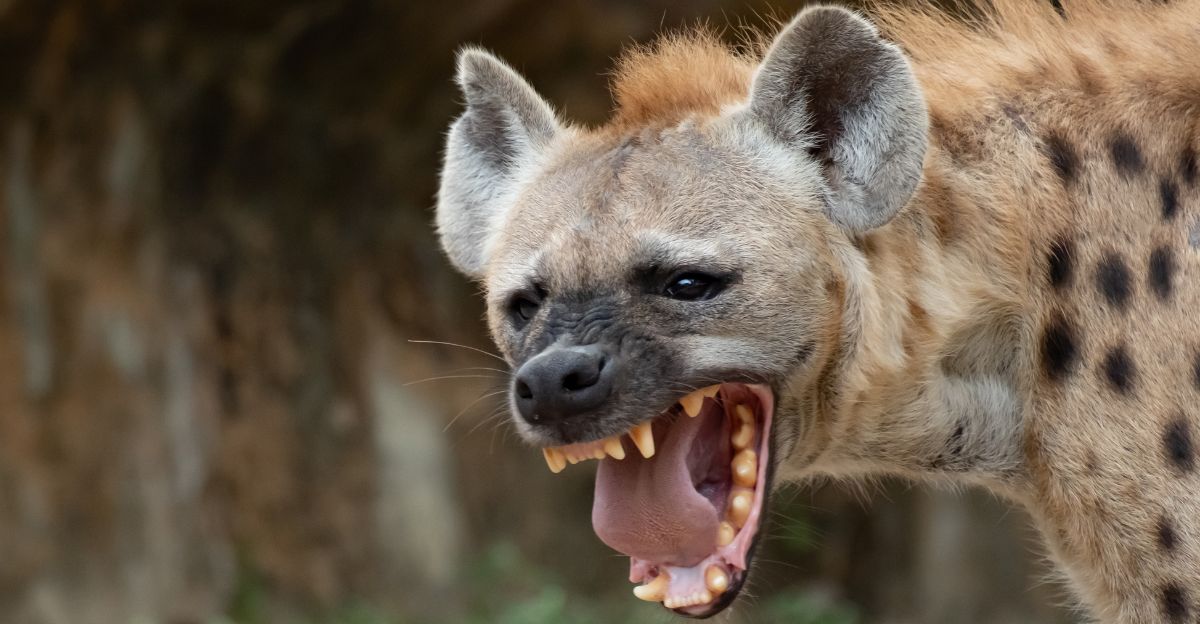
Lions and hyenas compete directly across the savanna. Large hyena clans have been observed driving off or killing isolated lions through relentless group attacks.
These encounters are less about raw strength and more about numbers and coordination. Hyenas demonstrate that collective pressure can overcome individual dominance, turning rivals into retreating opponents.
9. Porcupine (The Size Illusion)
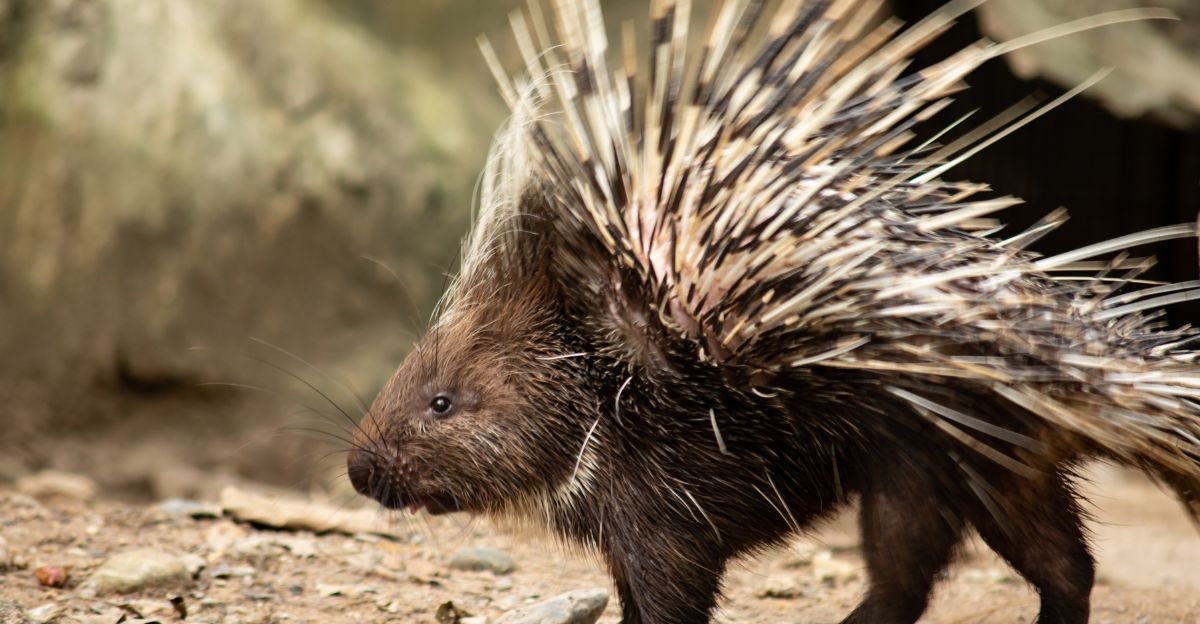
At first glance, the African porcupine seems like an impossible threat to a lion. Weighing roughly 30–40 pounds, it is vastly smaller than a full-grown male lion. Yet this size mismatch is exactly what makes the encounters so surprising.
Porcupines are slow-moving, ground-dwelling herbivores, often active at night. Lions that mistake them for easy prey quickly discover that size alone does not determine survival in the wild.
Why Lions Lose Anyway
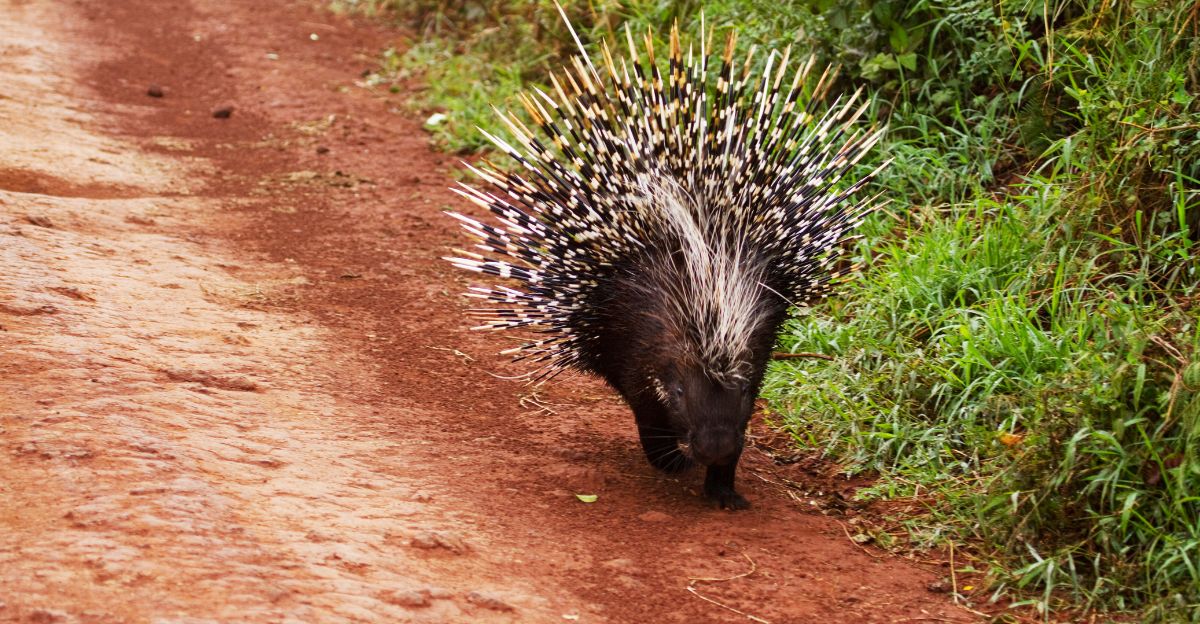
Porcupines are covered in long, barbed quills made of keratin. When threatened, these quills detach easily and lodge deeply into an attacker’s skin, face, or mouth. Over time, embedded quills can migrate inward, causing infection, pain, and impaired hunting ability.
Wildlife researchers have documented lions suffering severe injuries after porcupine encounters. While not a predator, the porcupine’s passive defense has proven lethal enough to defeat even apex hunters.
Nature Has No Crown
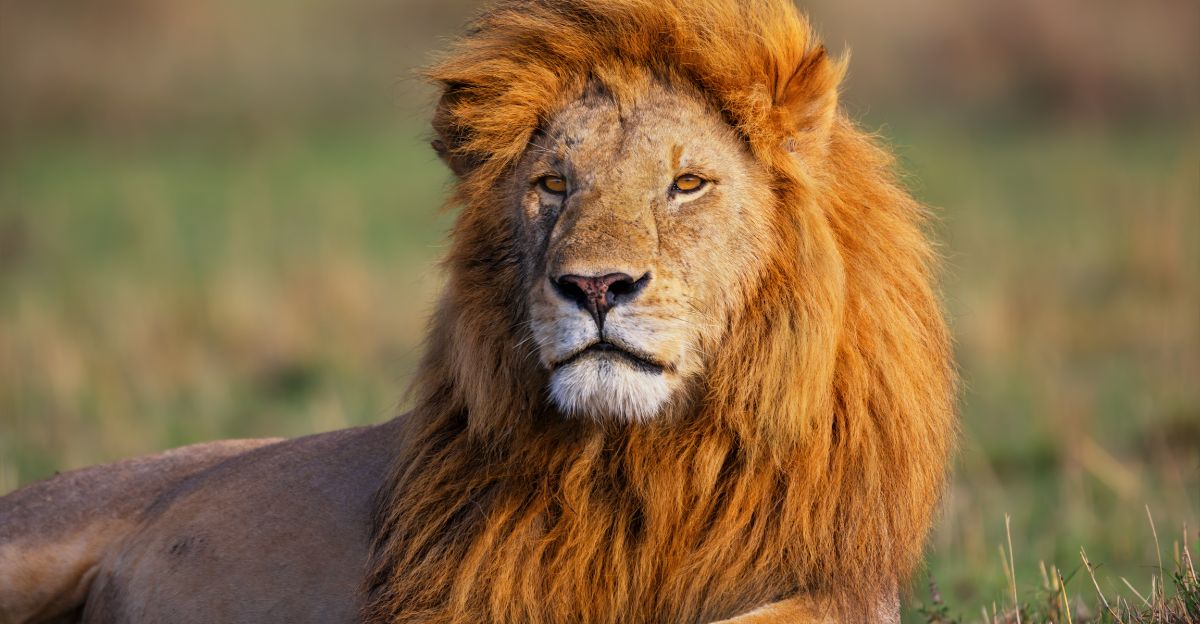
Lions remain extraordinary predators, but the wild does not recognize permanent rulers. Elephants, hippos, buffalo, crocodiles, rhinos, tigers, giraffes, and hyenas each reveal moments where strength, environment, or coordination outweighs apex status.
These rare reversals remind us that survival depends on context, not titles. In nature, dominance is constantly tested—and even kings must yield when conditions turn against them.