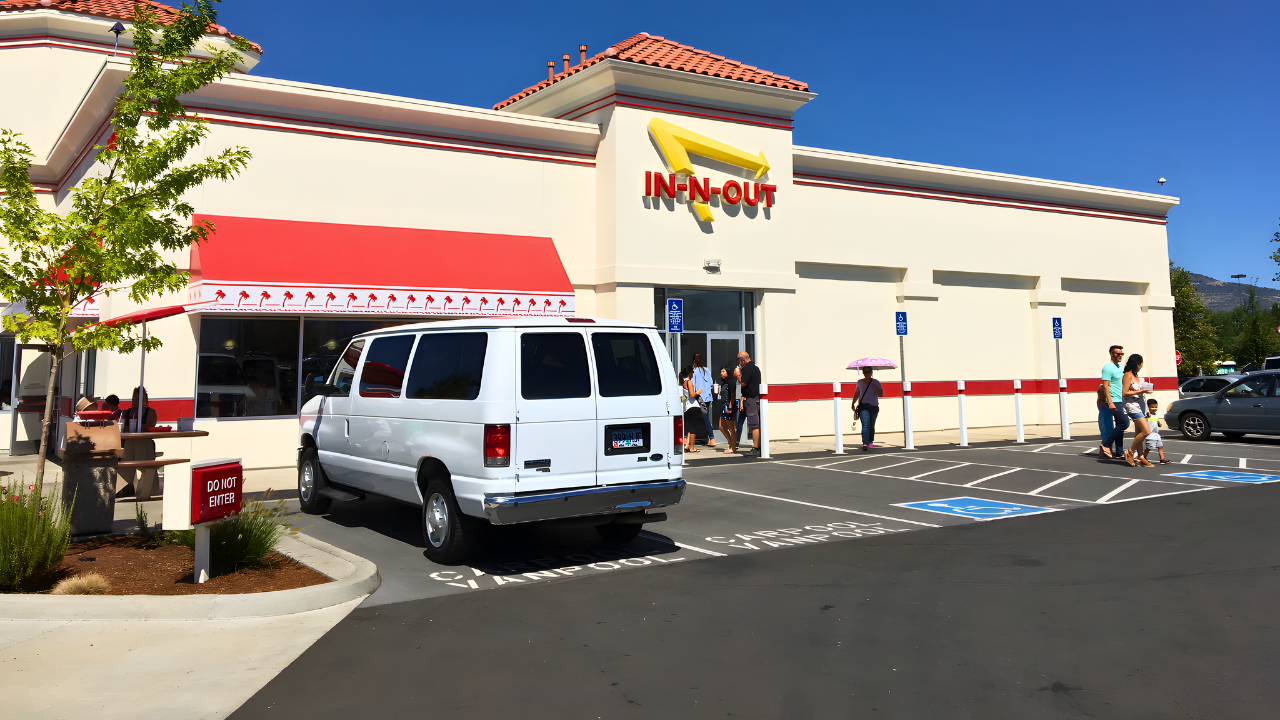
What looked like ordinary fast-food orders at In-N-Out Burger locations across Southern California allegedly masked a coordinated counterfeit operation spanning months and multiple counties. Authorities say two women used fake $100 bills to turn small purchases into real cash, triggering a wide-ranging investigation that drew in local detectives and federal partners.
The case has since raised questions about how quickly routine transactions can escalate into felony charges. Here’s what’s happening as investigators piece together the alleged scheme and its broader impact.
A Pattern Emerges Across Southern California
Authorities allege that Auriona Lewis, 24, and Tatiyanna Foster, 26, passed counterfeit $100 bills at approximately 12 In-N-Out Burger locations across Southern California between late September and December 2025, according to the Glendale Police Department. What began as a single suspicious transaction soon revealed a pattern spanning Los Angeles, Orange, Riverside, San Bernardino, and San Diego counties.
The investigation started after a questionable cash payment was reported at a Glendale In-N-Out on October 21, 2025. Glendale Police financial crimes detectives began reviewing receipts and surveillance footage, later expanding the probe as similar incidents surfaced elsewhere. Police say the geographic spread helped establish probable cause that the same suspects were responsible for repeated counterfeit passes over several months.
Small Orders, Big Returns

Investigators say the suspects focused on very small purchases to maximize legitimate change returned from counterfeit $100 bills. Receipts released by Glendale police show transactions dating back to September 29, 2025, including a Flying Dutchman priced at $5.93 and an order of french fries for $2.53.
By keeping orders quick and uncomplicated, authorities allege the suspects avoided drawing attention while converting fake currency into real cash. Police estimate total financial losses reached several thousand dollars across all affected locations. The simplicity of the transactions, combined with the fast pace of service, allowed the alleged activity to continue for weeks before a clear pattern emerged.
Why In-N-Out Was Targeted
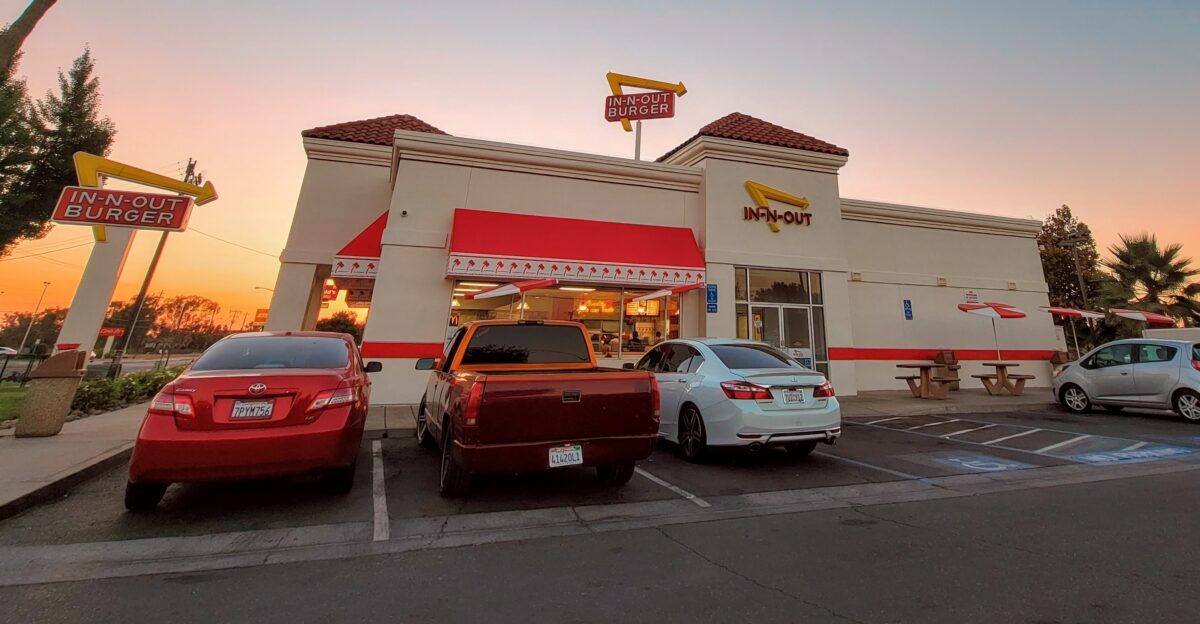
Law enforcement officials say In-N-Out locations were chosen because of their high-volume, fast-paced environment and frequent cash payments. Busy drive-thru windows and crowded counter lines can limit the time employees have to closely inspect large bills, especially during peak hours.
Investigators believe these operational factors made detection less likely during fall 2025. Glendale police emphasized there is no evidence of insider involvement or negligence by In-N-Out compared to other cash-accepting businesses. Instead, authorities describe the restaurants as victims of a scheme designed to exploit speed and routine, rather than specific weaknesses unique to the chain.
Identical Bills Raise Red Flags
The case gained momentum when Glendale employees flagged a suspicious $100 bill on October 21, 2025. Although staff initially accepted the bill, irregularities prompted a report to police. Financial crimes detectives then reviewed surveillance footage, receipts, and transaction details.
According to police statements released in early January 2026, investigators discovered that all recovered counterfeit $100 bills shared identical serial numbers. Surveillance footage and transaction records across multiple counties supported the conclusion that the same individuals were involved. When Lewis was arrested on October 30, 2025, officers reportedly recovered counterfeit bills matching those used in the Glendale incident, along with gift cards and receipts linked to similar activity.
Arrests and Diverging Legal Paths
Lewis was arrested in Palmdale on October 30, 2025, about 9 days after the initial report. Glendale Police financial crimes detectives worked with K9 units and the U.S. Marshals Task Force to locate her. She was later charged by the Los Angeles County District Attorney’s Office with felony counterfeiting and grand theft and pleaded not guilty.
Her public defender, Elizabeth Lashley-Haynes, told the Los Angeles Times that Lewis “is presumed innocent” and questioned why felony charges were pursued. Foster, meanwhile, surrendered voluntarily on December 15, 2025. As of mid-January 2026, she had not yet faced formal counterfeiting charges and was being held on a probation violation related to a prior burglary case.
A Cautionary Case for Retailers
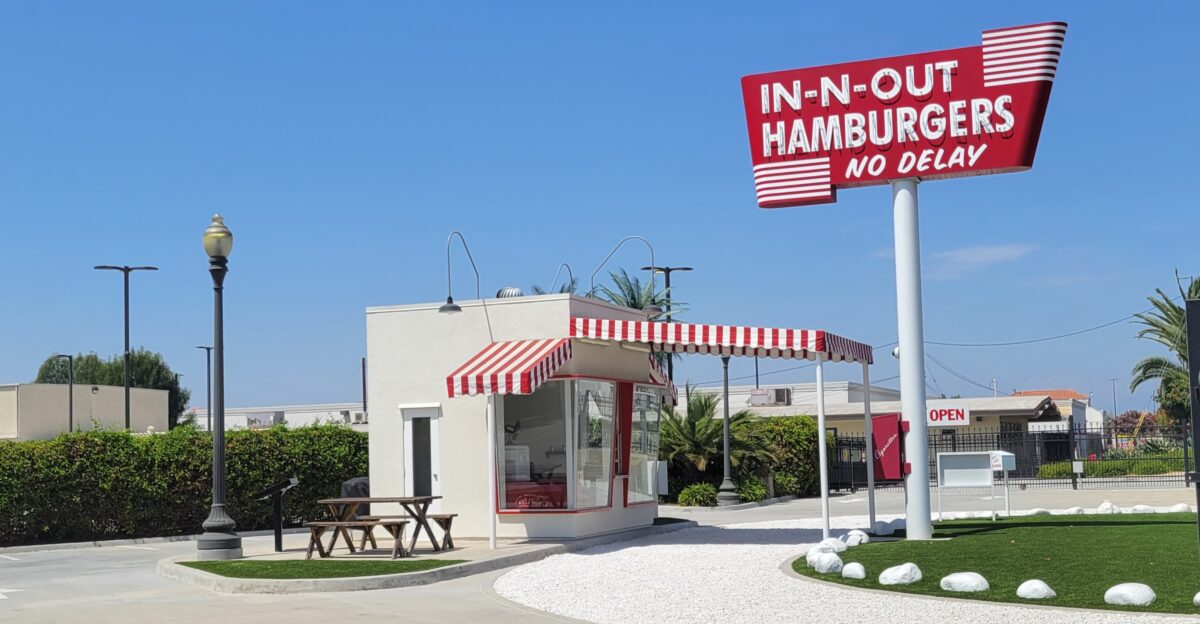
The alleged scheme caused several thousand dollars in losses across multiple In-N-Out locations, primarily from change given for counterfeit bills and time spent on the investigation. Authorities report no verified financial harm to customers, with losses absorbed by the business.
In-N-Out cooperated extensively with law enforcement, providing surveillance footage and transaction data. Chief Operations Officer Denny Warnick praised investigators in early January, saying their work helped protect both the business and the community. Police say the case highlights how seemingly minor transactions can evolve into serious felony matters once patterns emerge, reinforcing the importance of early reporting and vigilance when handling large bills.
Sources:
Glendale Police Arrest Two In Counterfeit Currency Scheme Targeting In-N-Out. Crescenta Valley Weekly, January 8, 2026.
In-N-Out targeted in Southern California counterfeit scheme. FOX 11 Los Angeles, January 11, 2026.
12 Southern California In-N-Outs targeted in alleged counterfeit money scheme. CBS News Los Angeles, January 8, 2026.
In-N-Out Burger outlets in Southern California hit by counterfeit bill scam. Los Angeles Times, January 10, 2026.
Southern California In-N-Out restaurants hit by counterfeit money scheme. Yahoo News (Associated Press), January 9, 2026.