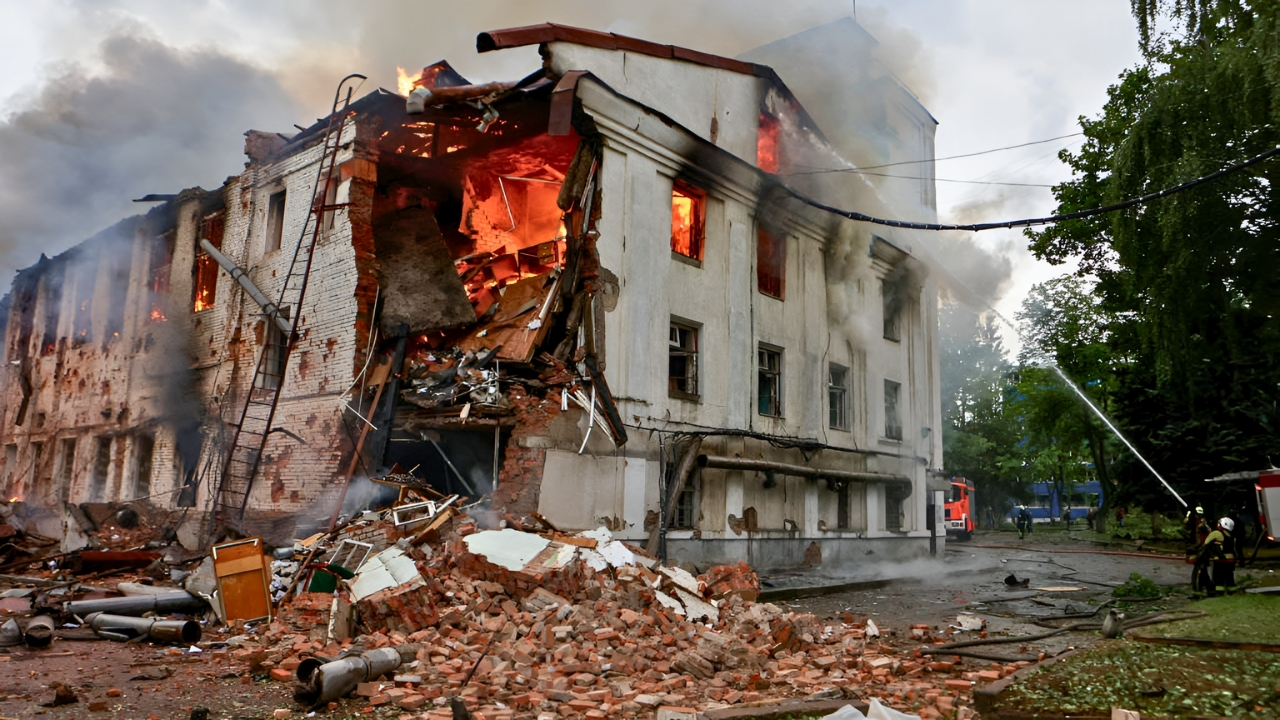
A $50 million Su-30SM fighter jet has gone up in flames at Rostov-on-Don, sending shockwaves through Russia’s southern military command. HUR Chief Kyrylo Budanov confirmed the strike, noting, “Minus another expensive Russian fighter—the Su-30SM.”
The daring operation underscores Ukraine’s growing ability to penetrate deep into Russian territory, disrupting command hubs, production lines, and air superiority. As the Kremlin reels, the full ripple effects of this audacious attack are only beginning to emerge.
Who Claimed Responsibility?
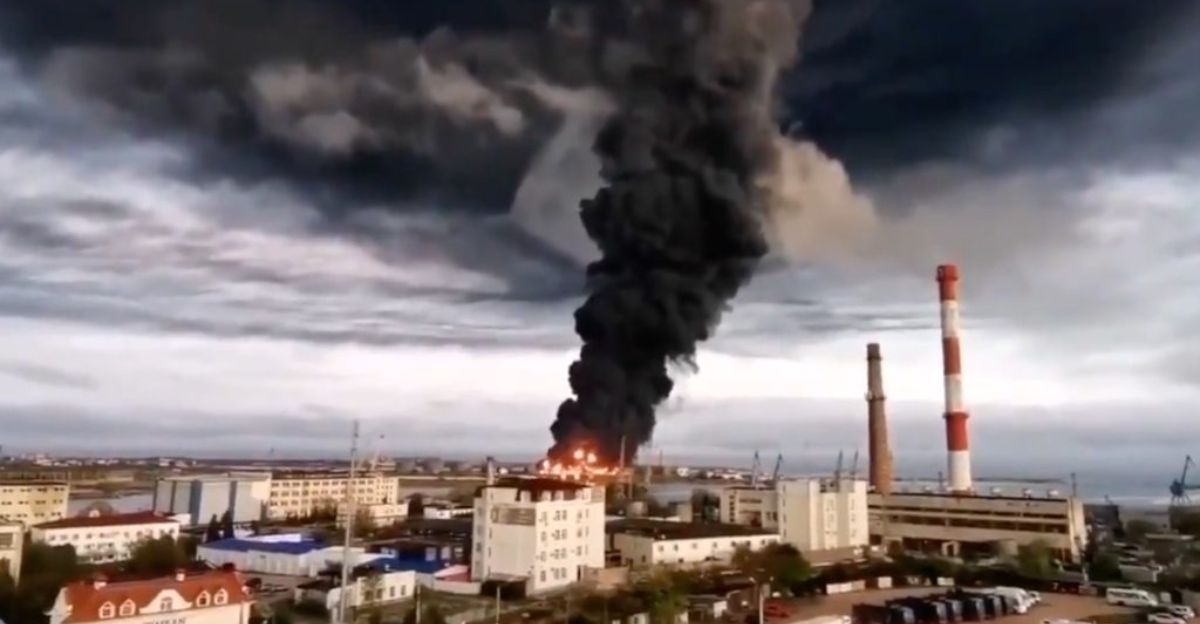
Ukraine’s Main Directorate of Intelligence (HUR) confirmed operational responsibility for the April 24, 2025, sabotage. Details on personnel and methods were deliberately withheld to protect ongoing operations. HUR called the mission part of a broader resistance campaign, emphasizing strategic impact over tactical disclosure.
SBU Chief Vasyl Malyuk later referenced Operation Spiderweb in June 2025, noting, “We are working to surprise Russia with new surprises. No less painful than Operation Spiderweb,” hinting at an escalation of Ukrainian campaigns.
Targeted Aircraft: Su-30SM Fighter
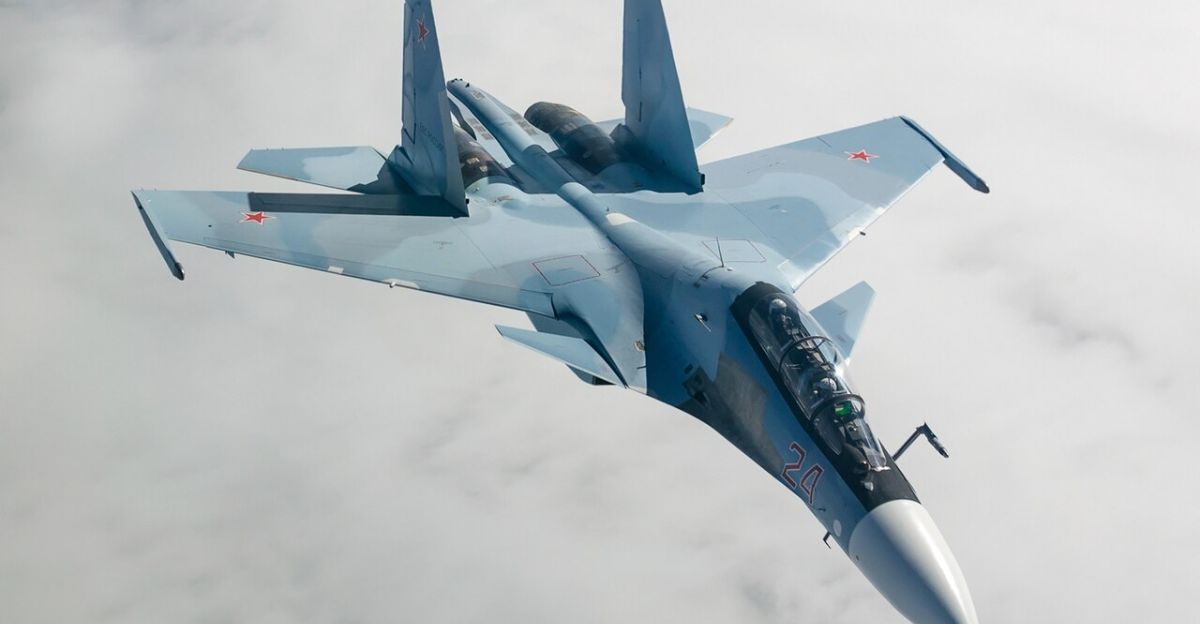
The destroyed jet, a Sukhoi Su-30SM (tail number 35), is a twin-engine, two-seat multirole fighter with a maximum speed of Mach 2 and a combat load of eight tons. Its range extends 3,000 kilometers without refueling. HUR valued it at $50 million, corroborated by independent analysts.
This aircraft was actively deployed in air-to-ground operations against Ukraine. Its loss weakens Russian strike capacity in the south, raising broader strategic concerns.
How The Sabotage Happened
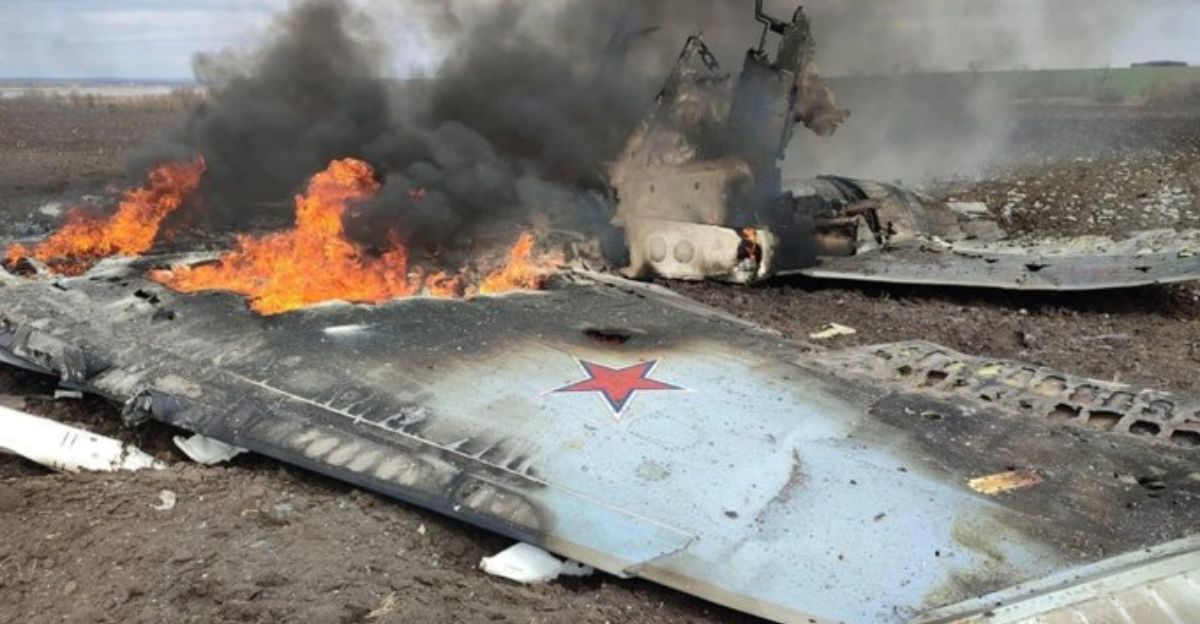
HUR reported that “Ukrainian saboteurs infiltrated the site and set the plane on fire.” Video evidence showed the Su-30SM completely engulfed, with no missile or explosive damage. The operation implies perimeter breach, careful timing, and coordination with resistance networks to ensure complete destruction.
Such tactics mirror prior Ukrainian deep-strike operations, demonstrating growing sophistication in sabotage missions targeting Russian infrastructure.
Rostov-on-Don: Strategic Target
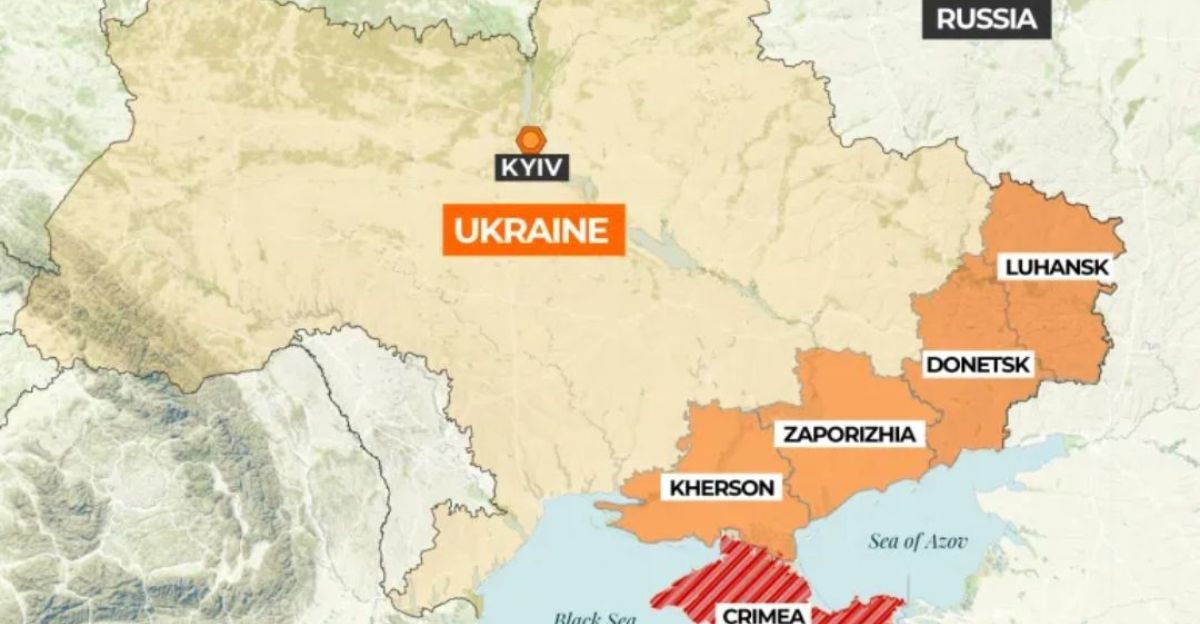
Rostov-on-Don is a critical logistics hub in southwestern Russia, less than 100 kilometers from contested Ukrainian regions. Its airfield coordinates operations across Kherson, Zaporizhzhia, and Donetsk. The city’s southern military district headquarters is a nerve center for Russian strategic planning and control.
Striking here is audacious, as it shows Ukrainian operatives can penetrate Russia’s secure rear and disrupt high-level command infrastructure.
Timing And Escalation
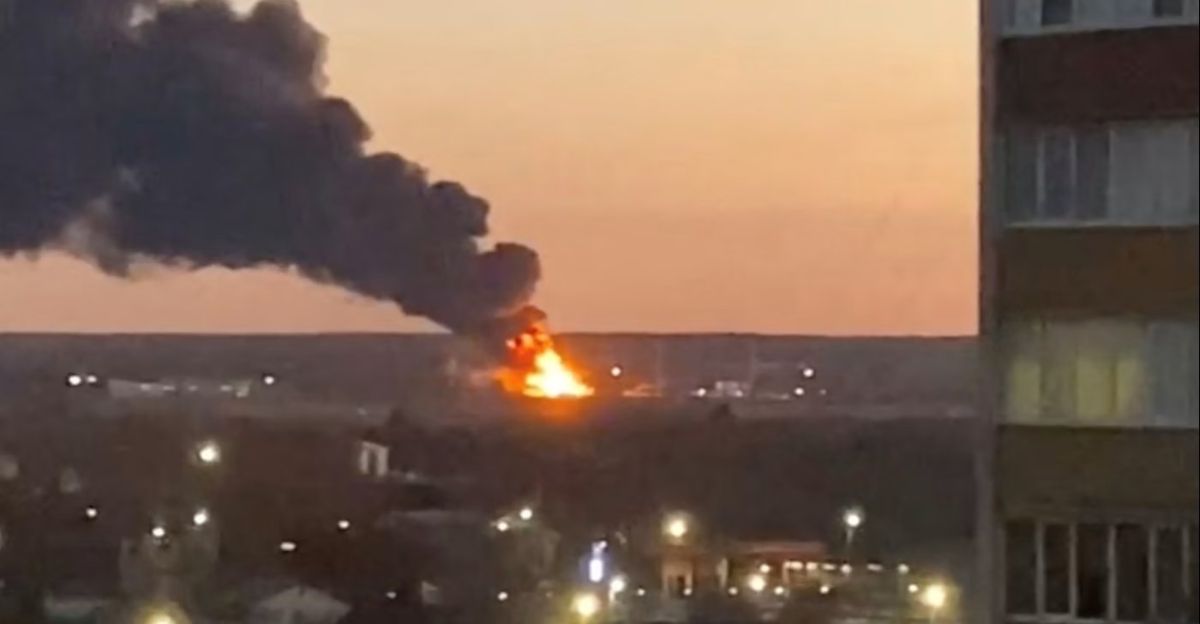
The sabotage occurred in late April 2025, marking the latest incident in an ongoing pattern that began in February 2022. Earlier, on April 23, Ukrainian forces struck a drone plant over 1,000 km inside Russia. This event set the stage for Operation Spiderweb in June, damaging 41 aircraft across four bases.
Defense analysts noted over 1,200 sabotage incidents by May 2025, with Ukraine responsible for 60%, showing an accelerating campaign against Russian assets.
Immediate Military Impact
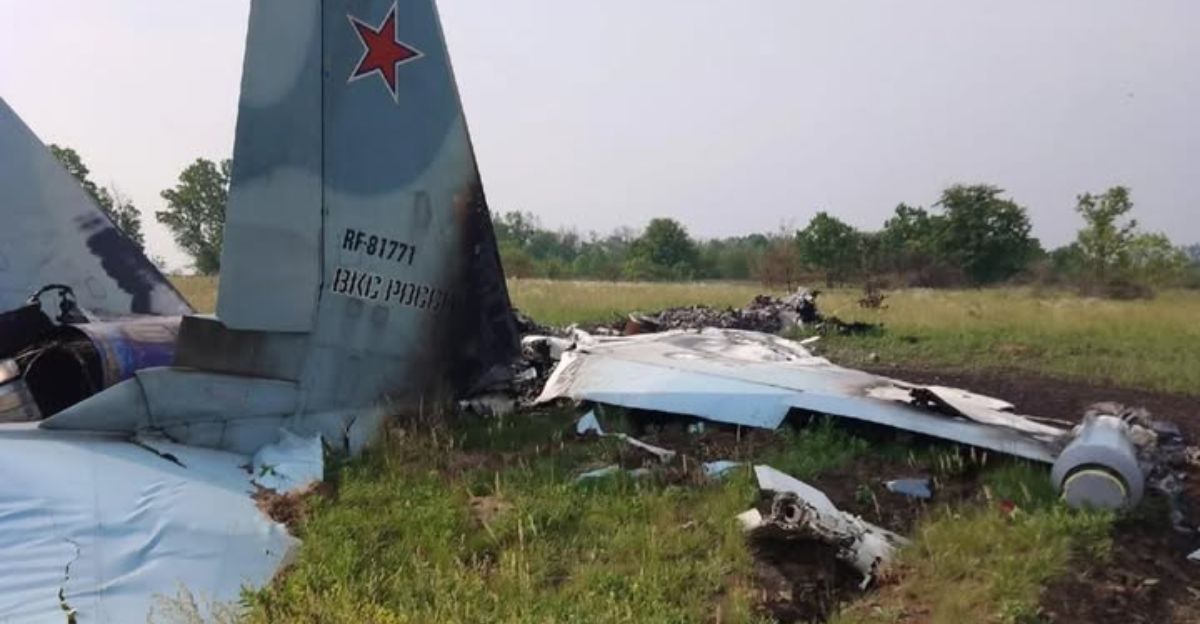
The Su-30SM’s destruction reduces Russia’s southern air fleet operational capacity. Russian forces must reallocate aircraft from other theaters, which will stretch maintenance and pilot training. Approximately 250 aircraft have been lost since the February 2022 invasion, creating strain on personnel rotations and operational readiness.
This loss compounds pressure on Russia’s aging fighter fleet, forcing reliance on older, less capable platforms.
Effects On the Russian Defense Industry
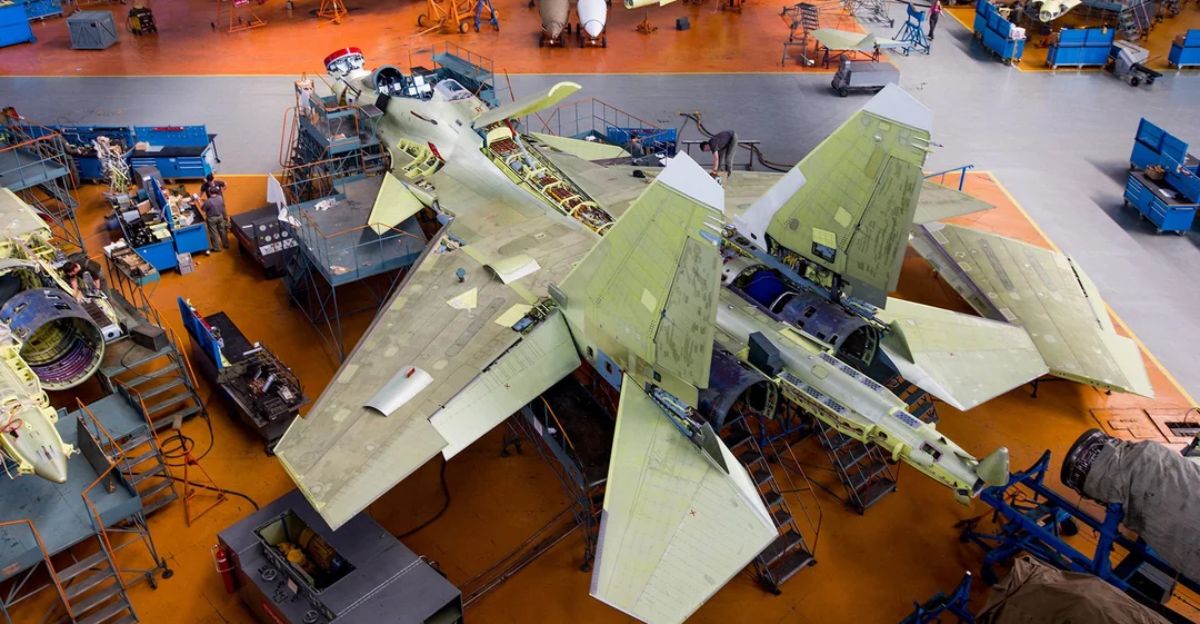
Irkut Corporation, the manufacturer of the Su-30SM, is facing component shortages and labor disruptions. Production costs have increased by 45%–70% over the past two years. Skilled workers drafted into military service exacerbate delays, while payment freezes leave the defense sector operating in a state of crisis.
Each aircraft loss ripples through the supply chain, intensifying Russia’s industrial and financial strain.
Civilian And Indirect Impacts
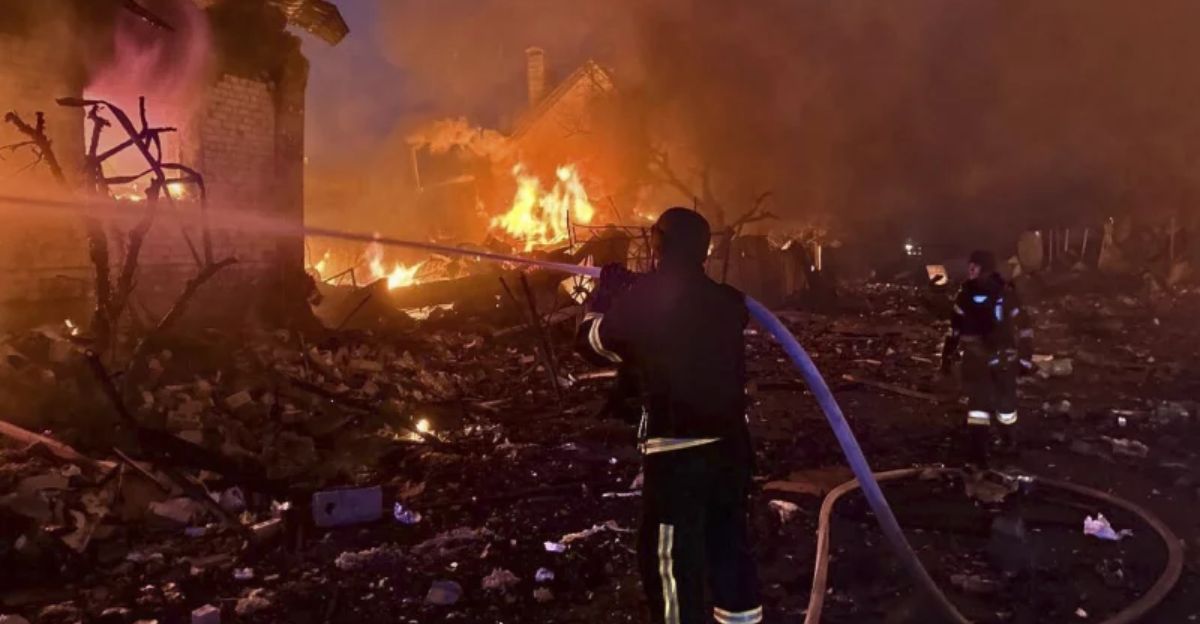
Each destroyed fighter reduces Russia’s capacity for aerial strikes on Ukrainian civilian areas. Between July and September 2025, similar aircraft caused 708 deaths and 3,131 injuries. The removal of the Su-30SM directly reduced air campaign potential.
Ukrainian civilians and frontline forces indirectly benefit, boosting morale and validating Ukraine’s intelligence and operational reach.
Kremlin Vulnerability Exposed
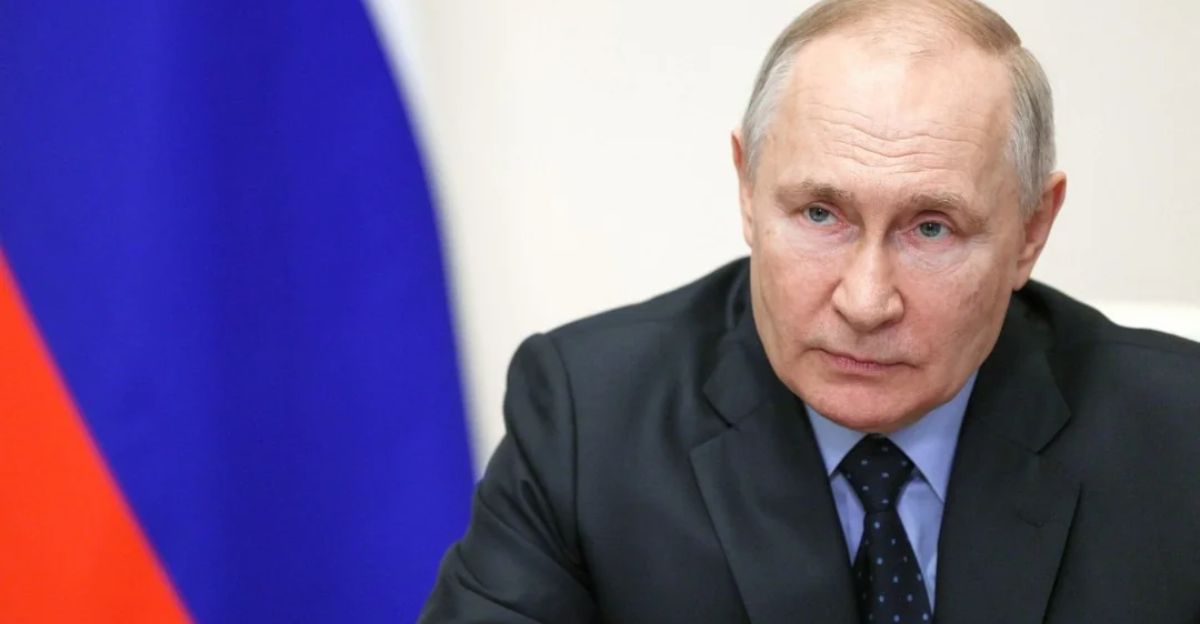
HUR framed the operation as opposition to the Russian regime: “This is yet another act of opposition to the criminal Putin regime,” emphasizing the growth of internal resistance. Ukrainian analysts noted, “Even in the Russian heartland, resistance is taking root,” signaling that strategic installations are no longer fully secure.
This narrative undermines the Kremlin’s credibility and showcases the challenge of maintaining domestic control amid ongoing strikes.
Supply Chain Cascades
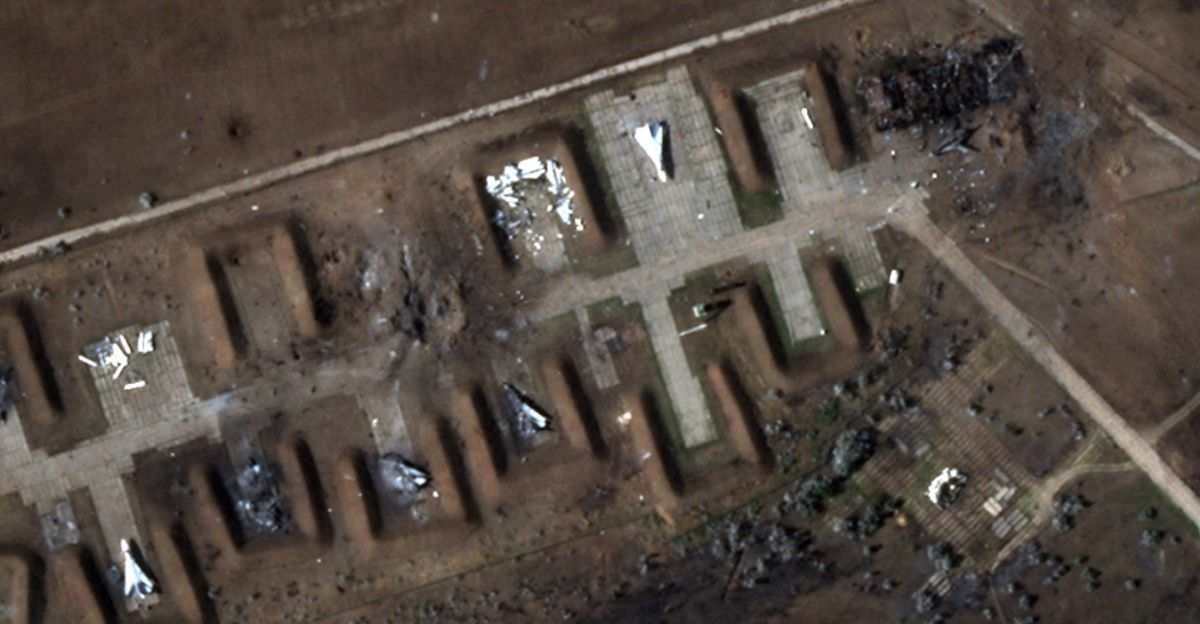
Damage to high-value aircraft compounds component sourcing issues. Substitutes from China, Iran, and North Korea fail to meet standards. Small subcontractors and peripheral suppliers experience payment delays or contract cancellations. Local logistics, maintenance, and service providers face revenue loss as military operations stall.
The ripple effect underscores how a single strike can destabilize Russia’s broader defense economy.
Global Market Shifts
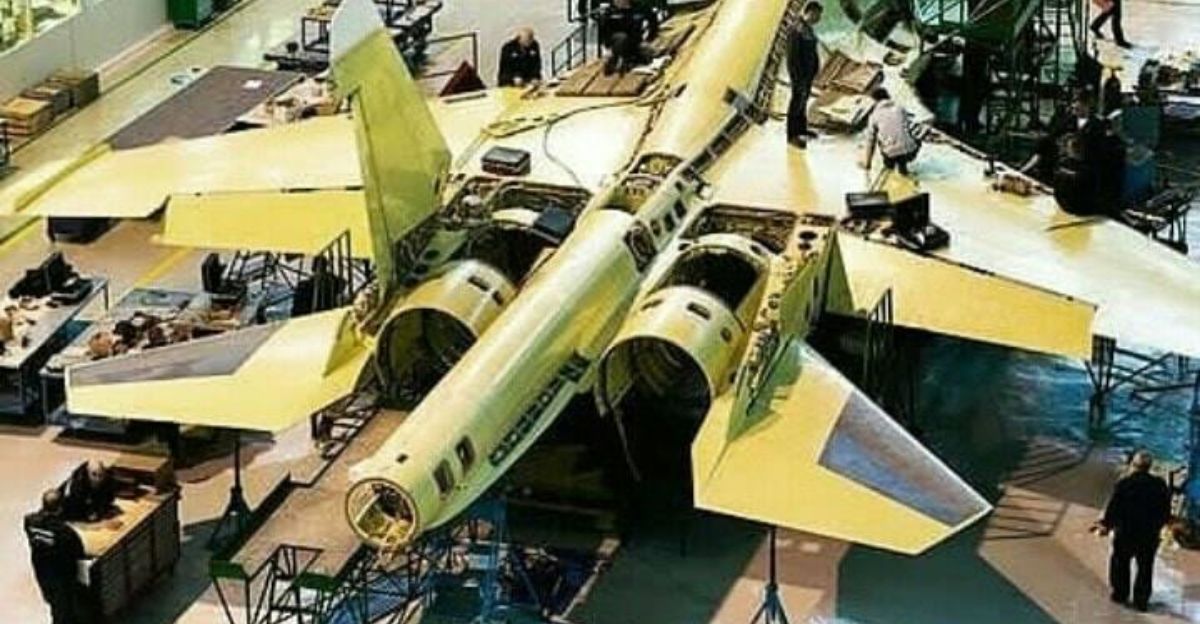
Russian aircraft losses disrupt international clients. Algeria, Egypt, Vietnam, India, and Indonesia face maintenance shortages. Chinese manufacturers are expanding into traditional Russian markets, while Western suppliers are gaining customers. Regional powers accelerate domestic development programs, further eroding long-term Russian defense influence.
The $50 million loss highlights broader competitive vulnerabilities that have emerged from sustained Ukrainian operations.
Historical Context
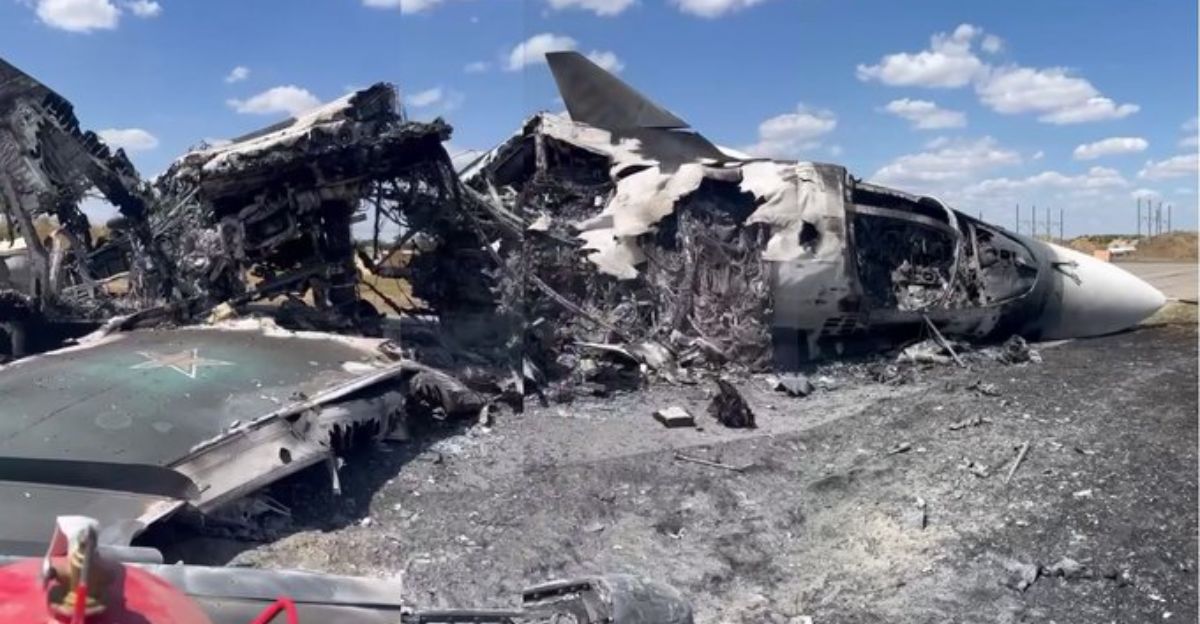
April 2025’s strike follows an escalating pattern: August 2024, a Su-34 and a depot were destroyed; April 2024, six aircraft were lost at Morozovsk; and on June 1, 2025, Operation Spiderweb inflicted $7 billion in damages. Each event builds on prior successes, signaling an increased level of operational confidence among Ukrainians.
The Rostov strike aligns with a deliberate, multi-year strategy, rather than being an isolated incident.
Russian Response
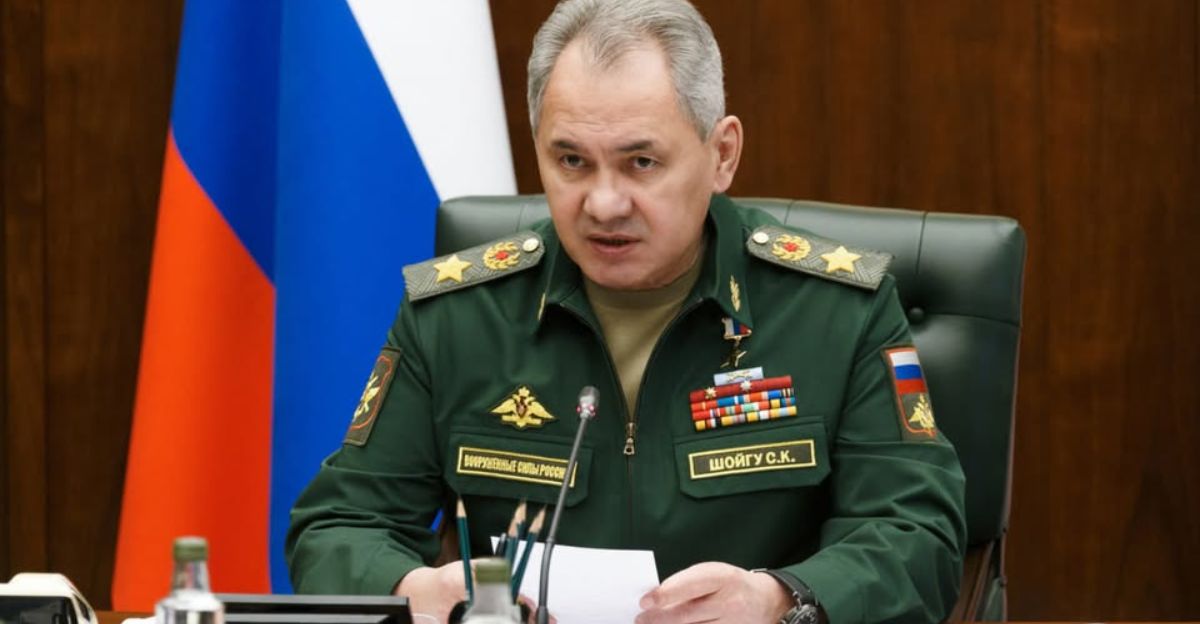
The Russian Ministry of Defense maintained silence, neither confirming nor denying the loss. Some sources, like Avia.pro, downplayed the event, claiming an older Su-27 was affected. Independent analysts reject this narrative, reinforcing Ukraine’s operational success.
Russia’s inability to respond publicly illustrates both tactical vulnerability and reputational damage from deep-penetration sabotage.
Strategic Takeaways
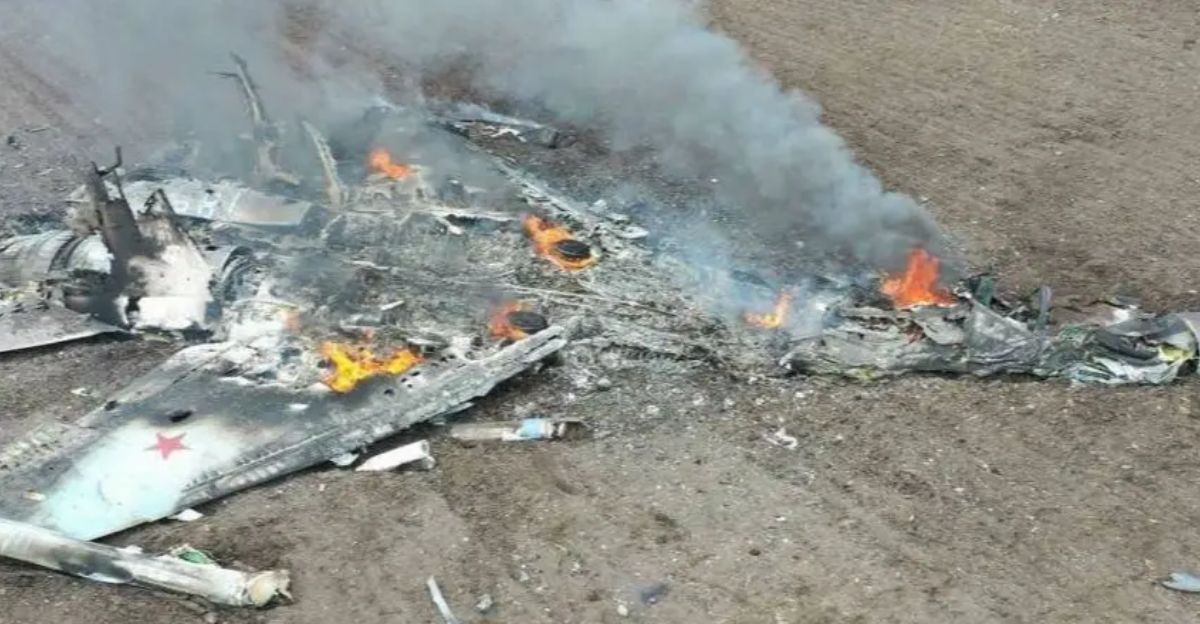
The Rostov operation demonstrates Ukraine’s growing capability to degrade Russian air superiority, disrupt production, and weaken internal confidence. HUR and SBU coordinated with resistance networks to maximize strategic impact.
This strike provides a blueprint for ongoing campaigns and underscores that Russian assets, even those deeply entrenched within the country, remain vulnerable.
Sources
Ukrainian Main Directorate of Intelligence (HUR) – April 24, 2025 Statement and Video Evidence
Kyrylo Budanov, HUR Chief – Official Statements, April 2025
Ukrainian Security Service (SBU) – June 1, 2025 Operation Spiderweb Report
Ukrinform – April 23–24, 2025 Reporting
Kyiv Independent – June 1–8, 2025 Reporting
Armed Conflict Location & Event Data Project (ACLED) – May 2025 Sabotage Analysis Report
Russian Aerospace Industry Reports – November 2025
Institute for the Study of War (ISW) – August 2025 Updates
Defense Express – January 2025 Fleet Analysis
United Nations Human Rights Monitoring Mission – September 2025