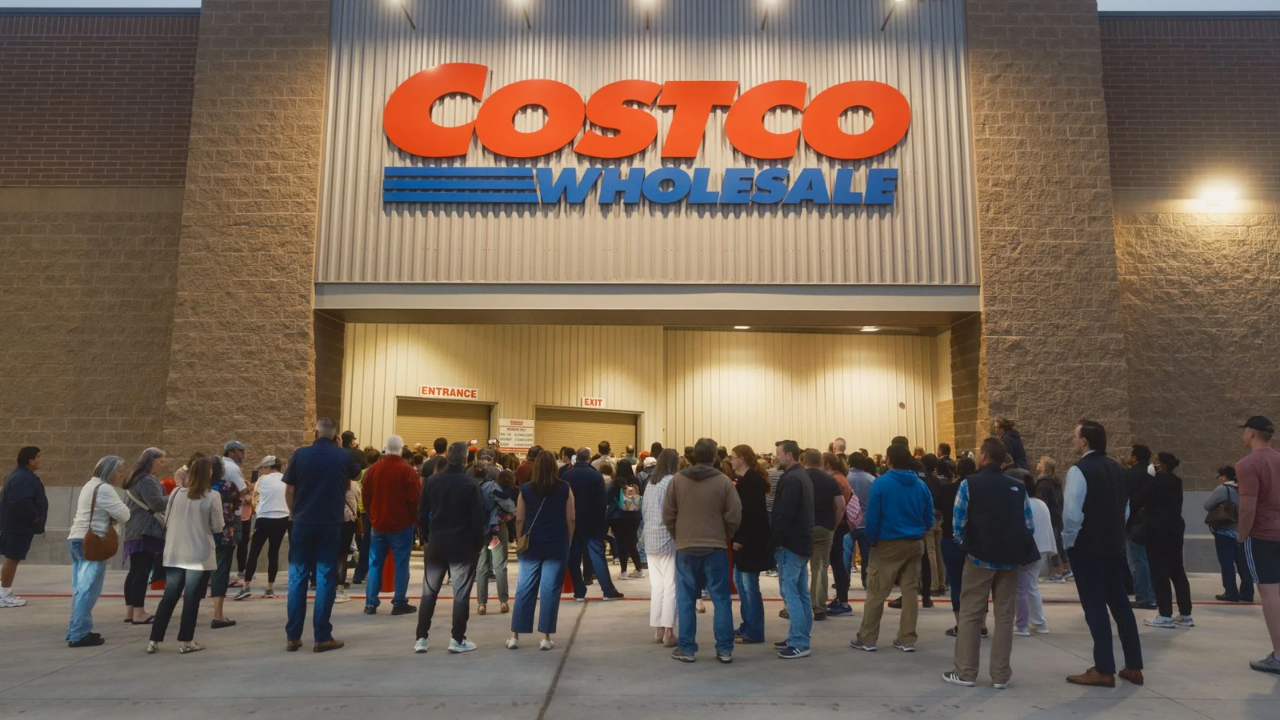
At 9:15 a.m. outside a Seattle Costco, a crowd gathers, pressing against locked glass doors. Inside, a handful of Executive Members quietly shop, enjoying an hour of exclusive access. For everyone else, disbelief and frustration mount. This scene, now unfolding at warehouses nationwide, marks a pivotal shift in American retail: Costco’s new tiered-access policy, launched in September 2025, has redefined who gets first dibs on bargains—and who waits outside.
A New Divide in the Aisles

Costco’s decision to grant Executive Members ($130/year) up to one hour of early shopping before Gold Star and Business Members ($65/year) has sparked widespread debate. Once celebrated as the great equalizer of American retail, the warehouse giant now physically separates shoppers by membership tier. Social media buzzes with accusations of “elitism at the warehouse club,” as customers vent their anger over what many see as a symbolic—and literal—barrier to equal access.
The backlash is not just about convenience. In a country increasingly anxious about economic inequality, even small gestures of exclusivity can trigger strong reactions. Social media posts from frustrated shoppers expressed disappointment after arriving during traditional opening hours only to find doors locked to non-Executive members. For seniors and parents juggling tight schedules, the new policy adds another layer of stress to their routines.
Membership Roots and Economic Pressures
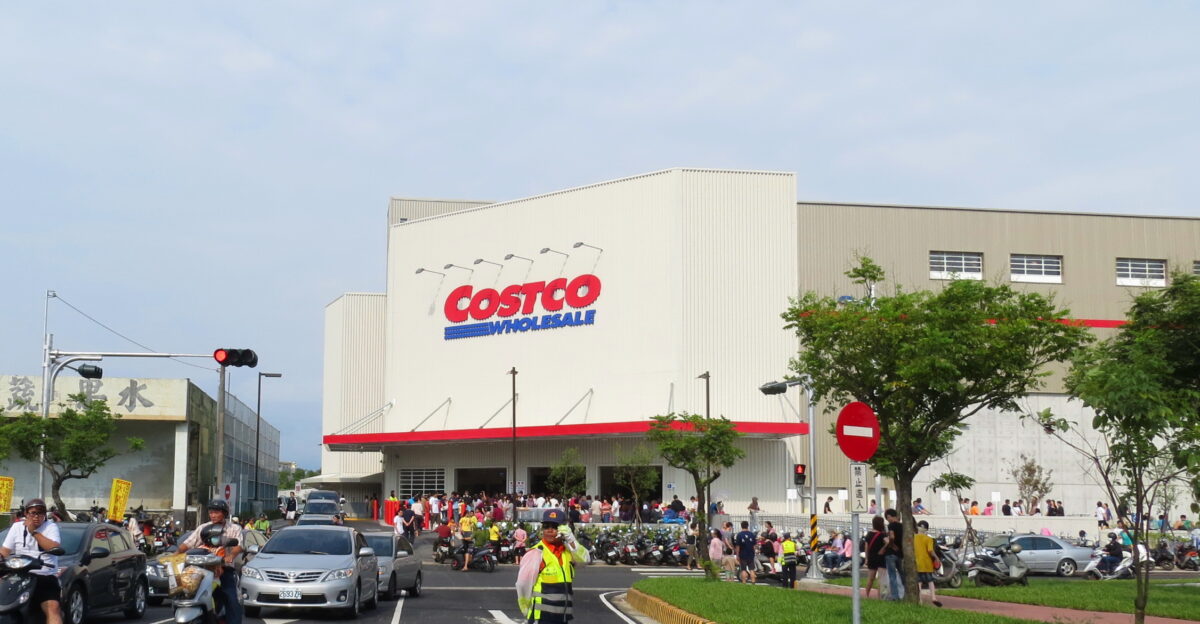
Since its founding in Seattle in 1983, Costco has relied on membership fees as its financial backbone. The company’s move to Issaquah in the mid-1990s marked its rise to global prominence, with a business model built on loyalty rather than advertising. The tiered membership system began as a way to reward frequent shoppers, but critics argue that the new early-access policy transforms it into a class divider.
Costco faces mounting pressure from competitors like Sam’s Club and BJ’s, both of which have aggressively undercut prices and expanded perks. Online retailers continue to siphon off budget-conscious shoppers, while inflation and a shrinking middle class squeeze household budgets. According to Pew Research, the share of U.S. adults in the middle class has dropped from 61% in 1971 to 51% in 2023. In this climate, Costco’s growth increasingly depends on attracting—and retaining—wealthier members.
The Financial Equation Behind the Velvet Rope
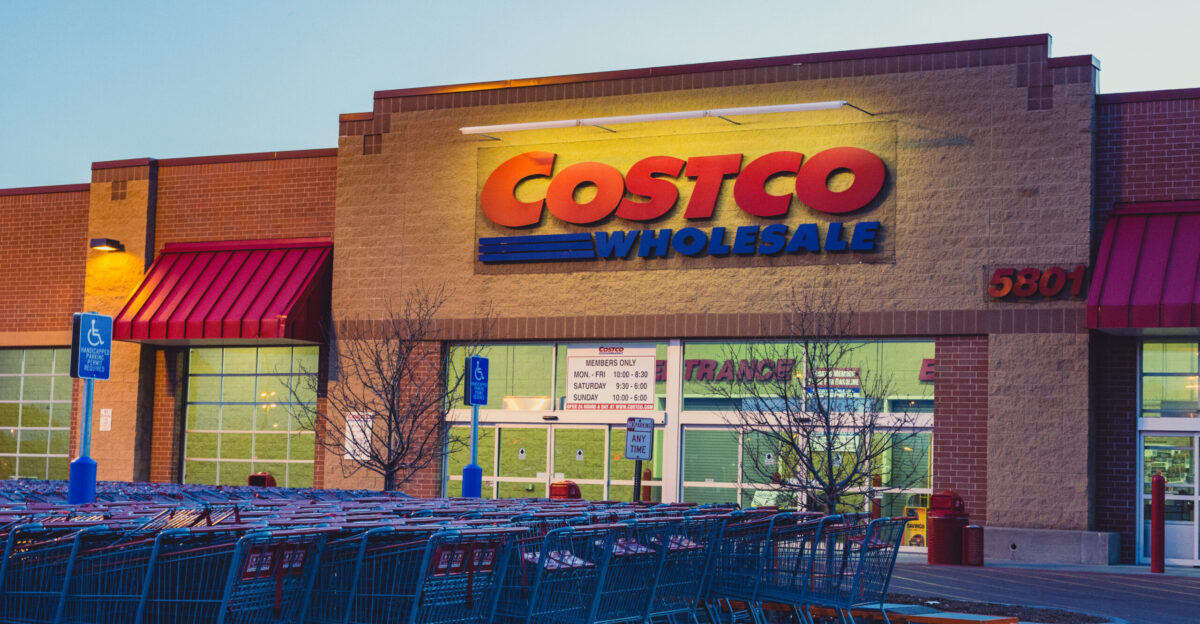
Executive Members now account for 47% of Costco’s membership but generate a striking 73% of its revenue. With nearly 39 million Executive Members paying $130 annually, this tier alone brings in about $5 billion in membership fees. The company’s total membership fee revenue reached $4.8 billion in fiscal 2024 and is projected to exceed $5 billion in 2025, fueled by upgrades to Executive status following the early-access rollout.
The impact extends beyond fees. Early-access hours have boosted weekly U.S. sales by an estimated 1%, translating to an estimated $1.6 billion in additional annual revenue based on Costco’s approximately $160 billion in U.S. sales. Retail analysts note that while loyalty programs can drive profits, they risk alienating customers when benefits create visible separation. As Joseph Feldman of Telsey Advisory Group has noted in his research on Costco, the company continues to execute exceptionally well amid competitive pressures, with membership fee income representing a crucial driver of profitability.
Employee Strain and Customer Frustration
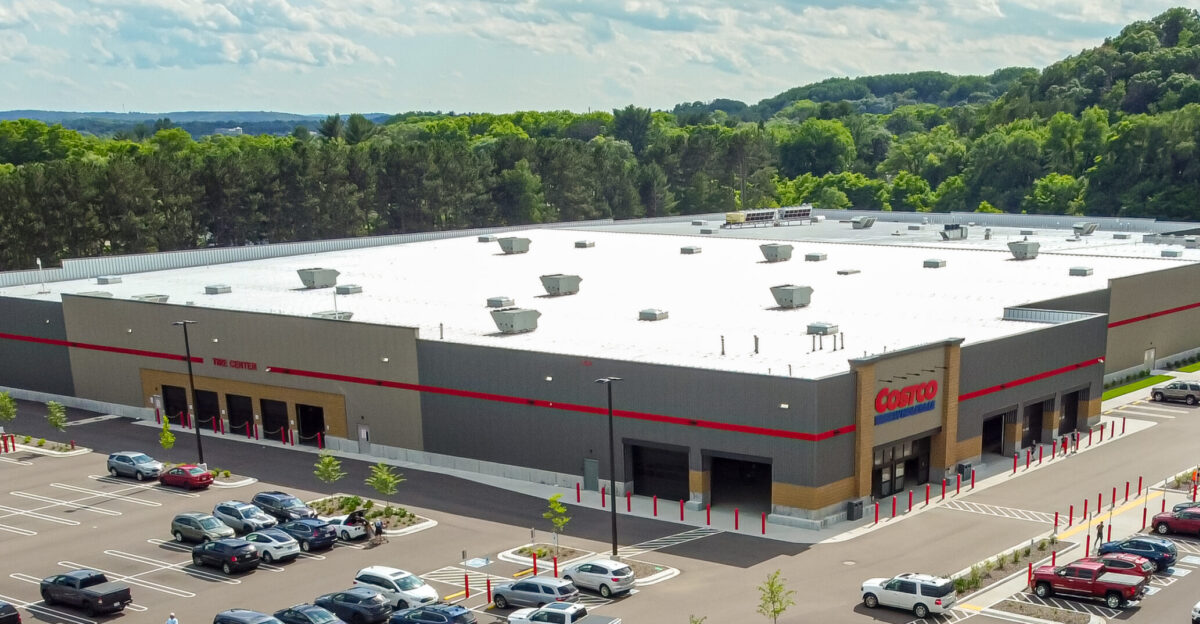
The policy’s human toll is evident inside the stores. Employees report heavier workloads and earlier start times, often without additional staffing or pay. One front-end manager described the change as an “absolute nightmare” for staff, while another employee noted they’re “already being pushed too hard as it is.” Some staff say customers vent their frustration on them, adding to workplace stress.
Costco’s legendary co-founder, James Sinegal, has long championed employee treatment and famously said, “You can’t say ‘people are our most important product’…and then treat them like [expletive].” This philosophy has been a cornerstone of Costco’s company culture since its founding.
Global Ripples and the Road Ahead
So far, the early-access policy applies only to U.S. warehouses. The move has caught the attention of retail observers who note that policies creating tiered customer experiences have become increasingly common across retail sectors.
For now, Costco’s experiment stands as a mirror to broader societal trends. As wealth gaps widen, even shopping hours become status symbols. The sight of locked doors at 9 a.m. signals a shift in American retail: the era of “everyone welcome” is giving way to tiers, privileges, and invisible velvet ropes.
Whether this strategy will elevate Costco’s brand or erode decades of trust remains to be seen. As the middle class shrinks and brands recalibrate for a polarized customer base, the stakes are high—not just for Costco, but for the future of American retail itself.