
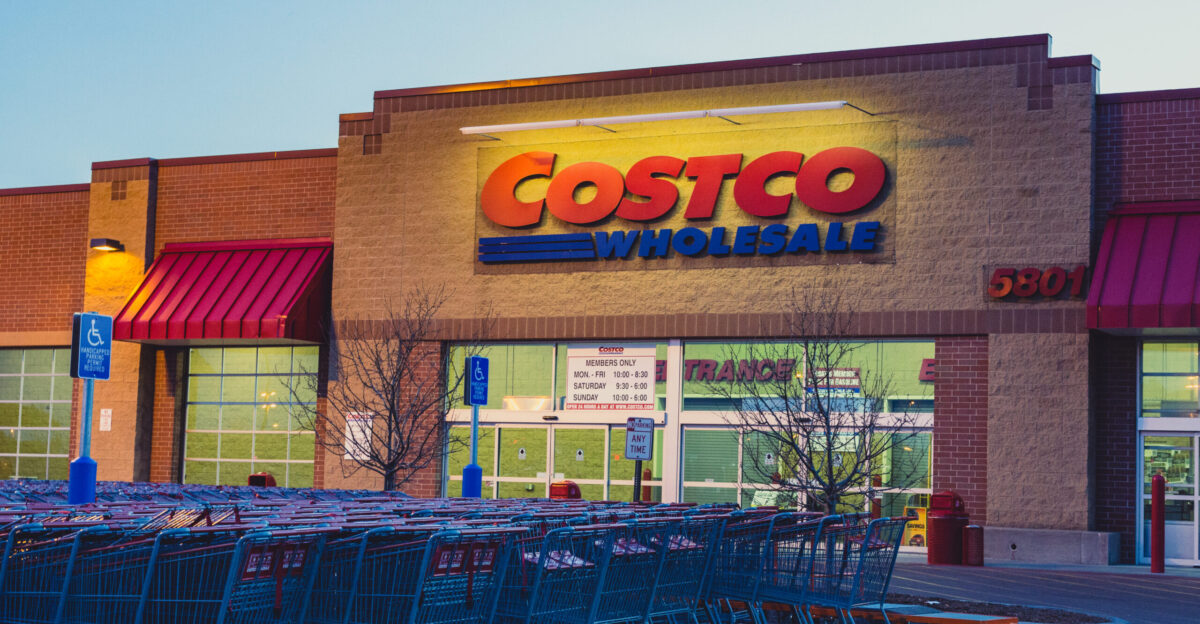
At 9:15 a.m. outside a Seattle Costco, a small crowd presses against locked glass doors. Inside, a few shoppers—Executive Members—browse in quiet aisles. Outside, others wait in disbelief. This is the new normal. Costco, once the great equalizer of American retail, now opens early only for those paying double the fee.
The change, launched nationwide in September 2025, signals a deeper divide taking shape in U.S. consumer life.
Stakes Rise for Shoppers

Costco’s new tiered-access policy gives Executive Members ($130/year) up to one full hour of exclusive shopping before Gold Star and Business Members ($65). What once united bargain hunters now separates them by wallet size.
Across social media, customers are fuming, calling it “elitism at the warehouse club.” The backlash underscores how even small symbols of exclusivity can stir powerful emotions in a nation anxious about inequality.
Membership Roots: The Costco Way

Since its founding in 1983 in Seattle, Costco has relied on memberships as its lifeblood. Annual fees—not flashy ads—fuel its profits. The retailer’s move to Issaquah in the mid-1990s marked its rise to global prominence.
The tiered model began as a loyalty reward system, but with this new early-access policy, critics say it’s morphing into a class divider rather than a customer benefit.
Pressure from All Sides

Behind the change lies mounting pressure. Sam’s Club and BJ’s are undercutting prices, while online giants siphon off budget-conscious shoppers. Add inflation and an eroding middle class, and Costco faces an uncomfortable truth: its growth increasingly depends on wealthier members.
This policy may be less about convenience—and more about protecting profits in an age of widening economic gaps.
The Big Reveal: Exclusive Hours Begin
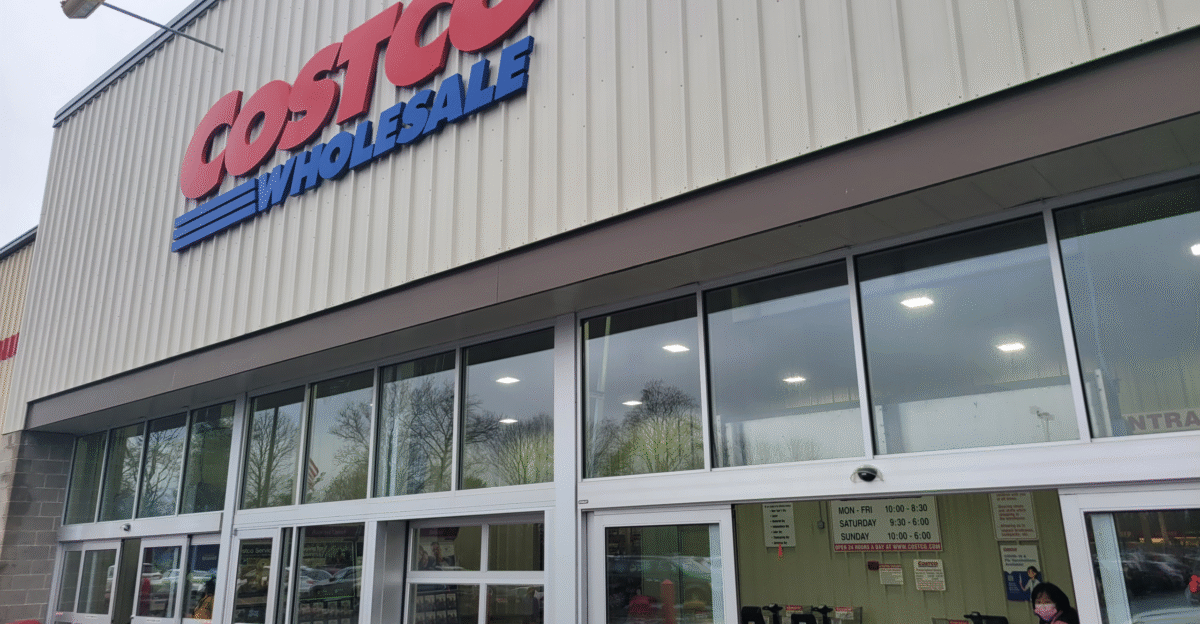
By early September 2025, Costco stopped letting standard members in before 10 a.m. on weekdays or 9:30 a.m. on Saturdays. The change, first announced in June, took effect after Labor Day weekend.
For the first time in its 41-year history, Costco physically separated its shoppers by membership tier—a moment some call the “velvet rope era” of retail.
Regional Impact: Across the Nation

From Washington to California, the rollout was swift and visible. Customers at multiple locations reported being turned away at the door. Clerks apologized, but rules were strict: no Executive card, no entry.
What began as a corporate policy quickly became a flashpoint across the country—every locked door a small reminder of America’s growing class divide.
Human Toll: Customers Speak Out
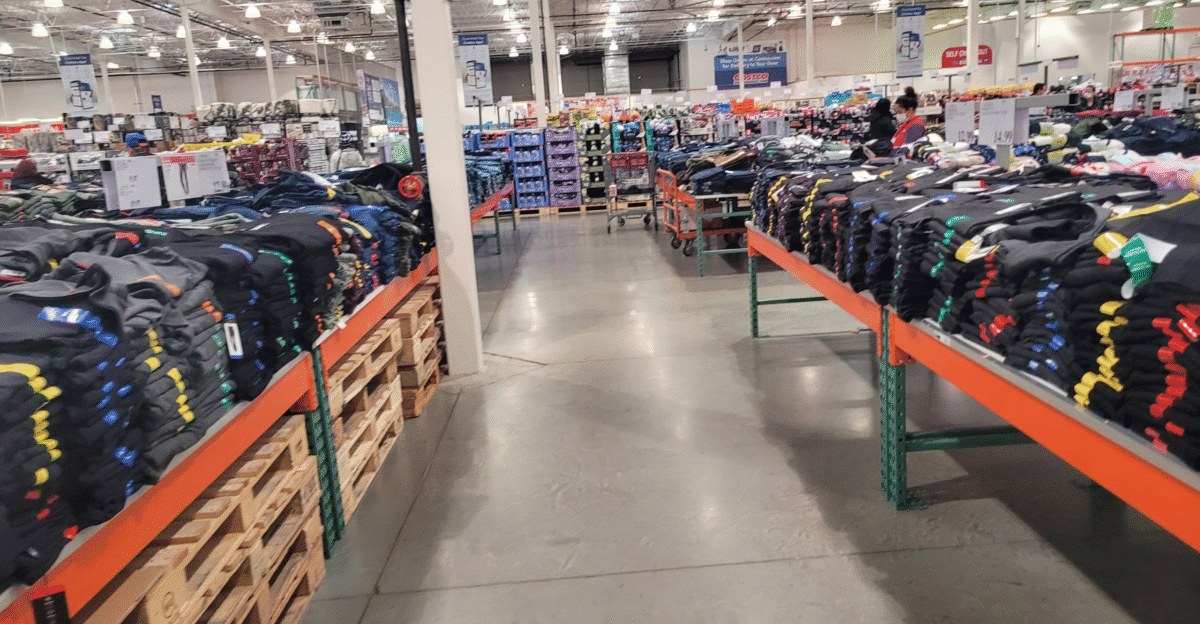
“I burned a gallon of gas to get here,” one shopper posted on Facebook after being told to wait outside. Others echoed frustration, especially seniors and parents juggling tight schedules.
Meanwhile, employees report heavier workloads and earlier alarms. One worker described “a scramble” to open stores by 9 a.m. instead of 9:45—with no extra staff added.
Competitors Scent Opportunity

Sam’s Club has been aggressive with promotional pricing and membership deals. The Walmart-owned rival has promoted its own early-access perks to attract shoppers seeking value.
BJ’s Wholesale, expanding rapidly in the Midwest and Northeast, saw increased interest. The competition is fierce, and the stakes are clear: whoever wins over the disillusioned middle class could reshape warehouse retail.
Macro Trends: The Middle-Class Squeeze

Pew Research data shows a shrinking middle class—down from 61% of adults in 1971 to 51% in 2023—with fewer families earning enough to comfortably spend, save, and upgrade. Costco’s policy lands squarely in that economic reality.
For many, the issue isn’t the $65 gap between tiers—it’s the message it sends: access is no longer equal. The warehouse that once symbolized affordability now reflects America’s wealth divide.
The $4 Billion Question: Executive Members as Revenue Engine

Executive Members now make up just 47% of Costco’s members—but generate 73% of its revenue. With 38.7 million Executive members paying $130 annually, this tier alone brings in approximately $5 billion in membership fees—representing the financial foundation of what critics call Costco’s “velvet rope strategy.”
The company’s total membership fee revenue reached $4.8 billion in fiscal 2024 and was projected to exceed $5 billion in fiscal 2025, driven largely by new Executive member sign-ups and upgrades. Since the early-access policy launched in June 2025, Costco has reported a meaningful increase in Gold Star members upgrading to Executive status.
But the strategy extends beyond membership fees. The early-access hours have added an estimated 1% to weekly U.S. sales—translating to roughly $1.6 billion in additional annual sales. Combined with accelerated membership upgrades, the economic impact of this tiered-access approach represents a multi-billion-dollar bet on exclusivity.
The $65 premium multiplied across millions of shoppers, plus the sales lift from extended hours, creates a financial equation that’s hard for Costco to ignore. Yet as retail analysts note, loyalty programs risk alienating customers when benefits create visible separation between membership tiers.
Employee Strain and Store Stress

Behind every early door unlock is an exhausted employee. Workers say the earlier hours added strain without added pay.
Some describe scrambling to restock before dawn; others say customers take their frustration out on staff. “We’re stuck in the middle,” one employee said. The policy meant to please top-tier members is burning out the people who make it run.
A Founder’s Sharp Rebuke

Costco’s legendary co-founder, James Sinegal, has long emphasized employee treatment, stating in interviews: “You can’t say ‘People are our most important product’ and then treat them like shit.”
His philosophy, which helped build the company’s reputation, resonates as employees and customers debate whether the new policy aligns with Costco’s founding principles.
Corporate Defense: Loyalty, Not Class

Executives argue the new schedule isn’t exclusionary—it’s rewarding commitment. They highlight Costco’s industry-leading renewal rate—over 92% in the U.S. and Canada—and insist that Executive Members’ higher spend justifies the perk.
“We’re giving our most loyal customers extra value,” one spokesperson said. The company frames it as business logic, not social hierarchy. But the optics tell a different story.
Analysts Warn of Backfire
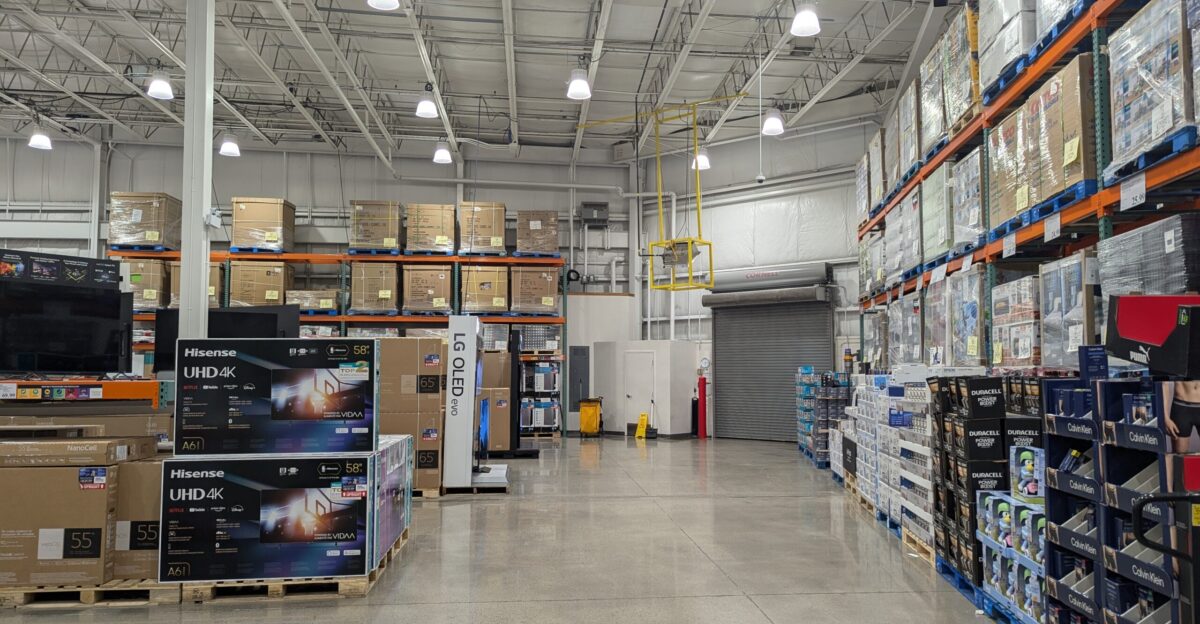
Retail analysts see risk ahead. The short-term boost from upgrades might be offset by long-term brand damage. Costco built decades of trust as a “great equalizer.”
Undermining that reputation could be costly. Some observers note that even small declines in member satisfaction could impact renewal rates and competitive positioning.
The Velvet Rope Dilemma
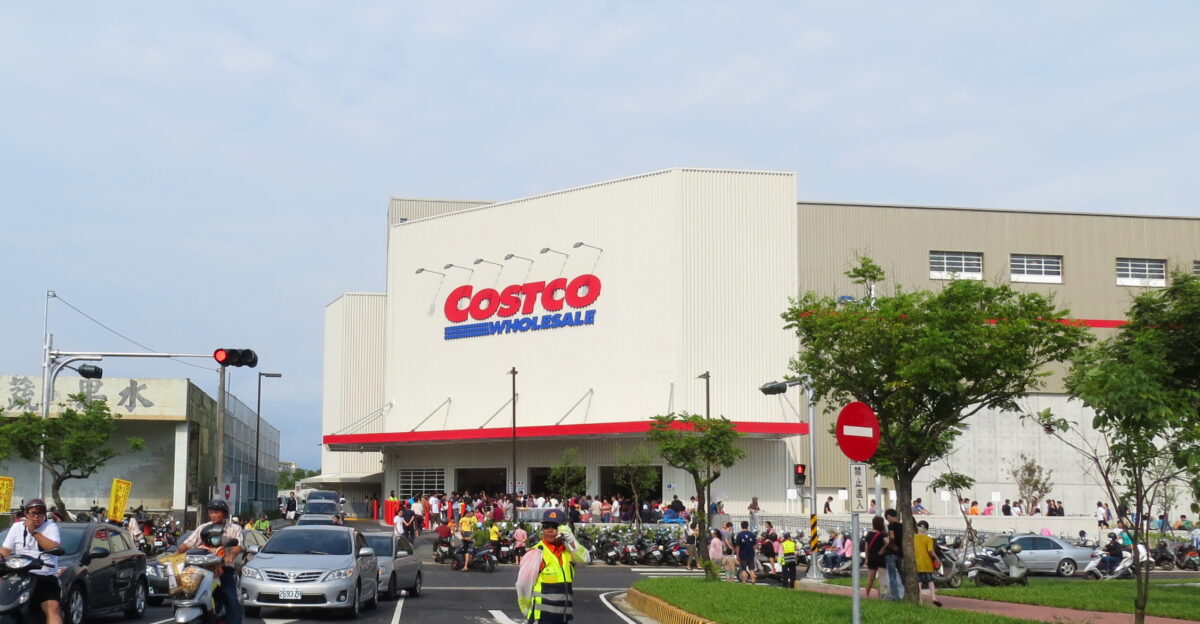
Costco now faces a defining test: will exclusivity elevate or alienate? The velvet rope approach works at theme parks and airlines—but big-box retail is different.
For generations, Costco represented value without pretense. Turning that into a hierarchy risks changing not just how people shop—but how they feel about being customers at all.
Policy Ripples and Public Debate
Consumer advocates and commentators are taking notice. Some warn the move could normalize class-based service in everyday shopping—”premium lanes” for groceries, healthcare, even schools.
Costco’s choice, they argue, is more than corporate—it’s cultural, revealing how inequality seeps into the most ordinary parts of life.
The World Watches Closely
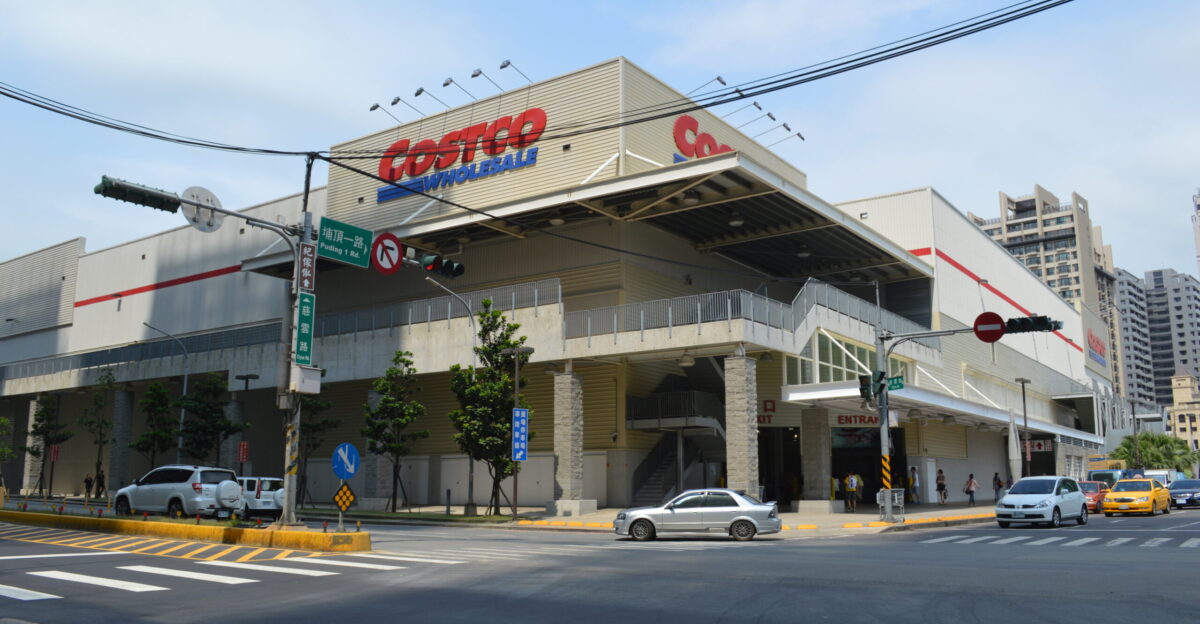
So far, the change applies only to U.S. warehouses. But analysts predict Costco’s international divisions—from Canada to Japan—are studying results.
If American members accept the shift, similar policies could follow abroad. The question is whether global customers will embrace exclusivity—or reject it as un-Costco-like.
Legal Questions on the Horizon
No lawsuits have emerged yet, but some experts foresee potential challenges ahead. If early access policies disproportionately affect vulnerable groups—like seniors or the disabled—they could invite regulatory scrutiny.
The line between a membership perk and a discriminatory practice is fine, and lawyers are watching it closely.
Retail Mirrors Society

Costco’s early-access divide is more than a store policy—it’s a social mirror. As wealth gaps widen, even shopping hours become status symbols.
The sight of locked doors at 9 a.m. captures a cultural shift: America’s “everyone welcome” retail era is fading, replaced by tiers, privileges, and invisible velvet ropes.
What This Signals About America

This isn’t just about Costco. It’s about where the U.S. economy is headed. As the middle class shrinks, brands are recalibrating for a polarized customer base—the affluent few and the struggling many.
Costco’s experiment may define the next chapter of American retail: a future where access itself has a price tag.