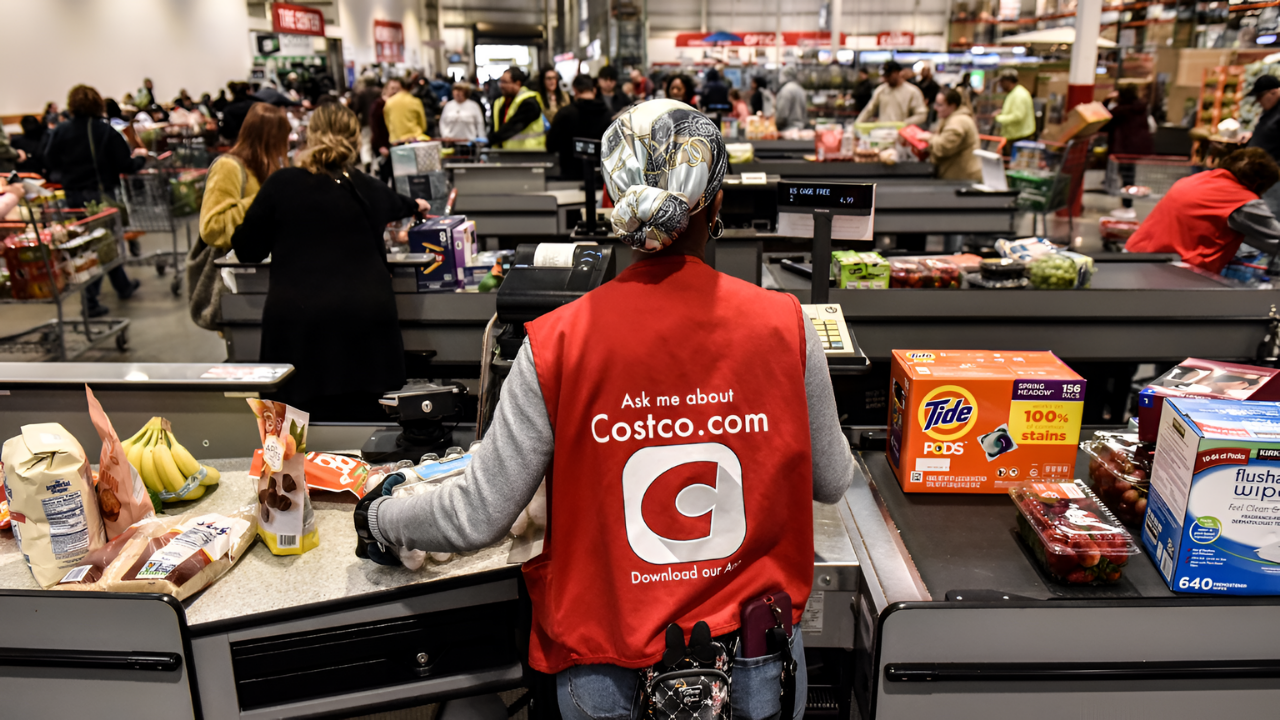
Costco members across the United States are increasingly voicing frustration that routine stock-up trips are turning into far more expensive and time‑consuming outings than planned. A December 2024 Yahoo Finance analysis found that shoppers who intend to spend about $100 often leave the warehouse with close to $300 in purchases, a pattern many now link to the chain’s maze-like layouts and ever‑shifting product locations. Yet despite mounting complaints, Costco’s membership renewals and global expansion suggest the strategy continues to work in the company’s favor.
Rising Complaints From the Aisles
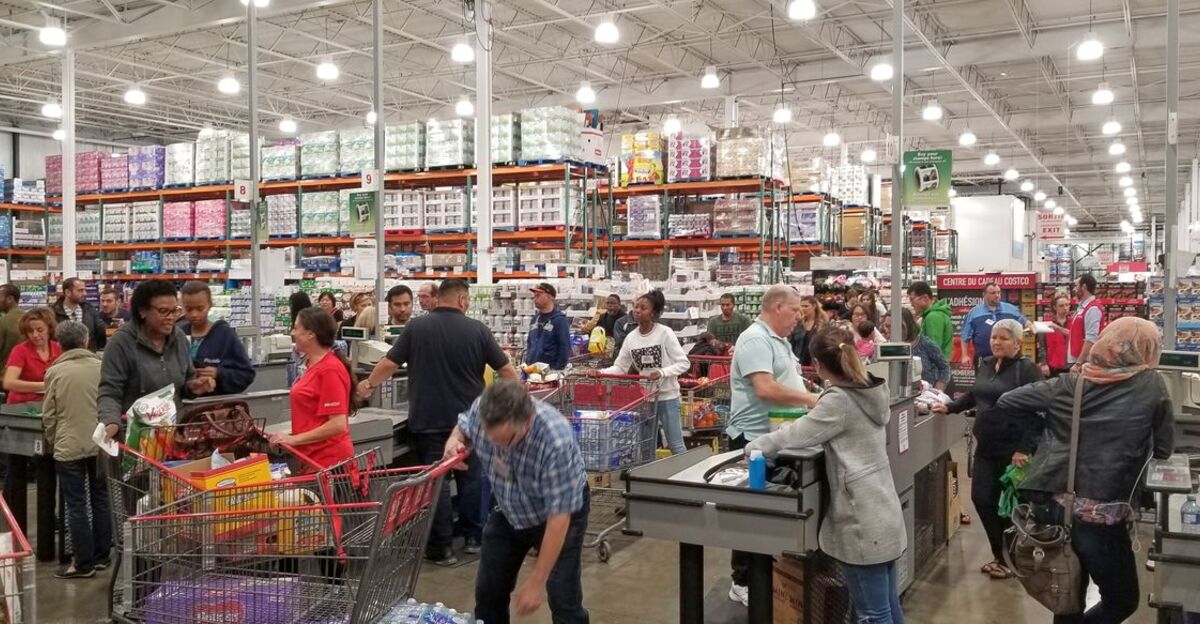
The latest wave of backlash flared in late 2024 after a Costco member posted on Reddit about aisles with no clear signs and items that seemed to move constantly from one visit to the next. The post drew more than 1,300 upvotes and comments from shoppers in multiple states who said their local warehouses felt like “mazes” where simple grocery runs stretched into longer, more frustrating trips.
Many described walking the same aisles multiple times to find basics, with little help from overhead descriptions. Some said they disliked shopping alone because tracking down routine items took so much extra time. For families or workers juggling tight schedules, they argued, that added friction turned a value-focused visit into a weekly burden.
A “Treasure Hunt” by Design
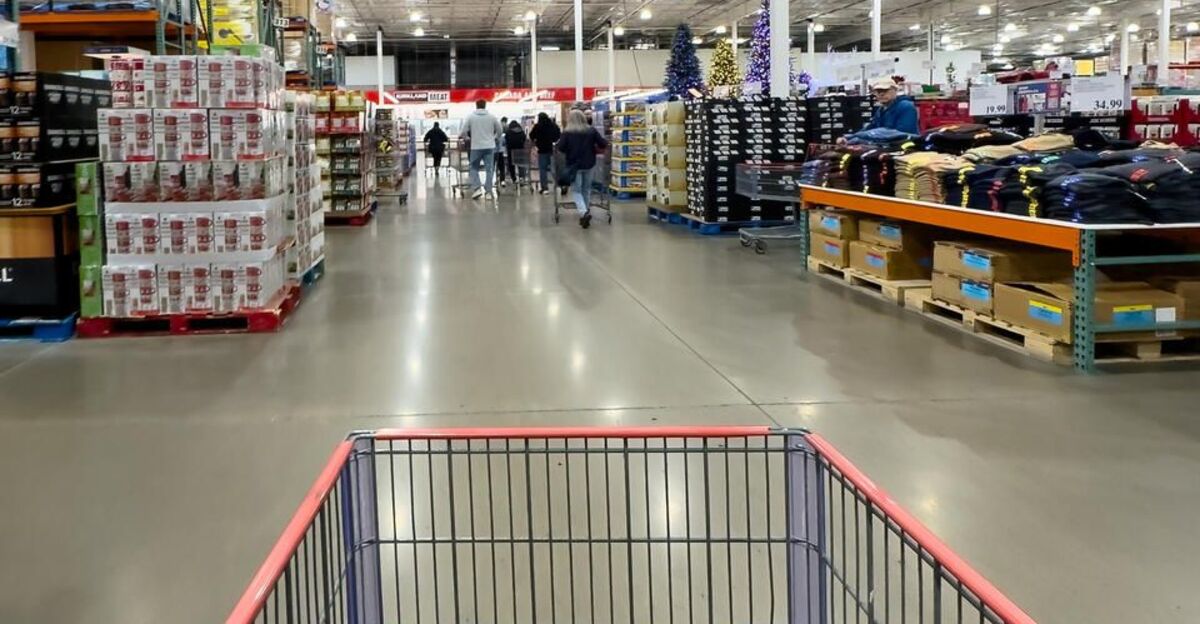
Behind those frustrations is a merchandising philosophy that has guided Costco for decades. In a 2007 interview with The Wall Street Journal, co‑founder and former CEO Jim Sinegal said the company wanted customers to feel they should “buy it now” because a product might not be available on their next trip. He explained that Costco would “intentionally run out” of certain rotating items, confirming that the chain “constantly buy[s] that stuff and intentionally run[s] out of it from time to time” to heighten urgency.
That “treasure hunt” model—featuring limited‑time offerings and surprise finds layered on top of staple goods—remains central nearly 18 years later. Unlike traditional supermarkets that might carry more than 30,000 items, Costco stocks roughly 4,000 SKUs, presented in bulk and on pallets. Products are frequently rearranged, and signs are sparse, nudging members to explore the entire floor rather than follow a fixed shopping list.
The approach is consistent across about 617 U.S. warehouses and now roughly 871 locations worldwide, including markets such as Canada, Mexico, the United Kingdom, Japan, and South Korea. While assortments vary by country, international stores also lean on limited item counts, bulk formats, and rotating “wow” items, exporting the same trade‑off between low prices and labyrinthine layout.
Big Baskets, Low Margins
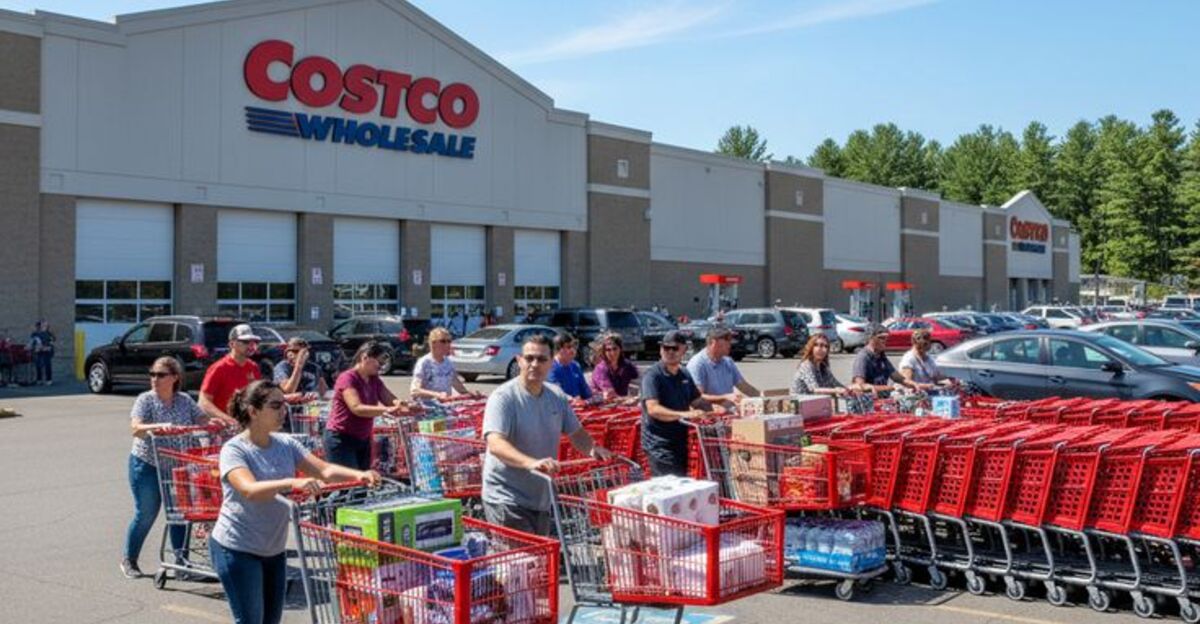
From Costco’s perspective, these design choices are tied directly to its financial model. On a May 2024 earnings call, CEO Ron Vachris referenced the familiar saying that people “come in to spend $100 and walk out with $300,” crediting buyers and operators for making warehouses “exciting.” The comment signaled that larger‑than‑planned receipts are seen as a deliberate outcome of the shopping environment.
Costco keeps its gross margins relatively thin, generally around 11% to 15%, and caps markups at levels often described in the mid‑teens percentage range. Instead of relying on high margins, it leans on high volume and membership fees. As of fiscal 2024, the company reported about 137 million cardholders worldwide, with U.S. annual fees of $65 for a standard Gold Star membership and $130 for an Executive membership.
Investor filings show that membership fees are crucial, accounting for roughly 65.5% of net operating income in fiscal 2024. Renewal rates in North America remain above 92%, suggesting that most members accept, or even appreciate, the treasure-hunt experience in exchange for perceived value. Critics, however, argue that the same tactics turn members into customers whose unplanned spending is quietly amplified by design.
Consumer Expectations and Regulatory Watch
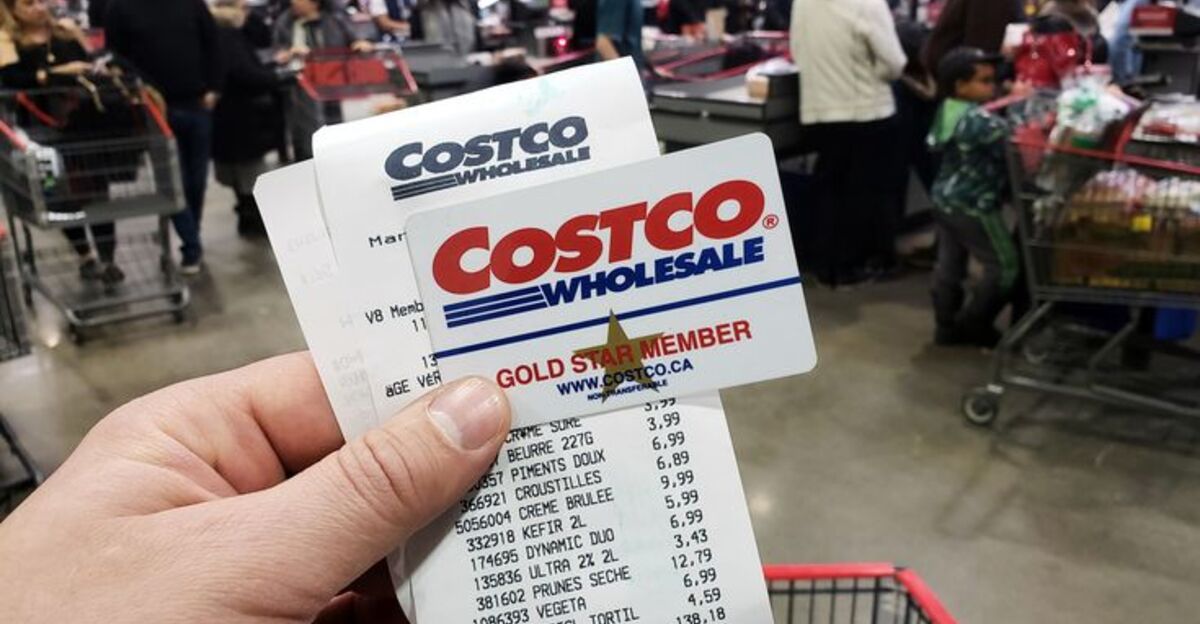
Retail analysts say Costco’s success rests on a calculated trade: some inconvenience in return for low prices and the excitement of discovery. Bulk‑club competitors such as Sam’s Club also use rotating assortments and pallet displays, but many traditional supermarkets rely on stable “planogram” systems with clear aisle markers and relatively fixed product locations.
As shopper expectations evolve, this balance is under new scrutiny. Younger customers, including Gen Z, are flocking to Costco for savings and novelty but also expect digital tools, accurate real‑time inventory, and clearer wayfinding. Costco has expanded e‑commerce, with online sales rising 13% in the fiscal first quarter ending November 2024, and has increased same‑day and two‑day delivery. Even so, executives emphasize that the core business remains in‑person, “big and bulky,” and built around the hunt.
The strategy also intersects with broader policy debates. Regulators in several countries are examining “dark patterns”—design practices that nudge consumers toward choices or spending they did not intend. While Costco has not been singled out, critics note that intentionally confusing layouts, limited signage, and planned scarcity sit near the edge of that discussion. Legal specialists also point out potential implications for accessibility and safety, especially for customers with mobility or cognitive challenges who may struggle with frequently changing store routes.
Future of the Costco Experience
Culturally, Costco has become a shared ritual in many households, reflected in the popularity of “Costco haul” videos that showcase overflowing carts and unexpected finds. At the same time, viral complaints like the late‑2024 Reddit thread reveal a counter‑current of members questioning whether the thrill still outweighs the hassle.
The company’s leadership lineage—from Jim Sinegal to Craig Jelinek to Ron Vachris—has so far preserved the membership‑plus‑treasure‑hunt formula, with no major moves toward a more navigable, sign‑heavy floor plan. As global membership grows and consumer‑protection debates intensify, Costco faces a pivotal choice: how to maintain the sense of discovery that underpins its economics while addressing demands for speed, clarity, and accessibility. The answer will shape not only how far a typical $100 shopping plan stretches at checkout, but also how far large retailers can go in using store design to steer the modern shopping trip.
Sources:
Yahoo Finance December 2024 article
The Wall Street Journal 2007 Sinegal interview
Costco 2024 Form 10-K SEC filing
Ron Vachris Costco CEO May 2024 earnings call
Costco Investor Relations 2024 annual report