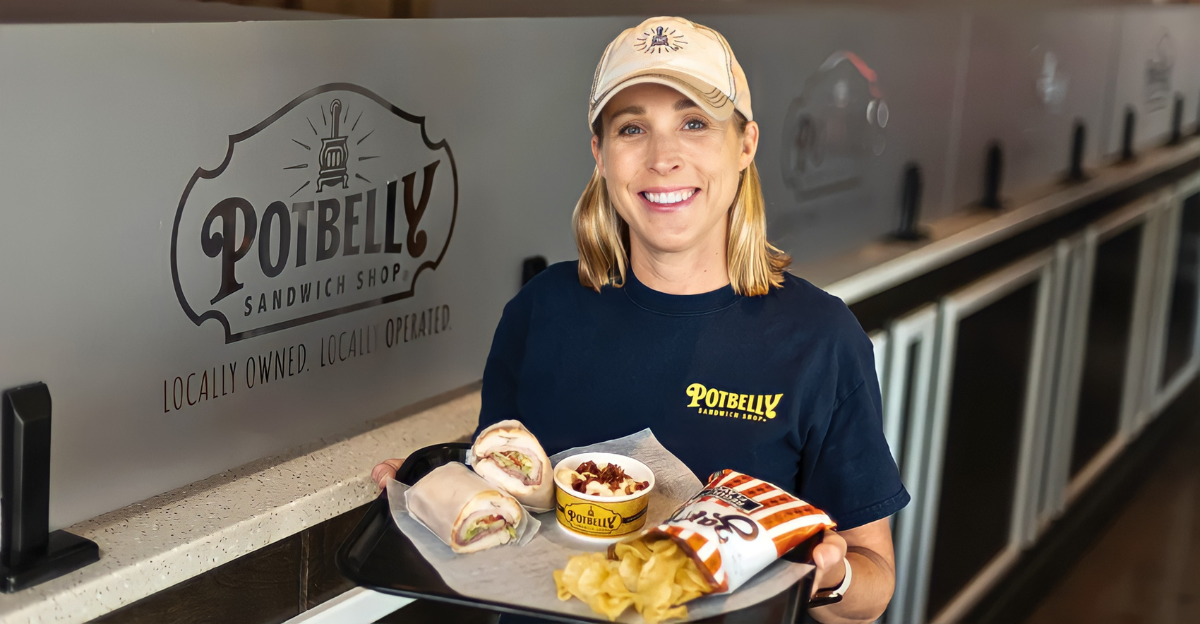
What began in 1977 inside a Chicago antique store just became the centerpiece of a $566 million corporate deal. Potbelly, the cozy sandwich chain known for its toasted subs and warm neighborhood feel, will soon join Atlanta-based RaceTrac, one of America’s largest convenience retailers.
The agreement brings Potbelly’s 445 stores under RaceTrac’s wing. It could redefine what “neighborhood eating” means for millions of customers, expanding a local favorite into a broader stage while testing whether an iconic sandwich shop can thrive inside a convenience-driven empire.
The Toasted Sandwich That Took Off
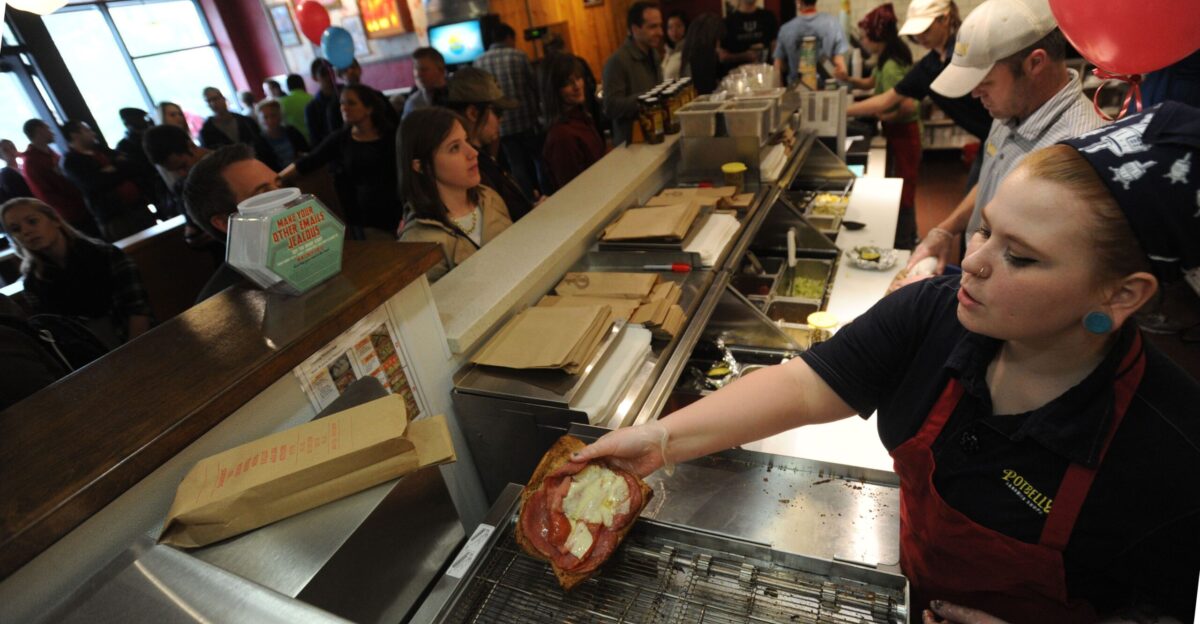
Potbelly wasn’t meant to be a national chain; it was a quirky Chicago shop serving sandwiches with live music in the background. But its toasty subs, cookies, and milkshakes struck a chord. Over the decades, Potbelly grew into a brand with over 5,000 employees and a strong digital presence.
RaceTrac, meanwhile, carved out its own empire since 1934, building over 800 convenience stores and operating 1,200 Gulf-branded fuel locations. Together, the two represent a powerful collision of food and convenience—one steeped in hometown nostalgia, the other in speed, scale, and reach.
RaceTrac’s Bigger Vision
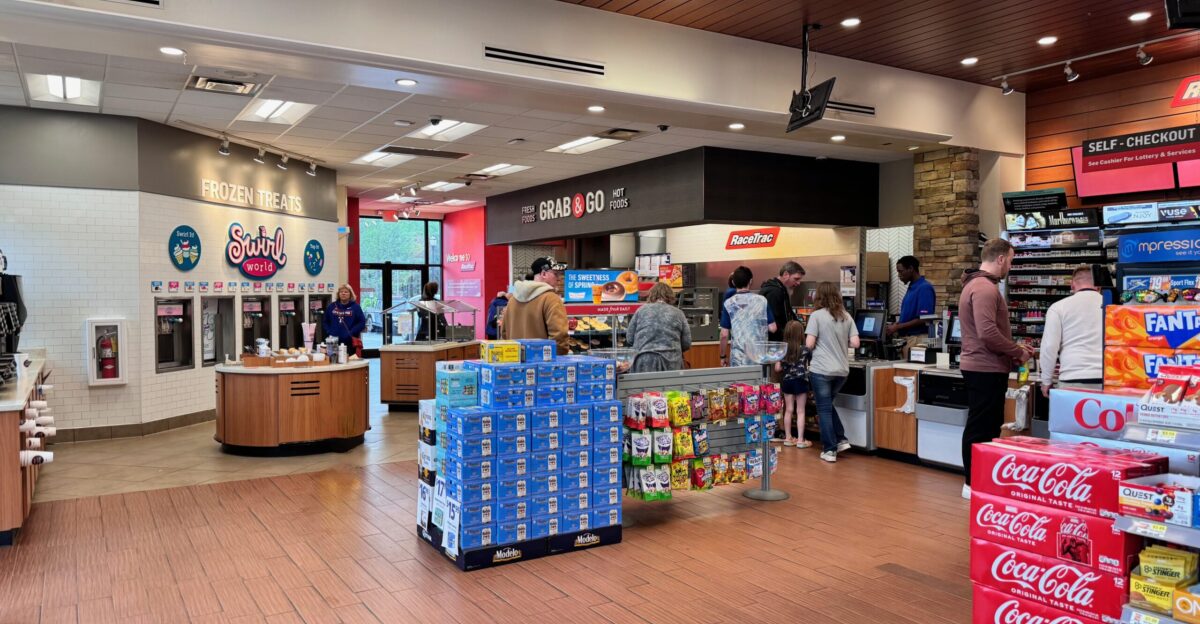
The deal isn’t simply about sandwiches. For RaceTrac, buying Potbelly signals a larger ambition: transforming the American convenience store experience. While gas stations once conjured images of hot dogs under heat lamps, today’s leading chains are pushing fresh, customizable meals that rival quick-service restaurants.
Having Potbelly on board, RaceTrac gains both culinary credibility and a brand identity rooted in community. The strategy reflects a wider industry trend where convenience retailers reinvent themselves as everyday dining stops, not just pit stops. The Potbelly acquisition could set the tone for a new chapter in how Americans eat on the go.
“A Place To Enjoy Life’s Everyday Moments”
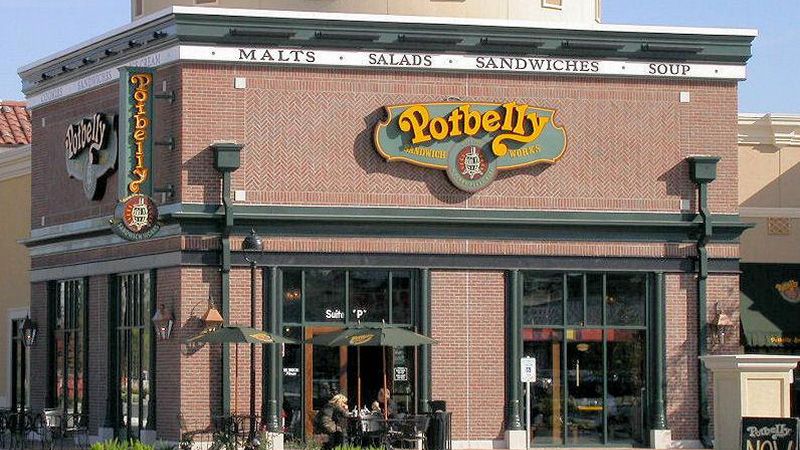
Natalie Morhous, CEO of RaceTrac, described the move as more than a business decision. “Our companies, combined, have spent over 130 years delighting guests by providing them with welcoming smiles and a place to enjoy life’s everyday moments,” she said. The message points to the heart of this deal: connection.
Potbelly brings warmth, familiarity, and local flavor. RaceTrac brings scale, resources, and reach. Together, they hope to create spaces where grabbing a sandwich feels less like fast food and more like part of a community ritual, even in the middle of a busy day.
Potbelly’s Road to Recovery

Just a few years ago, Potbelly wasn’t the picture of strength. The pandemic and rising costs had strained operations, sales were slipping, and franchise growth lagged. When CEO Bob Wright took over in 2020, he introduced a five-point plan to cut costs, boost digital ordering, and reenergize the brand. The strategy worked. Potbelly stabilized, restructured operations, and began rebuilding momentum.
The RaceTrac deal isn’t a rescue; it’s a reward for that turnaround. Wright’s vision of Potbelly shops in every neighborhood now has the capital and infrastructure to become more than a distant goal.
A Goal of 2,000 Stores Nationwide
Potbelly currently operates 445 shops, but Wright has spoken openly about scaling the chain to 2,000. That dream once seemed overly ambitious, but with RaceTrac’s backing, it suddenly feels attainable. The convenience giant knows how to scale real estate, logistics, and customer traffic.
Potbelly brings the culinary side and a distinct identity. If the partnership works, it could create a national expansion blueprint that reshapes both brands. The challenge will be keeping Potbelly’s neighborhood feel alive while multiplying locations fourfold—a balancing act that will define whether this acquisition fulfills its promise.
Keeping Potbelly’s Soul Intact
Wright assured loyal customers that Potbelly won’t lose its character. “With RaceTrac’s resources, we will unlock new opportunities for this incredible brand while staying true to the neighborhood sandwich shop experience that makes Potbelly special,” he said. That reassurance isn’t just corporate speak—it matters deeply to Potbelly’s fan base, employees, and franchisees.
In the crowded food industry, identity is everything. Potbelly risks blending into the convenience store background if it becomes too generic. But if it holds onto its quirky, music-filled, hometown vibe, the chain could thrive far beyond its Chicago roots.
The Human Side of the Deal
Potbelly’s 5,200 employees and franchise partners will be directly impacted. For many, the brand isn’t just a paycheck; it’s a livelihood tied to a reputation for warmth and quality. RaceTrac insists Potbelly will remain a distinct brand, with its look, menu, and feel. That’s intended to reassure teams that they aren’t being swallowed into anonymity.
Still, transitions bring uncertainty. New systems, new leadership layers, and new expectations often accompany mergers. The next year will be as much about protecting employee morale as it is about building shareholder confidence.
What Customers Will Notice
RaceTrac’s strategy doesn’t involve plopping Potbelly counters inside every gas station. Instead, the goal is thoughtful expansion, introducing Potbelly locations in cities and towns where it hasn’t yet built a presence. Customers can expect more access to its sandwiches, shakes, and cookies in new markets.
Digital ordering and loyalty perks may also expand under RaceTrac’s tech infrastructure. For regulars, the hope is that nothing changes about the experience they love—except that it becomes easier to find a Potbelly nearby, whether in a bustling city center or along a suburban commute.
A Market-Shaking Move

At $17.12 a share, the acquisition represents a 47% premium for Potbelly’s investors. Financially, it’s a clear win for shareholders. But analysts say the bigger story lies in how unusual the purchase is. Convenience store chains rarely buy entire restaurant brands outright.
This bold step could begin more cross-industry partnerships, especially as both sectors fight for the same customers: time-pressed families, commuters, and younger diners who want quick but higher-quality meals. RaceTrac’s Potbelly play could inspire rivals to consider similar moves in the race to reinvent “fast” dining.
Potbelly’s Five-Year Climb Back
Looking back, Potbelly’s journey to this moment is a case study in resilience. When Wright arrived in 2020, the company was grappling with heavy losses. He pushed for smaller-format stores, stronger franchise support, and expanded off-premise sales. The chain also invested heavily in digital ordering, catering to shifting customer habits.
Those changes pulled Potbelly out of decline and back into growth mode. By the time RaceTrac came calling, Potbelly wasn’t desperate—it was positioned for scale. The acquisition is the capstone on a comeback story that many in the industry doubted was possible.
Convenience Stores as Hangouts
Both Potbelly and RaceTrac want to move beyond being transactional stops. They envision their locations as hangouts where people linger, chat, and enjoy food together. That vision aligns with global trends. In parts of Asia, convenience stores are neighborhood hubs, doubling as cafes, lounges, and community spaces.
RaceTrac sees a similar opportunity in the U.S., blending the speed of convenience with the comfort of a familiar dining brand. If successful, Potbelly shops could feel less like pit stops and more like everyday gathering spots across new regions.
The Rise of Foodservice in Convenience

The numbers help explain the strategy. In 2004, foodservice comprised less than 12% of U.S. convenience store sales. Last year, it topped 27%. That growth reflects a broader shift: customers increasingly expect high-quality meals on the go. Sandwiches, salads, and customizable options are now essential for staying competitive.
Potbelly gives RaceTrac a ready-made, respected foodservice brand to meet that demand. Analysts say the merger reflects the new reality: convenience retailers that can’t compete on food risk being left behind in a market where meals are as important as fuel.
Franchising: The Next Frontier
Only about a quarter of Potbelly’s stores are currently run by franchisees, leaving significant room for expansion. RaceTrac’s expertise in real estate development could accelerate franchise growth, helping Potbelly plant roots in untapped regions.
However, franchising comes with challenges as support systems must scale, consistency must be maintained, and brand identity must remain intact across diverse operators. If RaceTrac balances rapid growth with quality control, Potbelly could become one of the most widely recognized sandwich brands in the U.S., backed by loyal fans and new communities.
Competition Is Fierce
Even with RaceTrac’s backing, Potbelly enters a crowded field. Quick-service restaurants like Subway, Jersey Mike’s, and Firehouse Subs continue to battle for sandwich dominance. Meanwhile, convenience stores such as Wawa, Sheetz, and 7-Eleven are leveling up their food menus. Add rising wages, delivery fees, changing consumer expectations, and the pressure mounts.
For Potbelly to succeed, it must create a unique space where nostalgia, quality, and community connection outweigh cheaper or faster competitors. That will be the real test of whether the RaceTrac partnership delivers long-term value.
Innovation On the Menu
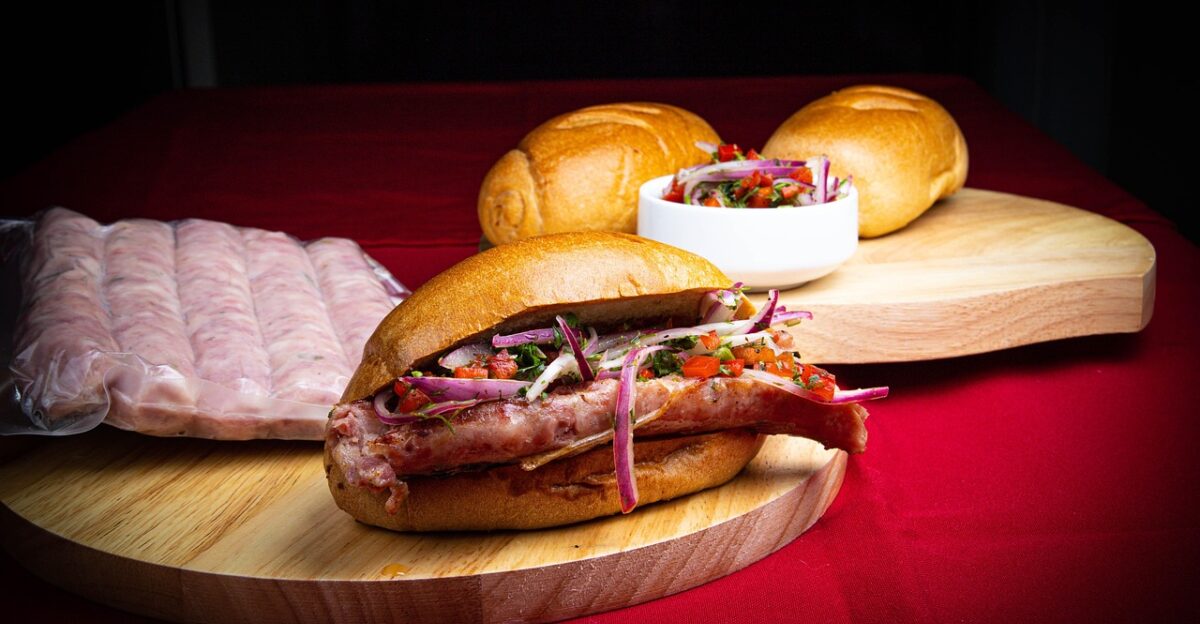
Both companies hint at food innovation as a key next step. Potbelly’s culinary team brings expertise in flavor and consistency, while RaceTrac’s strength lies in scaling operations quickly. The combination could yield creative menu additions, seasonal specials, or even new product lines tailored to convenience store traffic.
Technology upgrades are also likely, from enhanced mobile ordering to brand loyalty integrations. For customers, that means the possibility of fresh choices and more seamless ways to get them, whether in a standalone Potbelly shop or in future hybrid formats.
Analysts Weigh In

Industry voices see the deal as a sign of shifting dynamics. Donna Hood Crecca of Technomic noted that convenience stores “are outpacing total sales in QSR restaurants.” In other words, the momentum is tilting. Chains that once played supporting roles in fast food now compete head-on with the same customers.
By acquiring Potbelly, RaceTrac signals that it wants to be a leader in that space. Analysts say the deal reflects Potbelly’s value and the broader opportunity to blend convenience and quality dining under one umbrella.
A Community Brand at Scale
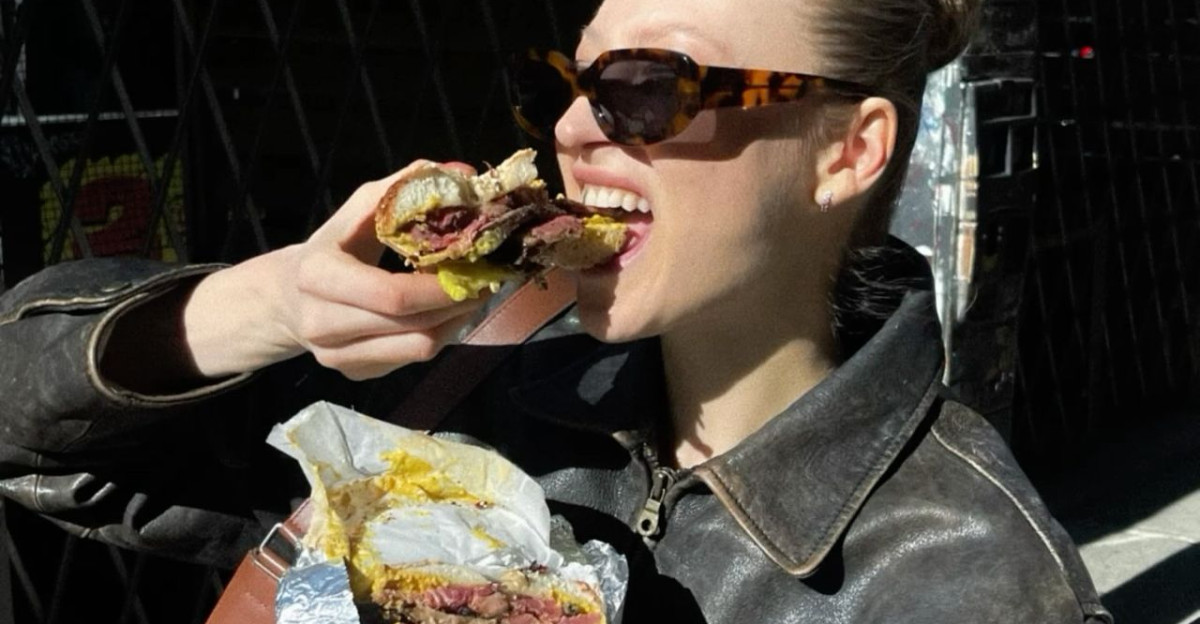
For longtime Potbelly fans, the deal may stir mixed emotions. On one hand, it promises more locations and broader access to beloved sandwiches. On the other hand, it raises questions about whether a community-rooted brand can stay authentic when scaled nationally.
Potbelly’s music-filled shops and local feel are part of its DNA. RaceTrac’s task will be to preserve that sense of place even as it deploys corporate infrastructure. The acquisition could create a rare outcome: a community-driven dining experience powered by corporate scale.
The Final Ingredient: Connection
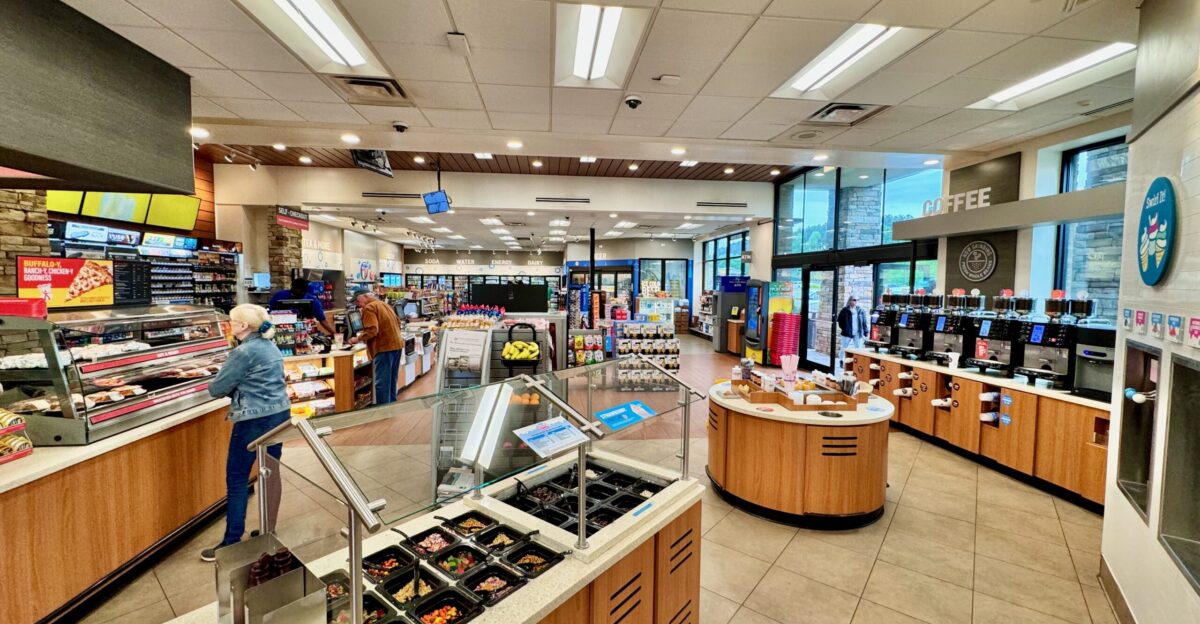
At its core, this deal is about more than dollars. Potbelly’s sale to RaceTrac represents a shift in how Americans eat, travel, and connect. The warm, personal, and comforting neighborhood sandwich shop experience is now paired with the reach and efficiency of a convenience powerhouse.
Whether commuters are grabbing lunch, families are on road trips, or locals are meeting for a quick bite, the merger seeks to redefine convenience as something more meaningful than speed. If both brands deliver on their promises, the Potbelly story may be just beginning.