
A nationwide recall of chocolate products has triggered urgent warnings for consumers across the United States. The FDA has classified the risk as high because of serious health concerns.
Weaver Nut Company products sold through retail chains nationwide have been affected, raising alarm for shoppers. The recall involves 21 lot codes across all 50 states, with officials urging immediate action.
Widespread Impact

The recall affects chocolate distributed nationwide to all U.S. states. Retailers carrying the affected products have been notified to remove items from shelves.
The FDA is handling the situation because the contamination could be dangerous. People across the country should check their chocolate and follow the safety warnings.
Chocolate Industry Risks
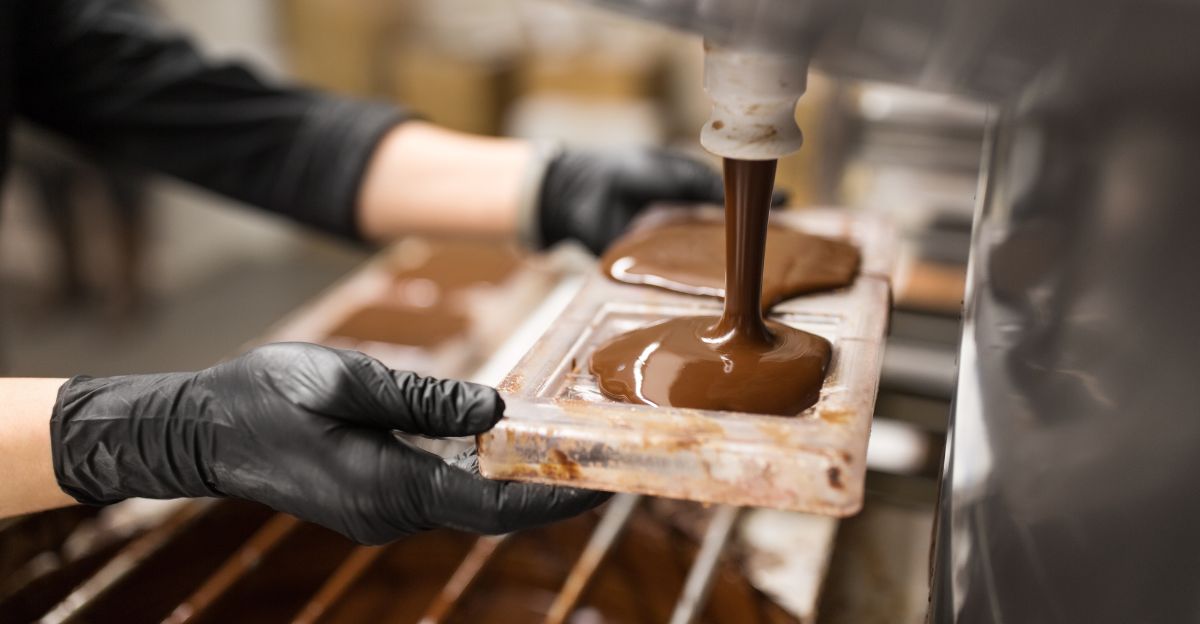
Chocolate recalls are nothing new, but this one has been classified as Class I by the FDA due to the serious allergy risk. Usually, only small batches or single brands are affected.
This recall involves a single manufacturer whose products reached stores nationwide, highlighting ongoing challenges in allergen labeling and food safety management.
Mounting Pressures

In recent years, food labels and allergen warnings have been watched more closely, and rules have become stricter. However, mistakes still happen from time to time.
This latest chocolate recall shows how hard it can be to guarantee safety, especially with such popular products. Companies are now under more pressure to be open and accurate about what’s in their food.
Contamination Confirmed

In June 2025, the FDA and company officials confirmed contamination in several chocolate products, prompting a nationwide recall.
Weaver Nut Company has recalled its semi-sweet chocolate nonpareils with white or Christmas-colored seeds. According to the FDA, specific lot codes have been affected because the candy might contain milk that wasn’t listed on the label.
Milk is one of the nine major allergens that the FDA requires to be clearly listed on food labels. If it’s missing or mislabeled, it can be dangerous, especially for people with milk allergies or strong sensitivities.
Regional Fallout

The recall affects all U.S. states, with retailers removing products and the FDA issuing alerts.
The company is working with distributors and retailers to ensure affected products are removed from circulation. Consumers with milk allergies should check their pantries, especially those who purchased these products.
Came to Light
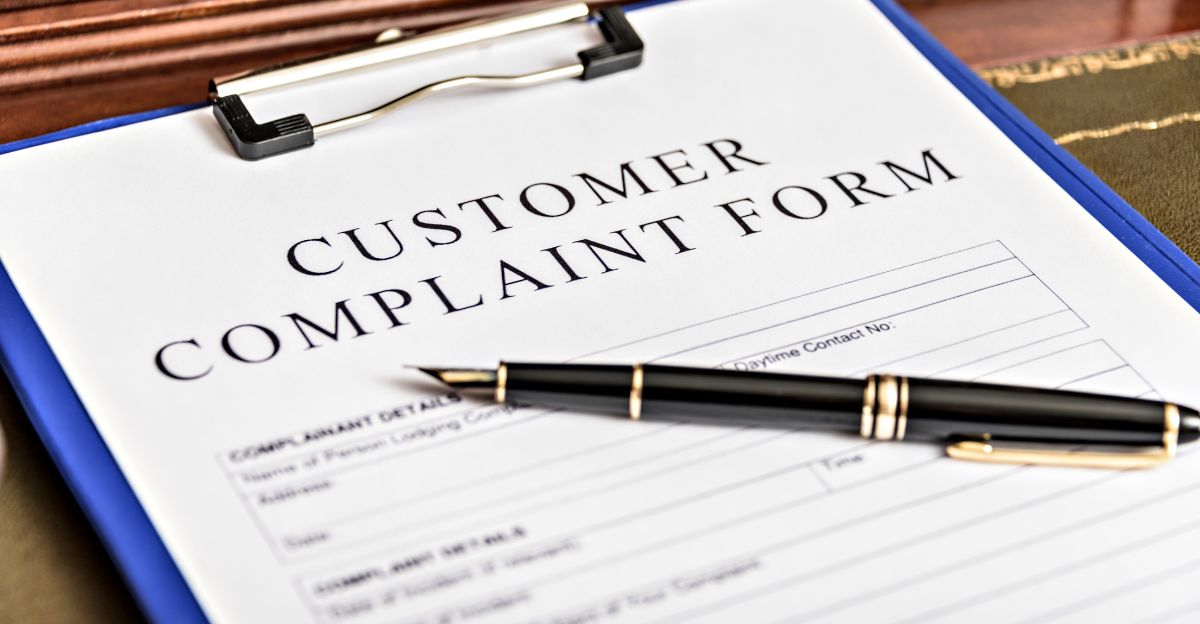
According to the FDA, the problem came to light after a wholesale customer noticed the chocolates didn’t match their product details and filed a complaint.
Lab tests later confirmed the chocolates contained milk proteins, even though they were labeled as milk-free. The recalled nonpareils were shipped nationwide and sold in different grocery and retail stores. Weaver Nut Company, based in Pennsylvania, said the recall is being done as a safety precaution to protect consumers.
Lot Codes

The lot codes involved are:
Item 47518 – Nonpareil, Semi-Sweet Chocolate (Christmas Seeds): Lot numbers 204206, 204207, 204208, 204209, 204212, 224225
Item D2645 – Nonpareils, Semi-Sweet Chocolate (White Seeds): Lot numbers 204214-RL, 204214, 204215, 224221, 224222, 224223, 135215, 135216, 135217, 135220, 135221, 145204, 145205-1, 145207-1, 145210-1
Refunds

The recall notice warns that anyone with a milk allergy should not eat the affected chocolates.
Customers can return the products to the store for a full refund or throw them away. Refunds will be given whether the package is opened or not.
Macro Trends

Food recalls have increased over the past decade due to stricter regulations and improved detection methods.
The chocolate sector, in particular, faces heightened scrutiny because of its popularity and diverse ingredients. Experts have warned that more recalls could follow unless systemic changes are made.
Labeling Gaps
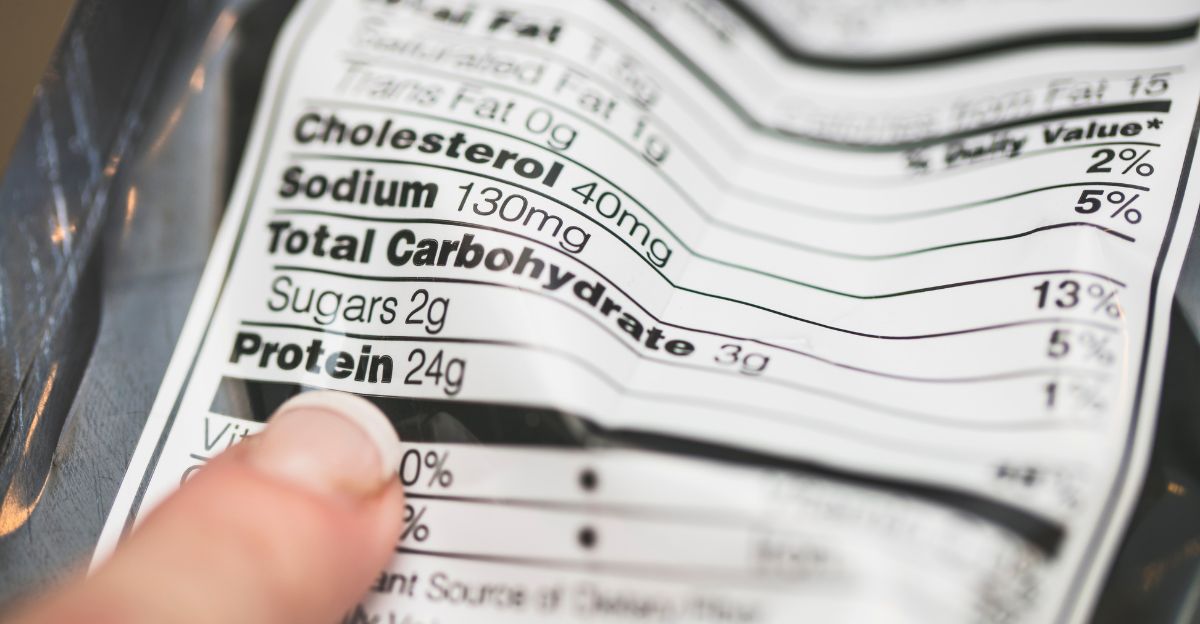
One collateral consequence of the recall is that it’s drawing attention to problems with food labels. The FDA discovered that some products didn’t list allergens correctly, breaking federal rules.
While companies promise to fix their labels, consumer advocates argue that stronger oversight is still needed to keep people with allergies safe.
Internal Frustration

Meanwhile, the company is working closely with regulators to resolve the issue and prevent future incidents, emphasizing ongoing efforts to restore consumer trust.
“People who have an allergy or severe sensitivity to milk run the risk of serious or life-threatening allergic reactions if they consume the impacted products,” according to the FDA.
Leadership Accountability

Company leadership has taken responsibility for the recall, with executives coordinating directly with the FDA and retailers. Weaver’s Angela Nolt said the company “is taking all necessary steps to ensure the safety of its products.”
Internal reviews are underway to identify root causes and prevent future incidents. The company spokesperson has reiterated their commitment to safety and transparency.
Recovery Efforts

The company has stated it is conducting internal reviews to identify root causes and prevent future incidents. Retailers are offering full refunds to impacted customers for both opened and unopened products.
Food safety technology continues to evolve to help detect contaminants earlier and improve traceability across supply chains.
Expert Outlook

Food safety experts remain cautious about the effectiveness of current measures. With undeclared allergens accounting for 34-38% of all food recalls, continued vigilance and regulatory oversight remain critical priorities.
Allergen mislabeling remains a persistent challenge, with undeclared allergens representing more than one-third of all food recalls, highlighting the complexity of managing food safety across supply chains.
Looking Forward

The recall raises important questions about the future of food safety in the U.S. Will stricter regulations and improved technology prevent similar events?
Consumers and industry leaders are watching closely for signs of lasting change. The next steps could reshape the chocolate market.
Policy Implications

Food allergen recalls have prompted broader discussions in recent years about strengthening food safety standards.
Allergen mislabeling remains a persistent challenge, with allergen-related recalls increasing 35% from 2020-2024, highlighting the complexity of managing food safety across supply chains.
International Ripple

The incident highlights the critical importance of accurate allergen labeling, particularly for milk, which affects approximately 6.1 million Americans and remains one of the top 9 FDA-mandated allergens requiring clear declaration.
Legal and Environmental

As of the recall date, no illnesses or allergic reactions had been reported in connection with the affected products.
The company has emphasized that consumers can return products for full refunds regardless of whether packages have been opened, and can contact Weaver Nut Company at 717-738-3781 ext. 122, Monday-Friday, 9 a.m.–4:30 p.m. ET.
Cultural Shifts

Food recalls increasingly spark conversations about consumer rights and corporate responsibility. Consumers want better transparency and accountability from food brands.
Social media amplifies these concerns, influencing how recalls are perceived and managed.
What’s Next?

This recall underscores ongoing challenges in the chocolate industry and food safety at large.
As companies, regulators, and consumers continue addressing allergen labeling issues, the lessons learned may inform future standards and expectations. Vigilance and accurate labeling remain critical priorities across the food industry.