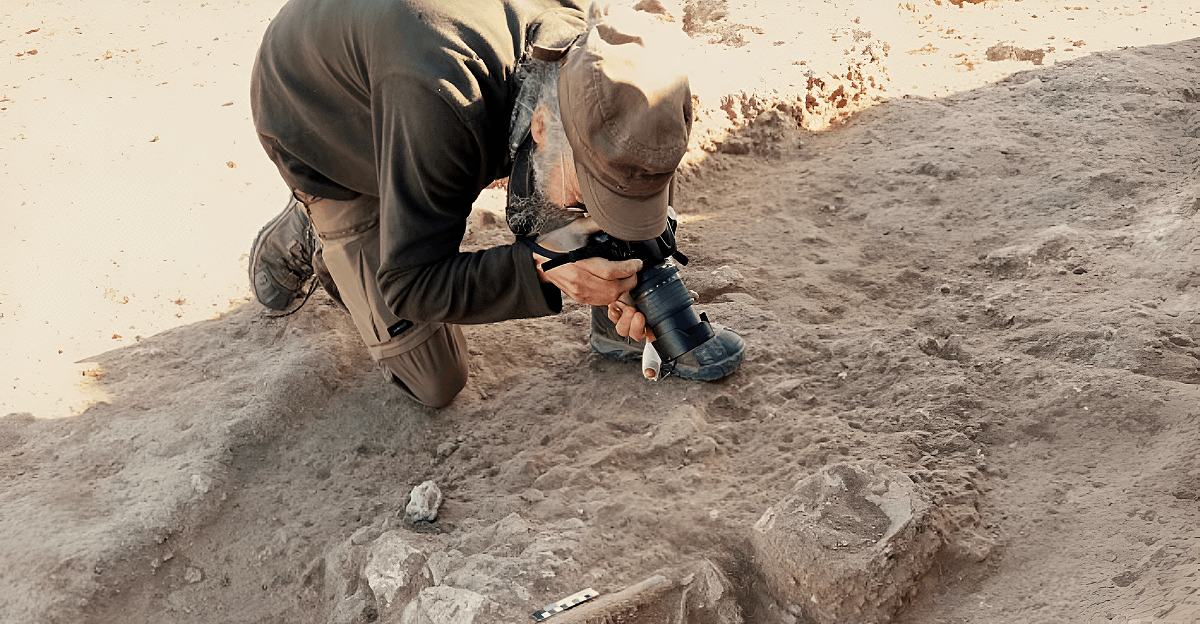
When builders started work on a new solar farm in Almendralejo, Spain, they didn’t expect to uncover a massive archaeological surprise.
In November 2021, they found something profound that stopped the entire project and brought in a team of experts.
This find, buried right where solar panels were planned, would change how we see ancient Europe and sparked a rescue mission to protect and study the site.
Fortress on the Hill
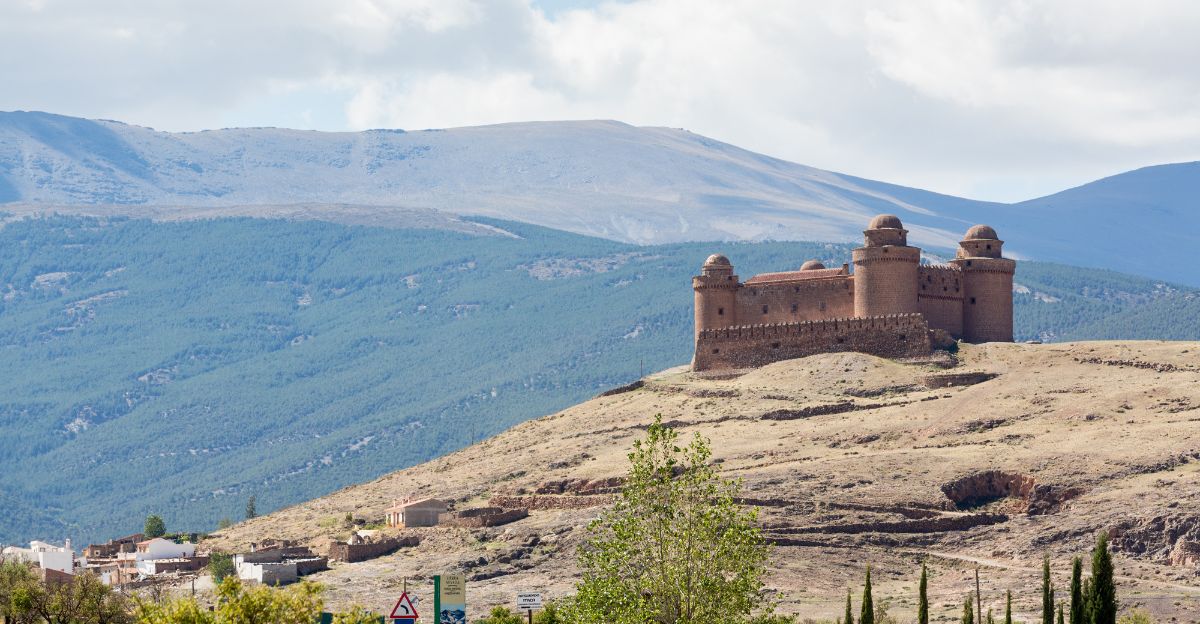
Beneath the surface was the old fort of Cortijo Lobato, a vast, pentagon-shaped fortress from about 4,900 years ago. It covered a large area and sat high up, giving fantastic views in every direction.
The site had three thick walls, 25 round towers, and three wide ditches for extra protection. Only one narrow entry made it much harder for attackers to get in.
Ancient Building Skills
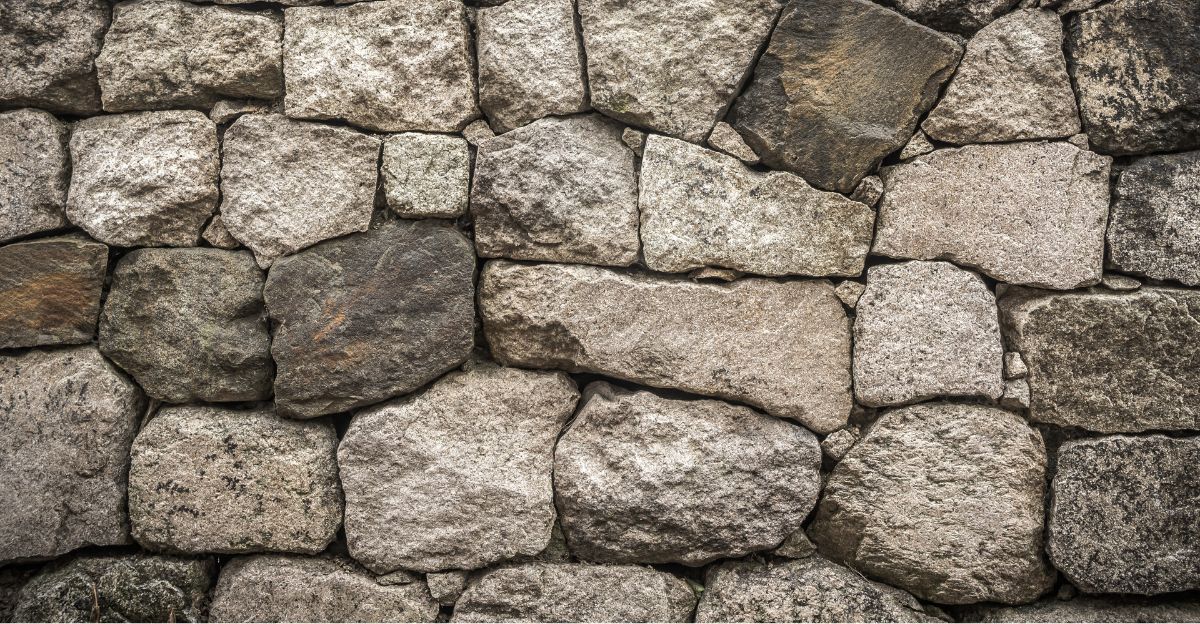
Cortijo Lobato’s stone and mud-brick walls were built to last. Some parts were over 6 feet thick and held together with special lime mortar.
Lead archaeologist César M. Pérez said, “The sophistication of the defensive design and the need for a significant workforce reinforce the idea of a structured and well-organized community.”
The size of the fort and its advanced features show that many people worked together, probably led by skilled planners, to build it.
Defenses Designed for Survival
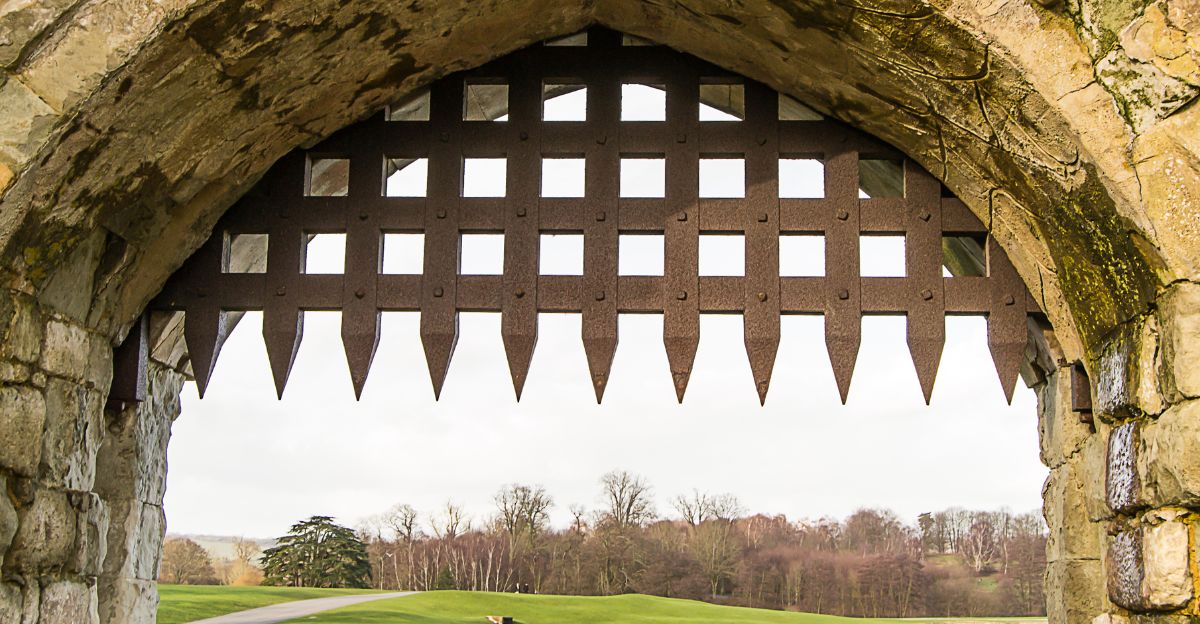
Everything in Cortijo Lobato was made for maximum security. The entrance had a tough, narrow passage with a wooden door, and anyone trying to break in would be trapped and easily attacked by defenders above.
The three ditches forced invaders to cross open ground, and all 25 towers let defenders shoot from different angles. Pérez explained: “These doors were far from other flammable materials, which suggests that the fire was not accidental, but rather the result of an assault on the fortification—a scene of violence and destruction in which the settlement was attacked, its defenses breached, and the structure ultimately set ablaze.”
Violent Ending
Tests on burned materials show that, after about 400 years, the fortress was destroyed and abandoned around 2450 BC. Signs like charred wood deep in the walls and many bronze arrowheads show the stronghold met a violent end during an attack.
The flames were likely started on purpose after a real battle. This discovery proves that early European societies faced real warfare long before most people thought about it.
The Age of Conflict
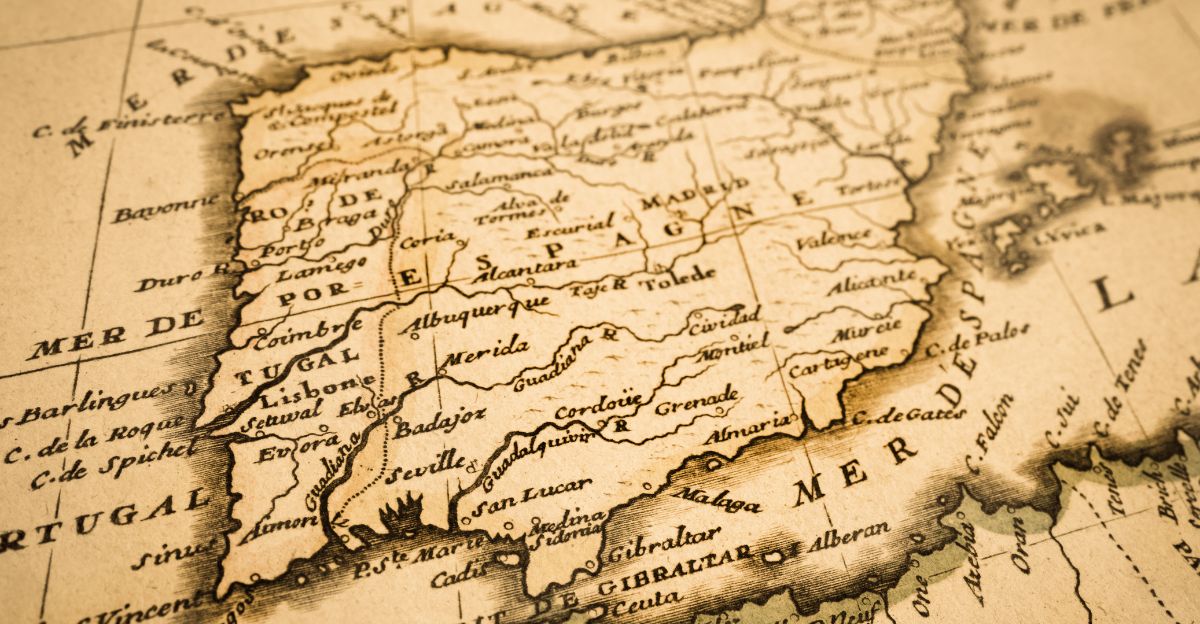
Cortijo Lobato’s fall coincided with the time when violence was common across the Iberian Peninsula. Other sites, like Roc de les Orenetes, show that almost half the skulls from this period had injuries from battle.
Between 2450 and 2200 BC, many settlements disappeared, possibly due to droughts, climate troubles, or migrating groups. The fortress’s destruction was part of a much bigger pattern across ancient Spain.
Ordinary Lives in Dangerous Times

Archaeologists found the remains of daily life inside the burned ruins, such as grinding stones, pottery, weaving tools, and cooking items, showing people living normally until the attack.
Weapons and axes left behind point to a desperate fight. Storage rooms were still stocked, proving the fort was prepared for a long siege.
These everyday items help us see the people as real families who faced danger and loss.
Changing What We Knew
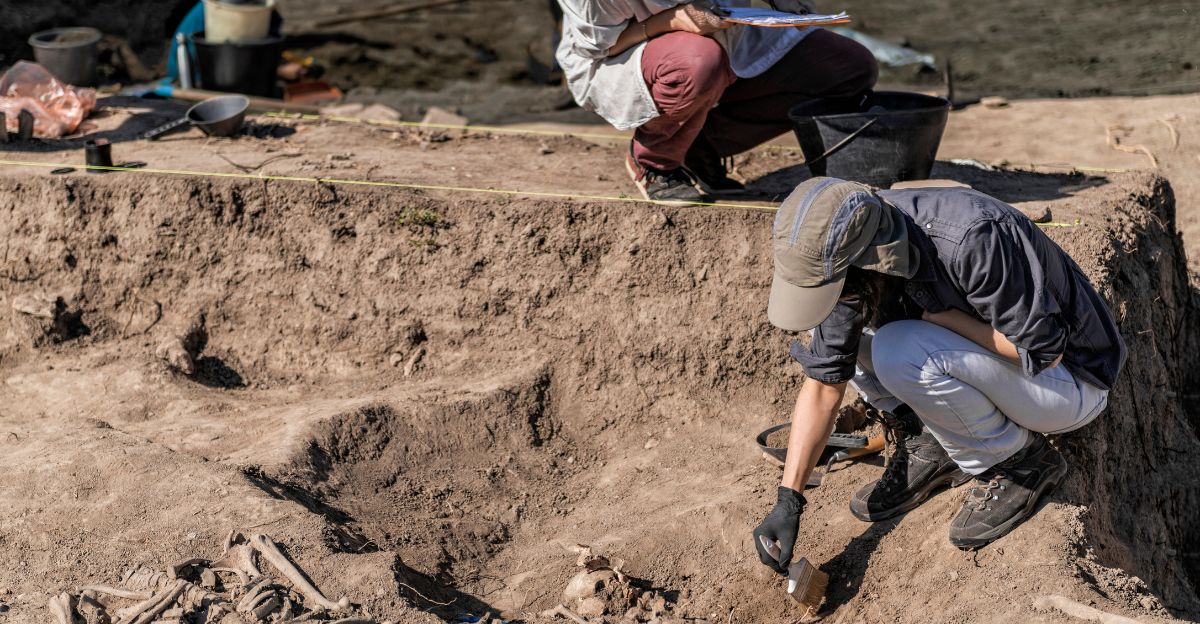
The discovery of Cortijo Lobato has changed what experts think about life in Copper Age Europe.
Professor Vicente Lull said, “The sheer size and complexity of fortifications like Cortijo Lobato indicate a society with centralized authority and advanced engineering long before such organization appeared elsewhere in Europe.”
How they built their defenses and organized workers shows they had strong leadership much earlier than many would expect.
Rewriting Ancient Timelines
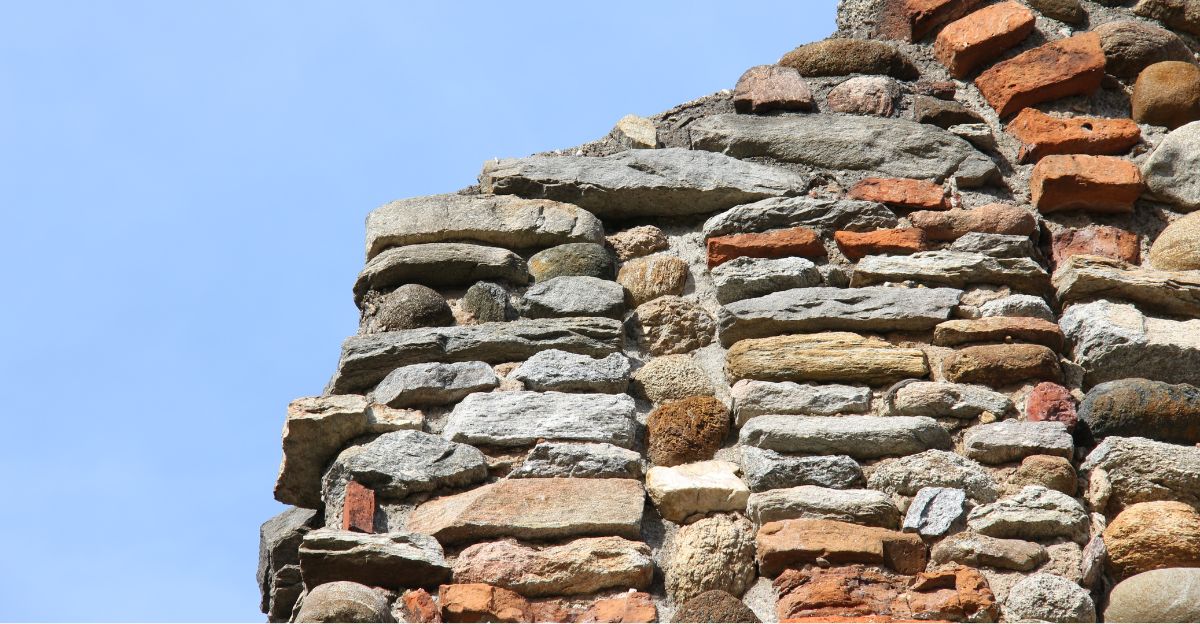
Archaeologists now know that features like triple walls and ring-shaped towers in Europe existed 400-800 years before anyone thought.
Cortijo Lobato’s defenses forced historians to reconsider when European people learned to build complex forts.
This site pushes Spain into the spotlight as a center of early progress, rather than behind other ancient cultures like the Egyptians.
Roman Soldier’s Mystery
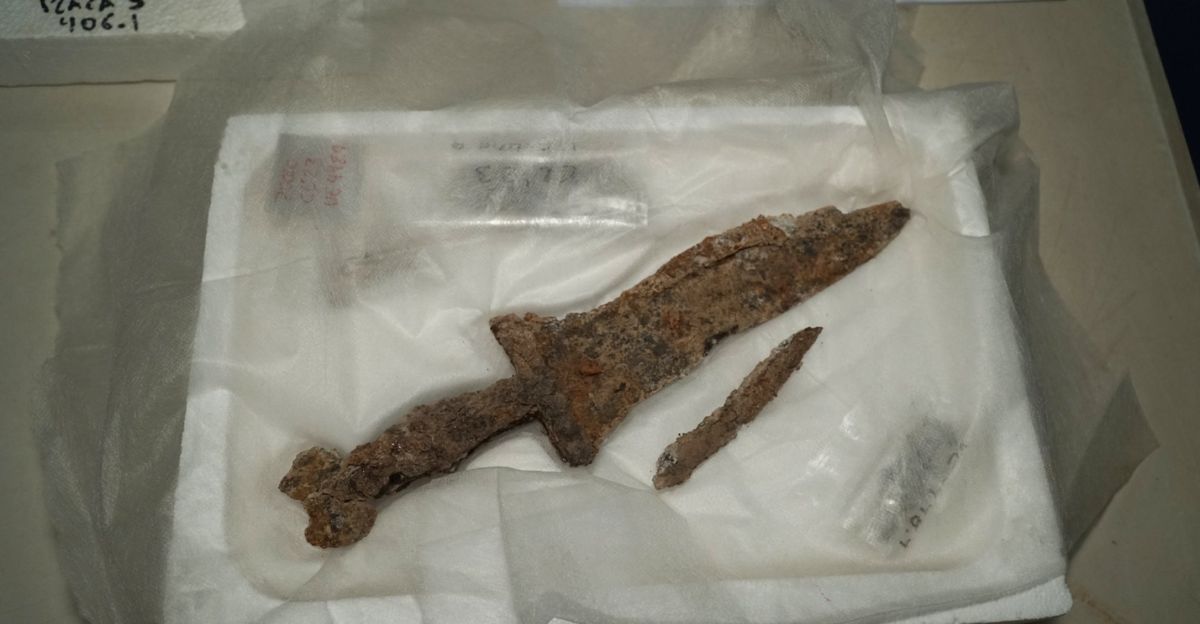
Nearby, workers found a very strange grave: a Roman soldier, 2,700 years younger than the fortress, buried face-down with his feet cut off and a dagger (called a pugio) placed on his back—the burial dates from the 2nd or 3rd century AD, when Roman troops were in the area.
The soldier was probably punished by his army, but why he was buried at this old fortress remains a puzzle for researchers.
Company Changes Course

Acciona Energia could have ignored the find, but instead, they spent over €80 million to redesign their solar farm and protect all 11 archaeological sites found on the land.
Alicia Lizarraga, the company’s environment manager, said, “Archaeological remains covering more than 30 hectares have been integrated into the design of the solar complex, protecting Spain’s heritage while enabling renewable energy development.”
The company hired archaeology experts to make sure nothing was lost.
Protecting the Past
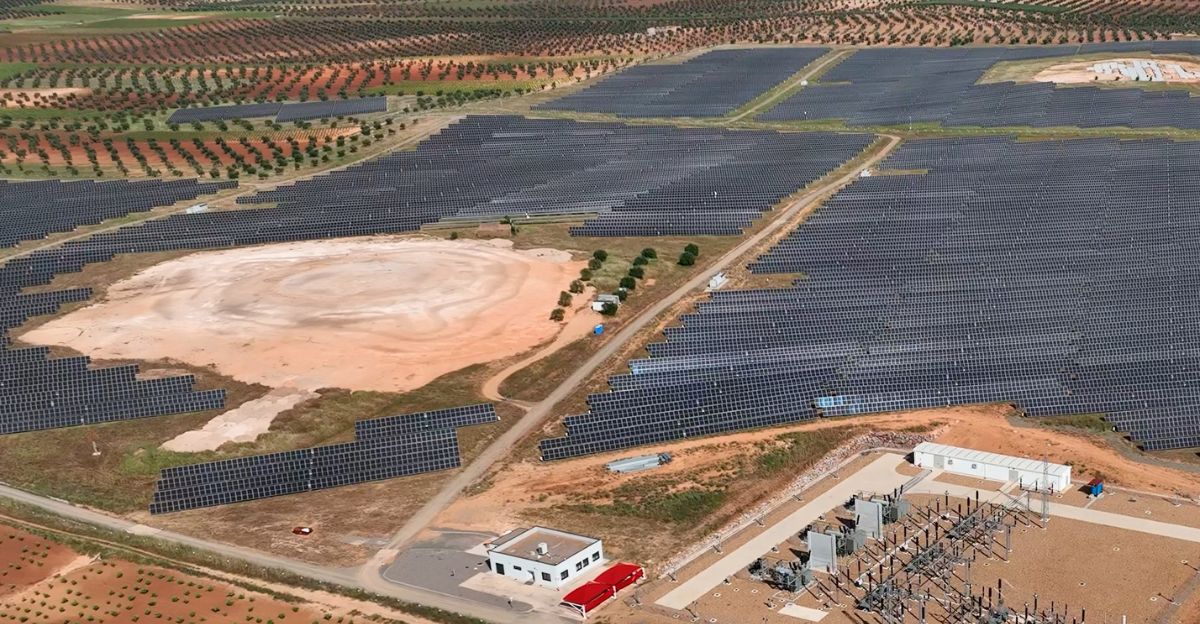
Once the site’s importance was evident, Spanish authorities moved fast to protect it by law.
The government protected the area and set strict rules so that digging and preserving could happen properly before any new work could begin. Local and national teams worked together to fund and organize the project.
In Spain, it’s normal for companies to pay to investigate and protect history if they uncover it when building.
Science at Work
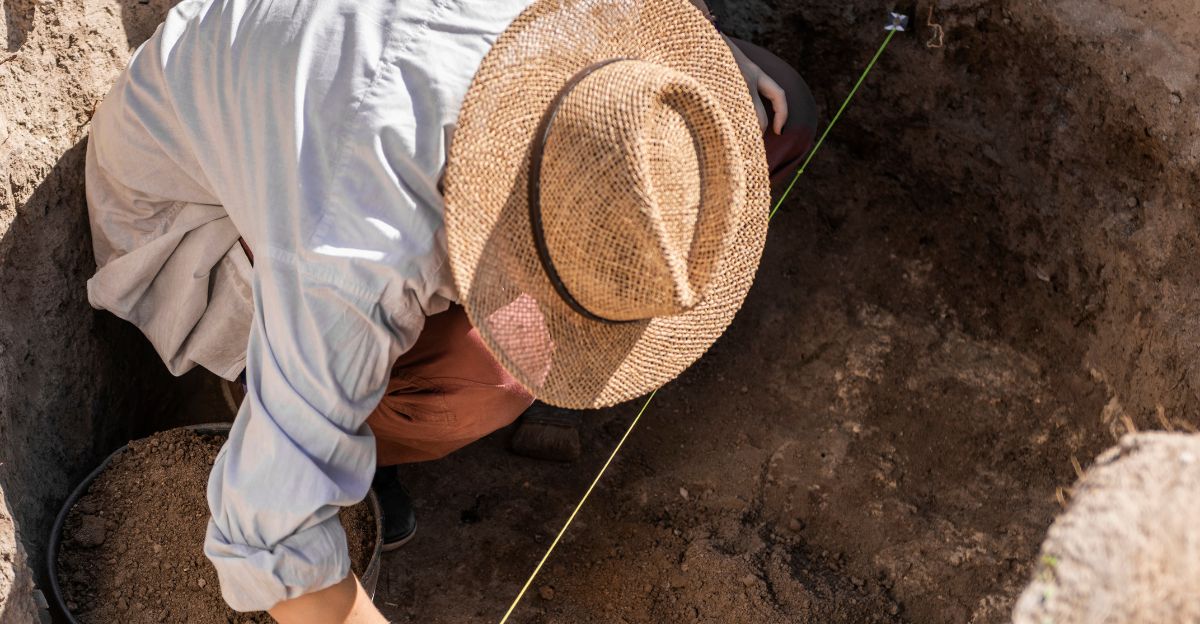
Digging at Cortijo Lobato uses old and new methods: careful excavation, scanning underground with radar, taking aerial photos, and testing remains in labs.
Scientists study everything from tools to DNA from ancient teeth to see where people came from. Modern techniques teach researchers about diet, travel, weapons, and even the animals raised or hunted at the site.
These efforts help protect everything for future scientists, too.
Challenges of Preservation
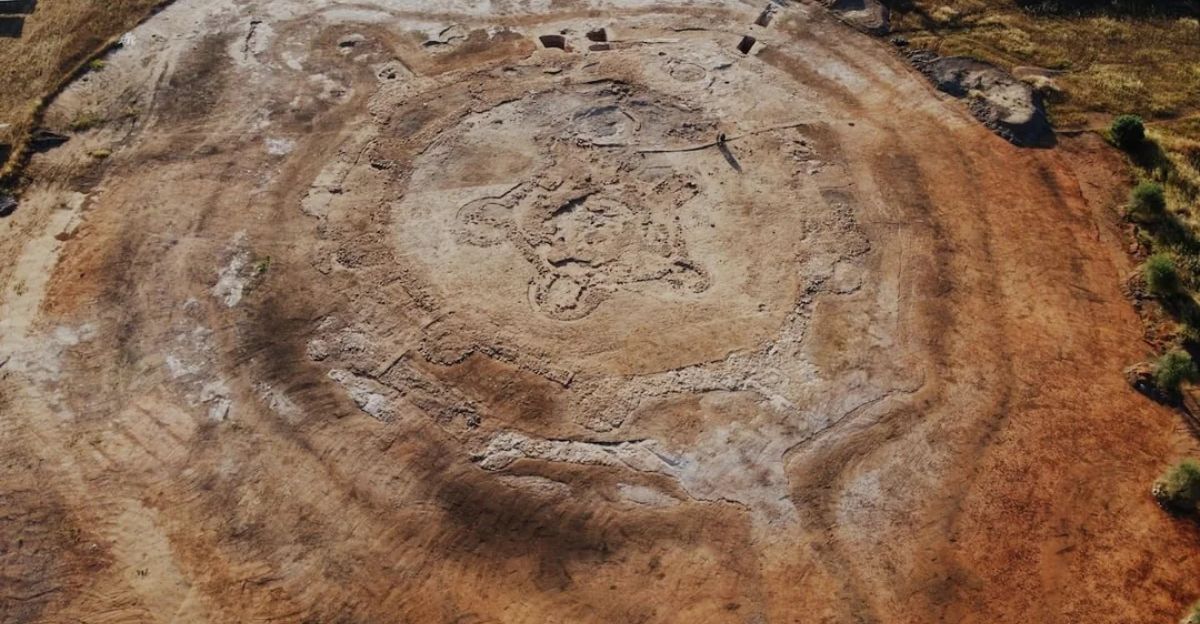
Keeping Cortijo Lobato safe is difficult because it is located in an active solar power site, and the hot, dry climate threatens its mud-brick walls.
Metal found there can rust quickly if not treated. Site managers must balance digging, protecting, and letting people visit without harming the site.
Plastic covers, pathways, and regular checks help, but budgets are limited, and choices must be made about what gets full attention first.
Ongoing Digging and DNA
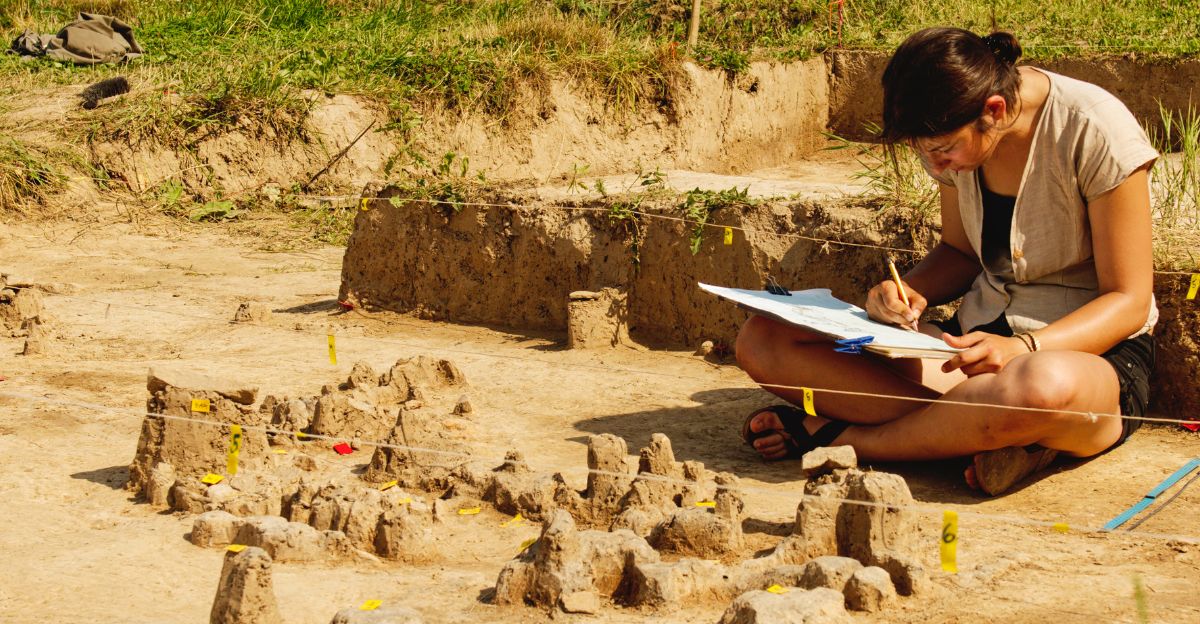
Excavations at the fortress are far from over. Researchers plan to open new areas, especially living quarters, to learn how people organized their homes and communities.
Testing bones for DNA could show if ancient people moved from other places, and studying food remains might reveal with whom they traded. Comparing these findings to those of other European ancient forts can place Spain’s Copper Age society into a wider story.
The Romans’ grave may offer new insights into ancient customs, too.
Laws Get Tougher

Because of this discovery, Spain is considering new laws to require stronger checks for ancient sites before new buildings go up.
The EU also sees the Spanish approach as a model, suggesting that other countries follow it for big green energy projects.
Builders disagree on how far to go, and they say too many rules might slow down efforts to fight climate change, but archaeologists want even more protection for history.
Changing Industry Practices
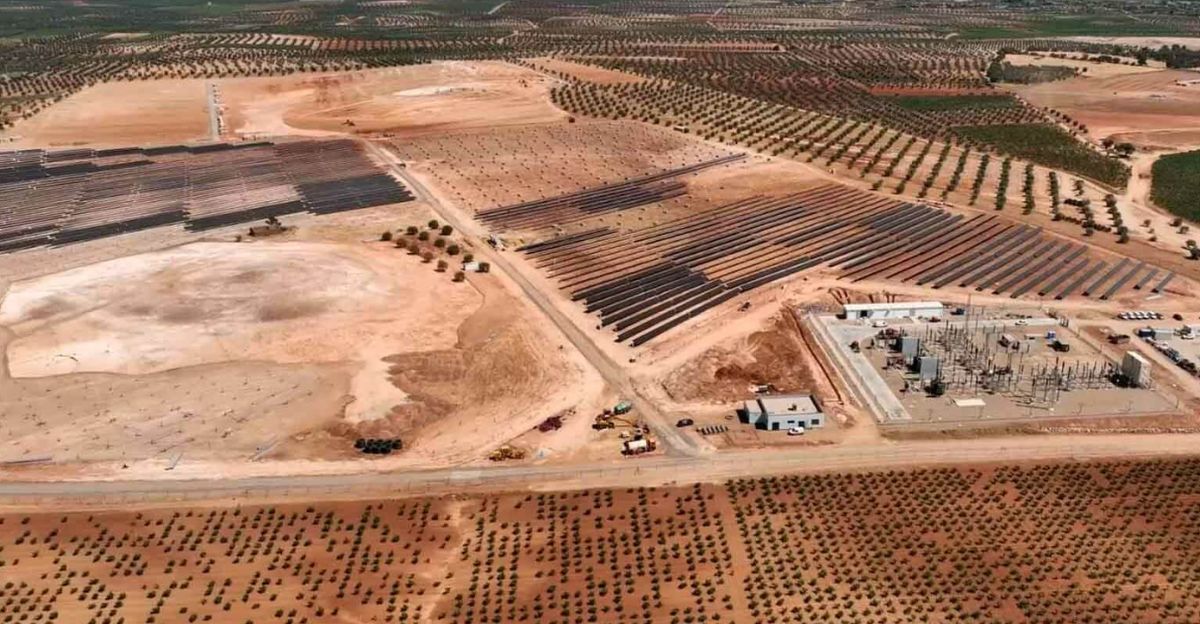
After Almendralejo, energy companies across Europe plan for what might be underground.
Many have set up teams to handle history and increased budgets for possible delays. Insurance policies now cover the risk of finding ruins, and investors expect companies to act responsibly.
Acciona’s handling of Cortijo Lobato is seen as a best practice suitable for both business and the past.
Public Gets Involved

News about Cortijo Lobato spread fast online, attracting more interest in ancient history. Hashtags like #AncientFortress became popular, and millions watched documentaries and virtual tours of the site.
However, not everything posted is reliable—some viral content includes wild claims, so archaeologists also work hard to share real facts and fight misinformation.
More schools and public talks now use the site as an example of why archaeology matters.
Lessons from Accidental Finds
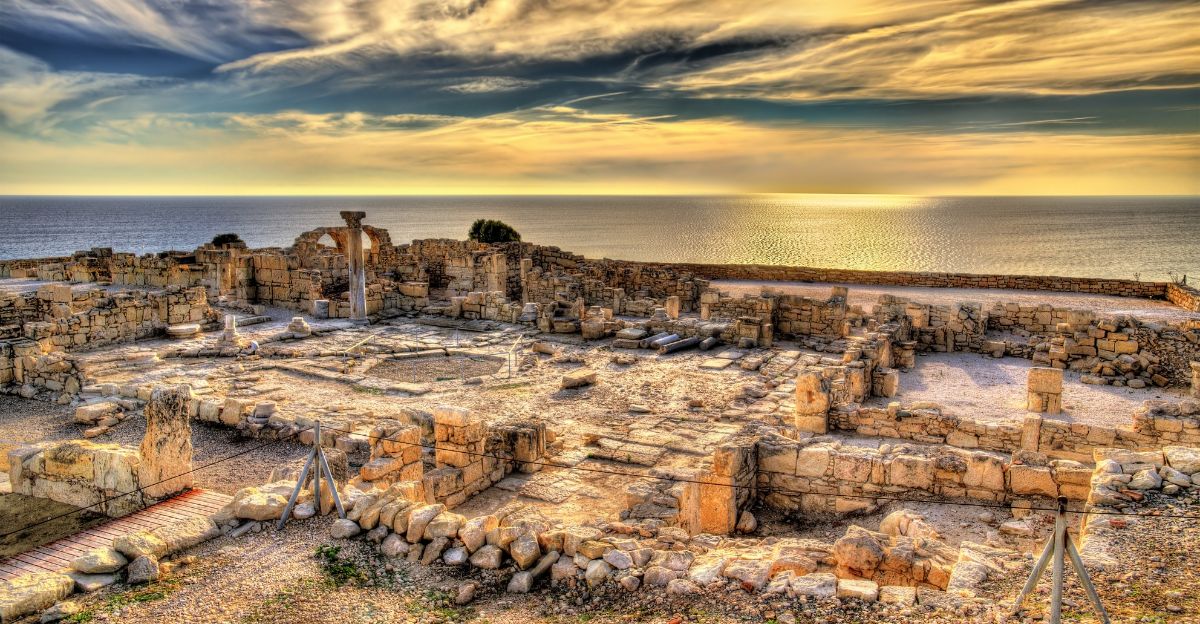
Cortijo Lobato isn’t the only site discovered by chance. Significant finds often happen when people build new roads, buildings, or even farms—like the Lascaux caves in France or lost Roman cities under modern streets.
The violence and fort building seen here match other discoveries from around 5,000 years ago across Europe, showing this was a tense time. These patterns help historians understand how societies changed under pressure.
What This All Means
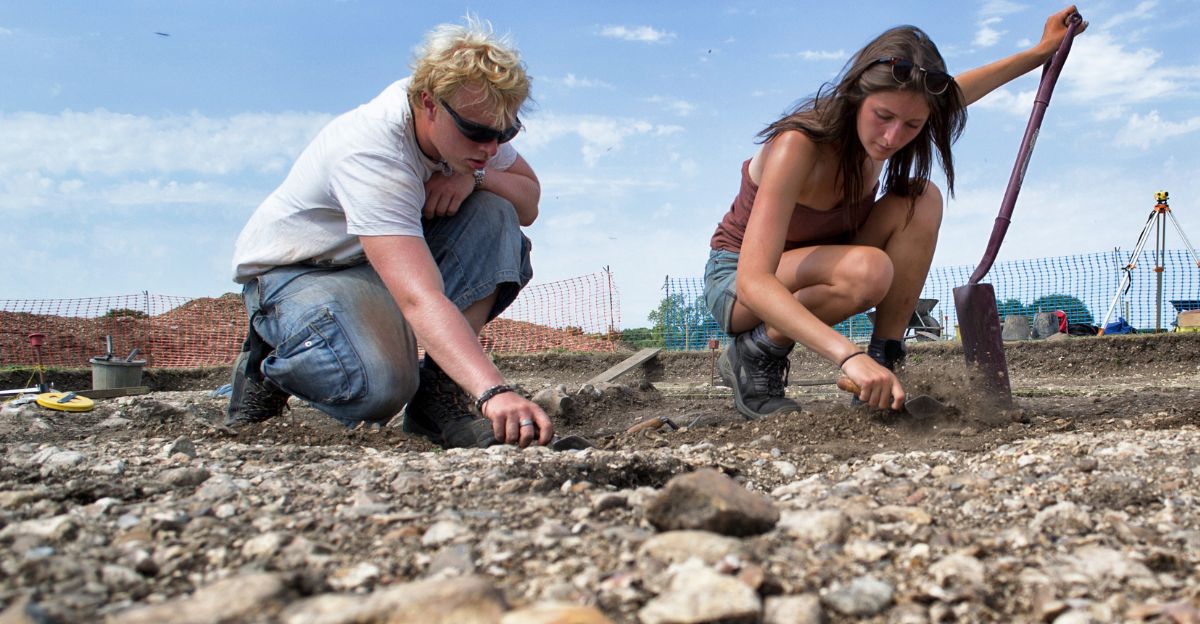
Cortijo Lobato proves ancient people were intelligent, organized, and sometimes violent, building strong defenses thousands of years before many thought possible.
Thanks to teamwork between builders and archaeologists, the site is safe and can teach us about the past without stopping progress today.
As we face challenges, from community struggle to innovation, this discovery reminds us that humans have always had to adapt, invent, and sometimes defend what matters most.