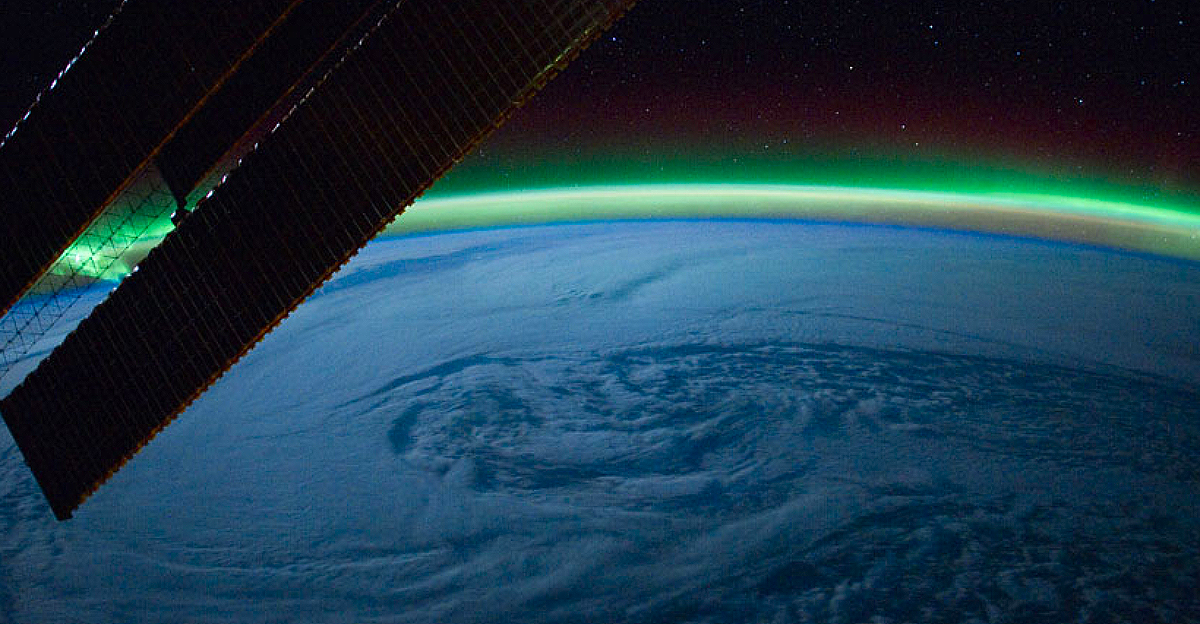
An unusual set of climate forces is developing as autumn begins, prompting widespread concern in the meteorological community.
According to the BBC, a stratospheric polar vortex is already forming over the North Pole—much sooner and weaker than is typical for September.
This early emergence has led both the U.S. National Weather Service and European meteorological agencies to initiate heightened monitoring of winter weather risks. Scientists say the coming months could see impactful changes across the United States, Canada, and Europe.
Experts Track Volatile Trends
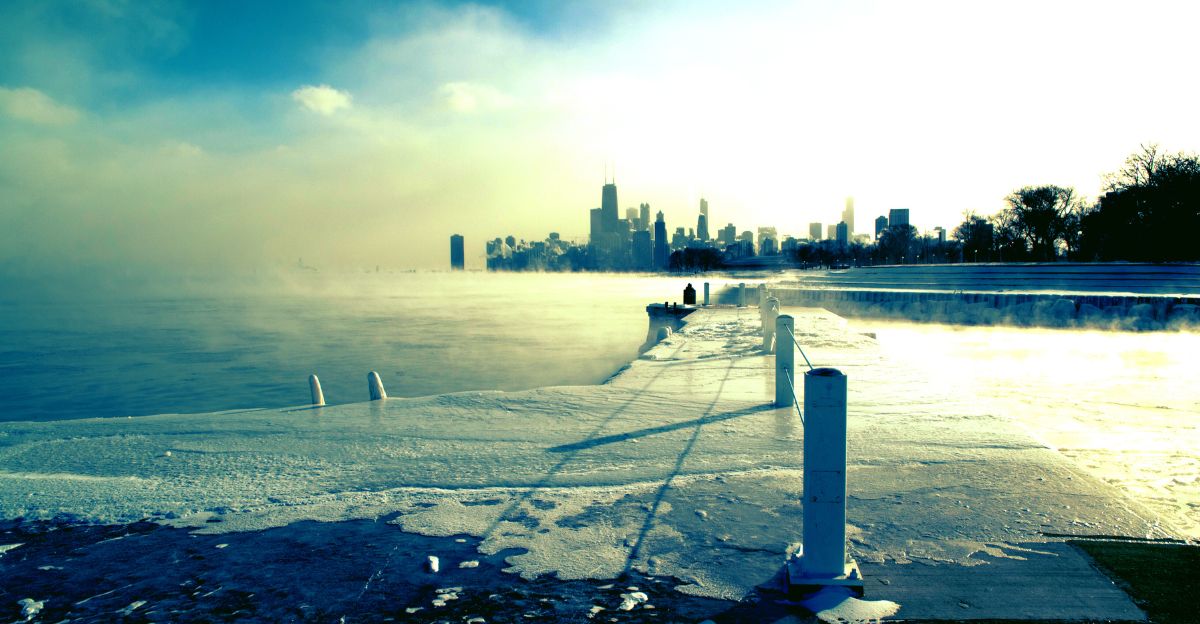
Meteorologists worldwide are now closely studying fluctuations in upper-atmosphere patterns and their potential impact on winter extremes.
Reuters reports that a broad coalition of agencies and research centers has been issuing regular updates about the vortex’s anomalous evolution this year.
Data from NOAA suggests global temperature gradients are sharper than usual, increasing uncertainty for seasonal forecasts. These shifts reinforce the possibility of more volatile weather patterns ahead.
Polar Vortex’s Chilling Legacy
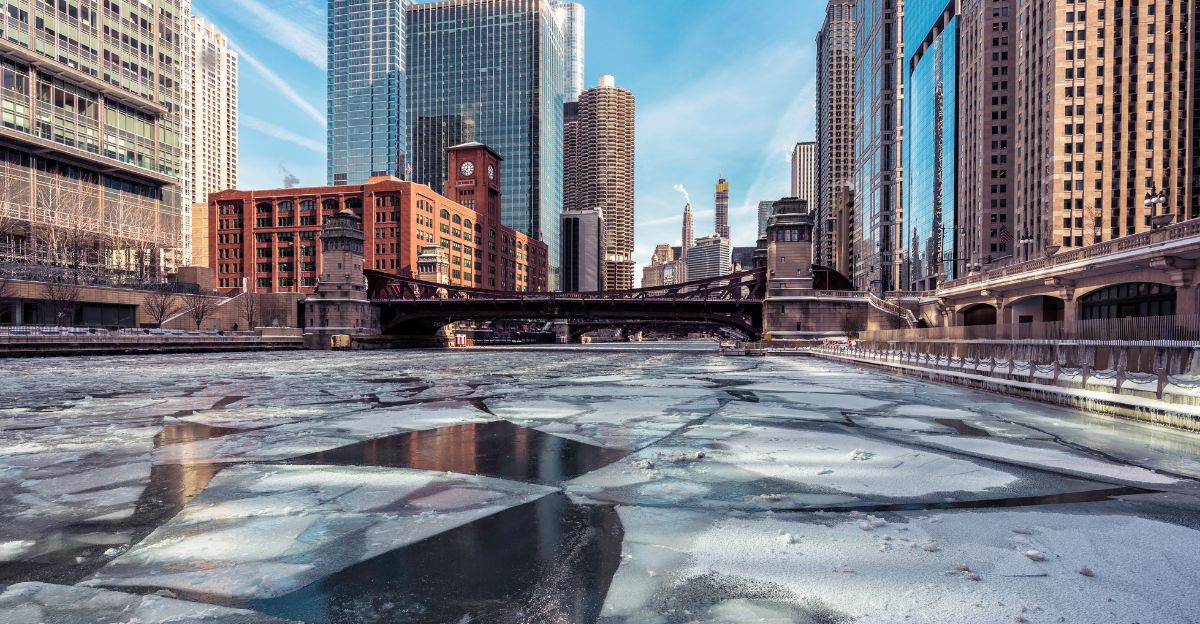
The stratospheric polar vortex has played a leading role in northern winters for decades, sometimes dropping arctic air deep into North America and Europe.
Historic BBC coverage recalls events in 2014 and 2021 where similar patterns resulted in widespread blackouts and transportation breakdowns.
When the vortex weakens or shifts south, cold outbreaks can follow rapidly. Records suggest that increases in such anomalies are becoming more common.
Rising Risks: Atmospheric Pressure
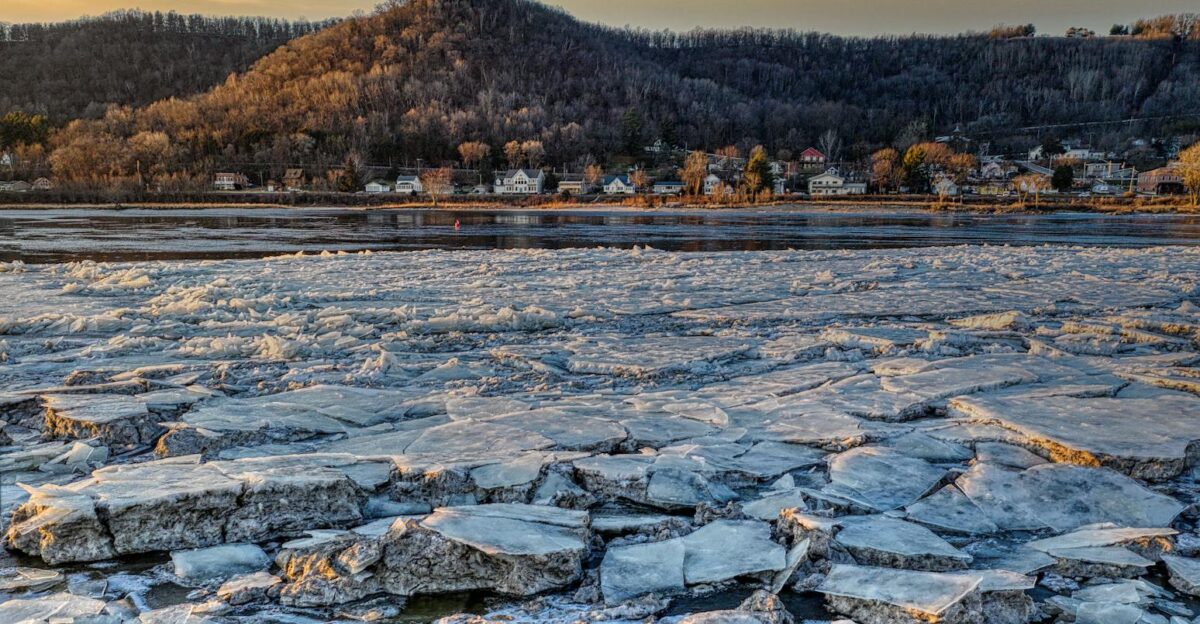
Sharp contrasts between polar and mid-latitude temperatures are highlighted as a principal risk factor this year.
According to Severe Weather Europe, September has seen a particularly strong gradient that accelerates the vortex’s destabilization.
These growing tensions in the atmosphere increase the potential for sudden winter weather shifts. Enhanced global monitoring networks have confirmed a pattern of mounting instability not seen in several years.
Weakest September Start
On September 17, 2025, Severe Weather Europe and U.S. agencies reported that the polar vortex’s wind strength was at record lows for this time of year.
Data reviewed by the BBC showed that stratospheric conditions were outside typical bounds, leading forecasters to label it a “near-record” start.
These findings are driving substantial updates to official winter outlooks and preparedness guidelines. Meteorological communities across continents are re-evaluating projected risks for the months ahead.
North America Faces a Test
The United States and Canada are preparing for a winter in which cold air intrusions and severe storms may occur more frequently. Analysts from AP News describe coordinated preparedness drills by city and state emergency services.
With early demand already spiking, energy utilities across both nations are reviewing backup plans for power and heating systems. Historical models confirm that weak vortex years often coincide with weather emergencies in these regions.
Intensifying Human Impact
Recent winters have shown that when the polar vortex destabilizes, the toll reaches from urban centers to rural communities.
Reuters highlights challenges faced by families during prolonged cold snaps—ranging from school closures and utility outages to shortages in food supplies.
Vulnerable populations, including elderly residents and young children, are especially at risk during these extreme periods. Local authorities are advising residents to update their winter emergency plans.
Triple Whammy: The Rare Convergence
This season’s risk profile is amplified by what scientists are calling a “triple whammy.” According to Severe Weather Europe, three destabilizing forces are unfolding: a strong probability of La Niña, an active negative QBO phase, and the abnormally weak early polar vortex.
Together, these drive the likelihood of circulation disruptions and more frequent cold outbreaks. Meteorological agencies stress that such alignments are rare, heightening the stakes for winter monitoring.
Supply Chains Under Strain
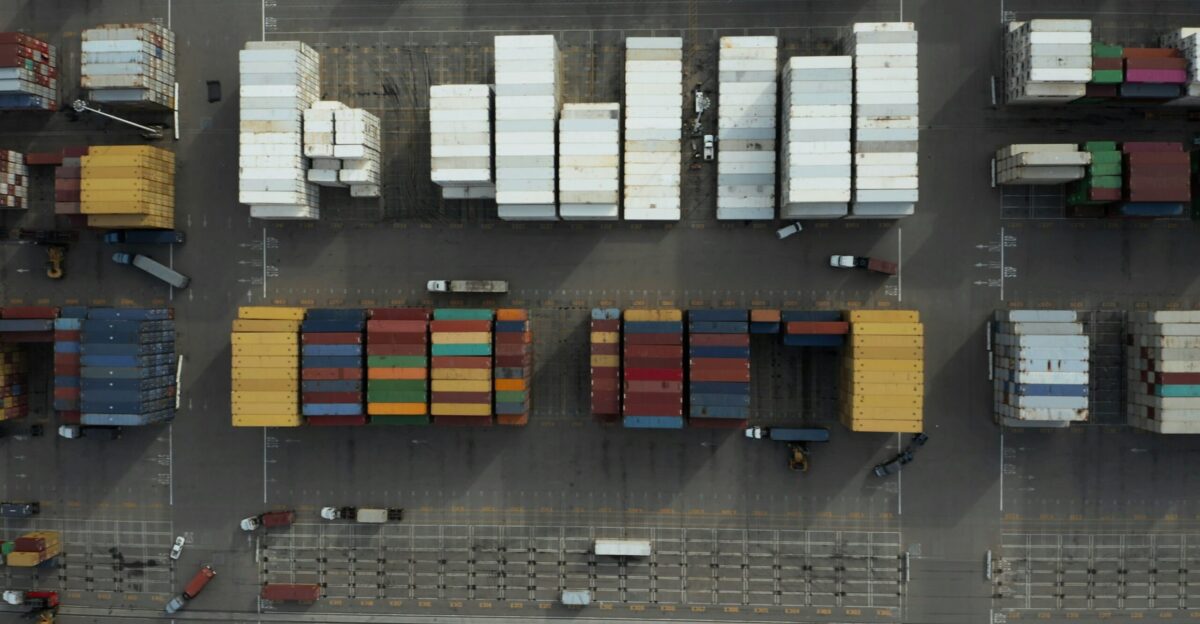
Logistics and transportation sectors are bracing for possible disruptions as erratic winter storms threaten key infrastructure.
The BBC reports that trucking firms and rail operators are revising schedules and supply contingency plans in anticipation of potential transport bottlenecks.
Agricultural producers are likewise monitoring the weather closely, preparing for scenarios in which frozen ground or heavy snowfall impacts harvest and delivery. Industrial and government reports show coordinated efforts to mitigate risks along the supply chain.
71% La Niña Odds
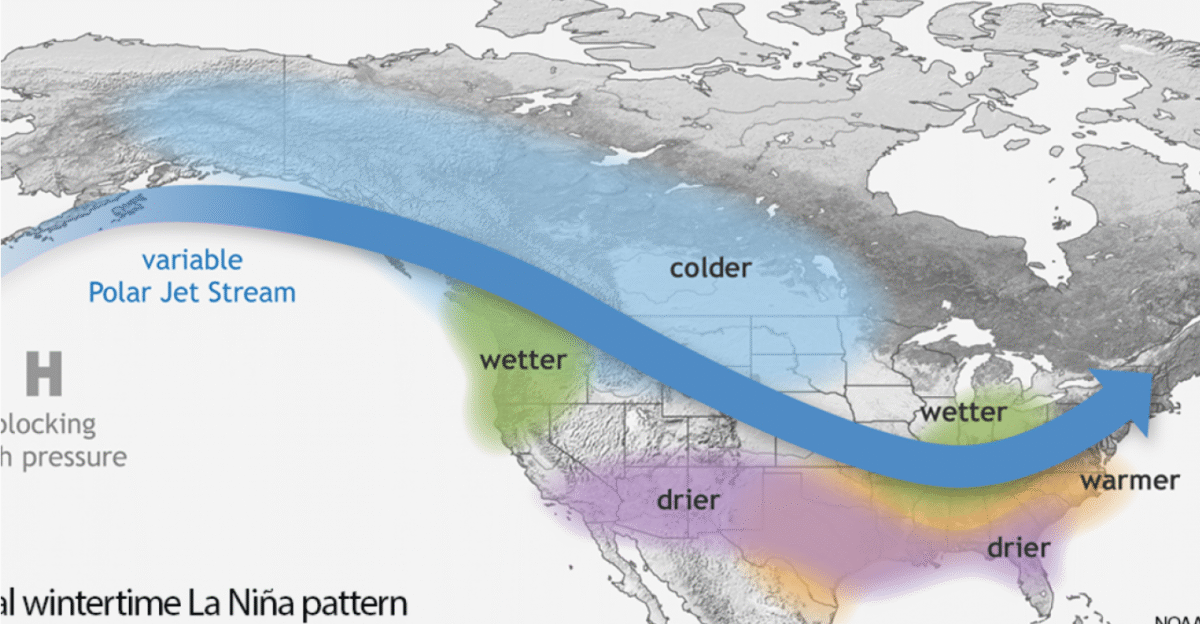
The NOAA Climate Prediction Center currently projects a 71% chance of La Niña conditions in the final quarter of 2025. Ocean temperature models and trend analyses from European agencies support this projection.
Past La Niña events have shifted storm tracks and promoted colder-than-usual winters across the Northern Hemisphere. Some cities are already accelerating winter preparedness based on these projections.
Infrastructure Vulnerabilities
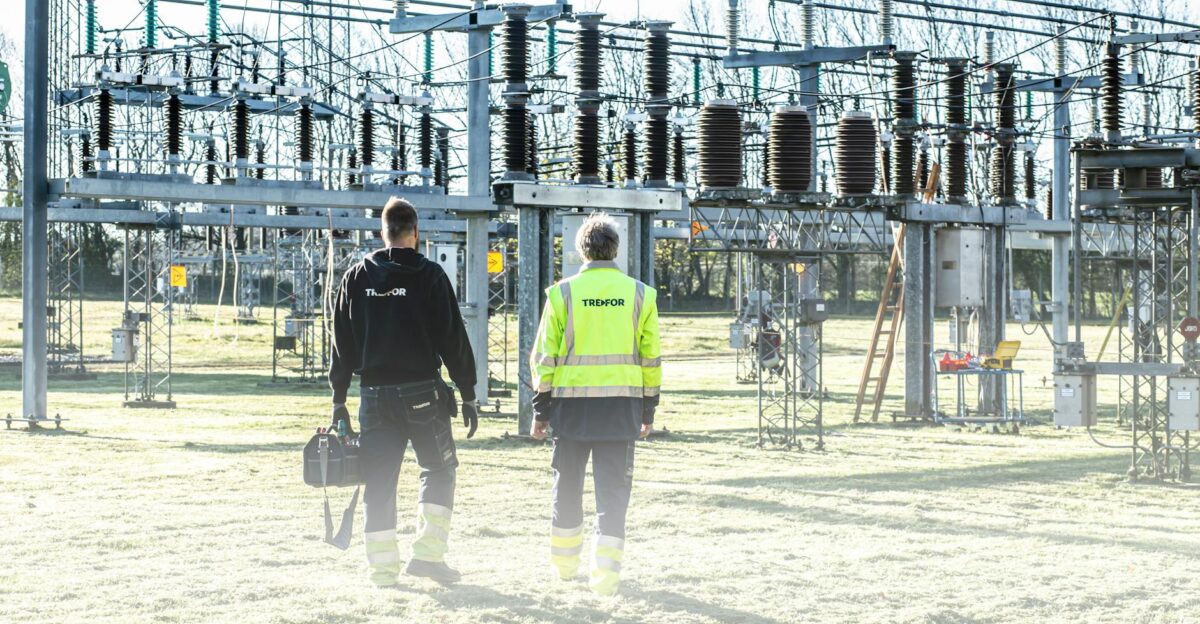
Power grids in regions such as Texas, the Midwest, and Ontario remain susceptible to surge demand during polar vortex events.
AP News has tracked the response of grid operators, who are expanding capacity and stockpiling fuel. Maintenance crews are on heightened alert, with scheduled upgrades to insulation and emergency generators.
Data from the North American Electric Reliability Corporation points to the importance of such investments in averting widespread outages.
Industry Adapts to New Norms
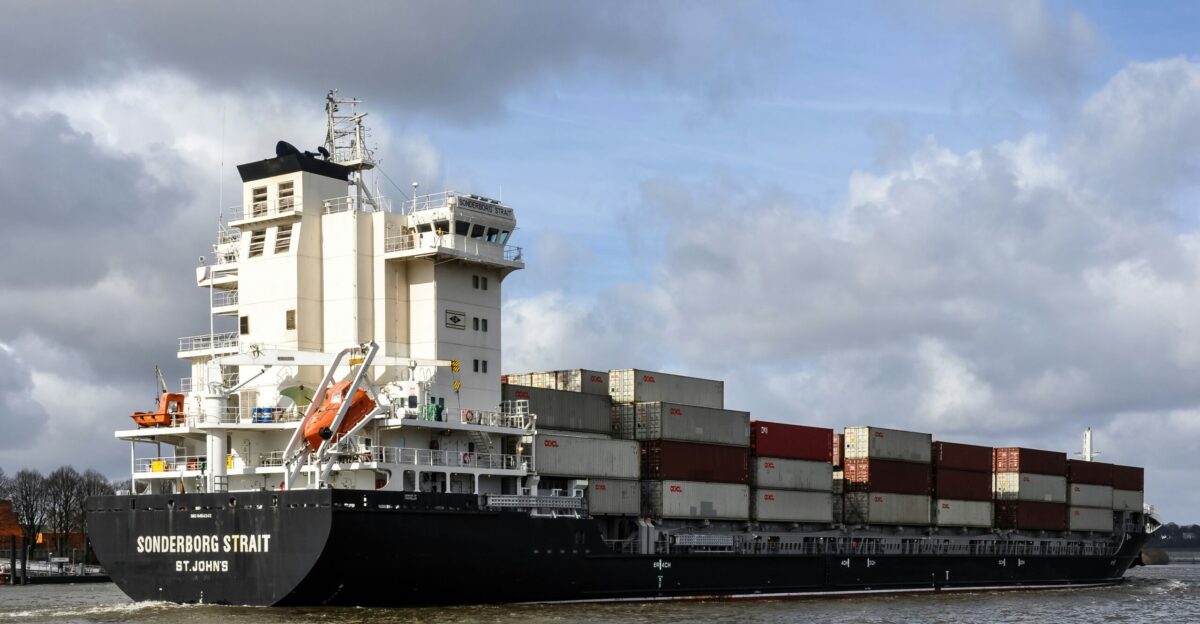
Energy producers, shipping companies, and retail distributors are treating early warnings with unusual seriousness this year.
According to Severe Weather Europe, many are updating business continuity plans and reinforcing infrastructure.
Investments in cold-weather technology are rising, especially among gas and electric utilities with a history of past disruptions. Financial markets also show increased volatility as companies hedge against unpredictable winter risks.
Communities Step Up Preparedness
Local governments and nonprofits are rolling out new initiatives to help vulnerable communities withstand harsher winters.
BBC coverage highlights neighborhood-level training on emergency heating and food storage, while city agencies distribute winter kits and shelter maps.
Chicago, Toronto, and Minneapolis continue to lead with coordinated outreach efforts. Resilience has become a key theme as winter planning shifts into high gear.
Uncertainty Remains in Forecasts
Though concern is high, experts emphasize that winter forecasts come with built-in uncertainties, driven by atmospheric and oceanic complexity.
NOAA meteorologists note that while the “triple whammy” increases the likelihood of outbreaks, it doesn’t guarantee widespread disaster.
Government weather services advise ongoing monitoring and flexible response plans as the outlook evolves. Public engagement is encouraged as agencies update guidance in the weeks ahead.
The Future: Adapting to Worsening Extremes
Experts from Severe Weather Europe and the BBC say the next 30 to 90 days are especially critical, with sudden stratospheric warming events possible.
Climate research centers are urging governments and industries to stay nimble and agile in adapting response strategies.
Homeowners are being reminded to check insulation, supplies, and home heating as part of personal risk mitigation. These proactive steps can make a significant difference when extreme cold hits.
Policy and Planning under Scrutiny
Growing winter risks are fueling debates in both Washington and Ottawa about grid modernization and climate adaptation investments.
Reuters notes legislative activity to accelerate infrastructure upgrades and enhance disaster relief reserves. Lawmakers must weigh these large expenditures against rising costs from recent cold-related disasters.
New bills could impact funding paths for energy, public health, and emergency management in coming years.
Global Ripple Effects
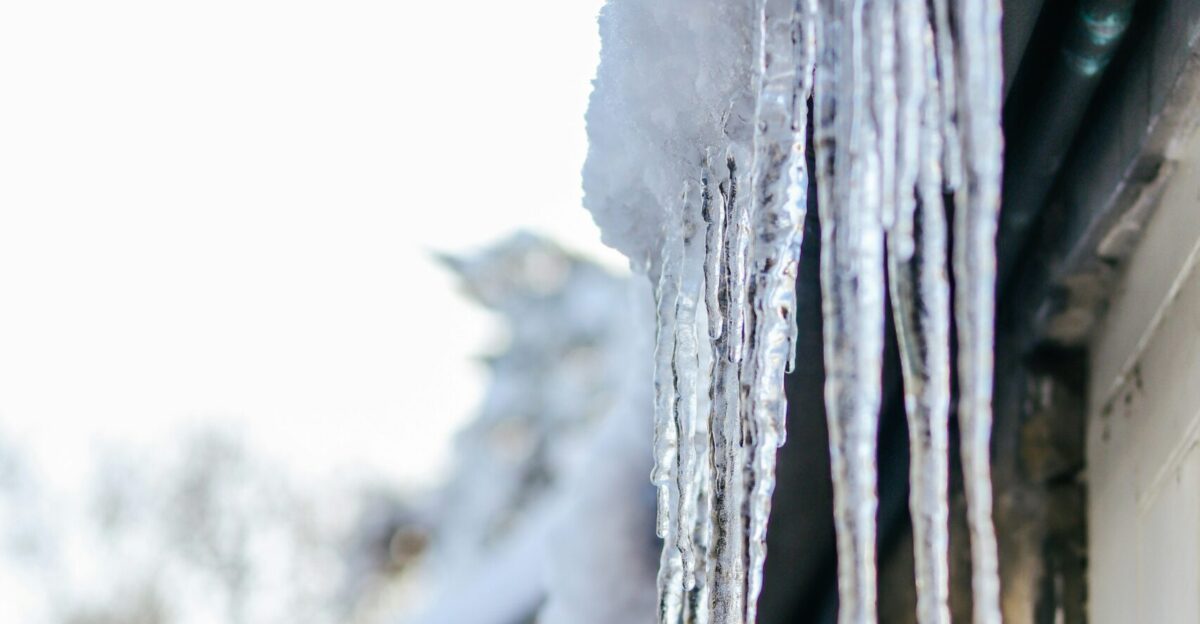
International networks are revising their forecasts as the US and Europe prepare for another year of polar vortex-driven cold.
The BBC finds that disruptions in the northern hemisphere can trigger ripple effects across Asia and beyond, influencing global energy demand and commodity prices.
International cooperation, especially on real-time data sharing, is now a focus for weather agencies and supply chain managers.
Environmental Tradeoffs

Greenhouse gas emissions can spike as utilities rely more heavily on fossil fuels during prolonged cold events.
Reuters investigates how surges in heating and power use can set back national climate targets, even as renewable energy efforts expand.
Environmental groups are urging governments to balance reliability and sustainability, especially in the face of unpredictable winters. Winter extremes highlight the importance of diversified energy portfolios.
Social Attitudes Evolve

Frequent polar vortex events are reshaping how communities view winter resilience and self-sufficiency. The BBC reports that more families are making emergency kits a regular part of seasonal preparations, particularly the younger generation.
Local schools and workplaces are incorporating safety training for winter emergencies. These shifts reflect growing public awareness of the need for coordinated, collective action.
Resilience for the New Normal
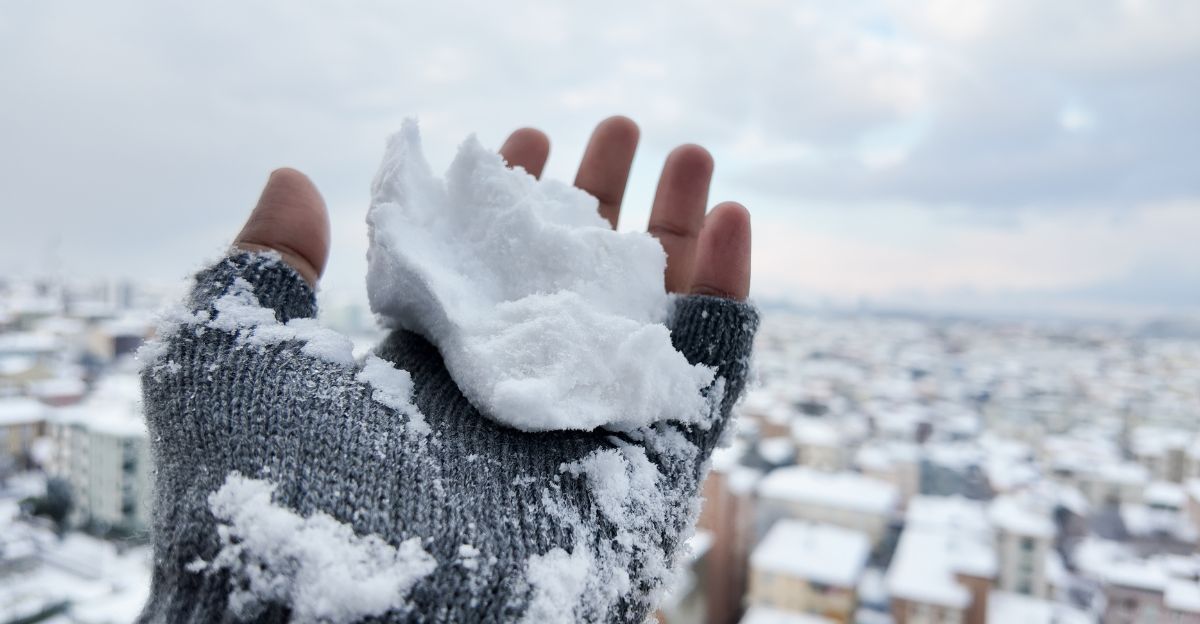
The unprecedented alignment of climate factors in 2025 underscores the urgency for robust science, adaptive policies, and community readiness.
Severe Weather Europe and the BBC agree that sustained vigilance will be needed as climate instability becomes a more regular feature.
The story of the early polar vortex serves as a clear signal: resilience must now be an essential year-round goal.