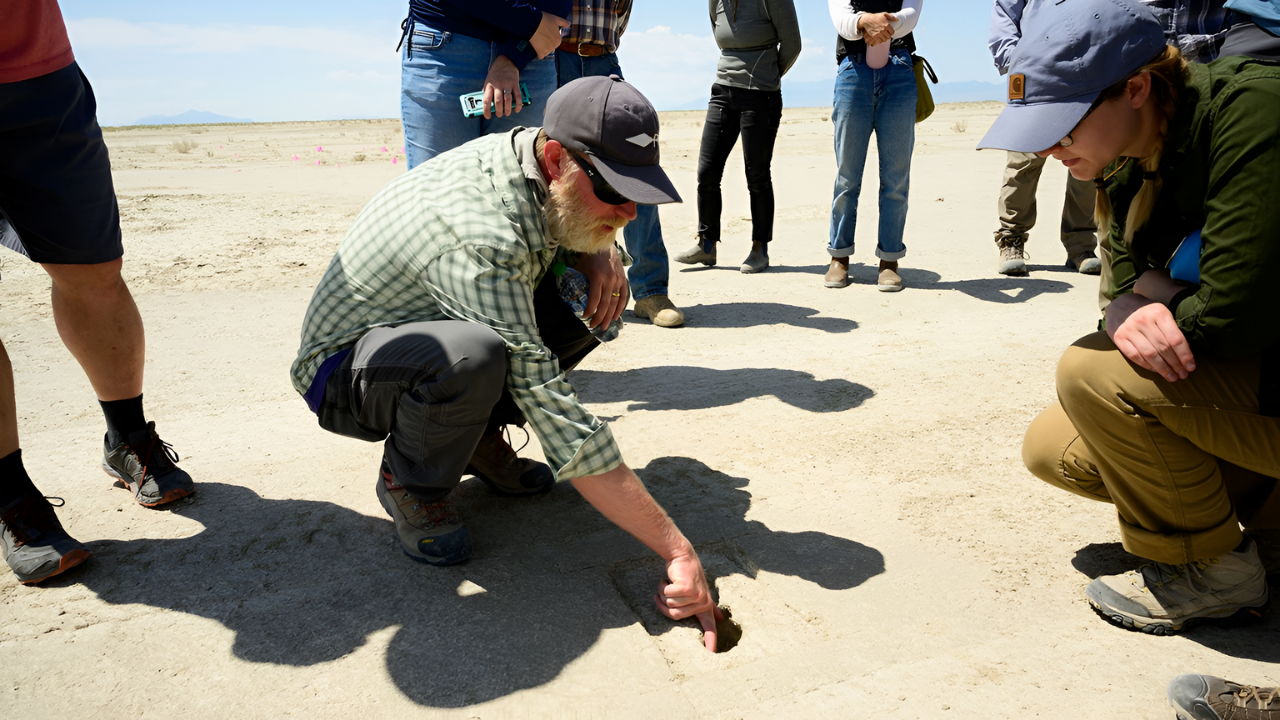
Archaeologists in Utah found 88 ancient human footprints using radar technology. The footprints are over 12,000 years old and preserved in stone and soil. Many are invisible to the naked eye.
Ground-penetrating radar revealed them during excavation. The Utah Test and Training Range, an Air Force installation west of Hill Air Force Base, holds these prints. They offer one of the best windows into Ice Age family life in North America.
The White Sands Connection
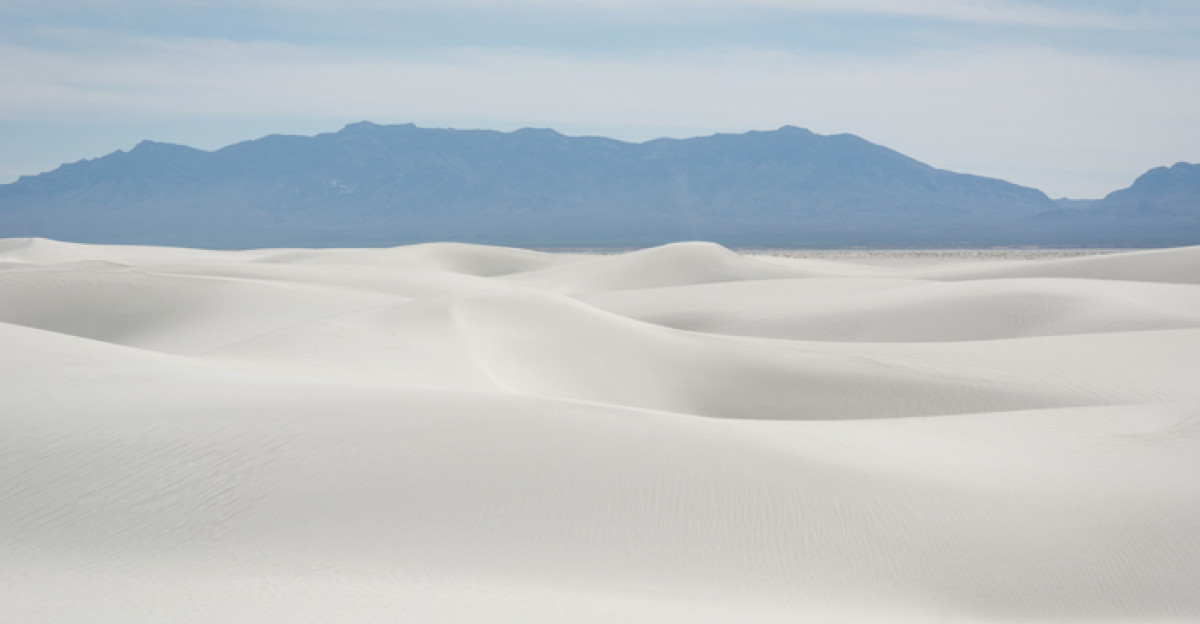
Before Utah, archaeologists found only one major site with preserved human footprints in North America: New Mexico’s White Sands National Park. That site had hundreds of barefoot impressions dating back 23,000 years.
Thomas Urban from Cornell University studied those White Sands ghost tracks. When Urban worked at the Utah Test and Training Range, his team asked: Did other sites exist? Utah answered yes.
A Chance Encounter in the Desert
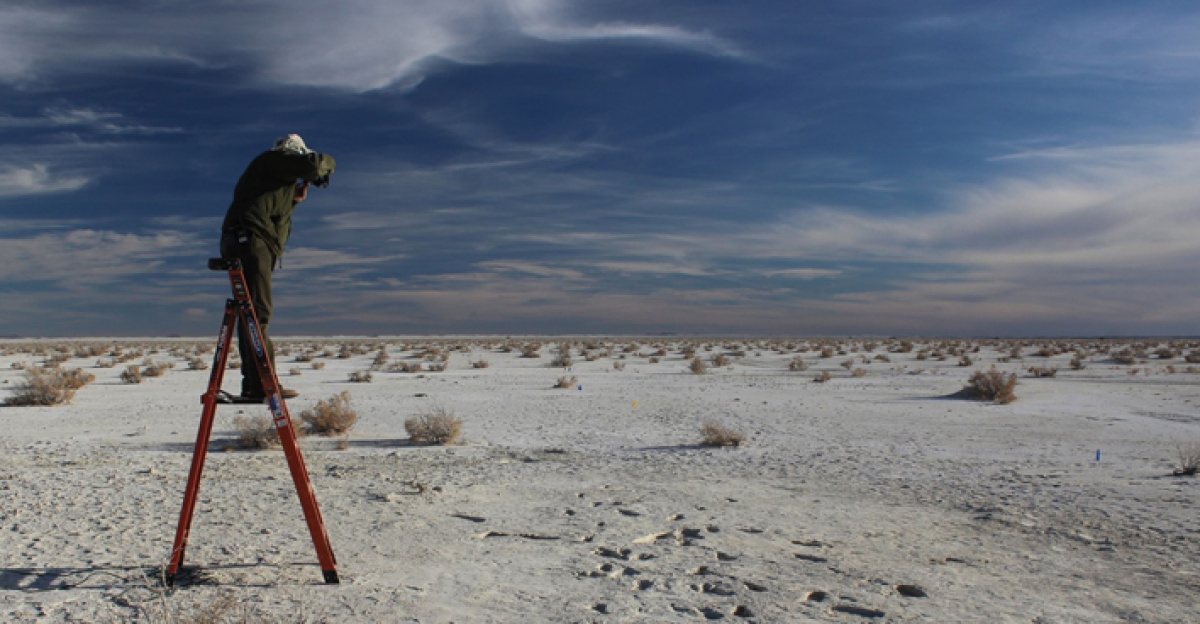
The discovery happened by accident. Daron Duke from the Far Western Anthropological Research Group and Thomas Urban drove across the Great Salt Lake Desert. They studied ancient hearths and bison-hunting evidence.
Urban spotted faint impressions on the ground: human footprints. These marks vanish and reappear with changes in weather and moisture. Researchers call them ghost tracks. The finding led to an intensive survey discovering 88 individual prints.
The Wetland That Was
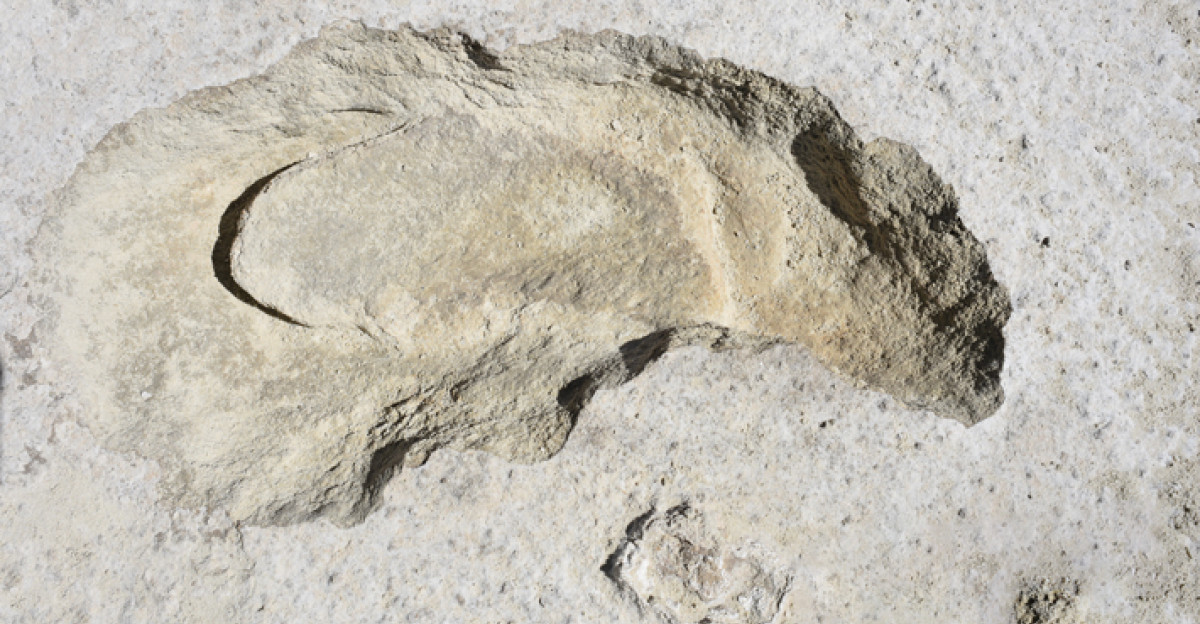
Understanding why these footprints survived 12,000 years matters. About 12,000 years ago, the Utah Test and Training Range was not a salt flat. It was a shallow wetland fed by seasonal water. Early human families walked barefoot through waterlogged ground, leaving impressions in soft sediment.
Over time, the wetland dried. Sediment hardened around the prints, preserving them. Today, summer rains soak the hardened layers, and prints briefly reappear before fading again.
The 88 Footprints Revealed
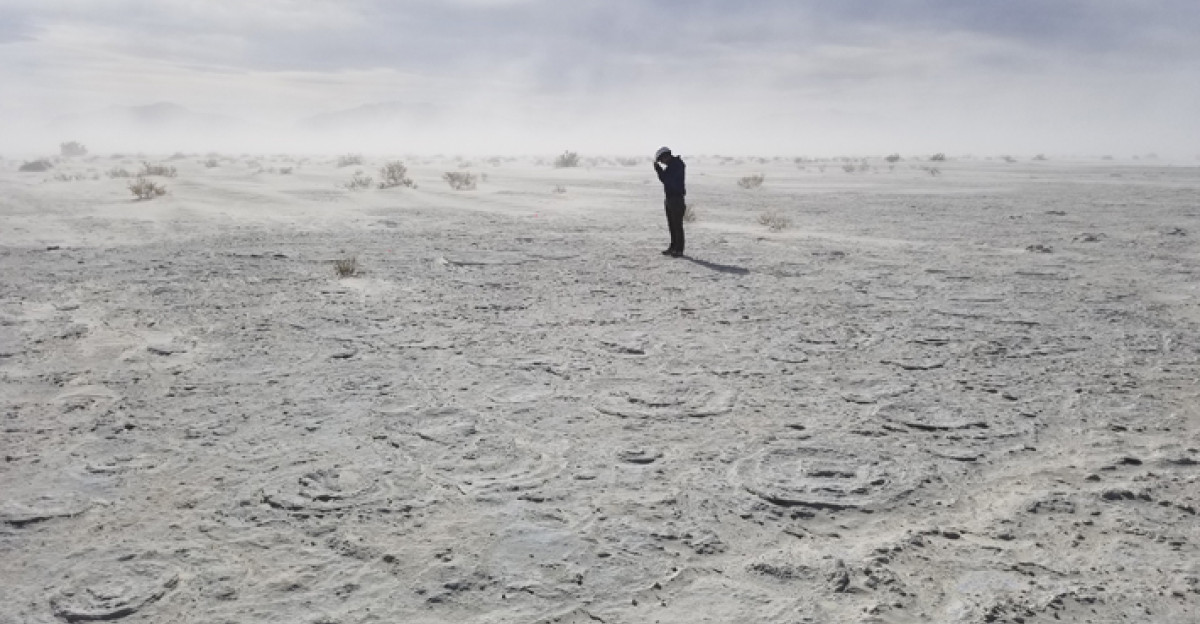
Ground-penetrating radar changed everything. This technology uses radio waves to image what lies beneath the surface. It revealed many invisible footprints under the ground. Researchers documented 88 individual footprints from adults and children.
The youngest walkers ranged in age from 5 to 12. The prints varied in size and depth. They suggested that family units move together through the wetland. Distribution patterns showed intentional movement rather than random wandering.
Family Life in the Pleistocene
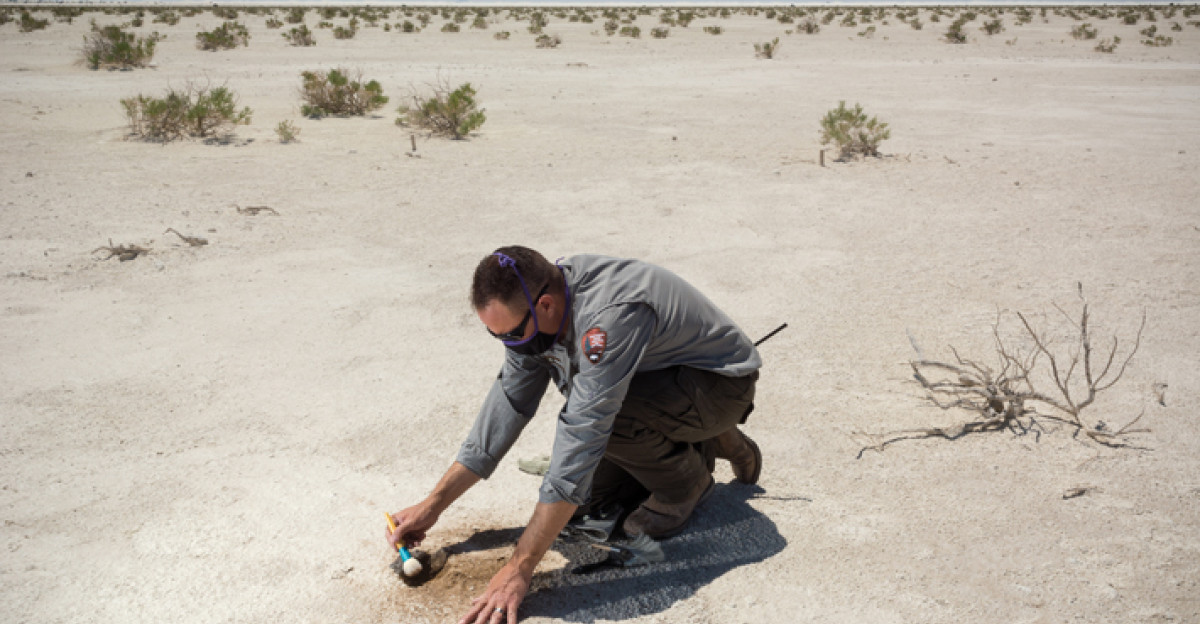
These 88 footprints reveal Ice Age family structures and daily life. Adult and child prints walking together show families travelling as units. This contradicts older ideas that Ice Age humans hunted alone. Instead, multigenerational groups moved through the landscape together.
They gathered resources, hunted, and migrated. The barefoot impressions show body weight distribution and walking speed. One print shows a person with clubfoot or an unusual gait, documented in stone.
Radar Technology as Archaeological Game-Changer
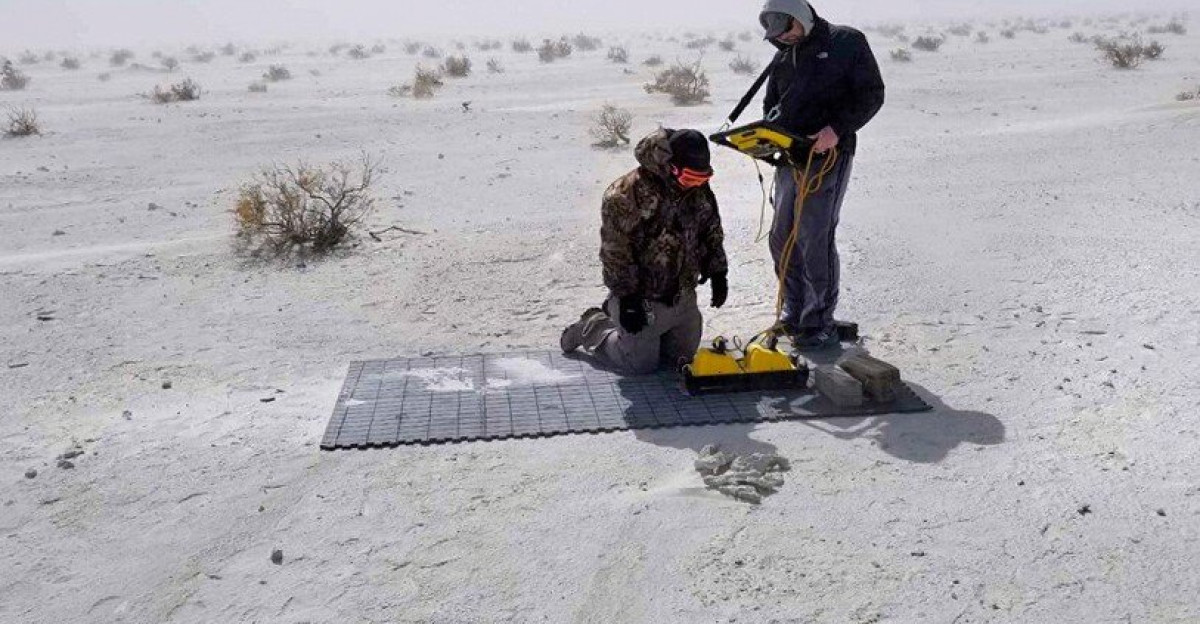
Ground-penetrating radar in Utah revolutionised how archaeologists find fragile, buried remains. Unlike traditional excavation, GPR can quickly scan vast areas without causing damage. The technology detects changes in soil density, moisture, and composition.
In Utah, GPR revealed footprints, hearths, animal bones, and sediment layers. This success pushed funding agencies and the U.S. Air Force to expand radar surveys. Archaeologists now view GPR as essential for discovering hidden Pleistocene sites.
Rewriting Ice Age Human Migration
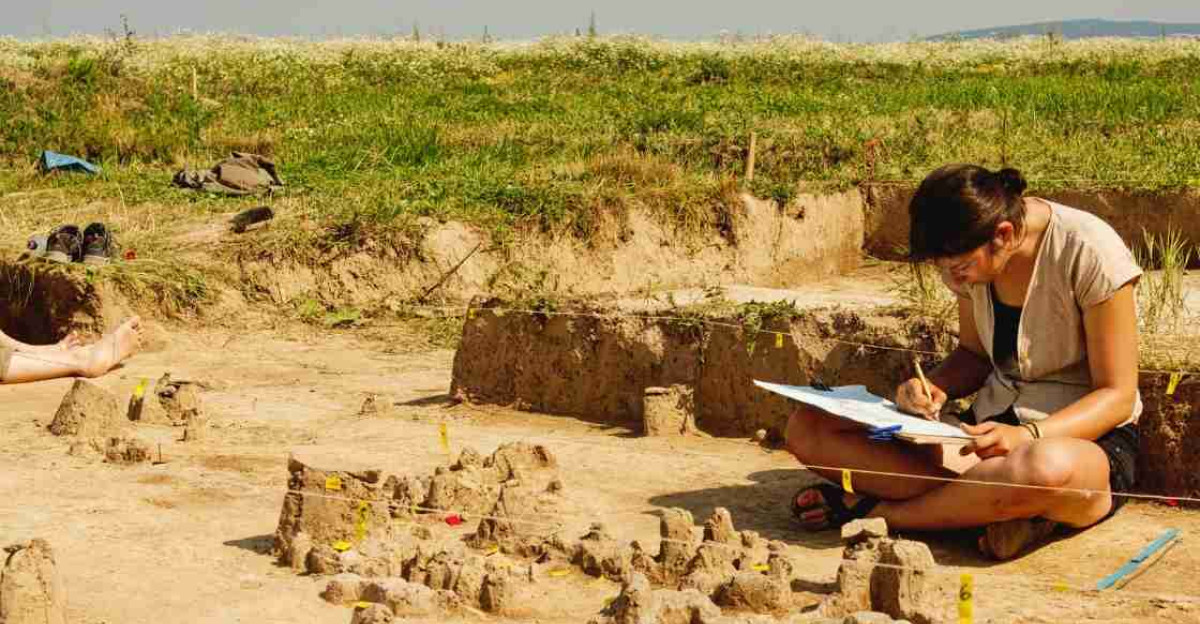
The Utah discovery challenges old ideas about how humans populated North America. For decades, archaeologists debated when the first people crossed the Bering Land Bridge. The traditional model said around 13,000 years ago.
Yet recent discoveries, such as White Sands and Utah, suggest that human presence extends back 15,000 to 23,000 years. The 88 Utah footprints date back about 12,000 years. By then, human populations were well-established.
The Hearth Evidence and Hunting Patterns
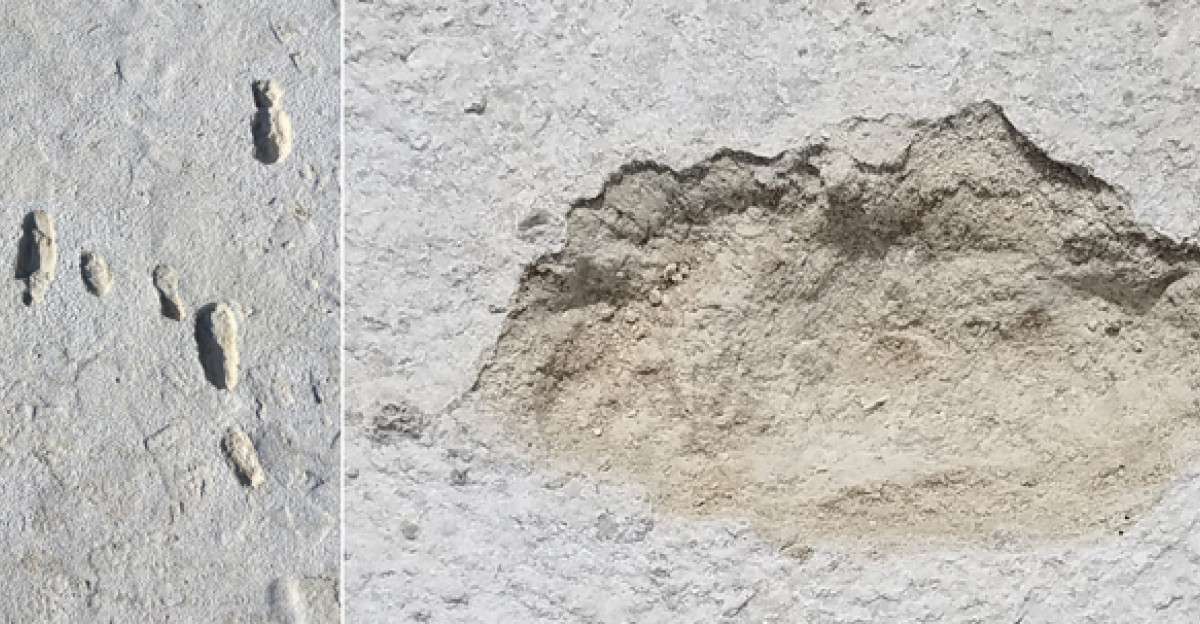
Near the footprints, researchers found ancient hearths where fires once burned. Radiocarbon dating of charcoal anchors the timeline of human occupation. Butchered bison bones show these families hunted large game. Footprints, hearths, and animal remains paint a vivid picture.
Families camped near water, hunted on grasslands, and moved seasonally. This was a sustained presence, not a temporary occupation. The site likely served as a seasonal gathering place over generations.
Military and Scientific Partnership

The Utah discovery occurred on a U.S. Air Force installation. The Utah Test and Training Range covers 2,300 square miles. Hill Air Force Base operates it. The Air Force partnered with Cornell University and Far Western Anthropological Research Group.
The military manages vast, undeveloped land. Academics bring expertise and technology. This partnership accelerated discoveries at multiple Air Force ranges. The Pentagon now sees that cultural resource management and archaeology can coexist with military training.
Concerns Mount Among Researchers
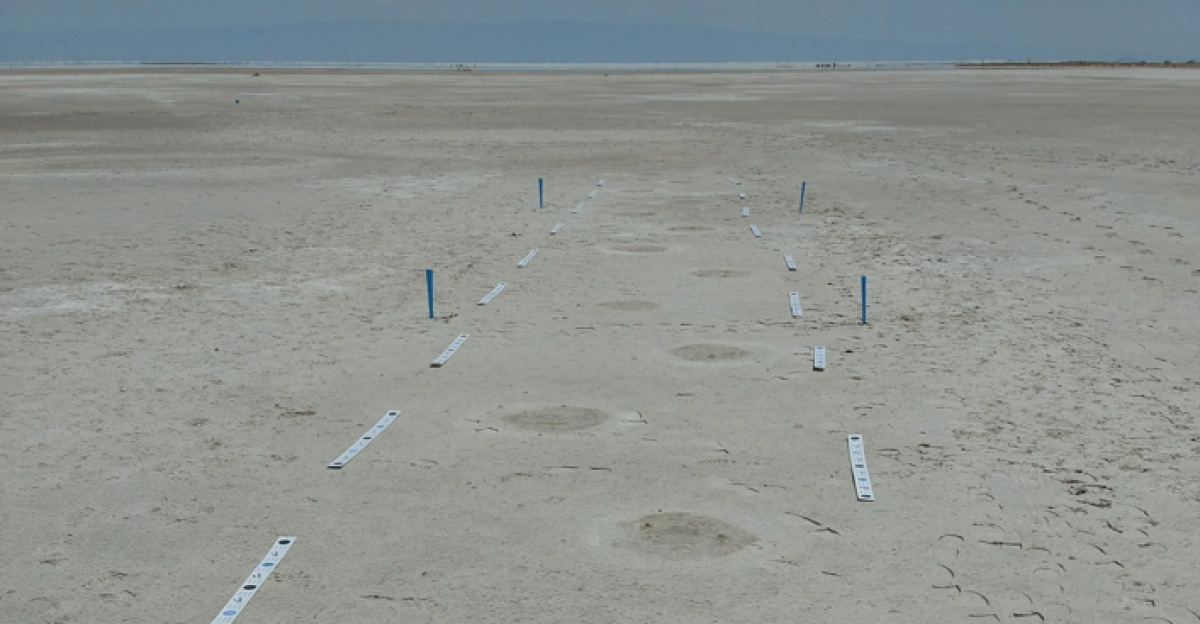
News of the discovery spread across academic and scientific communities. Concerns arose about site protection and preservation. Military installations preserve sites well through restricted access. Yet they remain vulnerable to training exercises, construction, and erosion.
Archaeologists worry that undiscovered sites on military lands face ongoing risk. The Utah find sparked urgent calls for expanded surveys. Universities scrambled to fund GPR surveys and excavation teams. Scientists wondered: How many other Pleistocene sites remain hidden?
The Conservation Challenge
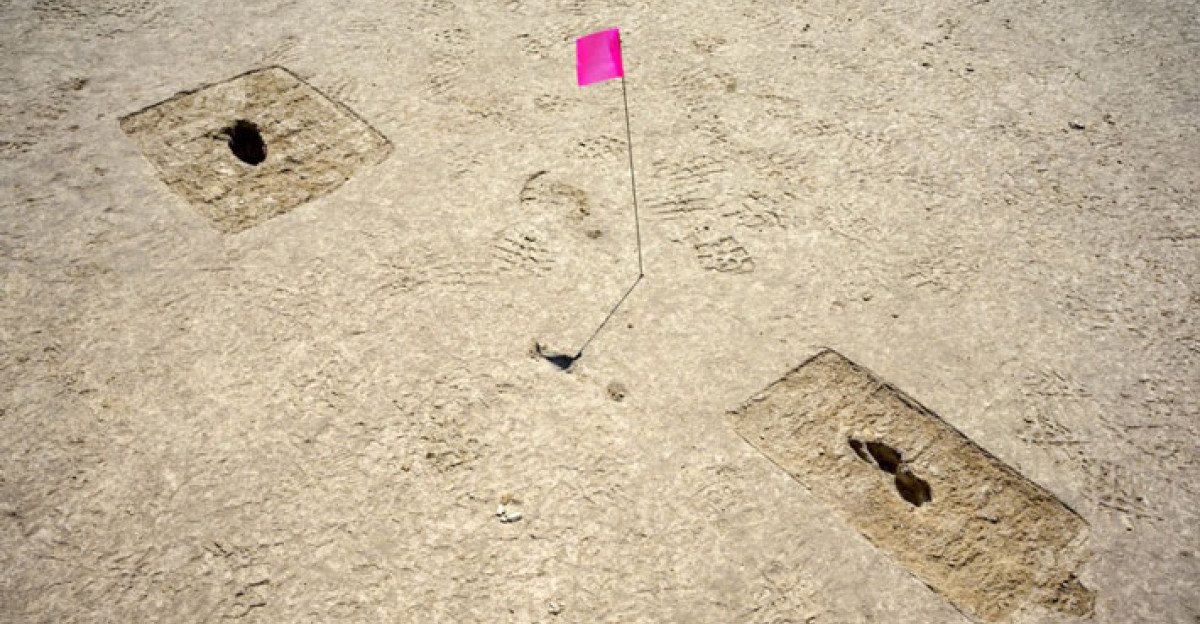
Preserving these footprints poses unique challenges. Unlike portable artifacts, these tracks stay fixed in place. The site needs protection from weather, erosion, and human disturbance. The Air Force restricted access to prevent tourism and looting.
Long-term preservation requires ongoing monitoring and maintenance. Summer rains expose tracks but accelerate weathering. Salt crystallisation destabilises sediment. Researchers balance scientific study with preservation. Some prints were photographed and documented in 3D. Others remain buried.
Public Interest and Media Coverage

The discovery captivated mainstream media and public imagination. Stories appeared in Smithsonian Magazine, VICE, and CNN. Social media amplified the story to millions. Museums added the discovery to Ice Age exhibits. Universities launched public lectures and documentaries.
The story appeals to multiple human interests: ancient mystery, family life, technology, and the American West. Yet widespread coverage also invited misinformation. Fringe theories wrongly claimed paranormal or extraterrestrial origins.
Implications for Anthropology and Evolutionary Biology
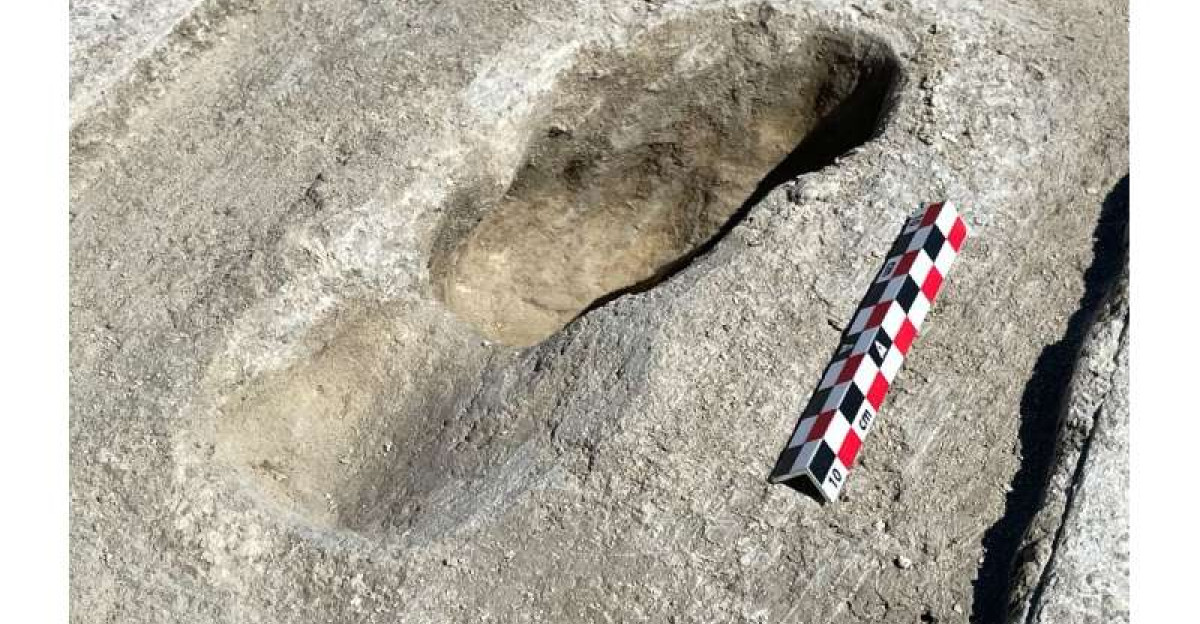
These footprints offer anthropologists unprecedented data on human biomechanics and family structure. Analysing print dimensions, depth, and spacing reveals weight, height, age, and walking speed. Multiple prints suggest population health, nutrition, and physical capabilities.
Evolutionary biologists integrate this data with ancient DNA studies. They built a complete picture of Ice Age human adaptation. The footprints show rare evidence of child maturation and family participation in hunting. This data transformed the understanding of prehistoric human development.
The Search Intensifies
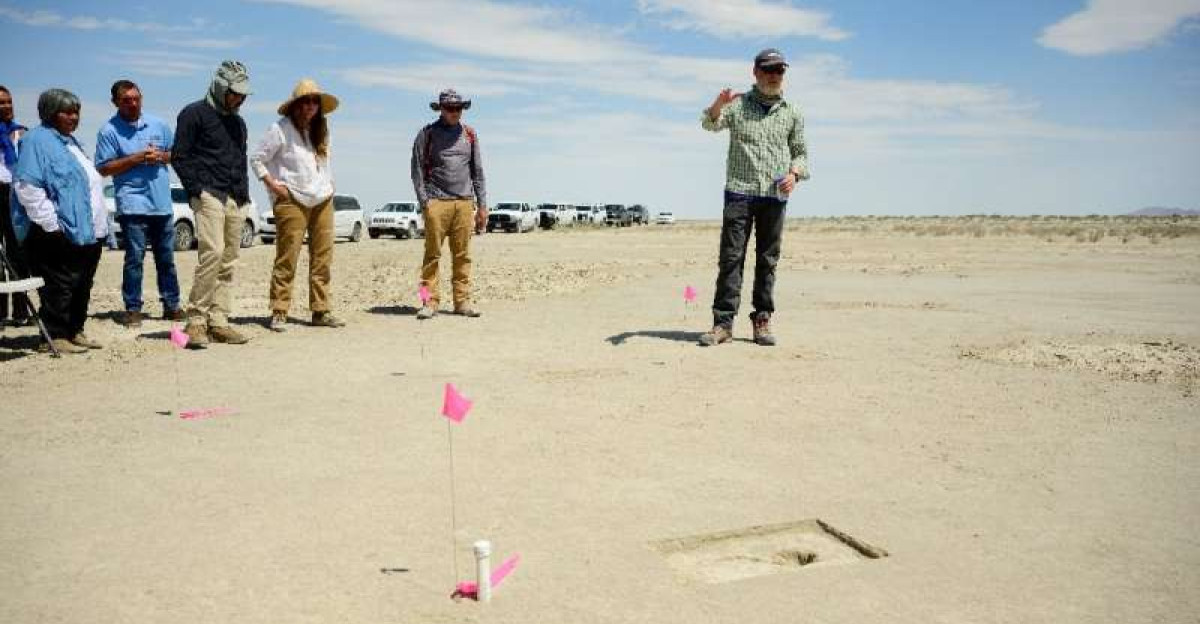
Success breeds urgency. Following Utah’s discovery, funding agencies and universities launched expanded surveys. GPR teams now scan the Great Salt Lake Desert and Basin and Range region. Expeditions began in Nevada, Idaho, Wyoming, and California.
International researchers applied the same methods to Asian, European, and South American sites. Utah sparked a global race to map hidden Pleistocene footprints. Archaeologists estimate that hundreds or thousands of Ice Age footprint sites exist worldwide.
Regulatory Protections and Future Policy
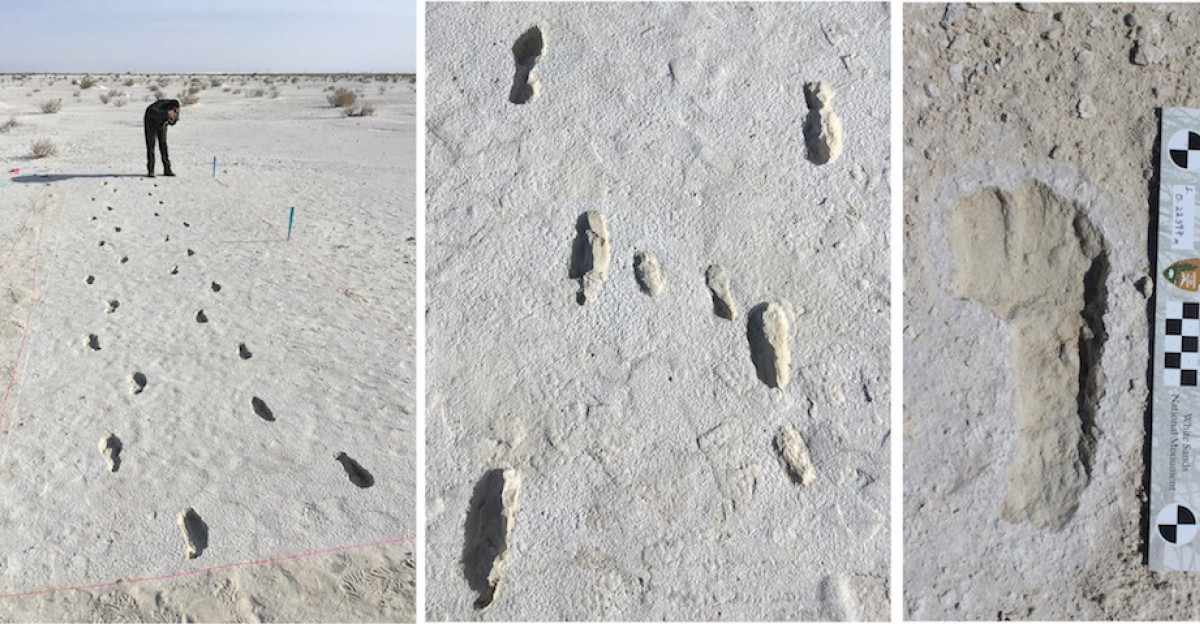
The discovery prompted discussions about strengthening protections for archaeological sites. The National Historic Preservation Act mandates surveys before construction. Yet enforcement remains inadequate. Utah became a flagship example for robust cultural resource management.
Congress members called for increased funding for surveys. The Department of Defense expanded its cultural resources office. State governments implemented stricter development regulations. These policy shifts suggest Utah’s discovery will shape how the government manages archaeological heritage.
Ripple Effects Across Disciplines
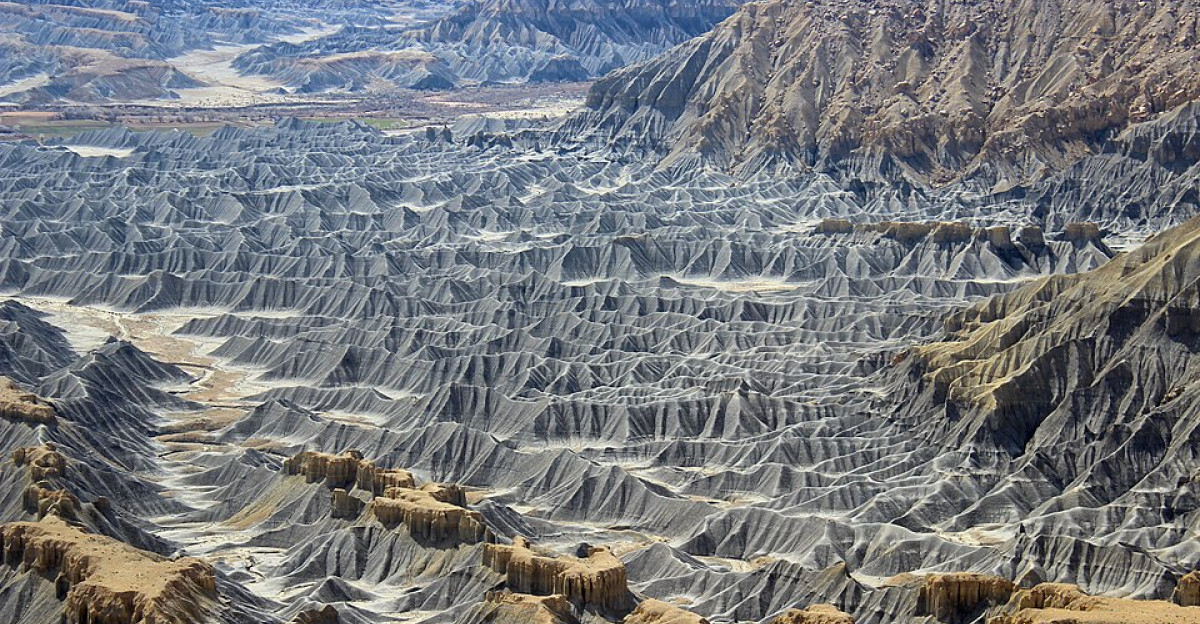
Beyond archaeology, Utah influenced research in geomorphology, paleoclimatology, and ecology. Geomorphologists study how the wetland-to-desert transition affected hydrology and settlement patterns. Paleoclimatologists refine Ice Age climate models for the Great Basin. Ecologists examine how ecosystem changes have shaped current biodiversity.
Engineers and technologists seek to improve GPR resolution. University departments revised curricula to emphasise interdisciplinary approaches. The Utah footprints became a teaching case study across multiple scientific domains.
Misinformation and Public Skepticism
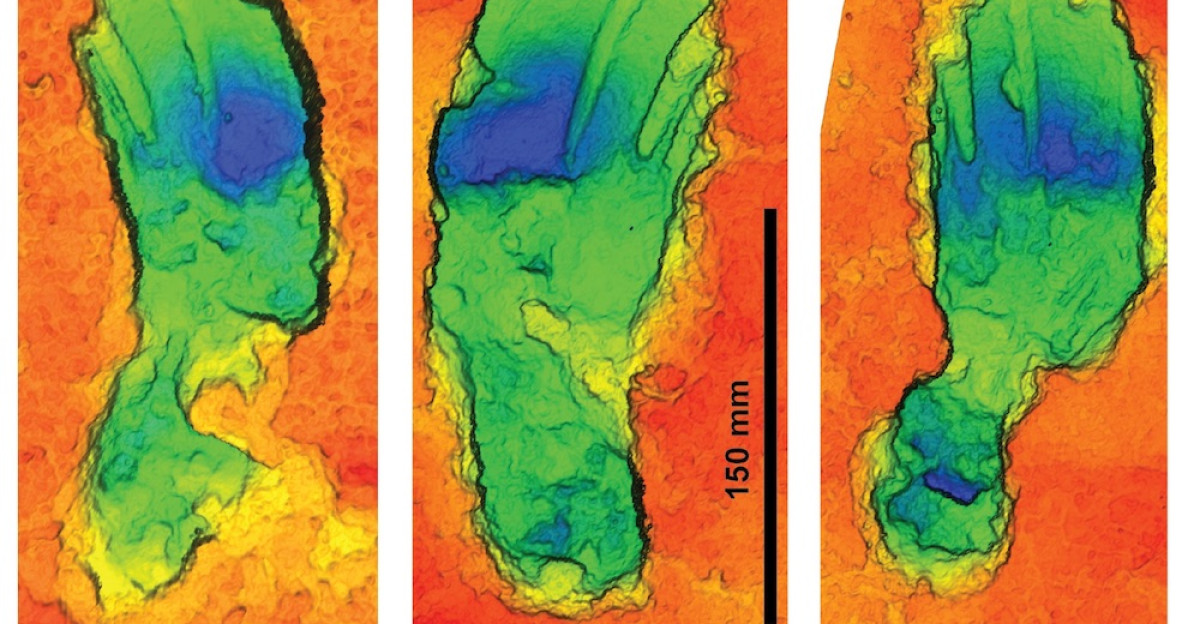
Despite scientific consensus, conspiracy theories and pseudoscientific claims emerged. Online forums suggested extraterrestrial contact or the existence of lost civilisations. Fringe outlets claimed the prints were alien or unexplained. Researchers spent resources debunking false narratives.
Academic institutions launched public education campaigns with detailed explanations and Q&A sessions. Social media platforms flagged misinformation. This highlights a broader problem: scientists struggle to communicate complex findings to the public. Utah shows both the power of discovery and science’s vulnerability to distortion.
Historical Precedent: Other Major Discoveries
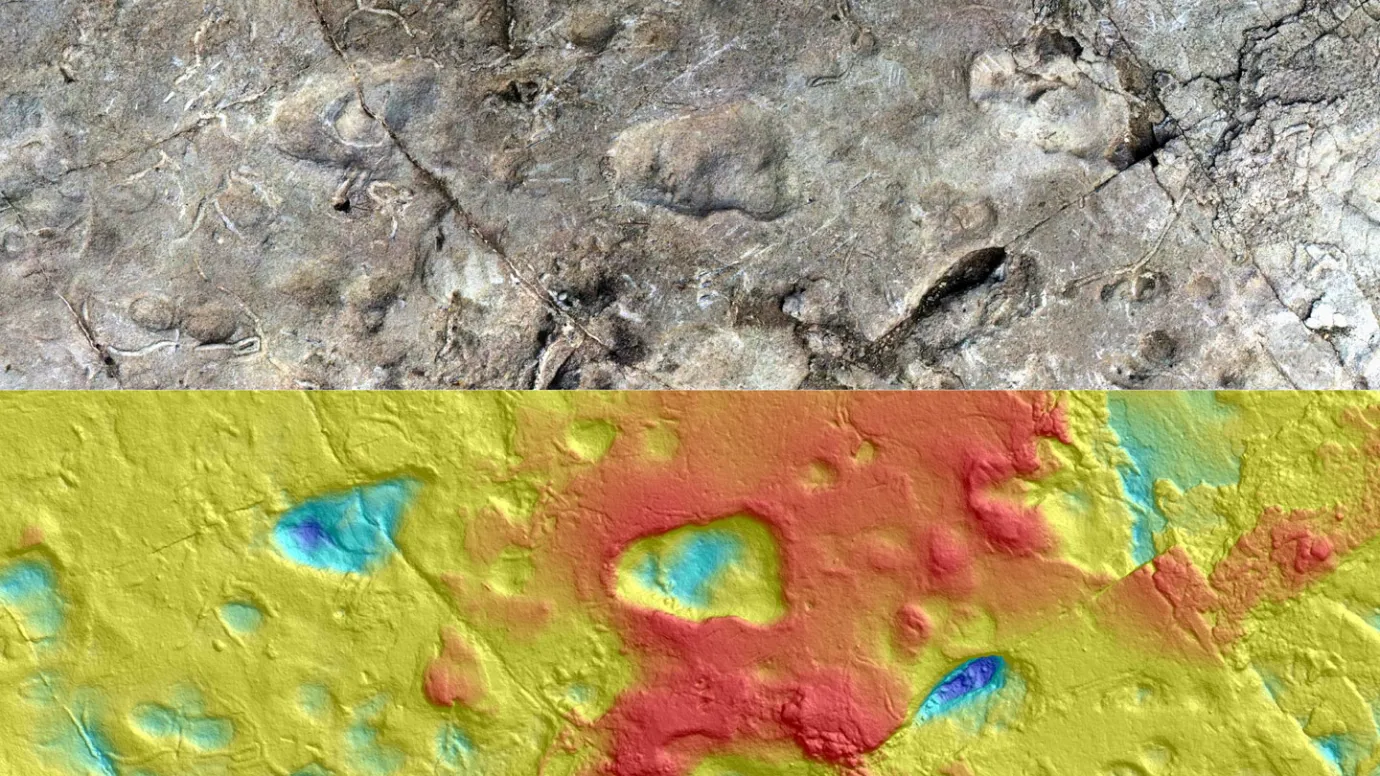
Utah’s footprints rank among the most significant Pleistocene discoveries. White Sands (23,000-year-old footprints in New Mexico) preceded it but got less media attention.
Other landmarks include Denisova Cave remains in Siberia (new human species), Lucy in Ethiopia (human origins), and the Hobbit in Indonesia (human size and distribution). Each discovery sparked debate and expanded research.
Utah follows this pattern. In twenty years, the Utah footprints will be integrated into standard anthropology curricula.
Why This Matters
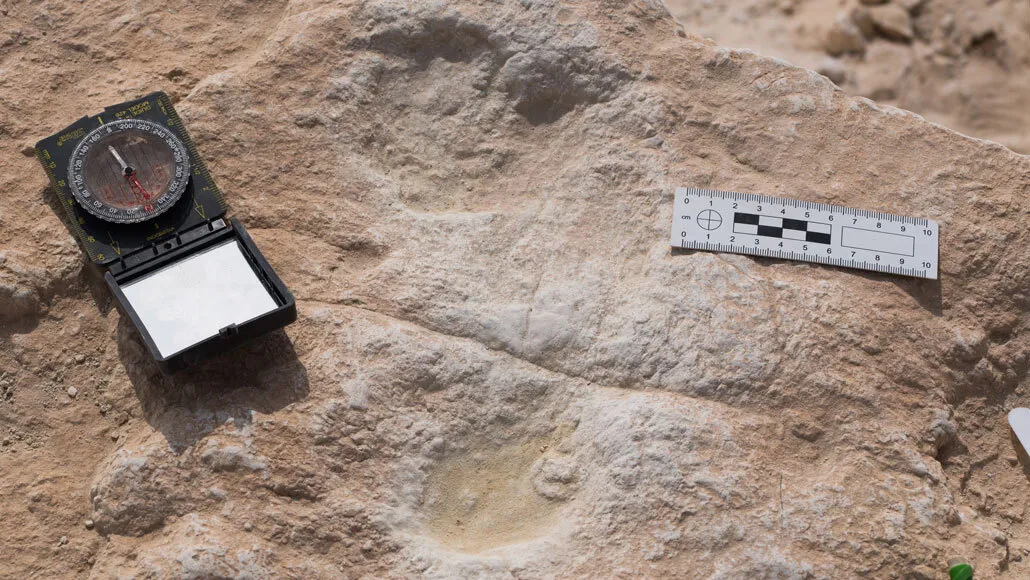
The 88 ghost footprints tell a simple but profound story. Twelve thousand years ago, families walked barefoot across a shallow wetland. Adults and children moved together, hunted bison, camped near fires, and left their marks. Modern technology revealed them after millennia of hiding.
The discovery shows that major gaps in human prehistory can be filled. Military-academic collaboration benefits science. Ground-penetrating radar unlocks ancient secrets. Human history is deeper and more complex than written records show. Every footprint tells a survival story.
Sources:
- Smithsonian Magazine, “Archaeologists Find 12,000-Year-Old Human Footprints in Utah,” August 3, 2022
- VICE, “Air Force Discovers Strange Disappearing ‘Ghost Footprints’ in Utah Desert,” August 8, 2024
- Cornell CALS / Cornell Chronicle, “Ice Age Human Footprints Discovered in Utah Desert,” July 26–31, 2022
- Interesting Engineering, “Human Footprints From 12,000 Years Ago Found at Air Force’s Utah Range,” August 3, 2022
- CNN, “Human Footprints From the Ice Age Found in Utah,” August 5, 2022
- Hyperallergic, “12,000-Year-Old Human Footprints Found in Utah Desert,” November 23, 2025