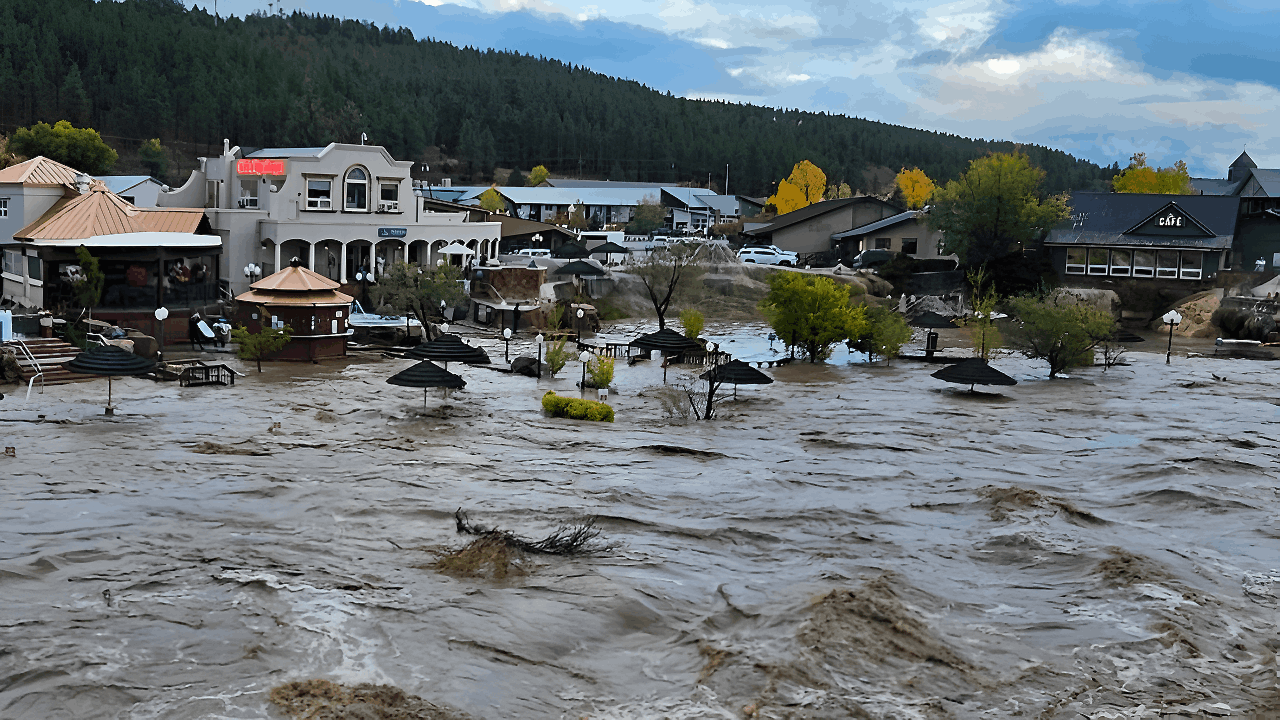
Record rainfall brought on by tropical moisture from Hurricane Priscilla and Tropical Storm Raymond remnants caused a devastating six-day flood event in southwestern Colorado in October 2025.
About 390 homes in La Plata County were evacuated due to this extraordinary flood, especially those near Vallecito Creek. River and reservoir levels reached historic highs not seen since 1970 as a result of the intense rain, which locally accumulated between 1.5 and 4 inches per day and totaled over 10 inches in some San Juan mountain areas. About 100 homes north of Vallecito Reservoir were damaged by flooding, and two losses were considered total.
The Historical Background of Southwest Colorado Flooding
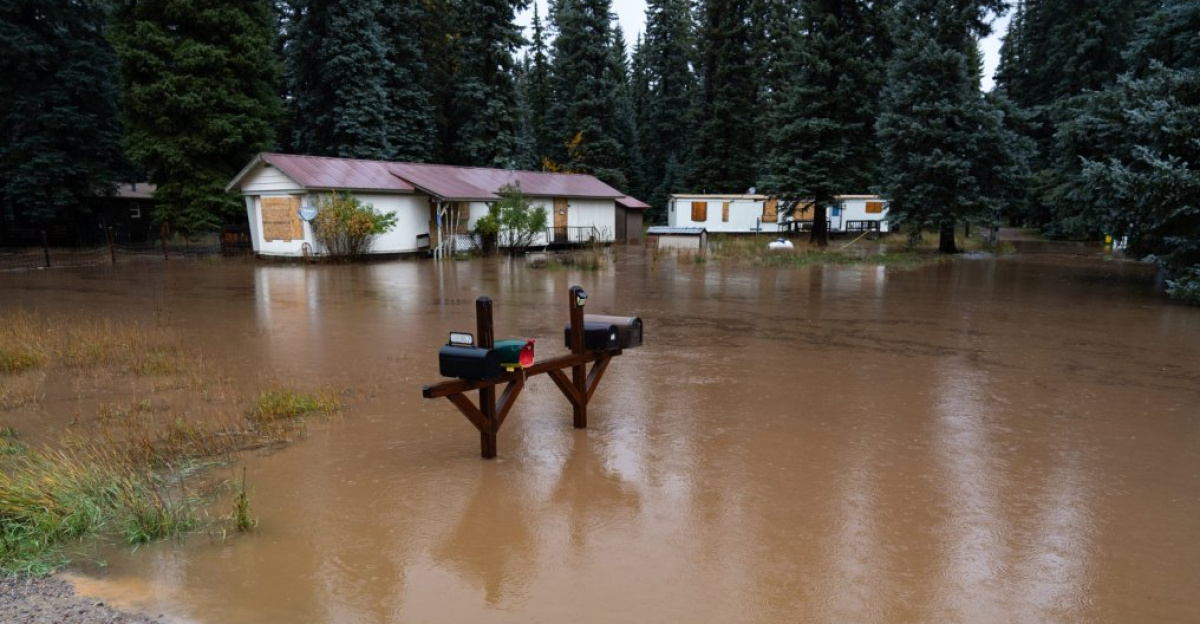
Southwest Colorado has a history of flooding; in 1970, the area saw major floods that set a record for river and creek levels. However, the October 2025 event broke the majority of October-season rainfall and flow records. In places like La Plata and Archuleta counties, rainfall totals exceeded 512% of the typical monthly total, pushing river stages like the San Juan River near Pagosa Springs to 12.6 feet, the highest level in more than 50 years.
A significant increase in precipitation extremes is evident when comparing this event to past flood records, suggesting that climate change may be influencing the frequency and severity of disasters in the area.
The Impact of Tropical Storms and Atmospheric Conditions
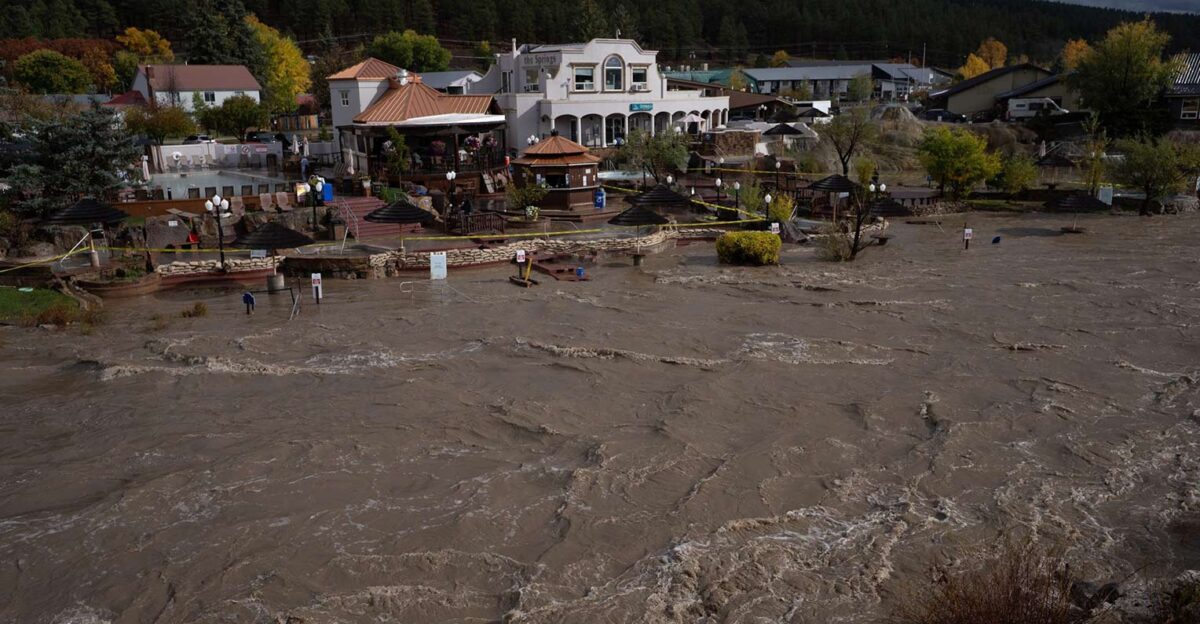
A unique combination of two tropical systems, Priscilla and Raymond, that brought moisture far inland from the Pacific Ocean, caused this flood. Due to Colorado’s inland location, remnants of these storms rarely converge over the San Juan Mountains. Soil saturation was exacerbated by previous storms, which decreased the landscape’s ability to absorb more precipitation.
Rapid runoff and rushing river flows resulted from this; the Vallecito Creek’s flow rate approached 7,000 cubic feet per second. Forecasting future events and enhancing early warnings depend on an understanding of this weather pattern.
Impact on Structure and Housing Collapse
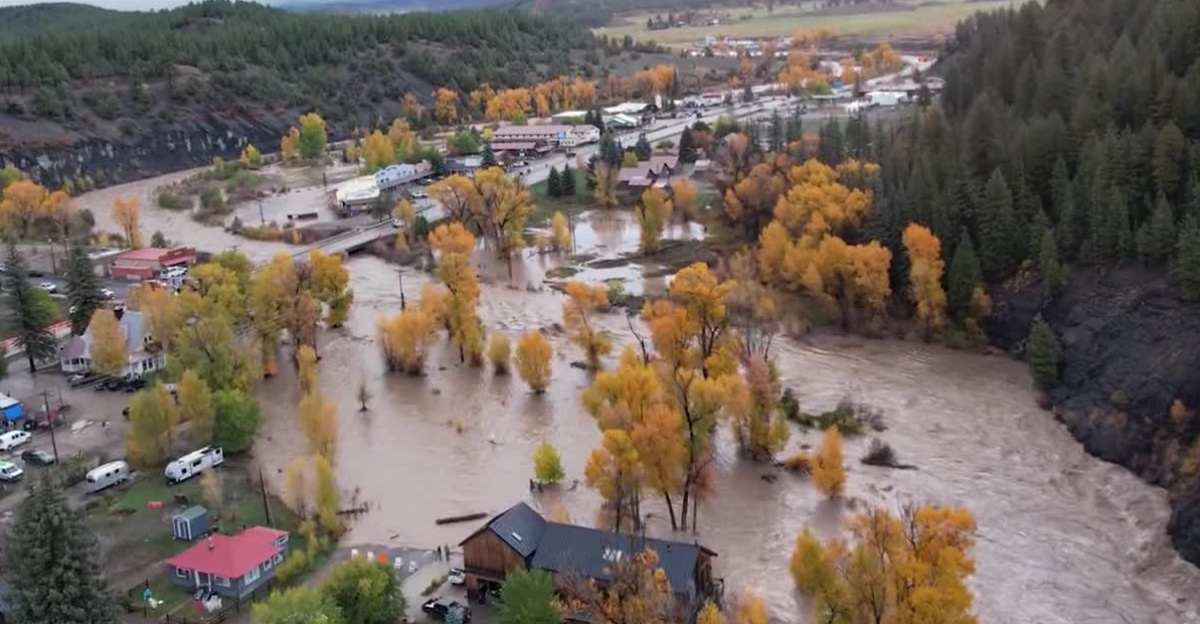
Housing infrastructure was severely damaged by the floodwaters. An estimated $30 million in housing collapse costs resulted from the damage to about 100 homes, two of which were completely destroyed. Residential areas were quickly overrun by flood surge, which reached crawl spaces and violently moved fixtures. Existing defenses were overpowered by the flooding’s suddenness and magnitude, which suggests that some communities lacked adequate floodplain infrastructure and emergency preparedness.
These losses demonstrate the physical vulnerability of the housing stock in mountain catchments that are vulnerable to flooding and the pressing need for resilient building techniques.
Emergency Responses and Evacuations
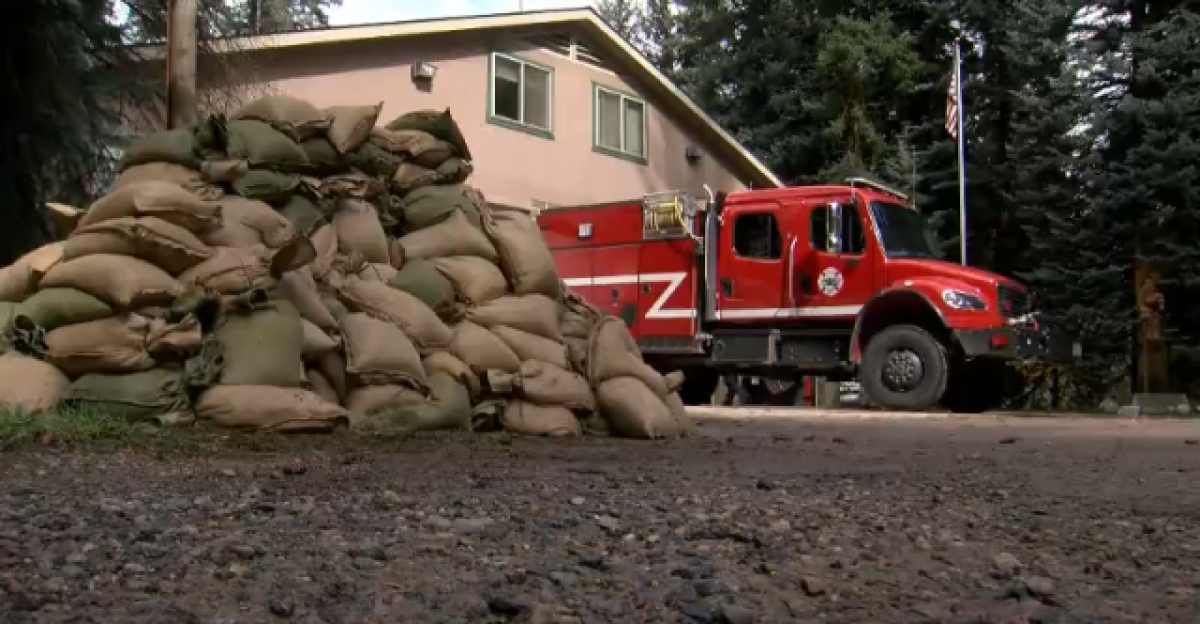
Nearly 400 homes had to be evacuated, and resident-only access controls were put in place to guarantee everyone’s safety. Following peak flooding, emergency teams provided guided access for urgent needs. As water levels varied, the National Weather Service and local agencies repeatedly issued flood warnings. In order to support displaced residents and provide real-time reporting, community and volunteer networks were crucial.
No fatalities or serious injuries were reported in spite of the large number of evacuations, which is evidence of successful early warning and community cooperation. However, continuous damage assessment highlights the difficulties of long-term recovery.
Hydrological and Environmental Repercussions
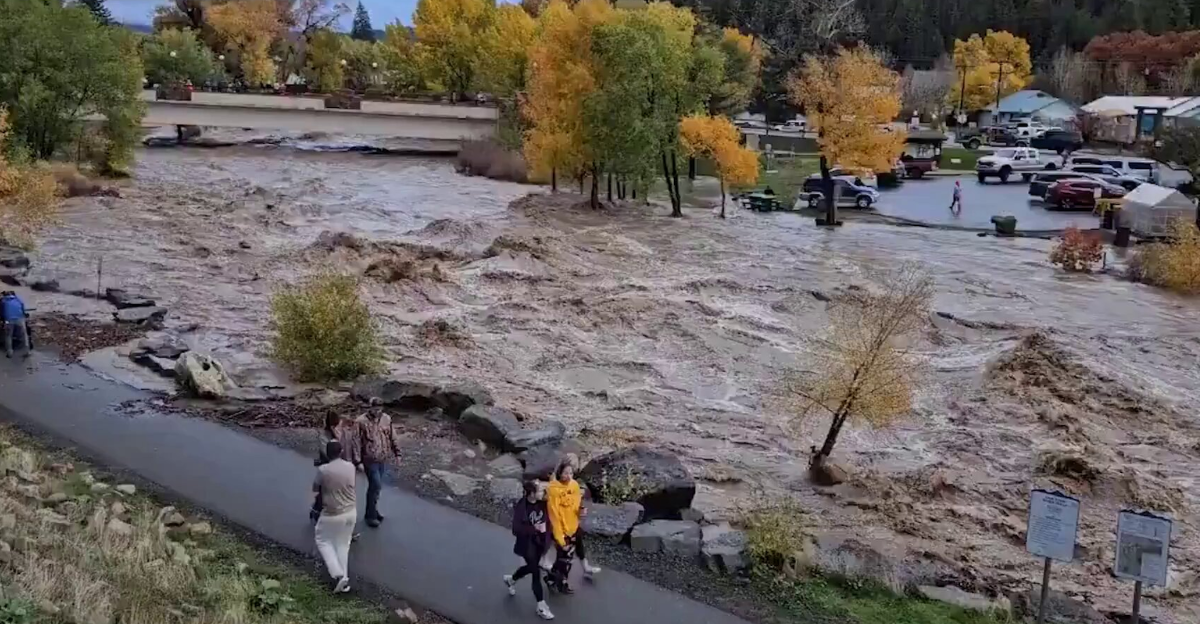
The dynamics of rivers and reservoirs were significantly changed by the flood. The San Juan River surged to almost 13 feet and over 8,000 cfs, well above its normal falltime flows of 106 cfs. Vallecito Reservoir doubled in capacity, and river crests reached multiples of normal flow rates.
Flood risks downstream increased as a result of increased sediment transport and clogged waterways. Water management systems are strained and aquatic habitats are deteriorated by these changes.
Social and Psychological Effects on Communities

In addition to causing physical harm, the floods caused psychological distress by uprooting hundreds of people and upsetting livelihoods. During evacuations, families experienced uncertainty, and communal unity was put to the test. Increased anxiety, depression, and post-traumatic stress disorder can result from the trauma of abrupt loss and damage combined with continued recovery.
Resilience has been strengthened in large part through open communication, social support networks, and disaster relief organizations. These human factors highlight how crucial it is to incorporate mental health assistance into frameworks for disaster response.
Economic Consequences and Changes in the Housing Market
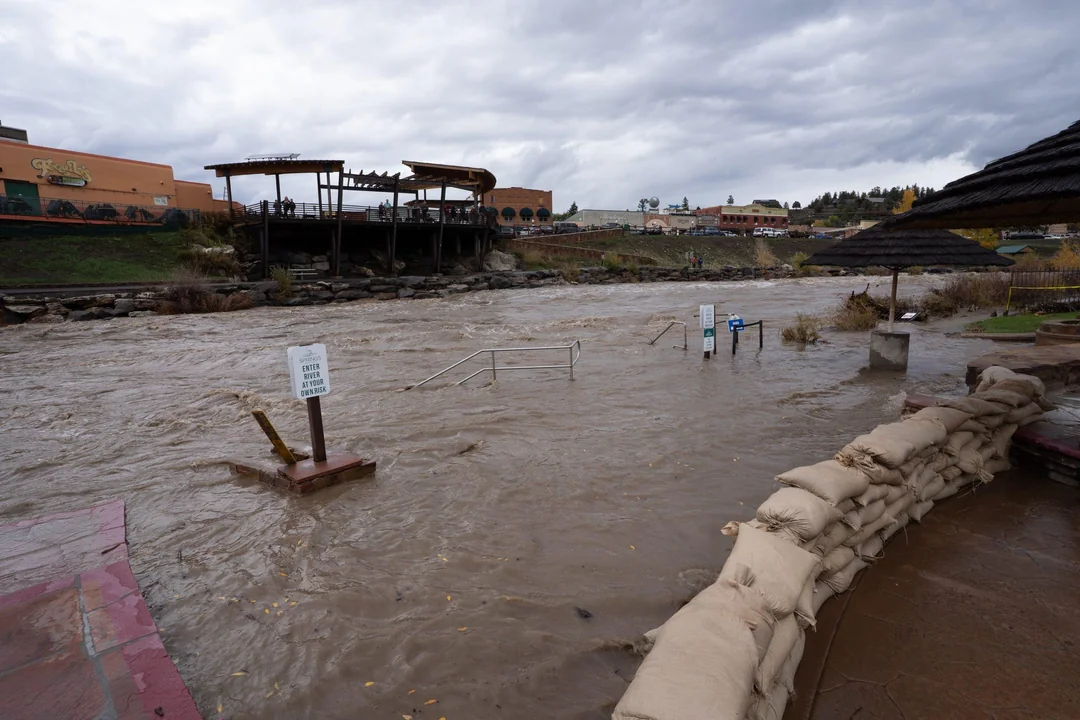
There are serious economic repercussions from the flood. Local economies will be strained by the estimated $30 million in housing damage and the cost of repair and reconstruction.
According to studies conducted following hurricanes, damage from natural disasters has historically inflated property values and rents because there is a shortage of available housing. Similar dynamics may occur in the housing market in southwest Colorado, making residents’ affordability problems worse. In order to prevent speculative market distortions and lessen the disproportionate effects on vulnerable populations, disaster recovery funding and policy interventions are essential.
Vulnerability of Infrastructure and Takeaways
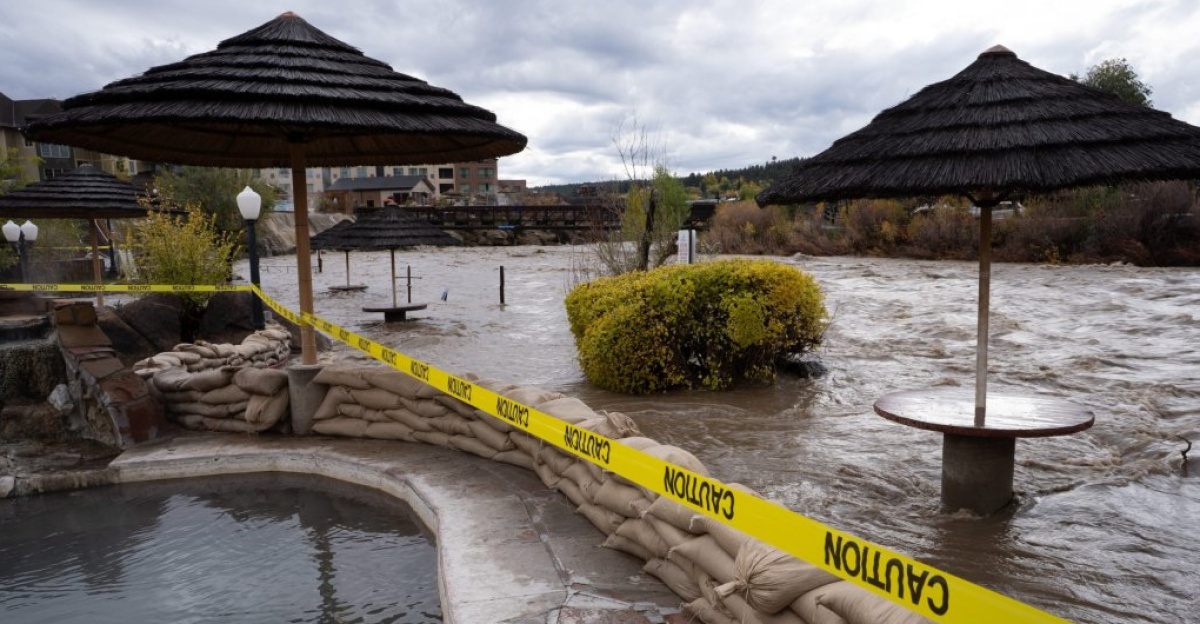
The vulnerability of vital infrastructure, such as roads and emergency access routes, was made evident by flooding; many of these were washed out or blocked by debris. Supply chains and rescue and recovery operations were hindered by transportation disruptions.
Because of this incident, infrastructure resilience standards, such as improved floodproofing and emergency access design, need to be reevaluated. Moreover, to future-proof communities vulnerable to climate-amplified extreme weather, climate projections must be incorporated into infrastructure investment and urban planning.
Hydrological Mix-Up: Tropical Moisture and Mountain Snowpack

An unprecedented hydrological mash-up was produced by the combination of tropical moisture and an already saturated mountainous snowpack. Floods are usually caused by either rainfall or snowmelt, but the combination of these two events significantly increased runoff. As melting mountain systems weakened by warming interact with oceanic tropical storms, this unusual interaction may indicate a new flood regime.
In order to update flood prediction models and emergency preparedness plans that are specific to the vulnerabilities of the mountain-arid interface, it is imperative that these compound events be recognized.
Flooding as a Chance for Urban Planning and Ecological Renewal

Despite their destructive power, floods have the ability to replenish river systems, rebalance nutrients, and establish new wetland habitats that sustain biodiversity.
Urban disaster narratives rarely emphasize this natural ecological reset. Rethinking community layout during flood recovery presents a special chance to implement green infrastructure, such as permeable surfaces, restore natural floodways, and possibly move homes out of high-risk floodplains. Adopting this viewpoint could influence citizens and policymakers to prioritize transformative climate resilience over restoration.
Disaster Adaptation and Mental Resilience

Disaster recovery is a multi-phase process that necessitates social and cognitive adaptation from a psychological and strategic standpoint. Emotional processing, restoring safety, and fostering long-term resilience via community involvement and resources are all components of an effective model.
During such crises, coloring books and mindfulness exercises that you are interested in have been shown to be beneficial in lowering anxiety. Authorities’ tactical communication that openness and inclusivity promote trust and reduce recovery times, which are essential for long-term resilience following housing collapse incidents.
Economic Repercussions and Charitable Reactions

Beyond the immediate damage to housing, the flood’s aftermath may have a domino effect on the economy. The economy will be affected by local business disruptions, pressure on the insurance market, and the distribution of government resources.
Emergency funds and assistance for homeowners and evacuees have been raised through philanthropic organizations and public-private partnerships. Economic vulnerability assessments can guide the strategic allocation of these funds, which can hasten recovery while averting localized economic downturns and increases in homelessness.
Highlights of the Data and Verification

Important validated data support this analysis: The San Juan River peaked at 12.6 feet, 390+ homes were evacuated, Vallecito Creek flows topped 7,000 cubic feet per second, October rainfall totals were 512% above normal, the volume of Vallecito Reservoir doubled to 56,000 acre-feet, $30 million worth of housing damage was estimated, and there were no reported fatalities.
These reliable datasets from academic, local, and National Weather Service sources support the validity of the flood impact assessment. As damage assessments change and residual flood warnings continue, ongoing monitoring is still essential.
Conclusion
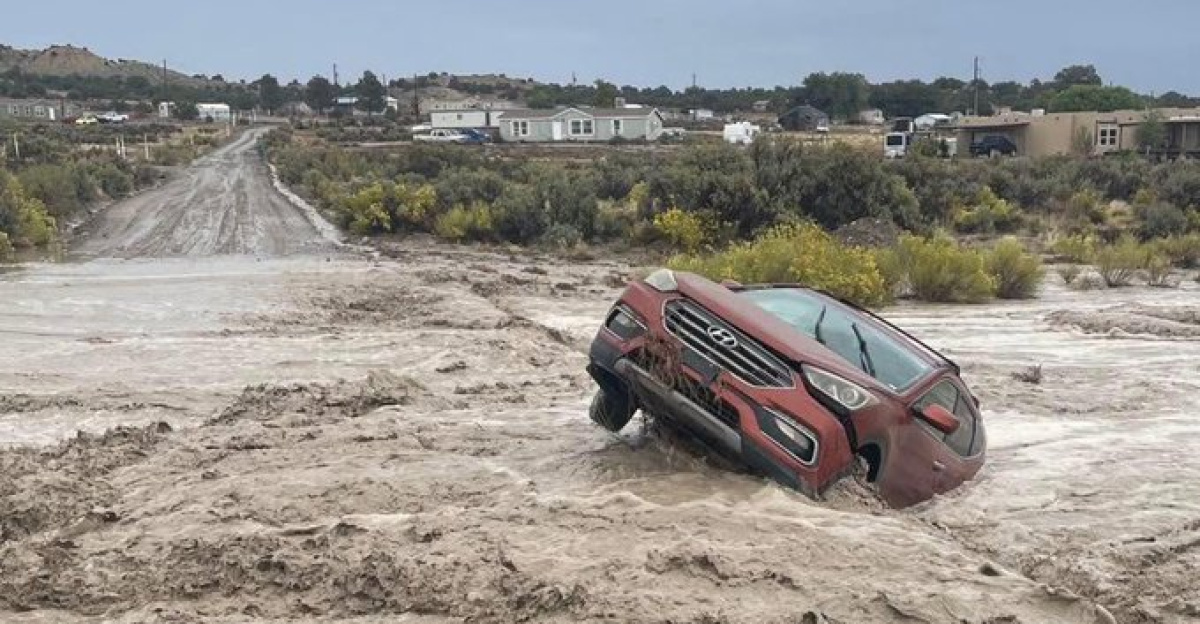
The flash floods in southwestern Colorado in October 2025 are a clear example of how complicated climatic interactions are increasing the likelihood of extreme weather events.
Nearly 400 homes were destroyed during this six-day event, which also caused a $30 million housing collapse. This highlights the urgent need for integrated strategies that address ecological systems, physical infrastructure, socioeconomic resilience, and mental health support.