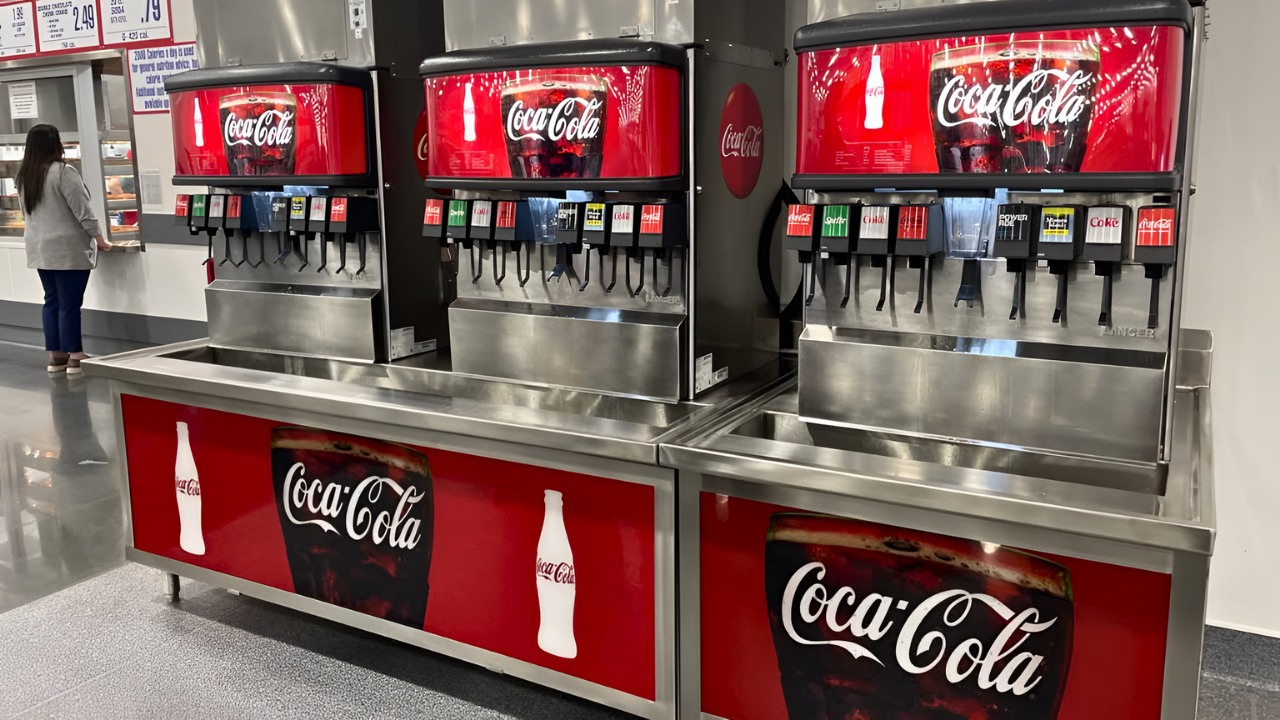
Costco completed a massive beverage partnership reversal in early 2026, switching all 921 global food courts from PepsiCo back to Coca-Cola products.
The move affects 245 million hot dog-and-soda combos sold annually—generating approximately $367.5 million in revenue—making this one of the largest fountain beverage account shifts in retail history.
Why Costco Originally Chose Pepsi in 2013
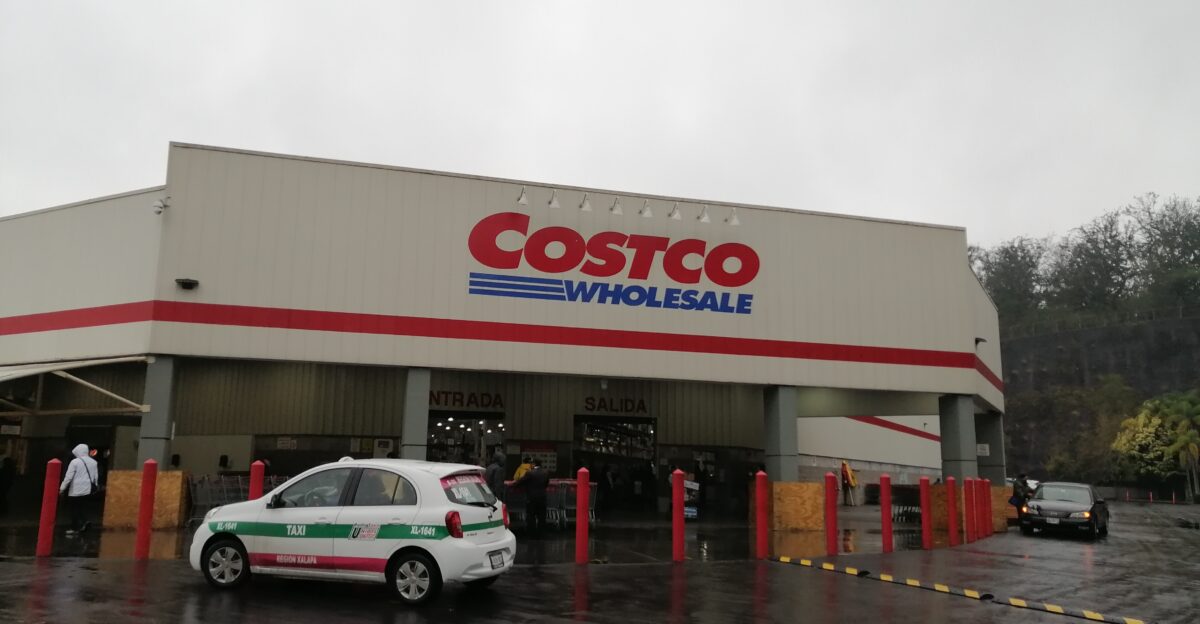
The warehouse giant originally switched to Pepsi in 2013 purely for cost savings. “Costco originally made the switch to Pepsi in 2013 as a cost-saving measure, in order to keep the price of their famous hot dog and soda combo at $1.50,” according to industry analysis.
When Coca-Cola refused to match Pepsi’s pricing, Costco pulled all Coke products for an entire month.
The Iconic $1.50 Combo That Changed Everything
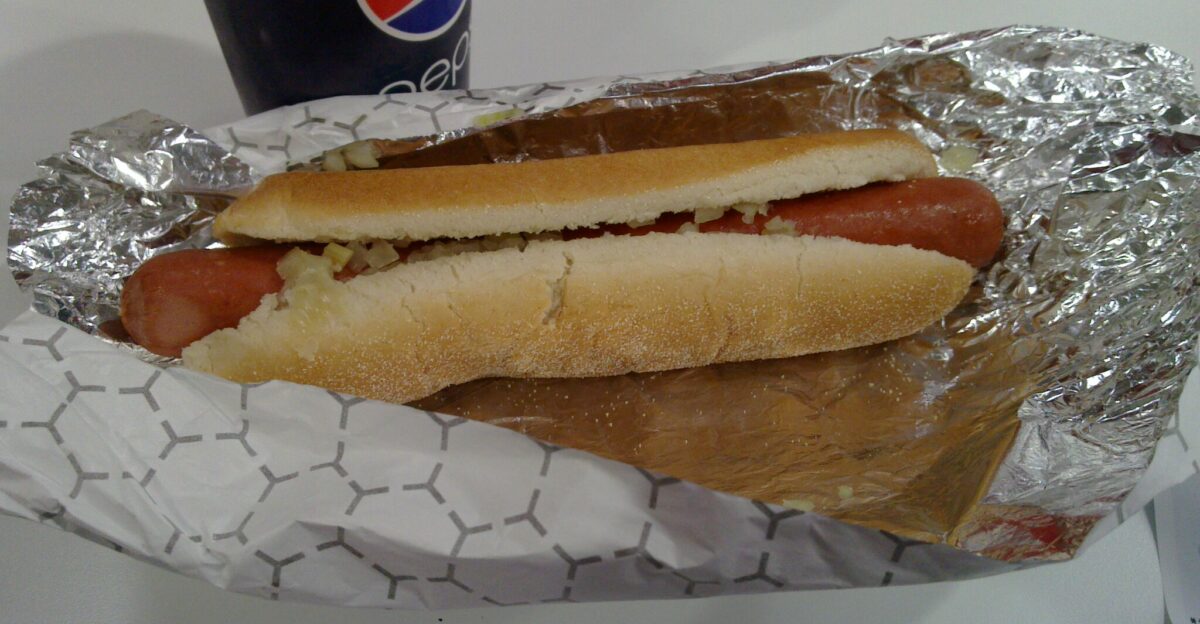
Costco’s hot dog and soda combo has remained $1.50 since 1985—a price that should cost approximately $4.50 today adjusted for inflation.
Founder Jim Sinegal famously told his successor Craig Jelinek: “If you raise the effing hot dog, I will kill you. Figure it out”. This institutional commitment made beverage costs critical to protecting razor-thin margins.
Consumer Preferences Tip the Scale

Market research reveals Coca-Cola commands significantly stronger consumer loyalty than Pepsi. Approximately 52% of Americans express favorable preference for Coke compared to 40% for Pepsi, with unfavorable views higher for Pepsi at 29% versus Coke’s 19%.
CEO Ron Vachris confirmed the switch during Costco’s annual meeting, stating beverage conversion began “this summer”.
Dr Pepper Overtakes Pepsi, Reshaping Cola Wars
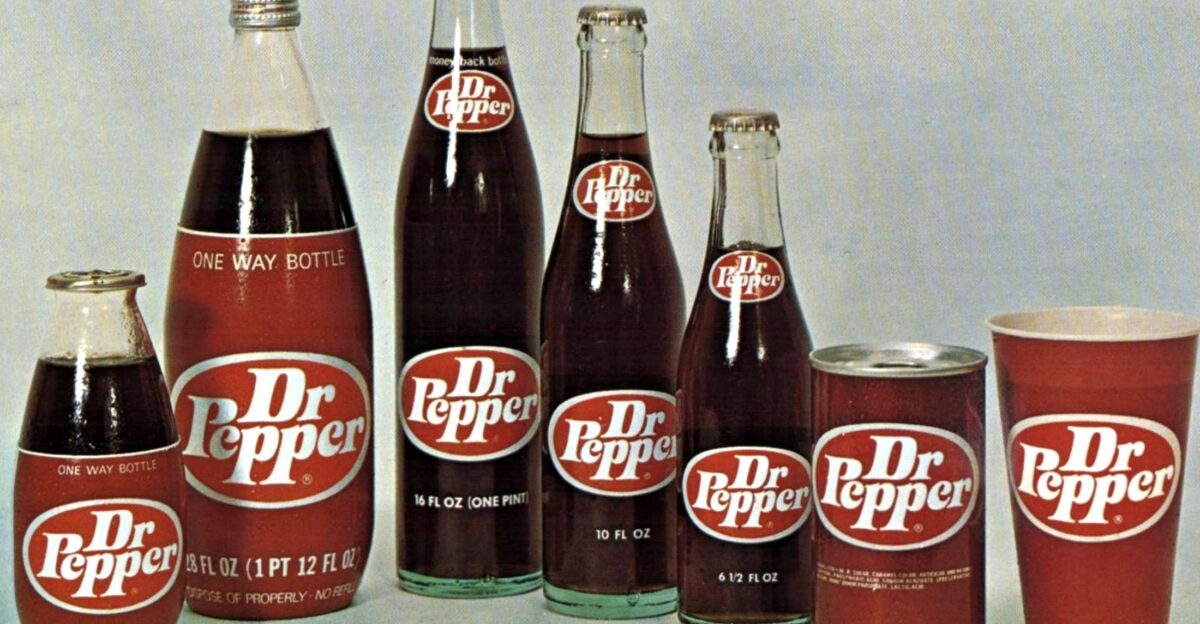
PepsiCo’s competitive position weakened dramatically when Dr Pepper surpassed Pepsi to claim second place in U.S. market share during 2024.
Both brands now hold 8.3% market share, while Coca-Cola Classic dominates with 19.2%. This shift fundamentally altered the value equation for retailers evaluating long-term beverage partnerships.
Member Satisfaction Concerns Drive Decision
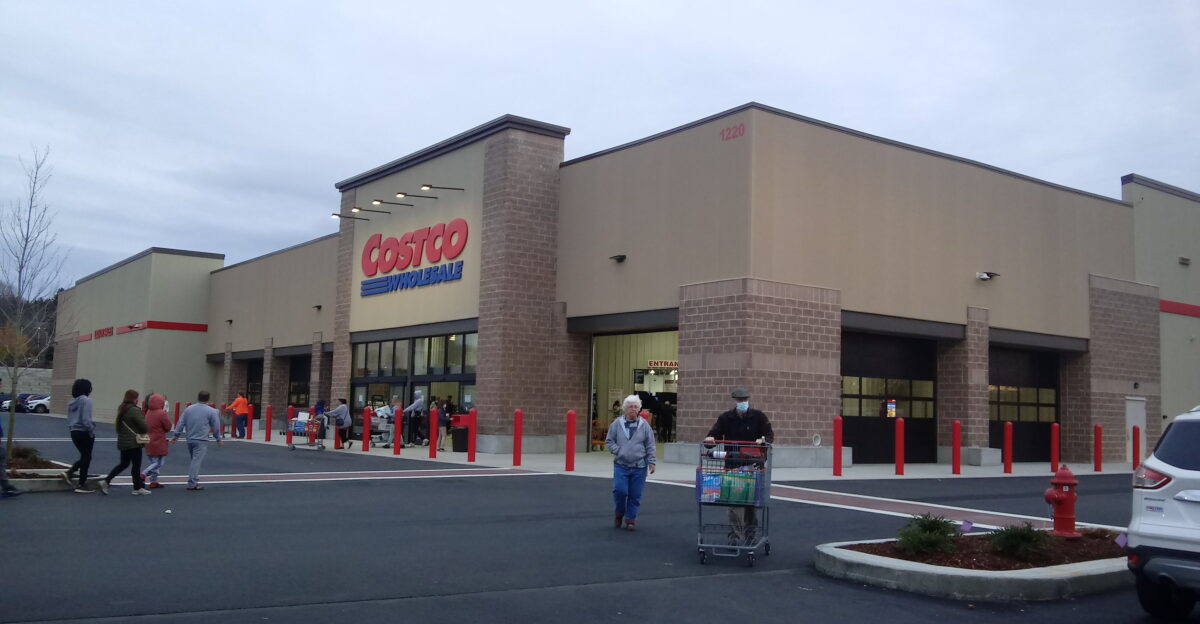
Costco’s customer satisfaction score dropped from 85 to 81 points in 2025 according to the American Customer Satisfaction Index, while competitors like Trader Joe’s maintained 84-point ratings.
“Our focus is on, ‘How do we improve that member experience?'” CEO Ron Vachris stated when addressing declining satisfaction metrics.
The Economics Behind Fountain Beverages
Fountain sodas represent one of retail’s highest-margin products, with costs around $0.10-$0.40 per serving but typical selling prices of $2.00-$3.00—yielding 80-90% gross margins.
Even at Costco’s subsidized $1.50 combo price, beverages deliver superior profitability relative to hot dogs, making partnership economics crucial for overall food court viability.
Social Media Erupts With Positive Response
Member reactions to Coca-Cola’s return proved overwhelmingly enthusiastic across Reddit, TikTok, and social platforms.
Manhattan psychotherapist Jonathan Alpert explained the intensity: “Coke vs. Pepsi has always been a cultural dividing line, like Yankees vs. Red Sox or Apple vs. PC. People attach memories, family traditions, and even a sense of who they are to a brand”.
Equipment and Partnership Terms Likely Improved
While Costco hasn’t disclosed specific financial terms, industry analysts suggest Coca-Cola offered substantially better conditions to recapture the account.
“The return to Coke products is likely driven by customer preference and Coke’s renewed commitment to quality and partnership with Costco,” according to Costco Insider analysis. Beverage companies typically provide free equipment and maintenance for exclusive pouring rights.
Costco’s Food Court Generates Billion-Dollar Halo Effect
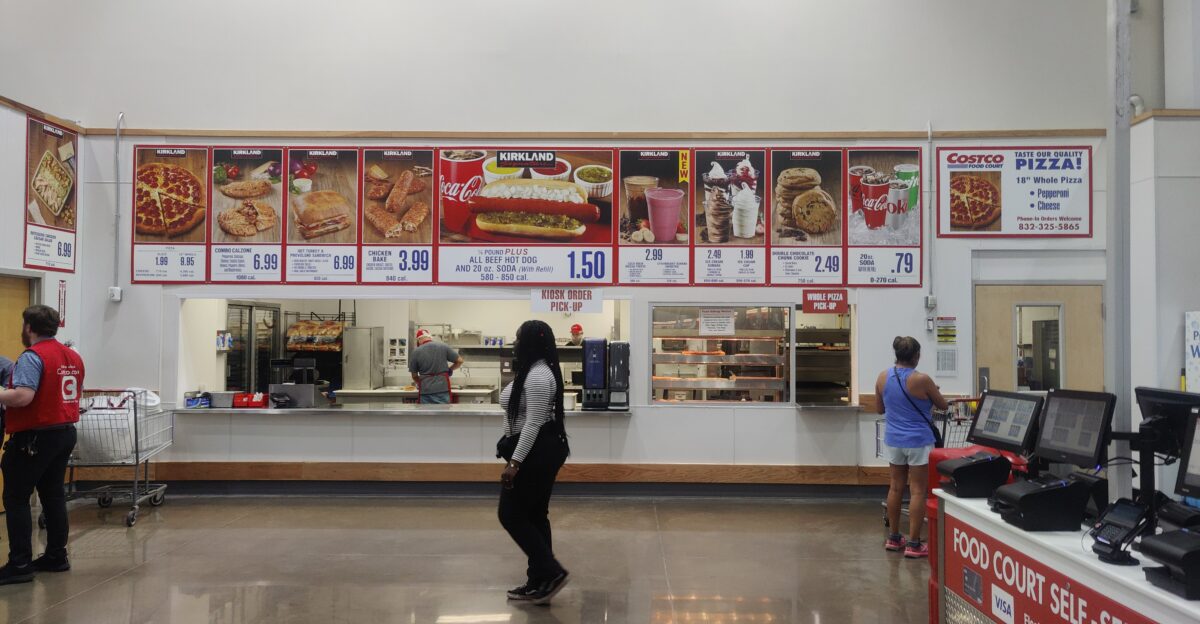
The food court operates as a strategic loss leader designed to drive membership loyalty rather than maximize transaction profits.
The operation generated approximately $1 billion in annual sales as of 2018, serving as what retail strategists call a “halo effect” business that reinforces Costco’s value perception and supports its exceptional 90% global renewal rate.
Coca-Cola Outperforms PepsiCo Operationally
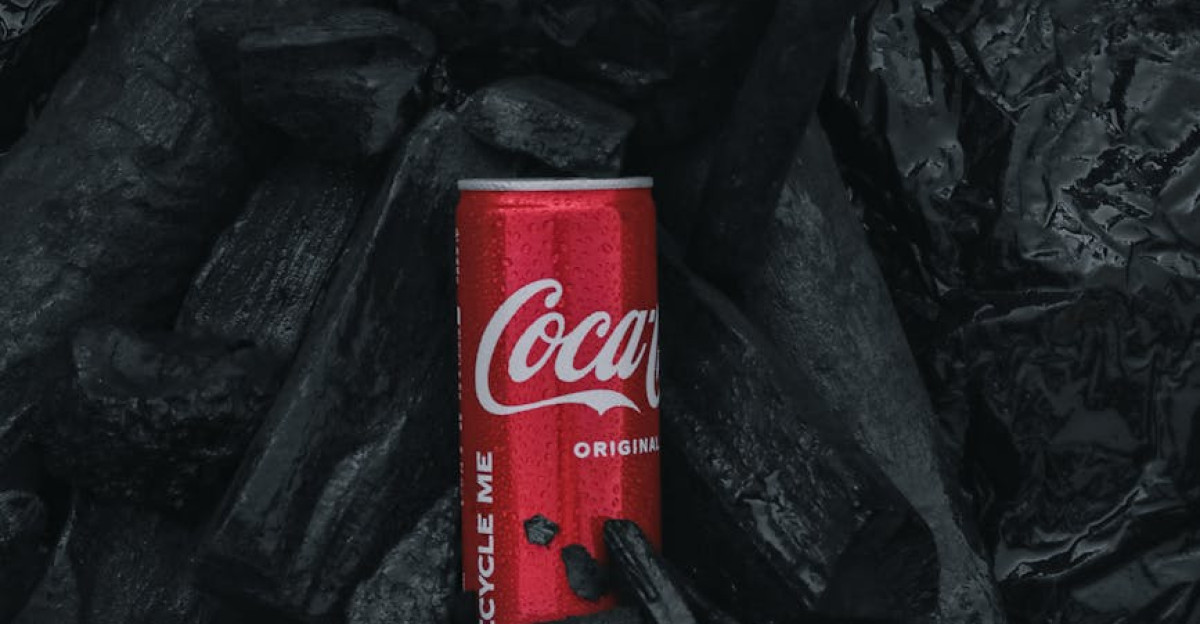
Coca-Cola reported 5% net sales growth and 6% organic revenue growth in Q3 2025, with Coca-Cola Zero Sugar achieving 14% growth across all markets.
Meanwhile, PepsiCo faces volume declines and activist investor pressure, with 2026 organic revenue growth projected at only 2-4%. Costco’s alignment with the stronger performer reduces long-term supply chain risk.
Uniform Global Rollout Demonstrates Operational Excellence
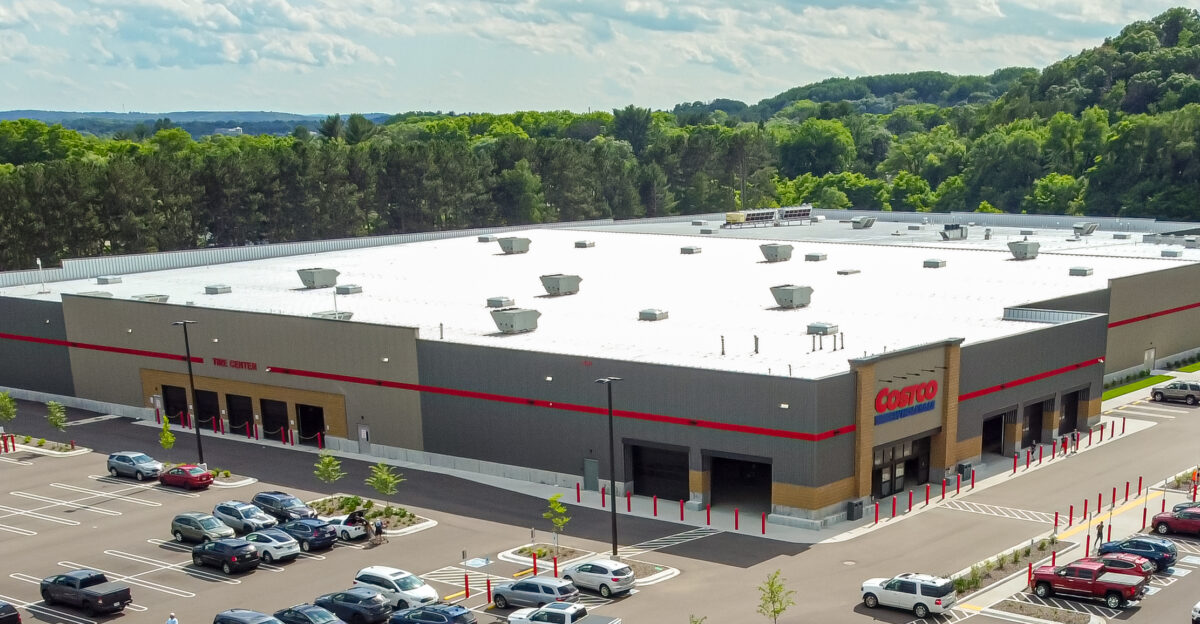
Costco executed the beverage transition across all 921 warehouses in 14 countries between summer 2025 and early 2026.
This operational consistency differentiates Costco from competitors like Sam’s Club, which maintains fragmented beverage partnerships varying by location. Uniform member experiences across geographies strengthen brand trust and institutional loyalty.
The Strategic Value of Beverage Exclusivity

Exclusive pouring rights deliver substantial financial benefits beyond syrup pricing, including subsidized equipment, marketing support, and volume rebates. Beverage companies view these partnerships as infrastructure lock-ins that guarantee concentrate sales for 5-10 year contract periods.
Costco’s massive volume—potentially exceeding 500 million annual fountain servings across all food court items—makes this one of Coca-Cola’s most strategically important foodservice accounts globally.
Some Members Express Disappointment Over Pepsi Loss
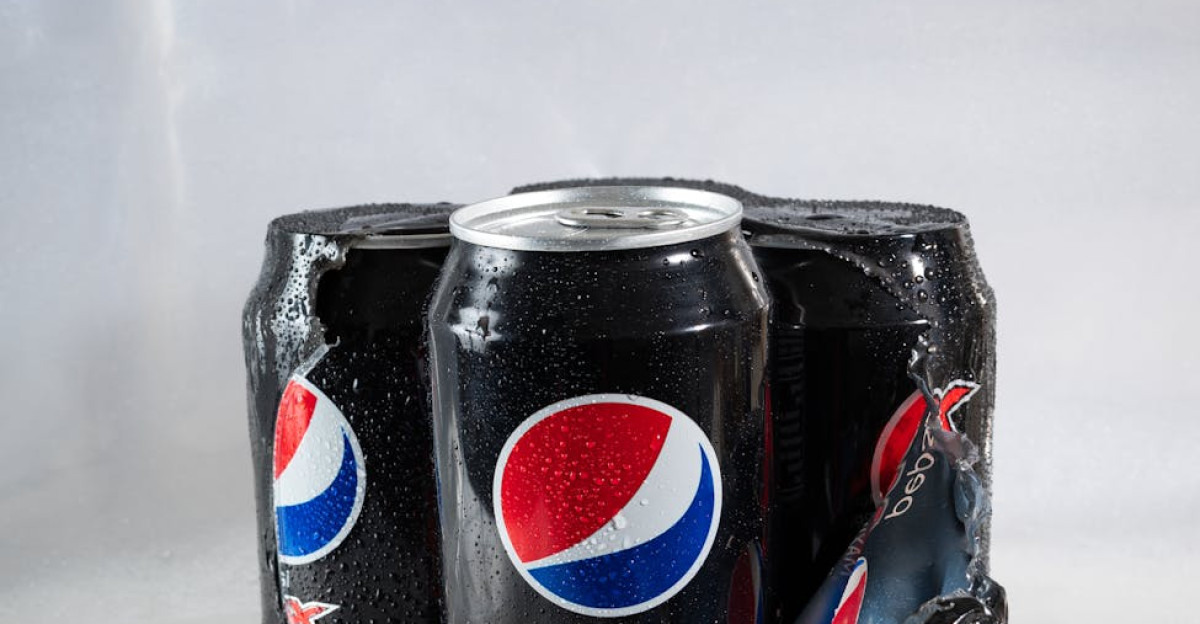
While most members celebrate Coca-Cola’s return, PepsiCo loyalists voiced genuine frustration. “We love to grab a hotdog and Pepsi & M Dew before or after our shopping trip…no more!” one member commented.
However, with Coke preference outweighing Pepsi by 12 percentage points nationally, Costco prioritized majority satisfaction over universal approval.
Long-Term Implications for Warehouse Club Competition
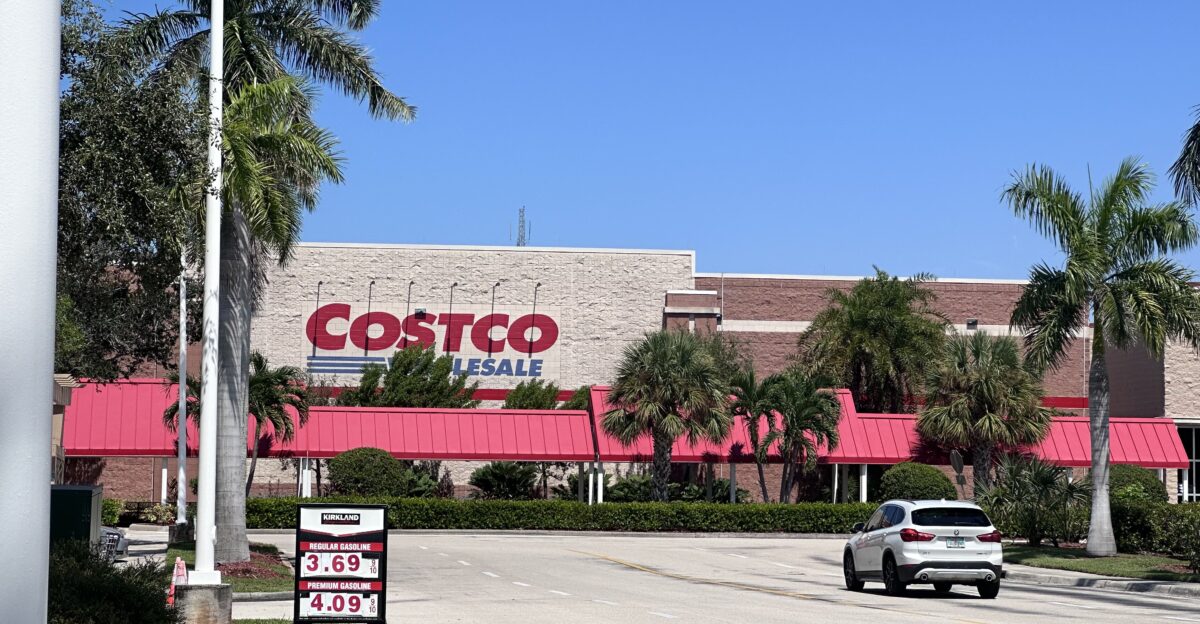
The beverage reversal positions Costco to strengthen competitive advantage against Sam’s Club in the intensifying warehouse club sector. With 145 million total cardholders and $192 billion in U.S. revenue for 2025, Costco’s accumulated operational optimizations—including beverage alignment—compound into material market share gains.
CFO Gary Millerchip emphasized the company remains “on a tech journey” focused on “enhancing the member experience”.
Sources:
“Coke is returning to Costco’s food courts. Pepsi is out.” CNN Business, January 2025.
“Coca-Cola notches a Costco-size win against Pepsi.” Fortune, January 2025.
“Visualizing the Market Share of U.S. Soft Drinks.” Visual Capitalist, June 2024.
“Costco Takes a Big Hit in New Consumer Ratings.” Eat This, Not That, February 2025.
“Costco sees more growth for its $31.9 billion real-estate empire.” Fortune, September 2025.
“Dr Pepper just passed Pepsi as the second biggest soda in America.” CNN Business, June 2024.