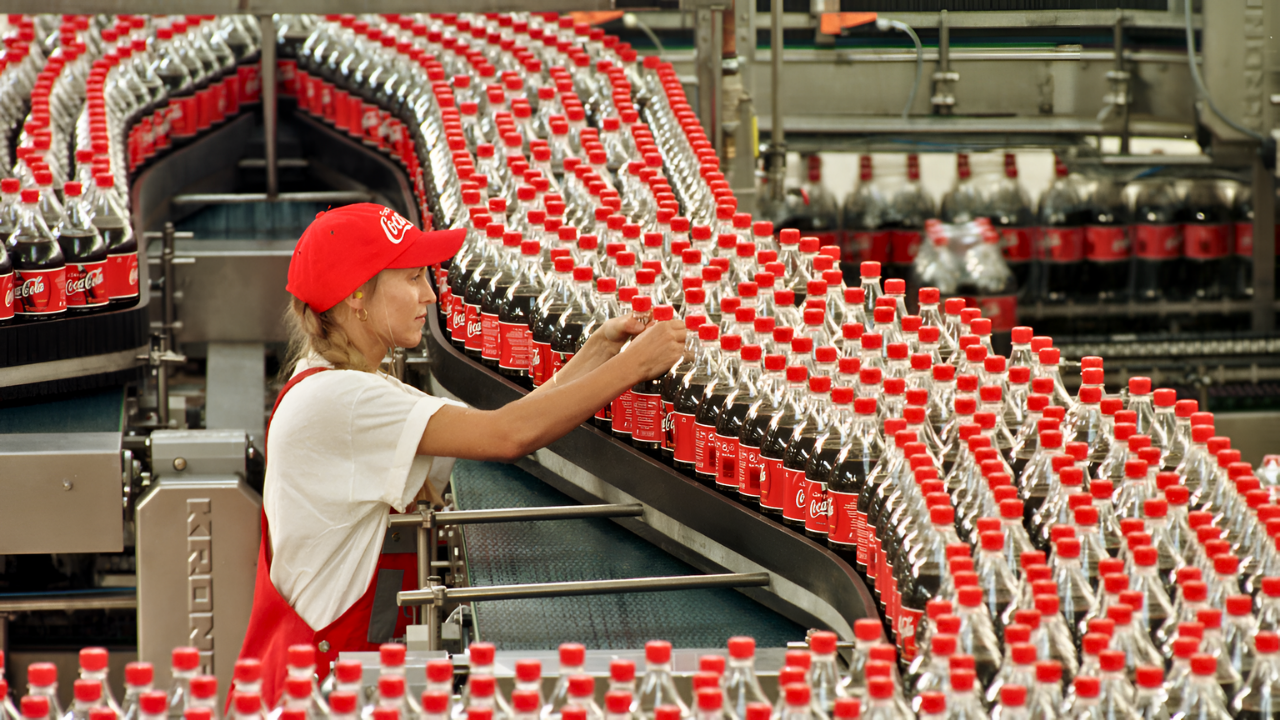
Coca-Cola will eliminate about 75 corporate roles at its Atlanta headquarters beginning around February 28, 2026, even as the company reported 5% year-over-year net revenue growth in the third quarter of 2025, reaching $12.5 billion.
The move highlights how major corporations are restructuring white-collar work during periods of expansion rather than recession, challenging assumptions that revenue growth automatically translates into job security at headquarters.
Why a Profitable Giant Is Restructuring
The job cuts stem from a restructuring plan first outlined during Coca-Cola’s October 2025 earnings call. Outgoing CEO James Quincey emphasized the need to focus resources on future competitiveness rather than past success.
Management is redirecting capital toward artificial intelligence, automation, and faster-growing beverage segments, signaling a strategic reallocation rather than a response to financial distress.
Atlanta Workers Face Permanent Loss
Roughly 75 corporate positions—about 2.5% of Coca-Cola’s estimated 3,100 employees at One Coca-Cola Plaza—are expected to be permanently eliminated. The affected roles have no bumping rights or union protections.
Employees received more than 60 days’ notice, underscoring that these are planned eliminations rather than temporary furloughs or short-term cost controls.
Corporate America’s Playbook
Coca-Cola’s decision mirrors a broader trend across consumer packaged goods companies. Industry peers reduced headcount in 2025 while pursuing efficiency, automation, and margin protection.
Executives argue that trimming headquarters staff frees capital for marketing, innovation, and digital capabilities, reinforcing a playbook that prioritizes lean corporate structures even during periods of stable demand.
Investment Shifts Inside Coca-Cola
Spending is being redirected away from Atlanta overhead toward AI tools, data-driven marketing, and higher-margin beverage categories. Growth in premium teas, sports drinks, and value-added dairy products contributed to Coca-Cola’s recent revenue gains.
The company’s evolving portfolio strategy focuses on categories where consumers are trading up, not solely on traditional carbonated soft drinks.
A Global Beverage Footprint Rebalances
Coca-Cola continues to report growth across Europe, the Middle East, Africa, Latin America, and Asia-Pacific. Ready-to-drink teas, sports drinks, and water brands are gaining volume and share internationally.
Strong overseas performance gives leadership confidence to pursue structural changes at U.S. headquarters while leaning on faster-growing global markets.
Inside the Corporate Workforce Shake-Up
Company filings indicate that layoffs will occur in phases during early 2026 and may extend beyond the initial 75 roles. While some positions are being eliminated, others are being created in different areas, reflecting a complex internal reshuffle.
For long-tenured staff, the process introduces uncertainty about which functions will expand and which will disappear.
Policy and Transparency Obligations
By notifying Georgia workforce officials, Coca-Cola is navigating federal WARN Act requirements while stating it is acting out of caution.
The phased structure, beginning around February 28, 2026, illustrates how large employers manage regulatory risk, employee notice periods, and public scrutiny when reducing headquarters staff.
Jobs vs. Profits in the Broader Economy
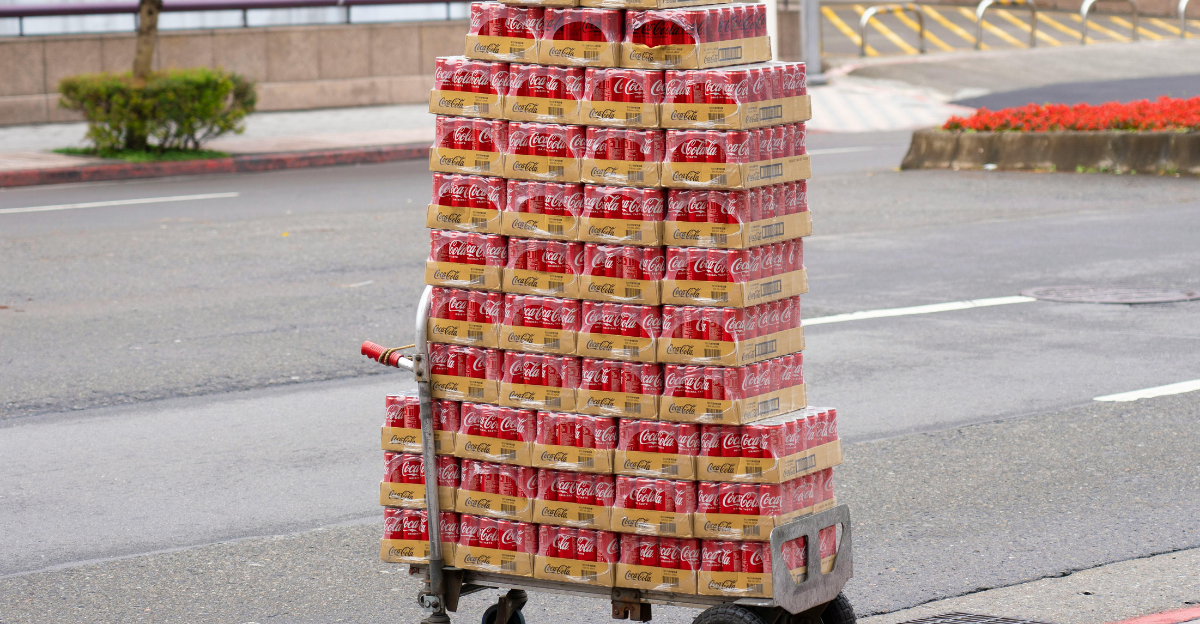
Coca-Cola’s combination of revenue growth and job cuts reflects a wider economic pattern. Companies are increasingly pursuing margin expansion, automation, and efficiency even in stable conditions.
This dynamic fuels concerns about “jobless growth,” particularly for white-collar professionals whose roles are more vulnerable to consolidation and technological change.
Retailers Adjust to Shifting Beverage Mix
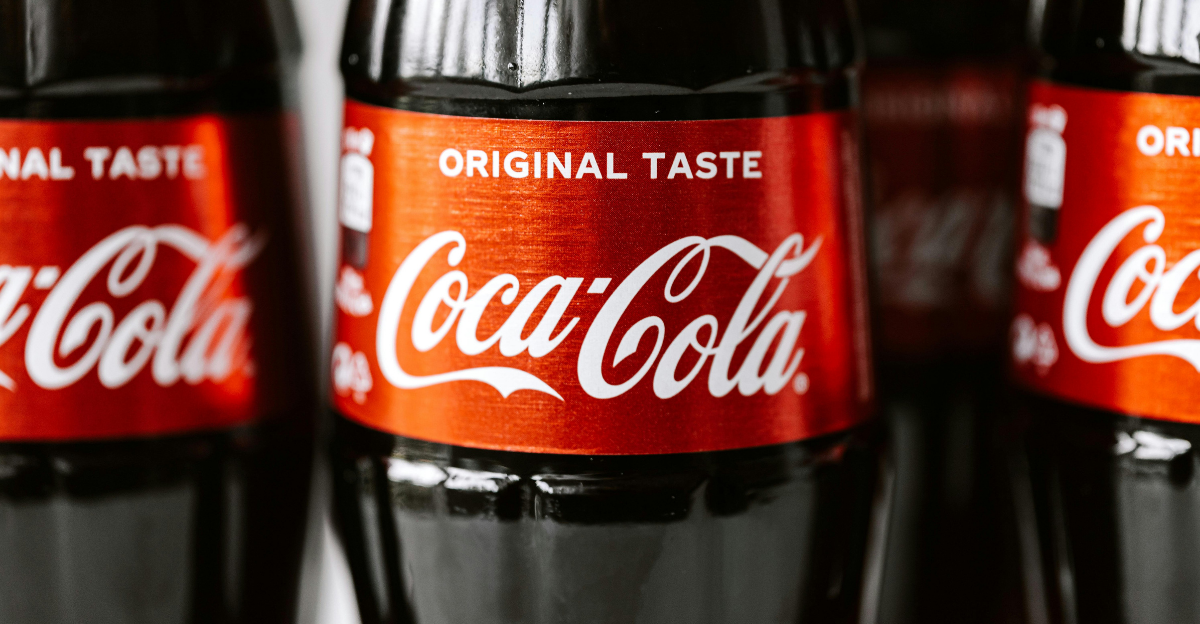
As Coca-Cola emphasizes waters, sports drinks, and premium teas, retailers are adjusting shelf space and promotional strategies.
Corporate efficiency efforts at major suppliers often translate into sharper pricing strategies and more targeted assortments in grocery stores and convenience outlets, subtly reshaping what consumers see and buy.
Restaurants and Hospitality Recalibrate Menus

Restaurants, stadiums, and hotels tied to Coca-Cola fountain agreements are monitoring the company’s portfolio shift.
Strong performance from zero-sugar sodas and sports drinks suggests more menu space and marketing emphasis will move away from traditional full-sugar offerings, influencing beverage choices across food-service environments.
Suppliers and Adjacent Industries Feel Pressure
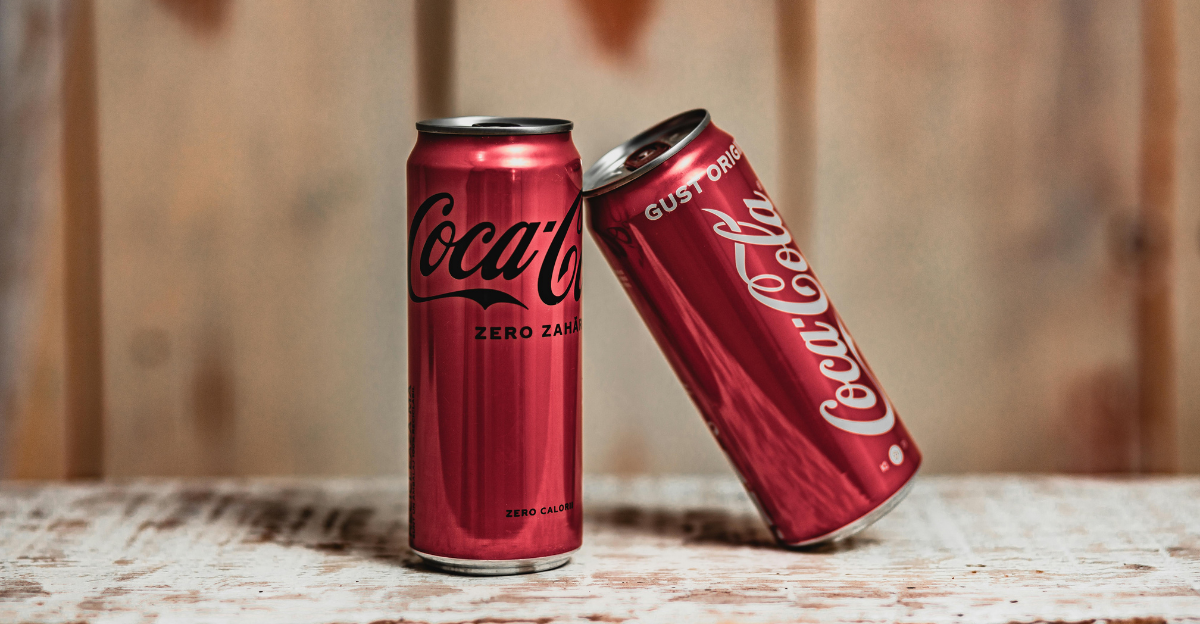
Coca-Cola’s focus on AI and efficiency has implications beyond its own workforce. Bottlers, packaging producers, logistics firms, and ingredient suppliers may face tighter margins or stricter performance expectations.
While marketing and innovation budgets are protected, cost discipline at the corporate level can ripple through the broader supply chain.
Global Consumers Shift Away From Sugary Soda
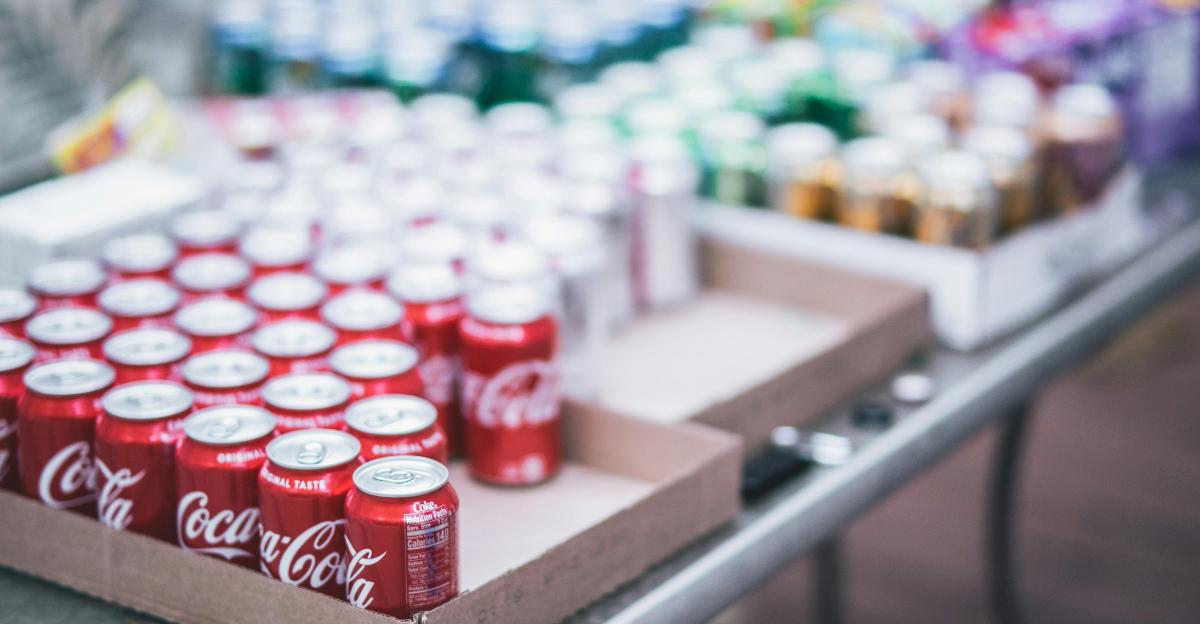
Changing consumer preferences are a central driver of Coca-Cola’s restructuring. Demand is growing faster for waters, sports drinks, and ready-to-drink teas than for traditional sugary sodas.
The company reports value-share gains in nonalcoholic ready-to-drink categories, particularly where consumers favor lower-sugar or functional beverages.
Health and Lifestyle Trends Drive Strategy

Growth in brands associated with protein, hydration, and moderation reflects broader health and lifestyle trends.
As Coca-Cola invests behind these lines, the headquarters shake-up illustrates how evolving consumer behavior reshapes corporate structures, marketing priorities, and long-term product development across the beverage industry.
Culture, AI, and the Future of Work
Coca-Cola’s plan to expand AI investment raises questions about the future of corporate roles. Automation promises efficiency and insight but also challenges traditional career paths.
For a legacy brand headquartered in Atlanta, the restructuring sparks debate over office culture, creativity, and how technology will redefine white-collar employment.
Unexpected Winners and Losers
While 75 Atlanta employees lose their roles, faster-growing brands within Coca-Cola’s portfolio may gain funding and staff.
Competitors could benefit if restructuring creates execution gaps, though they face similar pressures to cut costs and invest in high-growth categories, limiting any clear competitive advantage.
Investors Weigh Efficiency Against Risk
Investors generally expect Coca-Cola’s earnings per share to benefit from revenue growth and cost discipline.
However, markets will closely watch whether headquarters layoffs and AI investments improve margins without disrupting execution in North America, a key profit engine for the global beverage company.
Consumer Takeaways in a Reshaped Beverage Landscape
For consumers, the immediate impact is minimal: Coca-Cola products remain widely available. Over time, shoppers can expect more emphasis on zero-sugar sodas, premium teas, waters, and sports drinks.
Promotional strategies and pricing experiments may emerge as Coca-Cola and retailers refine product mixes.
What’s Next for Coca-Cola Leadership and Staff
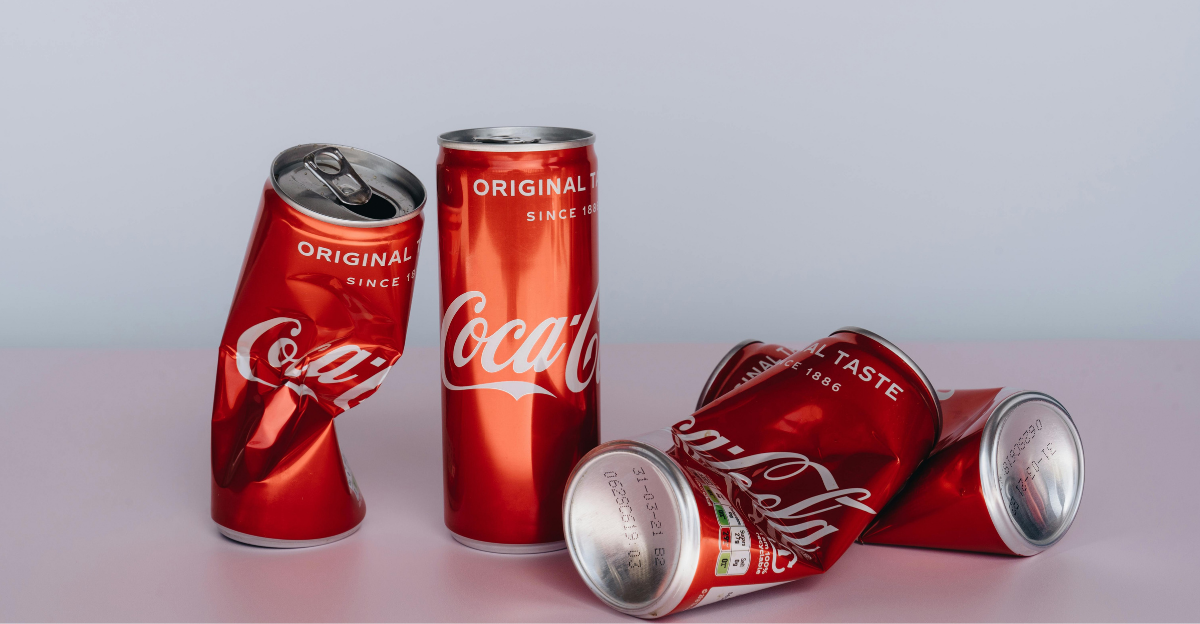
James Quincey is set to step down as CEO in March 2026 and transition to executive chairman. The leadership change coincides with the start of layoffs and potential additional phased cuts.
With totals undisclosed, employees at headquarters face continued uncertainty through 2026.
A Single HQ Cut Echoes Through Global Markets
Coca-Cola’s decision to eliminate 75 Atlanta headquarters jobs despite 5% revenue growth underscores a defining corporate reality: growth no longer guarantees stability.
The restructuring will test whether investments in AI, healthier beverages, and leaner corporate structures can position the 138-year-old brand for its next phase.
Sources:
CBS News Atlanta”Coca-Cola laying off 75 workers at Atlanta headquarters” (2 Jan 2026)
Parade”Coca-Cola Layoffs 2026: 75 Jobs Cut at Atlanta HQ—What to Know” (3 Jan 2026)
Fox 5 Atlanta”Coca-Cola files WARN notice for 75 layoffs at Atlanta HQ” (3 Jan 2026)
FoodIngredientsFirst”Coca-Cola Q3 results spotlight non-carbonated growth amid portfolio shift” (24 Oct 2025)
TalkMarkets”Coca-Cola: Restructuring for AI and Efficiency in 2026″ (31 Dec 2025)