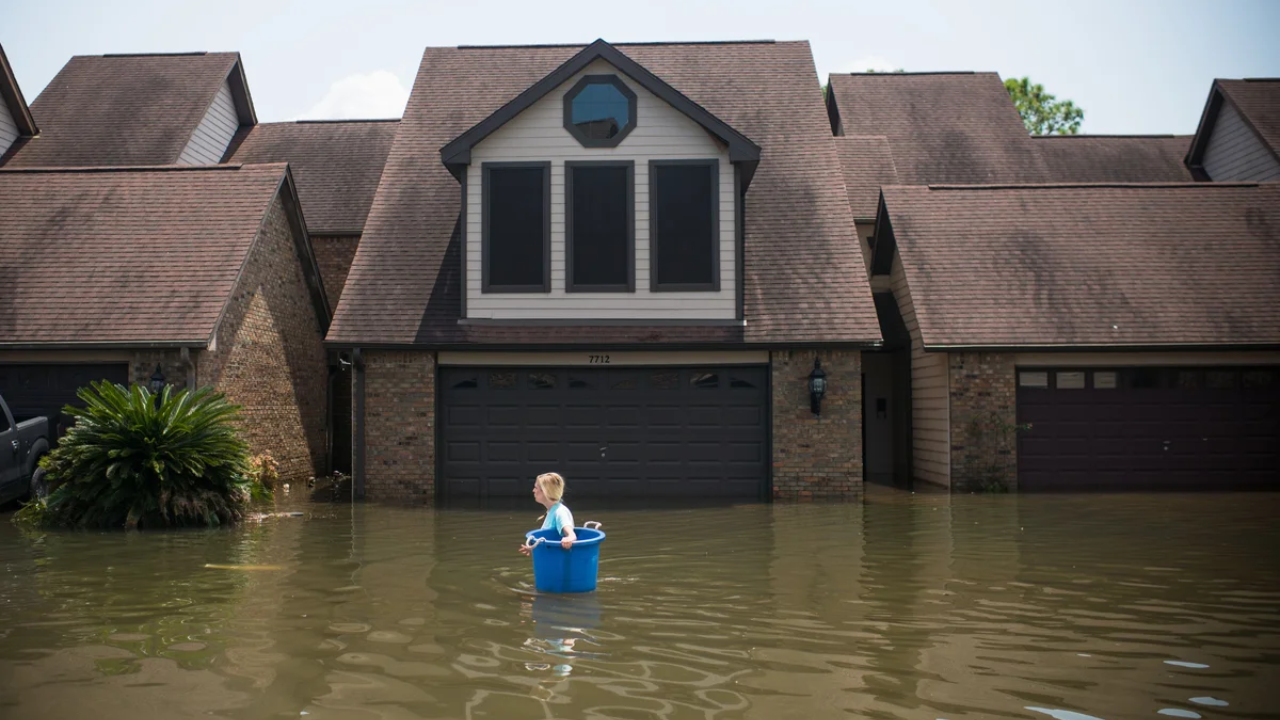
The past week saw coastal communities from the Carolinas to New England brace for a series of powerful storms. Millions faced a hazardous mix of relentless rain, onshore winds, and unusually high tides that combined to fuel widespread flooding and beach erosion.
According to the National Weather Service, alerts and advisories stretched across five states, signaling the escalated risks for residents and infrastructure alike. This multi-hazard episode highlights both the vulnerability and urgency in low-lying regions.
Triple Threat
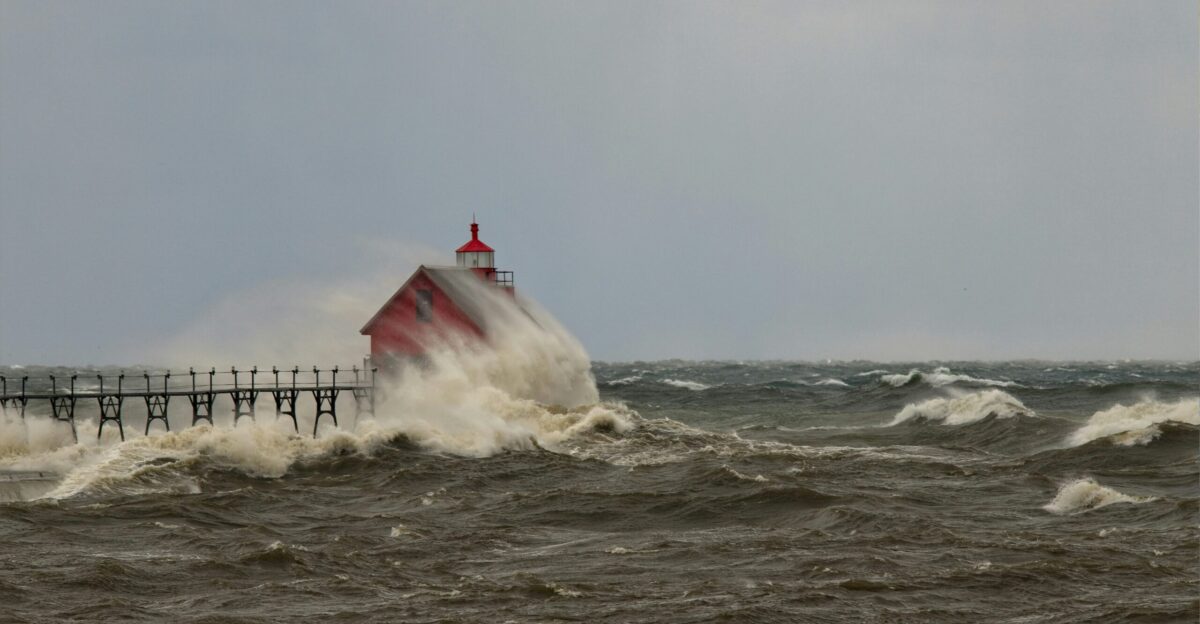
Meteorologists classified the convergence of tidal surges, heavy rainfall, and storm-driven winds as a “triple threat” event.
Coastal flood advisories were extended throughout the Mid-Atlantic, affecting over five million people from North Carolina to Long Island.
Forecasters noted that high water levels, already elevated by the October full moon, were only exacerbated by compounding storm systems. Infrastructure stress and property damage risks soared as alerts intensified.
A Recurring Pattern
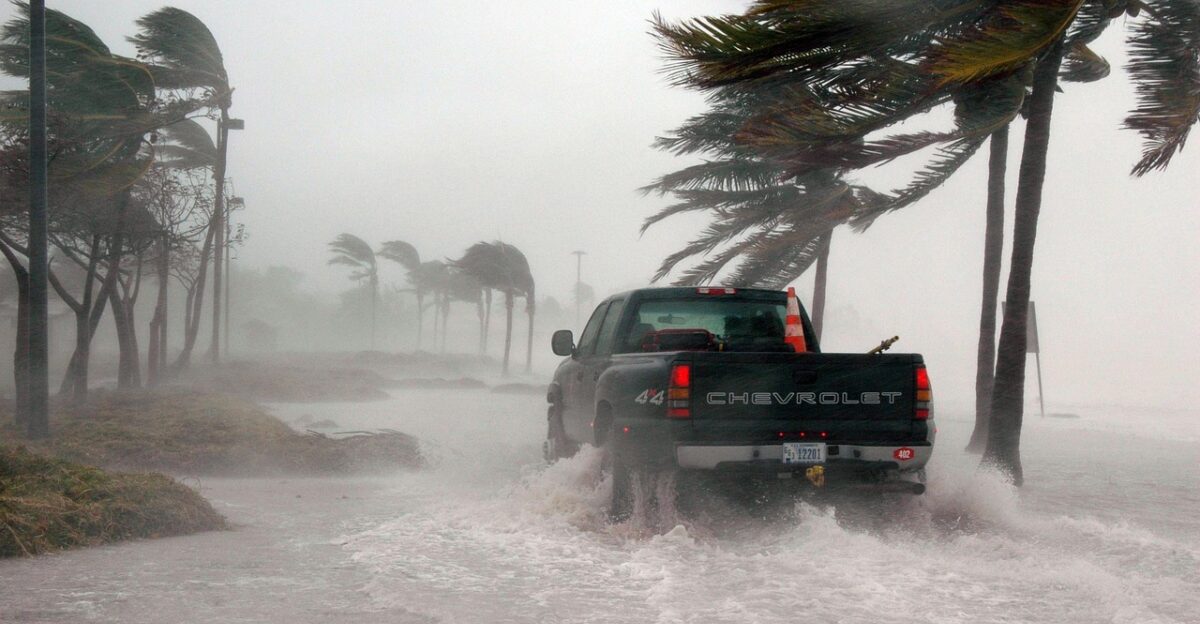
America’s East Coast is no stranger to flooding, having endured major events in 2012 with Hurricane Sandy and again in 2018 with Florence. Each year, seasonal “king tides” regularly bring higher water along busy shorelines.
However, experts like Dr. Robert Young, coastal geologist at Western Carolina University, warn that climate-driven sea-level rise now increases the baseline flood risk for thousands of properties. The stage is being set for more frequent crises.
Intensifying Pressures
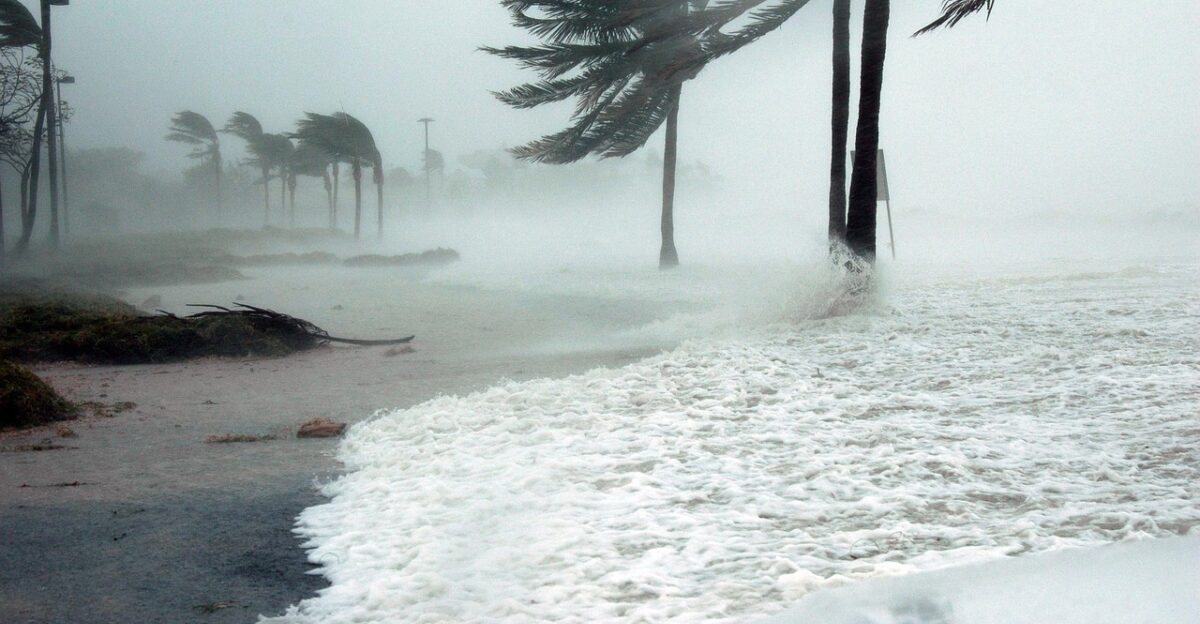
Long-term forecasts show an upward trend in the intensity and frequency of coastal storms. According to federal data, some East Coast cities have experienced a 50% increase in king tide floods over the last decade.
Homeowners face soaring insurance premiums and the real prospect of repeated displacement. Local officials debate whether to invest in costly flood barriers or consider more aggressive strategies, like property buyouts in high-risk zones.
Homes in Peril
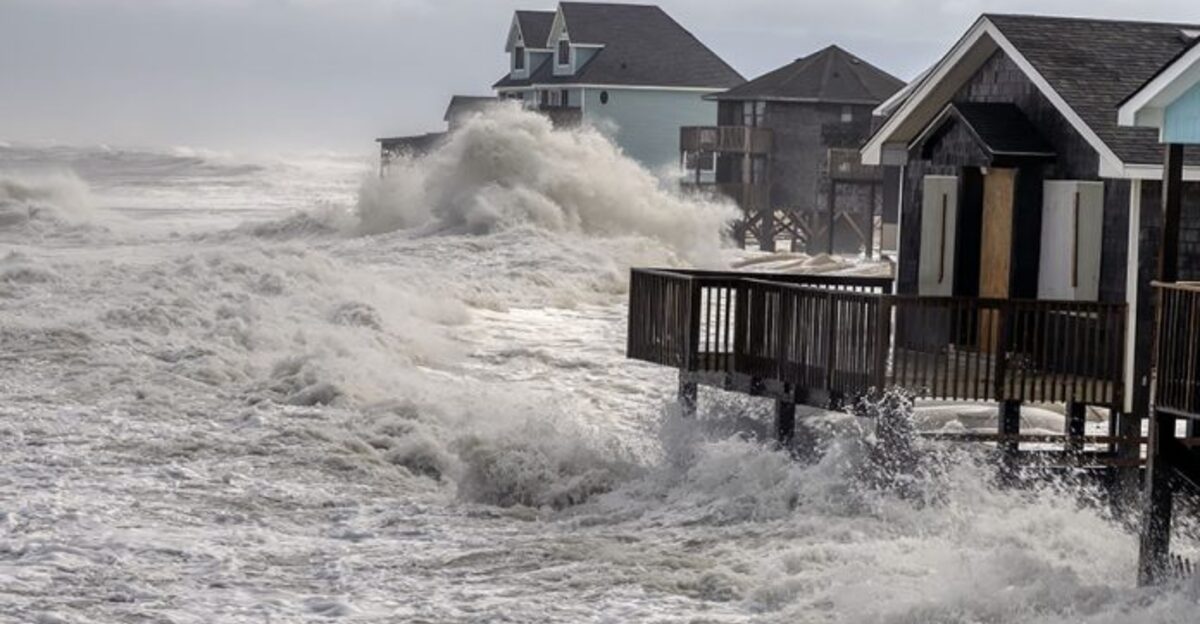
The threat became all too real in North Carolina’s Outer Banks between September 30 and October 1. Fueled by hurricane-sourced surf and storm surge, at least eight homes collapsed into the Atlantic in less than 48 hours.
Dare County officials described waves topping dunes and eroding foundations at a pace not seen in recent memory. This dramatic loss led to evacuations and highlighted deficiencies in coastal defense planning.
Regional Fallout
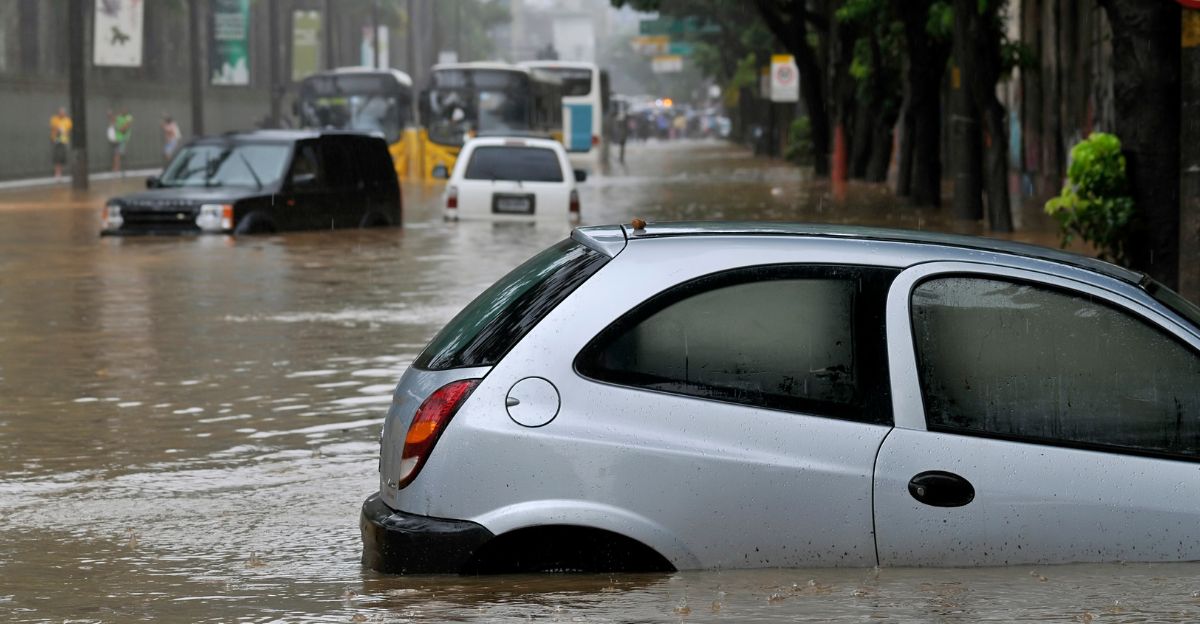
Secondary effects rippled northward. In Maryland, emergency crews executed water rescues as flash floods swamped streets and threatened mass transit systems.
New Jersey and New York saw similar chaos, with localized power outages and closed subway lines disrupting daily life.
Local governments coordinated relief efforts as infrastructure struggled to cope with the extraordinary stress of combined freshwater runoff and tidal intrusion.
Personal Stories
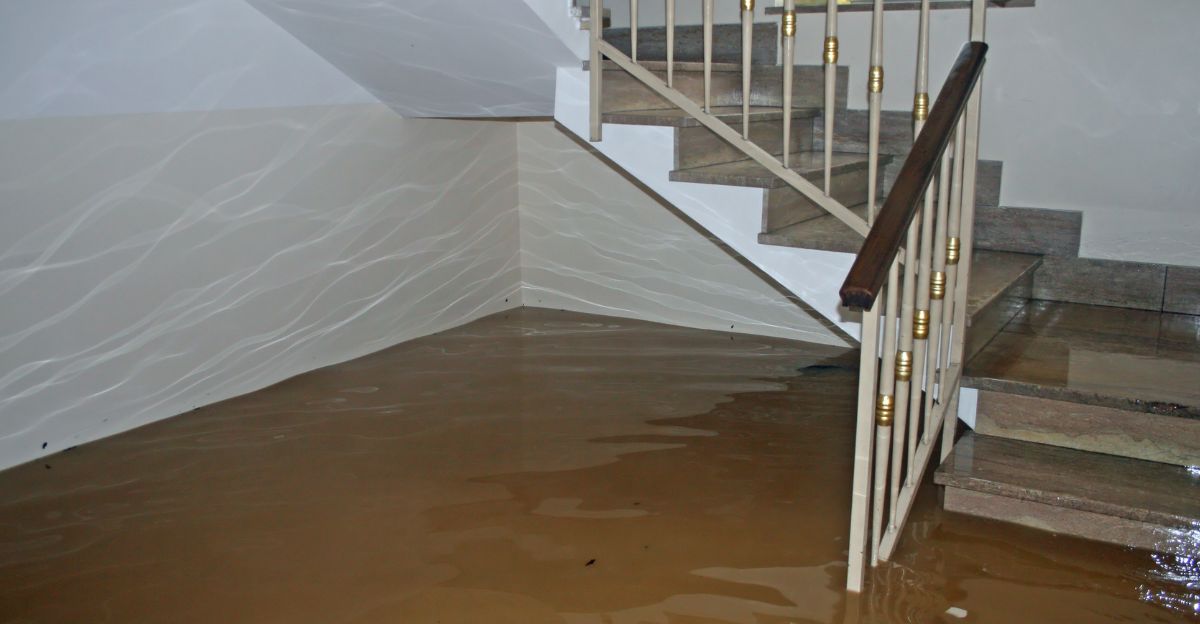
Residents in heavily impacted areas described sleepless nights and anxious days as they watched water creep toward their homes. “It felt like the ocean was closing in by the hour,” said a Buxton homeowner.
Many families now face tough decisions: whether to rebuild, relocate permanently, or try to adapt their properties against future surge threats. The resilience and adaptation of these communities will shape their recovery.
Emergency Measures
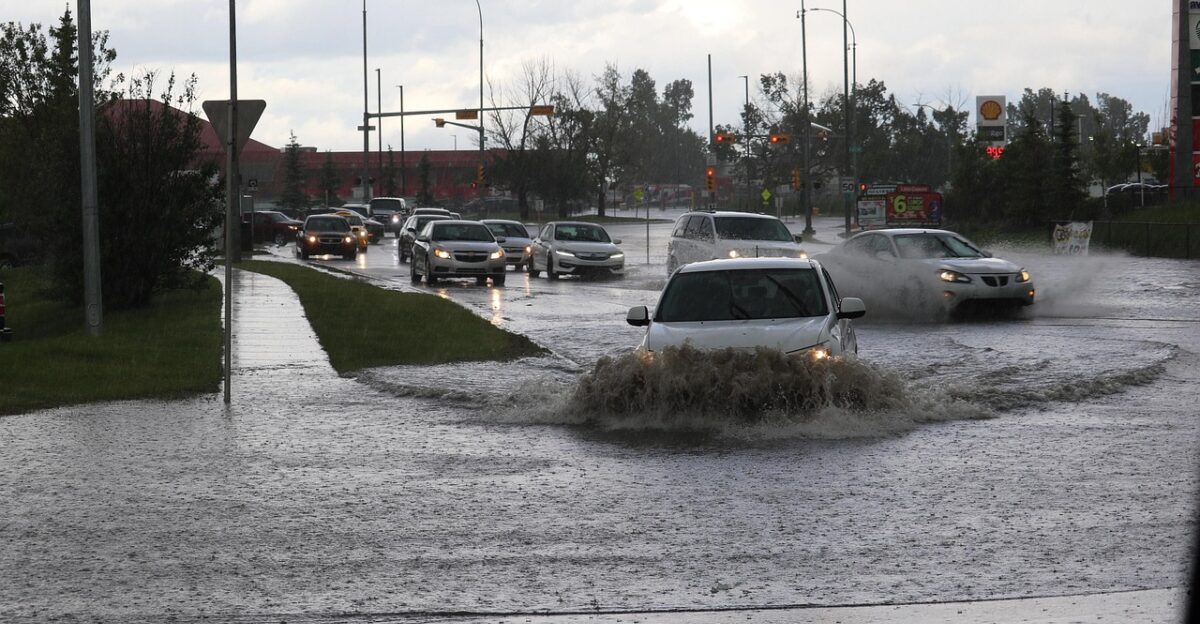
State and local authorities moved quickly, with North Carolina’s governor declaring emergencies across 13 counties.
The National Park Service, tasked with managing vulnerable stretches of shoreline, spearheaded evacuations while warning the public of additional structures at risk.
Federal disaster funds and volunteer organizations mobilized, but officials cautioned recovery would take months as assessments continued along battered coasts.
Coastal Flooding Risk
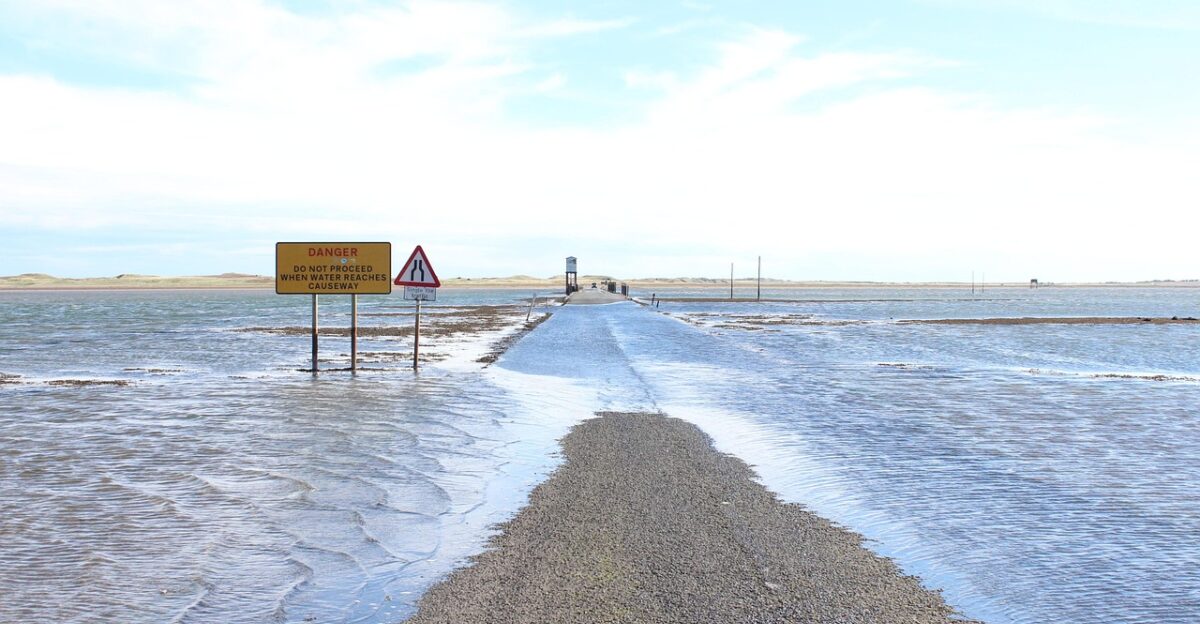
The National Weather Service estimates more than eight million people along the eastern seaboard remain exposed to coastal flooding risk this autumn.
This vulnerability is reinforced by persistent sea level rise and increasingly volatile storm cycles. According to NOAA, some cities may see up to 30 days of coastal flooding per year by mid-century—nearly triple the current average. Adapting to this new normal is a mounting challenge.
Collateral Hazards
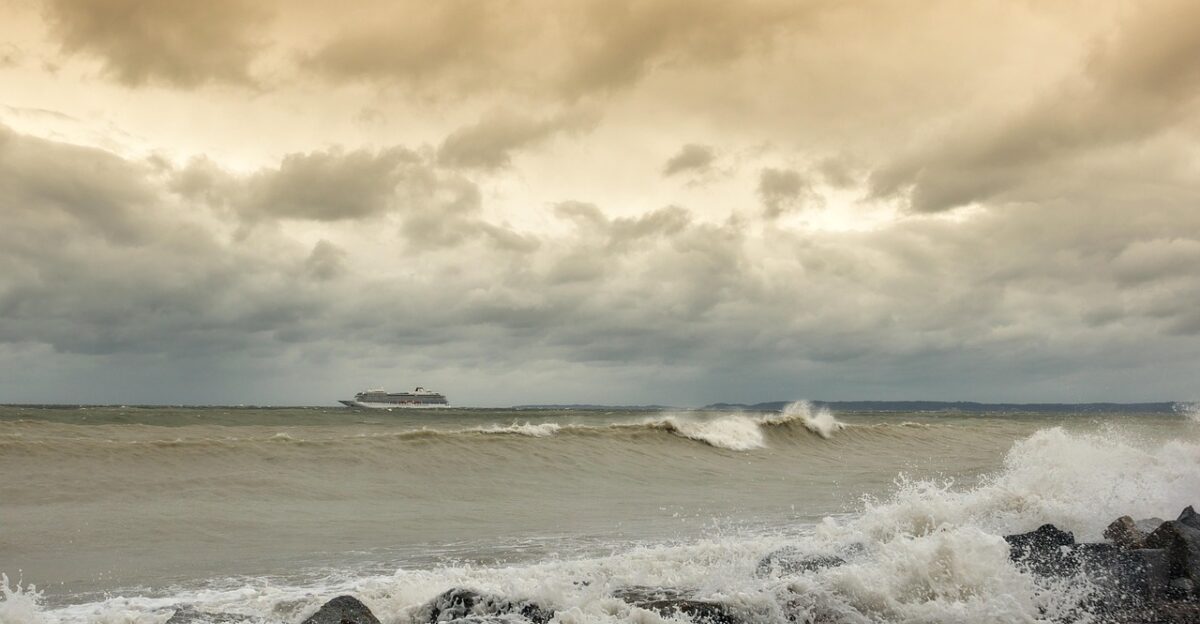
Beyond the immediate destruction, hazardous debris now litters many public beaches, raising new safety and environmental concerns.
Officials point to everything from sharp wood and metal to entire sections of homes scattered across shoreline ecosystems.
The environmental clean-up and mitigation costs threaten to overwhelm some local budgets, while wildlife and public health experts warn of cascading effects on habitat and human safety.
Community Frustration
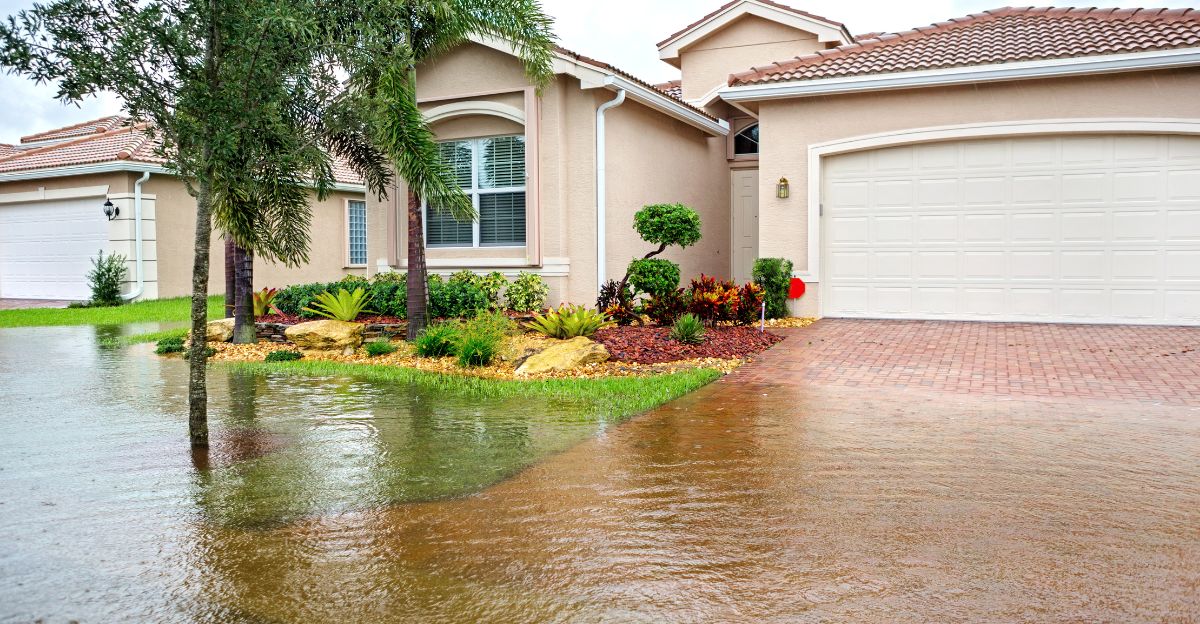
Local grievances are escalating as residents struggle to cope with repeated losses. Several Outer Banks homeowners criticized both the pace of official warnings and the lack of stringent coastal building standards.
Lags in insurance assessments and slow financial payouts have added to the economic and emotional strain for families trying to rebuild their lives. Community leaders now urge state and federal lawmakers to take more decisive action.
Disaster Readiness
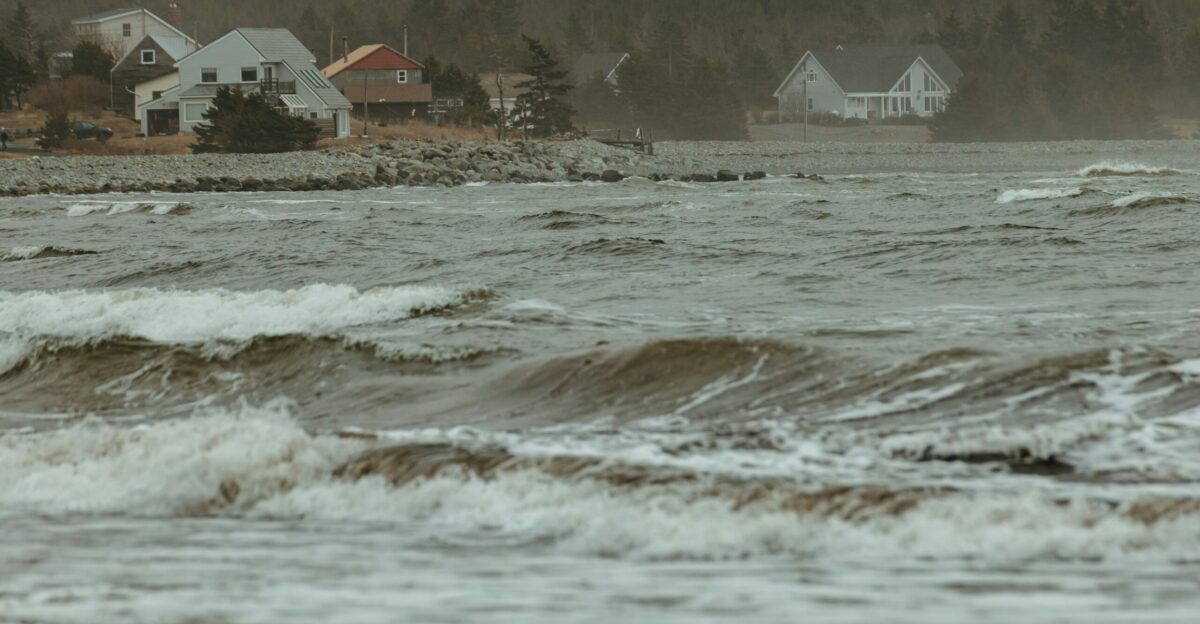
In response, changes are underway in local emergency management and zoning boards. Several counties in North Carolina have begun strategic reviews of their coastal zoning and disaster readiness protocols.
Leadership teams are being trained in climate risk assessment and crisis communications, drawing lessons from this month’s storm response to improve for the next event. Long-term resilience now sits at the top of local government agendas.
Rebuilding Efforts
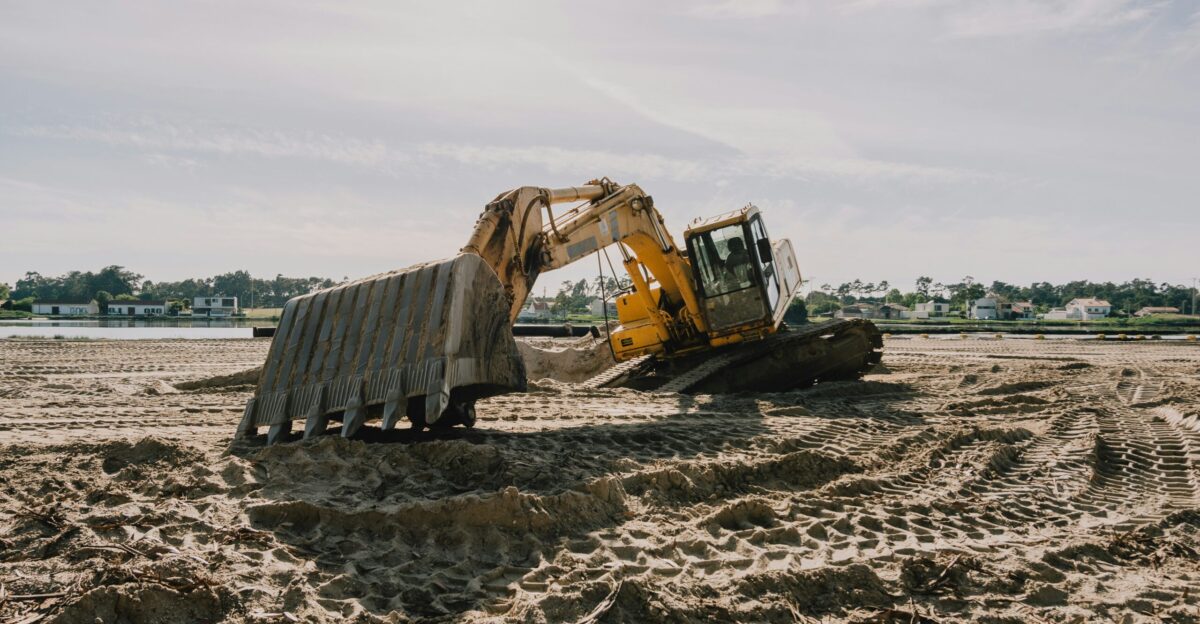
Focused on recovery, communities are launching efforts to repair infrastructure, rebuild homes, and restore dunes.
Grants and federal aid are being directed toward both near-term repairs and long-term improvements, such as building robust seawalls and elevating vulnerable structures.
Non-profits are mobilizing volunteers for debris removal, while engineers assess the potential for new flood-mitigation designs. Recovery remains slow, but determination is strong.
Bigger Warnings
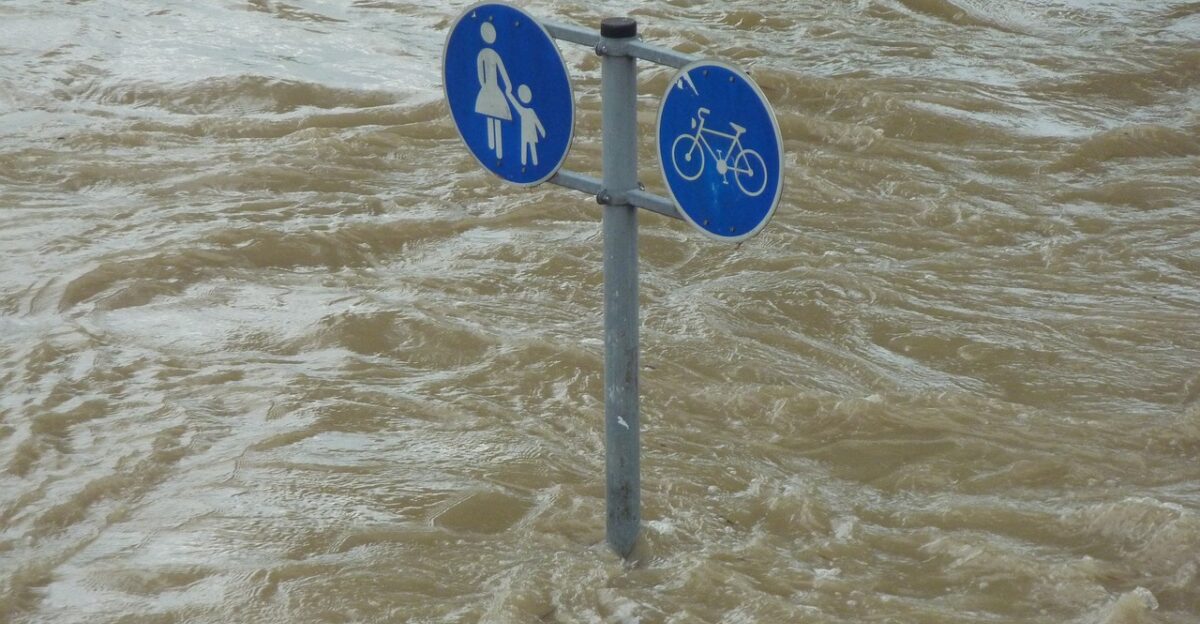
Experts, such as Jeremy Porter, chief scientist at the First Street Foundation, highlight that the threats from flooding and storm surges are likely to intensify as climate change progresses.
Analyses by organizations like the First Street Foundation show that U.S. flood risk is considerably higher than previously projected, with millions of properties currently underestimating their exposure.
Flood risk models now incorporate sea-level rise and more extreme weather events, prompting scientists to advocate for increased investment in adaptation strategies and community preparedness for the coming decades.
Rising Threats
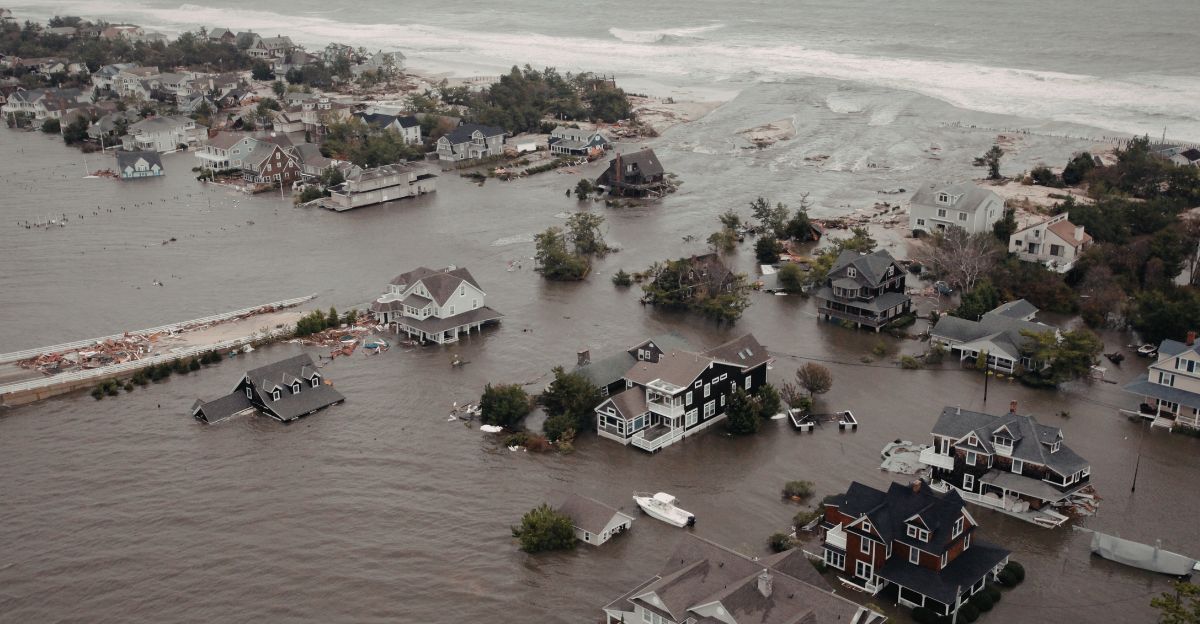
As storms grow more frequent and severe, coastal towns face difficult decisions. Will insurance and federal assistance be enough to stem future losses?
Will new zoning laws and mitigation projects keep up with rising threats? Experts agree that the events of October 2025 serve as a wake-up call for coastal resilience across the United States. The test now is how communities answer.