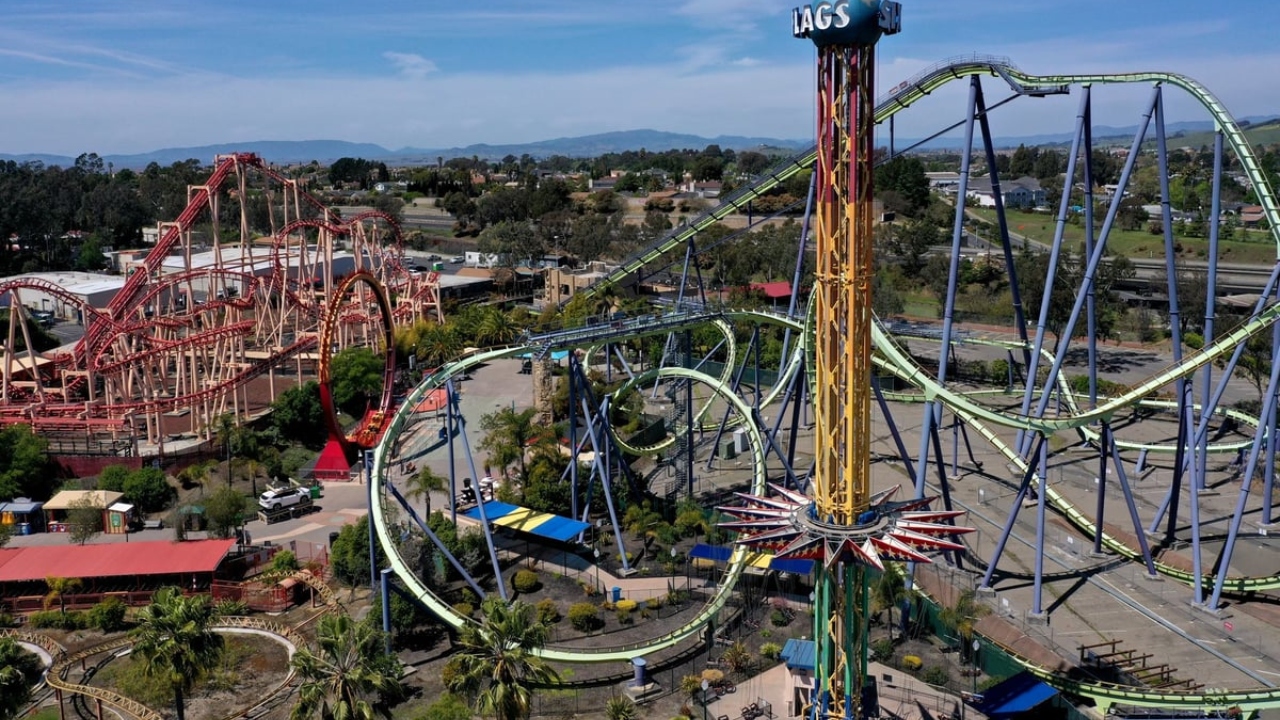
On a crisp November day in 2025, Six Flags America—an amusement park that had entertained generations in the Baltimore-Washington corridor—closed its gates for the last time. For 51 years, the park’s roller coasters, water slides, and family attractions had been a fixture of regional leisure. Its sudden closure, driven by corporate strategy and shifting market forces, marked not just the end of a beloved destination, but a turning point for the American amusement park industry.
Corporate Consolidation and the End of an Era
The closure of Six Flags America was set in motion by a wave of industry consolidation. In 2024, Six Flags Entertainment merged with Cedar Fair, creating North America’s largest theme park operator. The new company quickly launched a “portfolio optimization” review, scrutinizing each property for profitability and long-term potential. As mega-resorts and flagship parks became the focus, smaller regional parks like Six Flags America faced mounting pressure. Analysts questioned whether these legacy parks could compete with larger, more modern destinations, especially as real estate values in the region soared.
Six Flags America, originally opened as Wild World in 1974 and rebranded several times before adopting its final name in 1999, had long been a staple for local families. Yet, as competitors like Hersheypark and Kings Dominion invested in new attractions and branding, Six Flags America struggled to keep pace. Operational challenges and safety concerns further eroded its reputation, and the park’s attendance steadily declined.
Economic Impact and Community Loss

The decision to close the park was announced in May 2025. Six Flags’ leadership cited the rising value of the 500-acre property and the greater returns expected from redevelopment over continued park operations. The announcement sent shockwaves through Prince George’s County, where the park had been a major employer and economic driver for decades. Hundreds of full-time and seasonal workers faced job loss, while local businesses braced for a drop in tourism and revenue.
For many, the closure was more than an economic setback—it was the loss of a cultural landmark. Families who had visited for generations gathered for a final farewell on November 2, 2025, sharing memories and tributes on social media. The park’s last day drew crowds eager for one last ride on iconic attractions, underscoring the deep emotional ties between the community and the park.
Shifting Industry Dynamics
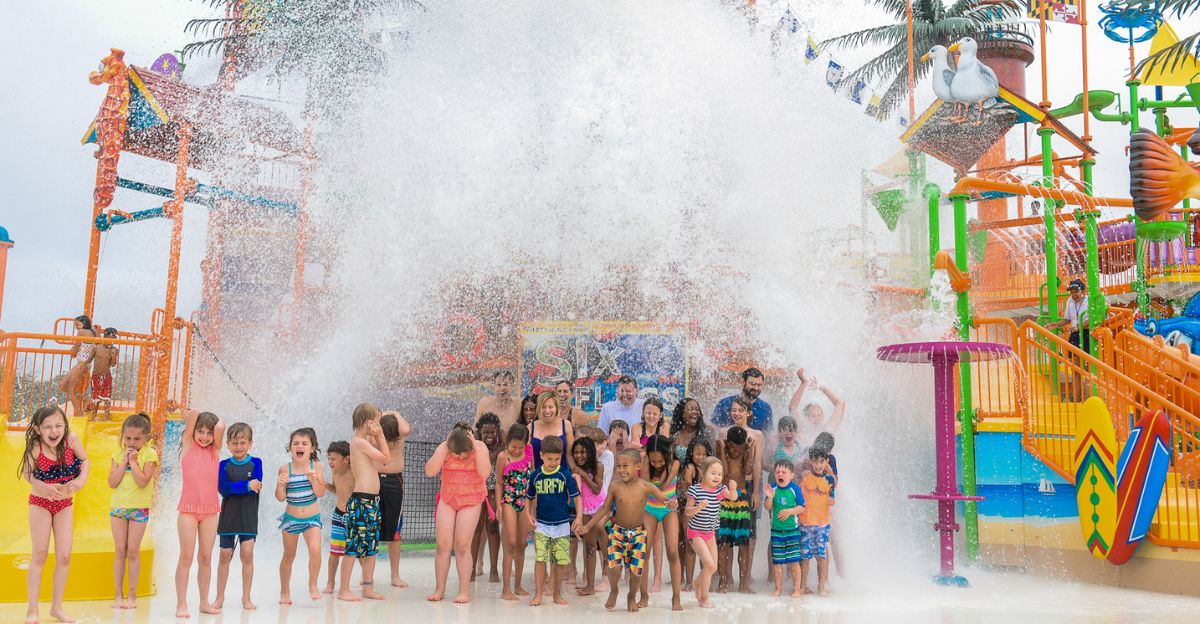
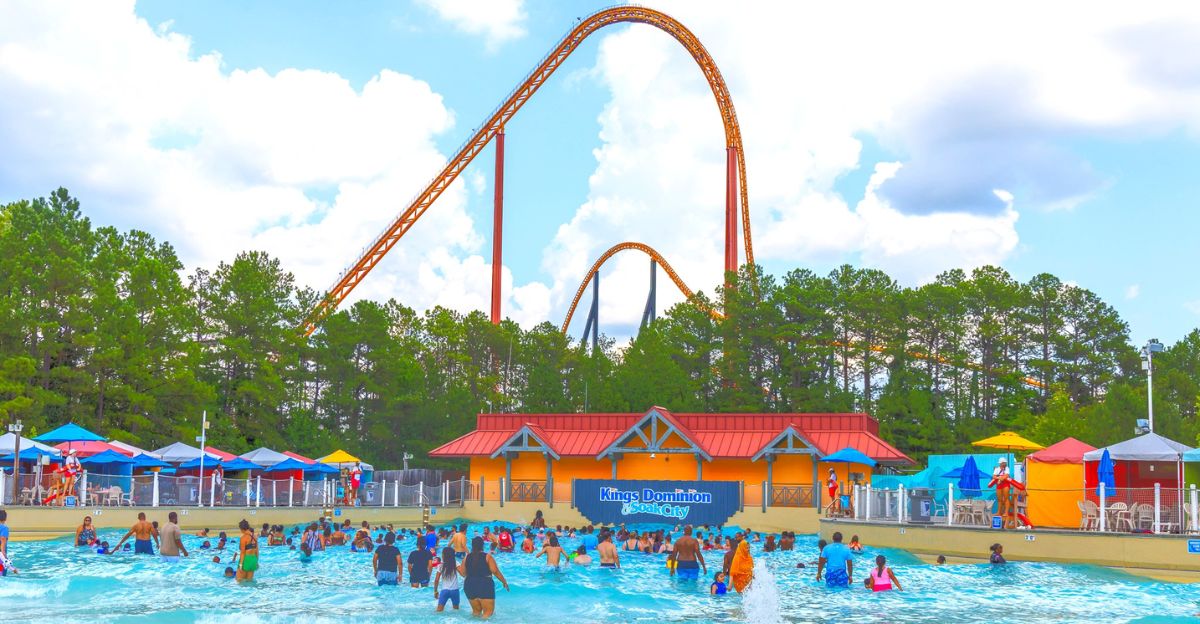
The shuttering of Six Flags America signaled a broader shift in the amusement park industry. With one of the Mid-Atlantic’s most popular parks gone, nearby destinations like Hersheypark, Kings Dominion, and Six Flags Great Adventure stood to benefit from an influx of displaced visitors. Smaller parks, meanwhile, faced increased pressure to modernize or risk a similar fate.
The merger between Six Flags and Cedar Fair reflected a growing trend: operators focusing on fewer, larger, and more profitable parks. As land values climbed, the incentive to redevelop underperforming properties intensified. Industry analysts noted that while nostalgia for regional parks remained strong, the economics increasingly favored consolidation and real estate development.
Specialized Services and Uncertain Futures
Six Flags America had distinguished itself in recent years by becoming the region’s first Certified Autism Center, offering sensory-friendly spaces and staff training for visitors with special needs. Its closure left a gap for families who relied on these accommodations, raising questions about the future of accessible recreation in the area.
The fate of the park’s rides and attractions also remained uncertain. Some could be relocated to other Six Flags or Cedar Fair properties, but the logistics and costs of moving large, aging equipment posed significant challenges. For fans, the uncertainty surrounding beloved roller coasters and water slides added to the sense of loss.
Redevelopment, Environment, and the Road Ahead
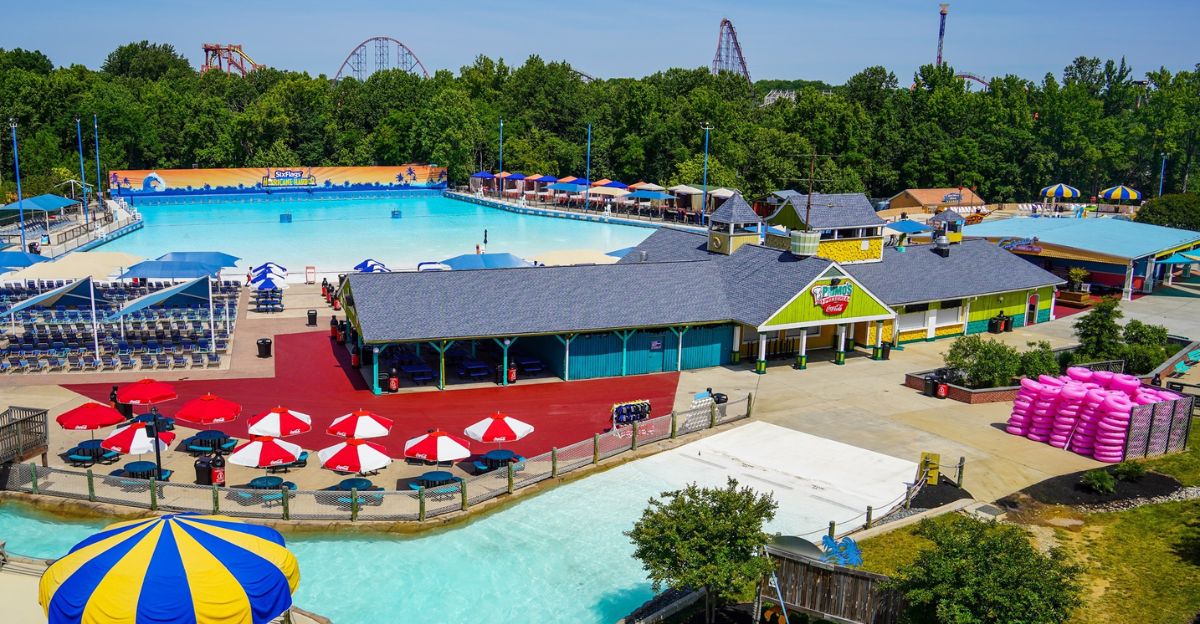
Attention quickly turned to the future of the sprawling site near Washington, D.C. Developers eyed the land for residential and commercial projects, drawn by its prime location. County officials promised careful planning, but local residents voiced concerns about gentrification, the loss of green space, and the environmental impact of large-scale redevelopment.
Six Flags America’s closure also erased a valuable community asset. During the COVID-19 pandemic, the park had served as a mass vaccination site, administering hundreds of thousands of doses. Its loss was felt not just in entertainment, but in public health infrastructure and civic life.
As the amusement park industry continues to consolidate, the closure of Six Flags America stands as a symbol of changing times. The era of the regional, family-oriented amusement park is fading, replaced by larger, more immersive destinations and a relentless focus on profitability. Whether communities will find ways to preserve these cultural landmarks—or watch them vanish in the face of corporate strategy and rising land values—remains an open question.