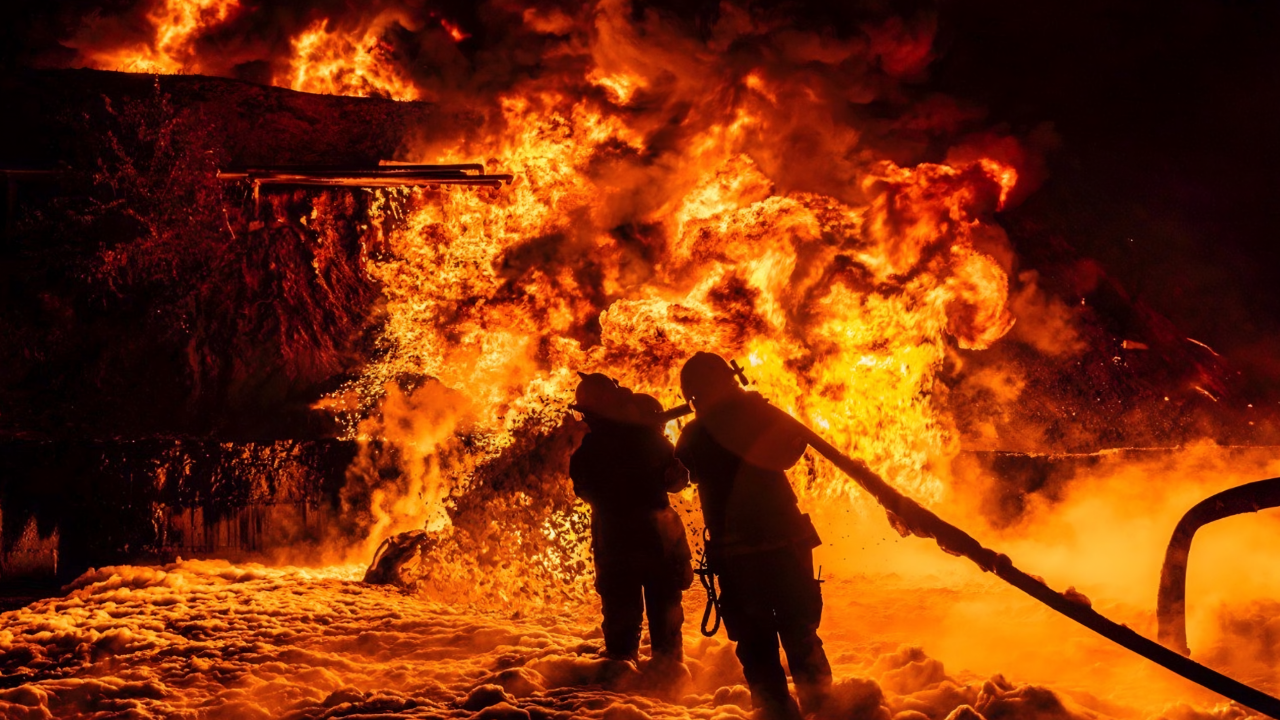
On Christmas Eve, as families gathered amid winter chill, Ukrainian drones pierced deep into Russian territory, setting ablaze a vital gas processing plant in Orenburg. This strike, over 1,700 kilometers from Ukraine’s border, suspended operations at one of Russia’s most critical energy hubs, exposing vulnerabilities in defenses far from the front lines.
Christmas Eve Timing
The overnight attack on December 24-25 carried deliberate symbolism, coinciding with a holiday when staffing levels often dip and alertness wanes. Ukraine has refined its tactics to blend military precision with psychological resonance, selecting moments that prolong disruption and seize public attention during lulls in news cycles. The timing ensured the fire and shutdown dominated discourse, amplifying the event’s reach.
Long-Range Drone Capabilities

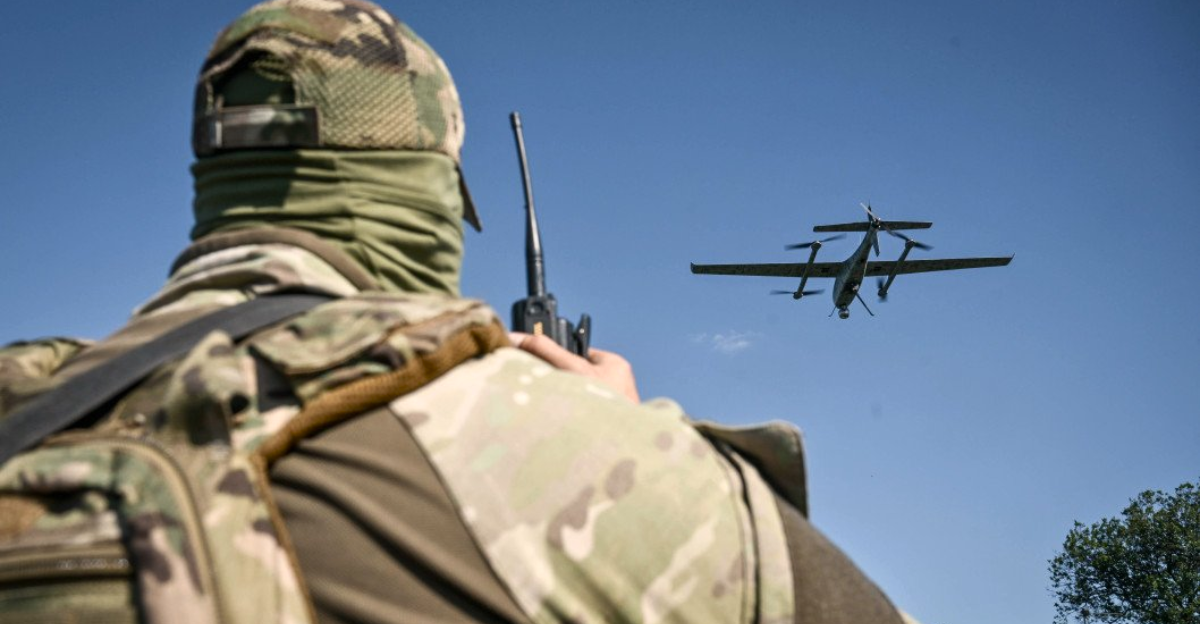
Ukraine’s Security Service deployed long-range drones that evaded interception to reach Orenburg, underscoring gaps in Russia’s air defenses at extreme distances. These unmanned systems enable cost-effective strikes on fortified targets, sidestepping the expense of missiles or manned aircraft. The operation highlighted Ukraine’s shift toward asymmetric warfare, where reach rivals traditional firepower.
Damage and Operational Halt
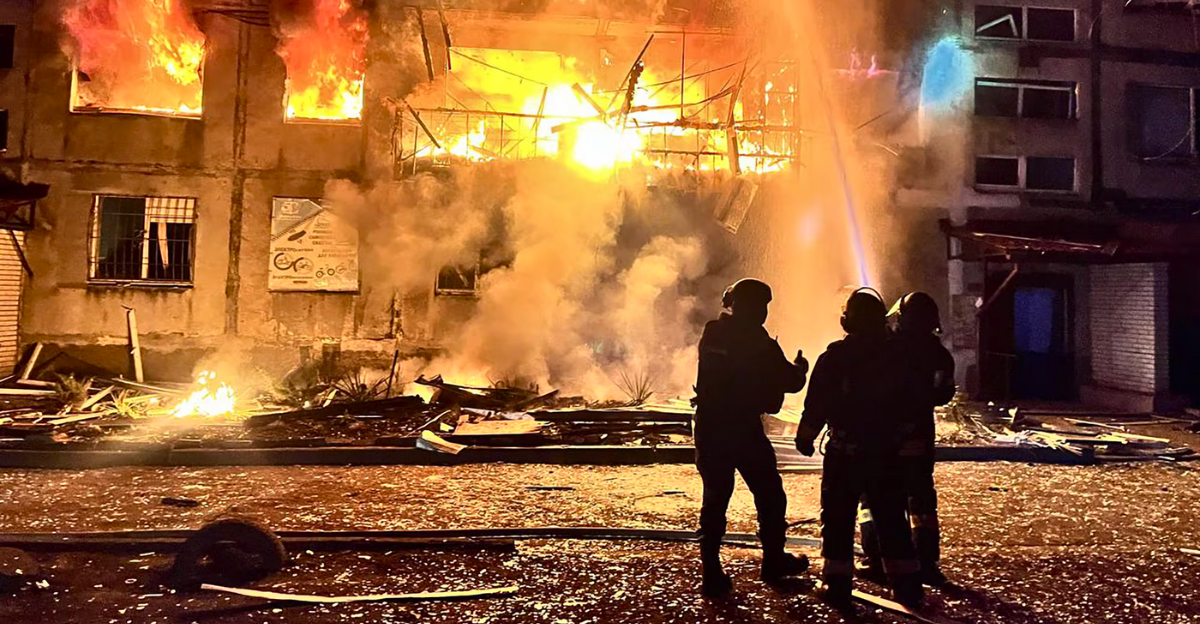
Drones struck a pipeline on the pipe rack of Unit 3U-70, part of the plant’s hydrogen sulphide and carbon dioxide removal system, igniting gas and triggering a fire. Interlinked processes forced a full suspension of technological operations to avert secondary blasts or toxic leaks. Emergency crews contained the blaze, prioritizing safety amid hazardous materials like hydrogen sulphide.
Orenburg’s Strategic Scale
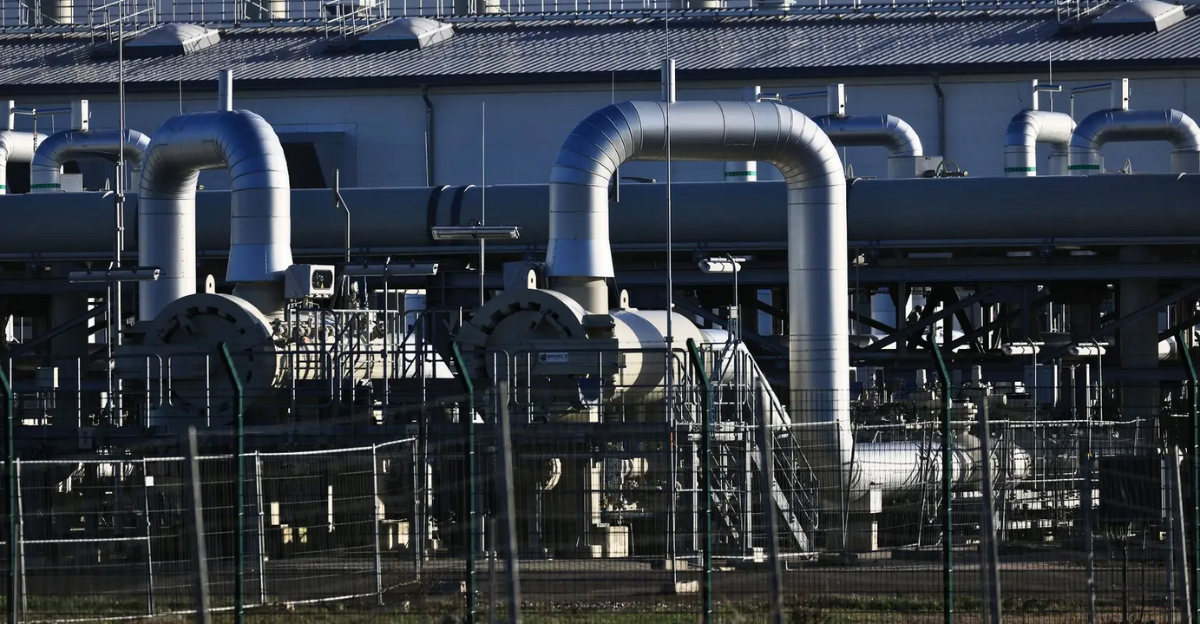
Known as the world’s largest gas chemical complex, the Orenburg facility processes 37.5 billion cubic meters of sour gas yearly, demanding specialized treatment. Its role in Russia’s energy backbone makes any halt a high-stakes blow, disrupting flows that fuel the economy and military. The plant also handles gas from Kazakhstan’s Karachaganak field, sending ripples through regional supply chains.
Russia’s Response and Broader Campaign
Russia’s Defense Ministry reported intercepting drones, yet the confirmed fire proved at least one succeeded. That same night, a separate blaze erupted at Temryuk seaport in Krasnodar Krai, where two oil tanks burned over 2,000 square meters; 70 responders and 18 vehicles quelled it without casualties. These simultaneous hits suggested coordinated pressure on energy assets, straining resources across regions.
Deep strikes like Orenburg’s erode the notion of safe rear areas, blurring war’s boundaries and imposing psychological strain. Occurring in winter, when heating demands peak, the disruption heightened urgency for gas processing and distribution. Ukraine targets such infrastructure to erode Russia’s war-sustaining revenues, pursuing sustained economic pressure over one-off hits.
As Russia grapples with defending expansive interiors, these operations signal a new equilibrium in the conflict. Ukraine’s demonstrated range forces resource reallocations, while interruptions to shared energy networks like those with Kazakhstan underscore wider risks. The path forward hinges on whether Russia bolsters distant protections or Ukraine sustains its momentum, with energy stability central to endurance on both sides.
Sources:
Kyiv IndependentArticle Title: “Drone attack ignites 2 oil tanks at port in Russia’s Krasnodar Krai”
Modern DiplomacyArticle Title: “Cutting the Fuel Line: Ukraine’s Bid to Strangle Russia’s War Economy”
Japan TimesArticle Title: “Ukraine says it has hit a Russian gas processing plant and …”