In mid-2025, Chipotle Mexican Grill reported an unexpected slowdown. For Q2 ended June 30, 2025, comparable-store sales fell 4.0% year-over-year, even as total revenue rose 3.0% thanks to new store openings.
Customer transactions dropped 4.9% (a mere 0.9% increase in average check only partially offset this). These results marked Chipotle’s first quarterly sales decline since the pandemic era, a shock given its years of steady growth.
With roughly 3,800 restaurants worldwide, the chain still saw digital orders jump to 35.5% of revenue, underscoring how diners are shifting habits even as on-site traffic cools.
Stock Shock
Following the earnings report, Chipotle’s stock tumbled sharply. On July 24, 2025, the shares plunged roughly 13% in a single session, erasing about $9 billion in market value.
The sudden collapse (from around $58 to the low-$40s) came as the company cut its sales guidance, shaking investor confidence.
Analysts noted this was one of the largest one-day losses in Chipotle’s history. The sell-off underscored deep fears that the fast-casual leader’s high-flying valuation rested on fragile sales momentum. Investors were suddenly questioning whether Chipotle could grow at its prior pace in this economy.
Context Check
For years, Chipotle had been a Wall Street favorite. After lapping its food-safety crises, the chain delivered steady comp sales gains: in fact, analysts note you “had to go back to the throes of the pandemic to find [Chipotle’s] last negative quarter”.
Its model — growing drive-thru locations and digital channels — fueled growth through the pandemic era and beyond.
That makes the recent downturn so striking: in early 2025 the company saw two straight quarters of sales declines, a streak of weakness almost unheard-of until now. The contrast with prior years is stark, and it caught many investors off guard.
Economic Squeeze
In the broader economy, households are reassessing budgets. Recent surveys show consumers expect to spend about 7% less on restaurants this summer versus prior years.
As KPMG’s Duleep Rodrigo warns, it’s shaping up to be “a selective and cost-conscious summer ahead”. Rising inflation and wage pressures have left many families hesitant to eat out, opting to cook more at home or hunt for deals.
Even mid-income and younger shoppers are scrutinizing menus for value. Higher everyday costs and uncertainty are forcing diners to pull back, creating headwinds for restaurants of all types.
Historic Stumble
Even more alarmingly, Chipotle saw back-to-back comp declines for the first time since COVID. Its same-store sales dipped 0.4% in Q1 and then plunged 4.0% in Q2 – the company’s “second straight quarterly comp decline”.
This streak of weakness is unprecedented in recent memory. A year ago (Q2 2024), Chipotle was posting double-digit sales gains, making this reversal breathtaking.
The abrupt swing from boom to bust stunned investors: a decade of steady growth suddenly flipped to a sharp downtrend. For a firm once seen as recession-resistant, the shift was especially startling.
California Concerns
The downturn has been uneven across regions. In particular, Chipotle’s home base in California and other pricey markets saw especially steep traffic drops. Mobile-location analytics confirm this: Chipotle visits per restaurant fell about 6% in Q2 (YOY), while the wider fast-casual segment remained roughly flat.
This gap suggests company-specific factors – such as heightened price sensitivity in expensive areas – are at play. For example, consumers in the Bay Area or Los Angeles, facing soaring housing and living costs, have noticeably cut back on casual dining.
Executives note that some regions are lagging others, underscoring how local economics can amplify the company’s challenges.
Consumer Strain
Chipotle’s leadership openly acknowledged the consumer squeeze. CFO Adam Rymer told Reuters that “certain cohorts of the consumer, definitely on the lower-income side, are feeling pressure right now”.
Price-sensitive diners have been cutting back. Internal surveys also found that saving money is often the top reason customers visit restaurants less. The company insists it offers good value, but these comments show management is scrambling to get that message through to budget-strapped customers.
Even a slightly higher price or less convenient option can drive hesitant guests to cheaper alternatives.
Competitive Heat
Meanwhile, competitors doubled down on value. McDonald’s, for example, extended its $5 Meal Deal (burger, fries, nuggets, drink) through late 2024. Taco Bell, Burger King, and others rolled out expanded value menus.
In this environment, Chipotle’s premium pricing looked comparatively expensive. With burgers and tacos bundled for a few dollars, budget shoppers had less incentive to pay extra for a Chipotle burrito.
Rival promotions made it harder to justify Chipotle’s higher check averages. Management has matched this with its own offers (like loyalty rewards), but the scene has become a fierce value war.
Industry Malaise
Even beyond Chipotle, the fast-casual segment is feeling the pinch. Industry data show fast-casual same-store sales down about 1.0% in early 2025. Rivals weren’t spared: salad chain Sweetgreen saw Q2 comps plunge 7.6%, and Mediterranean concept Cava reported lackluster traffic.
These results illustrate a systematic pullback from higher-priced casual dining. The struggles appear broad-based, reflecting a shift in consumer spending.
Many trendy chains are warning of slower growth or outright declines, which means Chipotle’s issues may be part of a larger consumer trend.
Market Meltdown

Investors saw enormous losses. By September 2025, Chipotle’s market capitalization was about $53 billion, down from roughly $89 billion at its late-2024 peak.
The stock’s 52-week range illustrates the plunge: $66.74 at its high vs about $39 in the fall.
The July 24 crash alone erased roughly $9 billion in one day. All told, the past nine months have wiped out on the order of $33–$37 billion in shareholder wealth. Chipotle’s market value cratered, one of the sharpest declines seen in the sector.
Management Frustration

Inside Chipotle, executives openly expressed frustration. CEO Scott Boatwright told Nation’s Restaurant News that he believes Chipotle isn’t getting enough credit for its value proposition.
He noted that low-income consumers are hunting for cheaper $5 meals, forcing Chipotle to reassess its messaging. “We need to figure out how to communicate value and showcase value” while preserving quality, Boatwright said.
The leadership is scrambling to convince cost-conscious diners that Chipotle can still give them a bargain on fresh ingredients. The tone from management is clear: they see value as a blind spot to fix.
Leadership Shuffle

Amid the turmoil, Chipotle also reshuffled its leadership. In May 2025 it hired restaurant veteran Jason Kidd as Chief Operating Officer, effective May 19.
Kidd spent decades with Taco Bell and Sam’s Club. The company also announced that longtime executive Jack Hartung (25 years with Chipotle) would step down as President/CSO on June 1, 2025, and transition to an advisory role through early 2026. (Boatwright, who had been interim CEO, was earlier confirmed as permanent CEO.)
These changes underscore the search for steady hands as Chipotle navigates uncharted waters.
Recovery Tactics
Chipotle quickly rolled out a series of new initiatives. It launched its “Summer of Extras” campaign – essentially a $1 million free-burrito giveaway – and in mid-June introduced Adobo Ranch, its first new menu dip in five years (for $0.75).
The chain also extended popular items like Honey Chicken. These moves, along with ramped-up marketing and loyalty promotions, appear to be paying off. By June, foot-traffic trackers reported Chipotle visits up 5.3% (YOY) after lagging earlier in the quarter.
Early July comps and transactions turned positive, suggesting these efforts are beginning to stabilize sales.
Expansion Gamble
Despite the same-store sales slump, Chipotle kept pushing expansion. In Q2, the chain opened 61 new restaurants – 47 with its drive-thru “Chipotlane” format.
It reiterated plans for 315–345 new openings in 2025, over 80% with Chipotlanes. The idea is that fresh locations (especially drive-thrus) can help offset weak traffic at older stores. But some analysts question whether this heavy capex might just paper over demand issues: if new sites underperform, the strategy could backfire.
In any case, Chipotle’s pipeline of new units remains robust.
Future Stakes
Looking ahead, the big question is whether Chipotle can turn things around. Its current guidance calls for flat comps in 2025, but store-level margins are still strong (around 27.4% of sales), giving the company some cushion.
Even so, continued traffic declines could threaten Chipotle’s ambitious long-term plan.
Management is still targeting roughly 7,000 U.S./Canada restaurants, but hitting that goal — and justifying its premium valuation — will require translating recent initiatives into consistent sales gains.
Chipotle must prove it can grow sales and guest counts again, not just build more stores.
Policy Implications

Policy shifts could also affect Chipotle. Its Q2 2025 labor and fringe costs hit 24.7% of sales, reflecting higher wage pressures across the industry. Some analysts worry that U.S. tariff policy could add to price pressures: as one economist notes, “we import most of our fresh fruit and vegetables from Mexico and Canada, so you will definitely see inflation on those products”.
Nearly 90% of U.S. avocados come from Mexico, so Mexican tariffs would directly hike guacamole costs.
Together, rising labor and ingredient costs may force further menu price increases, which could further dampen consumer demand.
Global Ripples

On the international front, Chipotle is betting on growth abroad despite U.S. headwinds. It plans to open its first restaurants in South Korea and Singapore in 2026. It also recently announced its first Mexico locations and a partnership with Alshaya to expand into Dubai and Kuwait.
Early signals are encouraging – Dubai stores have reportedly met sales targets, suggesting the brand resonates even in new markets. However, global expansion brings its own risks: currency swings, regional consumer tastes, and new competitors mean overseas efforts may take time to mature.
The company will lean on U.S. cash flow while carefully tailoring its approach in each new country.
Regulatory Watch

Changes in labor and immigration policy could create new challenges. One study estimates roughly one million restaurant workers in the U.S. are undocumented.
Chipotle’s model depends on large, trained crews to maintain quick service and high standards; any crackdown on undocumented labor could shrink the labor pool or push wages higher.
The chain may need to pay more or intensify recruitment if workers become harder to find. Ultimately, stricter immigration enforcement or reduced visas for hospitality workers would add pressure on margins and operations as the company grows.
Cultural Shift
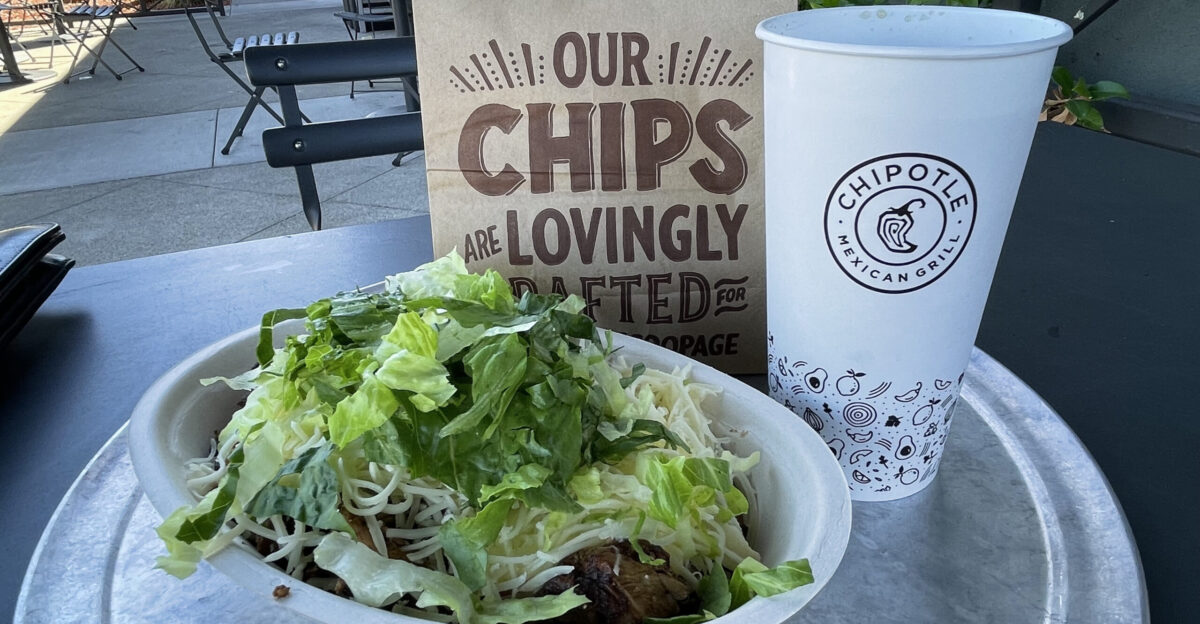
Broader cultural trends are also shifting the backdrop. Younger consumers – once Chipotle’s core demographic – now prioritize value and convenience over brand loyalty when budgets tighten. Even loyal customers are talking about price.
Teacher Marilena Graziano told Reuters, “Eating out is way more expensive lately, and quality is not always guaranteed”. Similarly, a Vienna shopper said she “switched to eating at home… especially also [for] costs”.
Online chatter on TikTok and Reddit has turned from celebrating Chipotle’s fresh ingredients to griping about portion sizes and price. These sentiment changes suggest potential long-term headwinds for the chain’s brand image.
Broader Reflection
Ultimately, Chipotle’s plight may serve as a canary in the coal mine for the American consumer economy. The chain’s rapid swing from pandemic leader to cautionary tale underscores how quickly spending patterns can shift when confidence falters. As one analyst observed, even category leaders can “hit a speed bump when wallets tighten”.
Chipotle now faces the challenge of balancing its premium brand identity with the new reality of a value-conscious market.
How it adapts – by aligning quality and price messaging – will not only determine its future, but also offer insights into broader consumer trends shaping the restaurant industry’s next chapter.