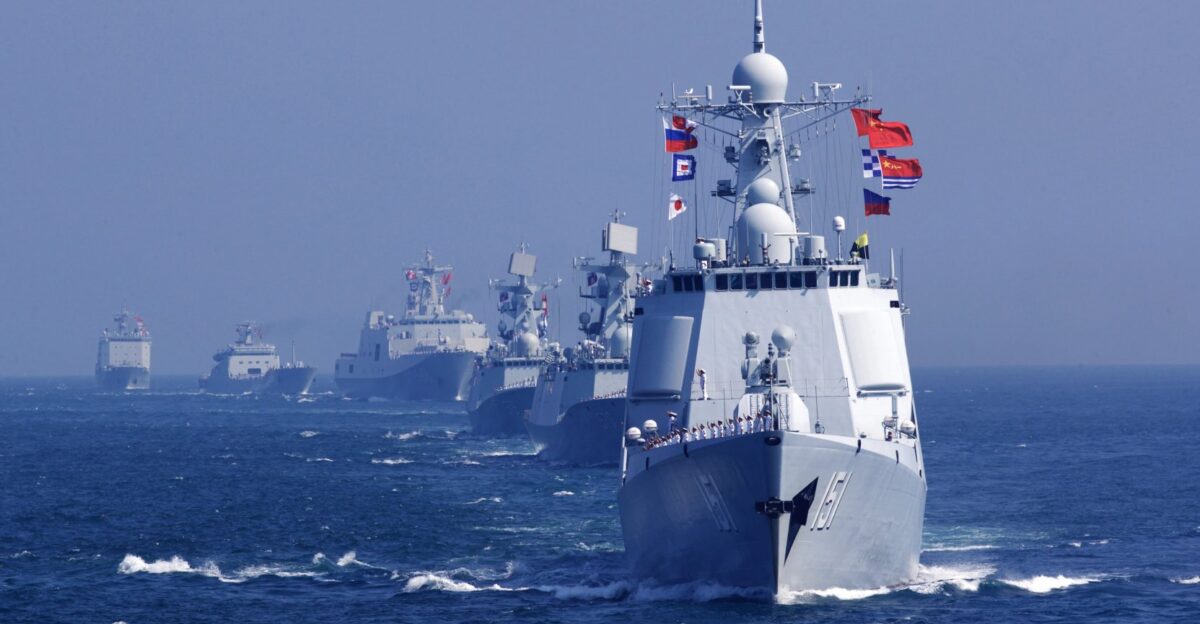
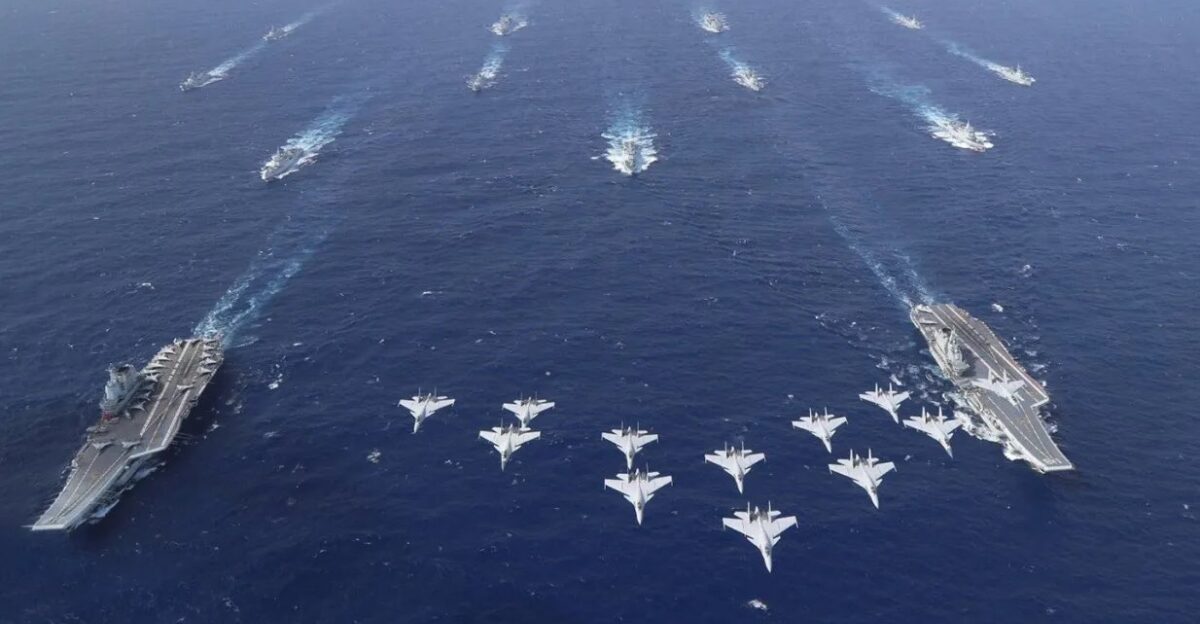
China’s second aircraft carrier, CNS Shandong, slipped through the Luzon Strait in November 2025 with two escorts in tow. The 70,000-ton vessel conducted sustained flight operations just beyond Philippine territorial waters, launching and recovering J-15 fighter jets at rates that broke records from previous deployments.
This marked China’s boldest assertion of naval power in waters long considered America’s sphere of influence. What triggered this high-stakes naval maneuver? The answer lies in a spring deployment that changed the regional security calculus overnight.
Breaking the Chain
For 74 years, the “first island chain” stretching from Japan through Taiwan to the Philippines served as America’s invisible containment wall against Chinese naval expansion. Shandong’s transit through the Luzon Strait rendered that strategy obsolete with a single deployment, demonstrating that China could project carrier-strike power into the western Pacific at any time.
US military planners watched as the carrier sailed 447 miles east of Luzon, conducting operations in waters deeper than any previous Chinese carrier mission. The implications rippled across Asia-Pacific naval circles within days.
Containment Rationale
The first island chain strategy emerged from Cold War doctrine: by maintaining military dominance through allied bases in Japan, Taiwan’s proximity, and the Philippines’ geography, the US could limit Chinese naval access to the Pacific. For decades, this worked.
Chinese carriers operated cautiously near Taiwan or in the South China Sea. But geopolitics shifted. China’s rapid military modernization, expanding economic ties across Asia, and renewed security pacts with Russia and Iran convinced Beijing that its regional position could support bolder moves. The Shandong’s November transit signaled strategic confidence in this new calculation.
The Triggering Event
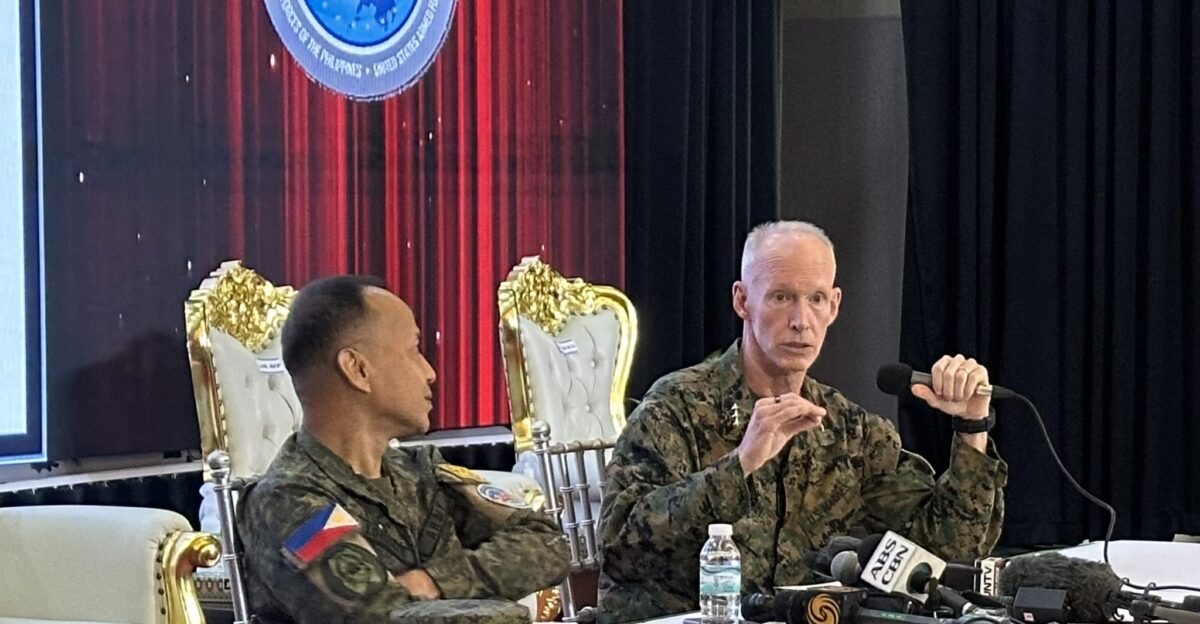
In April 2025, the US Marine Corps made a move that Beijing couldn’t ignore. During Balikatan 2025, the largest joint US-Philippine military exercise on record, 17,000 troops were deployed to the Philippines, including 260 Australians.
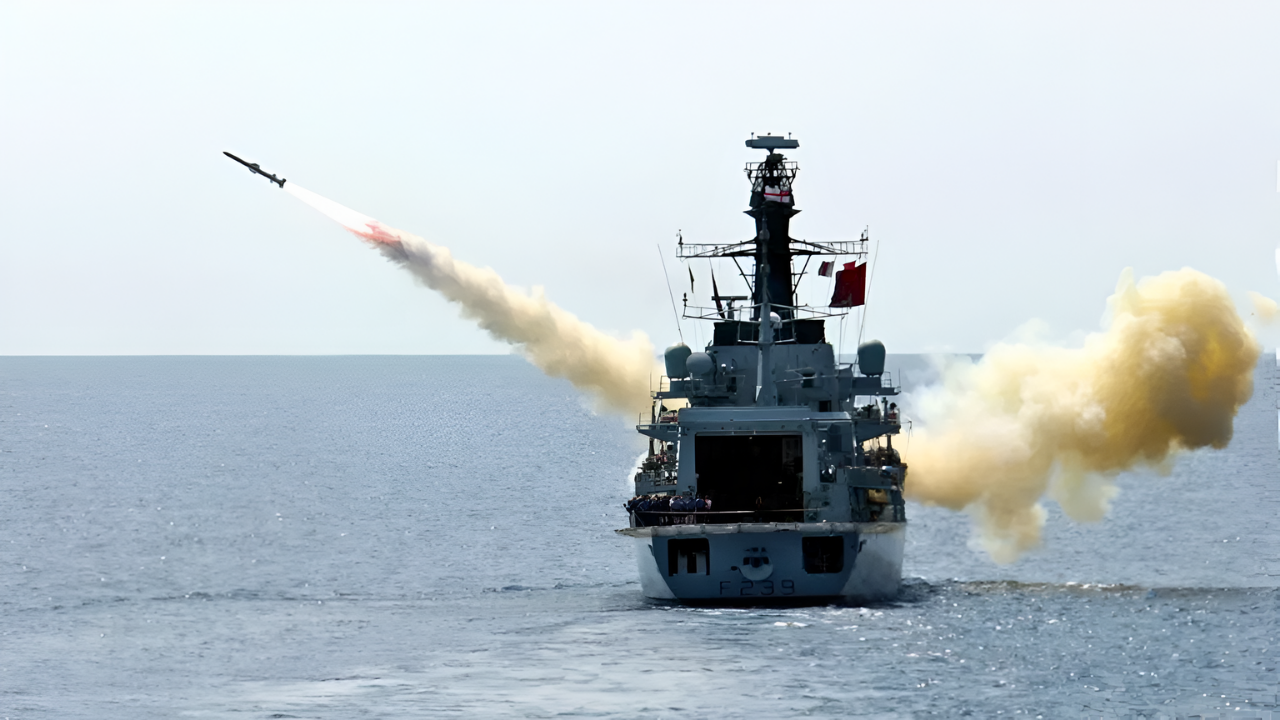
The 3rd Marine Littoral Regiment brought an arsenal of precision systems, including the Navy-Marine Expeditionary Ship Interdiction System (NMESIS), to Batan Island in the Batanes archipelago. For the first time, American anti-ship missiles stood in the Luzon Strait, just 100 miles from Chinese territorial waters. China’s response became inevitable within a matter of months.
The Shandong Sails
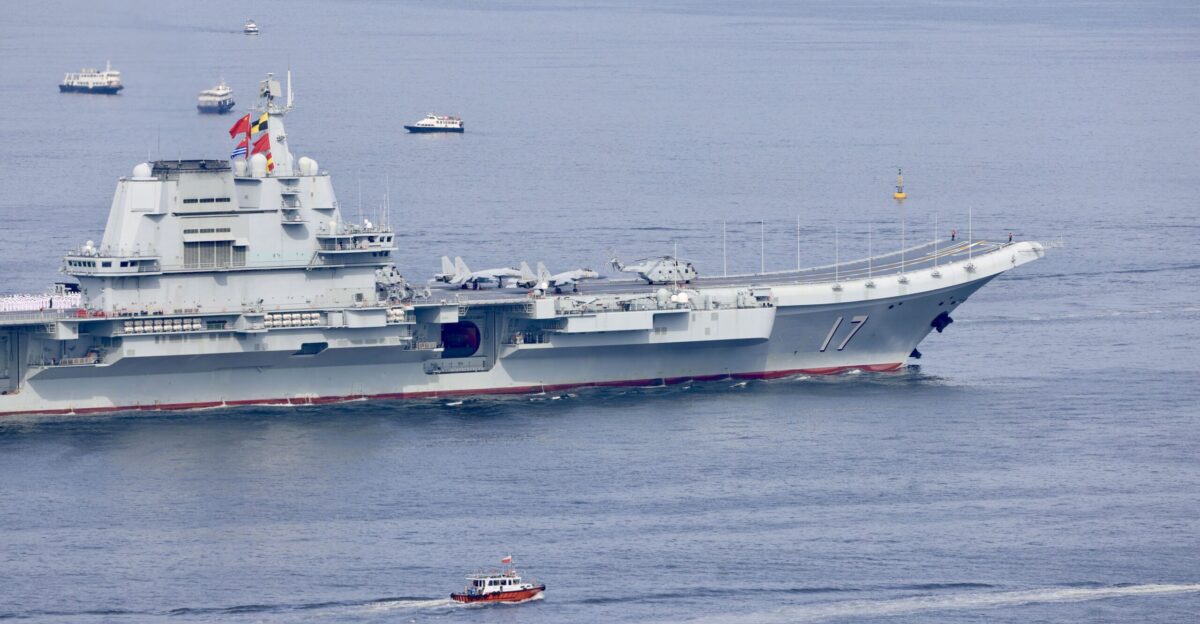
On November 12, 2025, the Philippine Navy and Japan’s Ministry of Defense confirmed what satellite images had revealed: the CNS Shandong had transited the Luzon Strait with the Type 055 destroyer CNS Yan’an and the surveillance vessel CNS Tianguanxing at her side. The carrier strike group operated within the Philippines’ 200-nautical-mile Exclusive Economic Zone, which was legal but provocative.
Shandong conducted approximately 130 carrier operations during the transit, launching 70 fighter jets and recovering 60 helicopter sorties. This wasn’t reconnaissance; it was a calculated demonstration of sustained blue-water carrier operations in waters China viewed as contested.
The Filipino Front
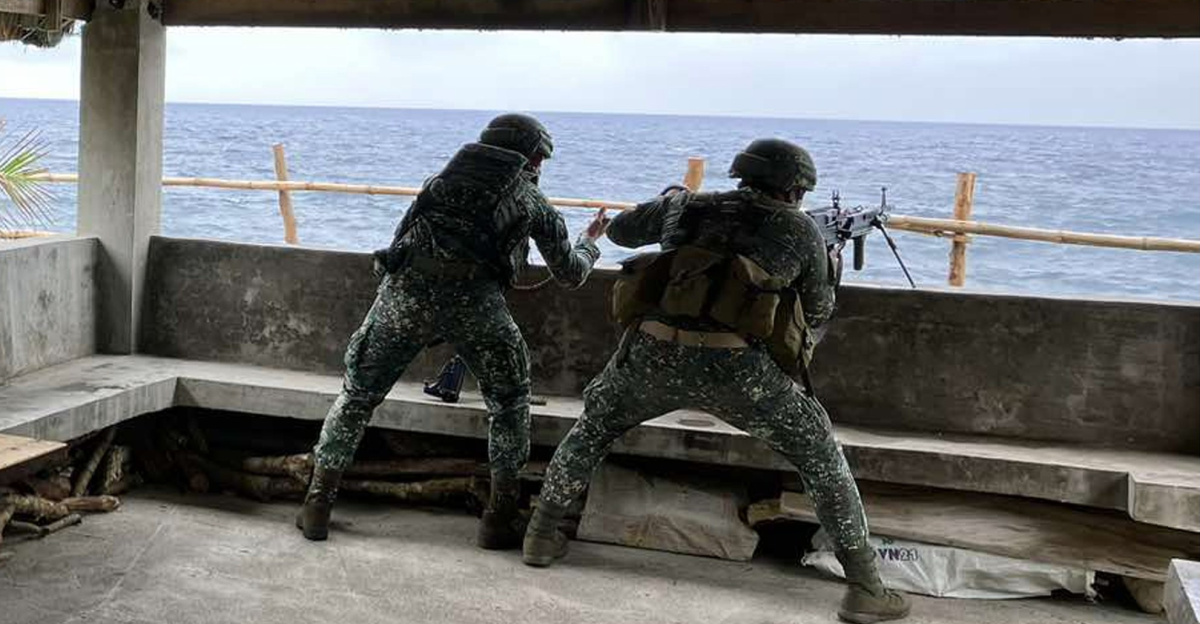
For 115 million Filipinos, this standoff was not abstract geopolitics; it directly affected them. The Philippines sits at the nexus of this great-power competition. American missiles are now stationed on Batan Island, just 60 miles from the Philippine mainland; Chinese carrier jets are flying within 200 nautical miles of Filipino territory.
Manila walked a diplomatic tightrope, accommodating both superpowers while protecting its sovereignty and fishing grounds. Philippine officials publicly stated that they welcomed the US military posture as a deterrent while seeking dialogue with Beijing. The Philippines’ own coast guard had clashed with Chinese vessels over contested waters just months earlier, deepening local security anxieties.
Vietnam’s Shadow
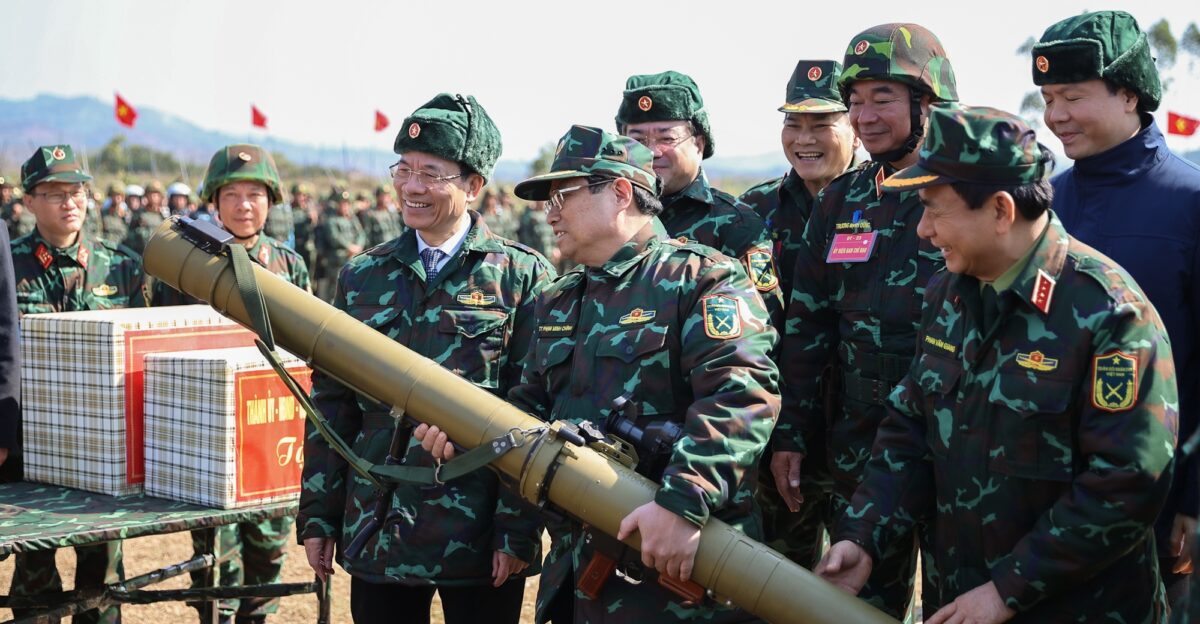
Vietnam watched with deep concern. Like the Philippines, Vietnam has territorial disputes with China and depends on the US military presence for balance. When NMESIS arrived in the Philippines, Vietnamese defense analysts recognized the implications: the US was hardening its posture across Southeast Asia. Shandong’s response signaled that China would not accept a US military ring-fence.
Vietnam increased defense spending, deepened military ties with India and Japan, and expanded port access for US naval visits. The rivalry between Beijing and Washington was creating a security dilemma that drew regional powers into opposing camps, whether they wanted to be involved or not.
The NMESIS Factor
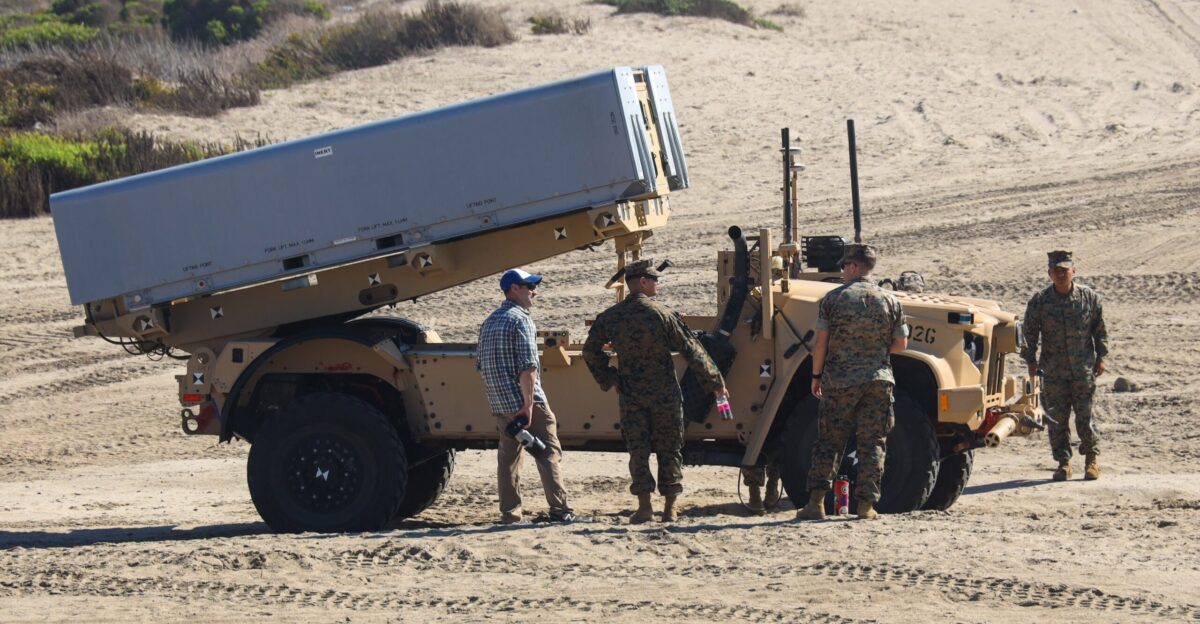
NMESIS represents a revolution in distributed maritime warfare. The system, based on the Joint Light Tactical Vehicle, carries Naval Strike Missiles with a range exceeding 100 nautical miles. Unlike traditional anti-ship missiles that require large warships to launch, NMESIS operates from austere, dispersed locations on islands or coastal terrain.
In the hands of Marines on Batan Island, it created what the US calls “sea denial,” the ability to threaten any approaching Chinese naval vessel without needing an aircraft carrier or capital ship. China’s military planners understood this meant the Luzon Strait was no longer a highway they could freely navigate. NMESIS had shifted the tactical calculus overnight.
Sustained Readiness
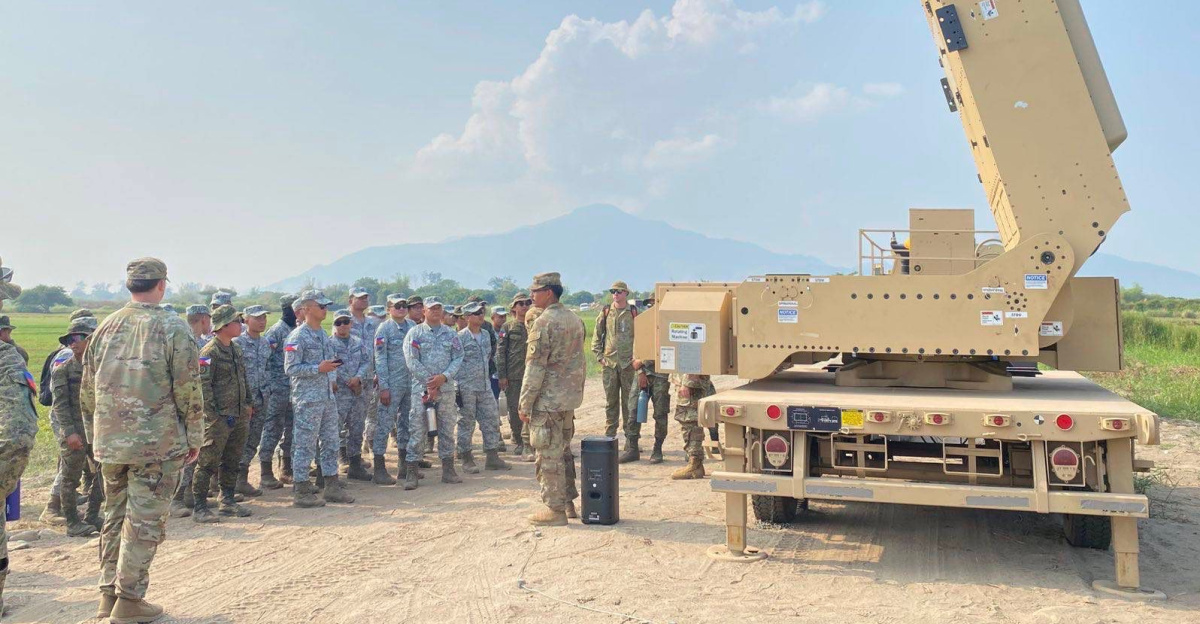
The Balikatan exercise was not a one-time event. The US Joint Task Force-Philippines, announced on October 31, 2025, established a permanent command structure in Manila, led by a one-star general/flag officer and comprising 60 dedicated staff. This represented the first standing joint task force in Southeast Asia, signaling American commitment to sustained deterrence operations.
The US Army’s 25th Infantry Division, Marines from 3rd MLR, and US Air Force units rotated through the Philippines in what became a quasi-permanent forward deployment. China’s carrier strike group deployment was China’s counter-signal: Beijing, too, would maintain persistent naval operations in the region. Both sides were now institutionalizing their presence.
The EEZ Gambit
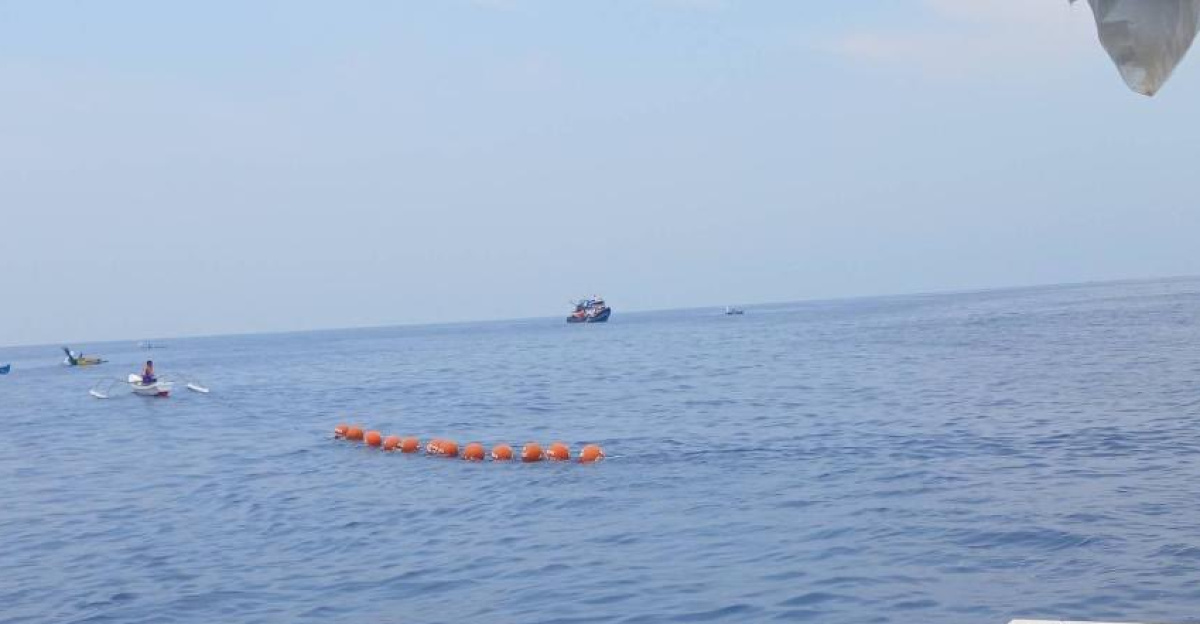
A crucial detail separated this confrontation from outright crisis: China operated within Philippine waters (the Exclusive Economic Zone, or EEZ), but carefully avoided the 12-nautical-mile territorial sea. Beijing had discovered a legal gray area. The 1982 UN Convention on the Law of the Sea permits freedom of navigation within other nations’ EEZs even for military vessels.
So the Shandong was technically operating lawfully even as it demonstrated power 200 miles from Philippine shores. This revealed the fundamental nature of the standoff: both superpowers were locked in a competition to expand their operating space and normalize their presence in contested waters. The question was no longer whether China could sail there, but whether it would do so openly and regularly.
Littoral Regiment Strain
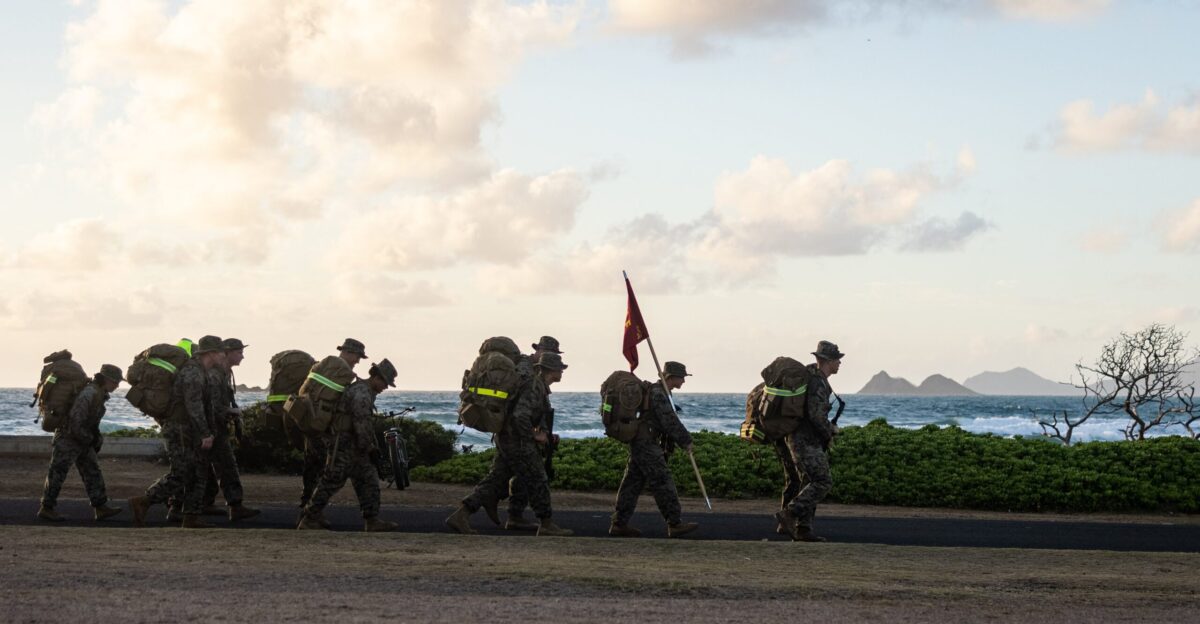
The US Marine Corps’ 3rd Marine Littoral Regiment, based in Hawaii, found itself unexpectedly on the front lines of great-power competition. The unit’s original mission focused on small-scale coastal operations and humanitarian assistance. Now, it was tasked with operating advanced anti-ship missile systems in austere island bases, operating alongside Philippine forces, and serving as a forward tripwire for any Chinese military action.
Officers privately expressed concern about the unit’s sustainability. Rotating 500+ personnel through Batanes created logistical challenges; extended operations in remote islands stressed equipment; and the stakes of any miscalculation weighed heavily on junior officers making split-second decisions near a significant power’s carrier.
Japan’s Expanding Role
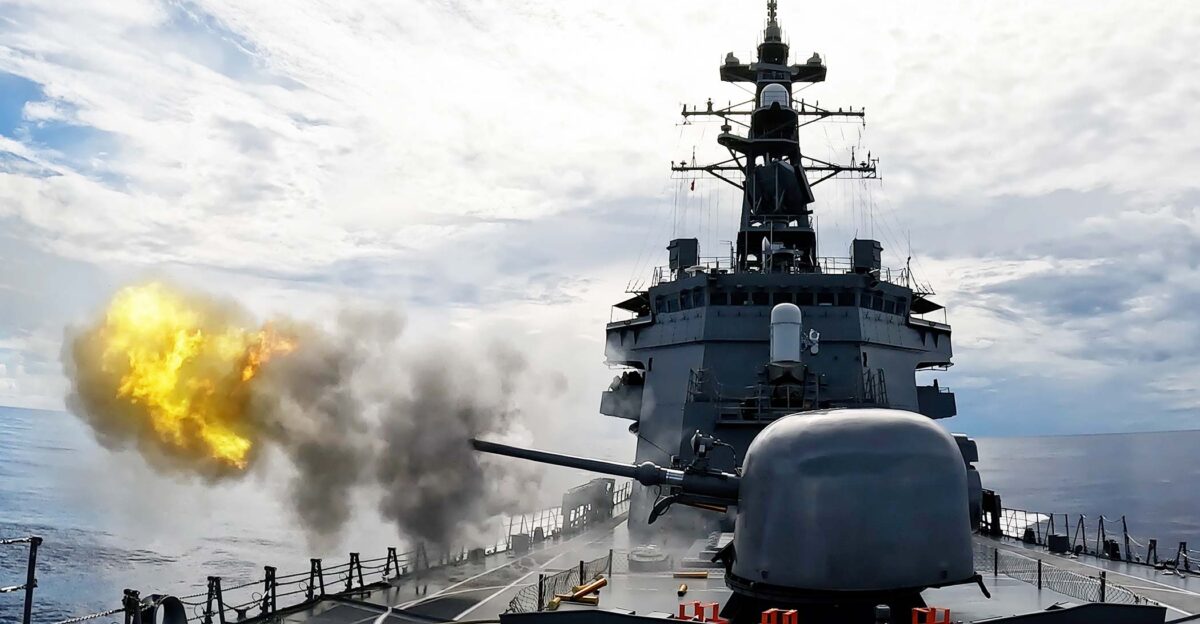
Japan transformed from observer to active participant in the deterrence network. Japan Maritime Self-Defense Force destroyers began more frequent patrols east of Luzon, tracking the Shandong and providing surveillance data to US forces. The Japanese government announced an expansion of defense spending and accelerated its own carrier-style destroyer program. Japan also deepened coordination with Australia, which deployed aircraft to Philippine exercises.
What had been a bilateral US-Philippines alliance became a multilateral security architecture encompassing Japan, Australia, South Korea, and India. China’s carrier deployment inadvertently accelerated the coalition-building Beijing had sought to prevent.
Chinese Strategic Calculus
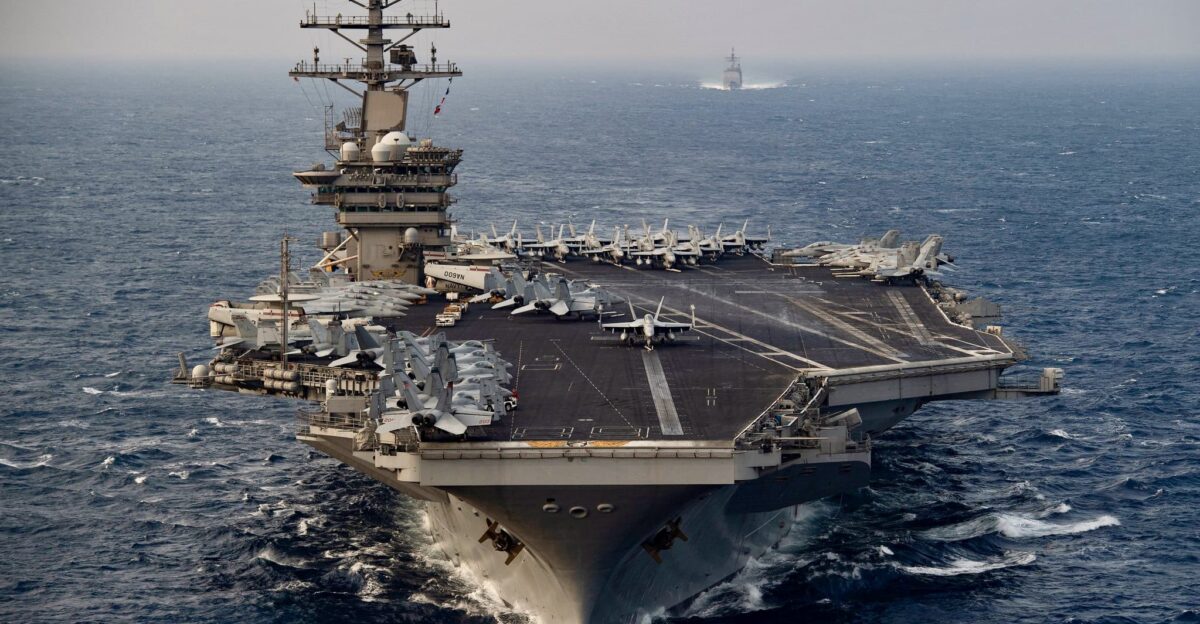
Beijing’s decision to deploy the Shandong was not reckless. China’s military leadership carefully planned the transit to avoid confrontation with US forces (USS Nimitz was in the Philippine Sea but maintained a safe distance). Chinese naval officers coordinated with the civilian government to ensure the deployment conveyed resolve without triggering a shooting incident.
China’s navy commanders viewed the Shandong’s November operation as a necessary assertion of China’s right to operate in international waters and within the Philippine EEZ. The deployment was also a domestic messaging effort, showing Chinese citizens that Beijing was defending national interests against what state media portrayed as American encirclement. The operation succeeded in demonstrating capability, but it also locked both sides into an action-reaction cycle.
The Credibility Test
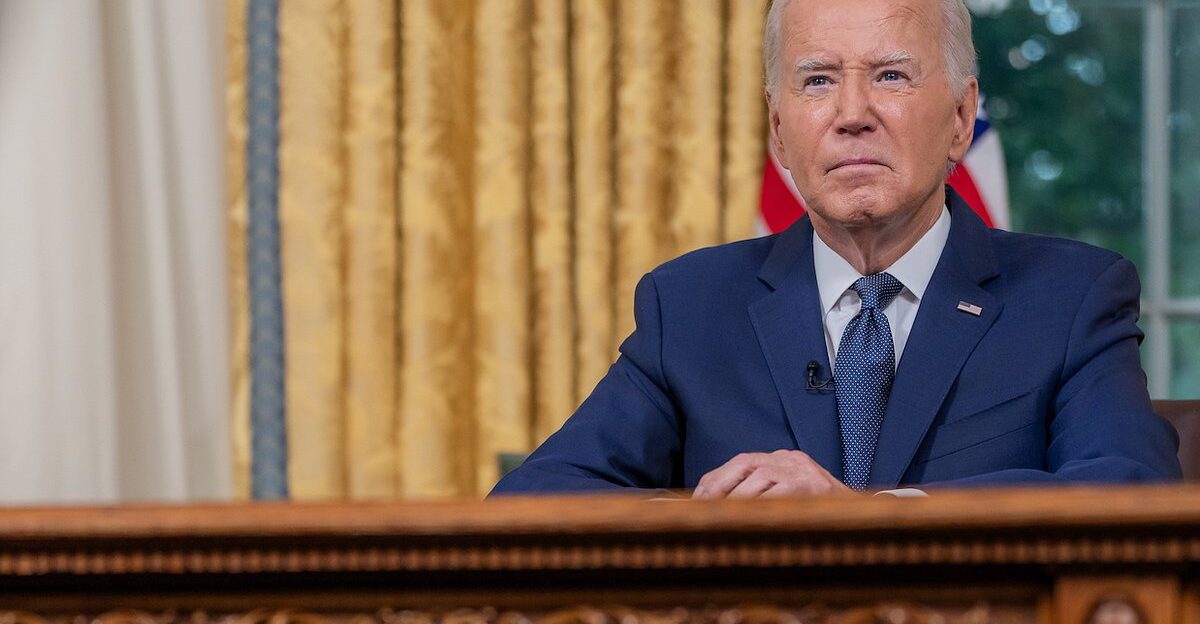
For President Biden’s administration and the Indo-Pacific Command, the Shandong deployment tested American credibility. Would the US Navy respond visibly to Chinese provocations? Would the US military honor its commitment to allies in the region? Within days, the USS Nimitz was photographed conducting flight operations in the Philippine Sea, just as the Shandong was operating nearby, a deliberate and visible affirmation that the US would not cede the waters to China.
US military statements emphasized commitment to “freedom of navigation” and a “free and open Indo-Pacific.” Yet defense analysts noted the inherent tension: both the US and China could claim to support these principles while conducting operations that the other side viewed as aggressive encroachment. The credibility battle became one of narrative as much as it was of naval maneuvers.
The Open Question
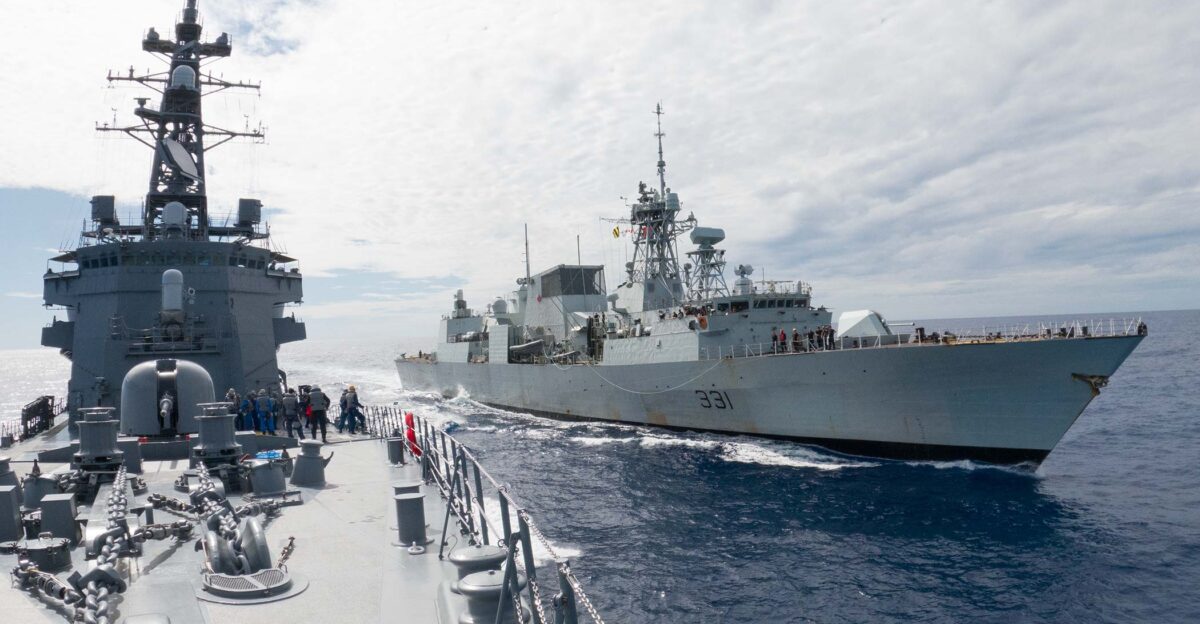
As 2025 drew to a close, neither the US nor China showed signs of de-escalating their military presence in the Western Pacific. Instead, both nations appeared locked into a new operational norm: sustained carrier operations, forward-deployed missiles, and routine military exercises in overlapping zones of claimed influence. The question facing military strategists was whether this high-tension equilibrium could be maintained indefinitely without incident.
How many more times could a Chinese carrier transit the Luzon Strait before a miscalculation, a navigation error, a weapons system malfunction, or a pilot’s misjudgment sparked an unintended confrontation? The November 2025 standoff was not a crisis that was resolved; it was the opening move in a strategic competition that promised to define the Indo-Pacific for years to come. What would happen the next time?
Source:
USNI News strategic analysis, Nov 2025; Council on Foreign Relations reports; Stimson Center assessments; RAND Corporation Indo-Pacific strategy papers
USNI News strategic analysis, Nov 2025; Council on Foreign Relations reports; Stimson Center assessments; RAND Corporation Indo-Pacific strategy papers
US Navy official statements, Nov 2025; US 7th Fleet communications; PACOM press releases
US intelligence community assessments; Chinese PLAN doctrine papers analyzed by USNI; reporting from Strait of Taiwan scholars
US Marine Corps internal assessments cited by USNI; defense reporter interviews; Military.com analysis