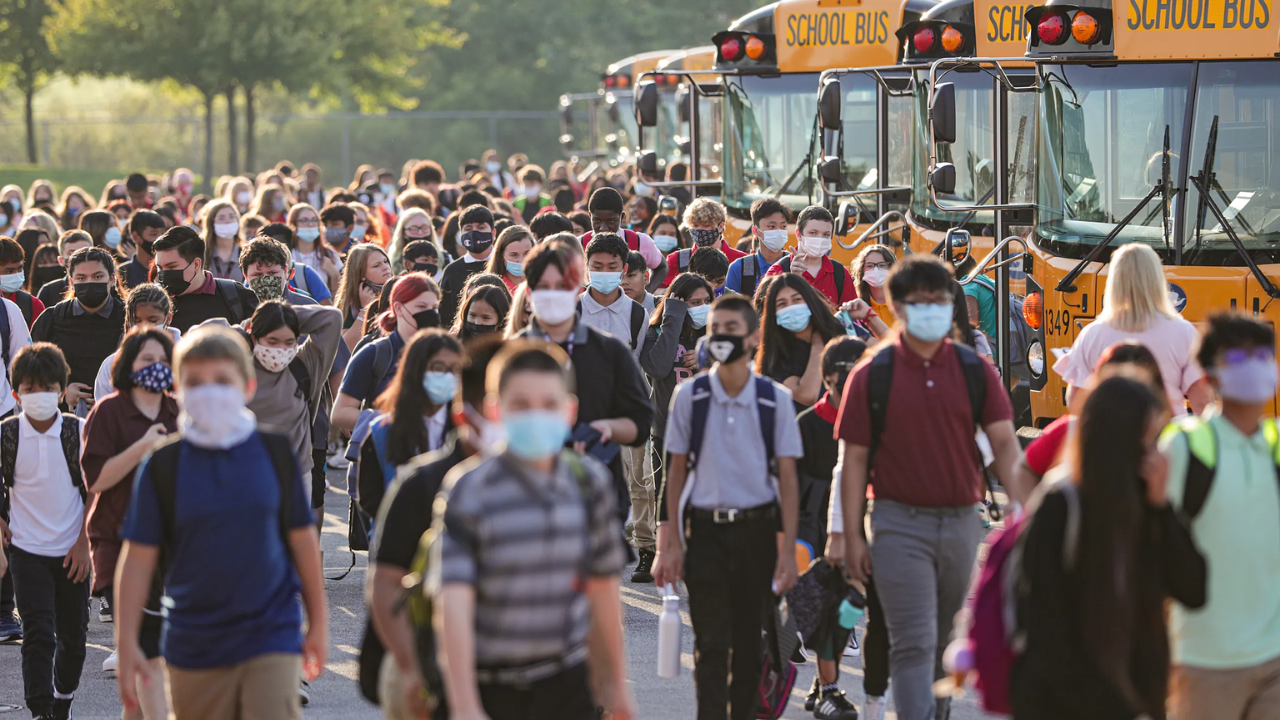
From Louisiana to New York City, hospital emergency departments are already seeing a sharp rise in patients with influenza-like illness, weeks before the typical winter peak. Health officials estimate that since October 1, between 1.9 and 3.3 million people in the United States have fallen ill, leading to roughly 19,000 to 38,000 hospitalizations. Flu activity has reached Level 10—the highest category tracked by the Centers for Disease Control and Prevention—in Louisiana and New York City, with Colorado and New York State close behind at Level 9. As families prepare for holiday travel and gatherings, some schools are closing, mask rules are reappearing in medical facilities, and experts warn that this early, fast-moving wave is likely only the start of a long season.
The New Subclade K Variant Upends Expectations
A major driver of concern is H3N2 subclade K, a new variant first identified in Australia and New Zealand in August 2025 before rapidly spreading across continents. Because it emerged after this year’s vaccine formula was finalized, it is not covered by the current shot, leaving what specialists describe as a full mismatch. With no prior exposure in the population, human immune systems treat subclade K as a novel threat rather than a familiar seasonal strain.
The virus gained momentum in China, then appeared in Russia, the United Kingdom, and the United States within weeks, indicating swift global movement and limited natural immunity. In Russia, authorities have reported more than 23,400 laboratory-confirmed flu cases, over 80% of them H3N2 infections dominated by subclade K. In Tokyo, case counts are already six times higher than at this time last year. Public-health agencies worry that because the variant is spreading simultaneously across regions, it could extend the season well into spring 2026 rather than following the usual single-peak pattern.
Communities, Classrooms, and Hospitals Under Strain
The impact is already visible in daily life. Outpatient visits for respiratory illness now account for 2.9% of all healthcare encounters in the United States, still below the national baseline but climbing steadily. For households, that translates into missed work, canceled plans, and crowded urgent-care clinics as people seek tests and treatment for fever and cough.
Schools are again on the front line. In rural Iowa, the Moulton-Udell school district shut down for two days after nearly 30% of students and staff fell ill at the same time, an unusually high absentee rate for a small system. In Japan, more than 2,300 schools and childcare centers have partially or fully closed due to influenza outbreaks, disrupting classes and forcing parents to scramble for alternative care.
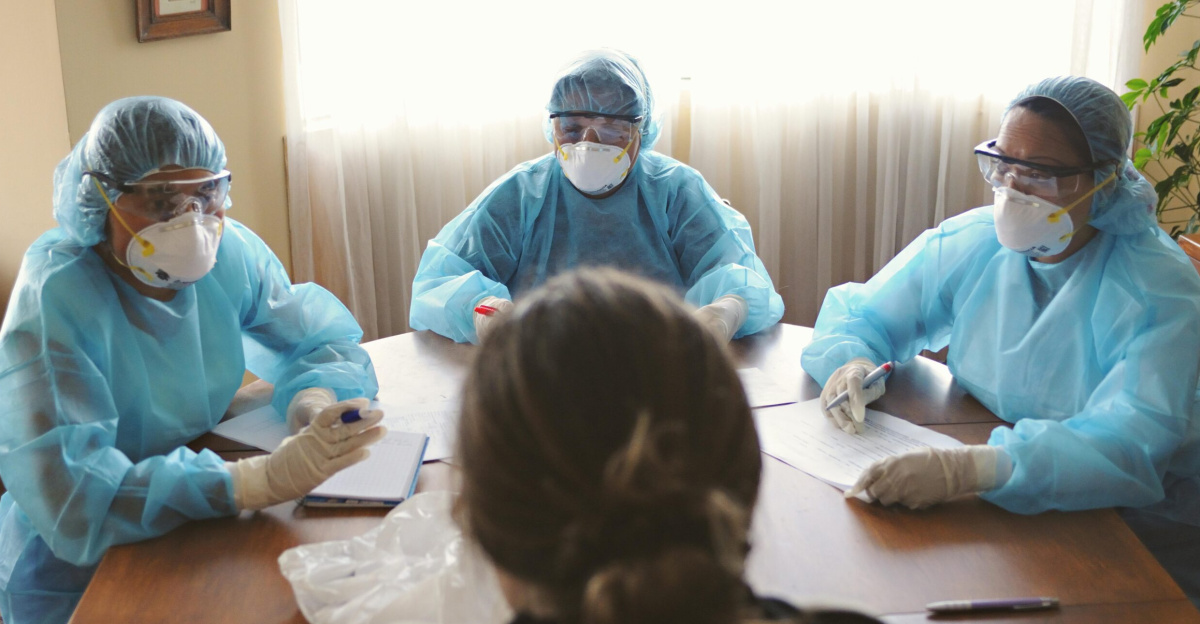
Hospitals are responding with renewed precautions. Facilities in New Jersey, Sonoma County in California, and other parts of the country have reinstated mask requirements for staff, patients, and visitors as flu admissions rise alongside COVID-19, RSV, and norovirus. Leaders say these targeted policies are intended to preserve bed capacity for surgeries, trauma care, and pediatric emergencies in case admissions climb sharply. In Beijing, parents have reported waiting five hours or longer at children’s hospitals, and U.S. clinicians describe similar pressure in pediatric units and long-term care facilities.
Rising Demand for Vaccines, Tests, and Treatments
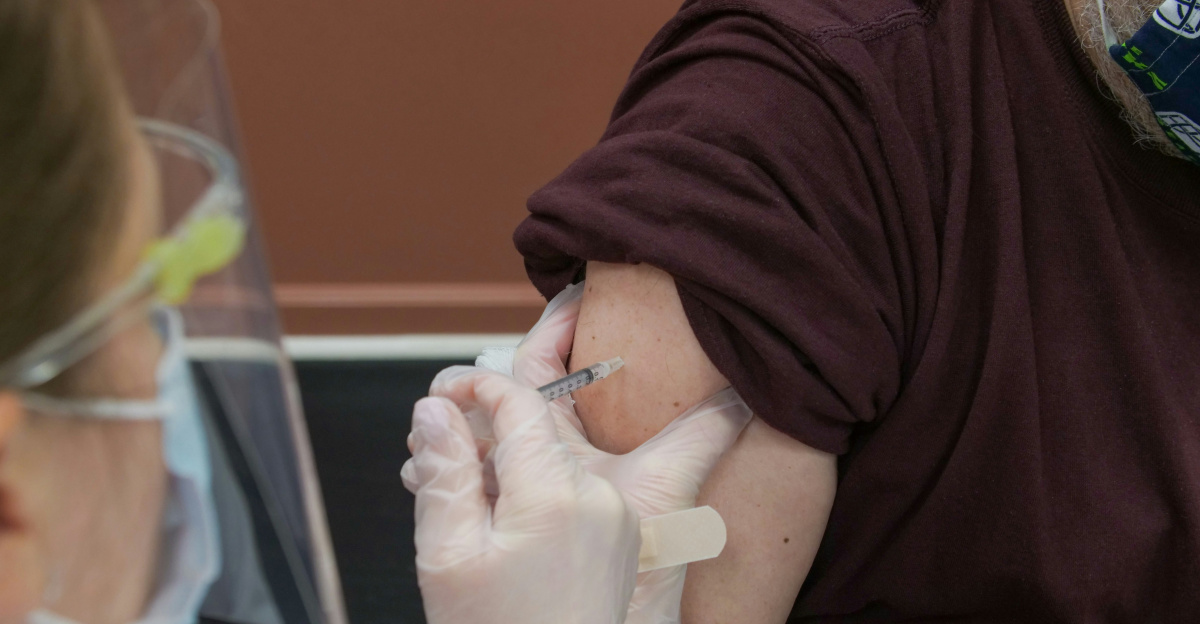
Even though this season’s vaccine does not directly match subclade K, health systems continue to urge vaccination, noting that it can still offer partial protection and reduce the risk of severe outcomes from related strains. The early and intense activity is driving increased demand for the remaining doses, as well as for antiviral drugs and rapid diagnostic tests.
Pharmacies across the United States report brisk sales of fever-reducing medication and at-home flu kits. Doctors emphasize that antivirals are most effective when started within 48 hours of symptom onset, especially for older adults, young children, pregnant people, and those with underlying health conditions. Officials also stress that immunity from the shot takes about two weeks to build, meaning delays in getting vaccinated now could heighten risk during the peak holiday travel period.
The surge is beginning to ripple through the economy. High absenteeism in schools, healthcare, and retail is forcing employers to juggle schedules, pay overtime, and manage slower output at a time when many businesses rely on strong year-end sales. Families are facing higher out-of-pocket costs for medication, medical visits, and childcare when school closures or illness keep children at home. If hospitalizations follow last year’s trajectory, observers estimate the United States could see another 50,000 to 100,000 admissions in the coming months, with measurable effects on local workforces and budgets.
Preparing for a Long, Difficult Season

Public-health leaders are drawing comparisons to last year, when the United States recorded an estimated 560,000 flu-related hospitalizations and around 38,000 deaths, making it one of the most severe seasons on record. Shereef Elnahal, president of Oregon Health and Science University, has noted that federal officials are warning this year could again be intense, especially given how early the curve is rising and how many states are already reporting high activity levels.
With roughly 7.1% of clinical flu tests nationwide coming back positive and major population centers signaling elevated activity, many people are choosing to reintroduce their own precautions. Mask-wearing on public transit is increasing in cities like New York, and clinics in Colorado are seeing more patients seek evaluation at the first sign of symptoms. At the same time, the return of mask rules in hospitals has reignited familiar debates over when targeted restrictions are warranted and how to balance individual preferences with collective safety in the wake of the COVID-19 pandemic.
Internationally, governments are not imposing travel barriers, but they are advising residents to get vaccinated, consider antivirals when appropriate, and pay close attention to local conditions before winter trips. As subclade K drives a synchronized surge across China, Russia, Japan, the UK, and the U.S., travelers are weighing the possibility of illness, school closures, or strained healthcare systems at their destinations.
Looking ahead, the CDC expects this season to last longer than usual, with subclade K likely to be a dominant strain for months. Researchers will be studying why the variant surfaced too late to be included in vaccine planning and how to prevent similar mismatches in future years. For now, officials point to a layered approach—timely vaccination, early antiviral use for high-risk patients, good ventilation indoors, and setting-specific masking—as the most practical way to reduce hospital burdens, safeguard vulnerable groups, and keep everyday life functioning as flu activity continues to rise.
Sources
“Weekly U.S. Influenza Surveillance Report (FluView).” Centers for Disease Control and Prevention, late Nov 2025.
“Deadly ‘Super Flu’ Surge Forces Schools to Close and Triggers Mask Mandates Across the US.” MSN, 2025.
“Hospitals overwhelmed as flu virus outbreak spreads from China.” The Express, 2025.
“‘Super Flu’ Forcing Schools To Close, Hospitals To Enact Restrictions.” KISS FM RGV / iHeartRadio, 10 Dec 2025.