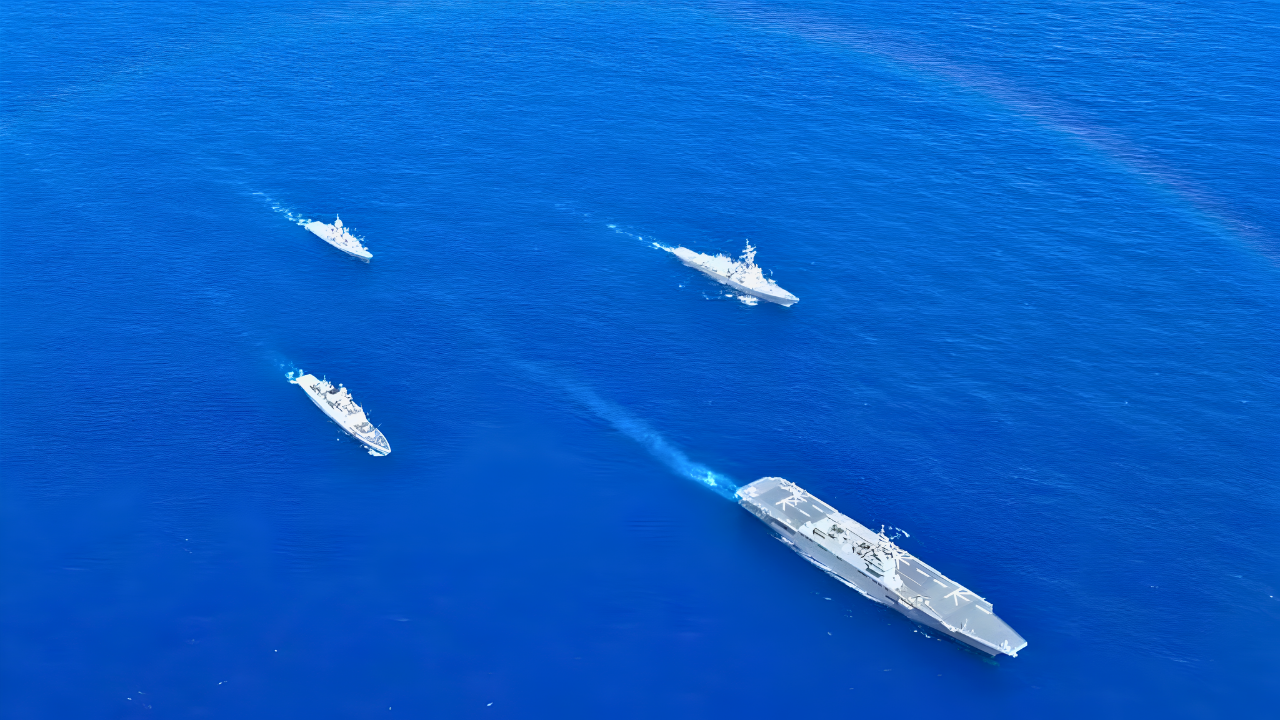
A Chinese Type 815A reconnaissance vessel shadowed a U.S. naval formation during Exercise Malabar 2025 in the Pacific, marking another instance of high-stakes surveillance in contested waters. While verified reports confirm the presence of at least one U.S. Navy submarine operating as part of the multinational drills, viral claims of “three Ohio-class submarines surfacing” behind the Chinese ship appear to conflate current operations with historical demonstrations of force.
The confirmed maneuver occurred as the Chinese ship trailed the U.S., Japanese, Indian, and Australian fleets near Guam and the Philippines in November 2025. According to defense officials and tracking data, the Chinese vessel was gathering tactical intelligence on fleet movements and interoperability. The incident aligns with documented patterns of Chinese surveillance operations throughout 2025, including similar intelligence ships monitoring multinational naval exercises in the Philippine Sea and Osumi Strait.
Strategic Capabilities on Display
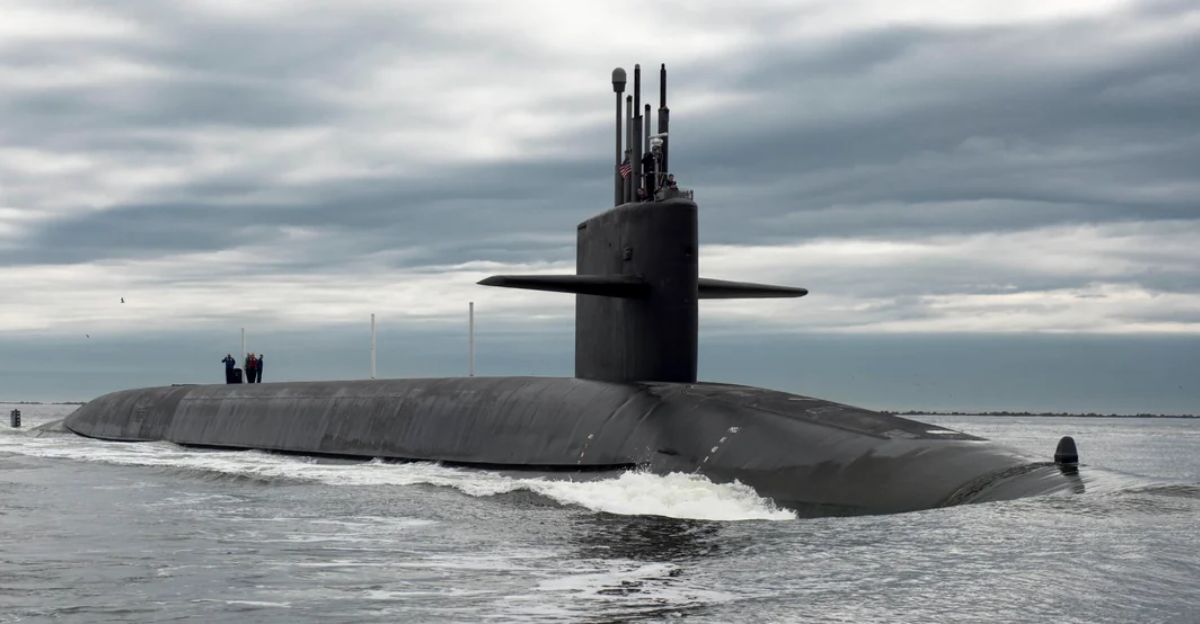
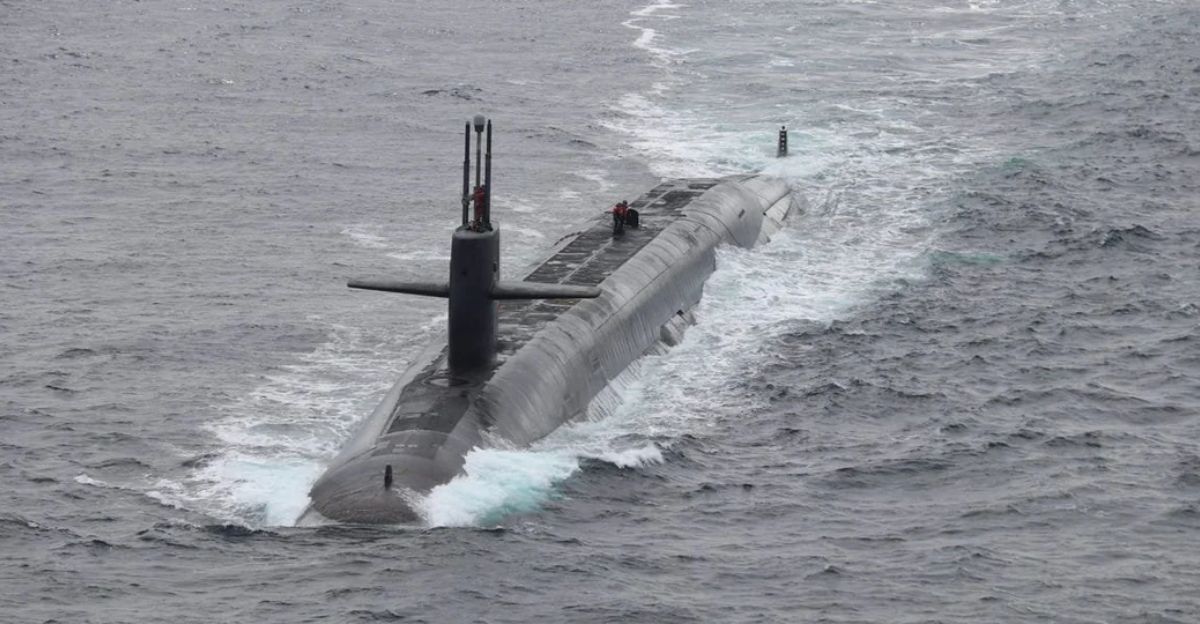
While the specific positioning of U.S. submarines remains classified, the presence of undersea assets during Exercise Malabar underscores the U.S. Navy’s significant advantage in the domain. Ohio-class submarines, which often support such large-scale exercises, rank among the most advanced assets in the U.S. arsenal. Ballistic missile variants carry nuclear deterrent capabilities, while guided-missile variants (SSGNs) provide massive strike and reconnaissance functions.
Military analysts note that while the viral narrative of a “triple surfacing” event likely references a famous 2010 show of force in Subic Bay, the current reality is equally significant. The ability of U.S. submarines to operate undetected near shadowing Chinese vessels serves as a “silent deterrent,” signaling that U.S. forces maintain operational awareness and the capability to neutralize surveillance assets if necessary, even without surfacing to prove it.
Measured Response and Risk Management
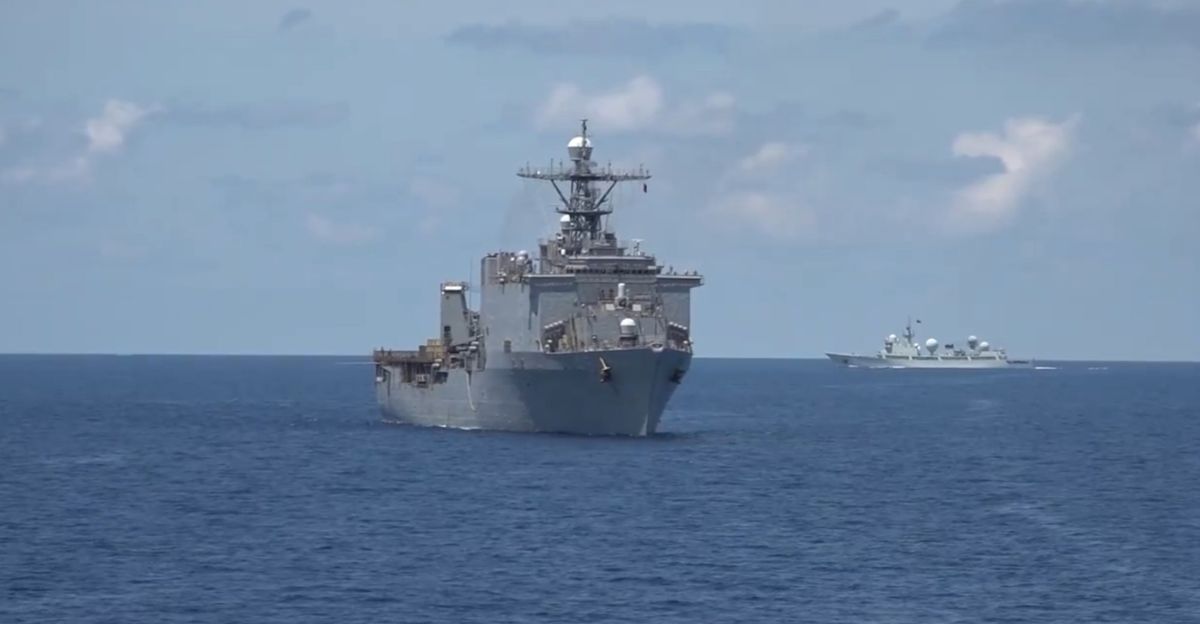
The U.S. Navy’s response to the surveillance has been described as professional and routine. Both U.S. and Chinese vessels operate legally in international waters under established maritime law, yet close proximity operations create inherent tension. International maritime protocols (CUES) and communication channels exist specifically to manage such encounters and prevent miscalculation.
The incident reflects the broader context of intensifying U.S.-China military competition in the Indo-Pacific. Both nations are expanding naval capabilities and conducting increasingly sophisticated operations. Such encounters have become more frequent as China expands its maritime presence and the United States reinforces its commitment to regional security partnerships through exercises like Malabar.
Intelligence Operations and Verification Challenges
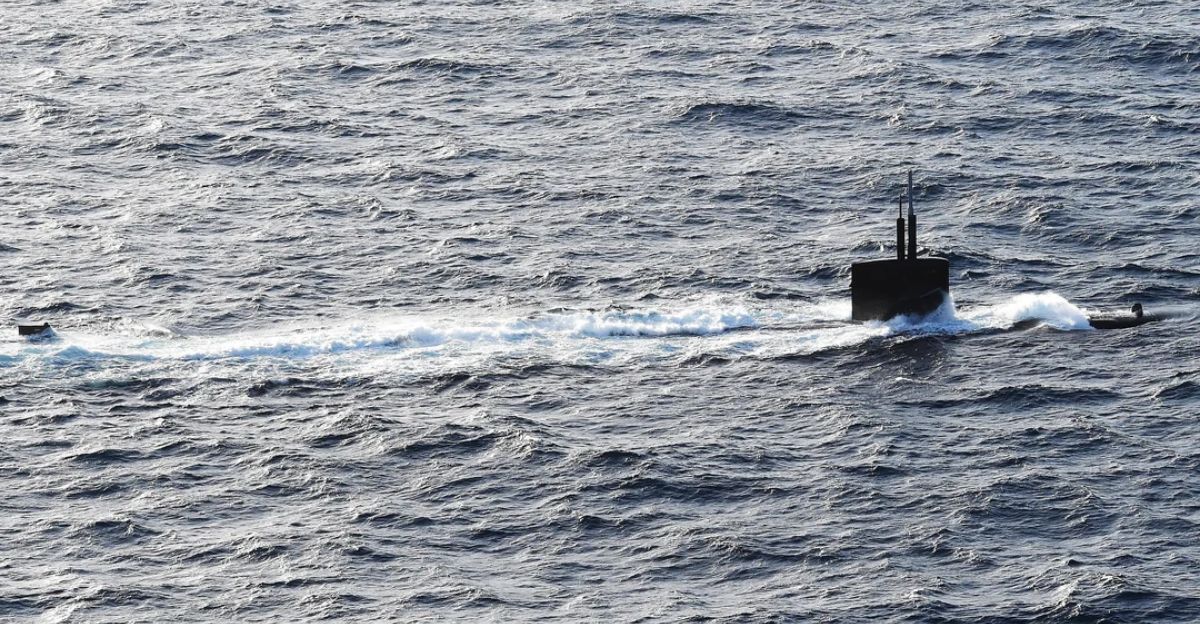
While Chinese spy ships conduct surveillance on U.S. operations, American intelligence assets similarly monitor Chinese activities. The participation of U.S. submarines in the exercise demonstrates that American intelligence networks track Chinese operations and maintain strategic awareness of their movements.
Official military channels typically avoid confirming specific submarine movements for security reasons, which can sometimes allow unverified or exaggerated narratives—such as the “boxed in” claim—to circulate on social media. However, the verified facts confirm a tense but managed game of cat-and-mouse, where U.S. undersea dominance remains a primary counterweight to China’s surface surveillance.
Implications for Regional Stability
The confirmed presence of high-value assets from both nations raises questions about stability and risk management in high-tension maritime environments. Unplanned encounters between advanced military systems could escalate quickly without strict adherence to protocols.
The encounter illustrates the increasingly sophisticated nature of U.S.-China military competition. Whether through surveillance operations, submarine deployments, or strategic positioning, both nations are demonstrating advanced capabilities in contested waters. Understanding these encounters provides insight into the complex dynamics shaping Pacific security and international military competition in the coming years.