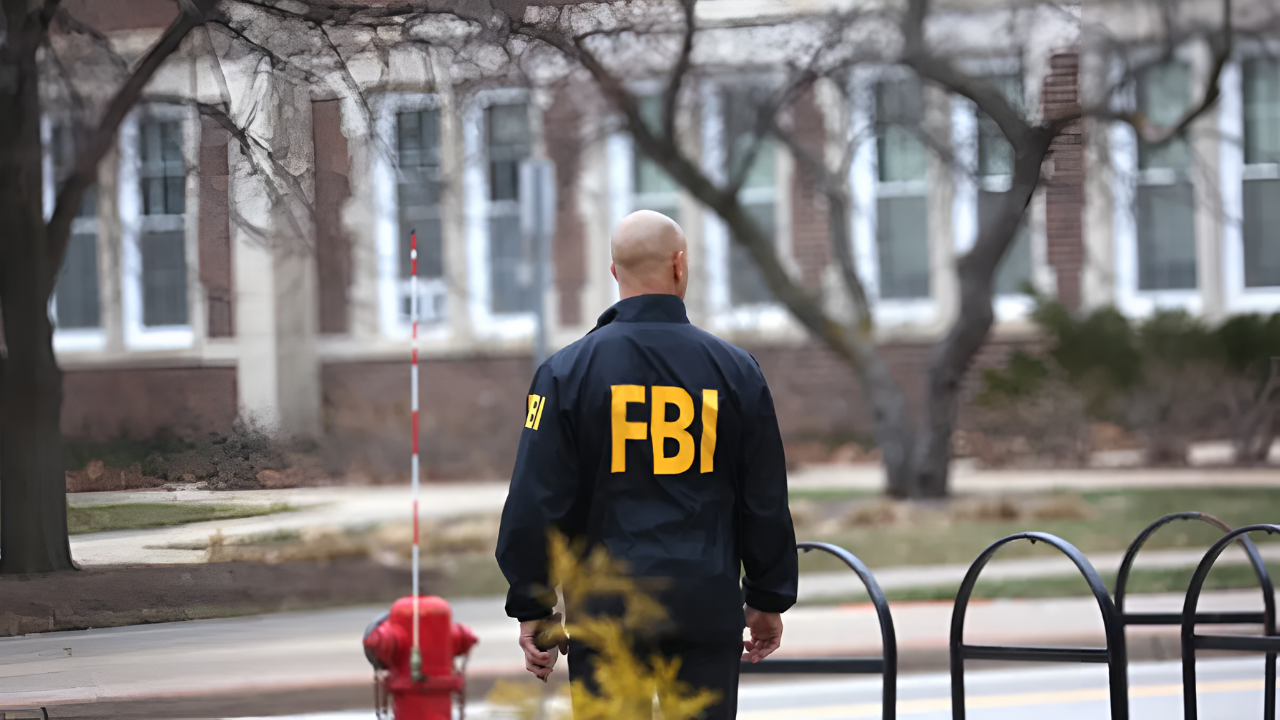
A scuffed black backpack lands on the secondary screening belt at Detroit Metropolitan Airport. Agents tear through crumpled tissues and discover something that would trigger a manhunt across continents: tiny vials of red, plant-like material—genetic starter kits for Fusarium graminearum, a fungus so destructive the FBI would call it a potential weapon of agricultural warfare.
Within months, the Chinese researcher tied to that stray bag transforms from a promising university scientist into a federal inmate, then an exile.
The Scientist at the Center of the Storm
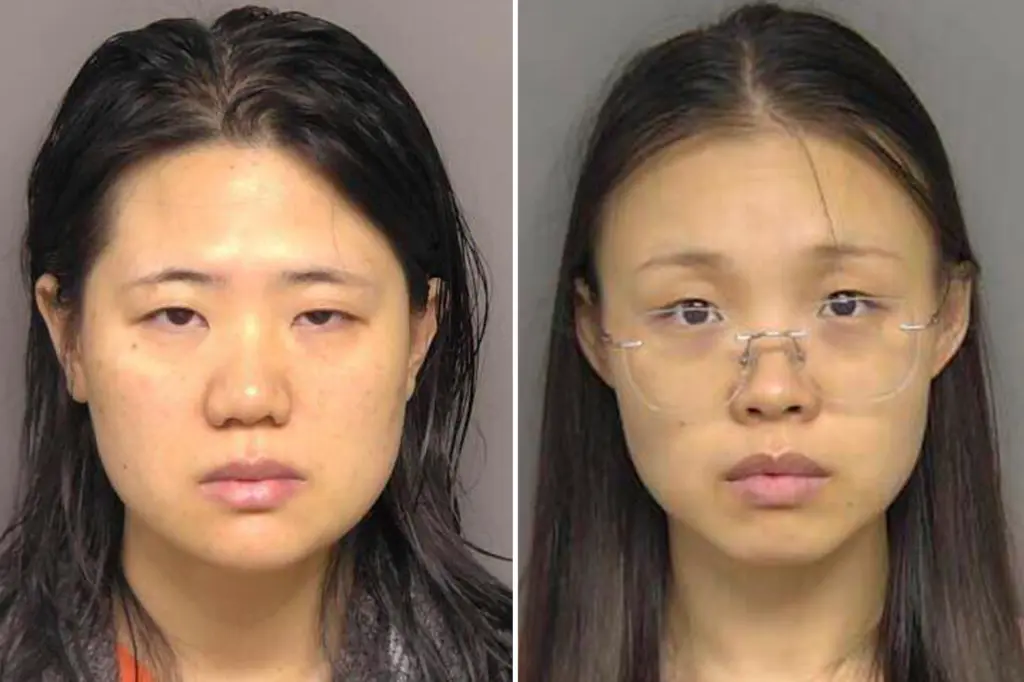
At the heart of this unfolding crisis stands Yunqing Jian, a 33-year-old plant pathologist and Chinese national working in a University of Michigan laboratory. Behind her professional credentials lies a more complicated picture: court records reveal she previously held a postdoctoral position at Texas A&M before the lab relocated to Michigan.
Prosecutors allege she received Chinese government funding to study the very pathogen found in the airport backpack and that her seized electronics contained damning files describing her “membership in and loyalty to the Chinese Communist Party.”
A Research Partnership Turns into a Federal Case
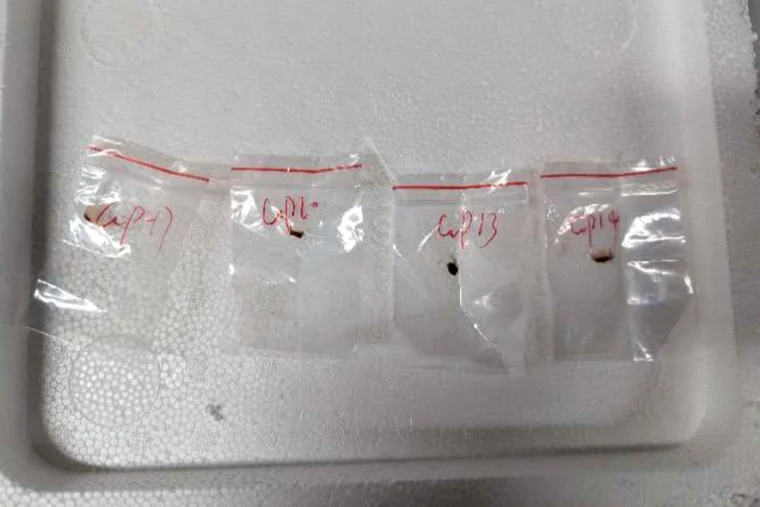
The backpack belongs to Zunyong Liu, Jian’s boyfriend and a researcher at a Chinese university studying the same pathogen. Investigators uncover a more sinister pattern: messages on seized devices show the pair meticulously coordinating the movement of biological samples. They plot a 2024 smuggling operation through Detroit and reconstruct a failed 2022 attempt.
What prosecutors paint as a calculated scheme—repeated, coordinated, deliberate—had begun, perhaps, as shared scientific ambition but evolved into something prosecutors would call a conspiracy.
How the Pathogen Slipped Past Safeguards

Liu knew exactly what he was doing. According to federal prosecutors, he understood that Fusarium graminearum was regulated, controlled, and restricted. Yet as he boarded his flight to Detroit to connect with Jian’s lab, he made a choice: he buried the fungus deep in tissues inside his carry-on, bypassing every checkpoint designed to stop precisely this scenario.
The vials should have arrived only under strict U.S. Department of Agriculture permits—permits the pair never requested, never filed, never obtained. That single act of concealment transformed a laboratory sample into a biosecurity breach.
What Makes Fusarium Graminearum So Frightening
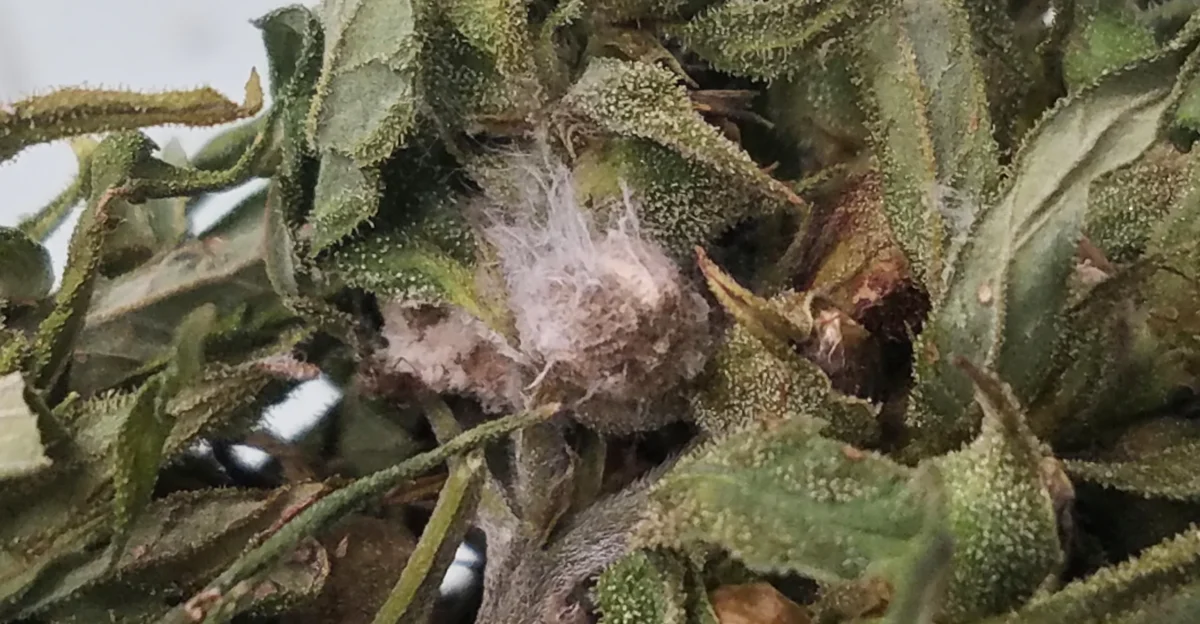
Fusarium graminearum causes “head blight,” or “scab”—a gruesome disease that transforms wheat, barley, corn, and rice fields into wastelands. Spores drift on wind and rain, infiltrating the flowering grain heads during the season’s most vulnerable moment.
U.S. and international studies have documented this pathogen triggering billions of dollars in crop losses worldwide over recent decades—entire seasons of farmer labor erased by microscopic invaders.
Vomitoxin: The Poison Hiding in Grain
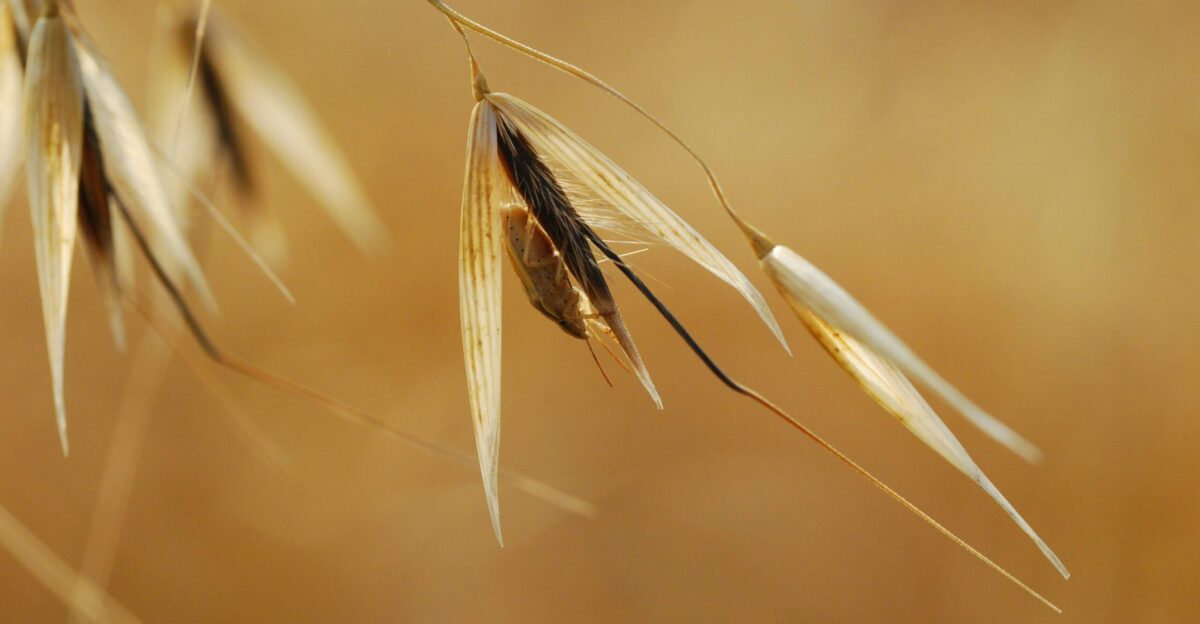
The real menace lies in what the fungus produces: deoxynivalenol, commonly called “vomitoxin”—a mycotoxin that infiltrates contaminated grain with invisible lethal potential. Humans and livestock that consume infected crops face vomiting, liver damage, and reproductive devastation.
The U.S. Food and Drug Administration has established strict guidance limits for vomitoxin in food and feed, but contaminated loads still cascade through supply chains, causing rejected shipments and ruinous financial losses that ripple across agricultural communities.
Potential Agroterrorism Weapon

In announcing the charges, the U.S. Attorney’s Office in Detroit weaponized the language of national crisis. They called Fusarium graminearum a “potential agroterrorism weapon” and a “dangerous biological pathogen,” citing scientific literature to underscore the menace.
The prosecutors warned that Jian and Liu had smuggled a noxious organism “into the heartland of America” and sought to exploit a University of Michigan lab to advance their scheme.
From Lab Sample to Biosecurity Breach
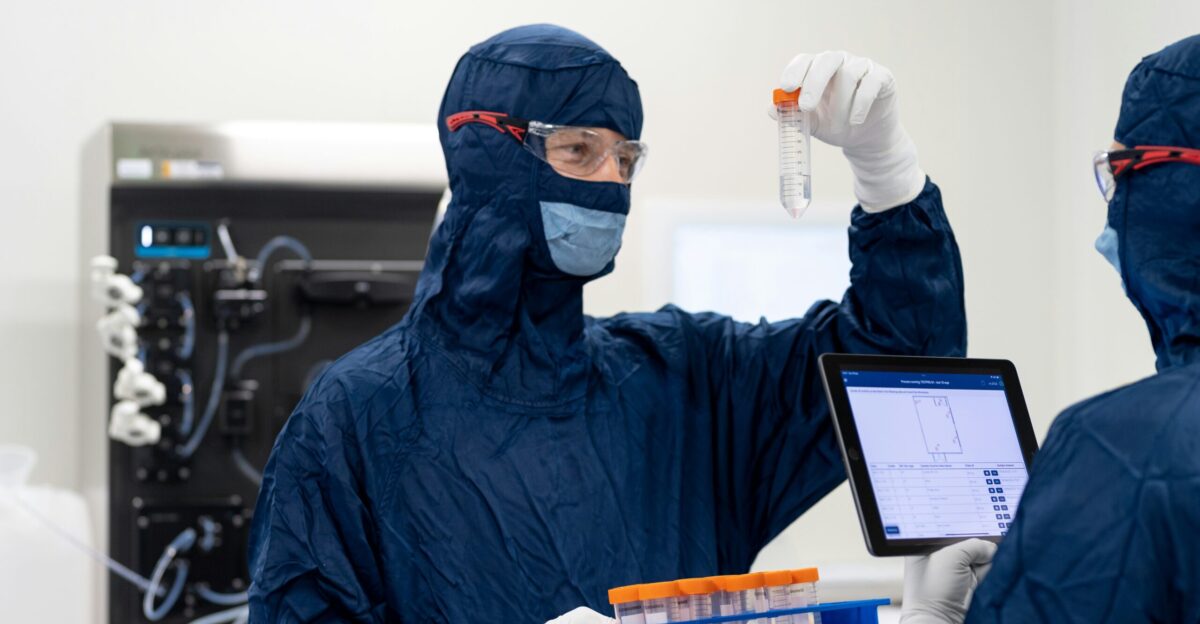
Under U.S. law, importing organisms capable of harming plants requires a bureaucratic gauntlet: USDA permits, containment protocols, and regulatory approval. Records reviewed in the criminal complaint tell a stark story—neither Jian nor Liu navigated that system. They bypassed it entirely.
That gap, prosecutors argued, transformed a research sample into an unauthorized bio-threat crossing an international border, triggering a joint investigation by the FBI and U.S. Customs and Border Protection with all the gravity such agencies reserved for genuine threats to national infrastructure.
Ambitious Science, Not Bioterror
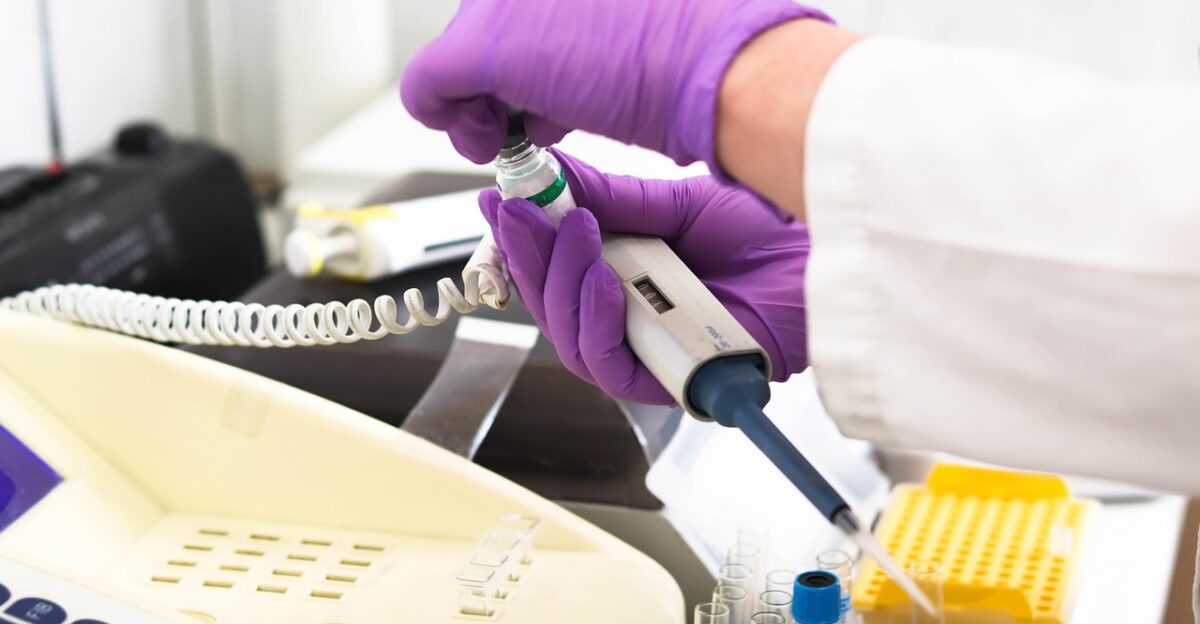
But Jian’s attorneys offered a different narrative, one buried in sentencing papers and courtroom filings. Their client, they argued, sought to continue her research without delays—not to sabotage U.S. agriculture or serve foreign intelligence interests. They stressed a crucial fact: Fusarium graminearum has flourished in American wheat and barley regions for more than a century and does not appear on the USDA’s formal agroterrorism watch list.
One Wisconsin professor told ABC News bluntly: “People should not be freaking out.” It is a serious disease, he explained, but a familiar one—not some exotic bioweapon.
Charges Facing the Chinese Scientist
The criminal machinery accelerates. Jian and Liu face a punishing array of charges: conspiracy, smuggling goods into the United States, making false statements, and visa fraud. As evidence accumulates from seized devices and investigator interviews, Jian makes a fateful decision.
She pleads guilty to one count of smuggling and one count of making false statements to investigators. Each smuggling count carries potential sentences of up to 20 years in federal prison—two decades behind bars for vials of fungus.
Evidence on Phones and Laptops

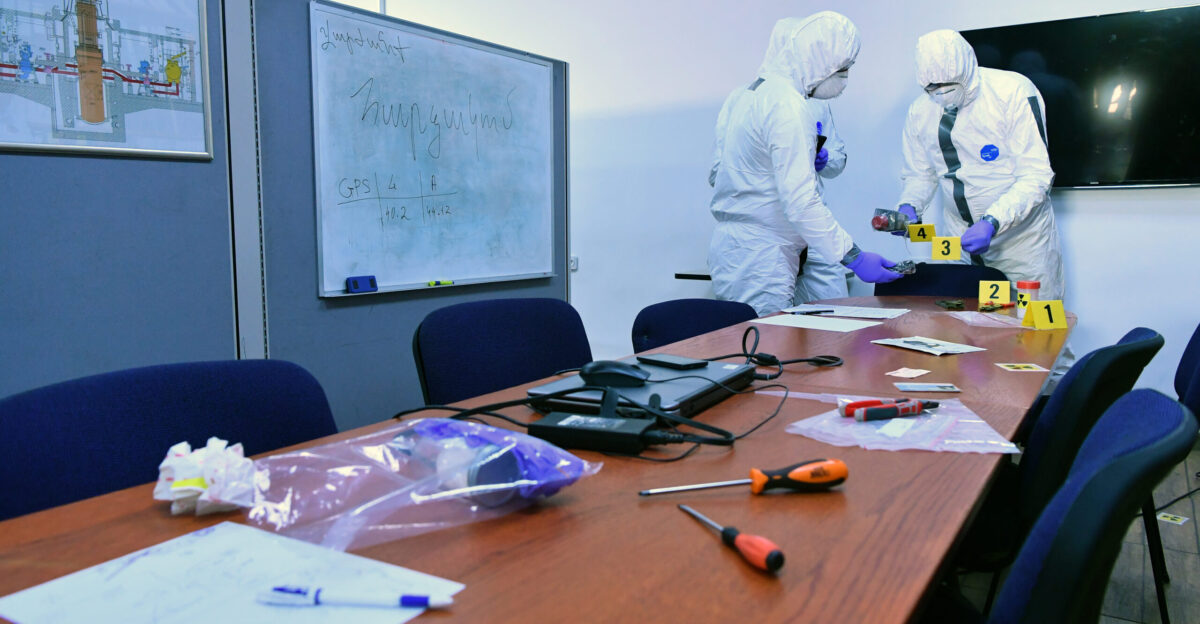
The digital record proves damning. Investigators seized phones and computers that chronicle the conspiracy in meticulous detail, including messages that coordinate the movement of samples, timing logistics, and contingency plans. But the devices reveal something prosecutors found even more troubling—evidence of Jian’s political identity.
Files describing her “membership in and loyalty to the Chinese Communist Party” populate her hard drive. Records detail Chinese government funding for her pathogen research.
Desperate Concealment Methods

The complaint describes Liu’s technique with clinical precision: tissues crumpled around vials, buried in a backpack, carried through security checkpoints. It is a method so mundane, so desperate, that it reveals the operation’s true nature—not sophisticated espionage, but scientists taking crude risks to move their research.
The FBI-backed complaint documents every detail, transforming the wrinkled tissues into evidence exhibits that would reshape two lives forever.
The Guilty Plea and Time-Served Sentence

In November, Jian stands before a federal judge and admits everything. She smuggled the crop pathogen. She lied to FBI agents. She violated biosecurity protocols designed to protect American agriculture. Prosecutors request 24 months in prison.
But the judge surprises observers by accepting time-served sentencing—just over five months in jail, the precise duration she had already spent in custody awaiting trial. Her punishment appears lighter than anticipated, yet its finality is absolute.
Remorse, Politics, and a Ruined Career

In a letter to the court, Jian expresses remorse and acknowledges her wrongdoing—words scripted by her defense team but laden with the weight of consequence. Her attorneys argue the case was distorted by “press coverage and political hysteria,” claiming prejudice against Chinese defendants had “colored this prosecution.”
They paint her as a driven researcher whose career lies in ruins, destroyed not by her crime but by the collision of science, geopolitics, and fear. T
Deported Within Days of Her Plea
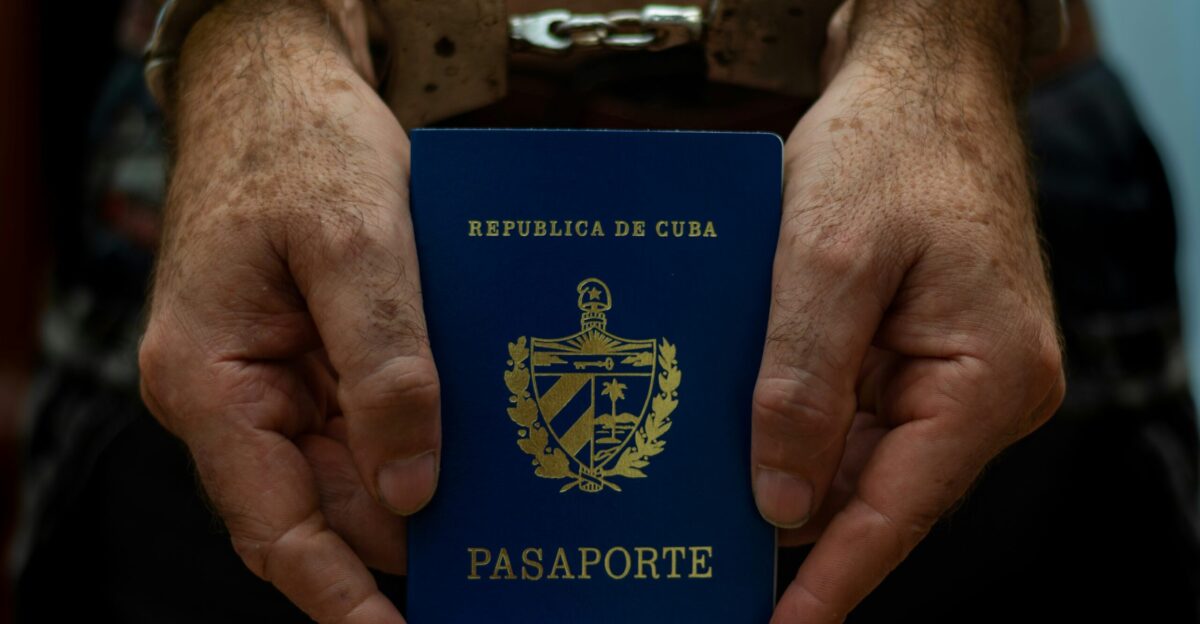
After sentencing, Jian’s trajectory accelerates toward its conclusion. DTN reports she “has left the country” under the terms of her plea agreement. Her attorney confirms to the New York Post the shocking swiftness of her departure: deported just two days after pleading guilty.
Authorities had coordinated her expulsion with the precision they had applied to the investigation itself. A once-promising university researcher had become an exile.
What Happens to Her Boyfriend’s Case

Liu’s legal drama remains unresolved. Court documents and agricultural press reports confirm he languishes in U.S. custody with his case still pending. Prosecutors say he eventually admitted smuggling Fusarium graminearum through Detroit so he could collaborate on the pathogen in Jian’s Michigan lab—but only after initially lying to federal agents.
His future hangs in the balance, shaped by the same contentious calculus that balances scientific inquiry against national security imperatives.
Farmers Watching from the Sidelines

For grain farmers across America’s heartland, this courtroom drama triggers primal fear. Experts recount the historical devastation: head blight outbreaks have already ravaged the upper Midwest and Great Plains, extracting billions of dollars in losses over the years.
The 1990s saw a wave of infection that triggered roughly a billion dollars in destruction alone—entire seasons of agricultural investment evaporated by fungal spores.
Experts Split on How Big the Threat Really Is
Plant pathologists agree the fungus is dangerous, but they dispute its value as a biological weapon. The pathogen does not rank at the top of agroterror concern lists, several experts told ABC News with candor.
A University of Illinois wheat geneticist told Reuters bluntly: “As a weapon, it would be a pretty ineffective one,” cautioning that other pathogens pose far graver dangers.
Universities and Agencies Caught in the Crosshairs

The University of Michigan moves swiftly to distance itself from the scandal, issuing a statement that “strongly” condemns actions threatening national security and emphasizing that it received no Chinese government funding tied to Jian’s research.
FBI Director Kash Patel delivers the most ominous declaration: calling it “a sobering reminder” that the Chinese Communist Party actively infiltrates U.S. institutions and targets the nation’s food supply with calculated intent.
The Invisible Border War Over Biosecurity
This case crystallizes a new reality: a misused university lab, a backpack at an airport security line, and microscopic fungal spores converge into a national security crisis with irreversible human consequences—months of incarceration, a career obliterated, and a life irrevocably redirected.
For international researchers entering American institutions, the message echoes with clarity: in an era of biological threats, every sample at the border now carries geopolitical weight. Science and espionage have become indistinguishable.
Sources:
U.S. Attorney’s Office, Eastern District of Michigan – criminal complaint and charging release on Jian and Liu.
U.S. Attorney’s Office, Eastern District of Michigan – press release on Jian’s guilty plea, sentence, and deportation.
USDA APHIS – plant pest and regulated organism import/permit guidance (PPQ 526 permitting framework).
FDA / U.S. federal guidance on deoxynivalenol (vomitoxin) limits in food and feed, via major explainer coverage.
CNN report on the pathogen‑smuggling case and evidence from the criminal complaint.