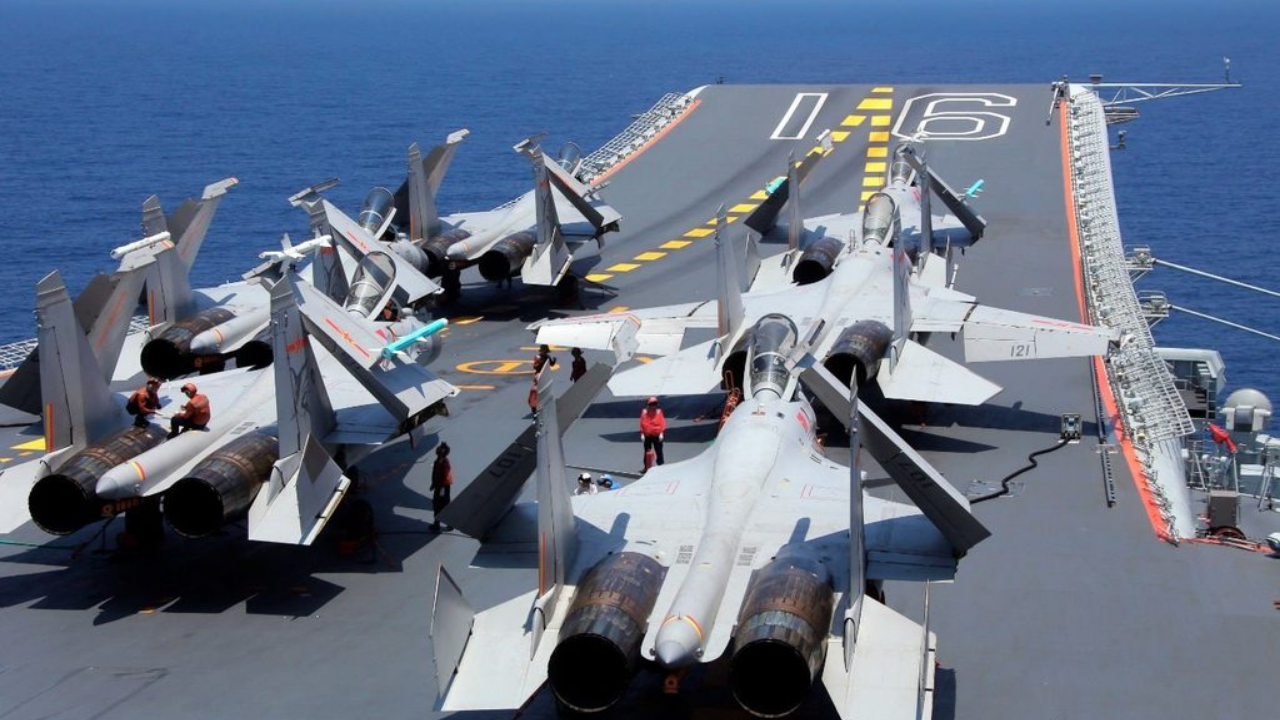
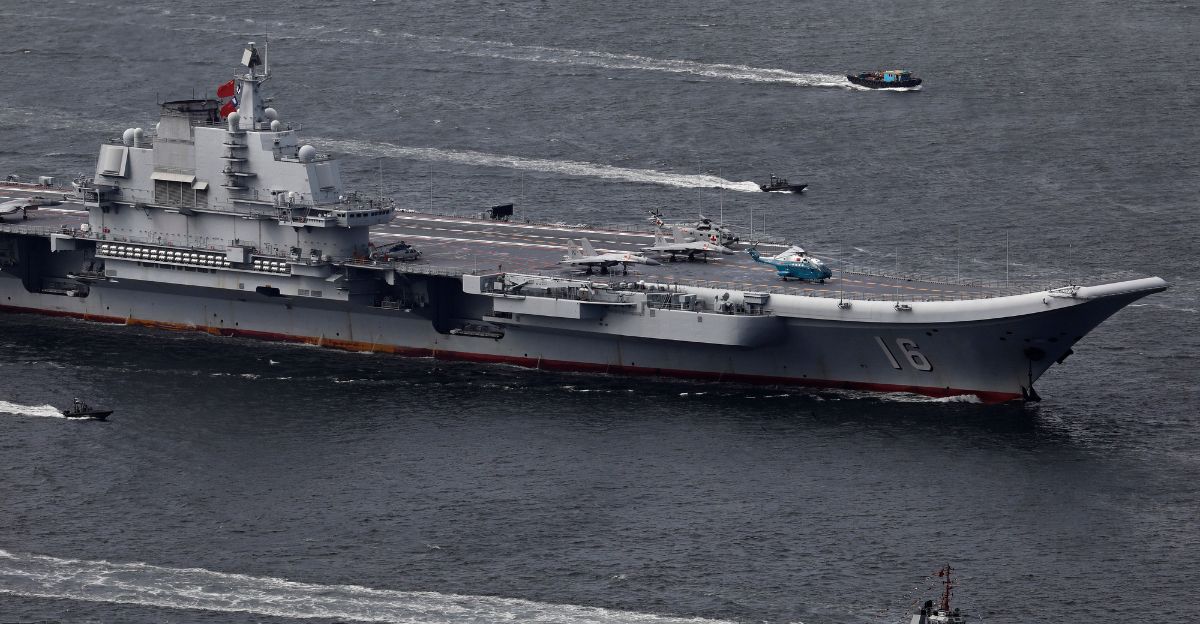
Chinese J-15 fighters from the aircraft carrier Liaoning locked fire-control radar on Japanese F-15s in two separate incidents over international waters southeast of Okinawa on December 6, 2024.
Tokyo confirmed these were the first-ever air-to-air radar locks between Chinese and Japanese aircraft. Japan immediately lodged a “strong protest,” warning that sustained illumination with missile-guidance radar represents a dangerous escalation in one of the Indo-Pacific’s most crowded military corridors.
Timing and Motives Around Pearl Harbor Anniversary
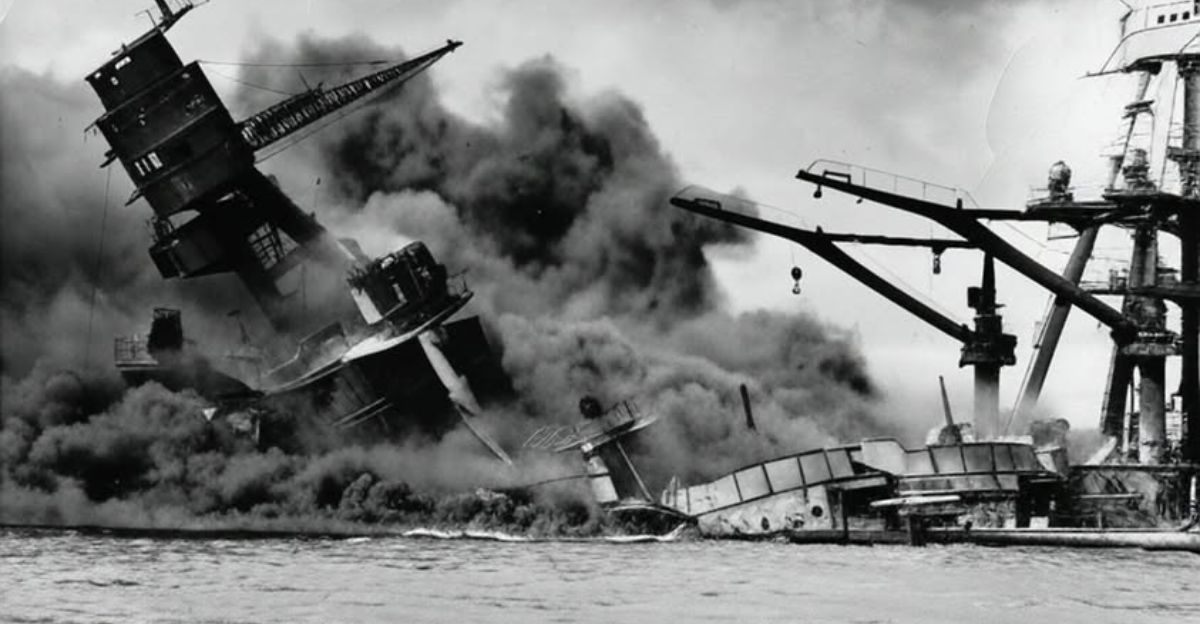
Japan filed its protest on December 7, the 83rd anniversary of Pearl Harbor, giving the episode symbolic weight. Tokyo argued the radar locks occurred amid expanding Chinese military pressure across the region, while Beijing rejected the complaint and issued a counter-protest accusing Japan of provocations.
The overlapping timing inflamed public debate in both countries and highlighted how historical memory can amplify the political impact of modern military confrontations.
Safety Concerns for Pilots and Civilian Airspace
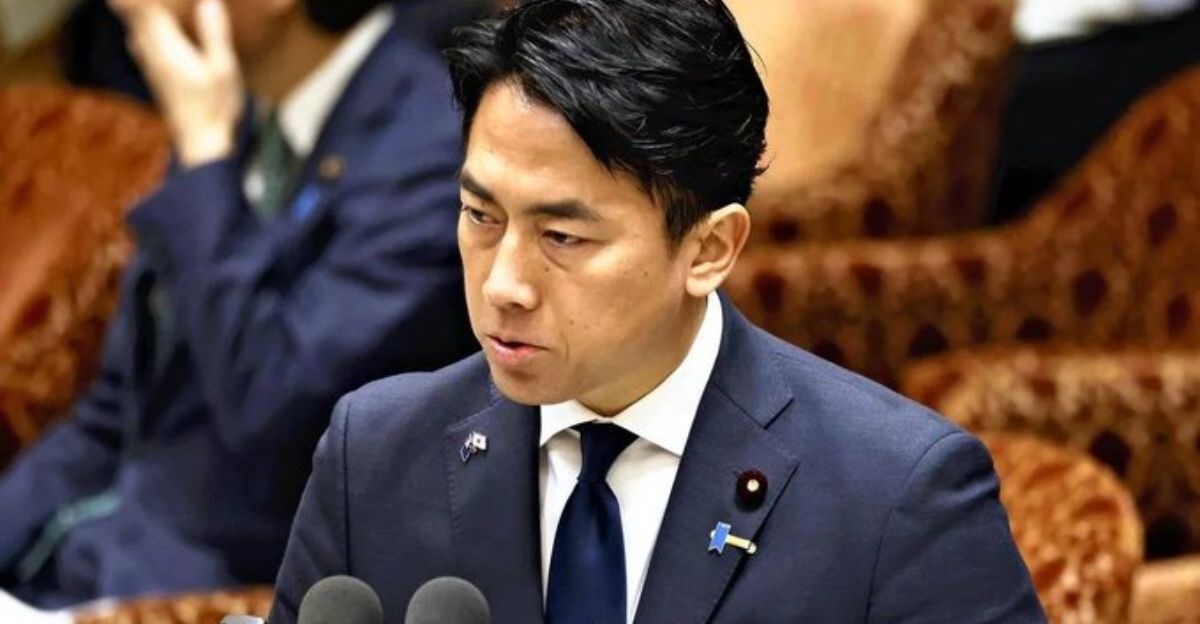
Japan’s Defense Minister Shinjiro Koizumi condemned the radar targeting as behavior that “exceeded safe aircraft operations.” Fire-control radar is designed for missile guidance, and in this case, Chinese J-15s held a lock for about 3 minutes in the afternoon and around 30 minutes in the evening.
No weapons were fired and no airspace was violated, but such duration significantly raises risks for both military crews and civilian aircraft traversing busy routes around Okinawa and Miyako Island.
Carrier Operations and Defense Industry Implications
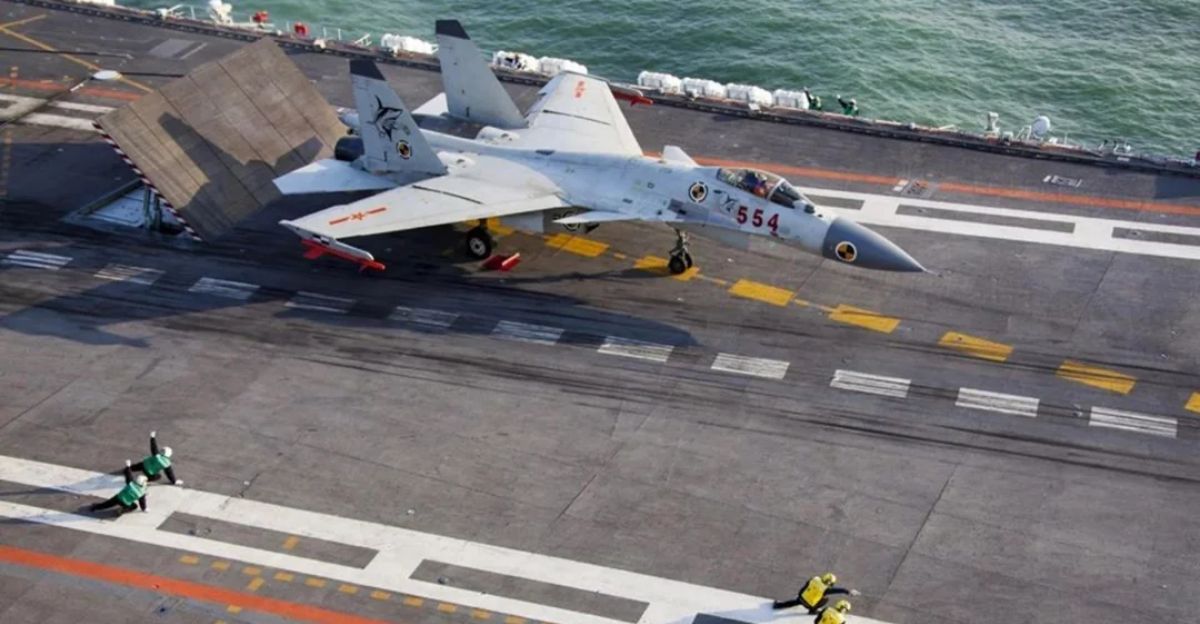
The J-15s launched from the Liaoning carrier group, which was conducting flight operations in the western Pacific. Japan routinely tracks Chinese carrier movements, and the incident fueled calls to accelerate upgrades to sensors, electronic-warfare suites, and next-generation fighters.
Observers note that increased carrier activity near Japan strengthens arguments for deeper industrial and operational partnerships with the United States and Australia, especially as Chinese carriers expand their operating radius.
Impact on Trade Routes and Shipping Confidence
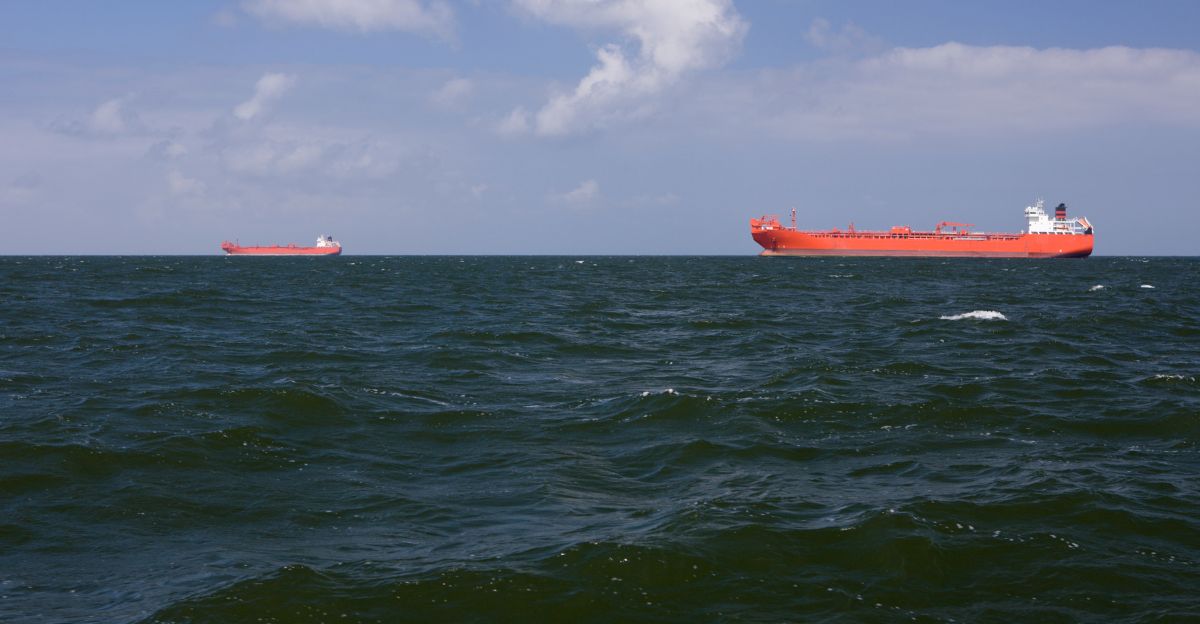
The radar locks occurred near vital sea lanes connecting East Asia to global markets. Although no shipping was disrupted, the proximity to major energy and container routes heightened concerns among maritime insurers and logistics planners.
Analysts warn that repeated confrontations near these chokepoints could affect risk assessments, raise shipping premiums during crises, and prompt temporary rerouting—even if encounters stop short of physical clashes.
Taiwan’s Security Calculus and Regional Militarization
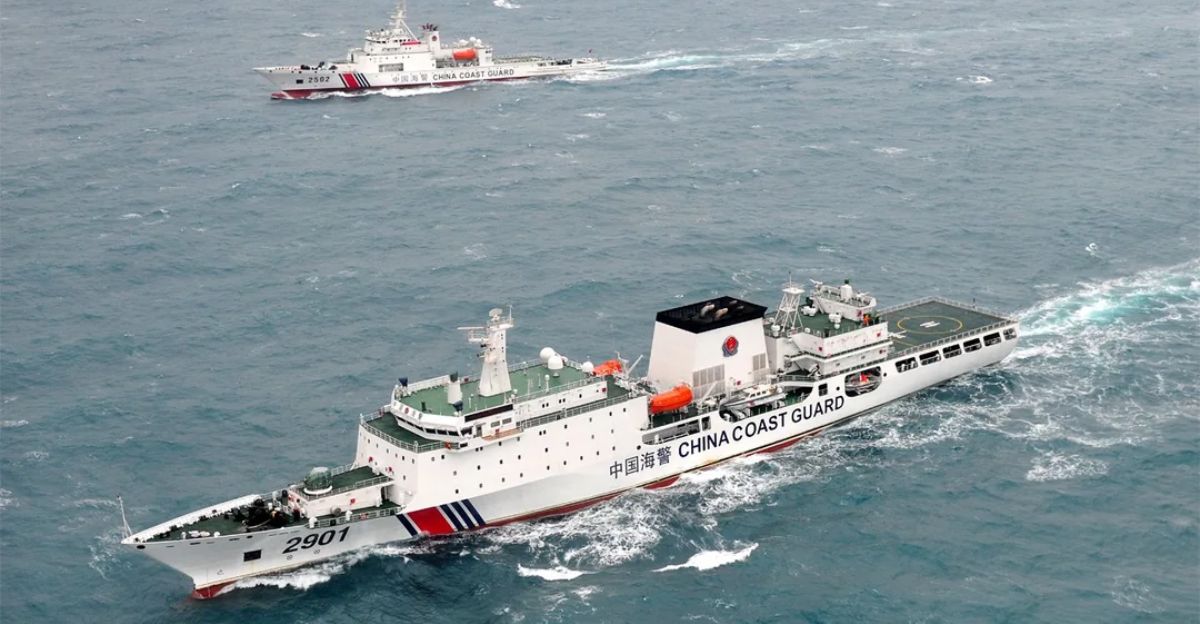
The incident unfolded as Taiwan reported around 90 Chinese navy and coast guard vessels operating around the island—its largest maritime deployment in nearly 30 years.
Coupled with the radar locks near Okinawa, Taipei viewed December’s activity as part of a broad pressure campaign across the Indo-Pacific. Taiwan’s leaders argue these simultaneous air and naval maneuvers justify maintaining high defense spending and closer security coordination with Japan and the United States.
Human Dimension: Strain on Pilots and Crews
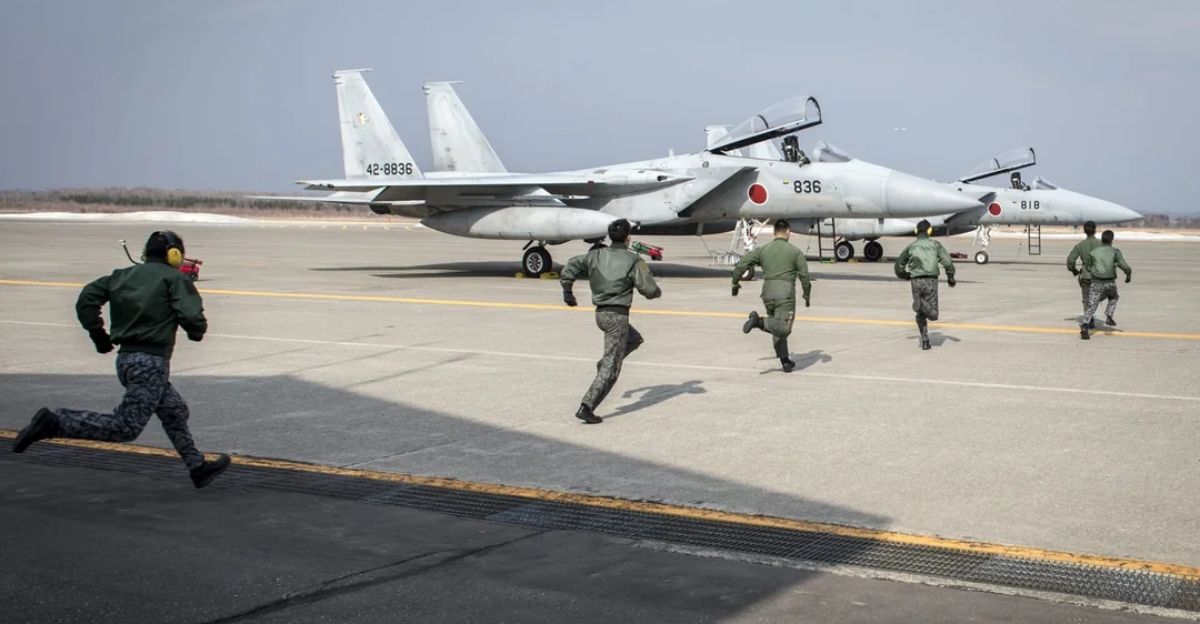
Japanese F-15 pilots scrambled from Naha Air Base endured sustained targeting normally associated with imminent missile engagement.
Although trained extensively for such encounters, repeated high-alert scrambles—especially ones involving 30-minute fire-control radar illumination—impose psychological stress and contribute to long-term fatigue. Controllers and crews navigating these close-quarters intercepts must balance deterrence with restraint, knowing that a single misjudgment can trigger rapid, unintended escalation.
Diplomatic Fallout and Policy Debates in Tokyo

The exchange of protests between Tokyo and Beijing intensified Japan’s internal debate over deterrence and rules of engagement.
Some lawmakers argue Japan must strengthen its posture—especially after Prime Minister Sanae Takaichi stated in November that Japan’s military could become involved if China acts against Taiwan. Others caution that tightening military cooperation with allies risks entangling Japan more deeply in conflicts across the Taiwan Strait or South China Sea.
Broader Economic and Investment Sentiment

While markets did not show an immediate reaction, investors are increasingly sensitive to recurring military frictions near Japan and Taiwan.
Events like the December radar locks contribute to a broader reassessment of geopolitical risk in East Asia, influencing decisions on supply-chain diversification, foreign direct investment, and long-term manufacturing commitments. Analysts emphasize that cumulative tensions—not isolated incidents—shape corporate strategy and regional economic planning.
Civil Defense, Preparedness, and Public Anxiety
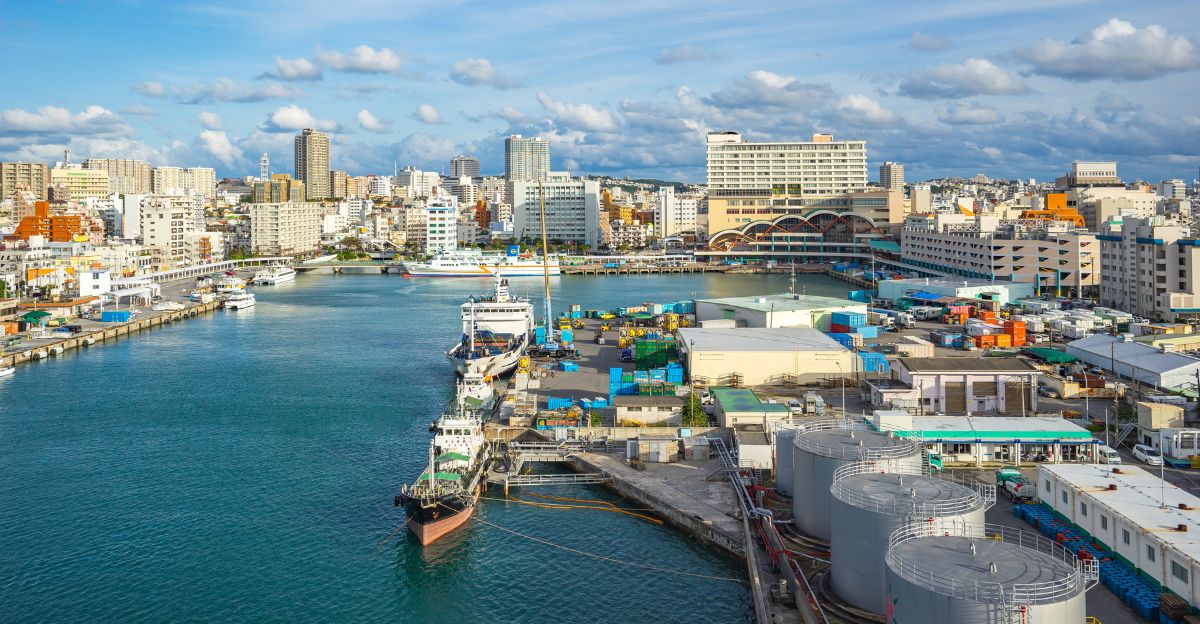
Residents of Okinawa—home to 1.5 million people—are increasingly aware that their surrounding airspace can become a flashpoint within minutes. Media coverage linked the radar lock to the Pearl Harbor anniversary, heightening public emotion even though no shots were fired.
The incident renewed interest in civil-defense education, smartphone alert systems, and emergency preparedness across Japan’s southwestern islands, where military intercepts and drills occur regularly.
Narrative Battles and Historical Memory
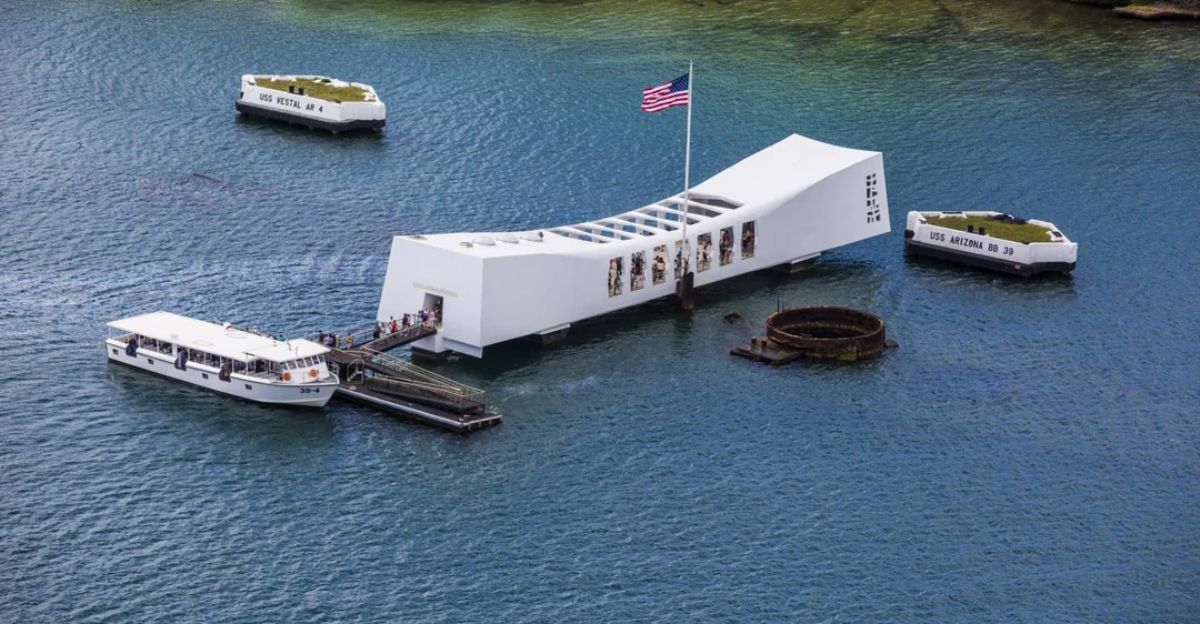
The Pearl Harbor anniversary added symbolic weight to competing national narratives. Japanese media portrayed China’s radar lock as a dangerous escalation, while Chinese officials accused Japan of interfering in Taiwan and conducting provocative monitoring operations.
These narratives shape domestic politics, influence public education, and complicate crisis communication. Both sides increasingly rely on information campaigns to frame regional events for international audiences.
Global Perception of China’s Military Posture

Australia’s Defence Minister Richard Marles labeled the radar incident “deeply concerning,” adding to alarm in Western capitals about China’s assertiveness.
European and North American observers similarly view the event as another data point in a pattern of risky Chinese intercepts at sea and in the air. For policymakers abroad, such incidents help justify higher defense spending, expanded Indo-Pacific deployments, and stronger alignment with Japan and Taiwan.
Defense Sector Winners and Strategic Losers
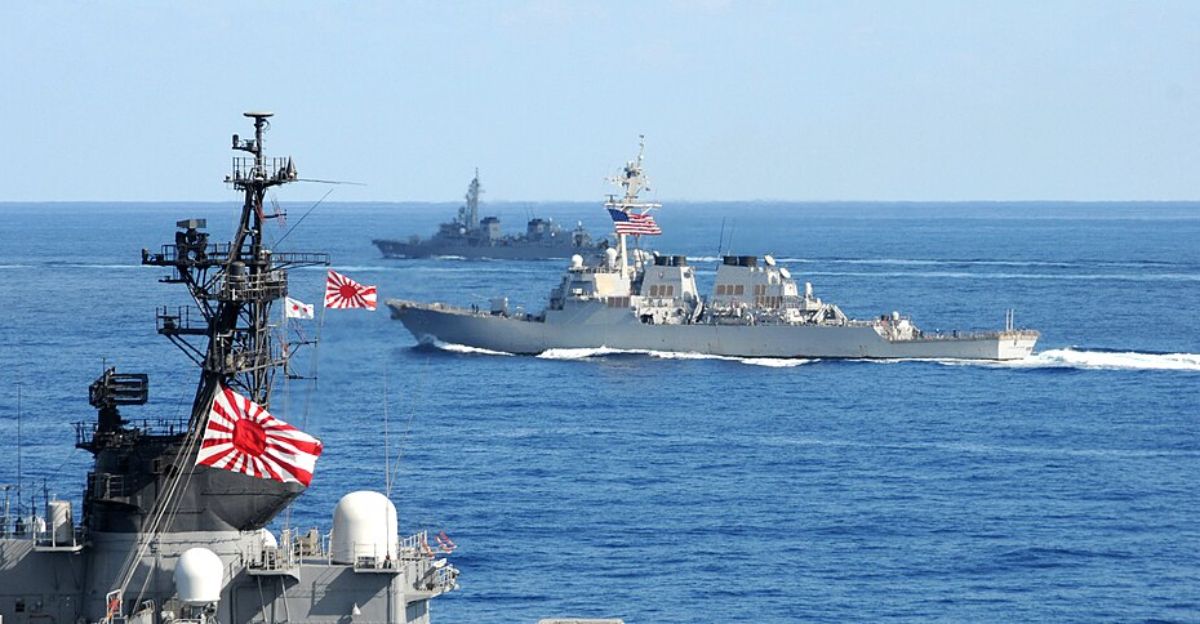
Rising tensions benefit defense manufacturers supplying advanced radar systems, fighter jets, and electronic-warfare technology to Japan, the U.S., and partners.
But the region faces strategic downsides: repeated standoffs threaten stability, tourism, and trade flows. The 90-ship Chinese deployment around Taiwan underscores how brinkmanship—whether at sea or in the air—creates economic and political costs that neither Beijing nor Tokyo can easily absorb over the long term.
Risk Management for Businesses and Travelers
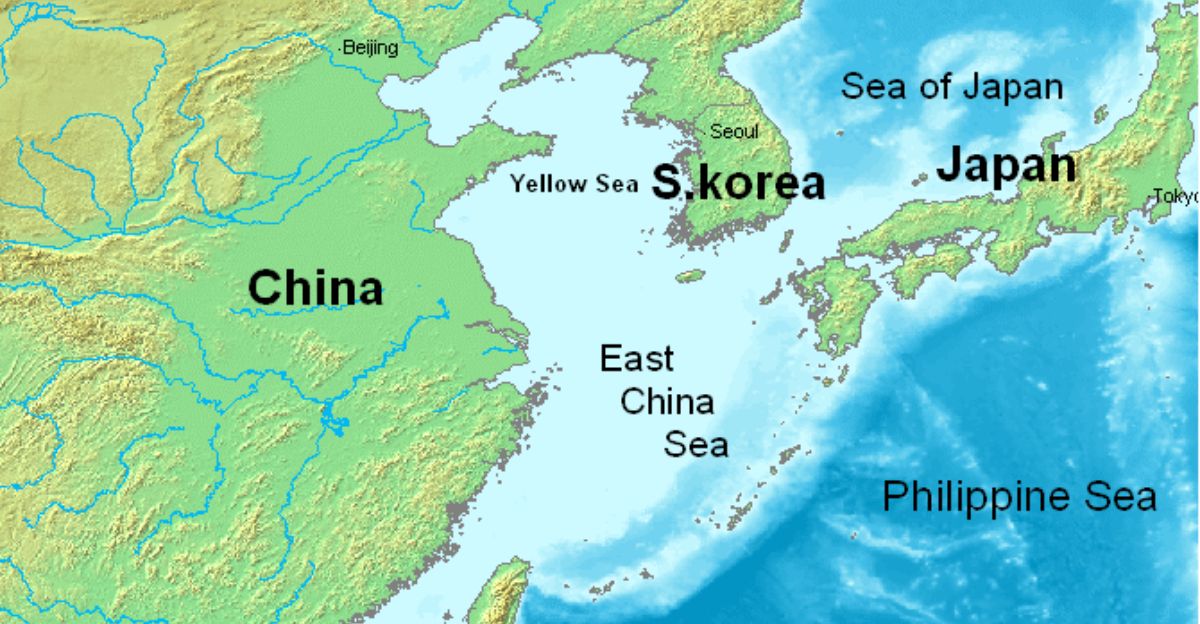
Businesses with operations near the East China Sea are reviewing contingency plans, logistics vulnerabilities, and insurance exposure. Analysts recommend companies diversify shipping routes and track Japanese and Taiwanese government advisories closely.
Travel to Okinawa and Taiwan remains safe, but overnight military developments—such as a sustained 30-minute radar lock—can require rapid adjustments to air routes and schedules. Awareness and risk-monitoring remain essential for travelers and corporate planners alike.
What This Incident Signals for the Indo-Pacific
The December 6 radar locks, Japan’s December 7 protest, and China’s counter-protest highlight the fragile threshold between routine monitoring and crisis.
With China expanding carrier operations near Okinawa and Taiwan facing unprecedented naval pressure, regional governments face growing pressure to establish stronger air-intercept protocols, crisis-communication hotlines, and confidence-building measures. Without them, even short radar bursts—let alone a 30-minute missile-guidance lock—could spark rapid escalation in the Indo-Pacific.
Sources:
NHK World, “Japan Condemns Chinese Radar Lock on F-15s,” 7 December 2024
AP News, “Japan Protests to China on Radar Lock Incident,” 8 December 2024
Asahi Shimbun, “Radar Lock by Chinese Fighters Raises Safety Concerns Near Okinawa,” 7 December 2024
USNI News, “Military Close Encounters in East China Sea Increase Risk,” 8 December 2025
Taipei Times, “Taiwan Reports Largest Chinese Naval Presence in Decades,” 9 December 2024
Naval News, “Pilot Stress Rises Amid Regional Air Tensions,” 2025